 Image 1 of 17
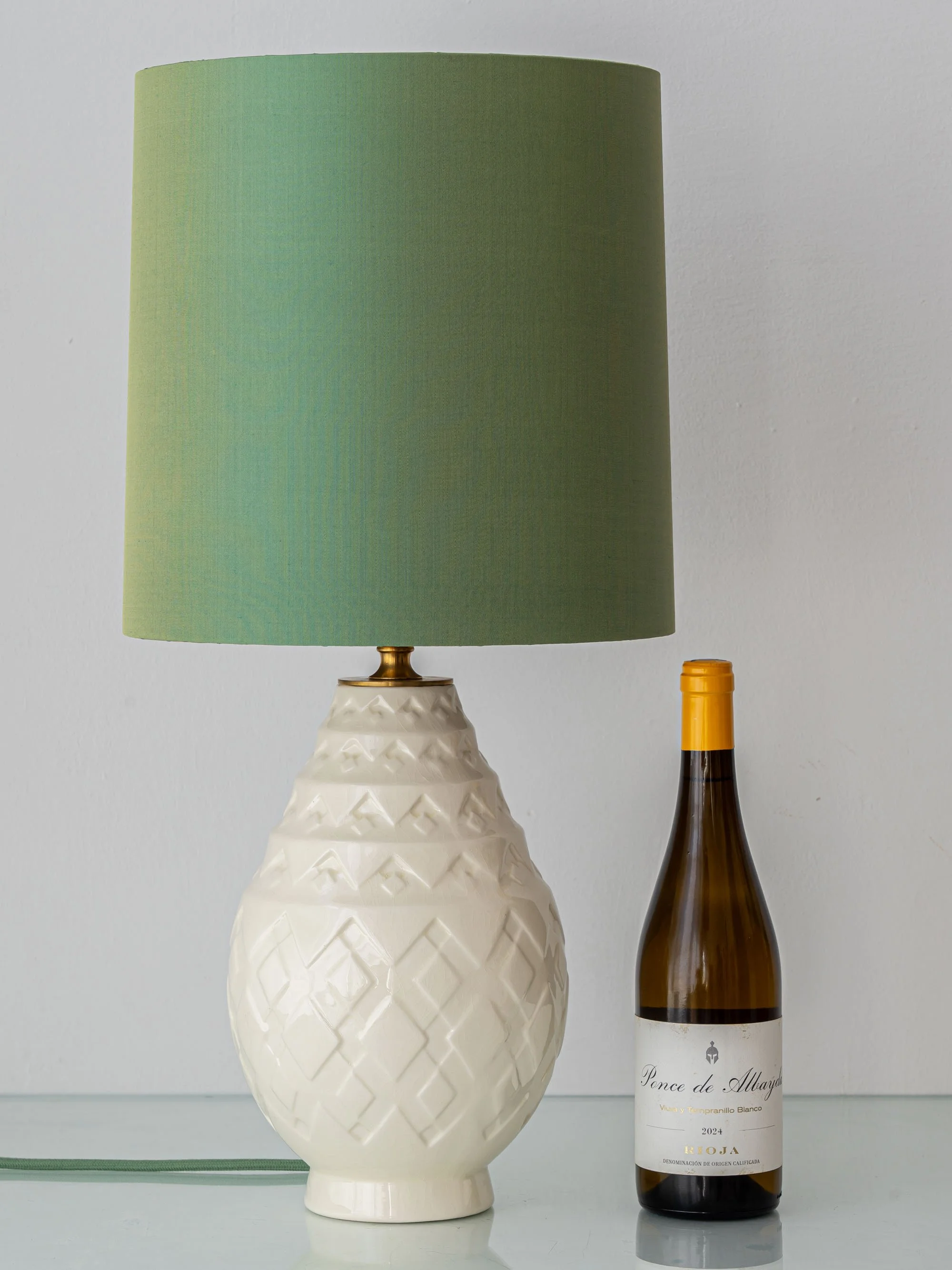 Image 2 of 17
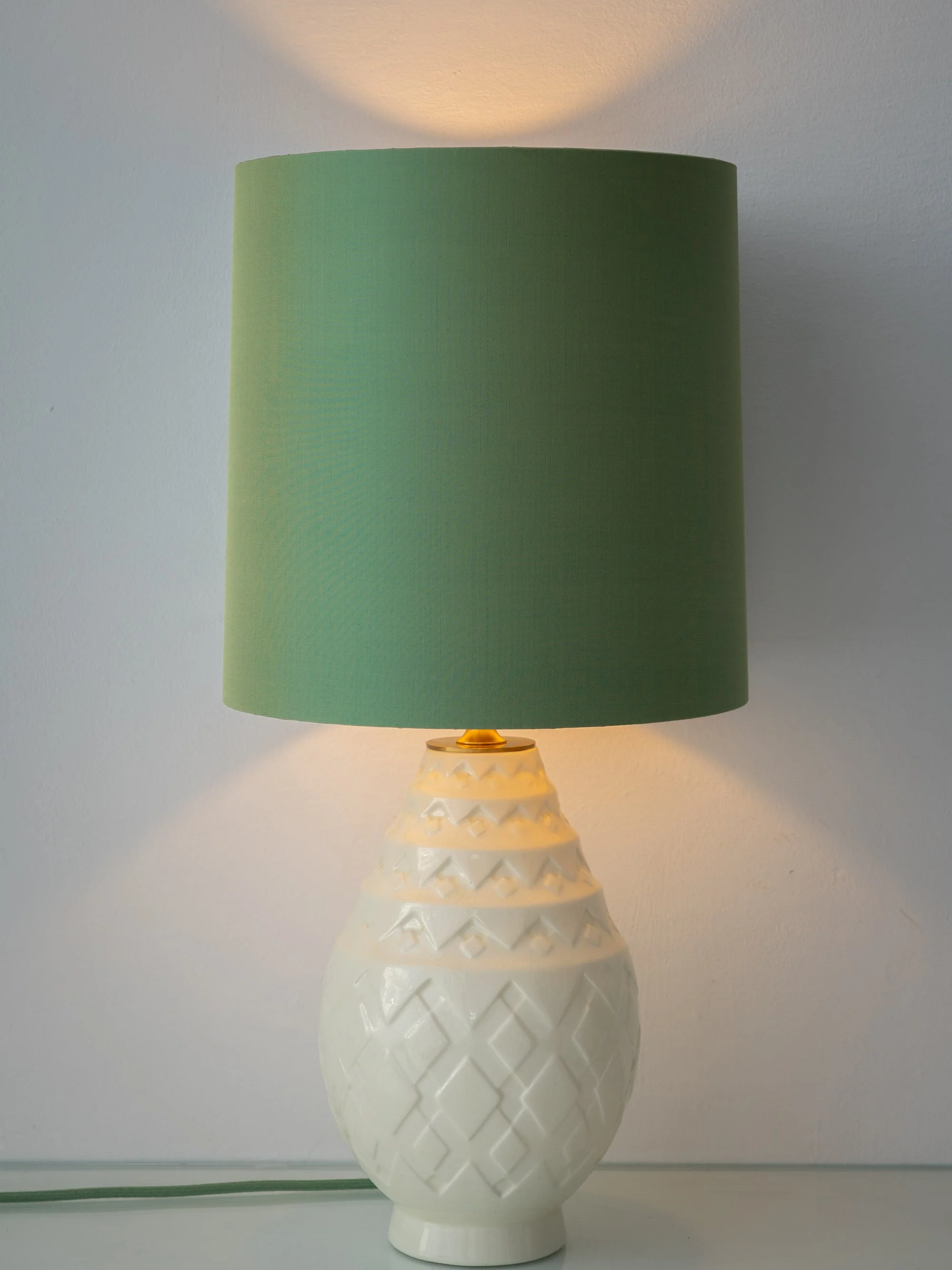 Image 3 of 17
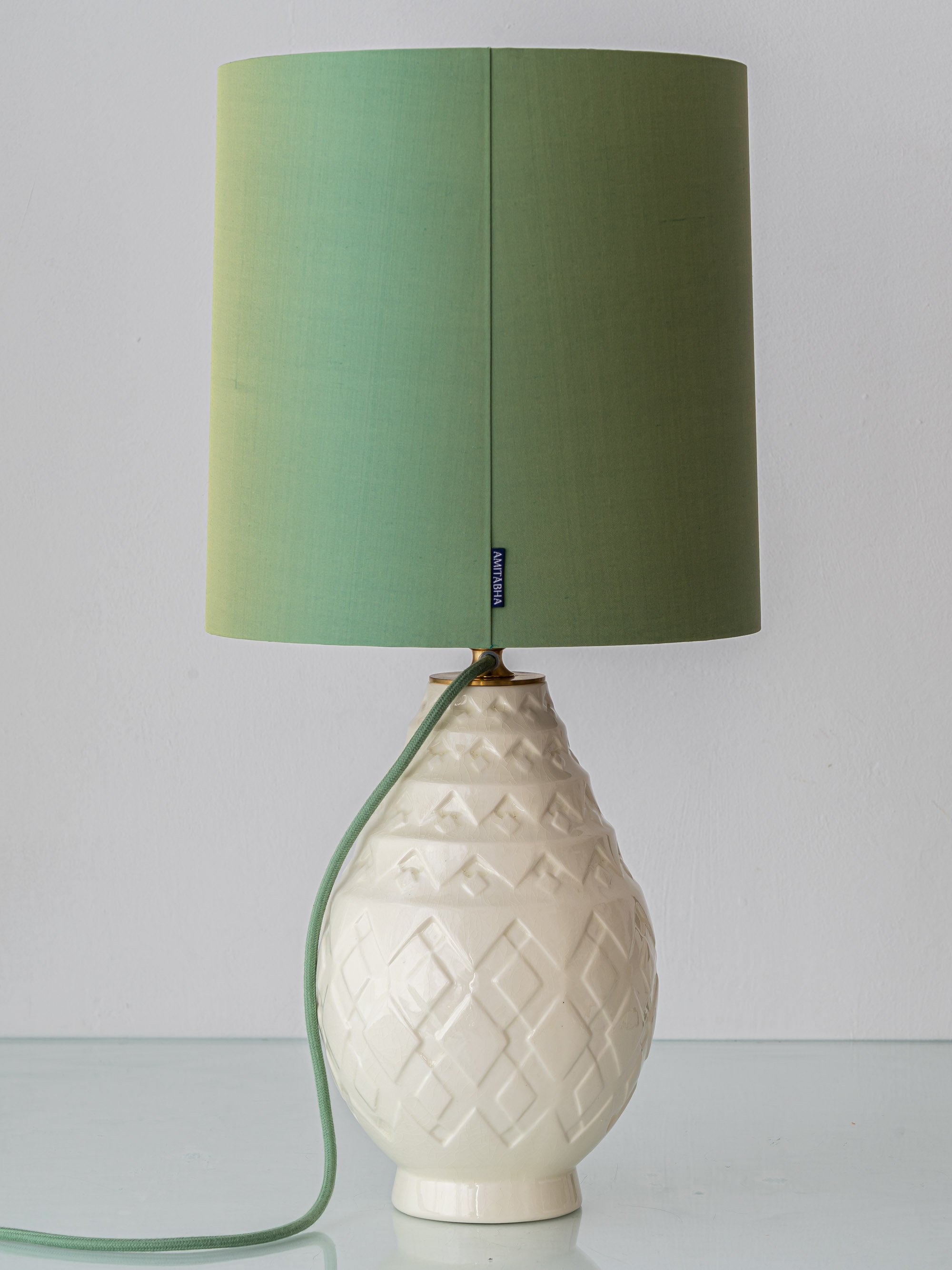 Image 4 of 17
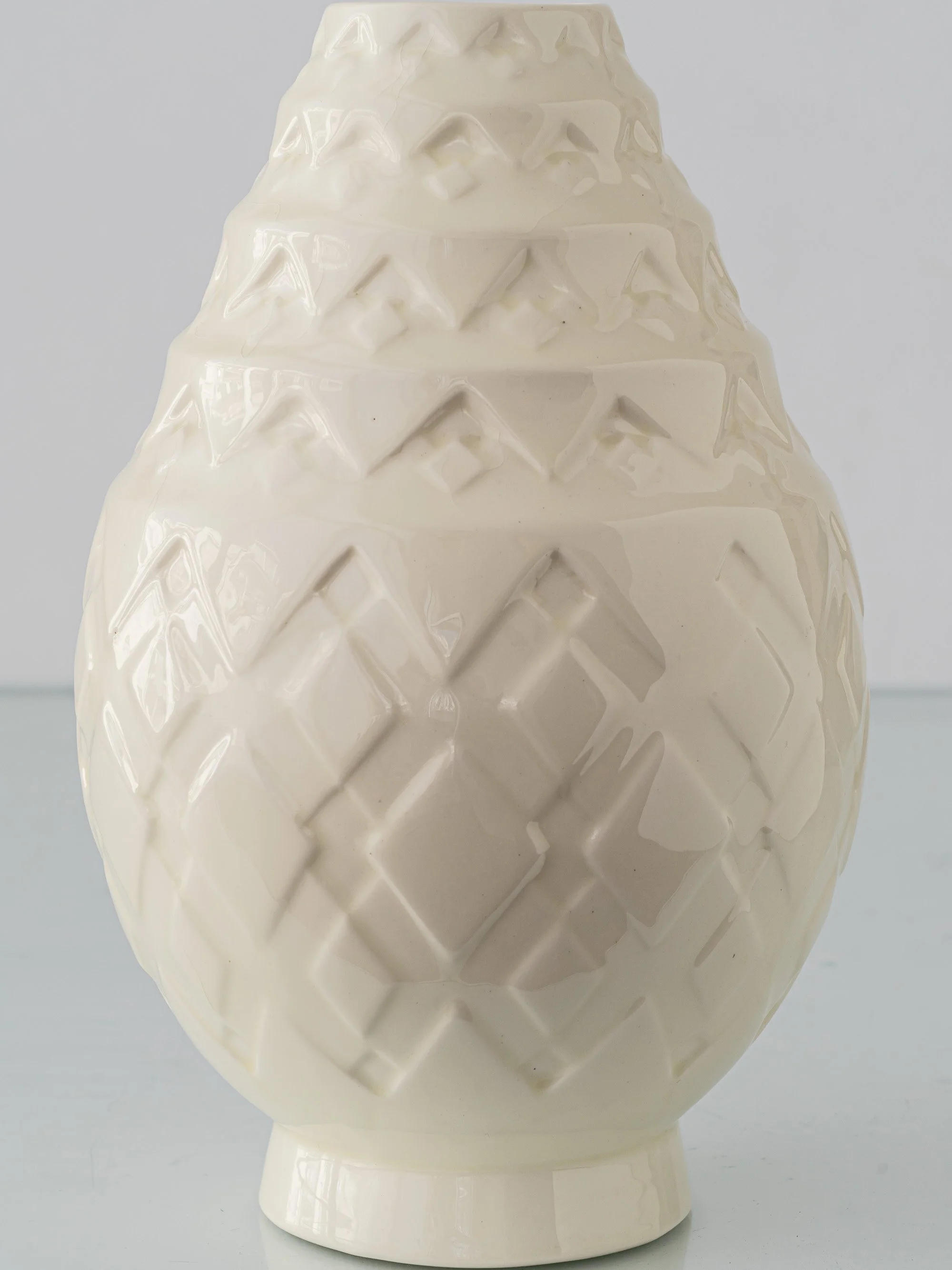 Image 5 of 17
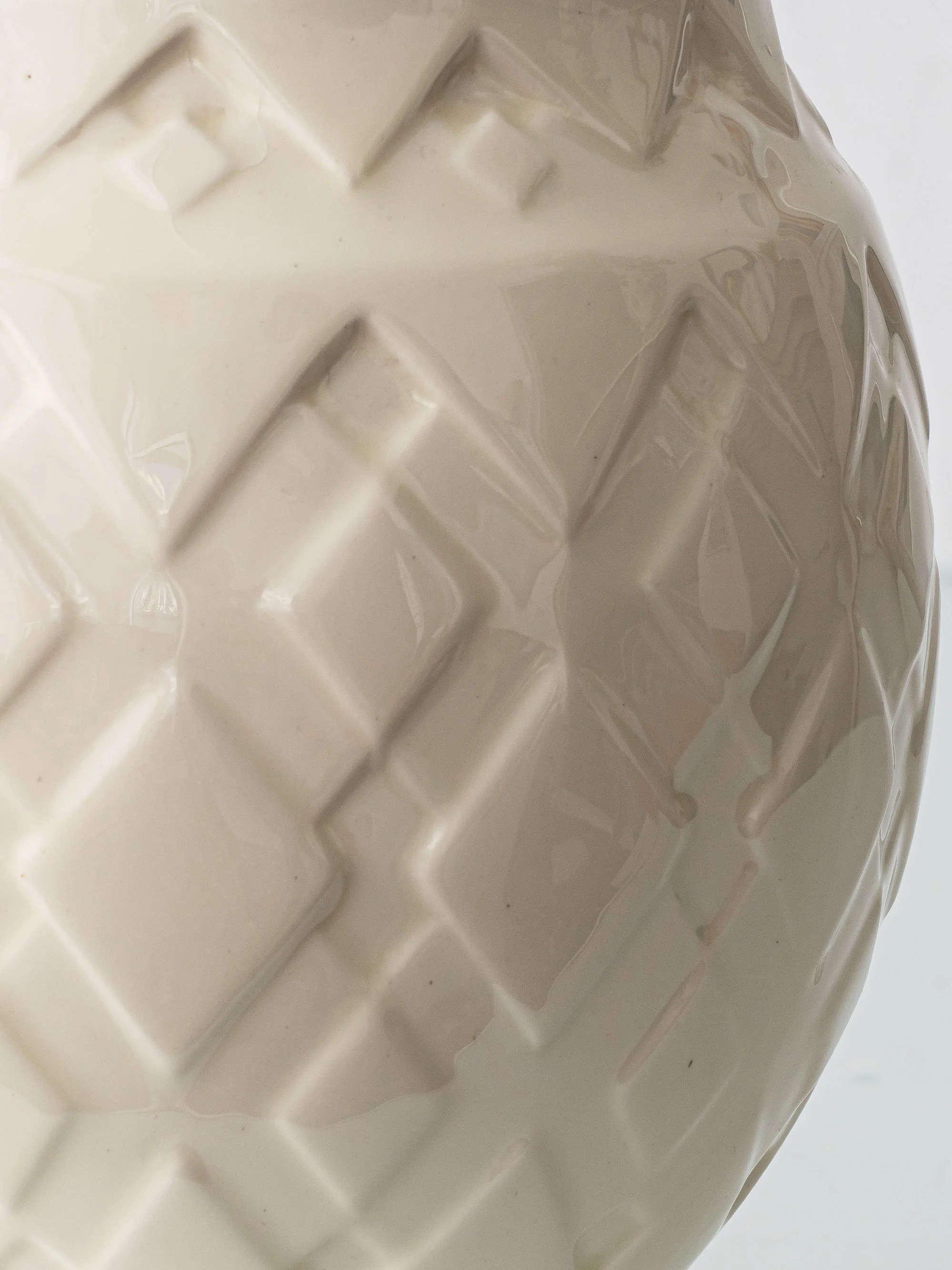 Image 6 of 17
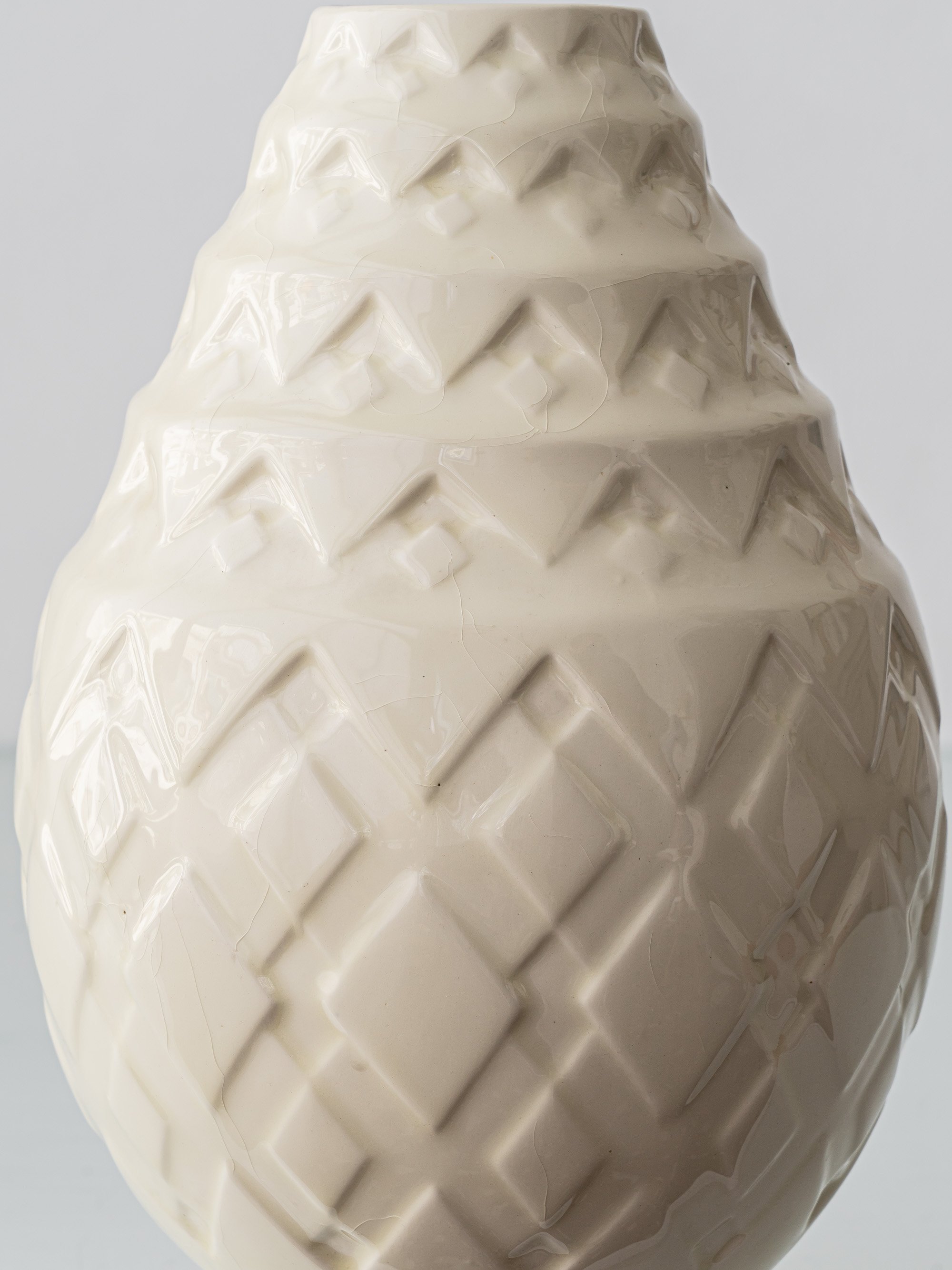 Image 7 of 17
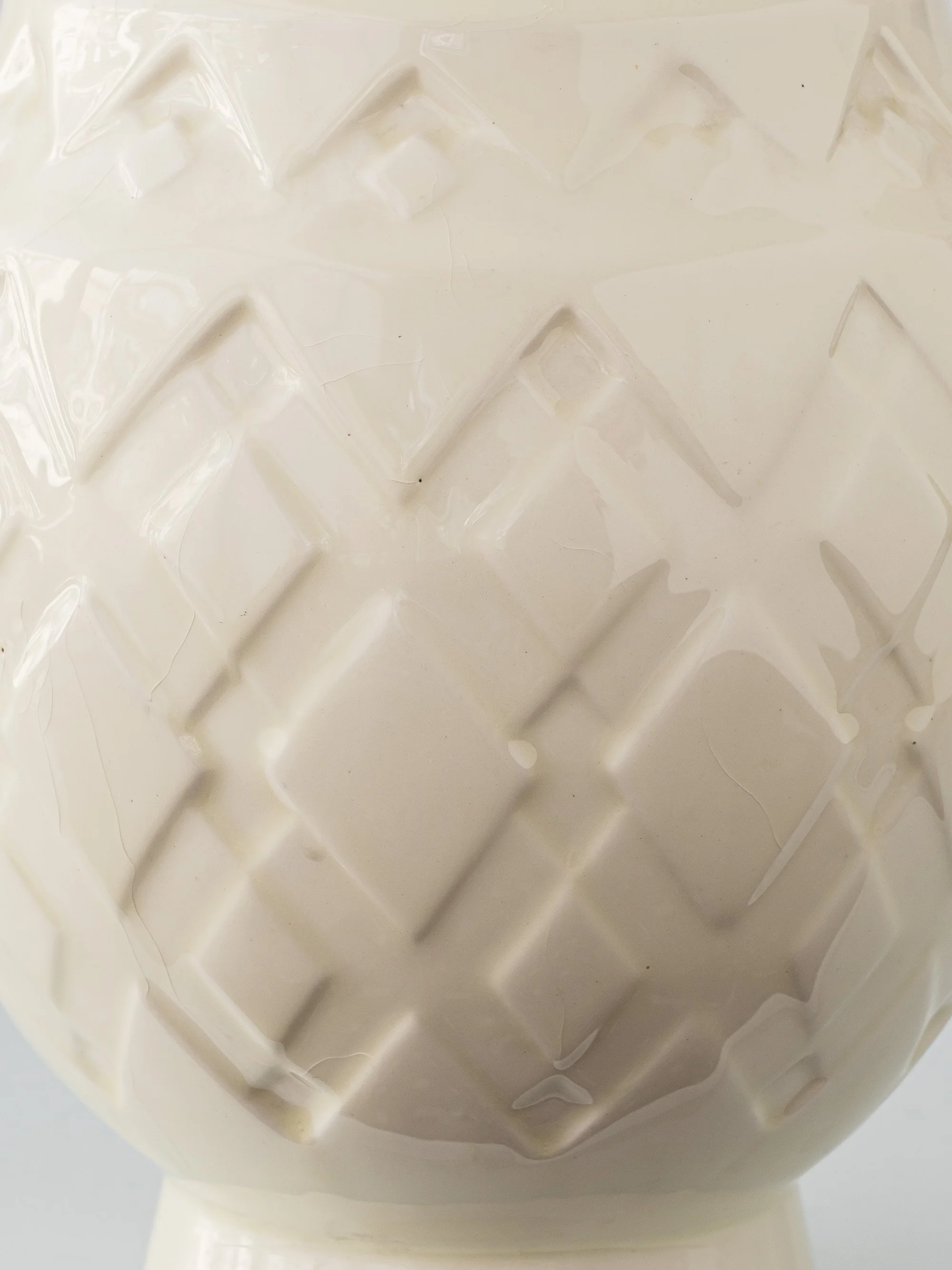 Image 8 of 17
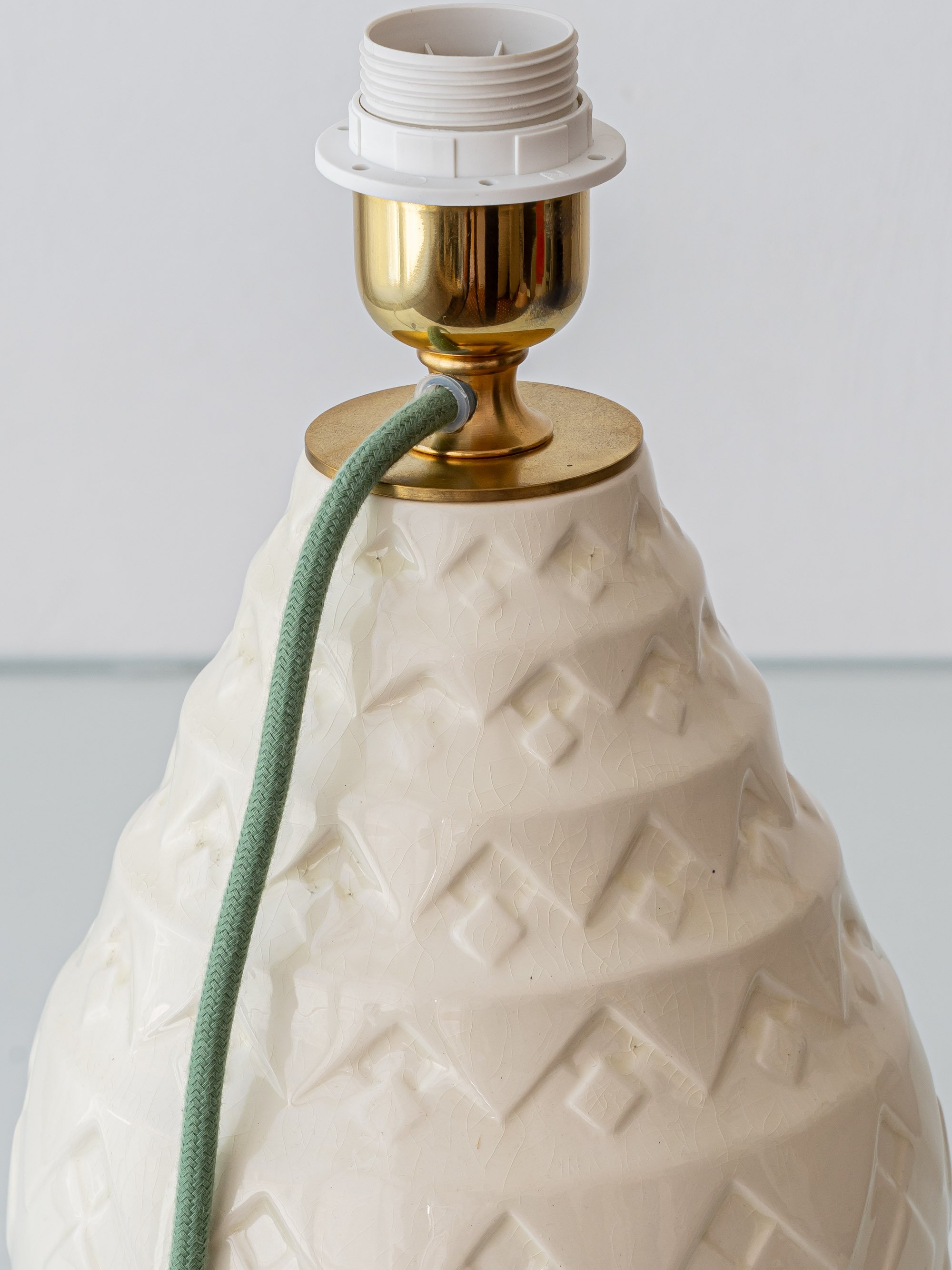 Image 9 of 17
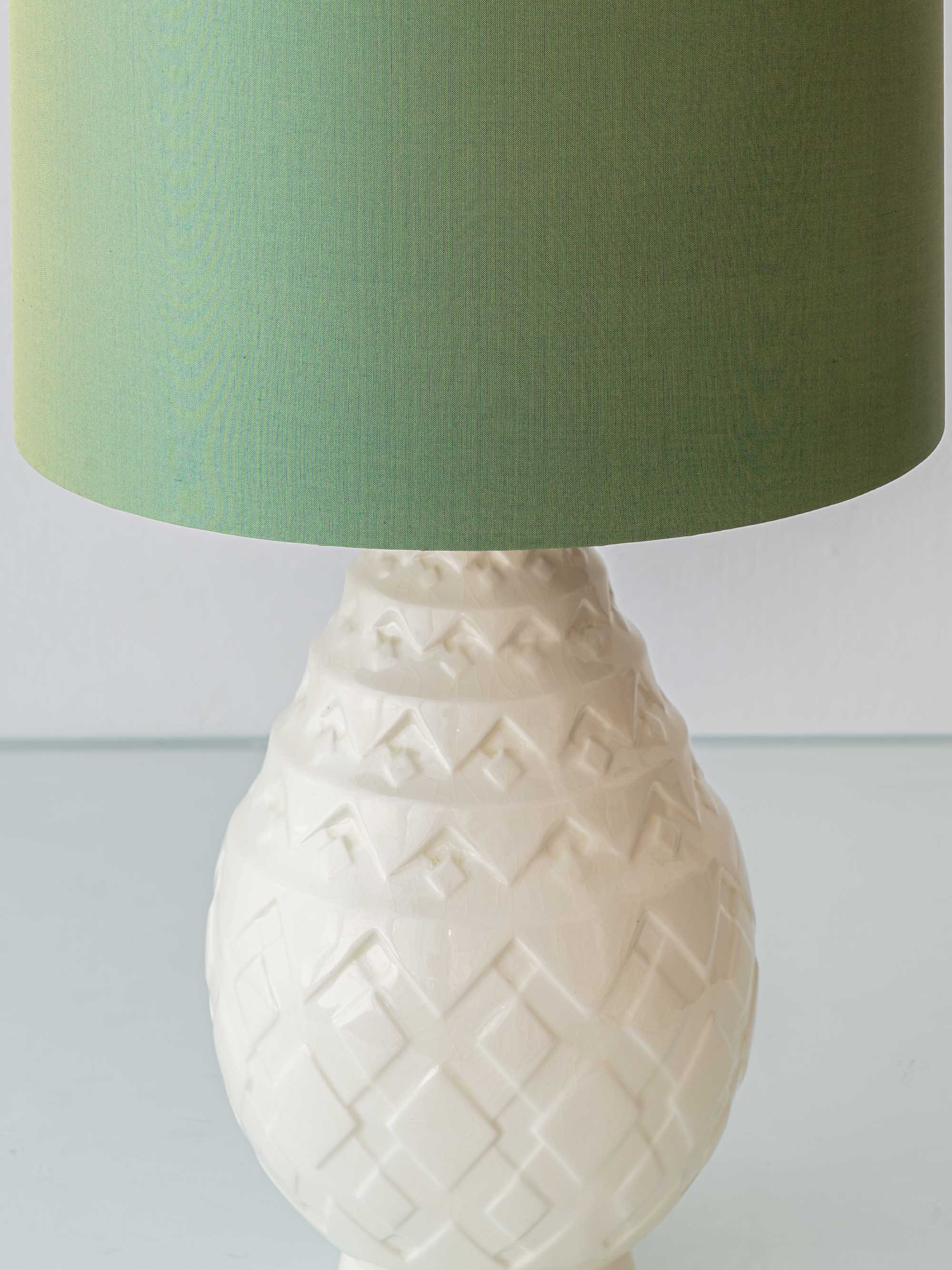 Image 10 of 17
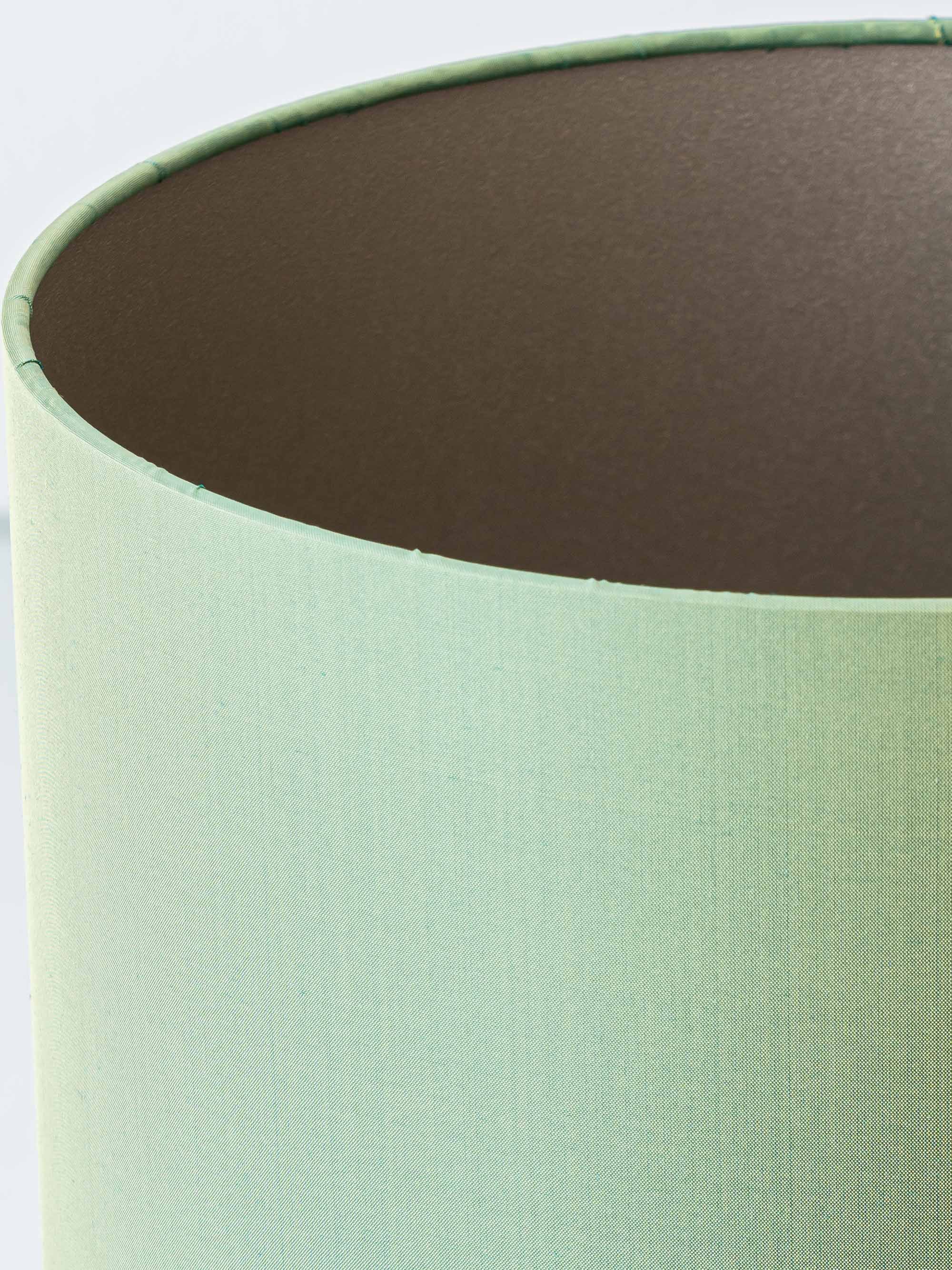 Image 11 of 17
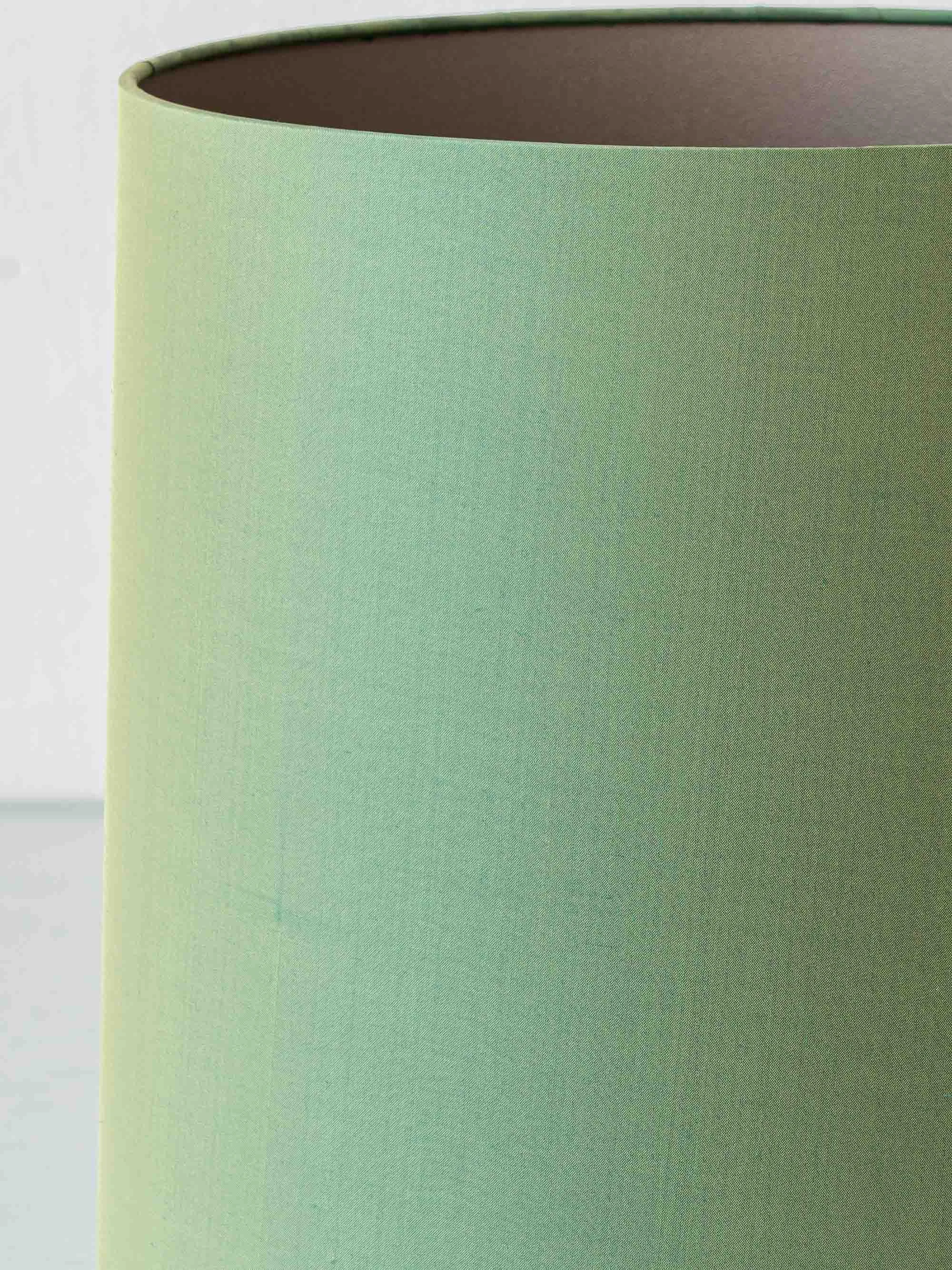 Image 12 of 17
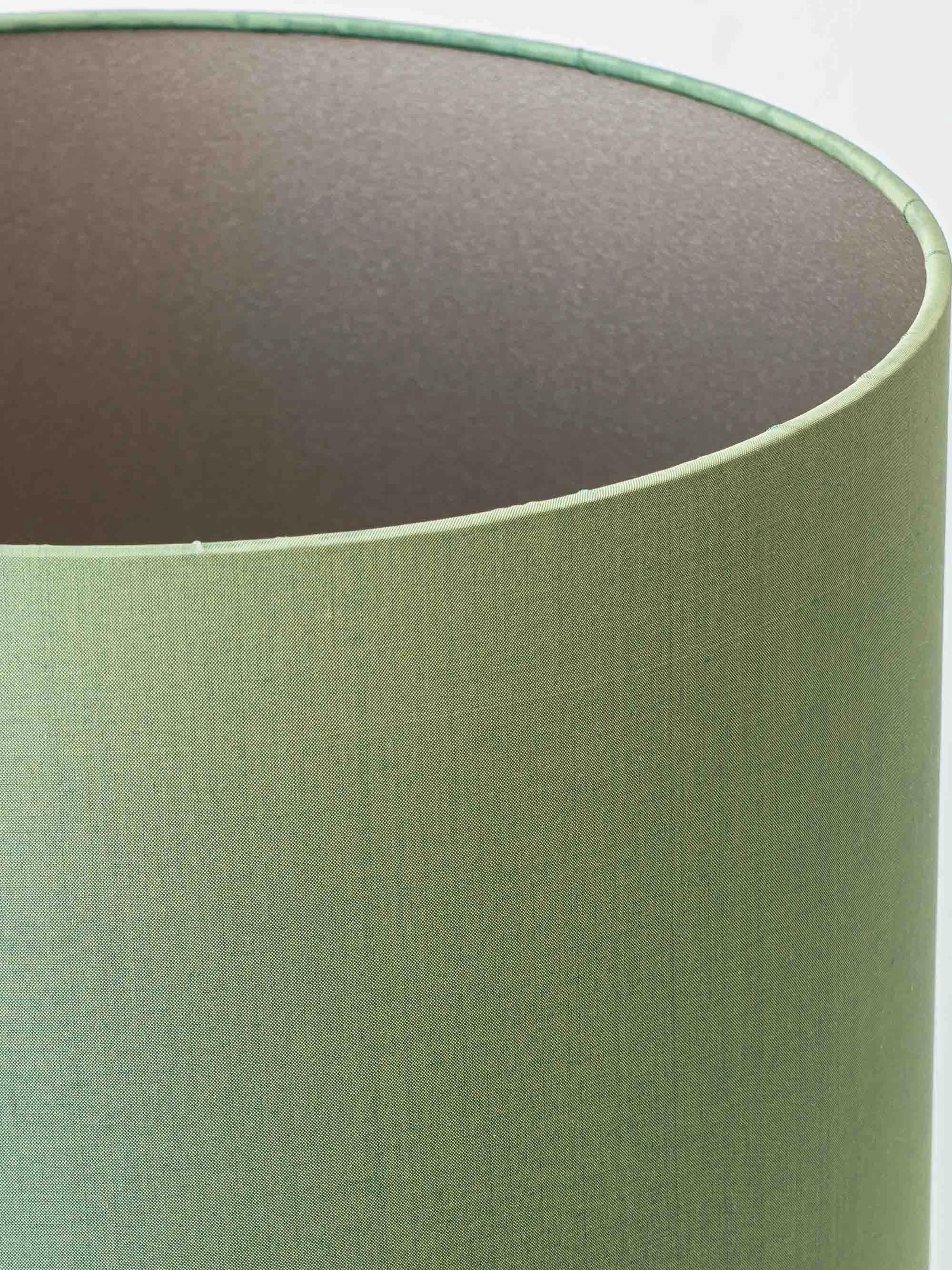 Image 13 of 17
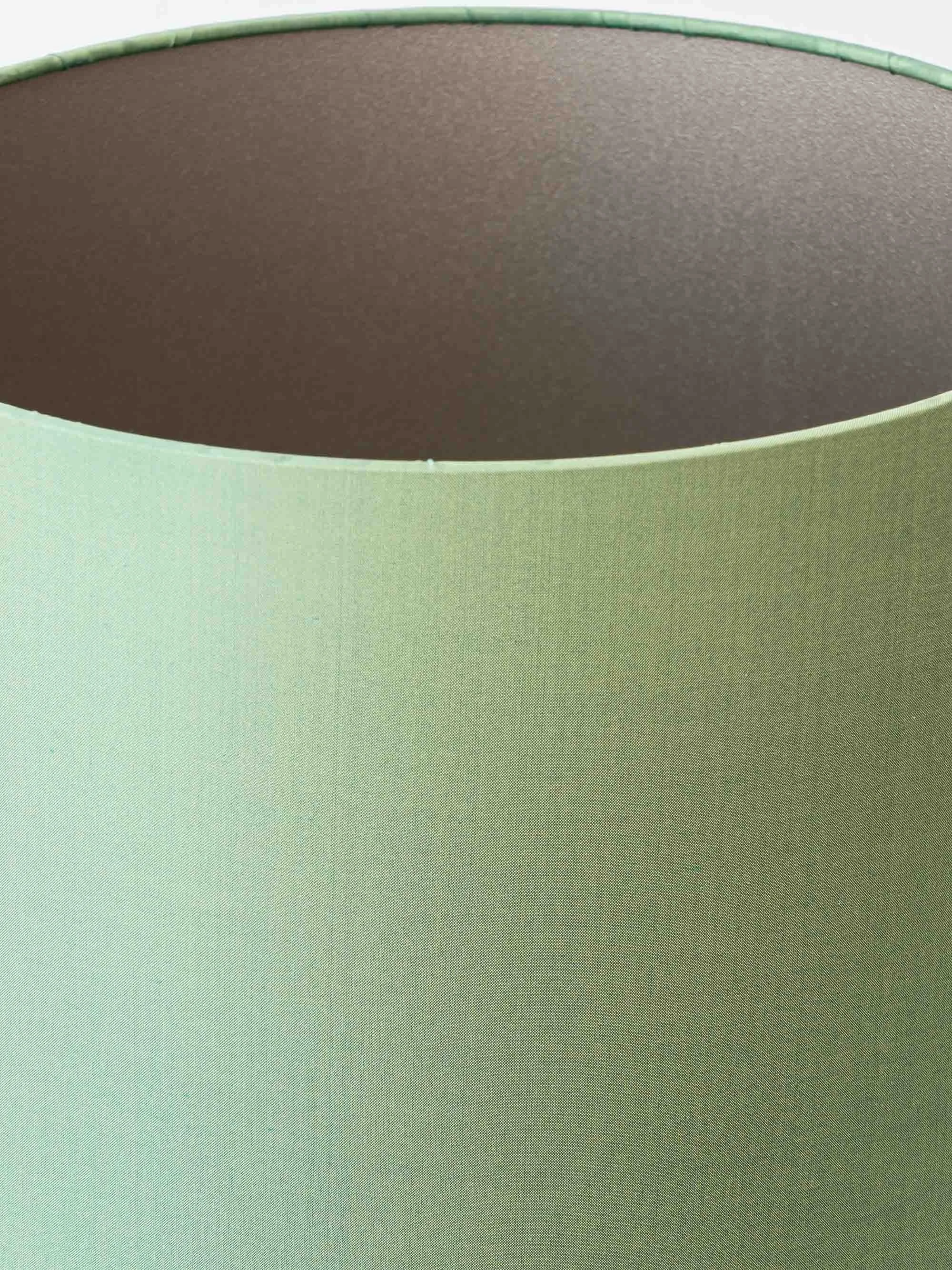 Image 14 of 17
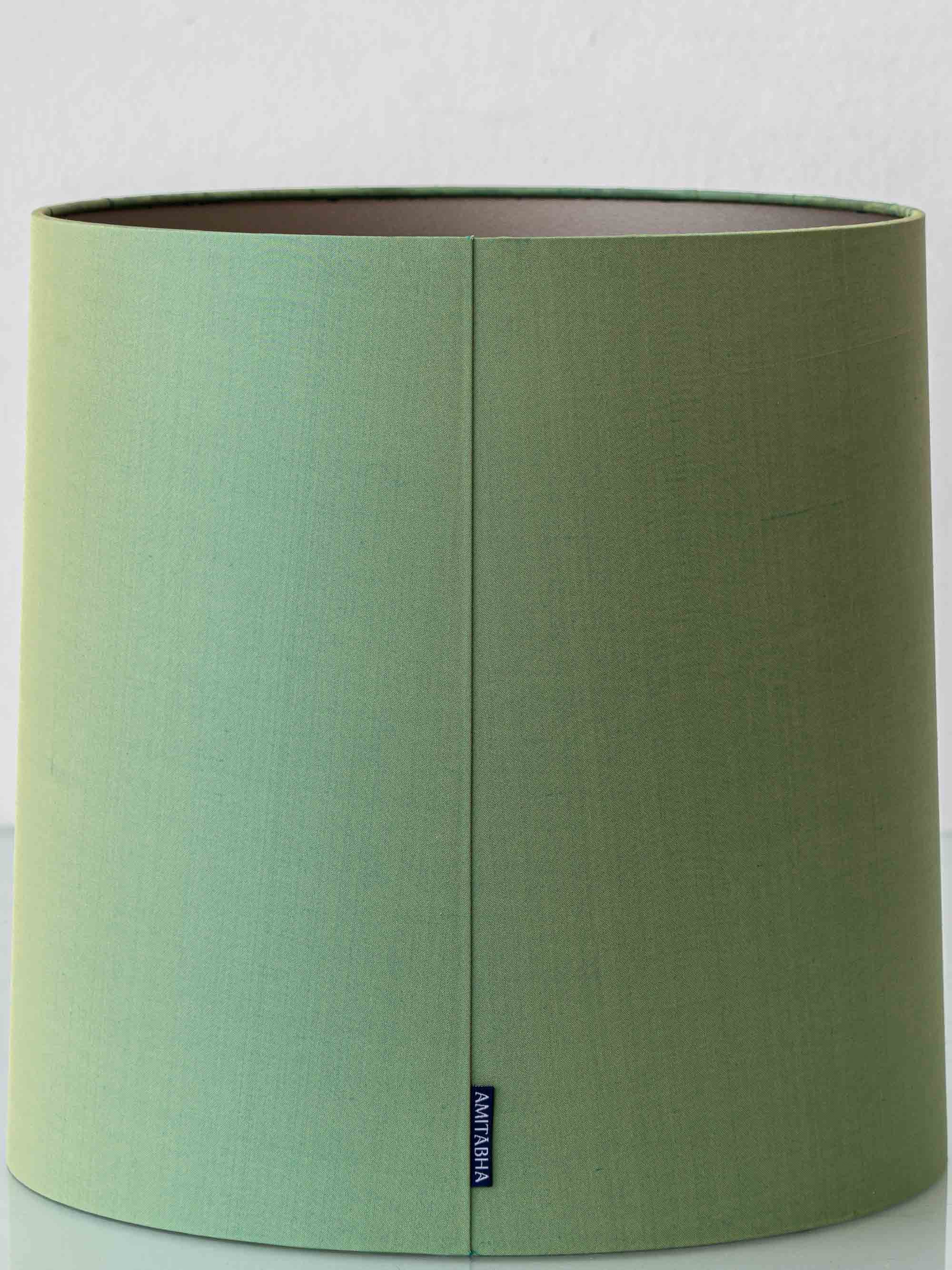 Image 15 of 17
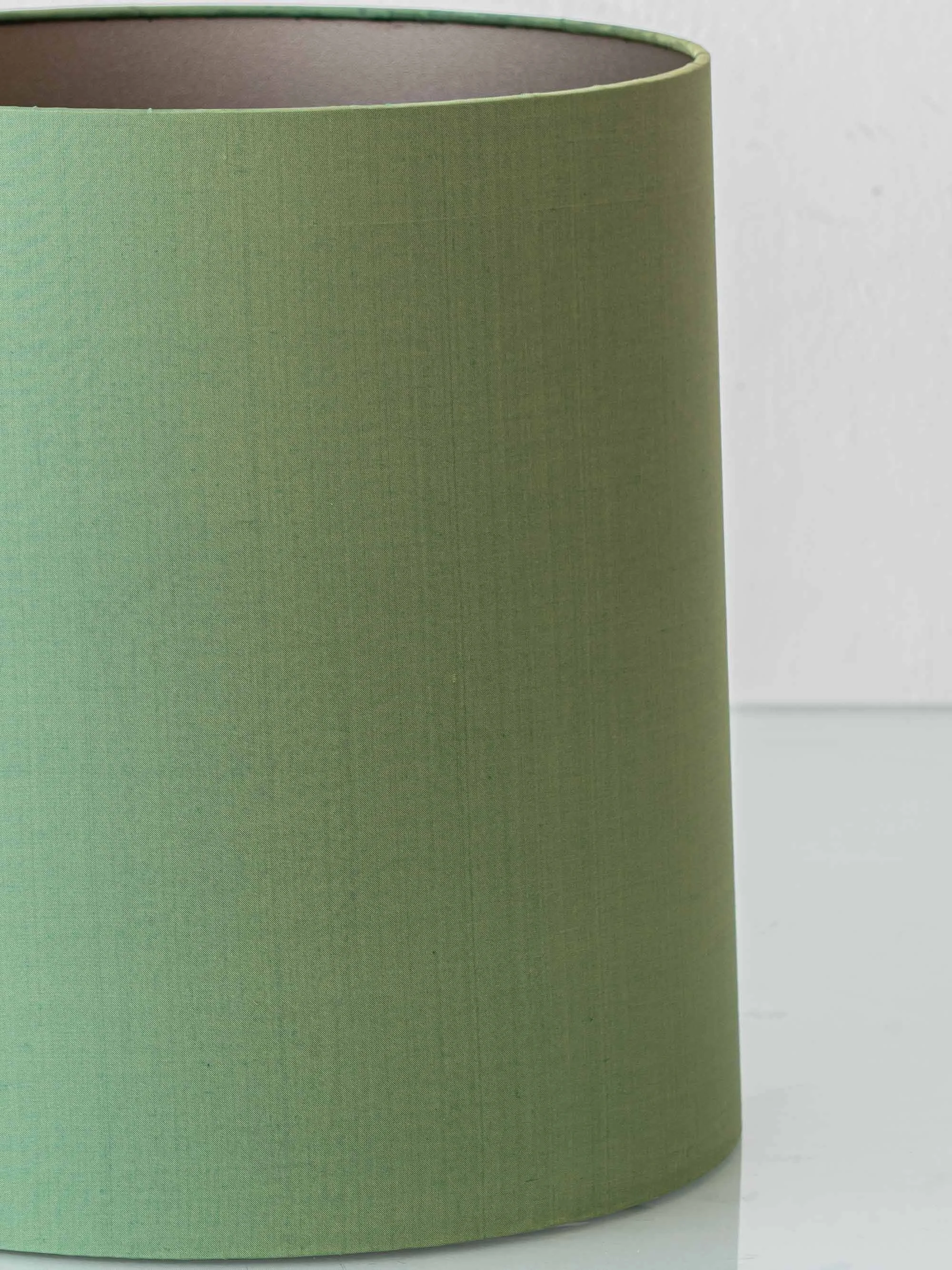 Image 16 of 17
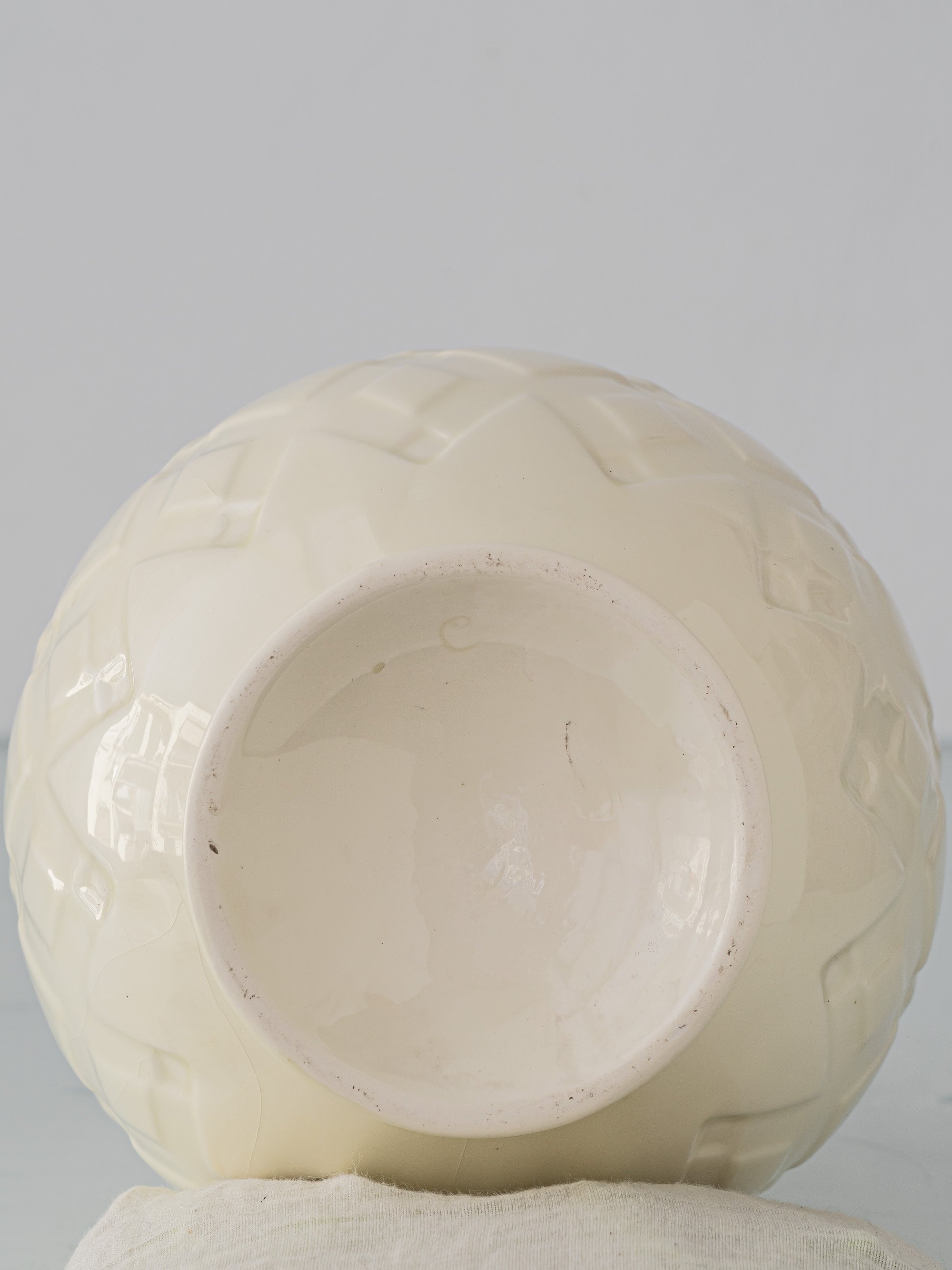 Image 17 of 17
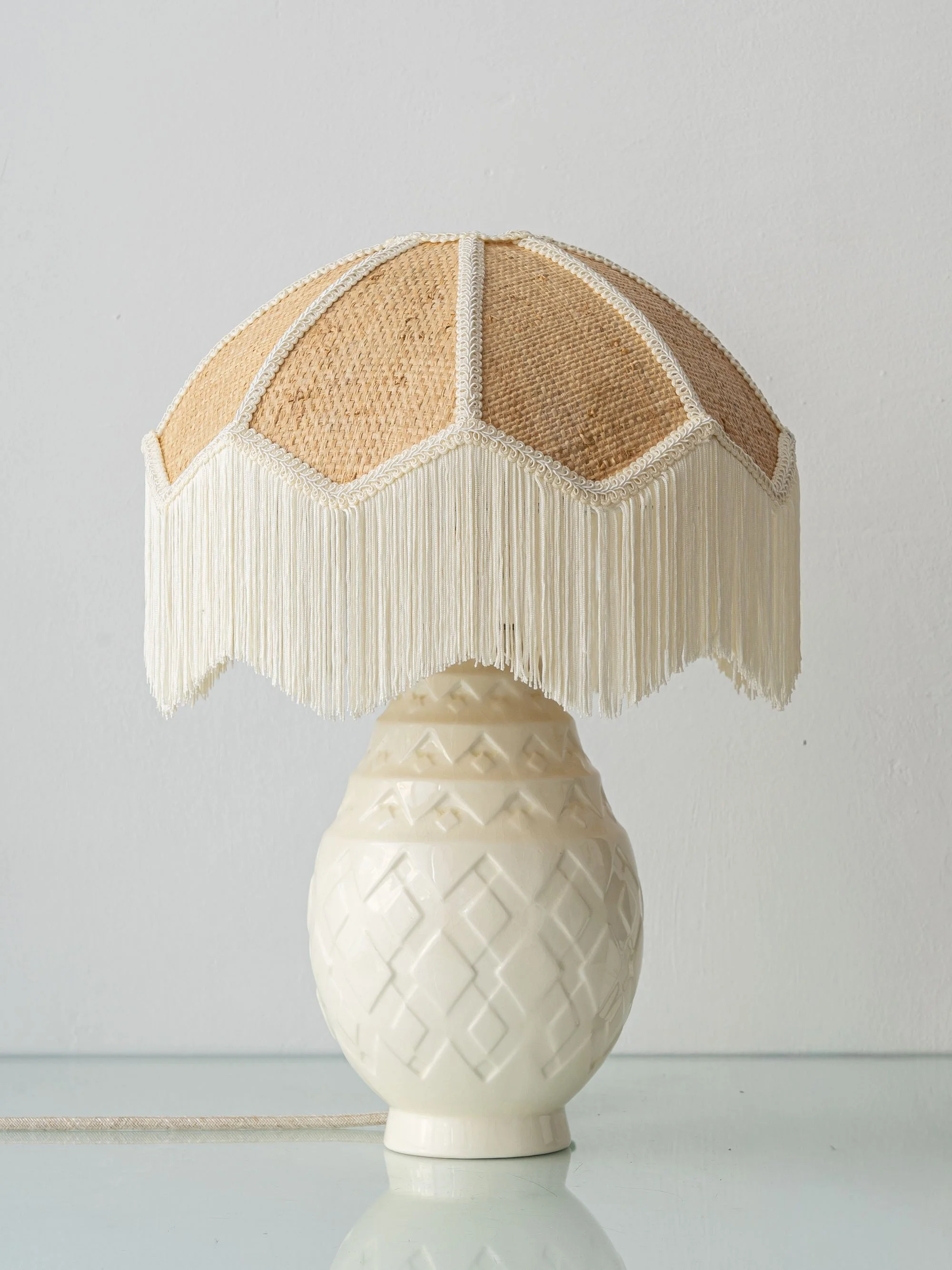
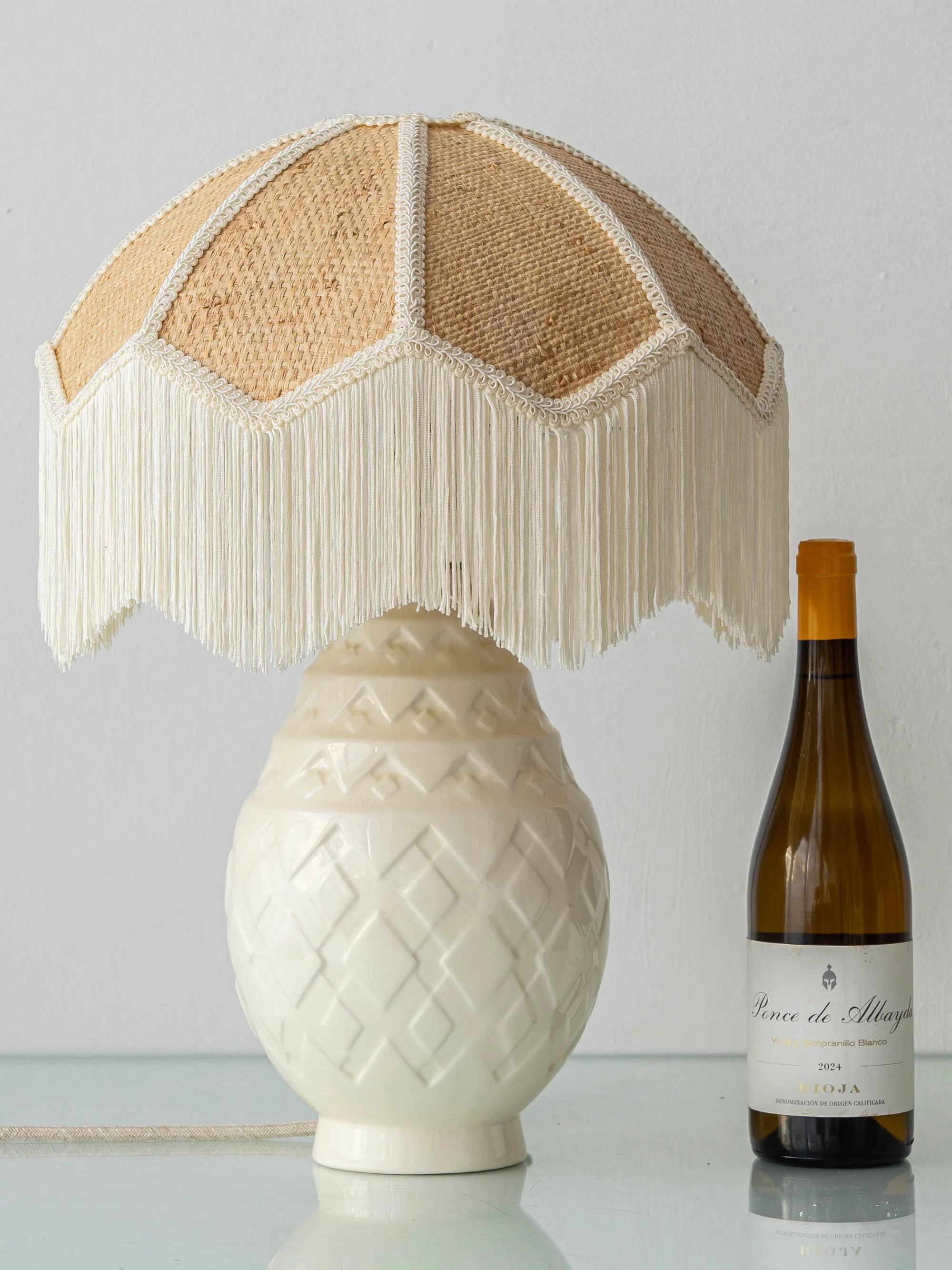
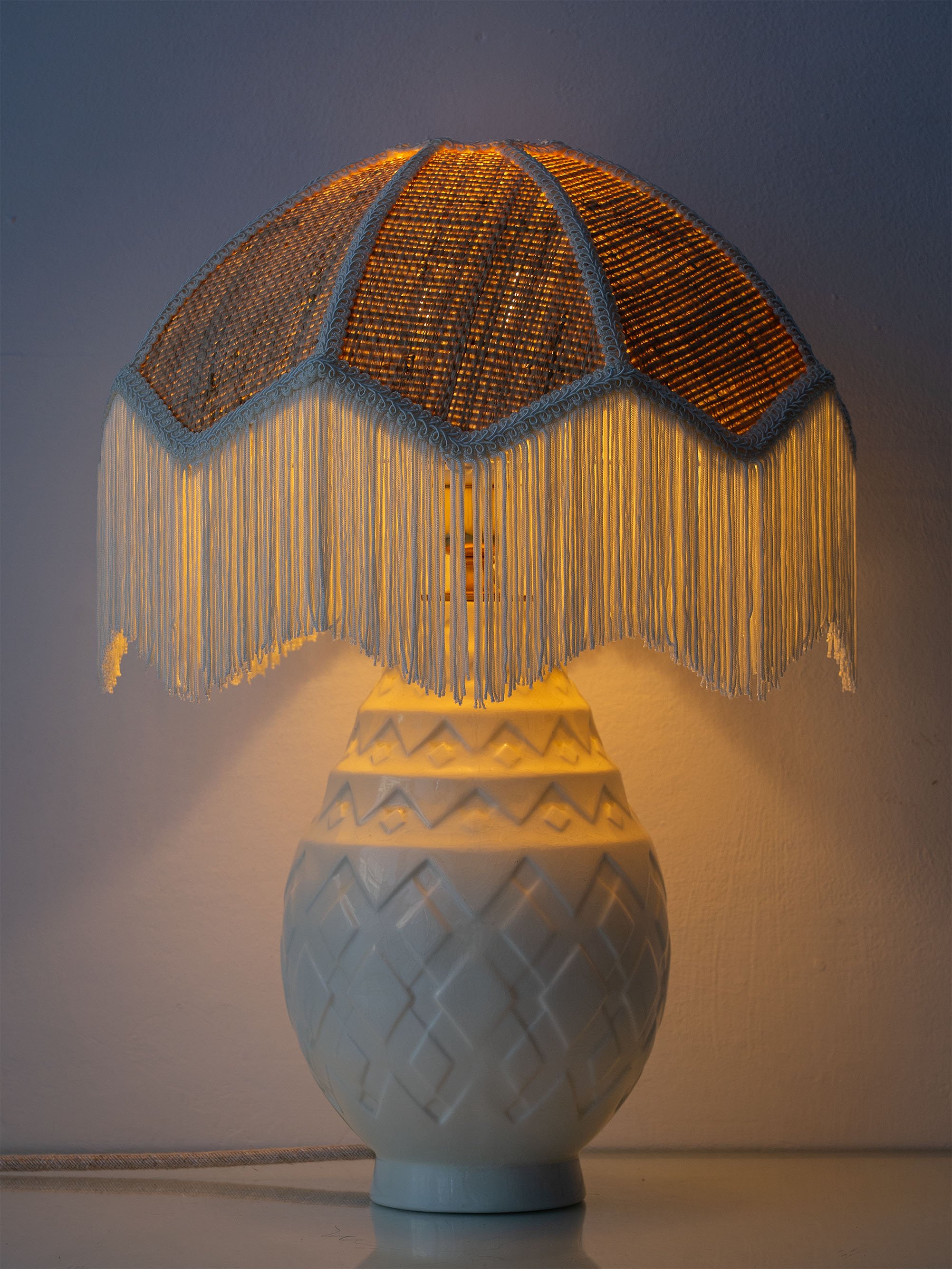
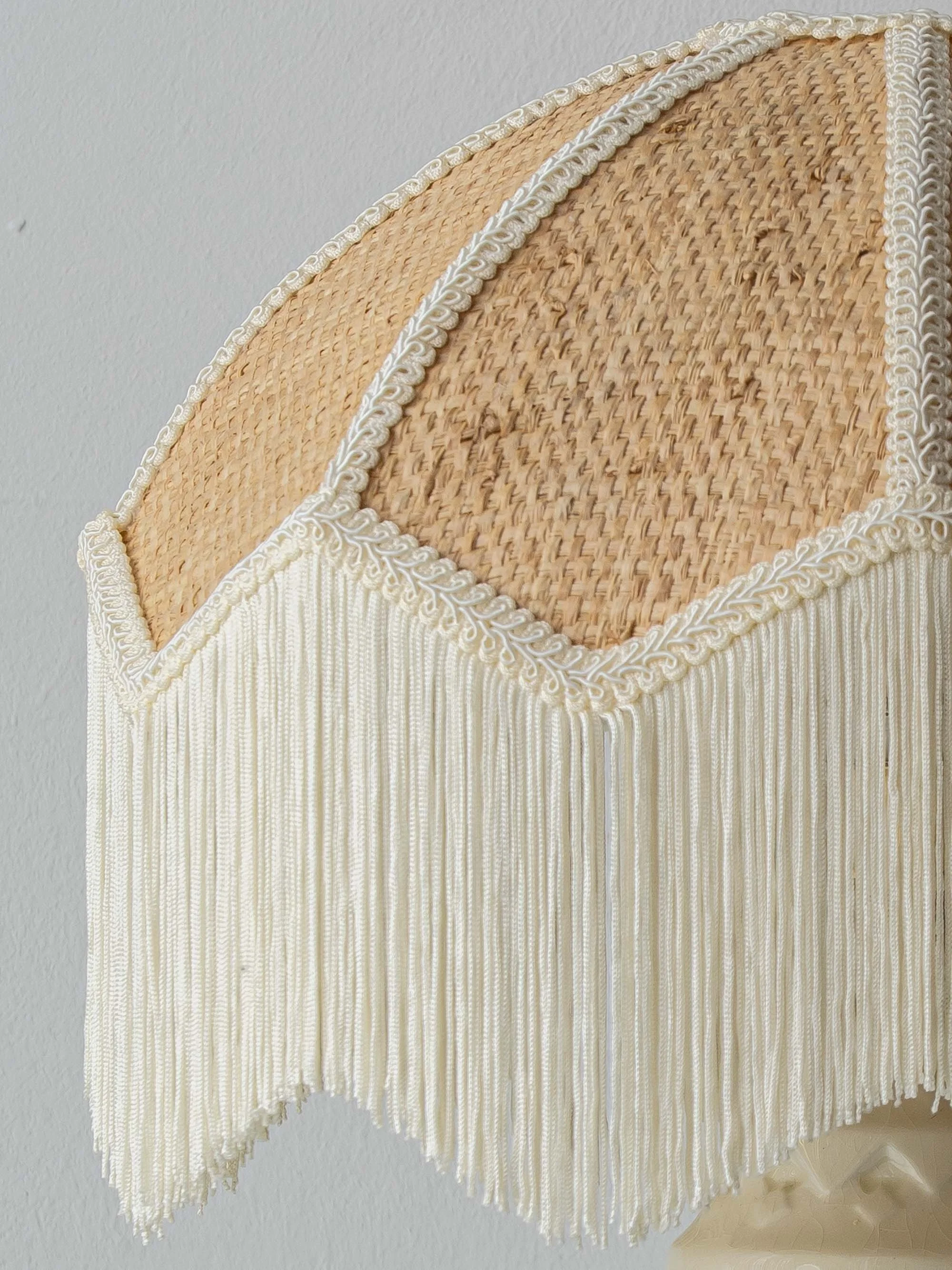
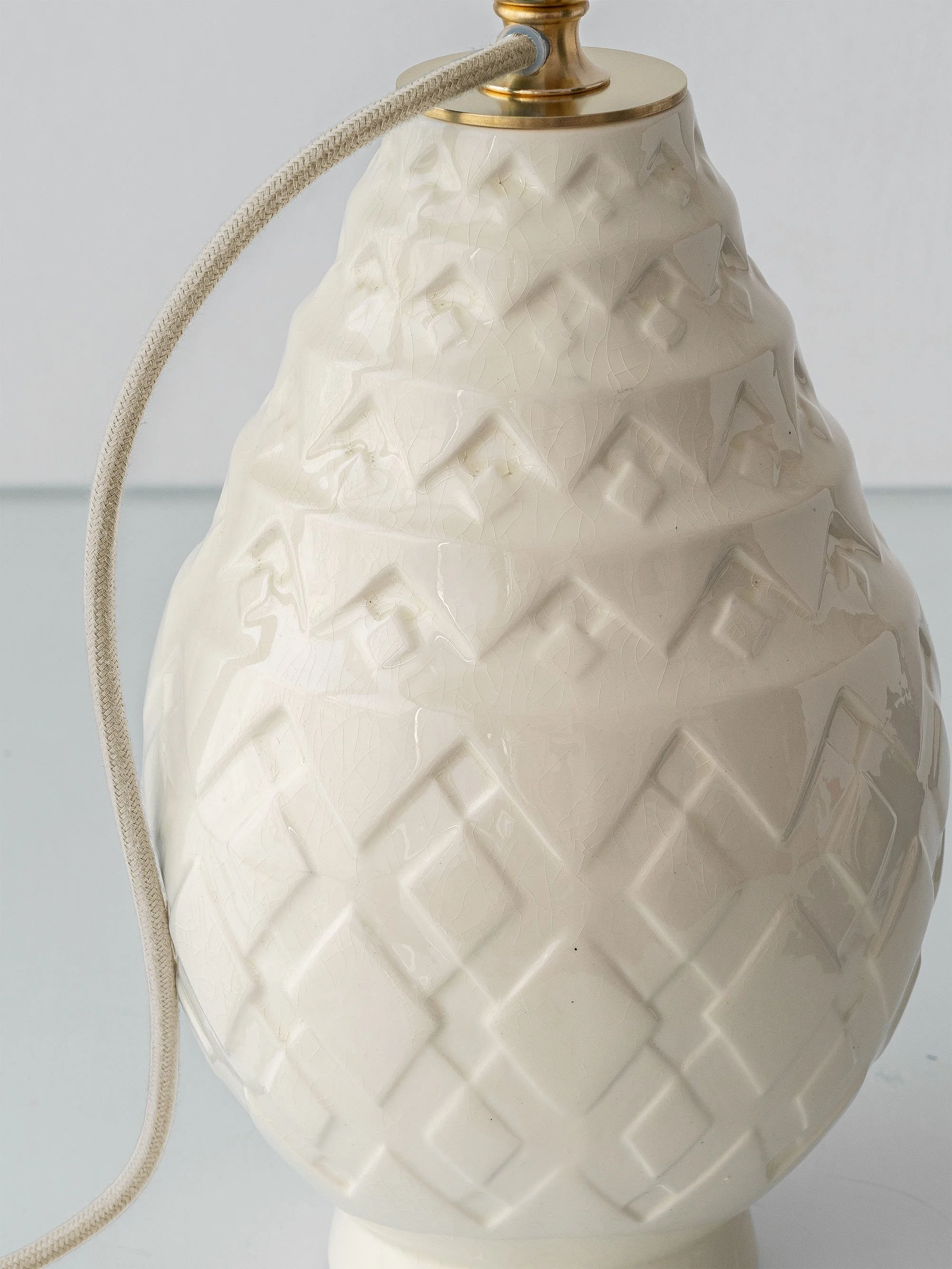
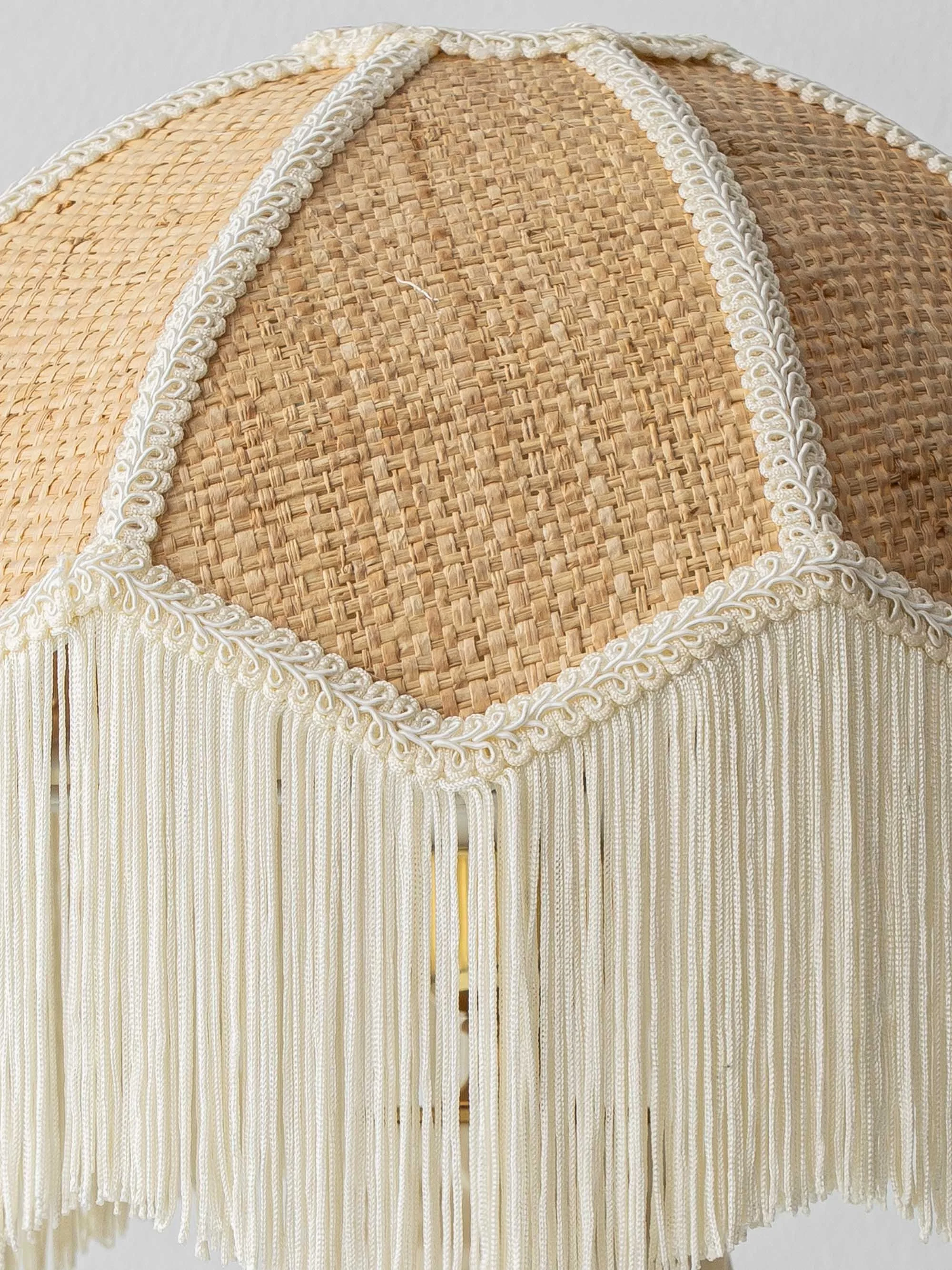
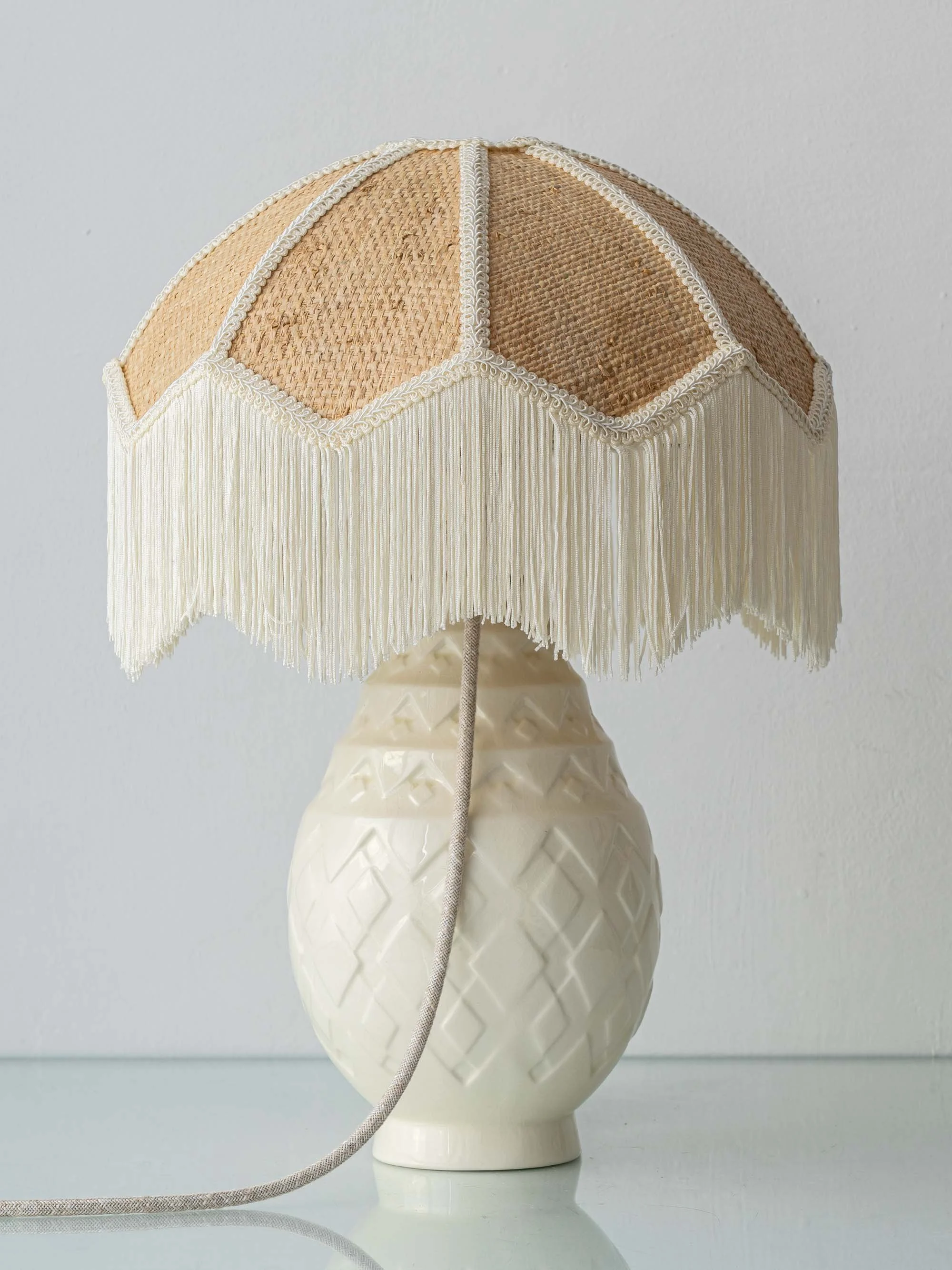
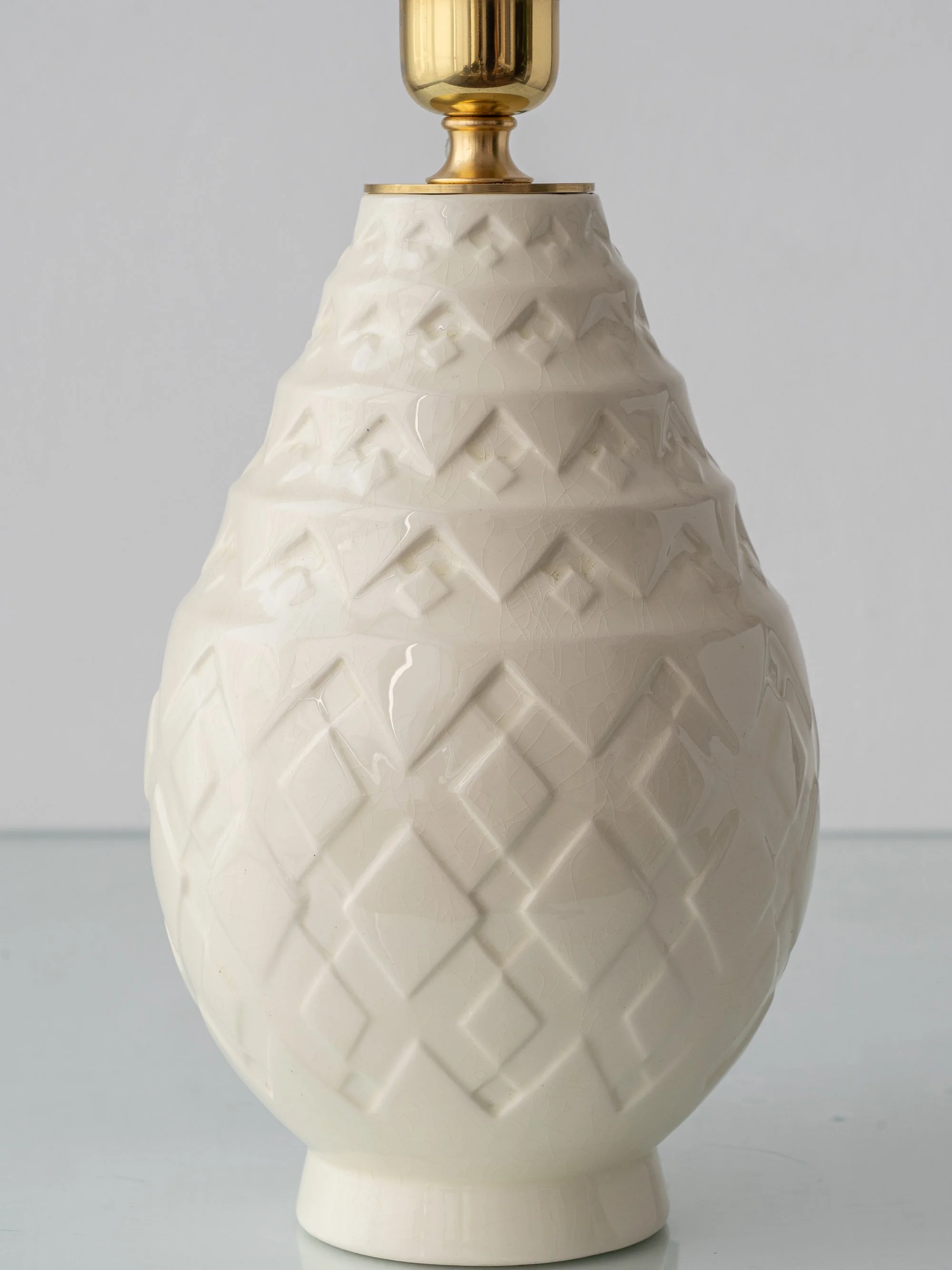
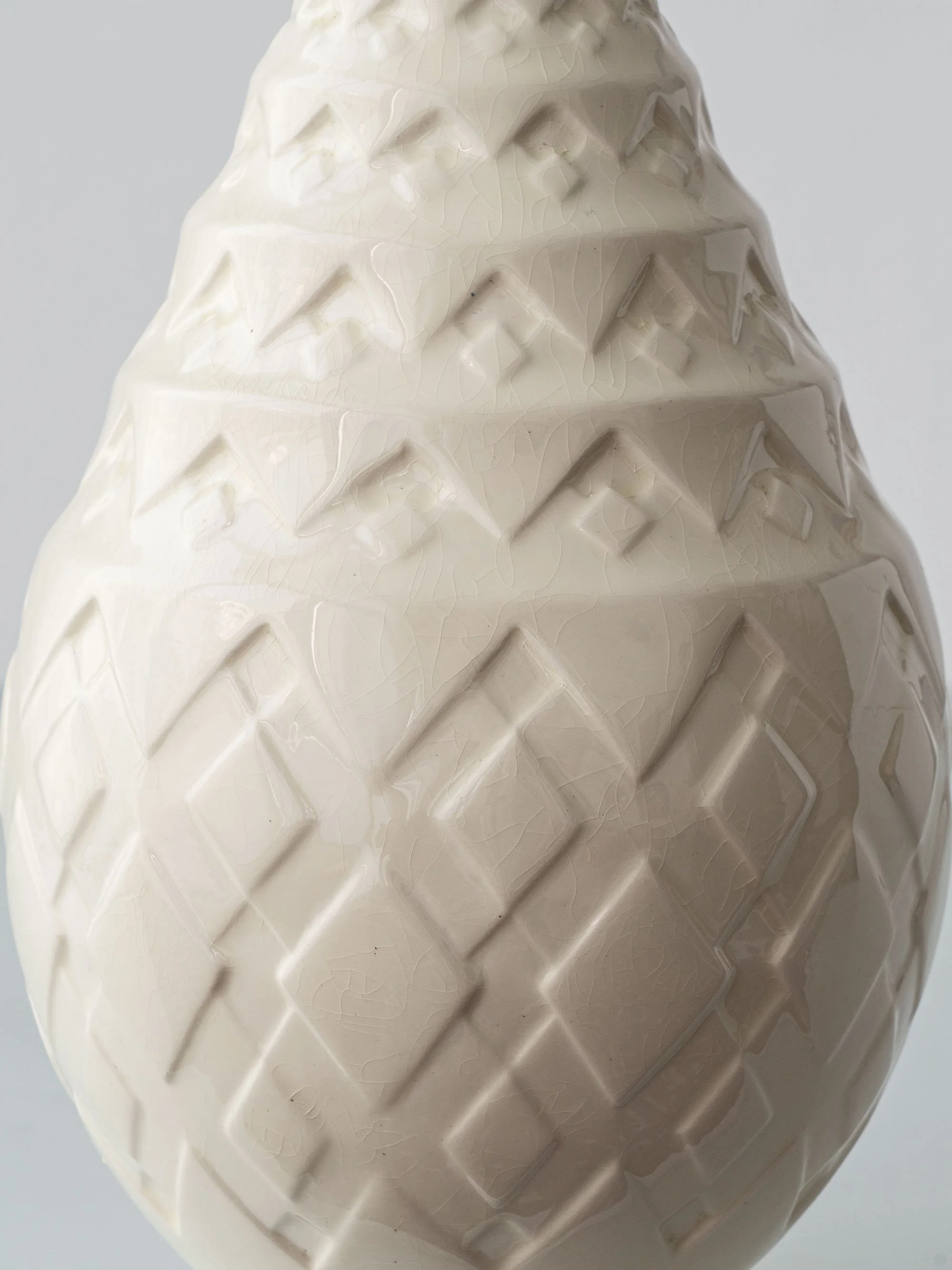
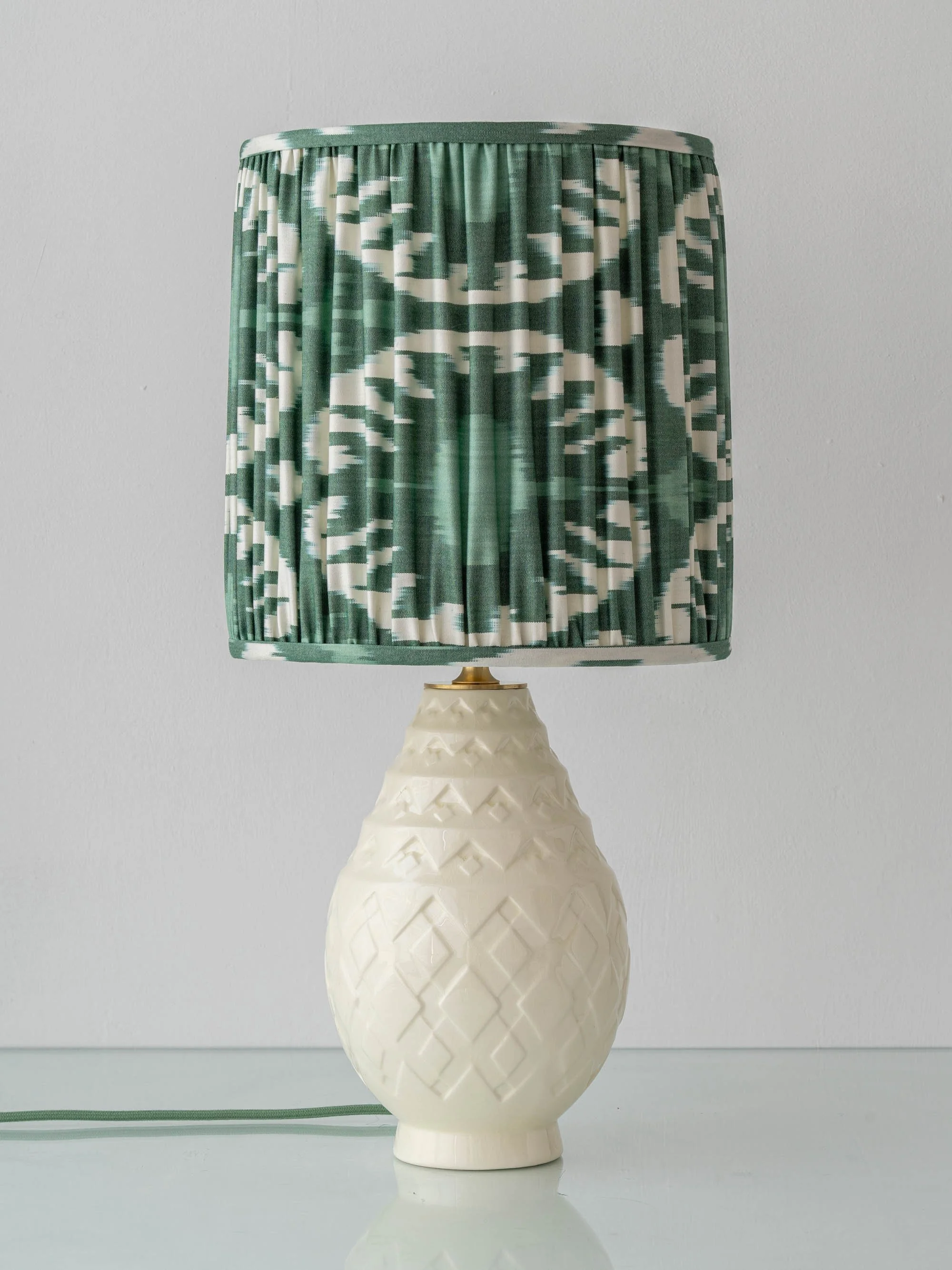
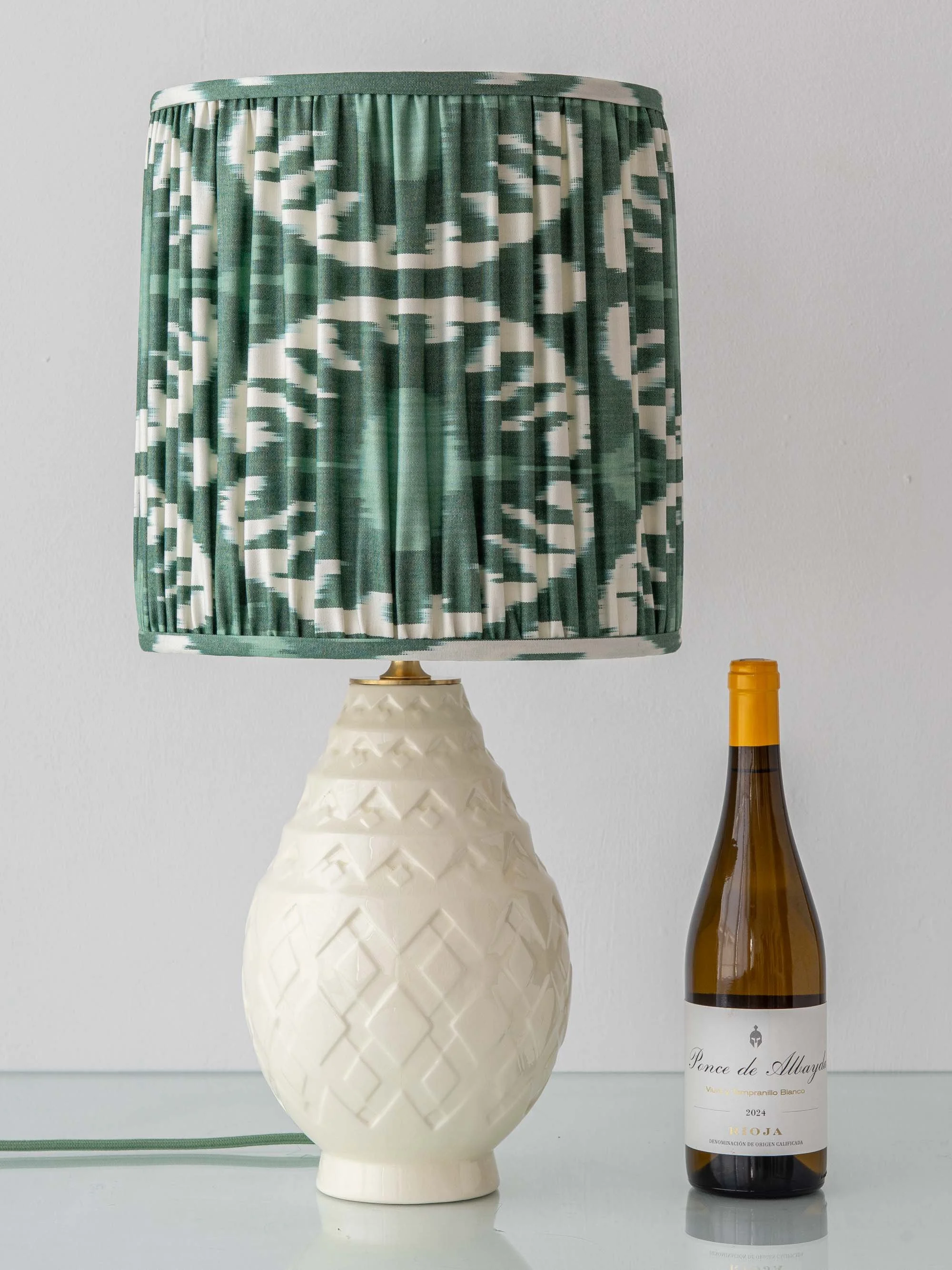
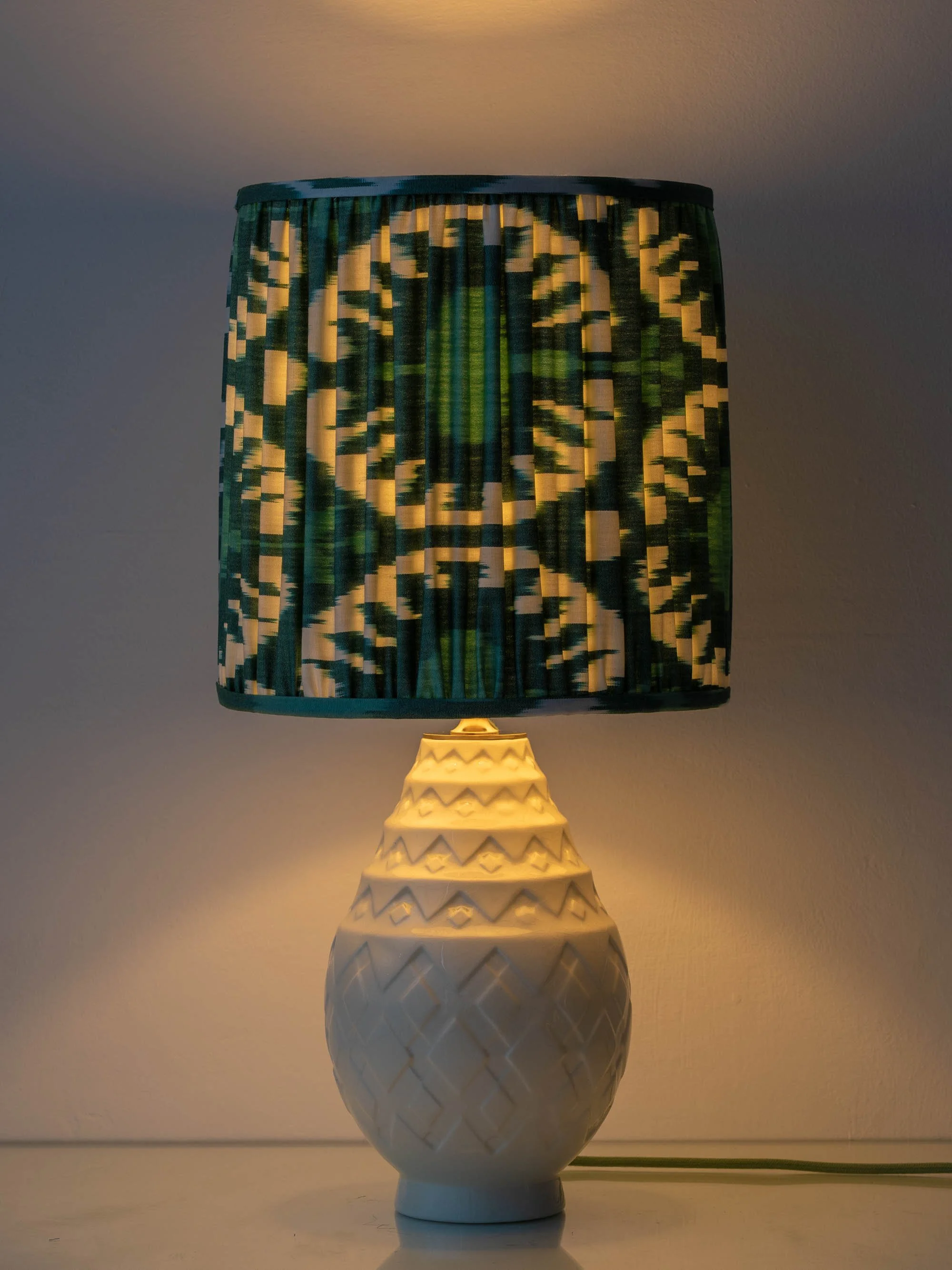
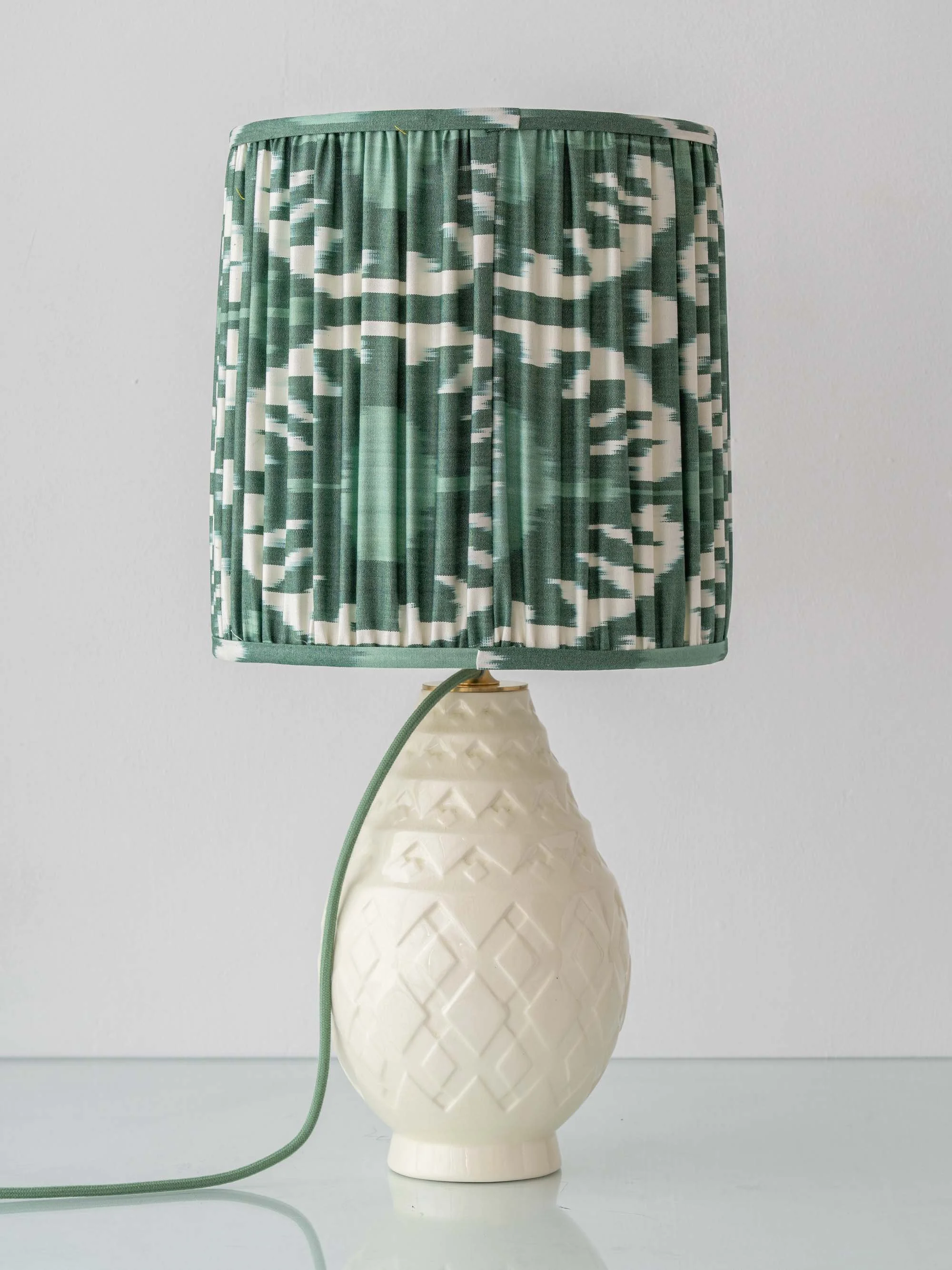
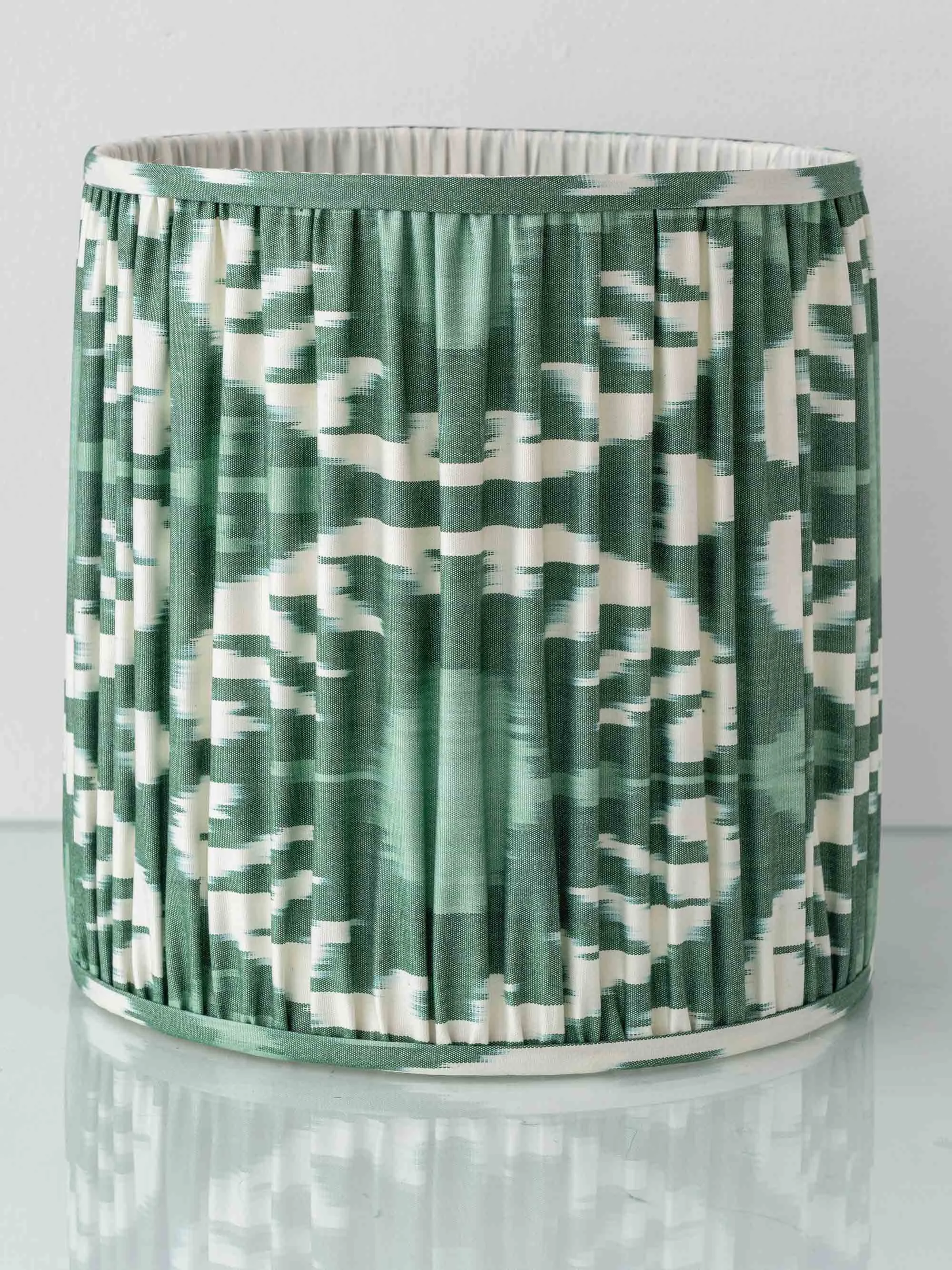
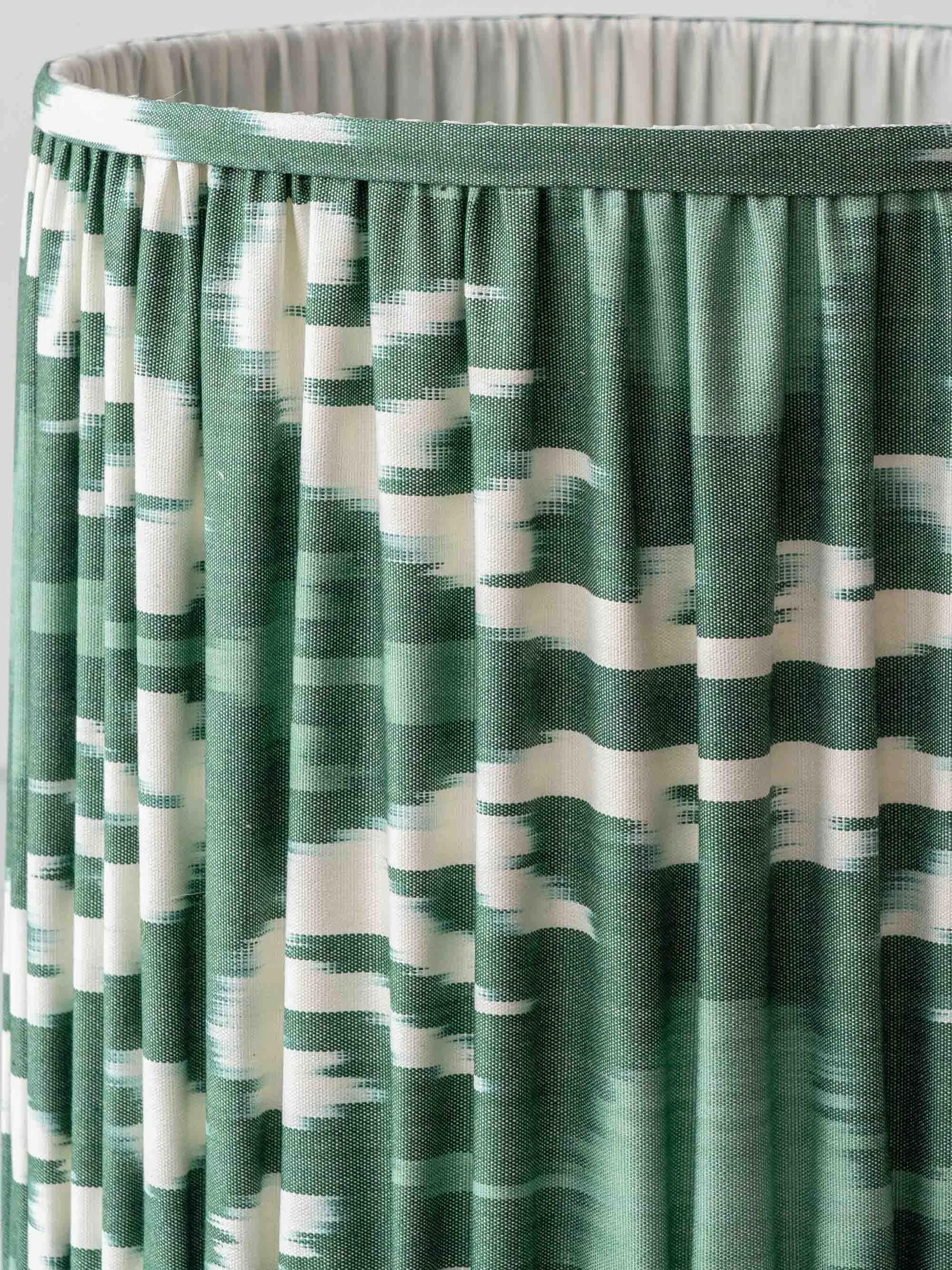
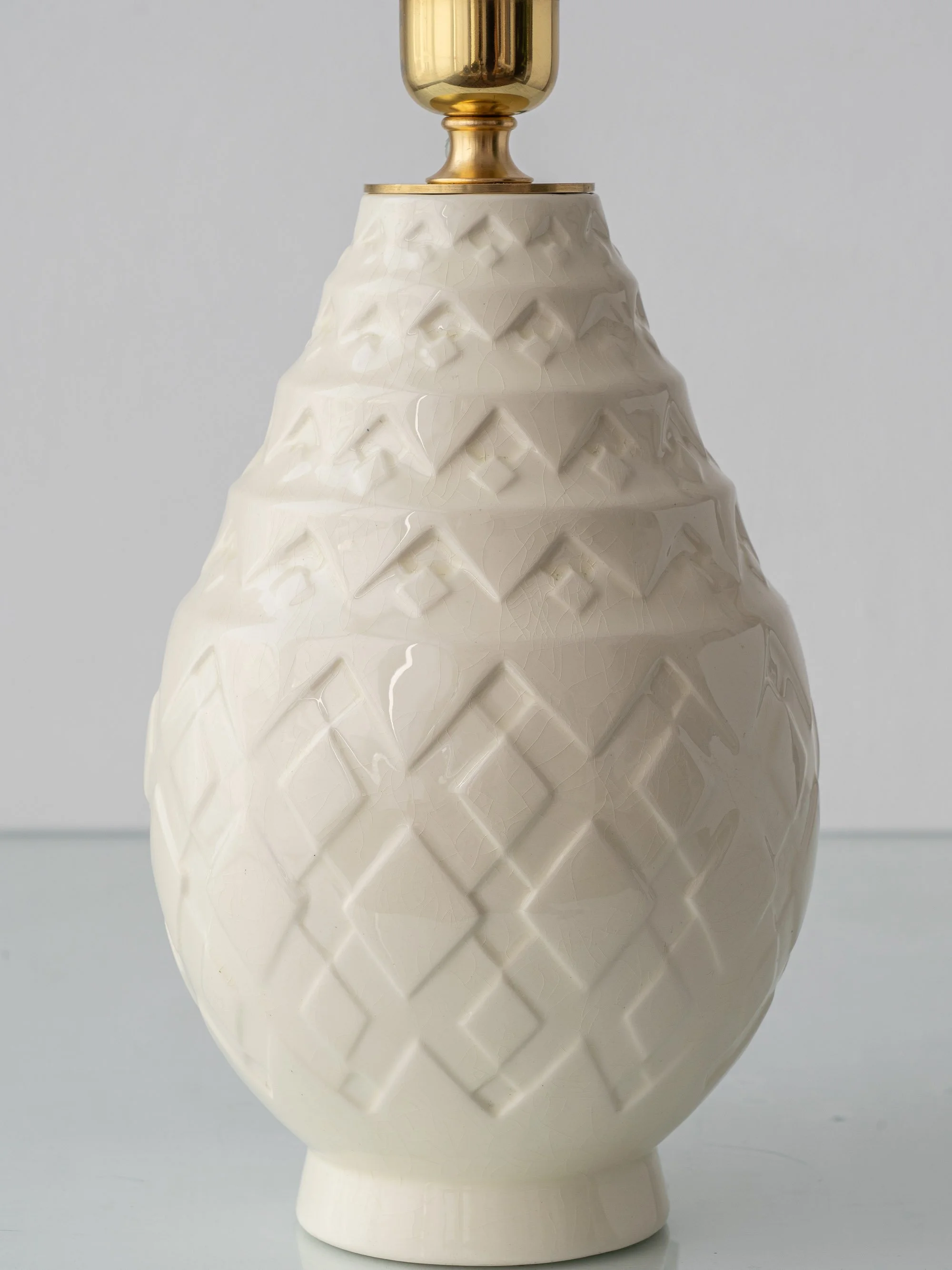
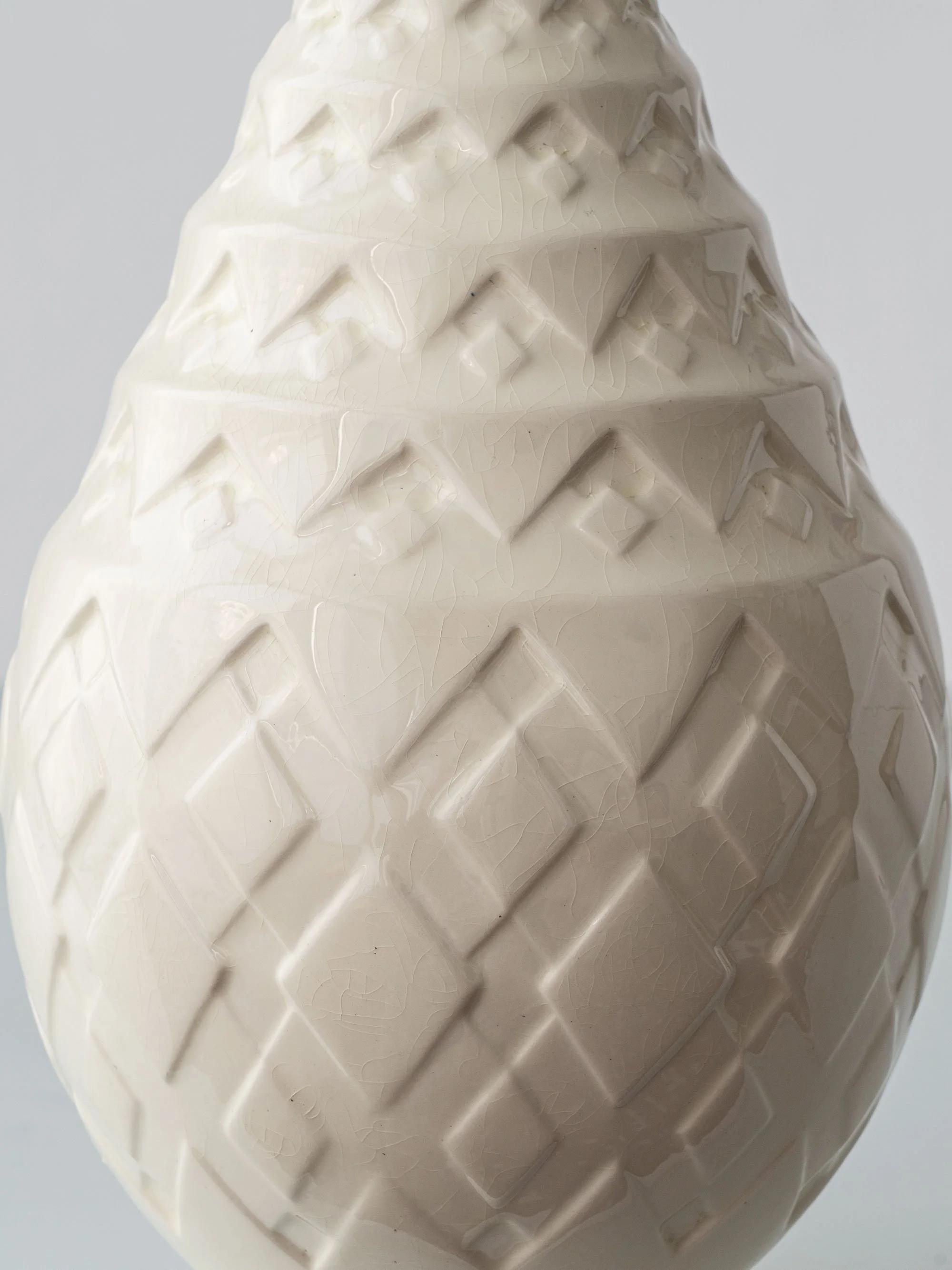
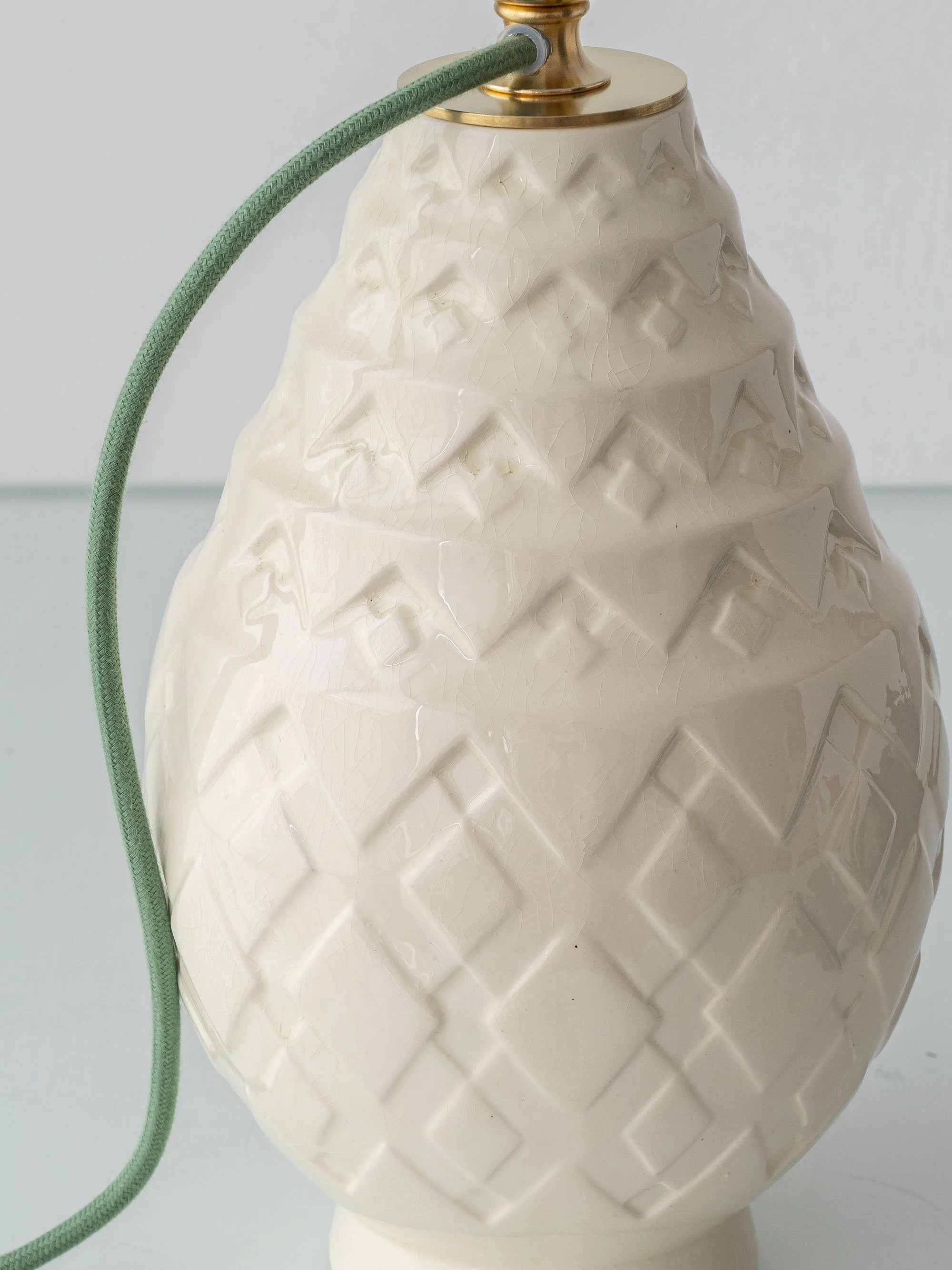
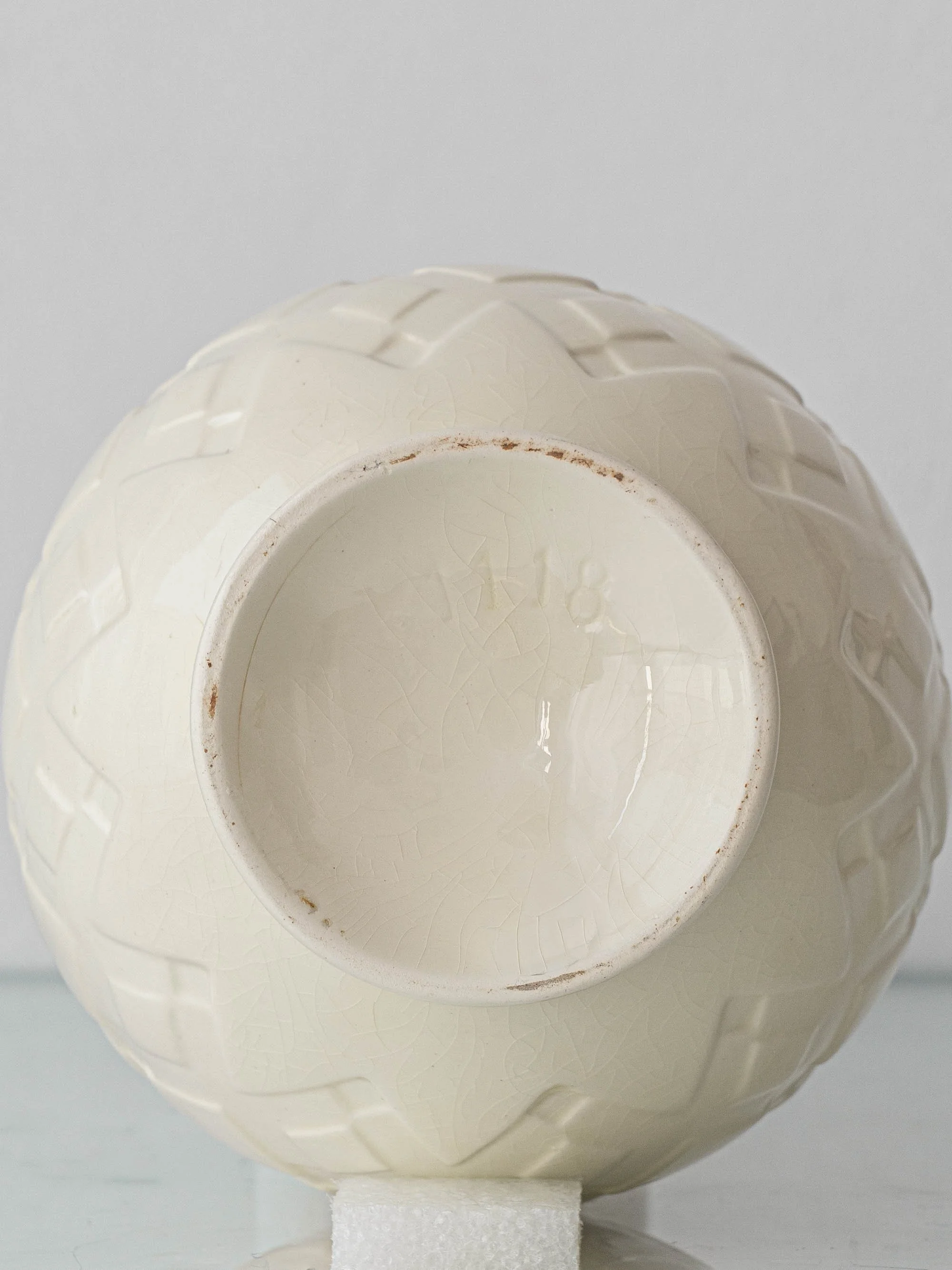
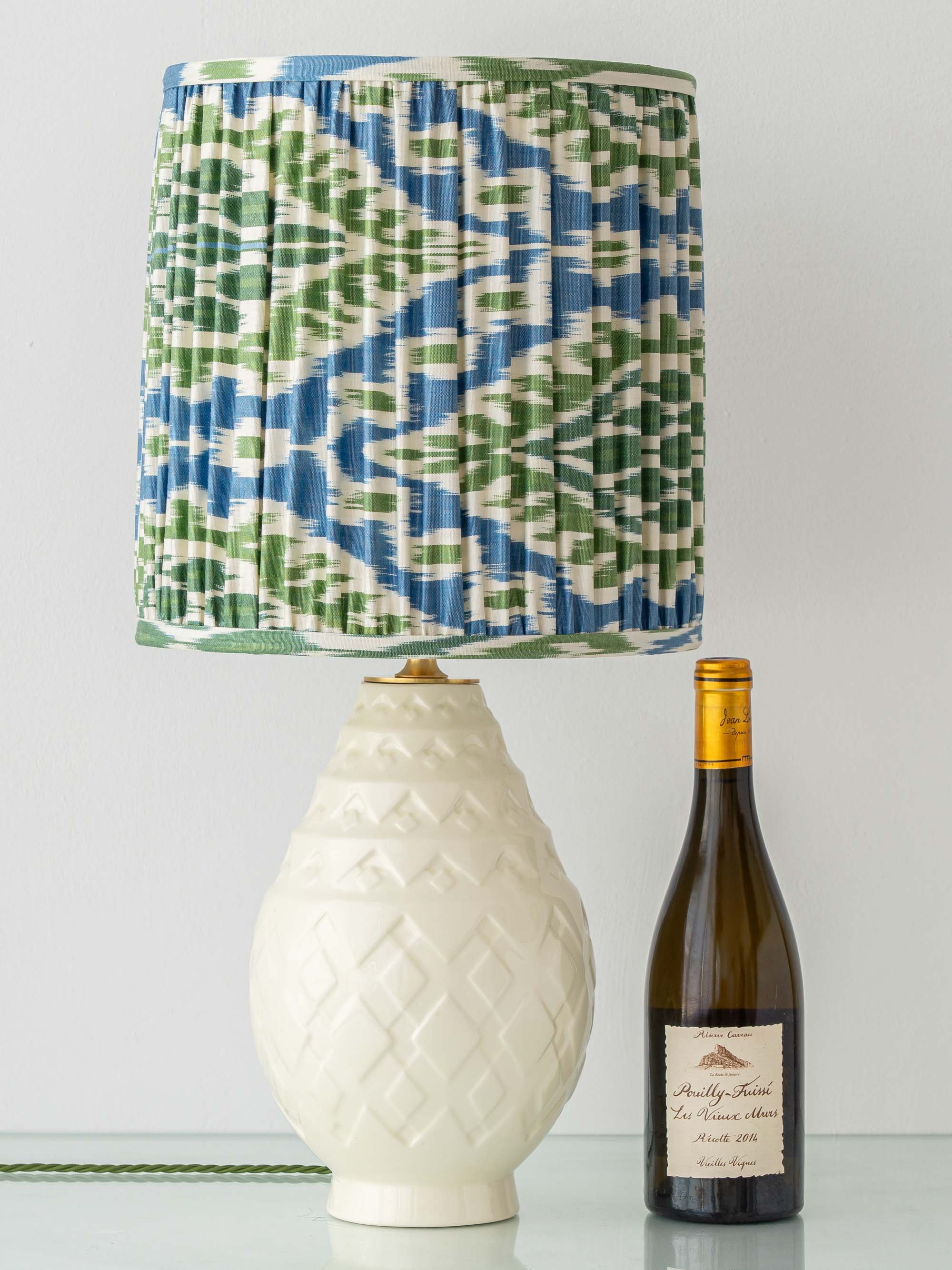
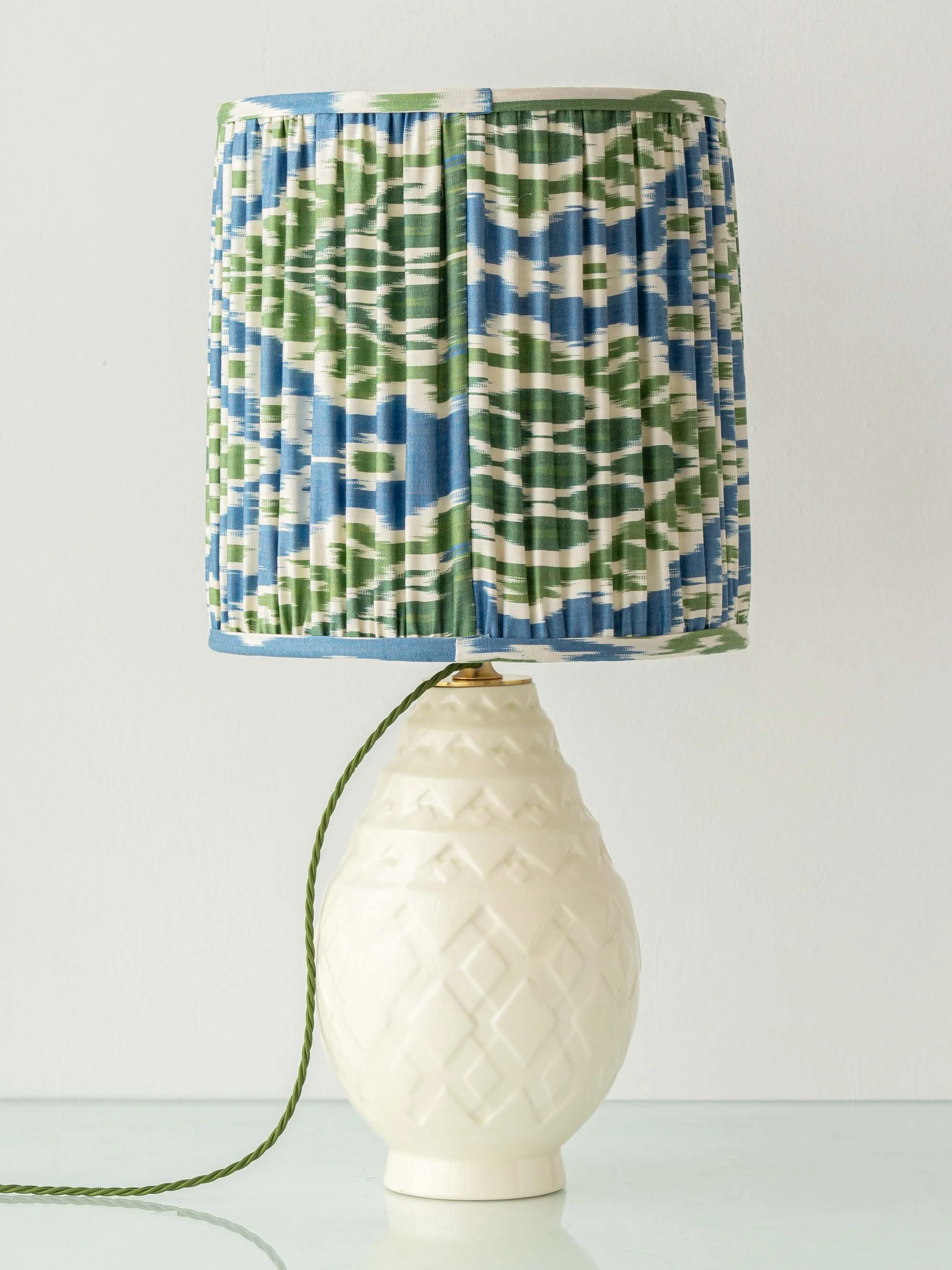
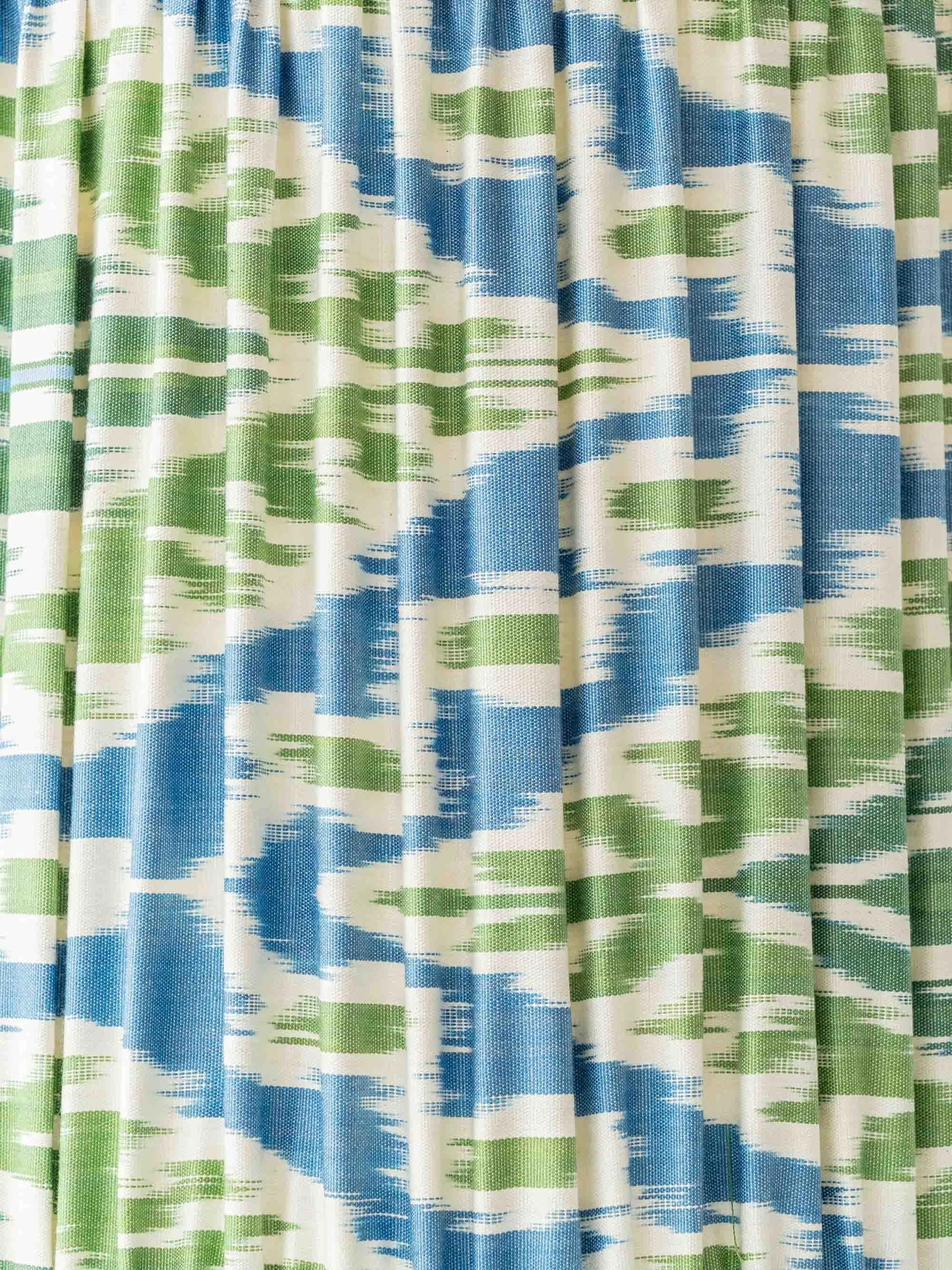
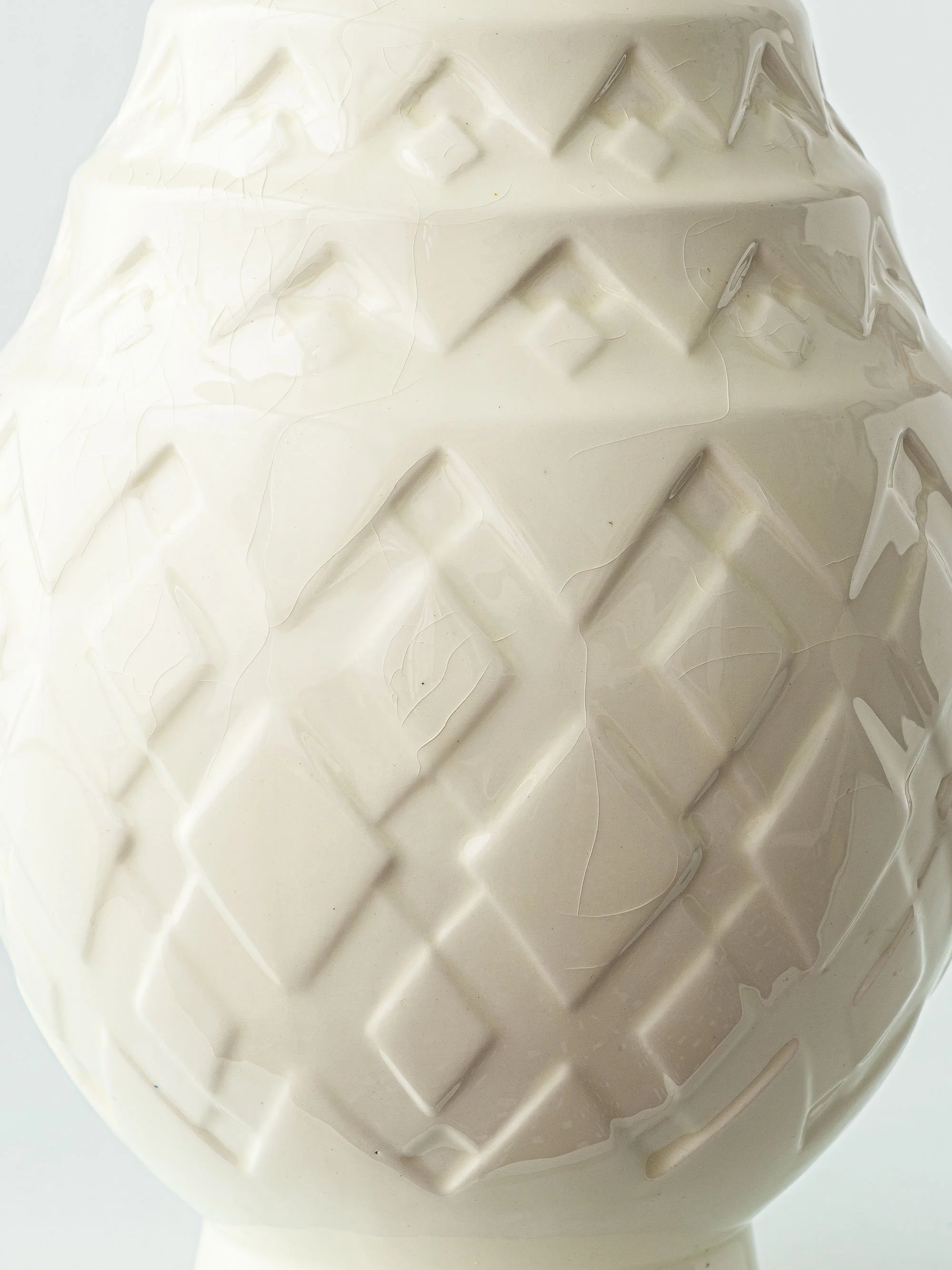
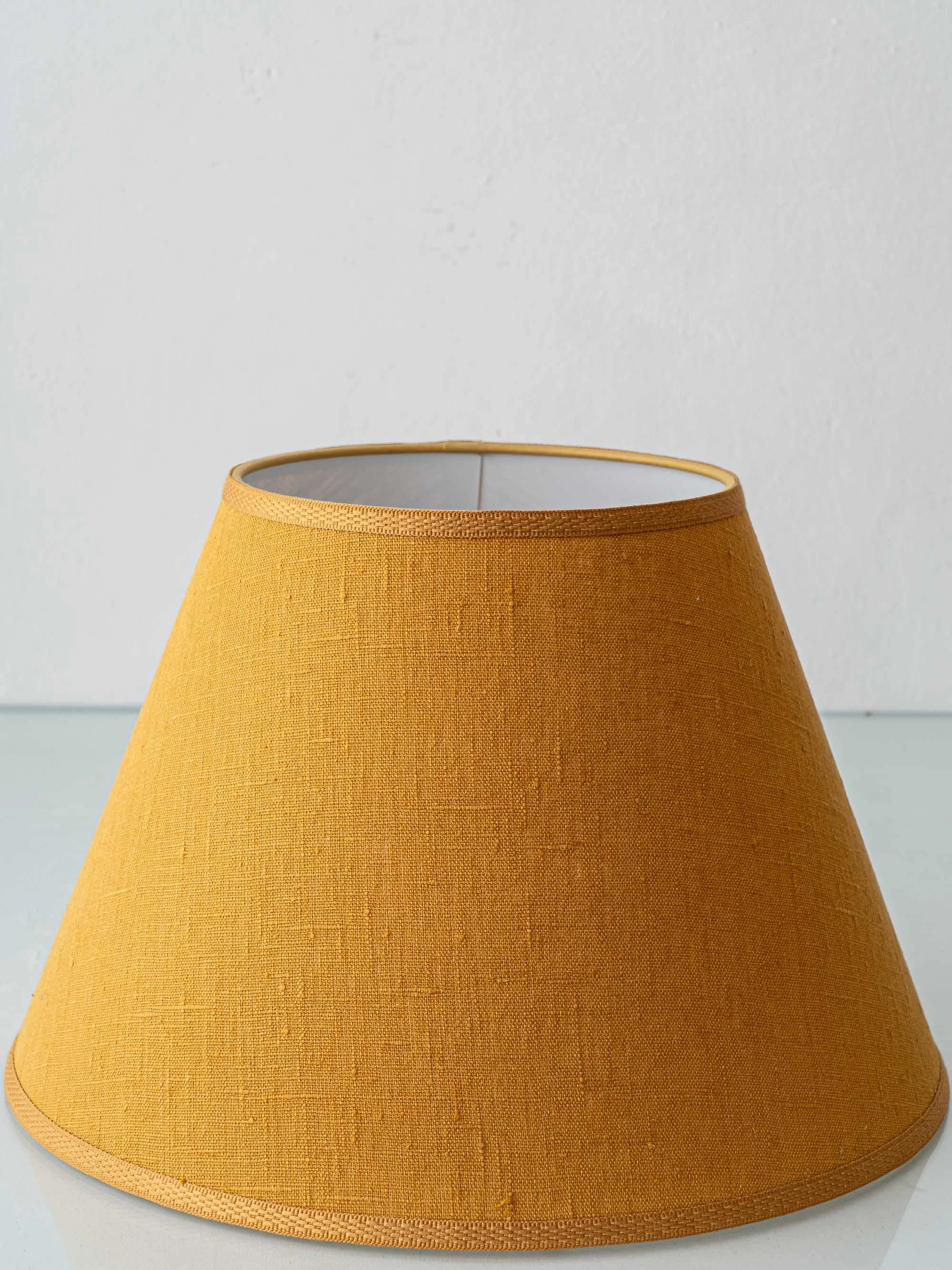
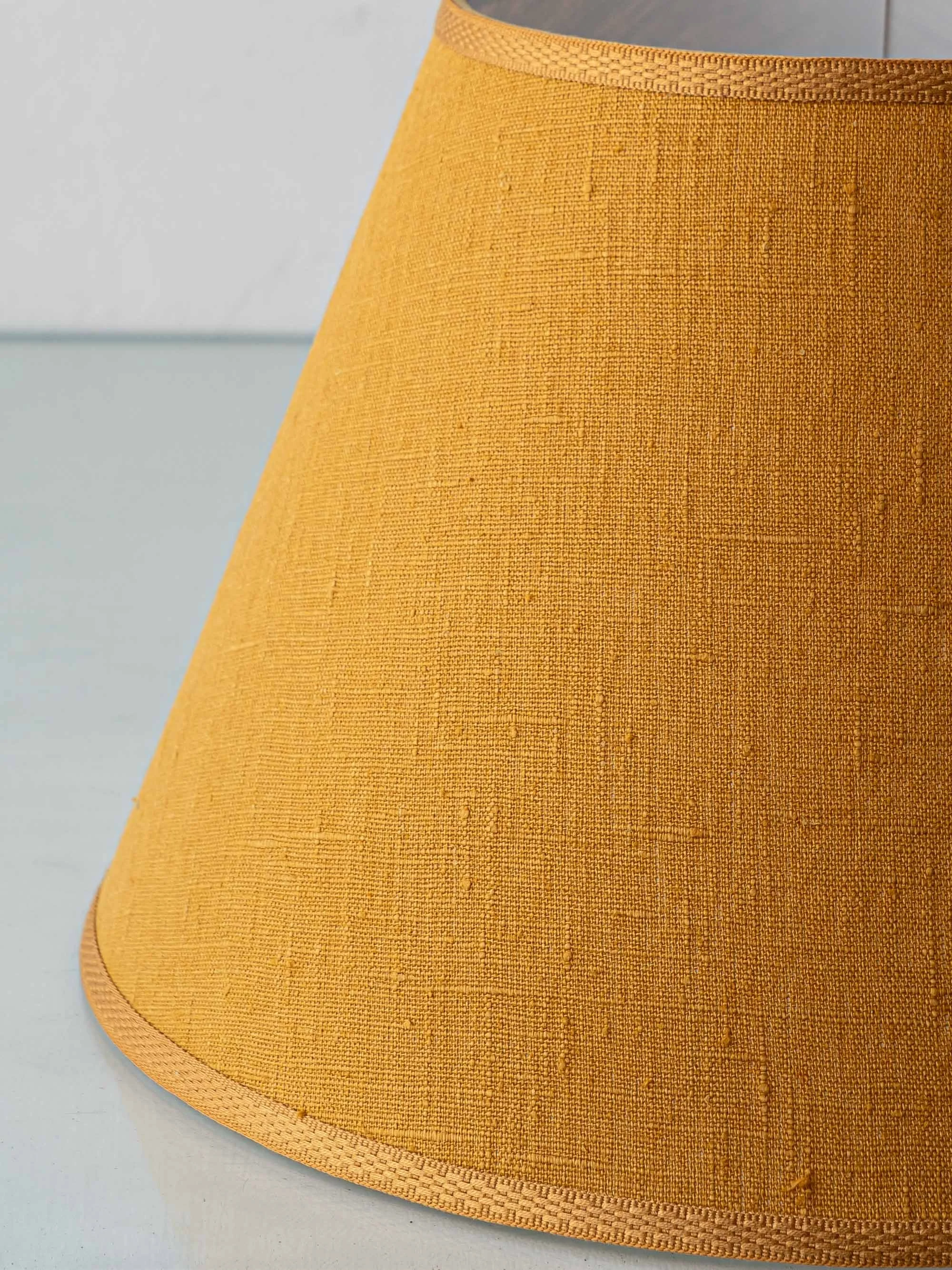
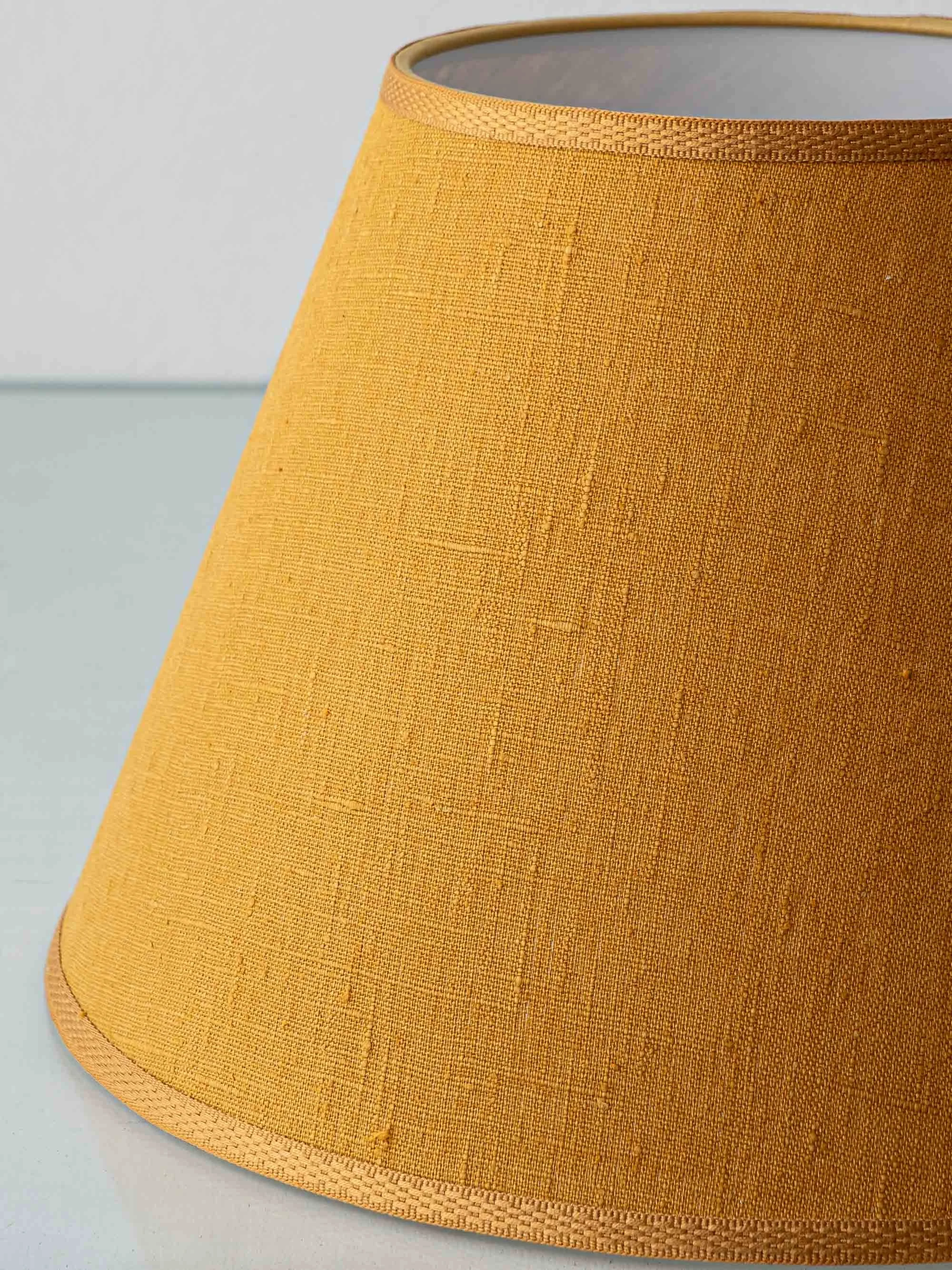
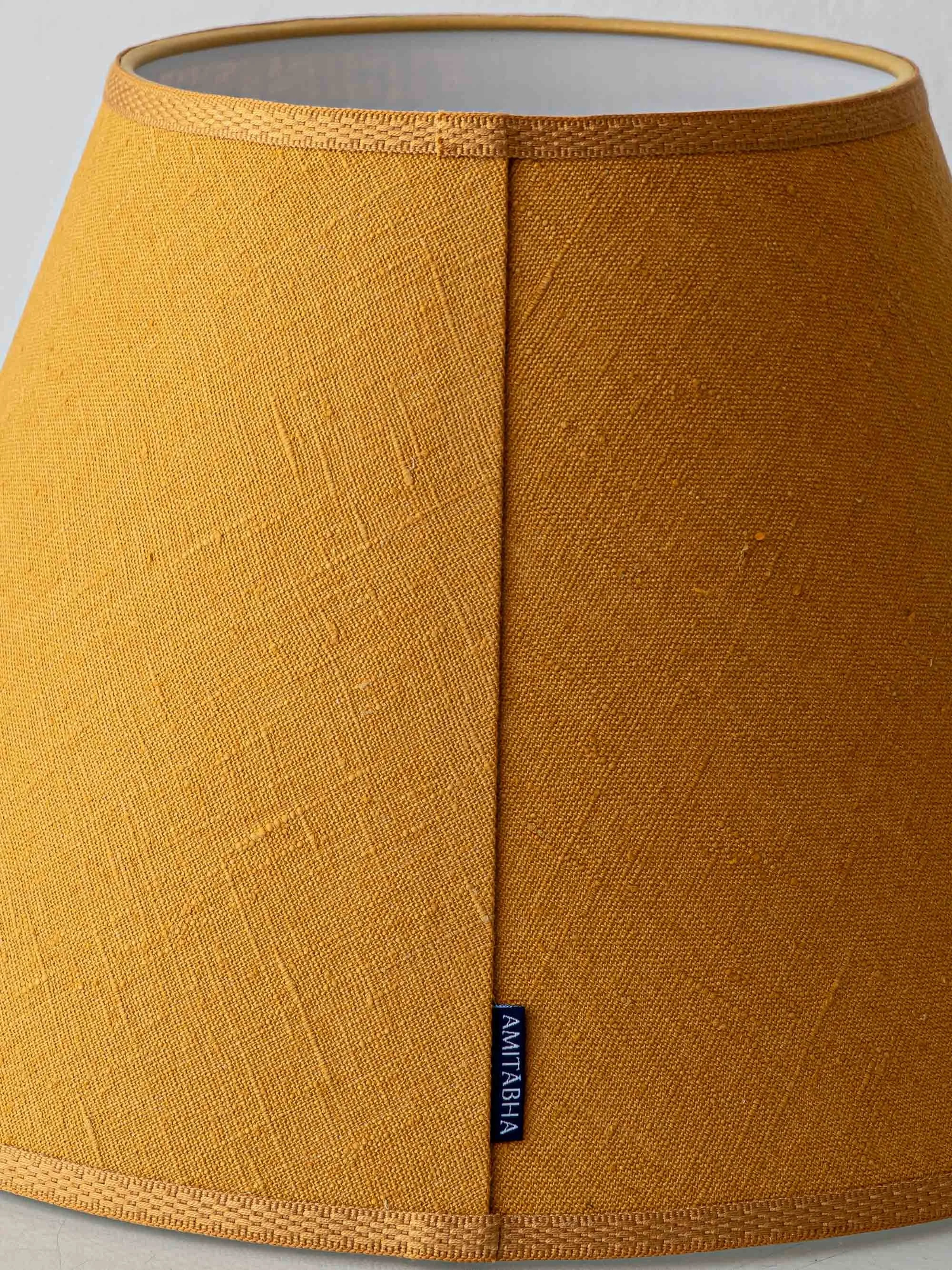
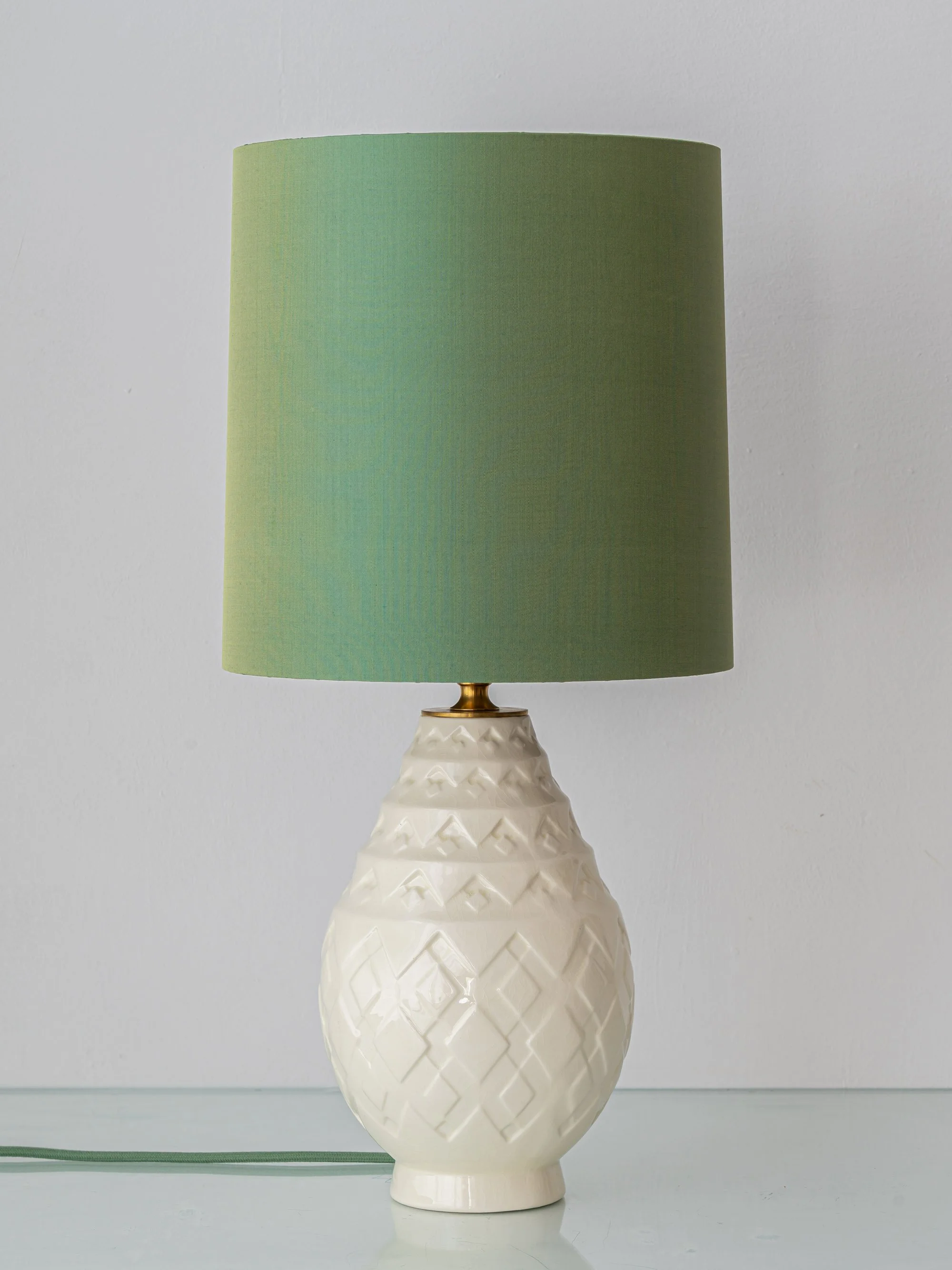
The body is the Boch Frères Keramis design collectors call the "Pineapple" — catalogue Model 1118 — made at La Louvière in the 1920s. A geometric relief is moulded straight into the ovoid form, reading as the diamond-grid skin of a pineapple, and the whole is sealed under a pale ivory craquelure that catches light gently over the raised pattern. For Catteau it's a quiet design, made by shape and glaze rather than by colour, and the pistachio silk shade keeps that mood, leaving the relief to do the talking.
The vase belongs to the most important name in modern Belgian ceramics, and the "Pineapple" is one of the forms his Boch Frères work is best remembered by.
About Charles Catteau & Boch Frères Keramis
Catteau (1880–1966) studied at Sèvres, passed briefly through Nymphenburg, and arrived at Boch Frères Keramis in La Louvière in 1906, running its Atelier de Fantaisie until 1948. The studio under him turned out hundreds of Art Deco designs — Japonisme, African and Cubist motifs reworked through ambitious new glazes — all in service of his idea that finely made ceramics should be within everyone's reach. He pushed Belgian pottery onto the world stage, not least with a top prize at the 1925 Paris exhibition whose name later attached itself to the whole style.