 Image 1 of 14
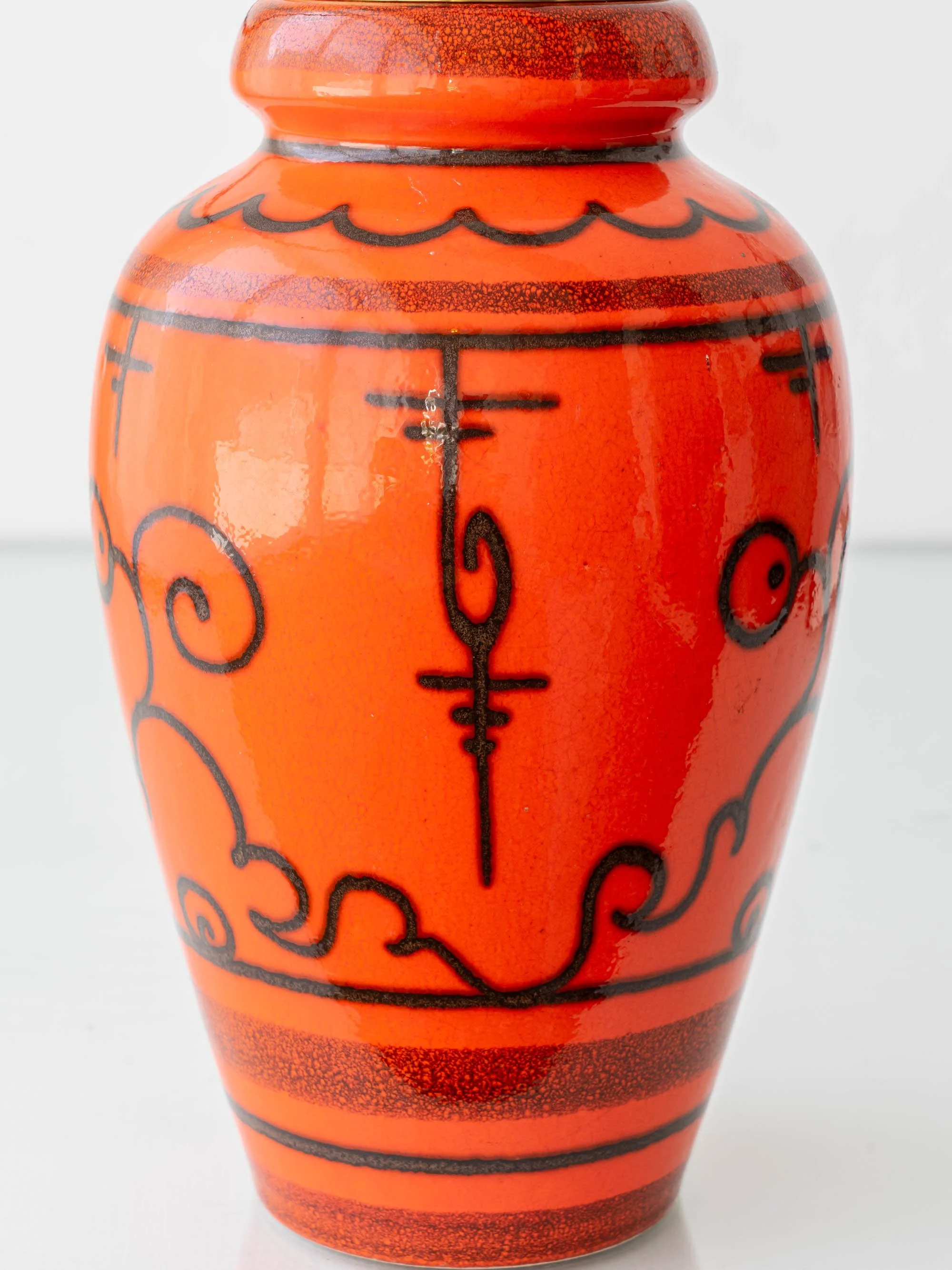 Image 2 of 14
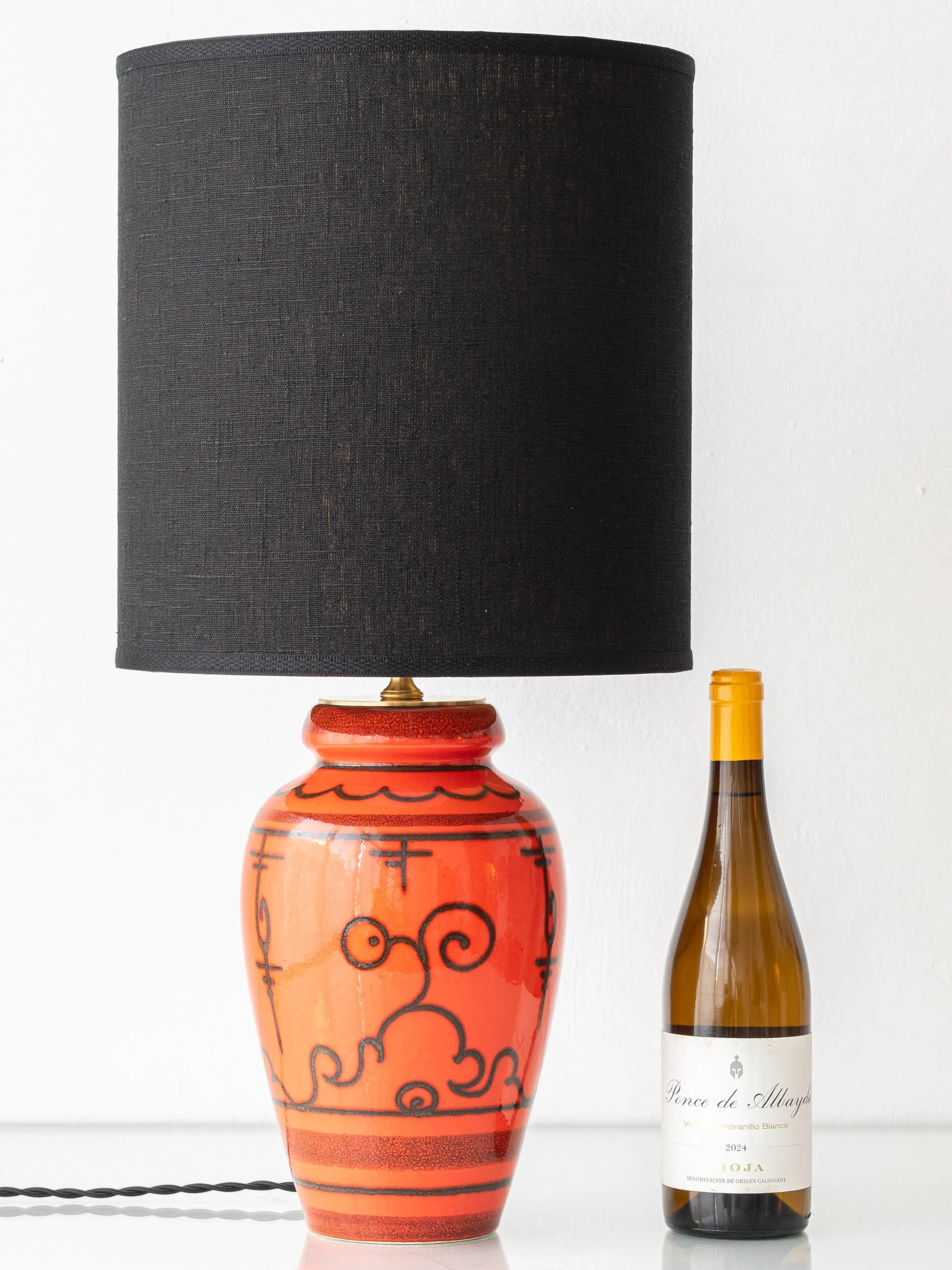 Image 3 of 14
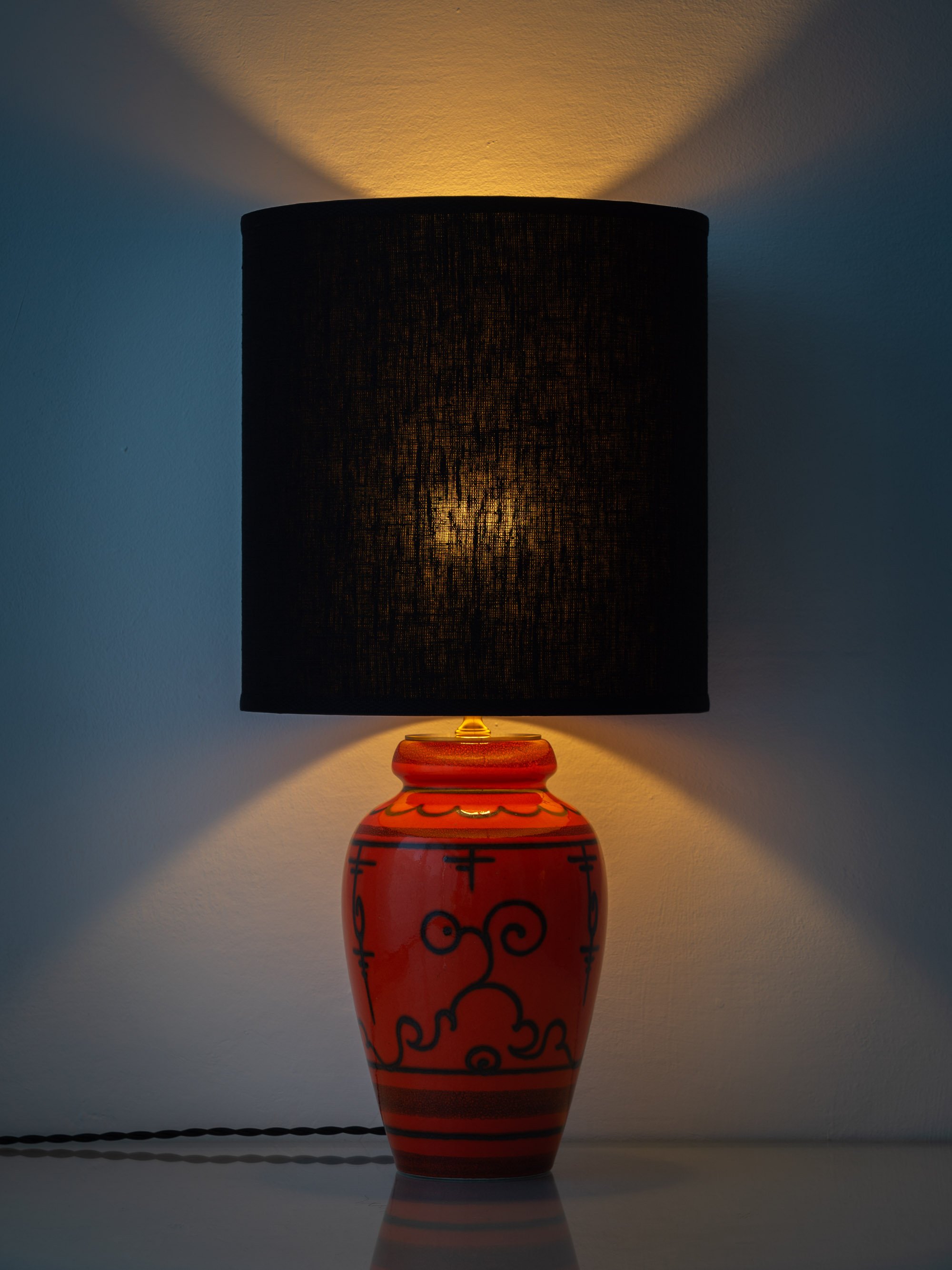 Image 4 of 14
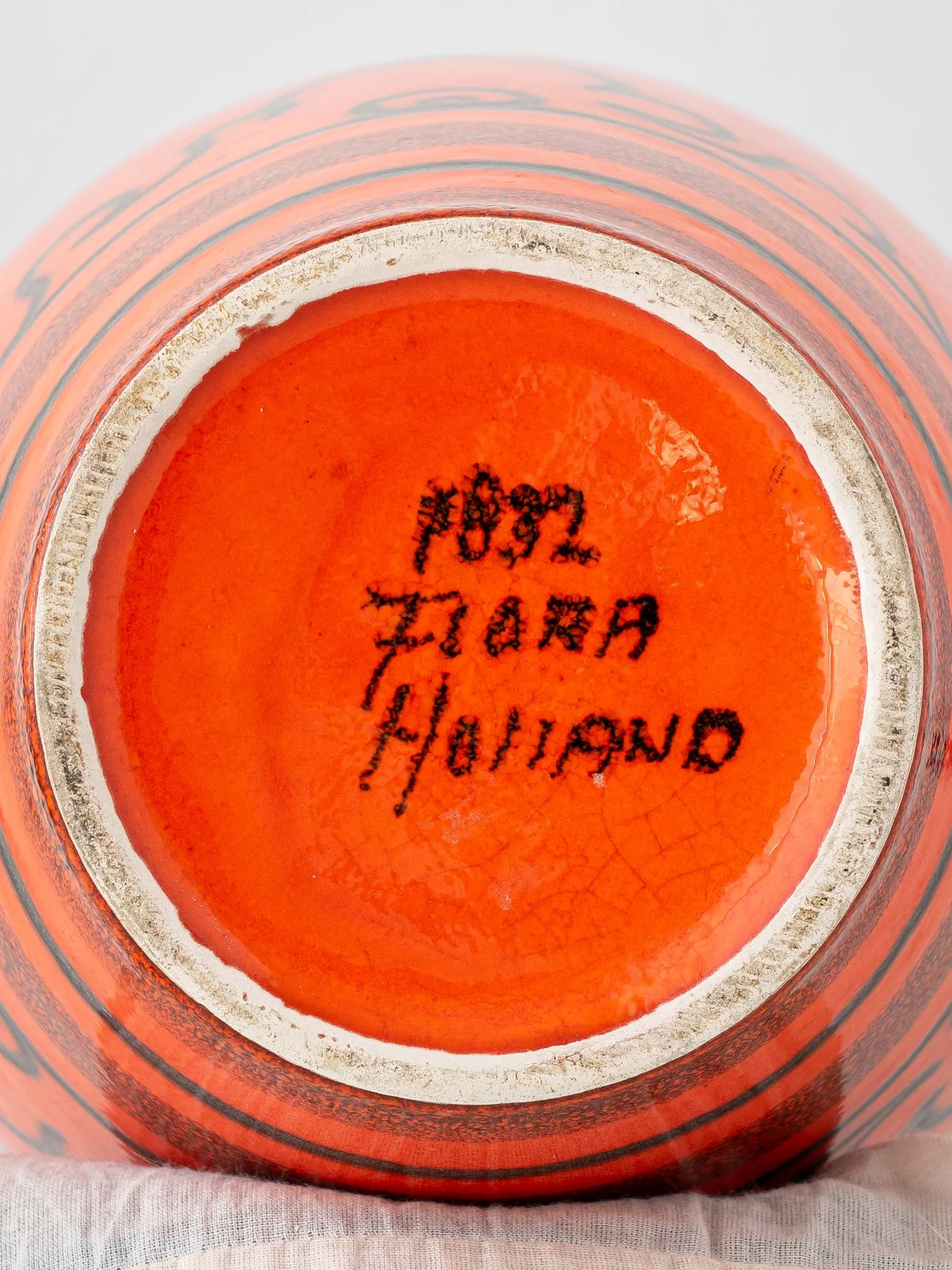 Image 5 of 14
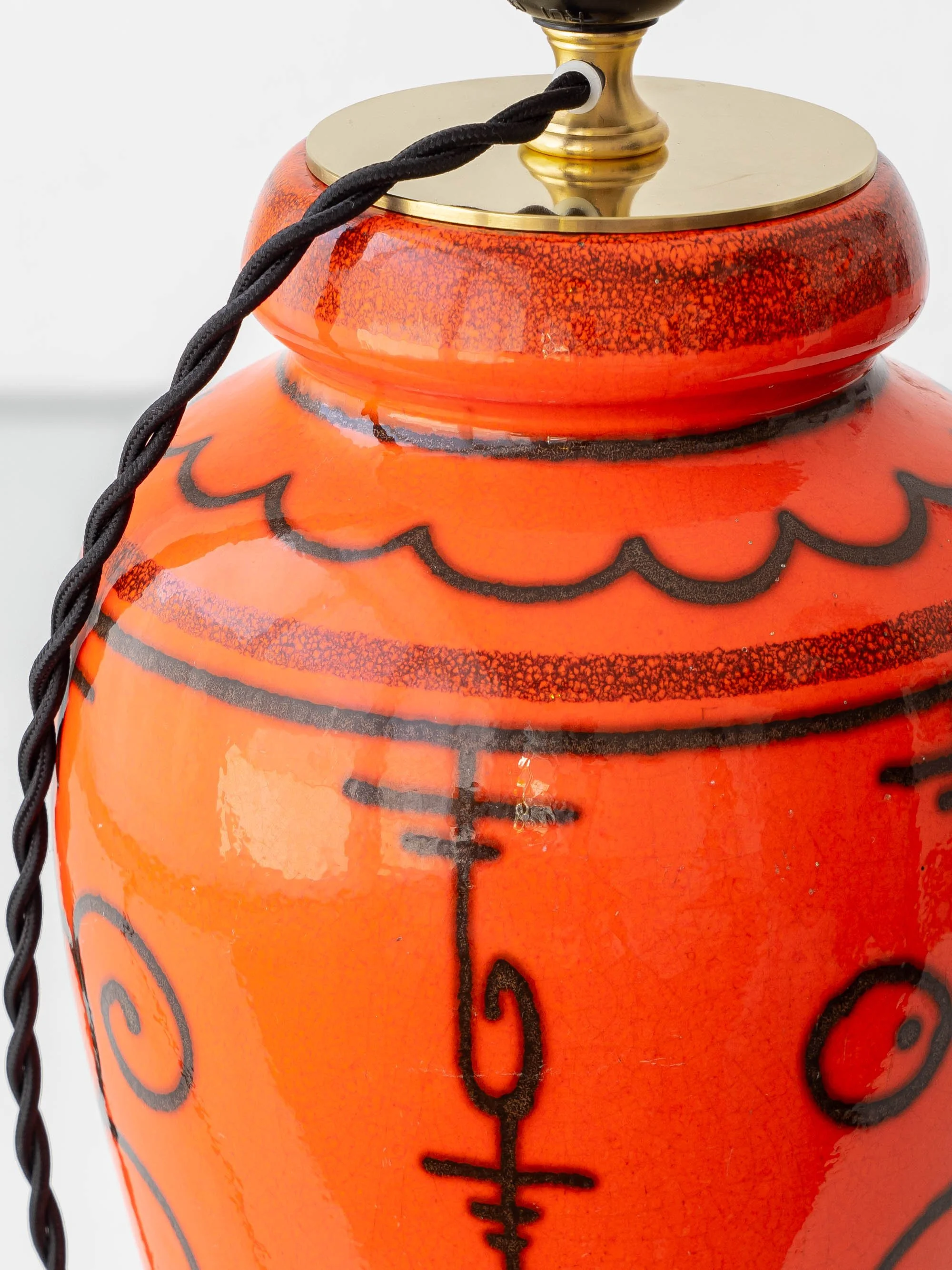 Image 6 of 14
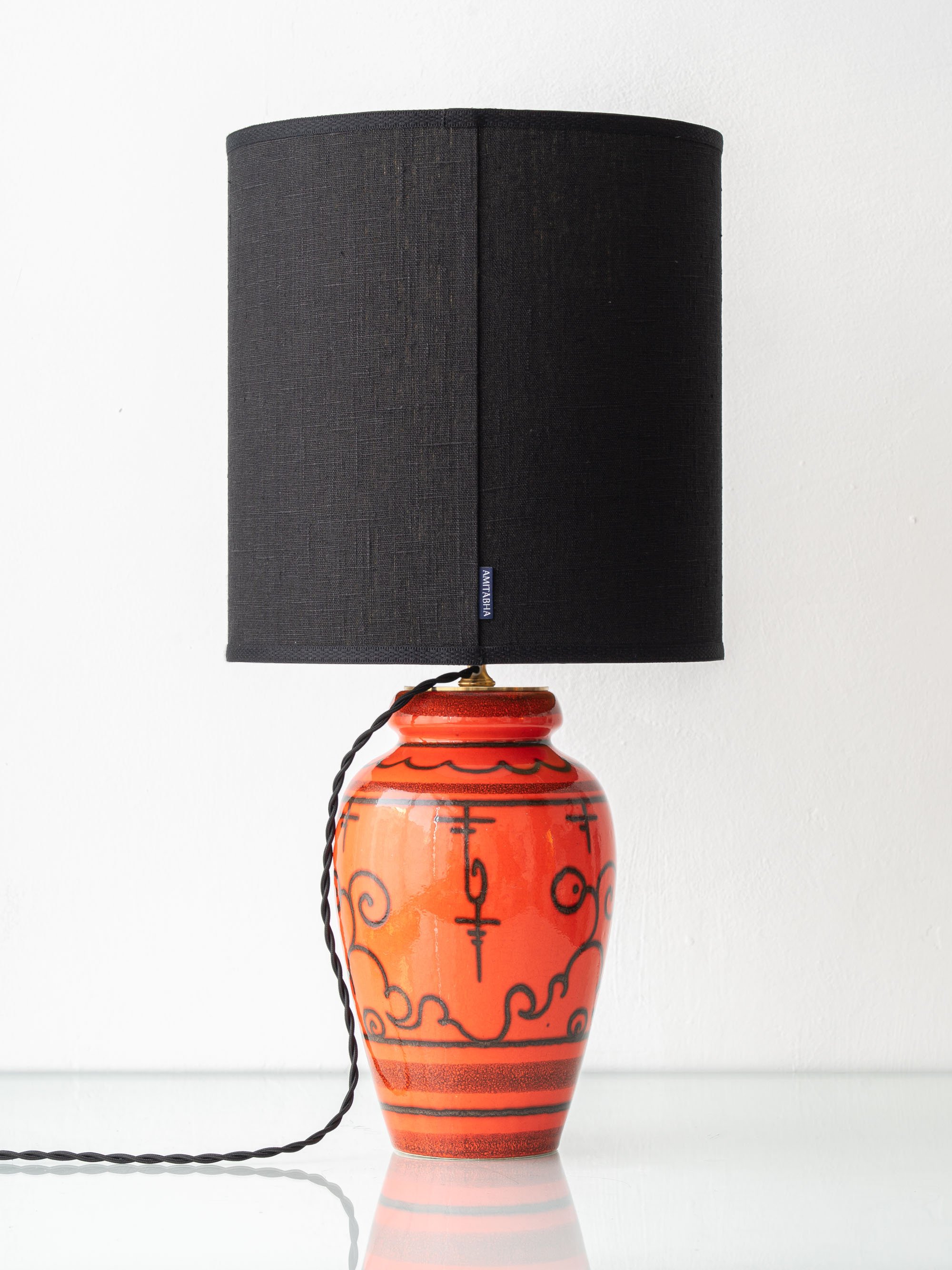 Image 7 of 14
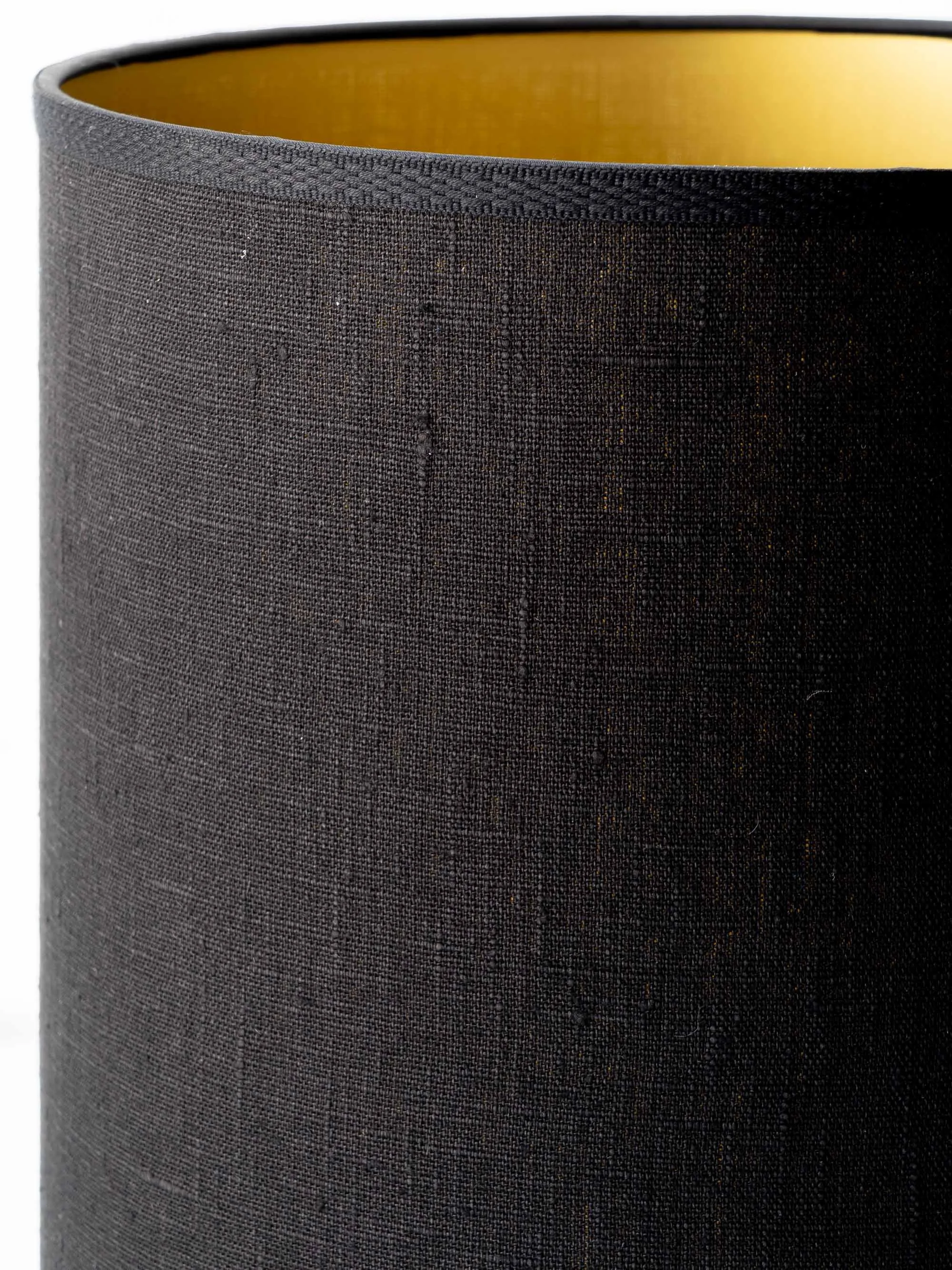 Image 8 of 14
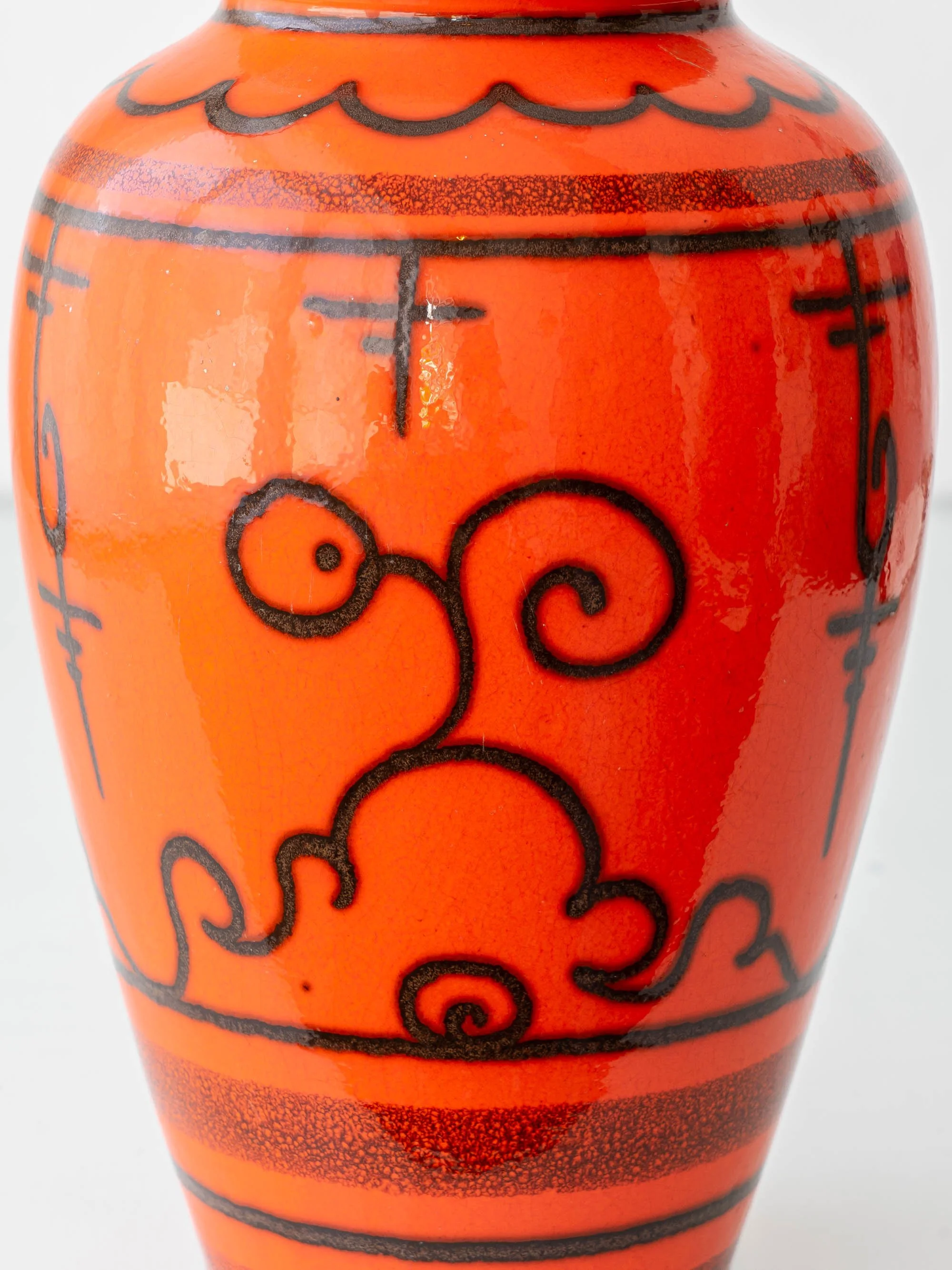 Image 9 of 14
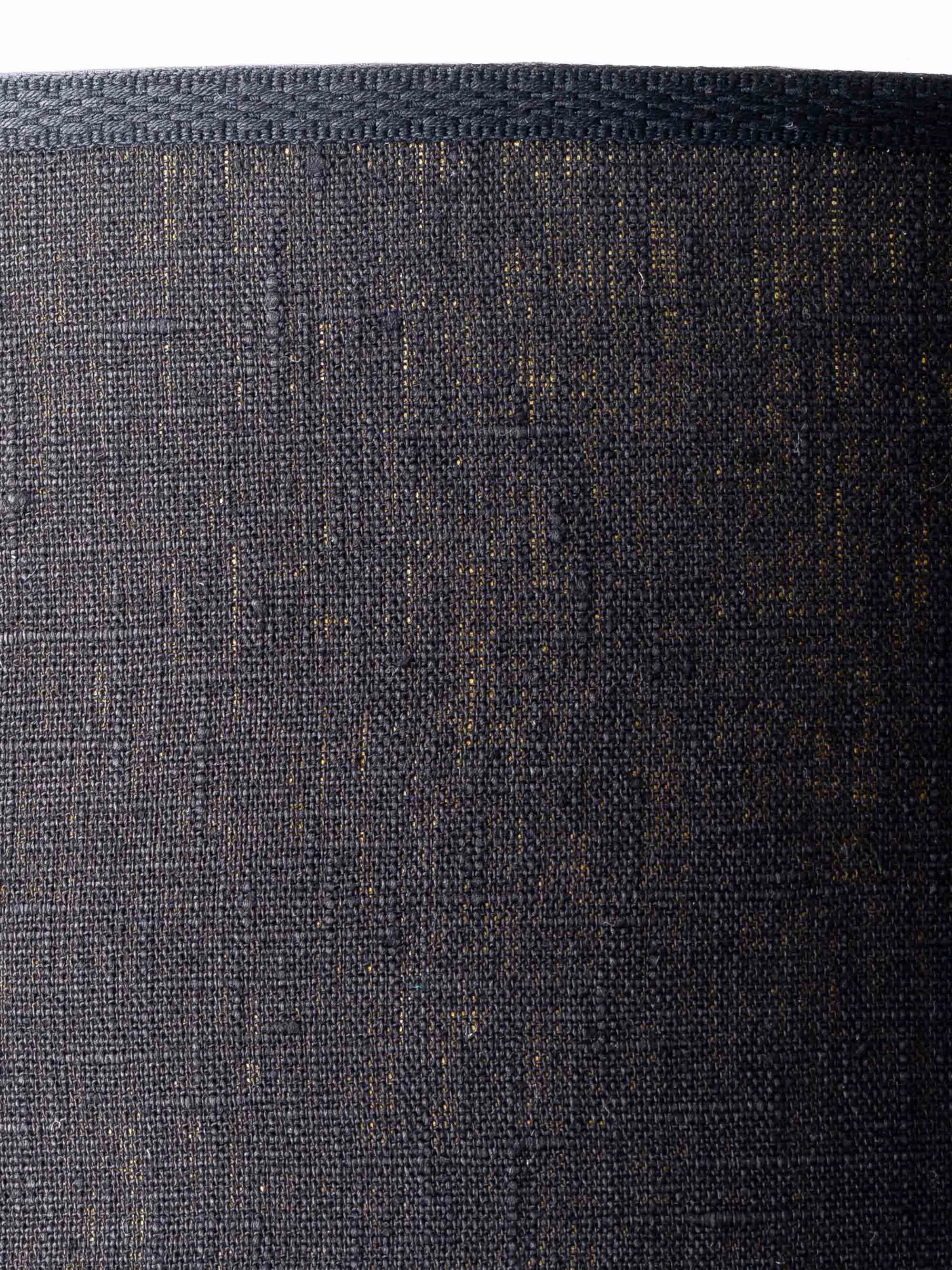 Image 10 of 14
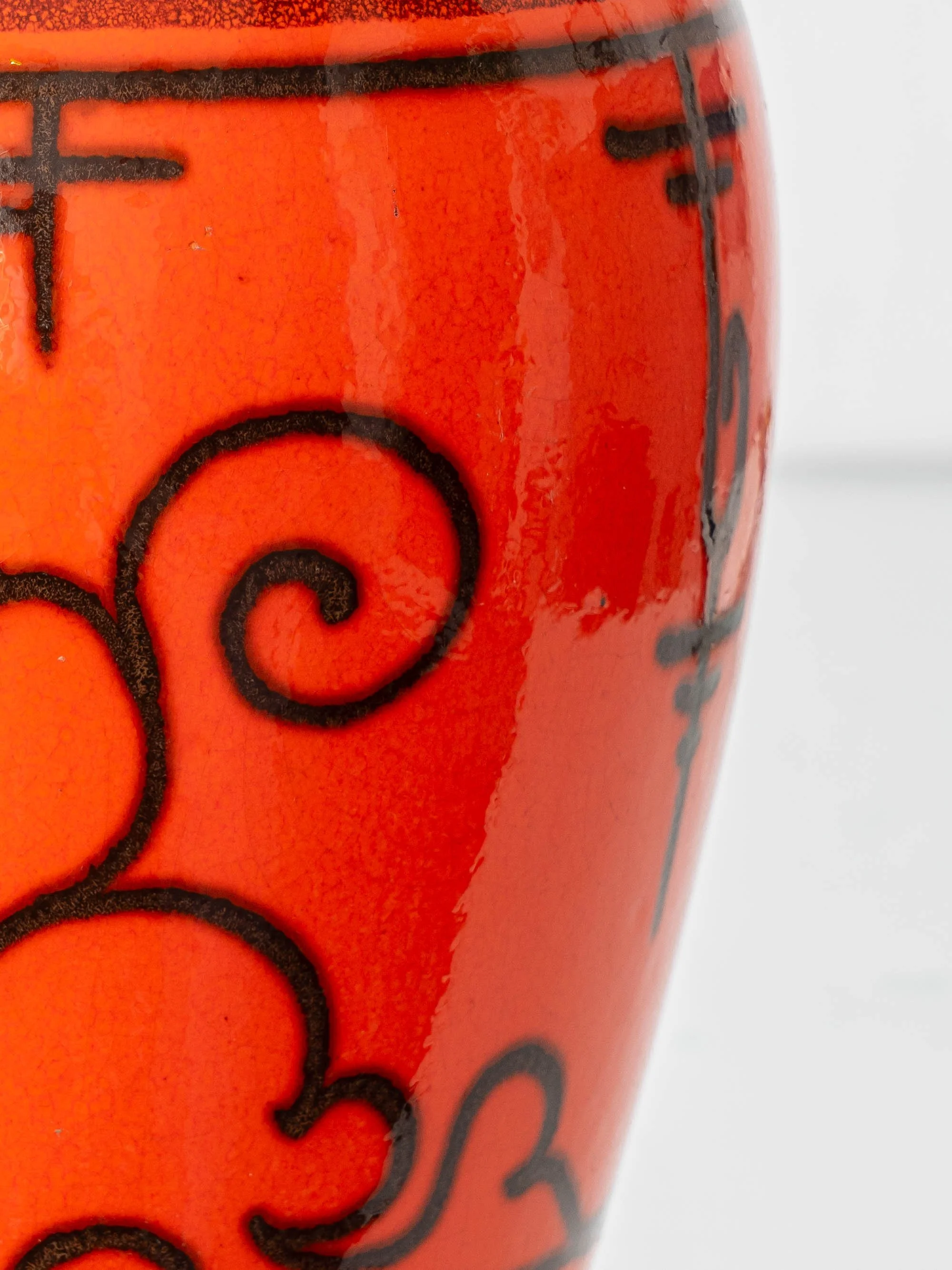 Image 11 of 14
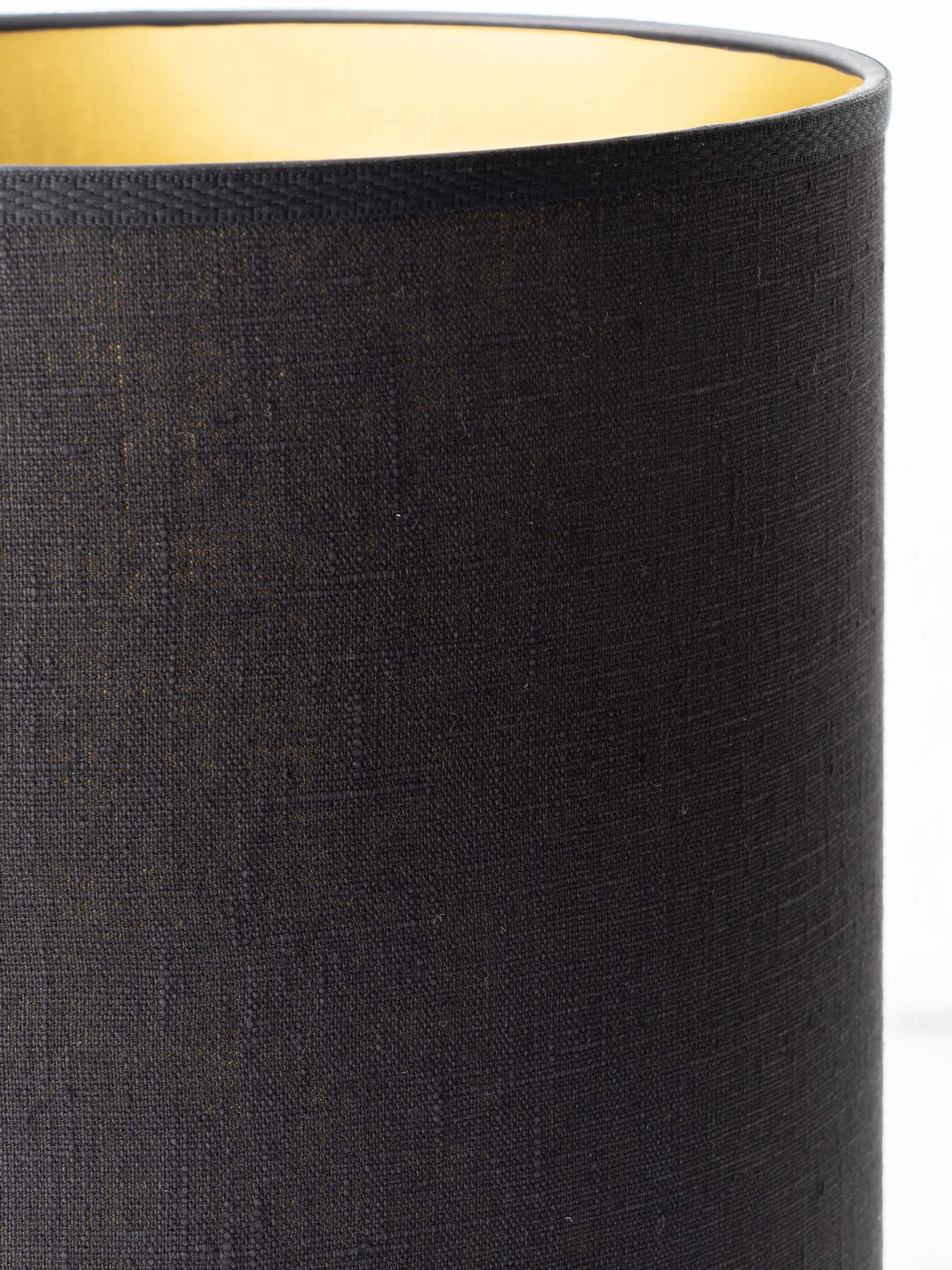 Image 12 of 14
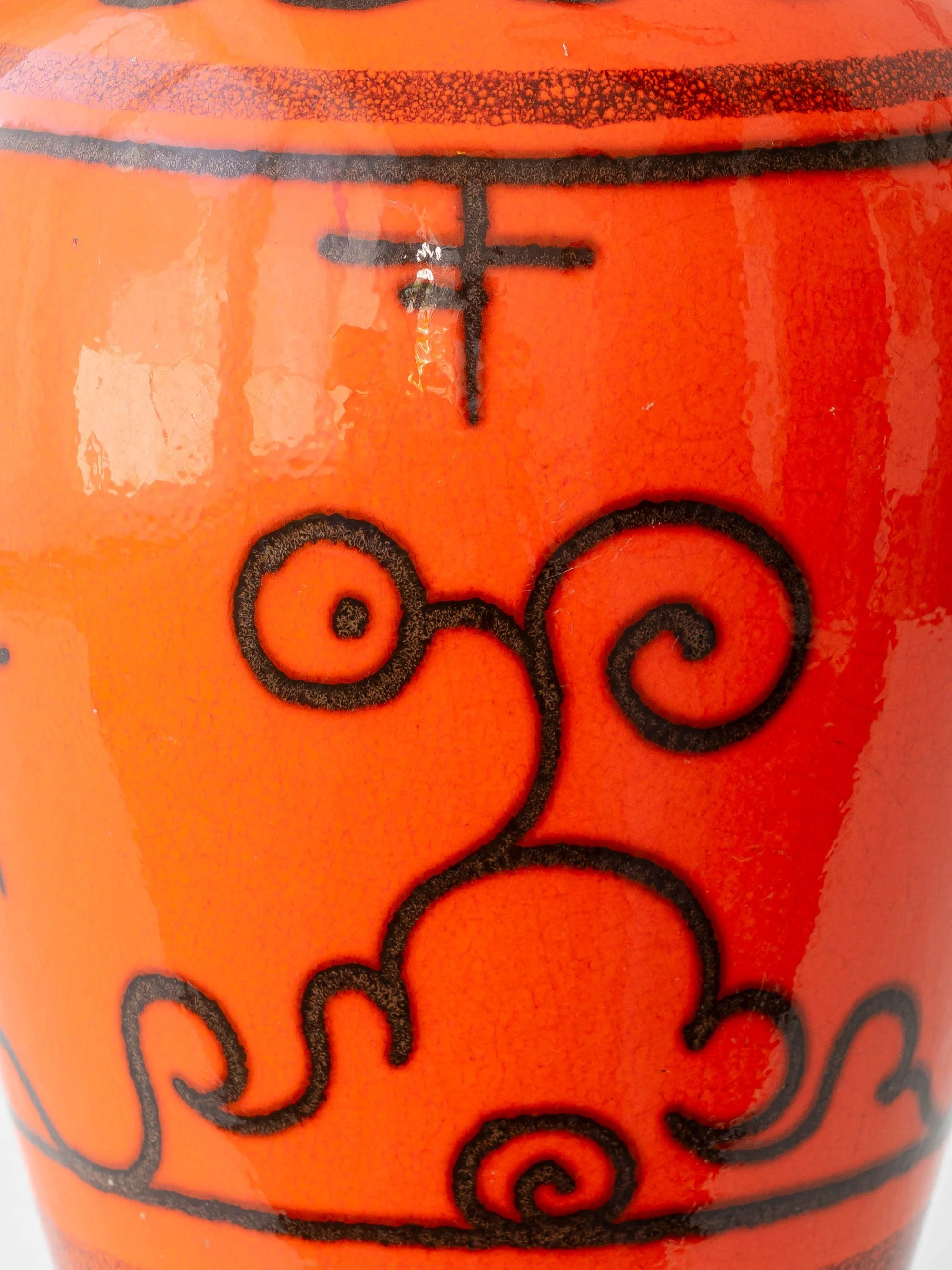 Image 13 of 14
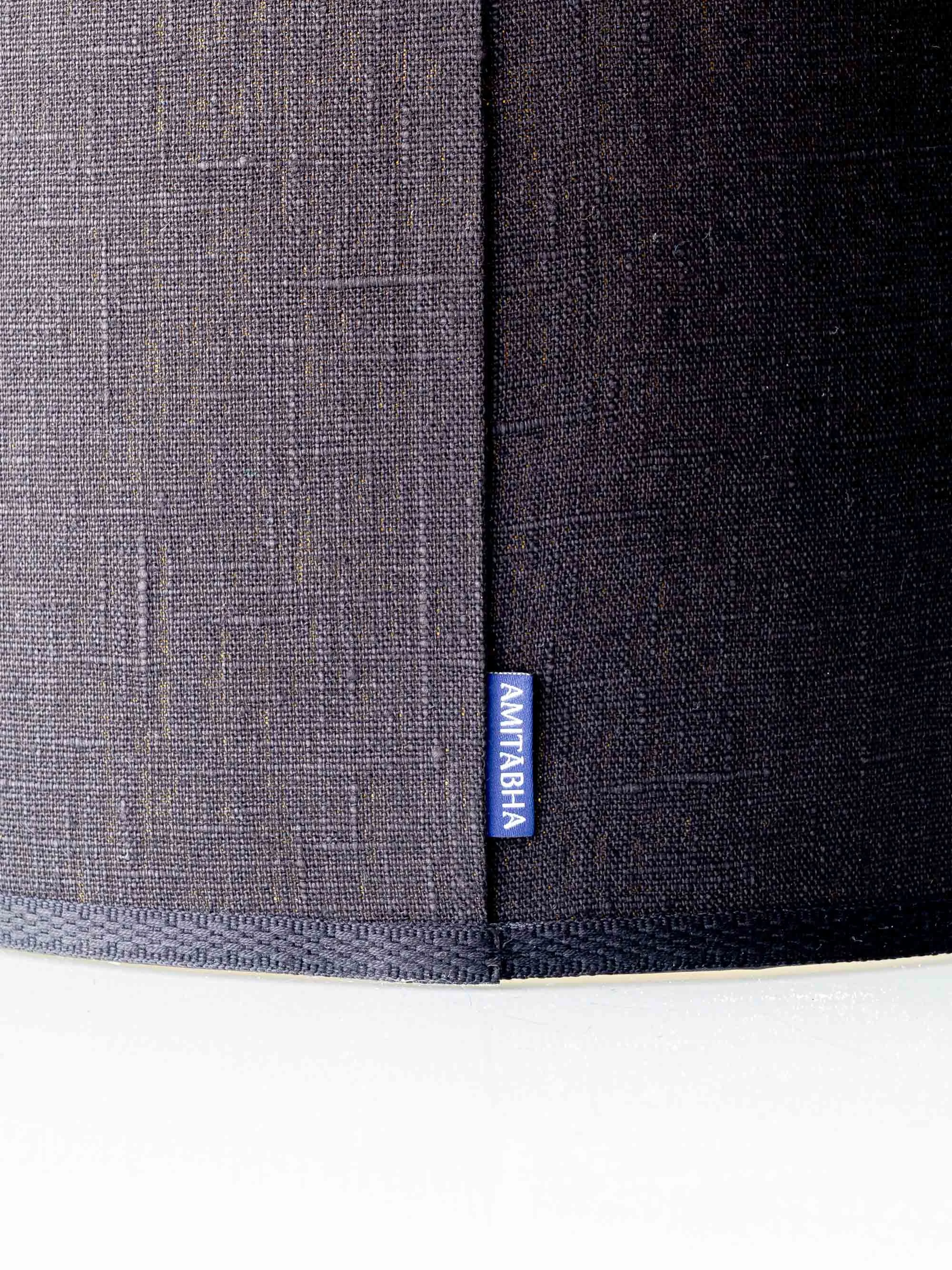 Image 14 of 14
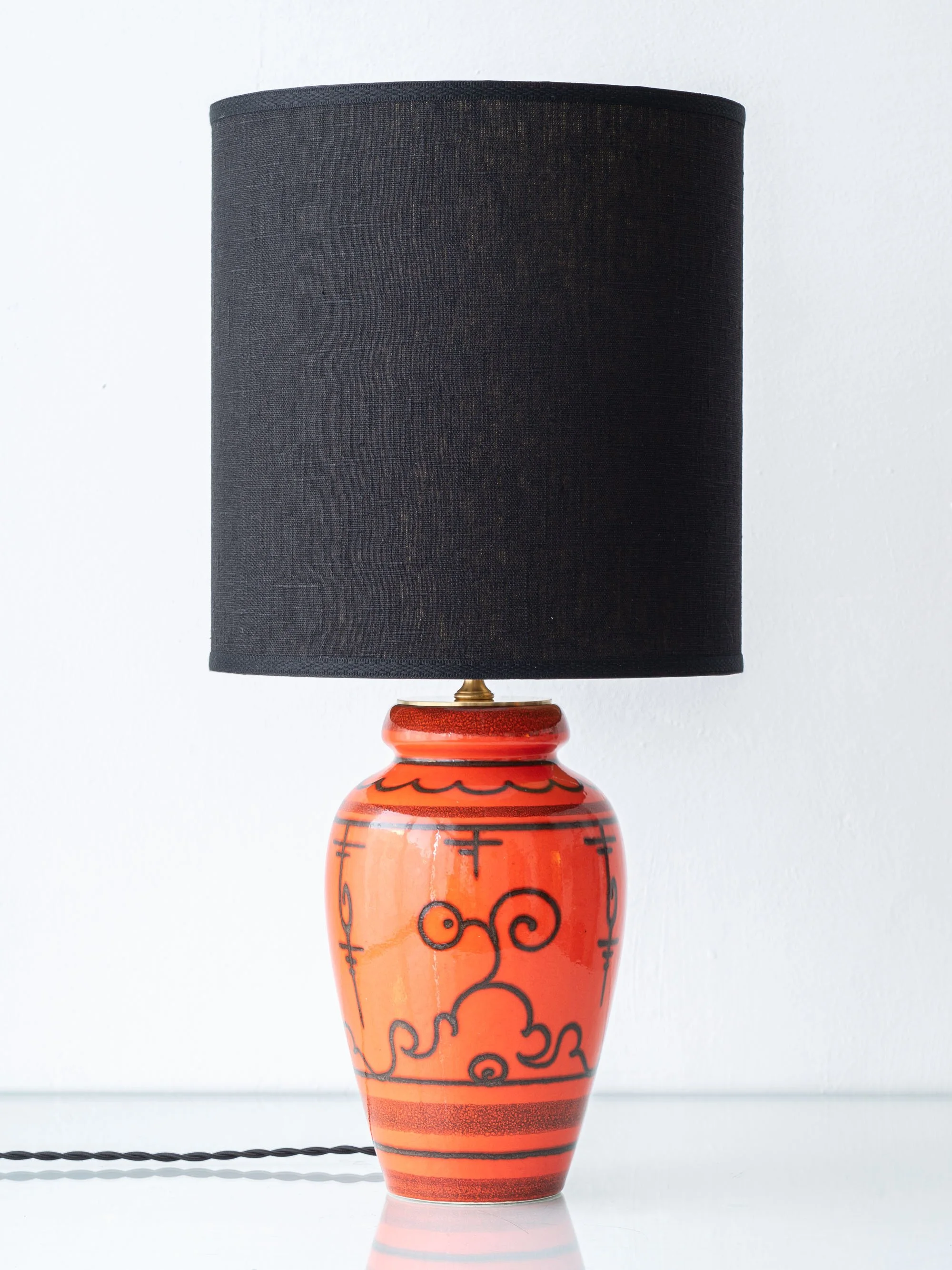
Akira begins with an unusually large Flora Gouda vase in the "Tokio" décor, produced in the Netherlands around 1968 to 1977. The glaze is a deep fire-orange with a molten, lava-like depth, over which matte black linework runs in horizontal bands and calligraphic marks that wrap the full circumference of the form. The effect is graphic and architectural — decoration used as structure rather than ornament — and the contrast between the saturated orange and the black is what gives the piece its presence at scale.
The "Tokio" pattern belongs to Flora Gouda's late-modern period, when the factory had moved well away from traditional Delft influence toward an international, abstract idiom. It is one of the more disciplined designs of that output: bold in colour and line, but held in tight composition. At 62 cm to the top of the shade, this is a substantial lamp, and the new gold-lined black linen drum was chosen to match that scale — the black reading cleanly against the orange by day, the gold lining warming the light at night.
About Flora Gouda
Founded in Gouda in 1945, Flora became internationally known for an experimental approach to decorative ceramics in the postwar decades. Through the 1960s and 1970s its output grew increasingly expressive — abstract patterning, high-contrast palettes, and strong silhouettes that set it apart from the older Gouda houses and their Art Nouveau and Delft-derived work. The "Tokio" décor sits among the most successful designs of that modernist chapter.