 Image 1 of 18
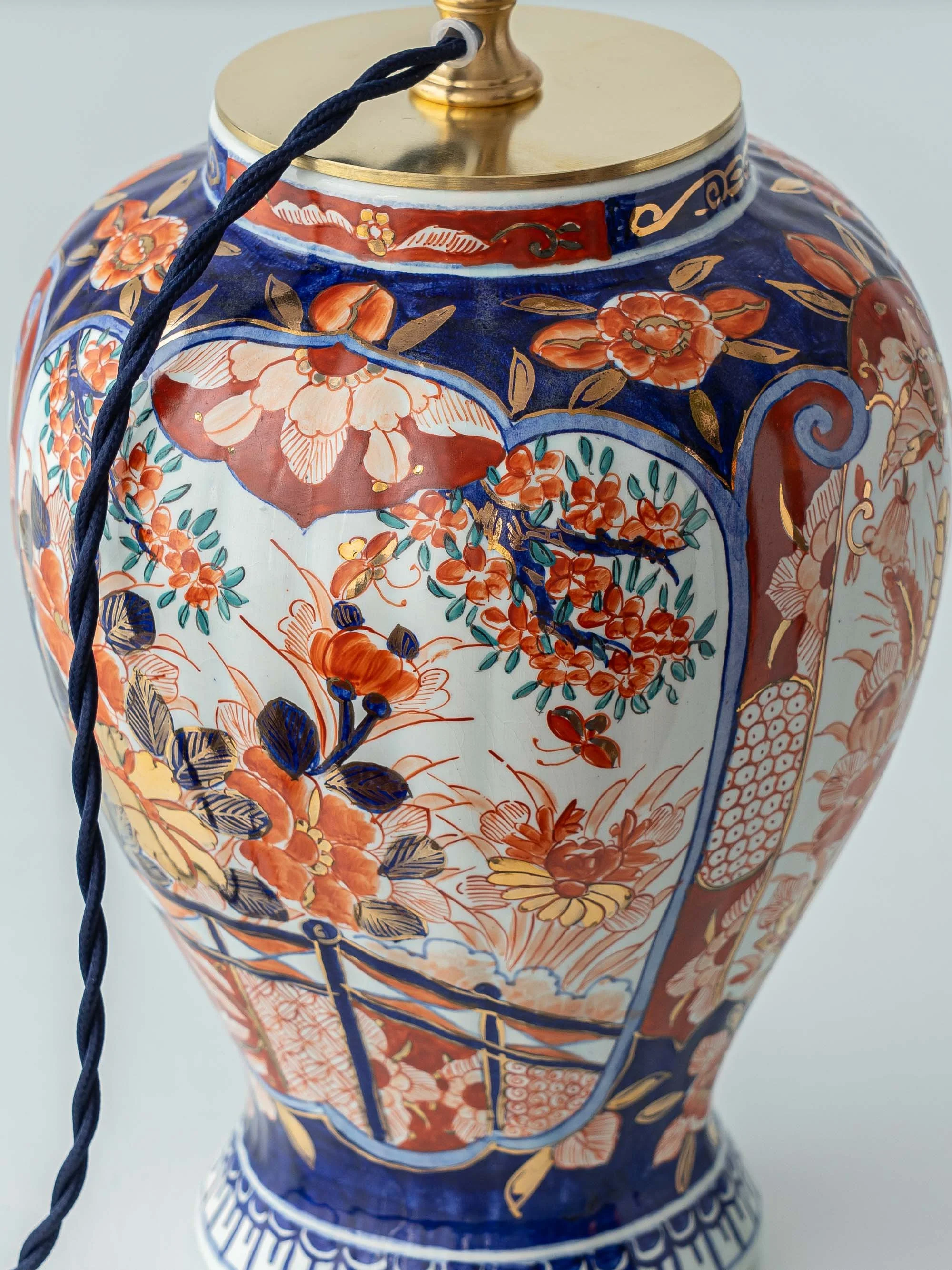 Image 2 of 18
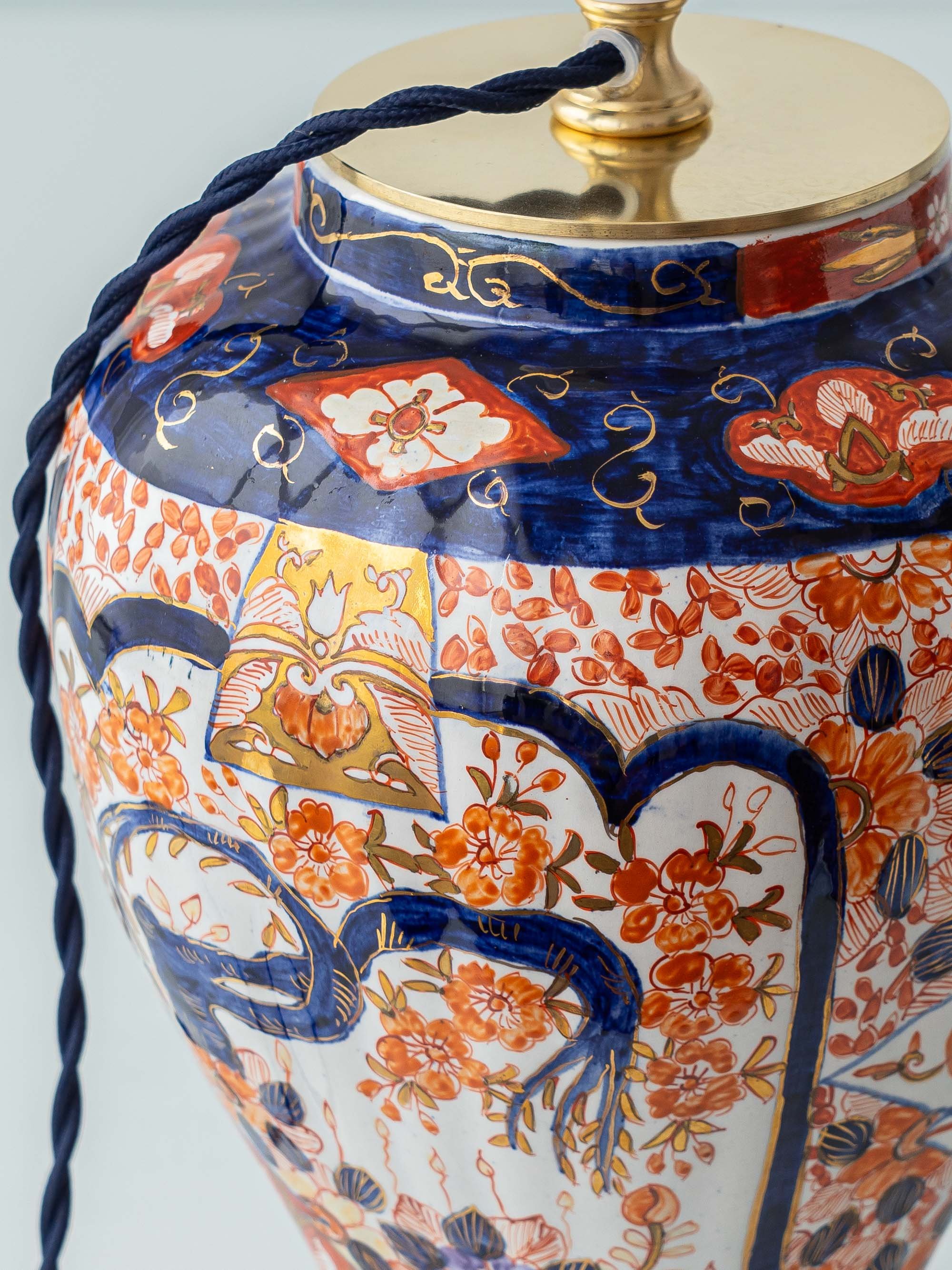 Image 3 of 18
 Image 4 of 18
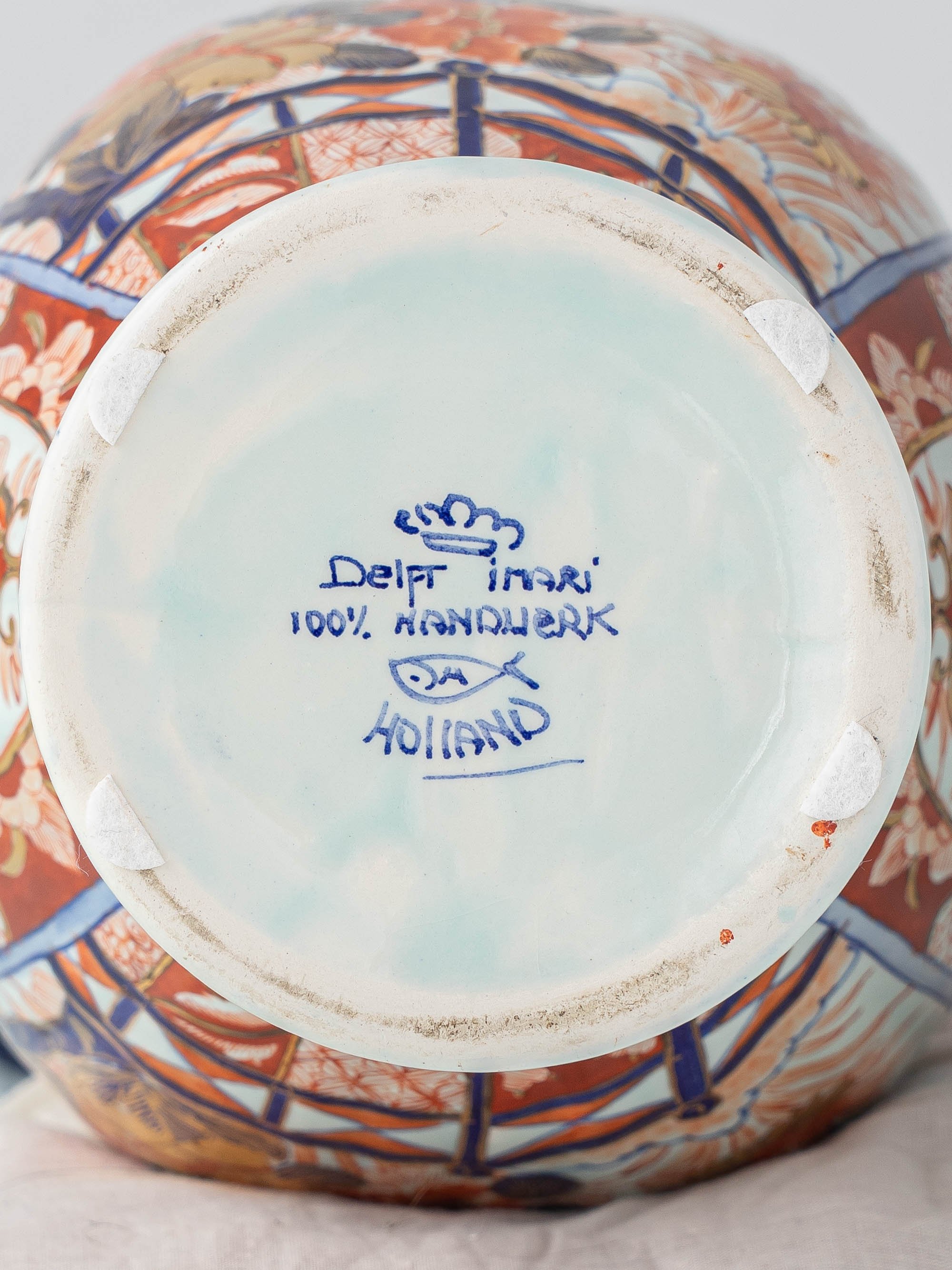 Image 5 of 18
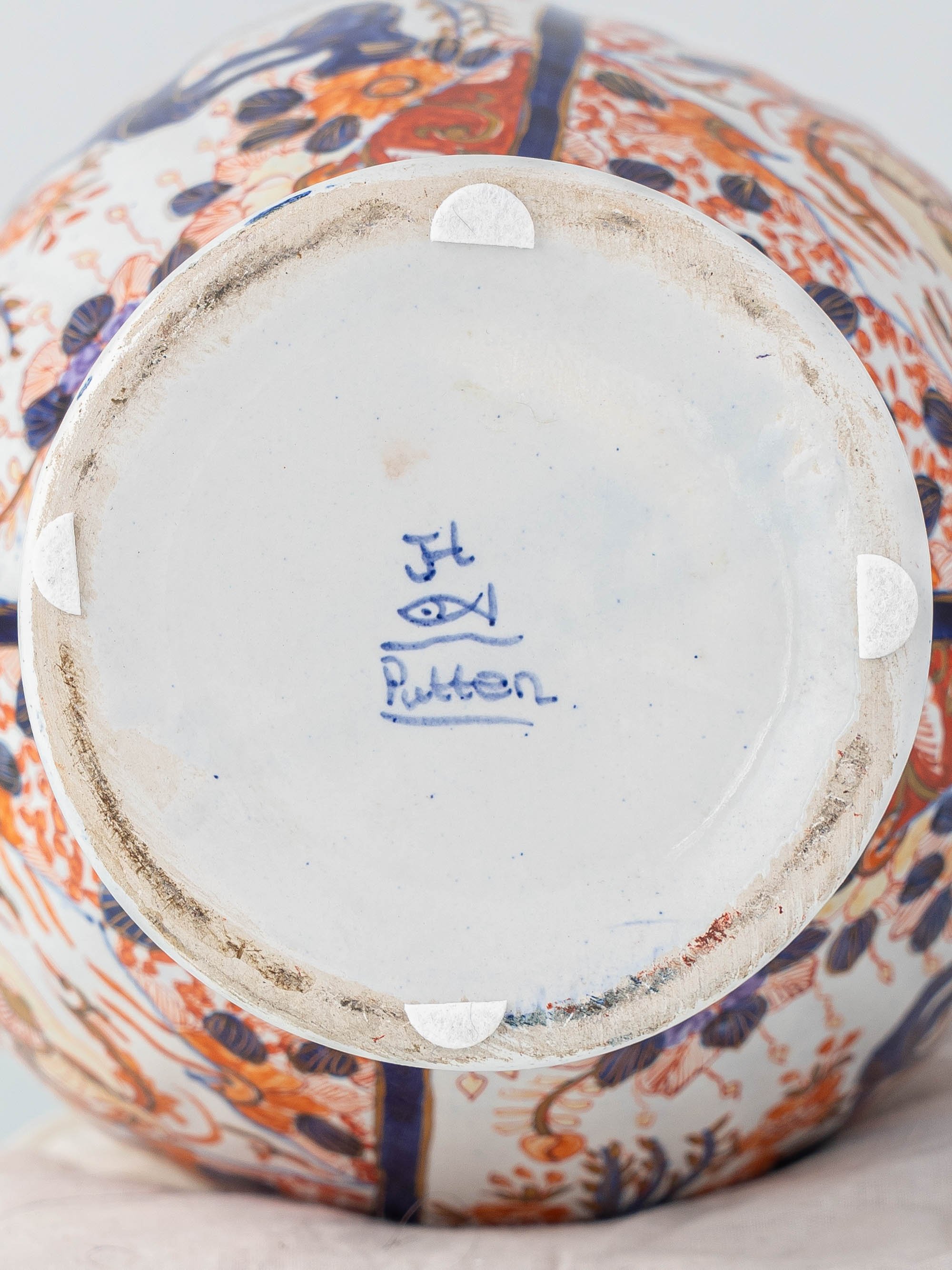 Image 6 of 18
 Image 7 of 18
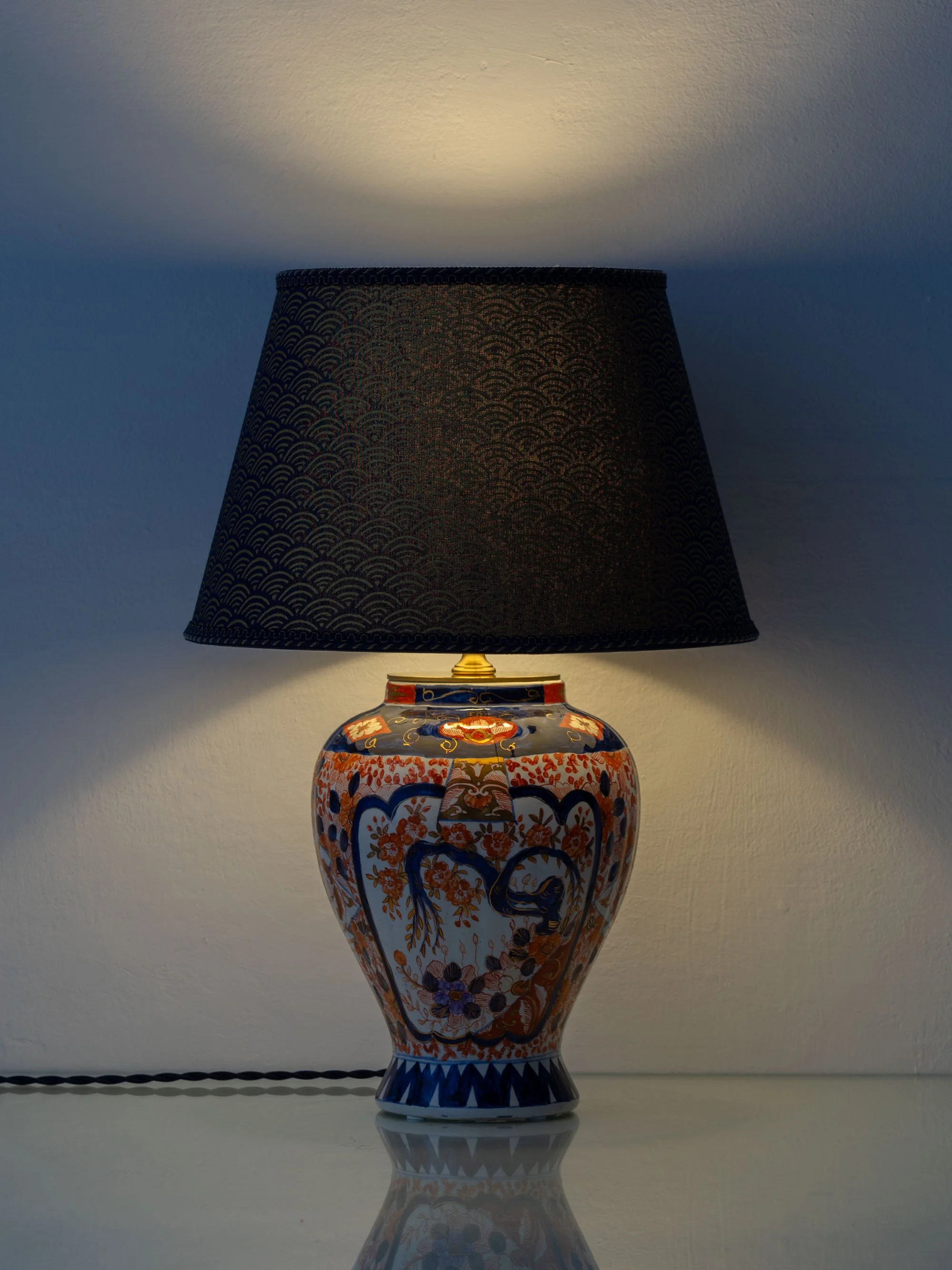 Image 8 of 18
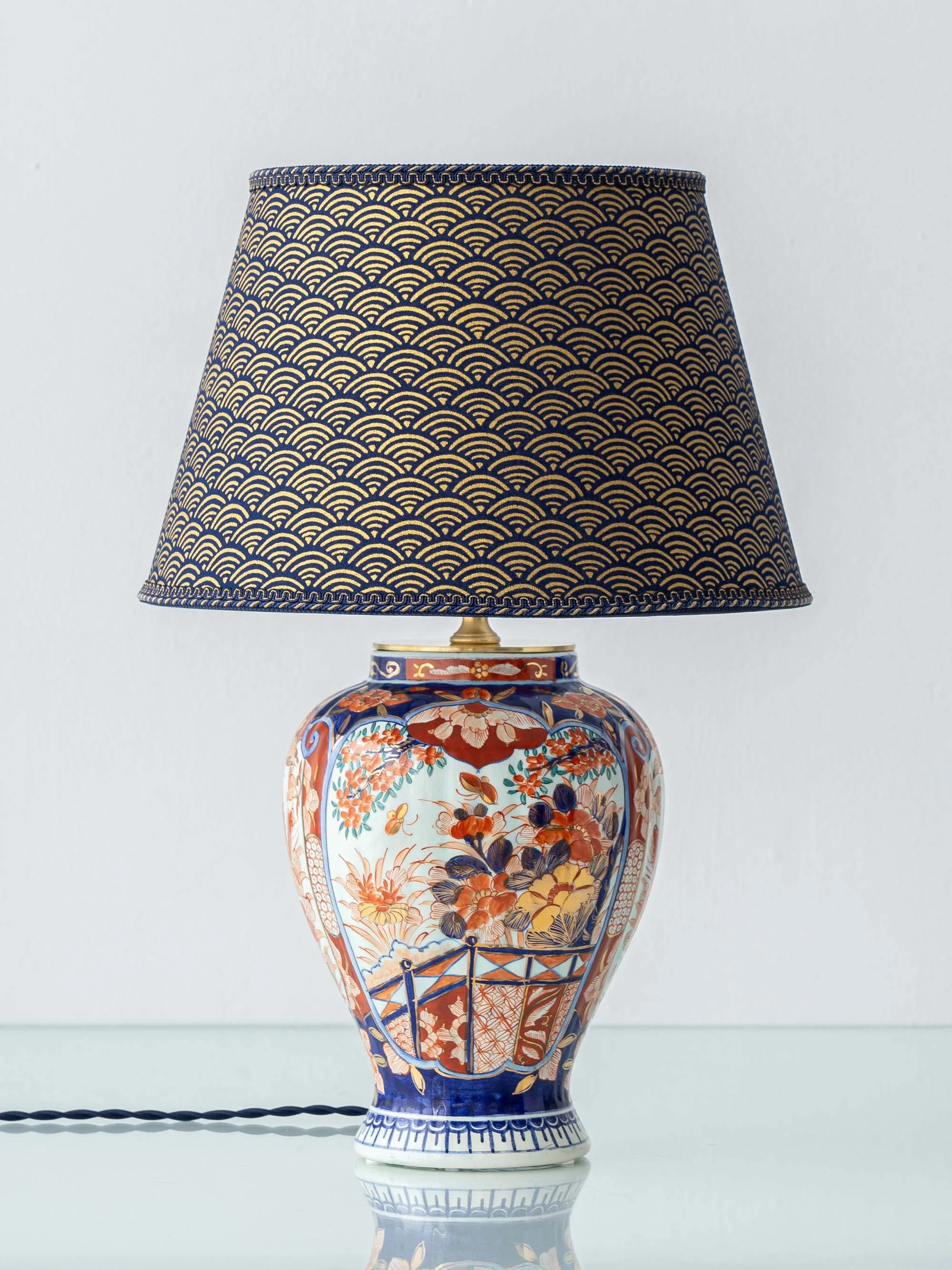 Image 9 of 18
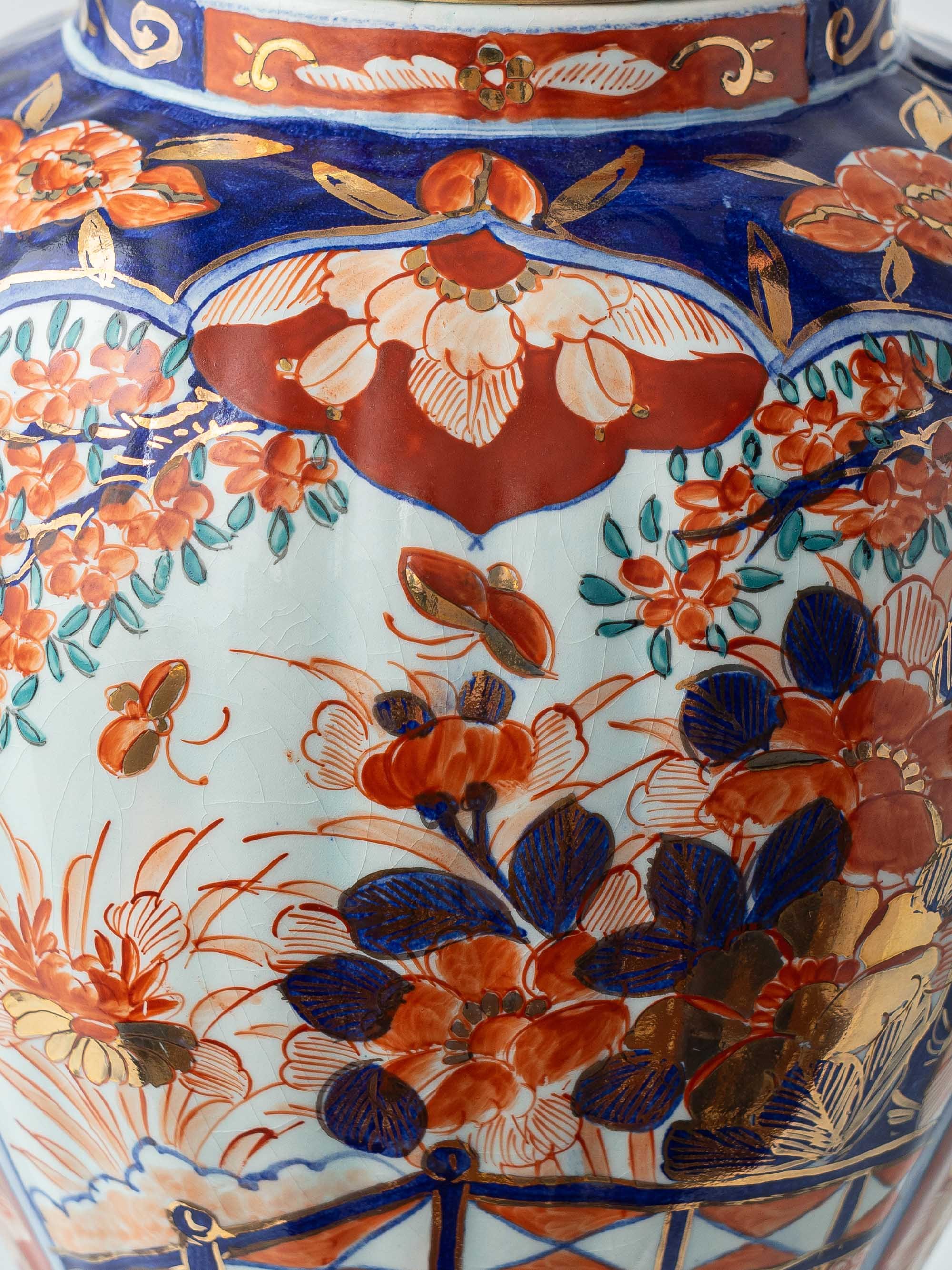 Image 10 of 18
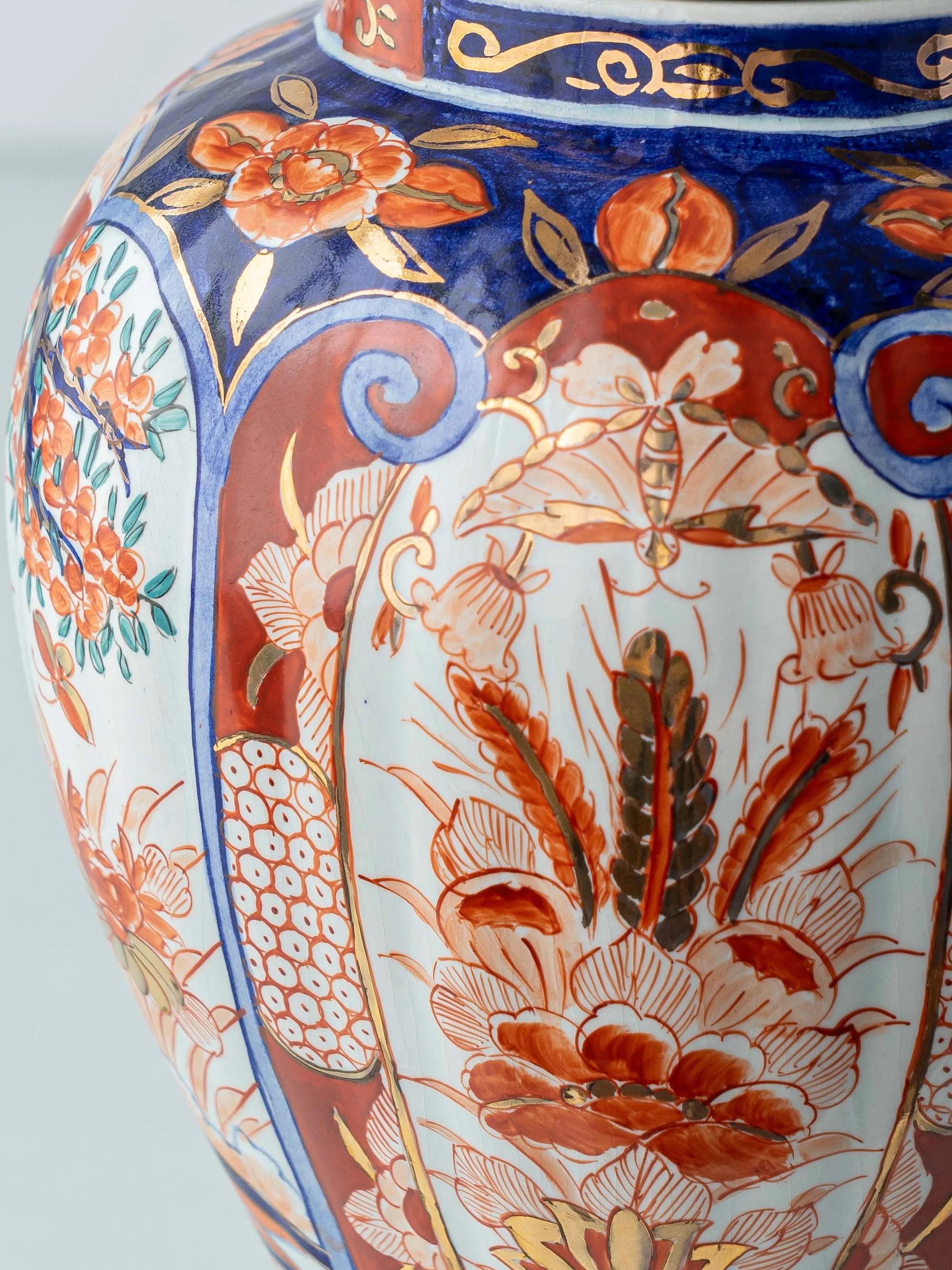 Image 11 of 18
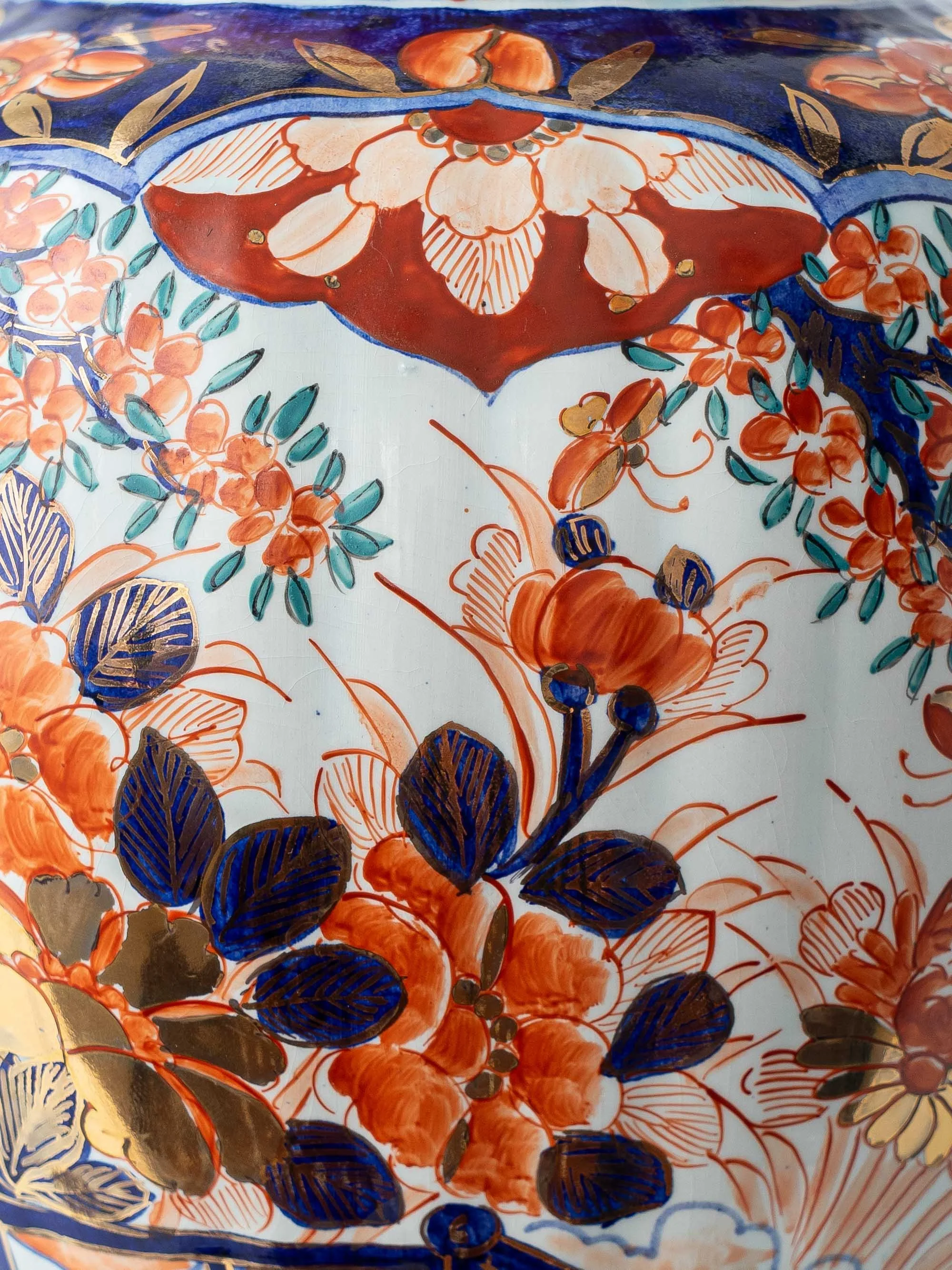 Image 12 of 18
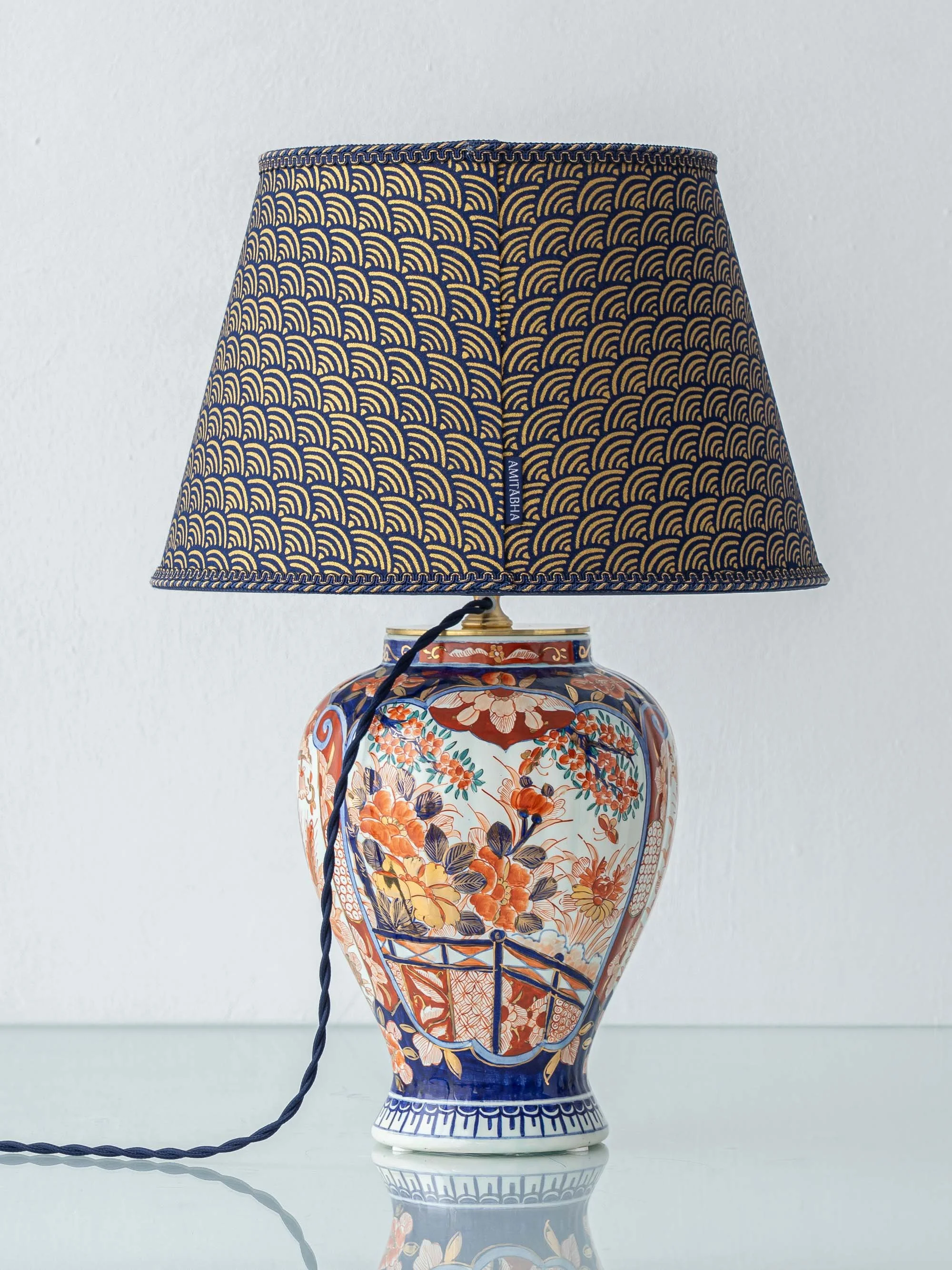 Image 13 of 18
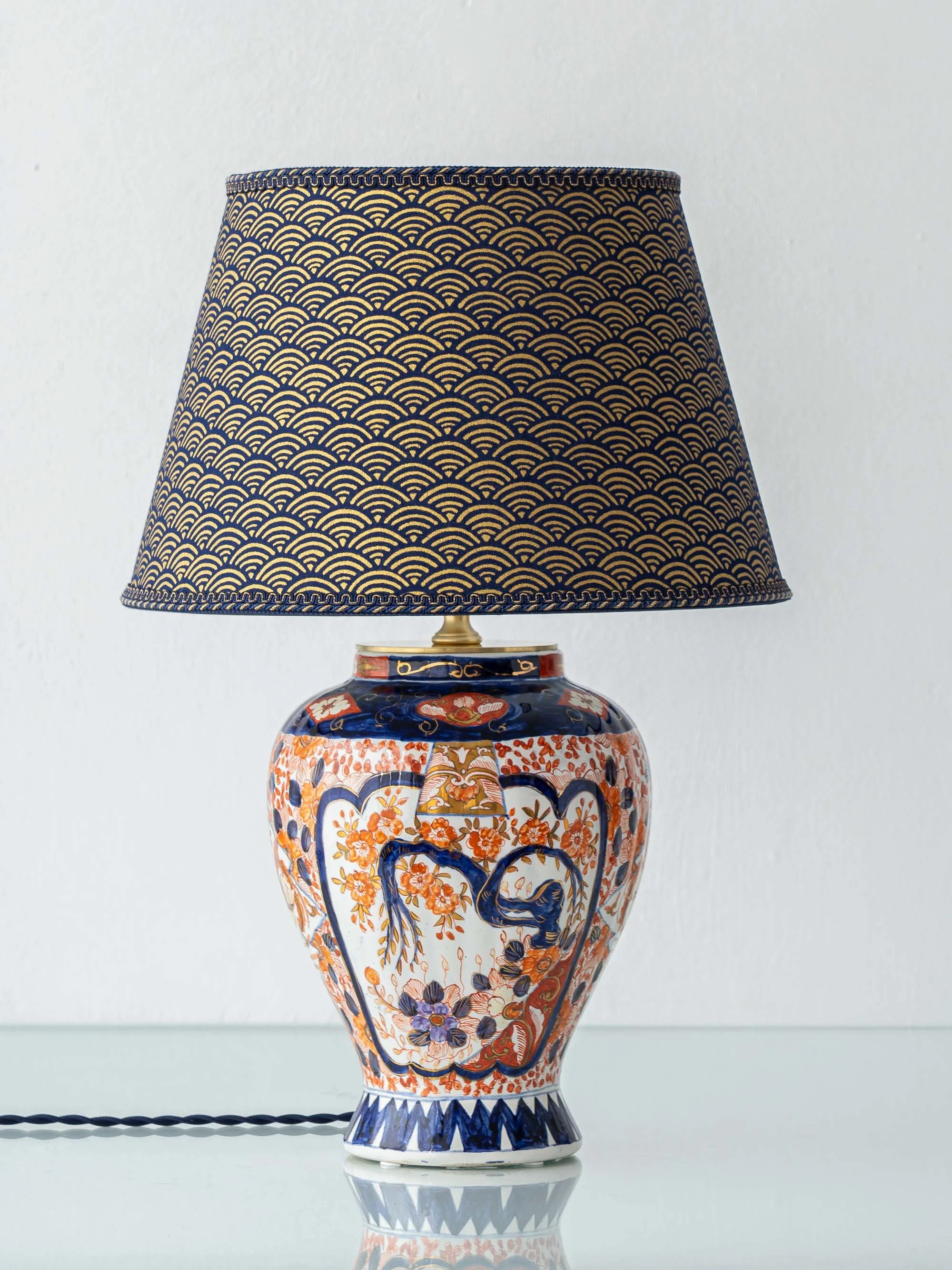 Image 14 of 18
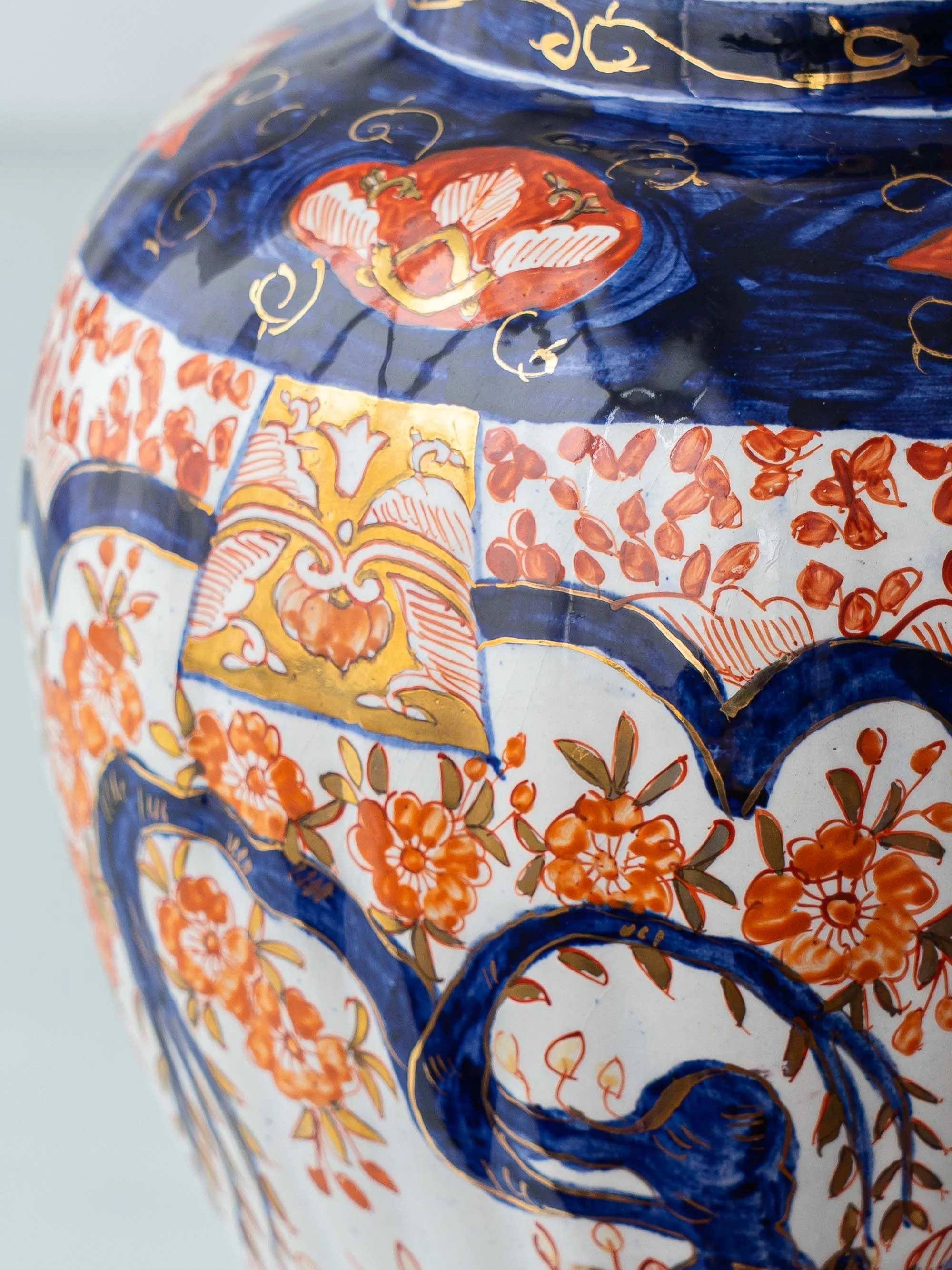 Image 15 of 18
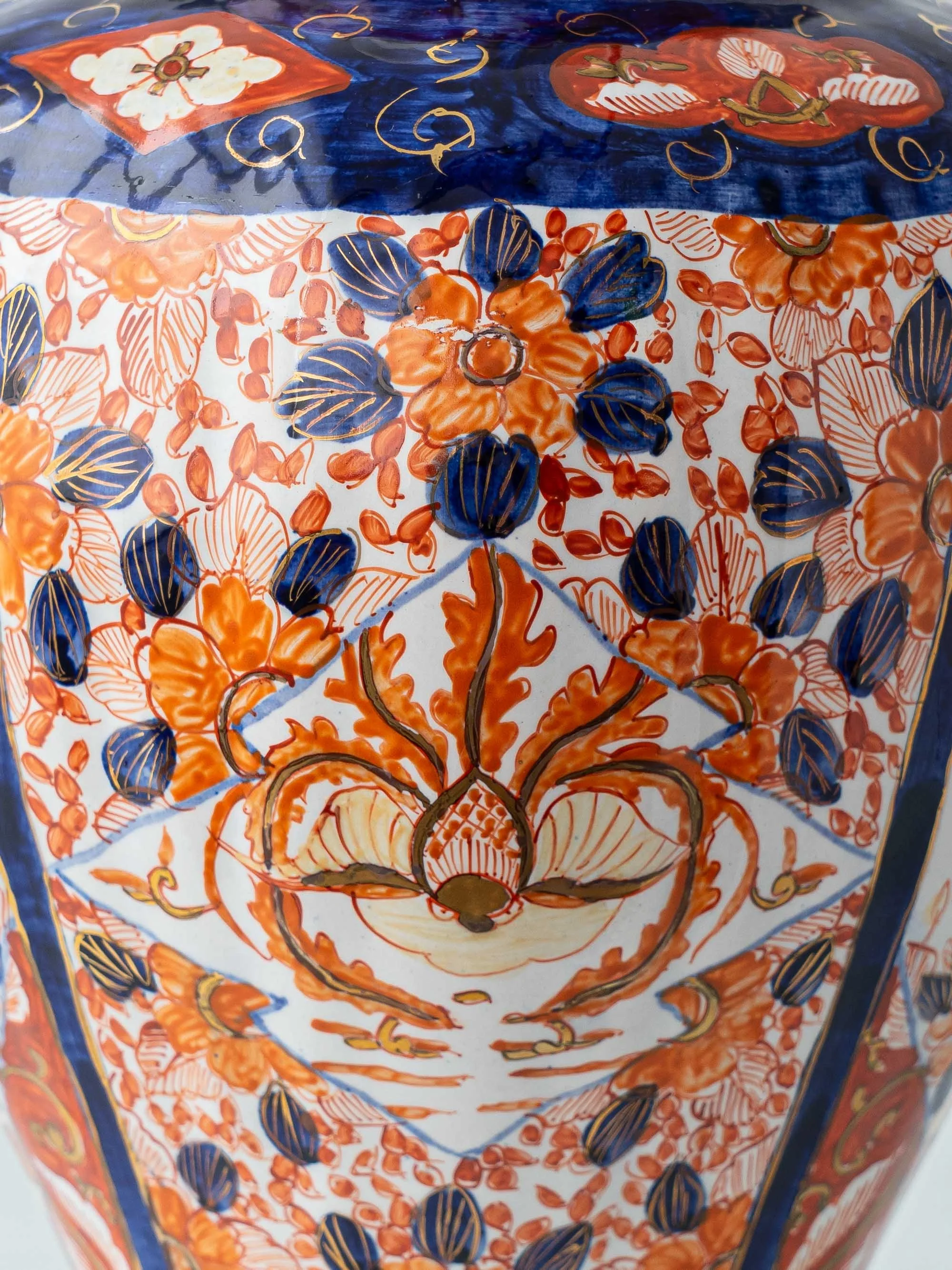 Image 16 of 18
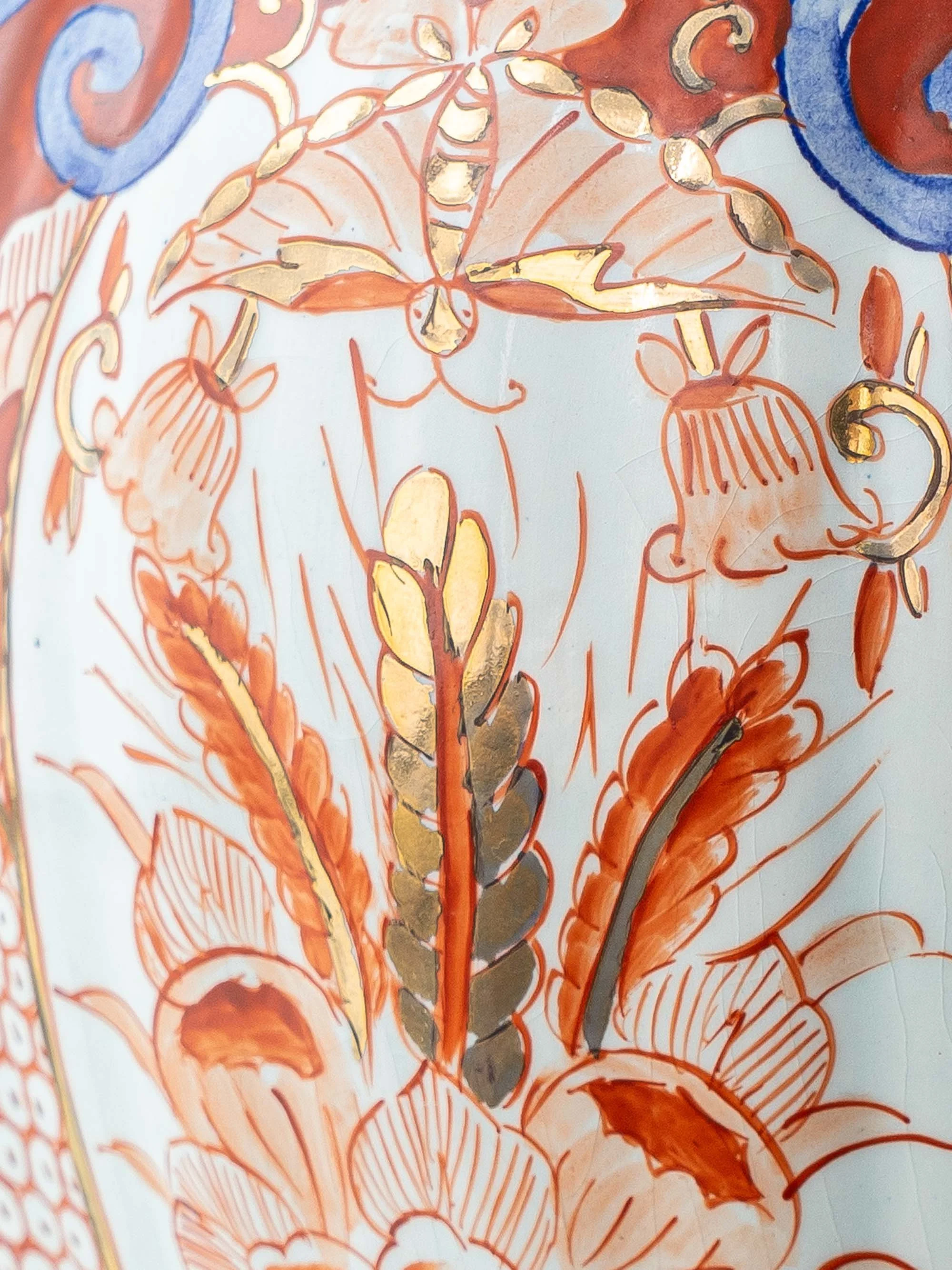 Image 17 of 18
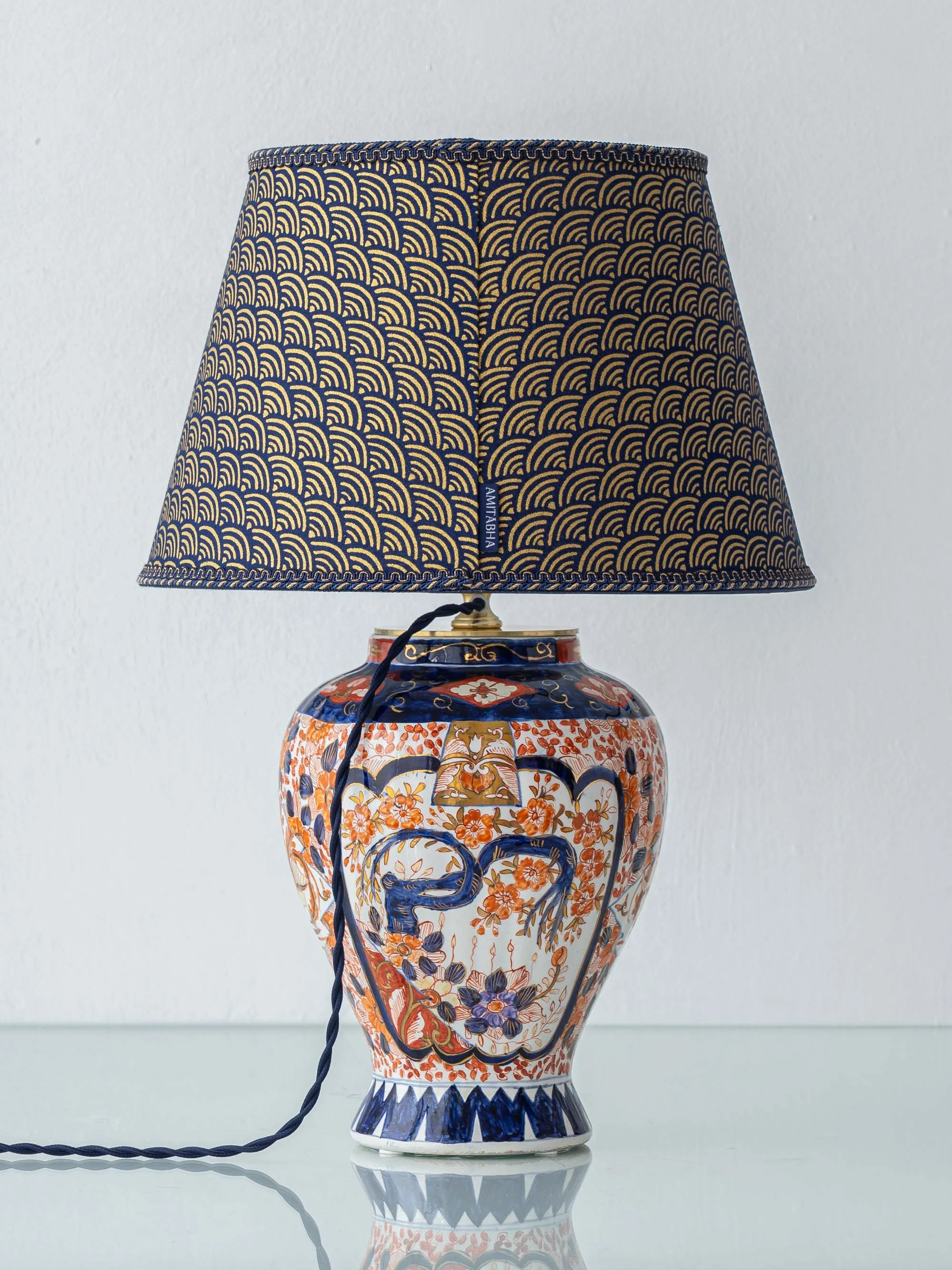 Image 18 of 18
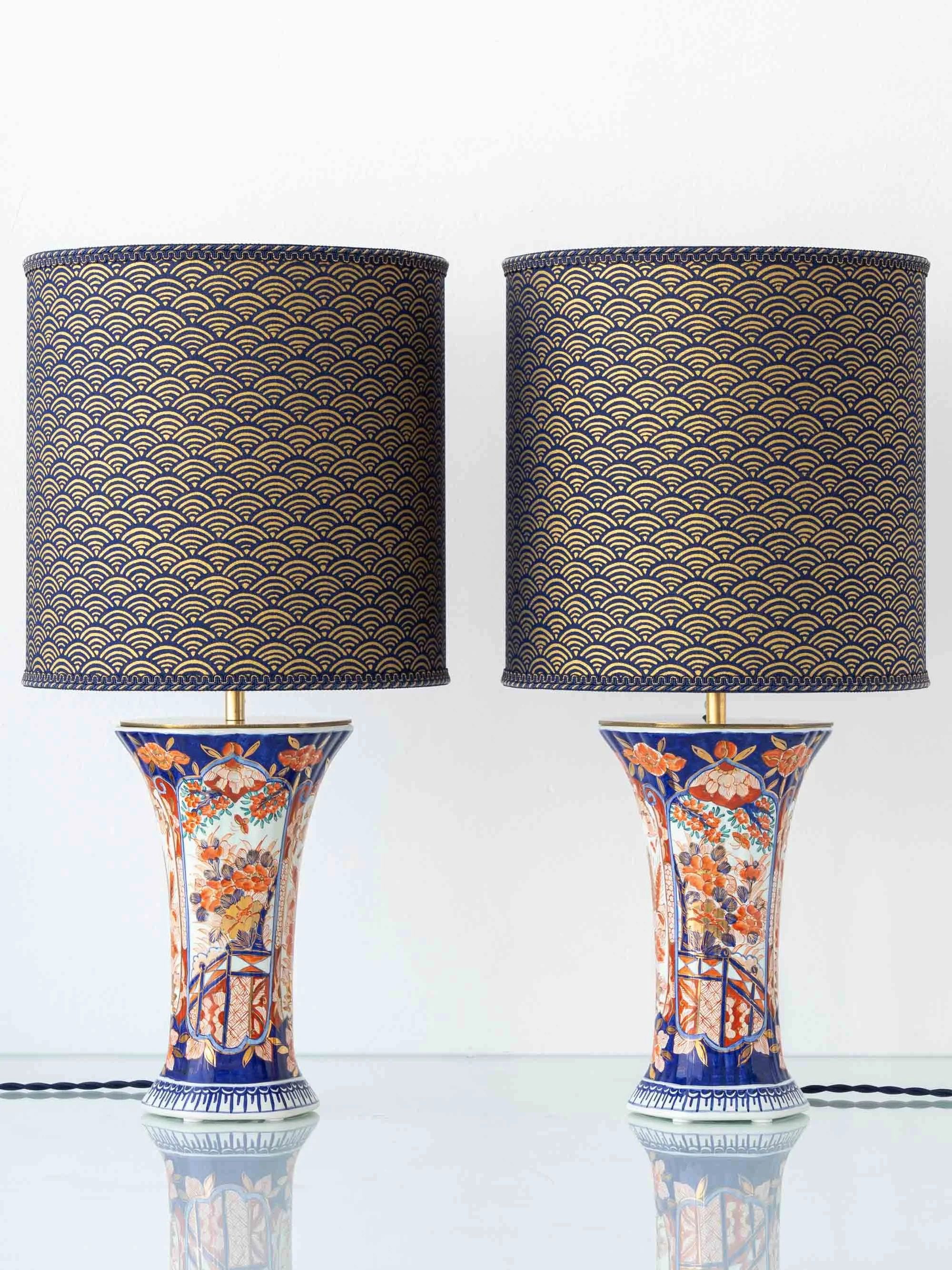
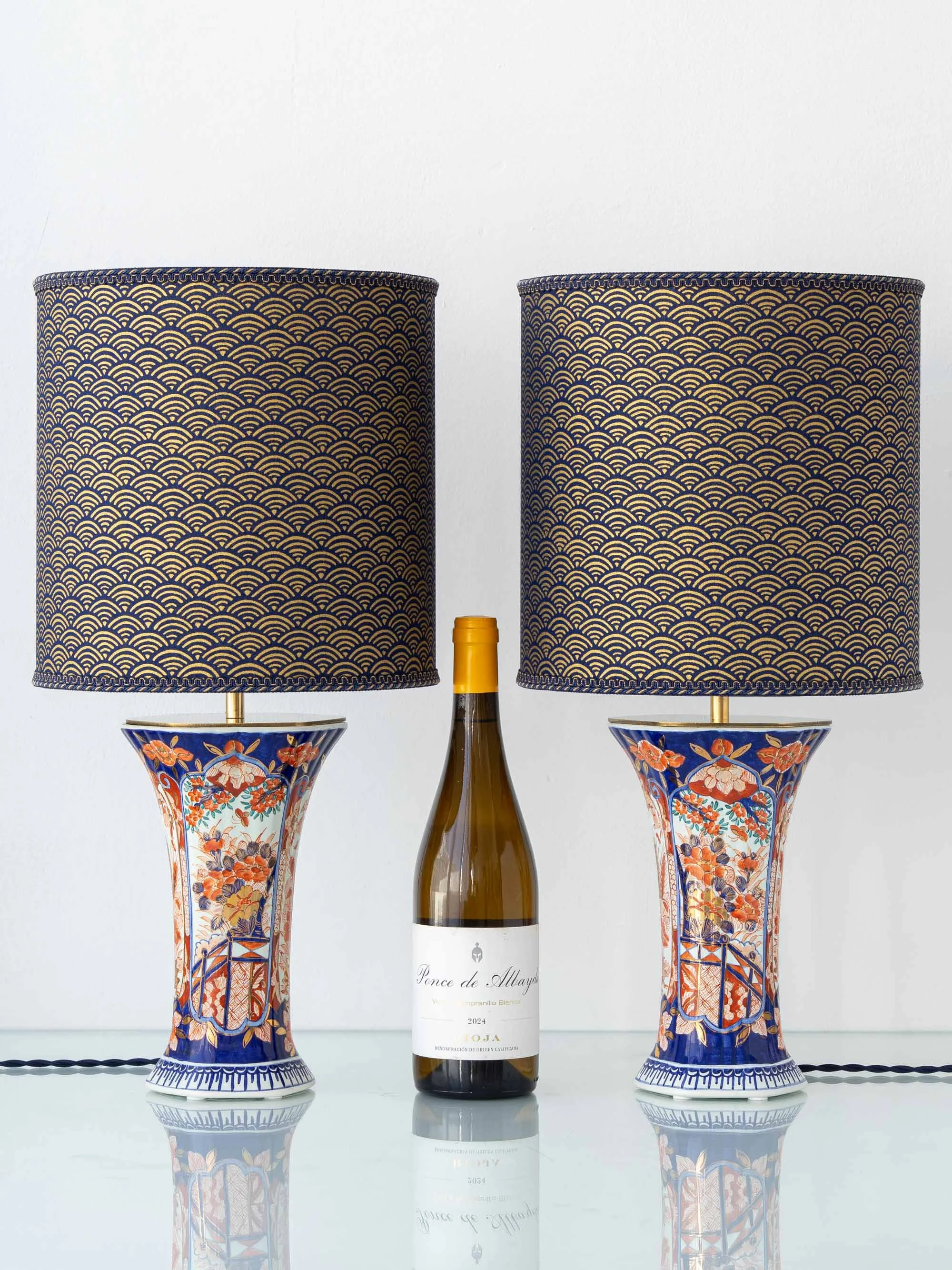
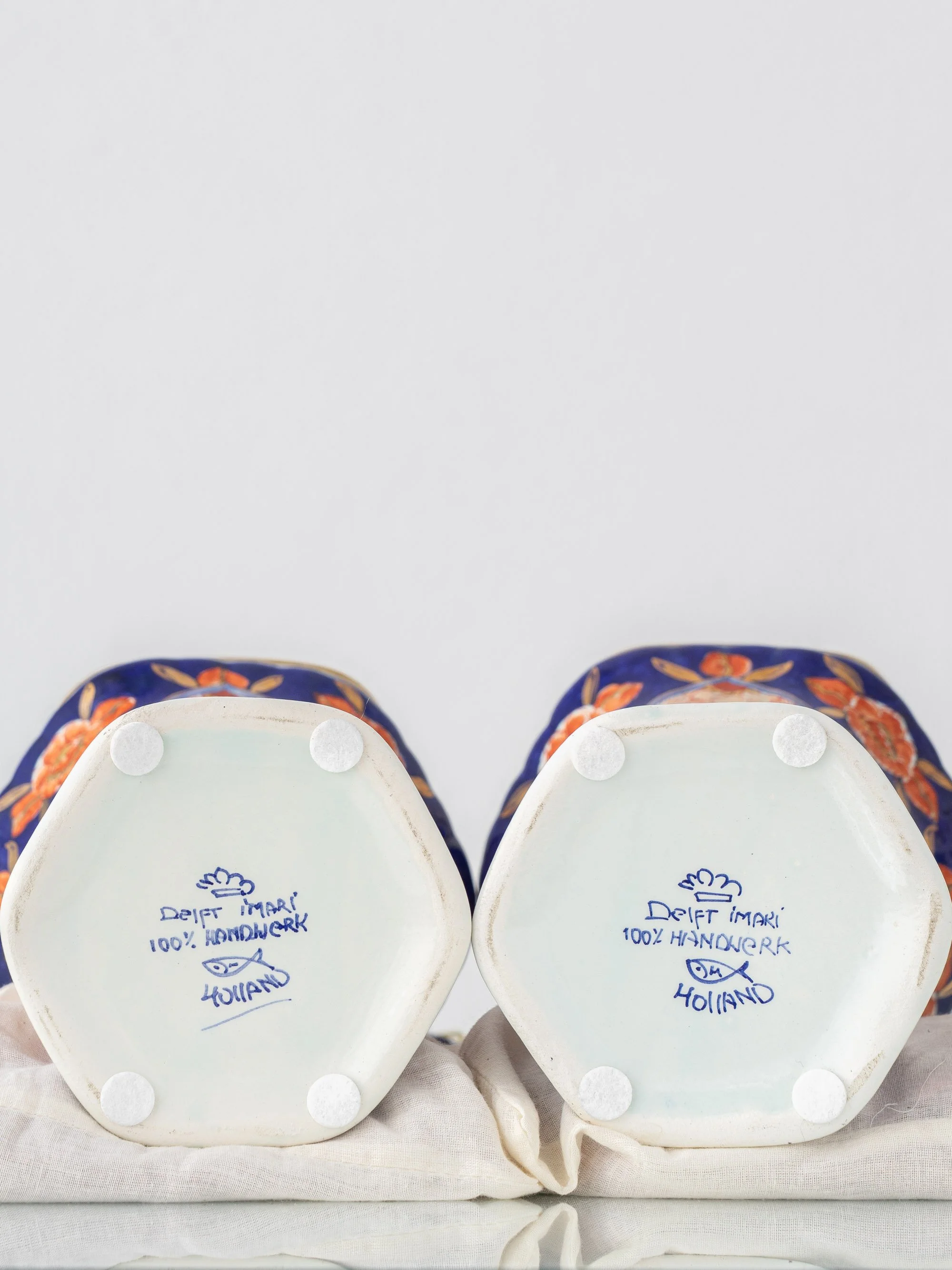
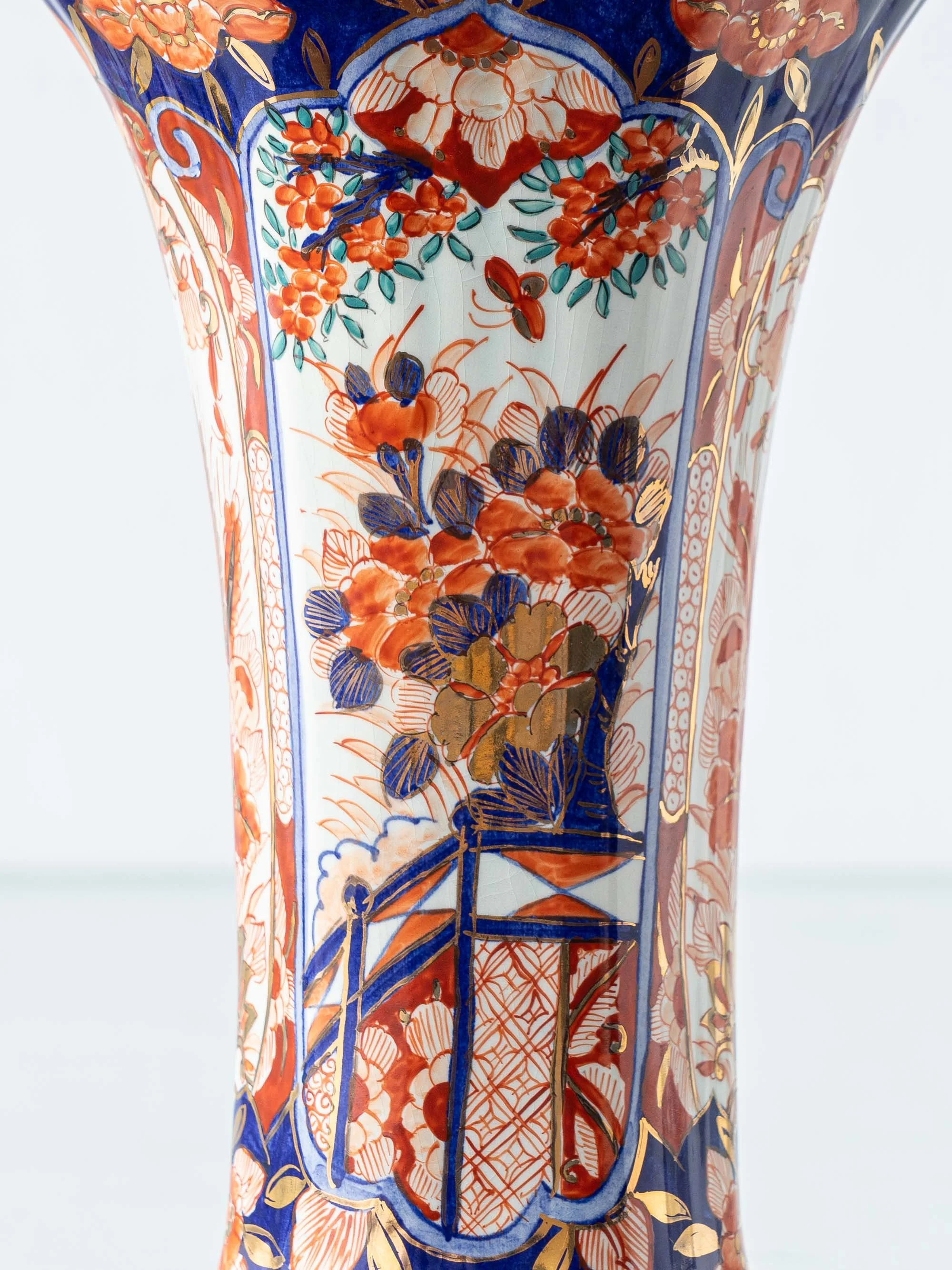
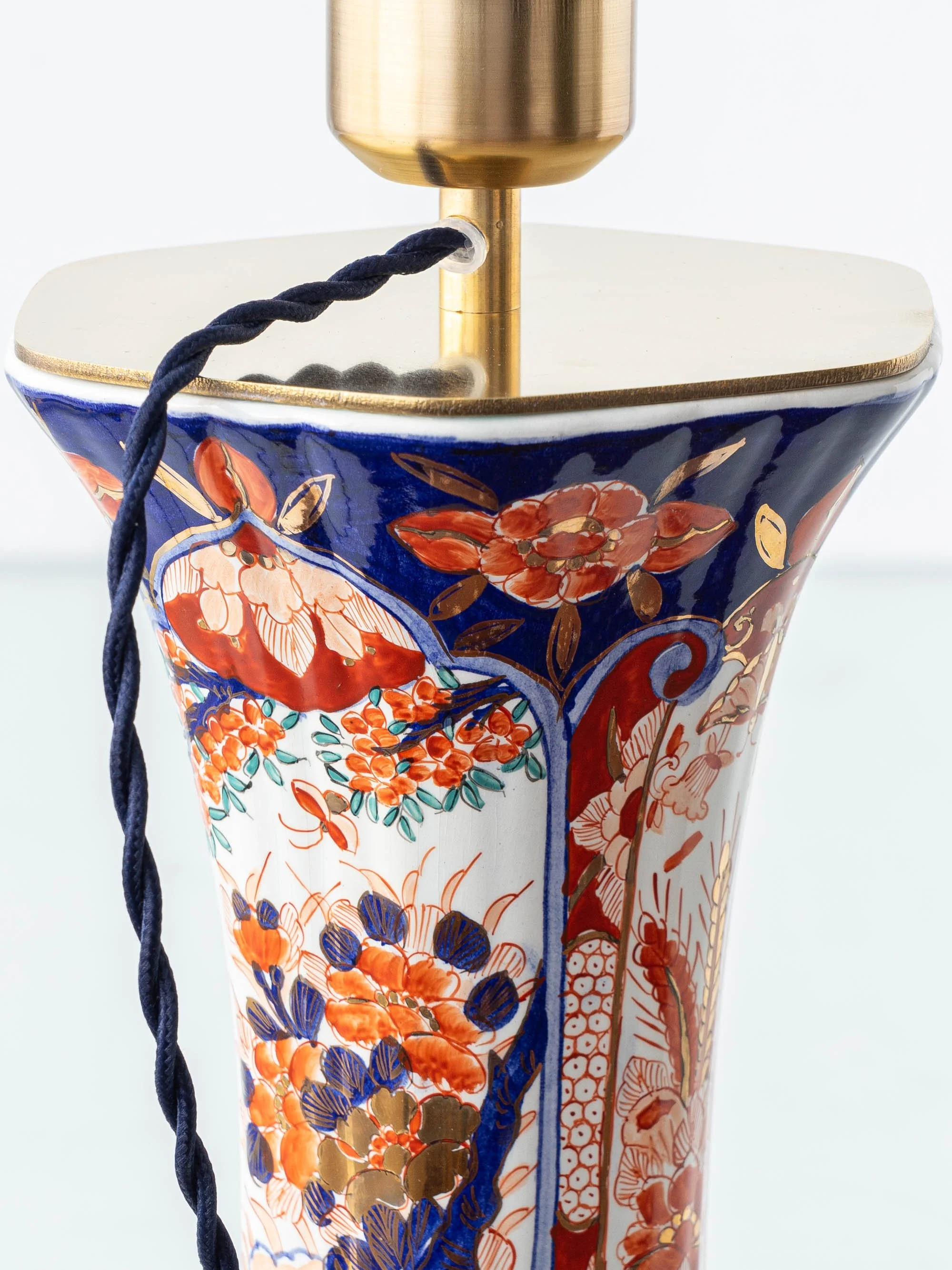
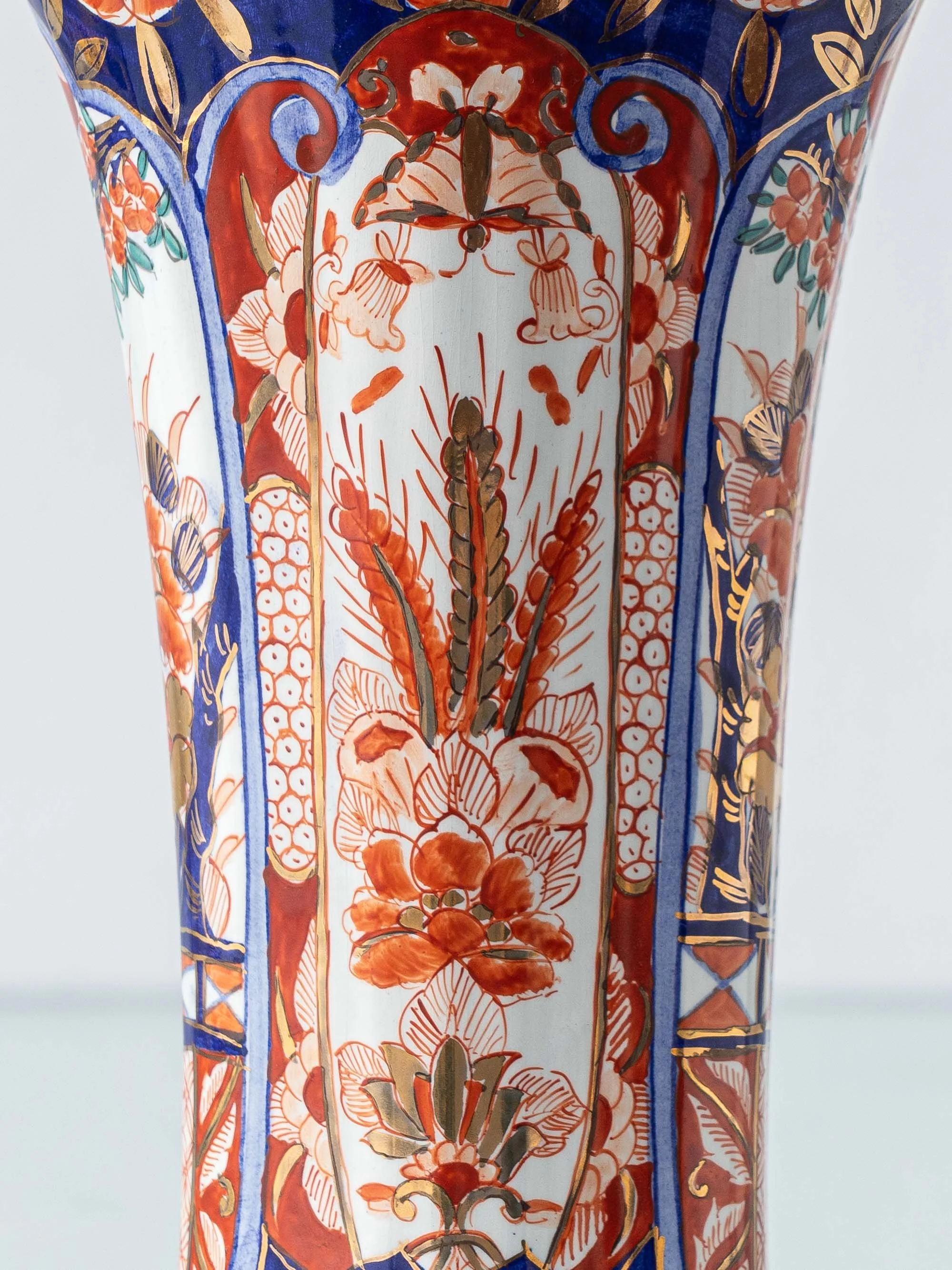
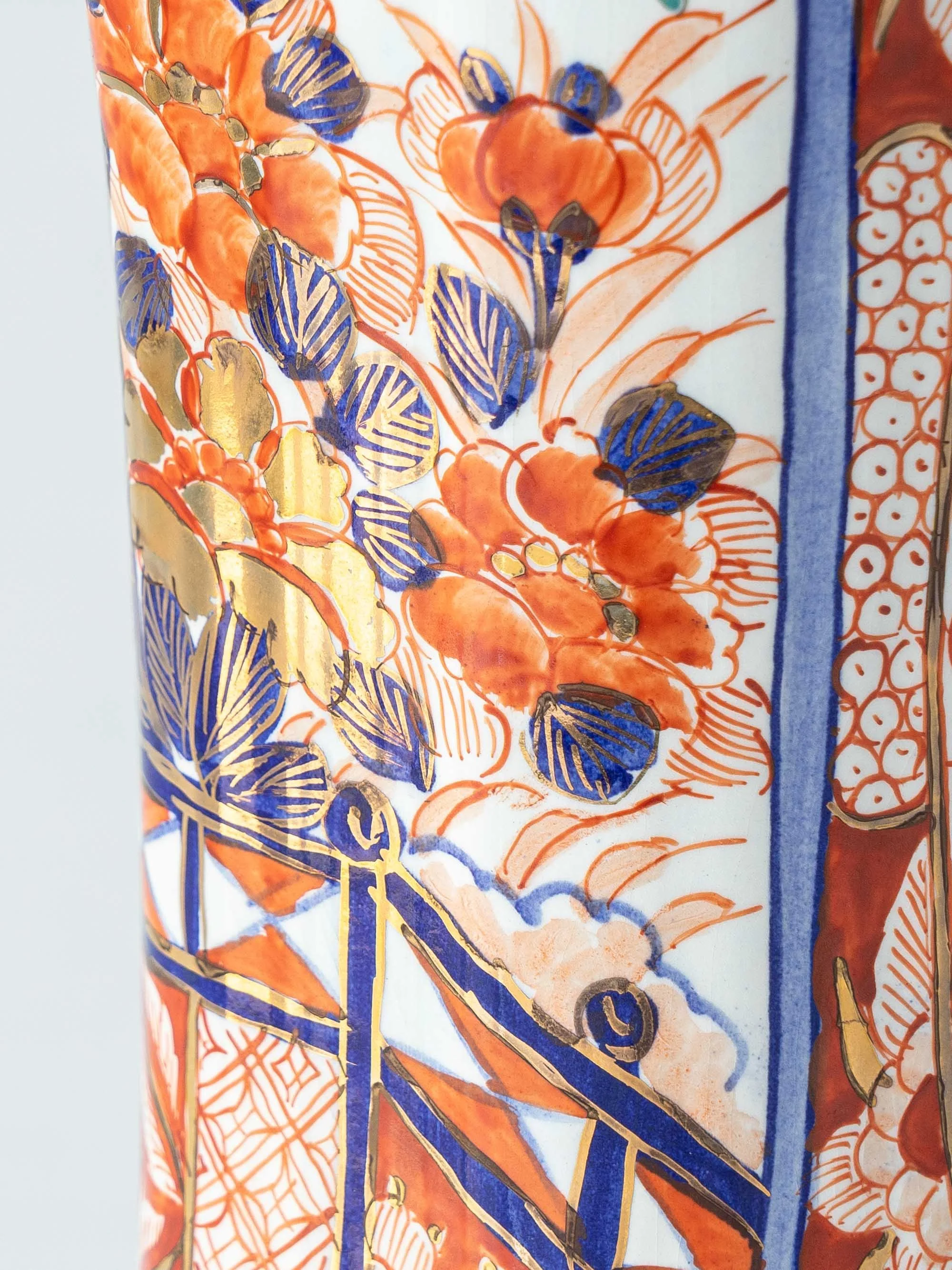
About Delft Imari or Delft Pijanacker Style
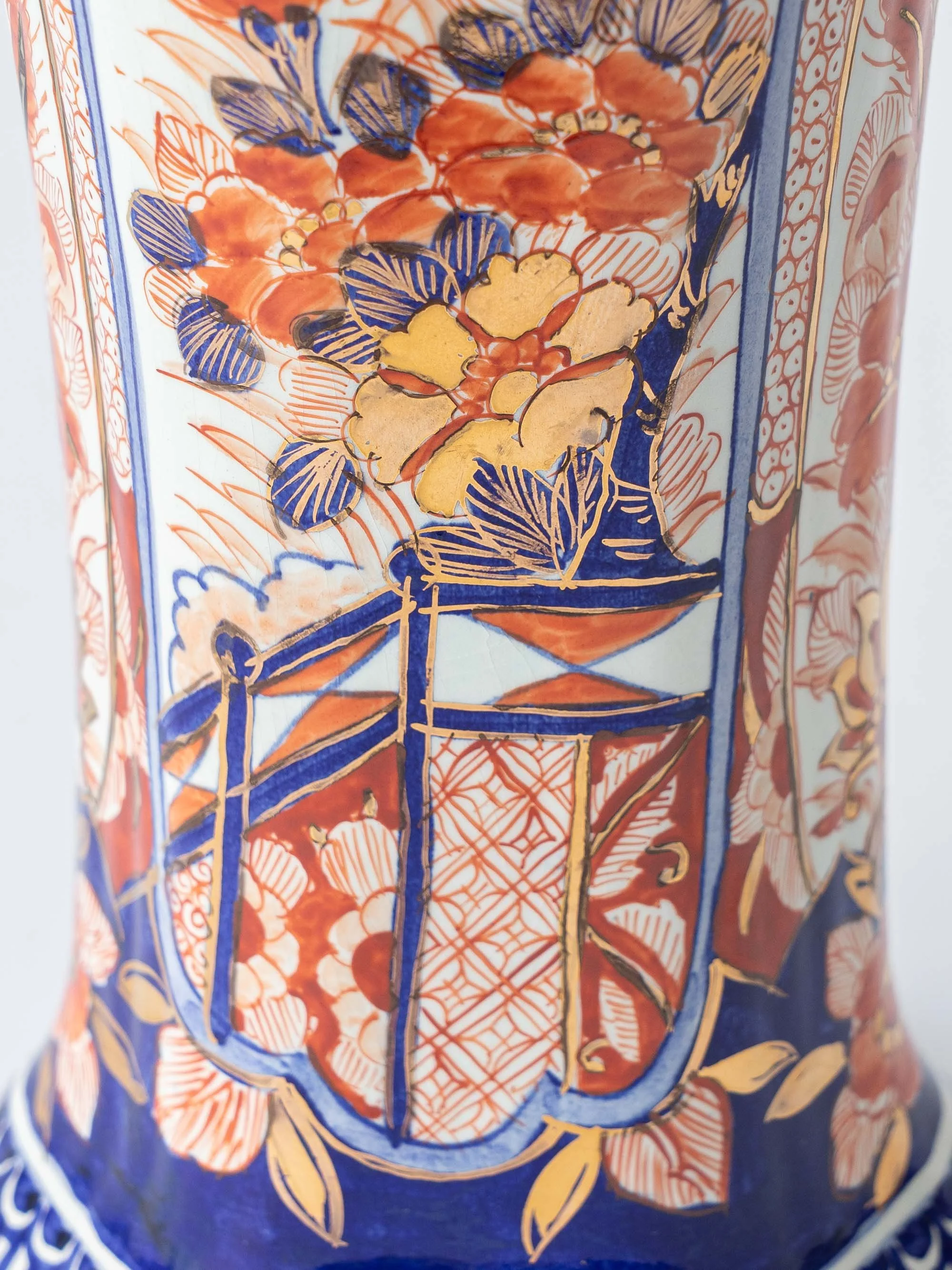
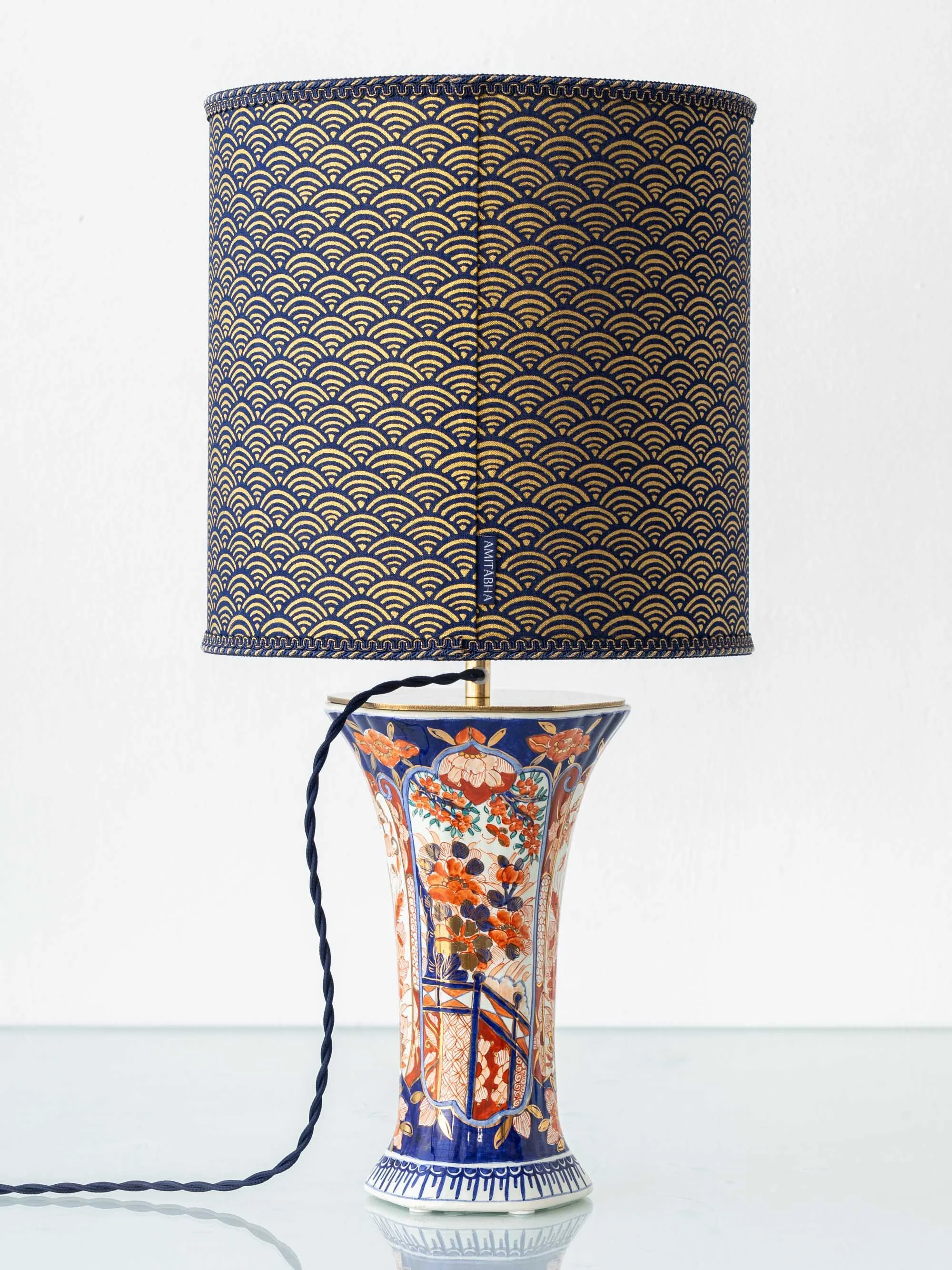
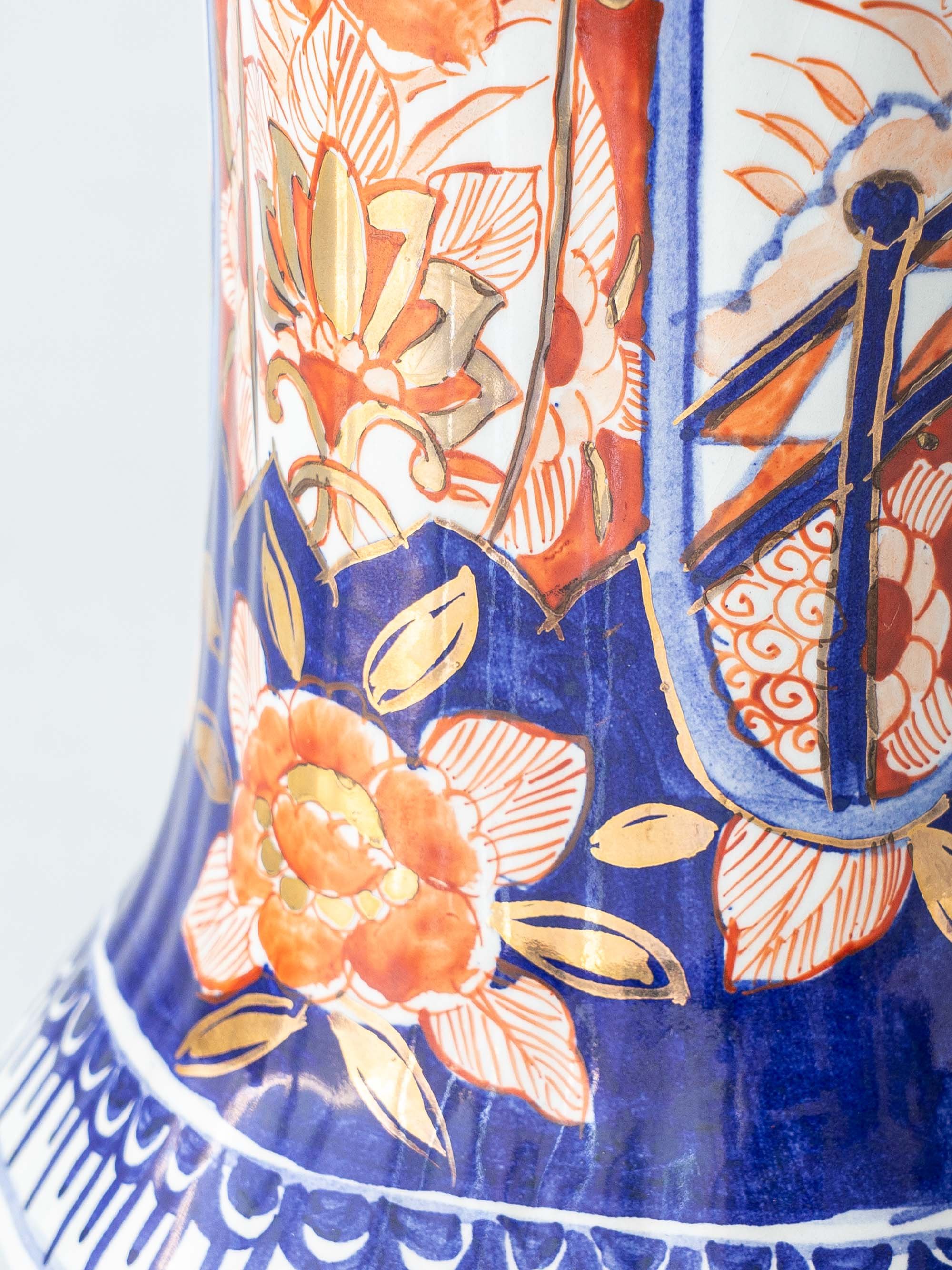
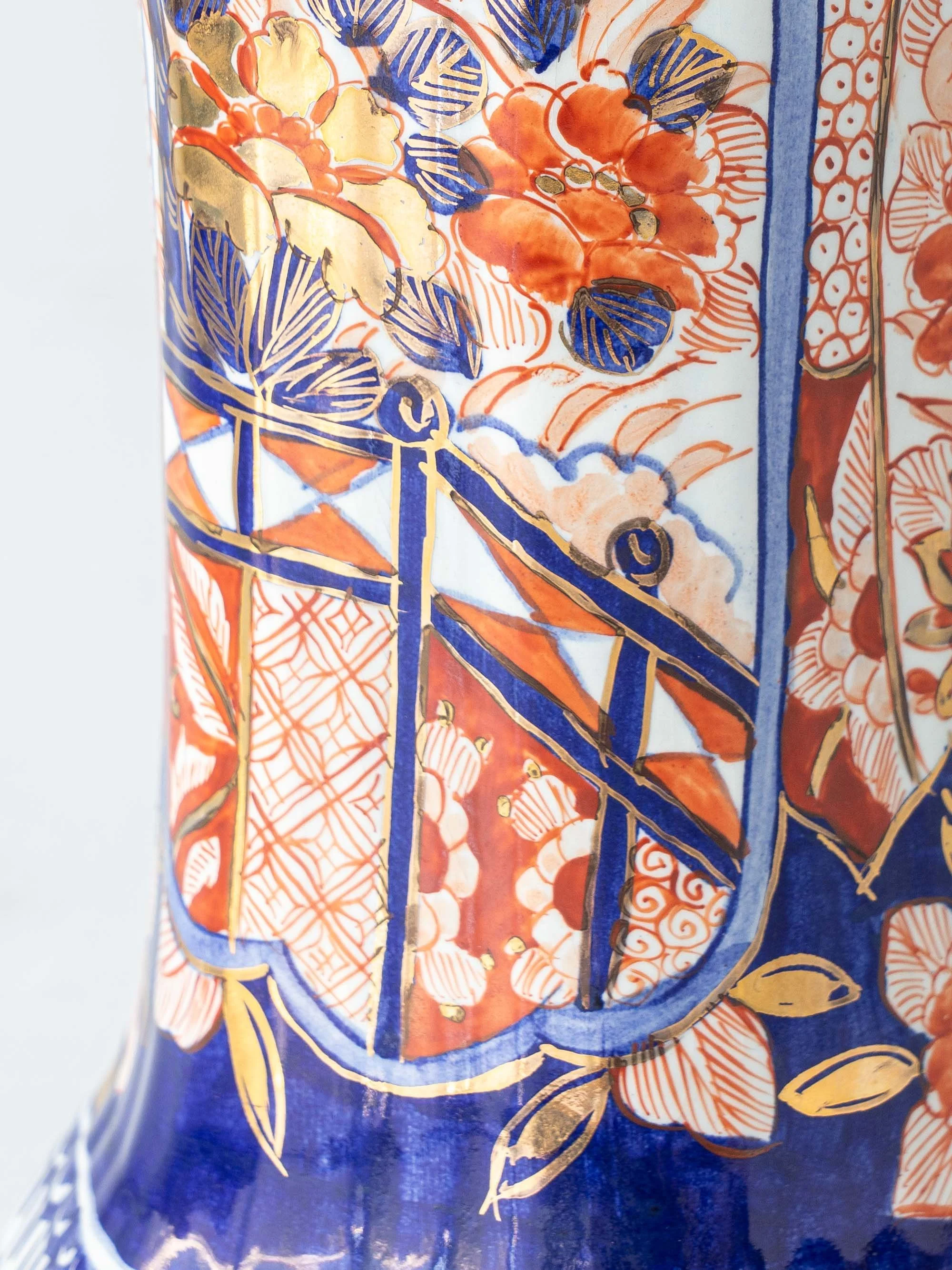
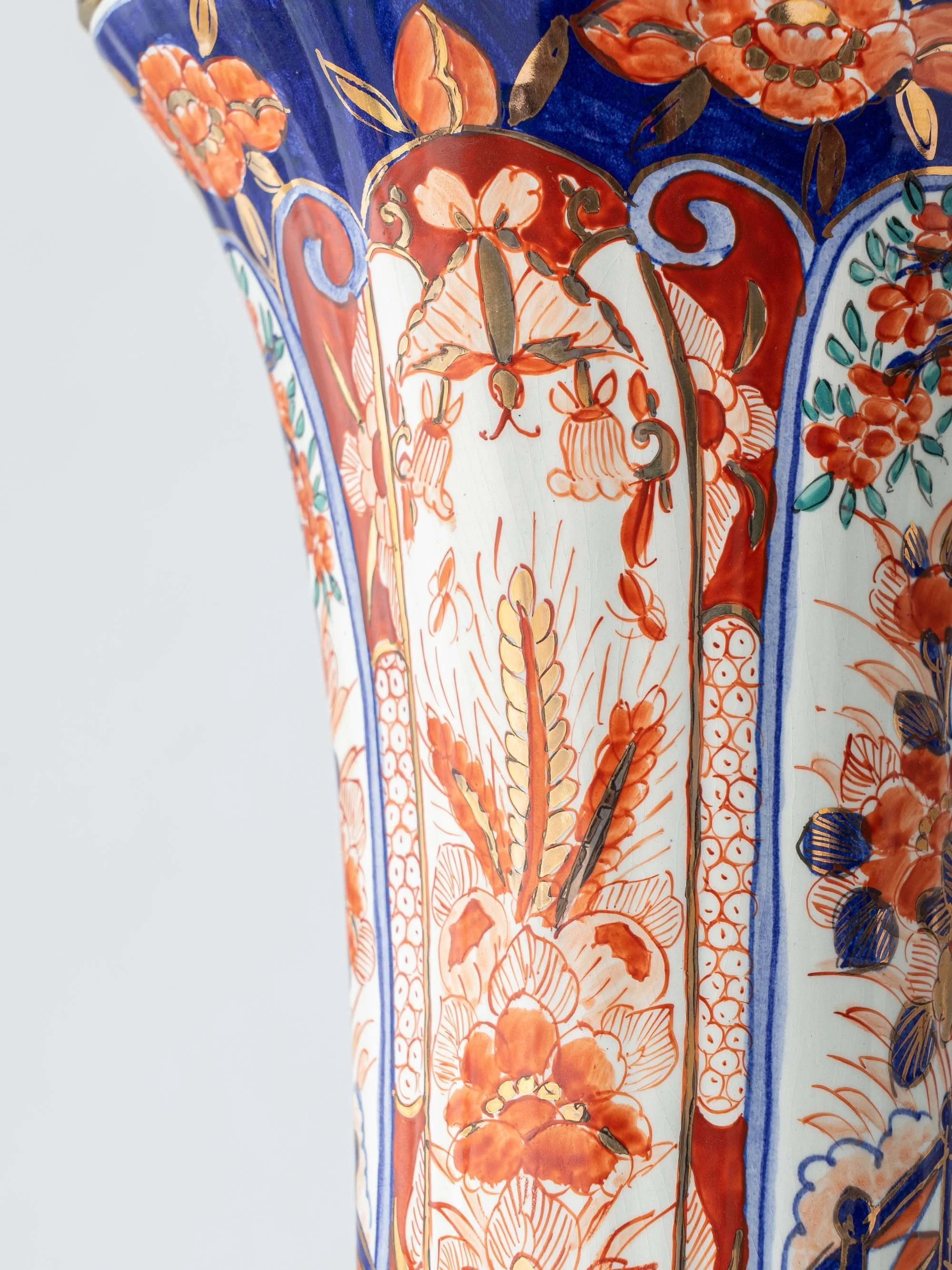
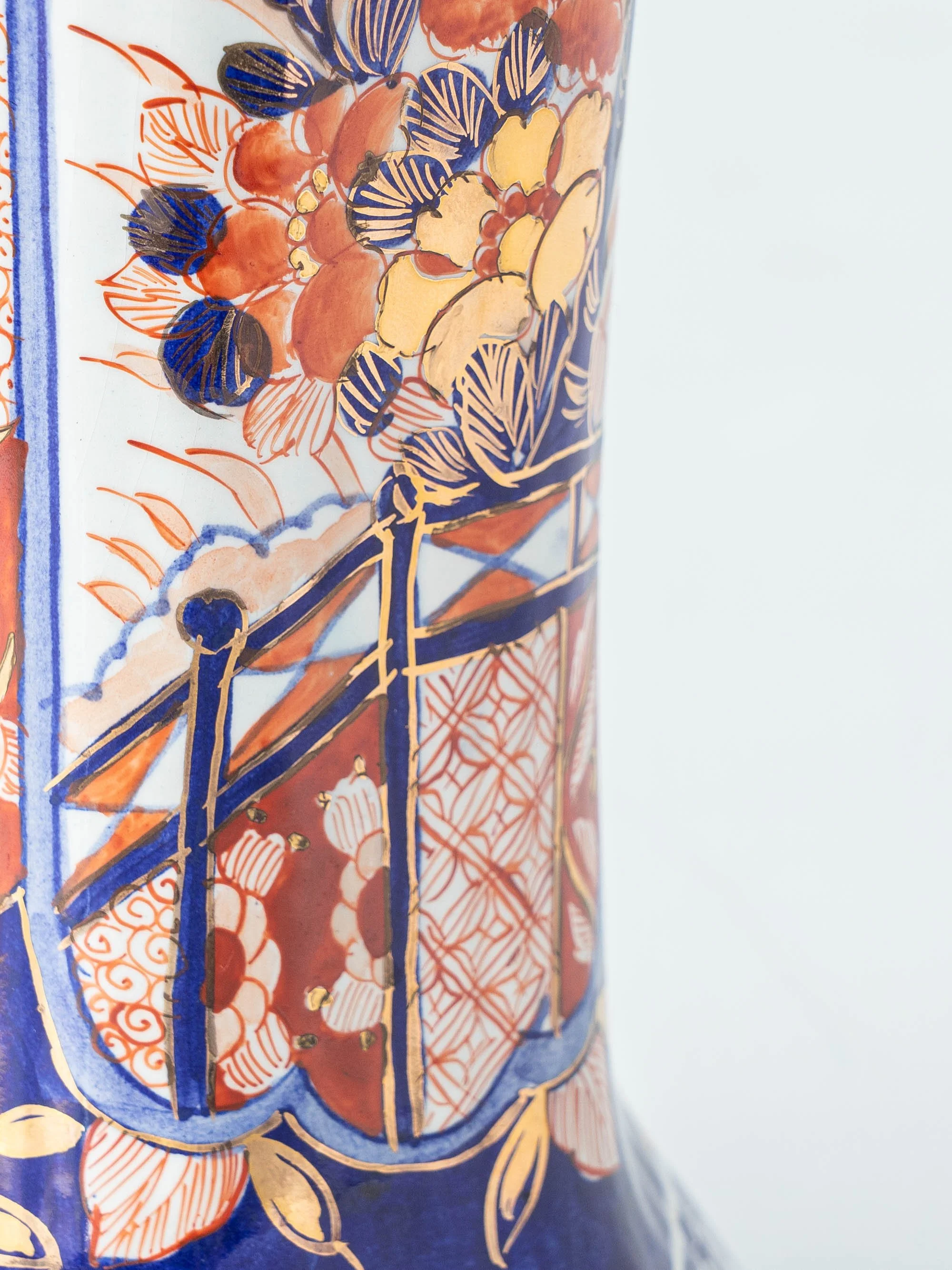
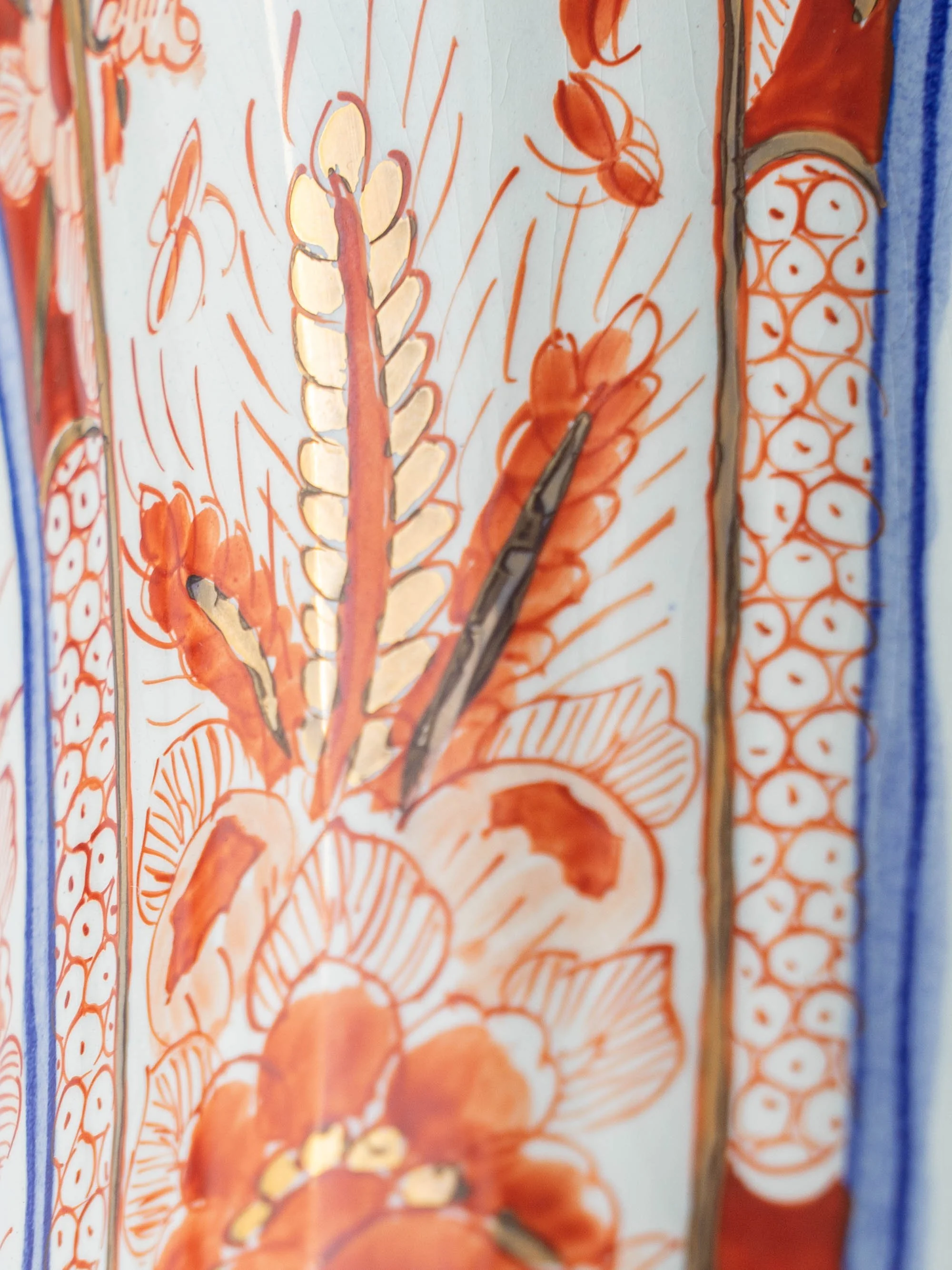
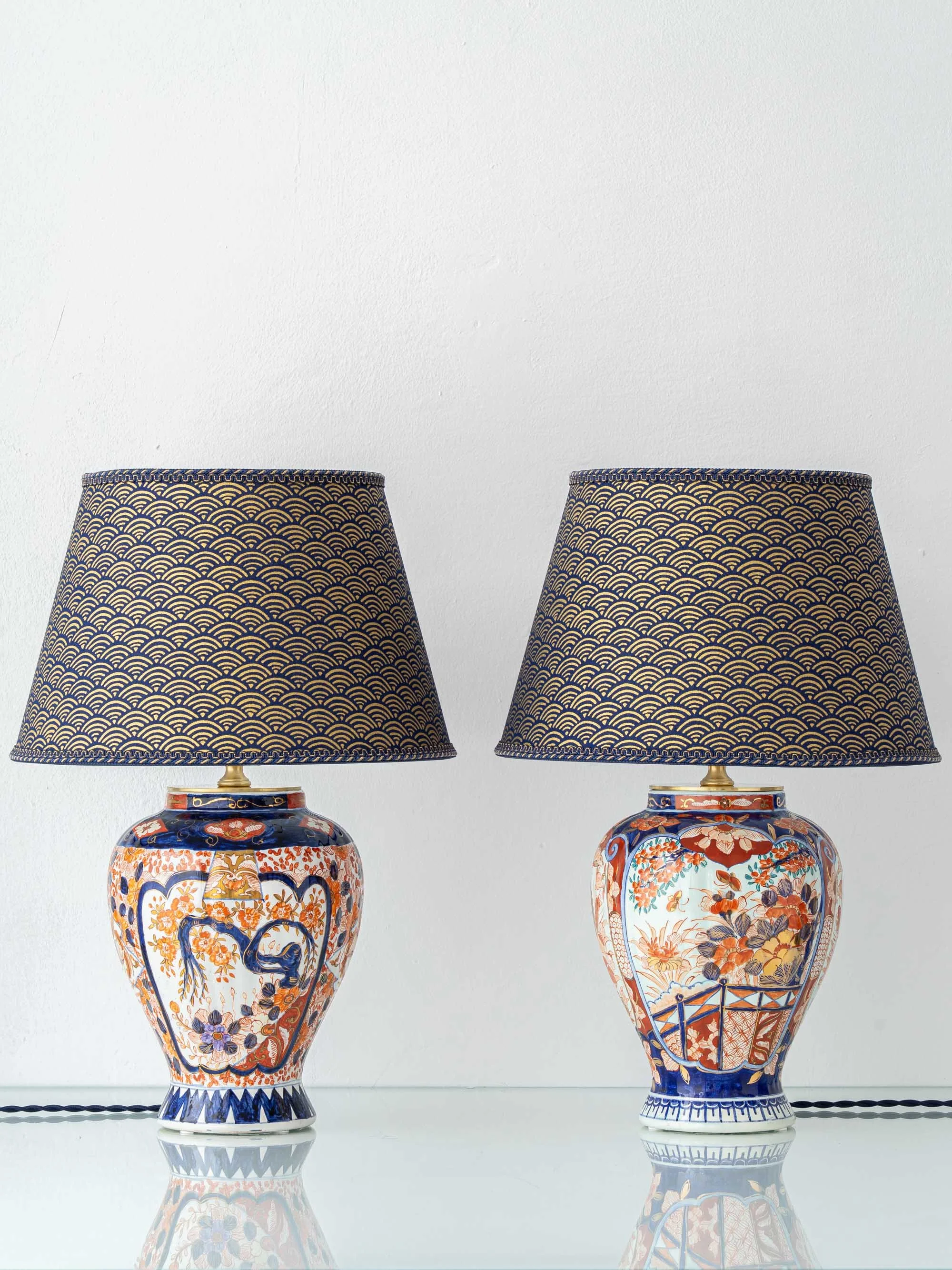
Imari porcelain, originally from Japan, became highly sought after in Europe during the late 17th century. Dutch traders brought these intricately decorated wares back to Holland, where their bold red, blue, and gold patterns inspired local Delft potters to replicate the designs. Imari pieces are notable for their luxurious color palette and the use of gold accents, which required a two-stage firing process: the blue underglaze was fired first at a high temperature, while the red and gold overglaze was applied afterward and fired again at a lower temperature. This technique—particularly the use of 24-karat gold for the detailing—made these pieces considerably more costly to produce, contributing to their rarity and value today.
About Jaap Heinen
Jaap Heinen is a Dutch ceramicist associated with Heinen Delfts Blauw, the family-run studio founded in 1975 that helped revive Delft pottery production in the Netherlands during the late 20th century. The workshop is known for hand-painted ceramics executed in traditional Delft and Imari-inspired palettes, maintaining tin-glaze techniques while introducing contemporary interpretations of historic Dutch and Japanese motifs. Heinen’s work often blends cobalt blue, iron red, and gilt accents in patterns that reference the classical Pijnacker style, a Dutch decorative tradition rooted in 18th- and 19th-century interpretations of Japanese porcelain. Pieces from the studio remain collectible for their craftsmanship and for their role in the modern continuation of Delft pottery.
-
Our lamps are equipped with an E27 bulb fitting, compatible with both E27 and E26 bulbs (common in Europe and the U.S., respectively).
-
We offer worldwide shipping, with personal delivery or pick-up available in the greater Amsterdam area. At checkout, you can choose from a variety of shipping options tailored to your needs.
For any inquiries, our team is always ready to assist you!