 Image 1 of 18
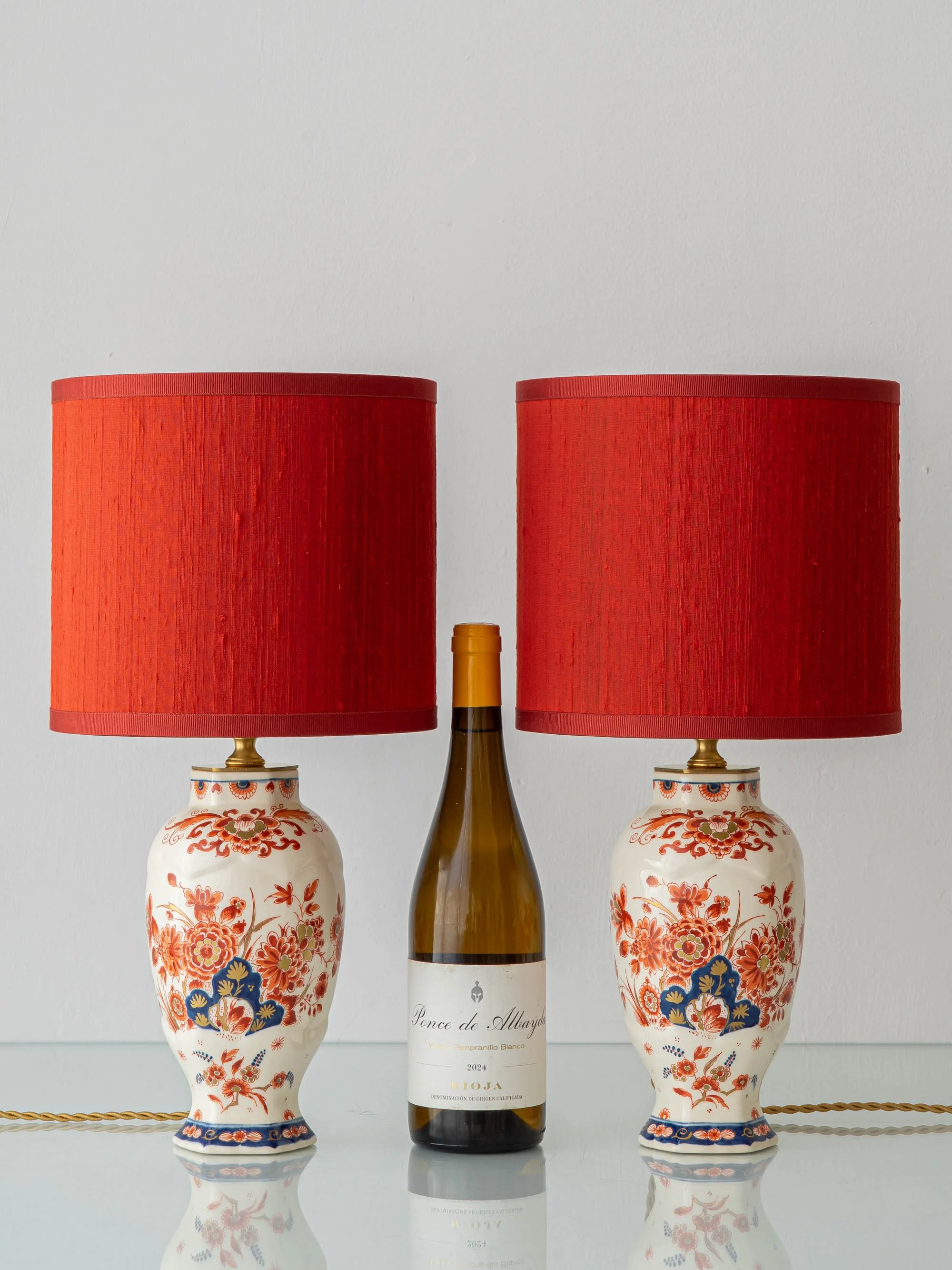 Image 2 of 18
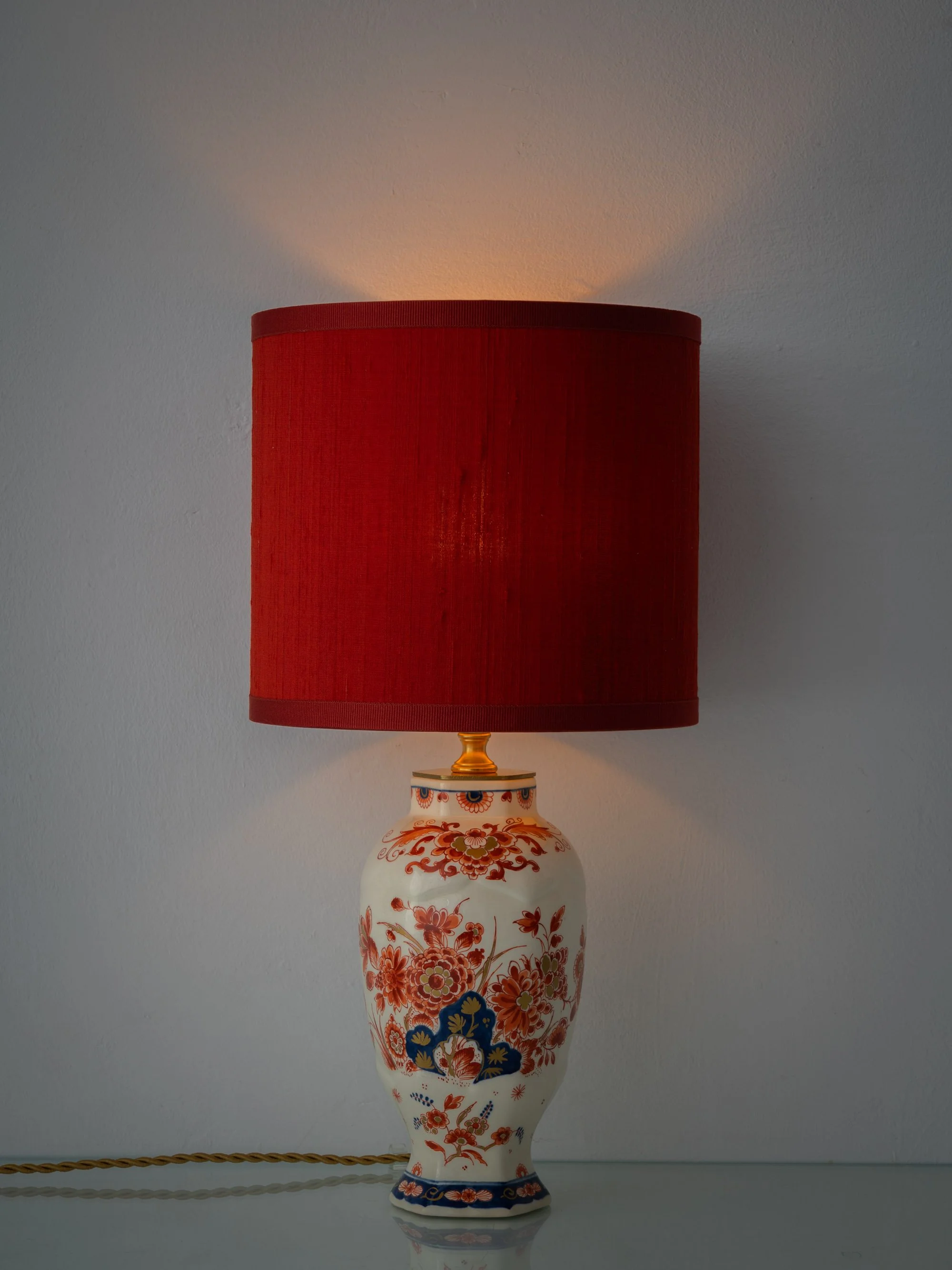 Image 3 of 18
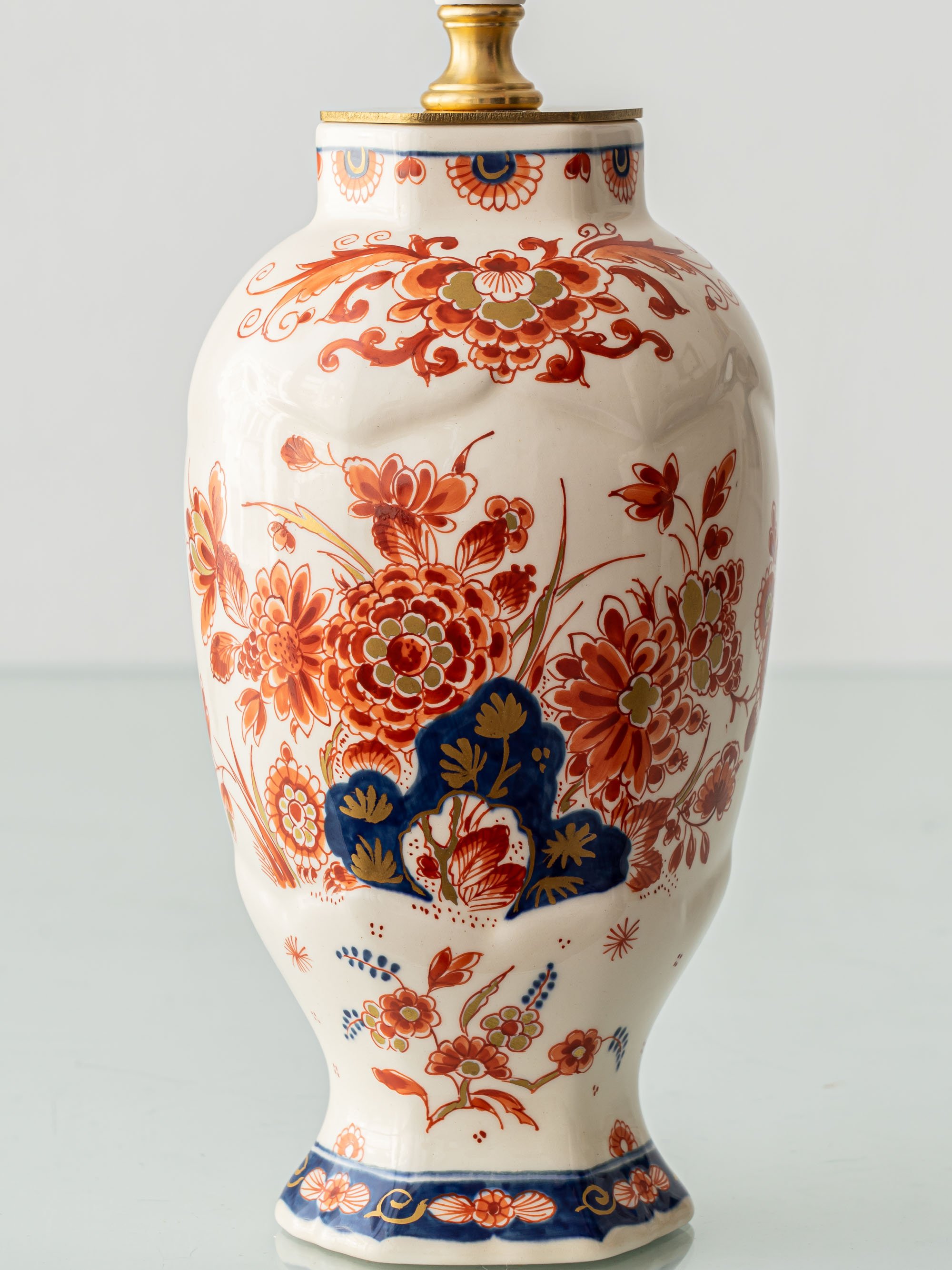 Image 4 of 18
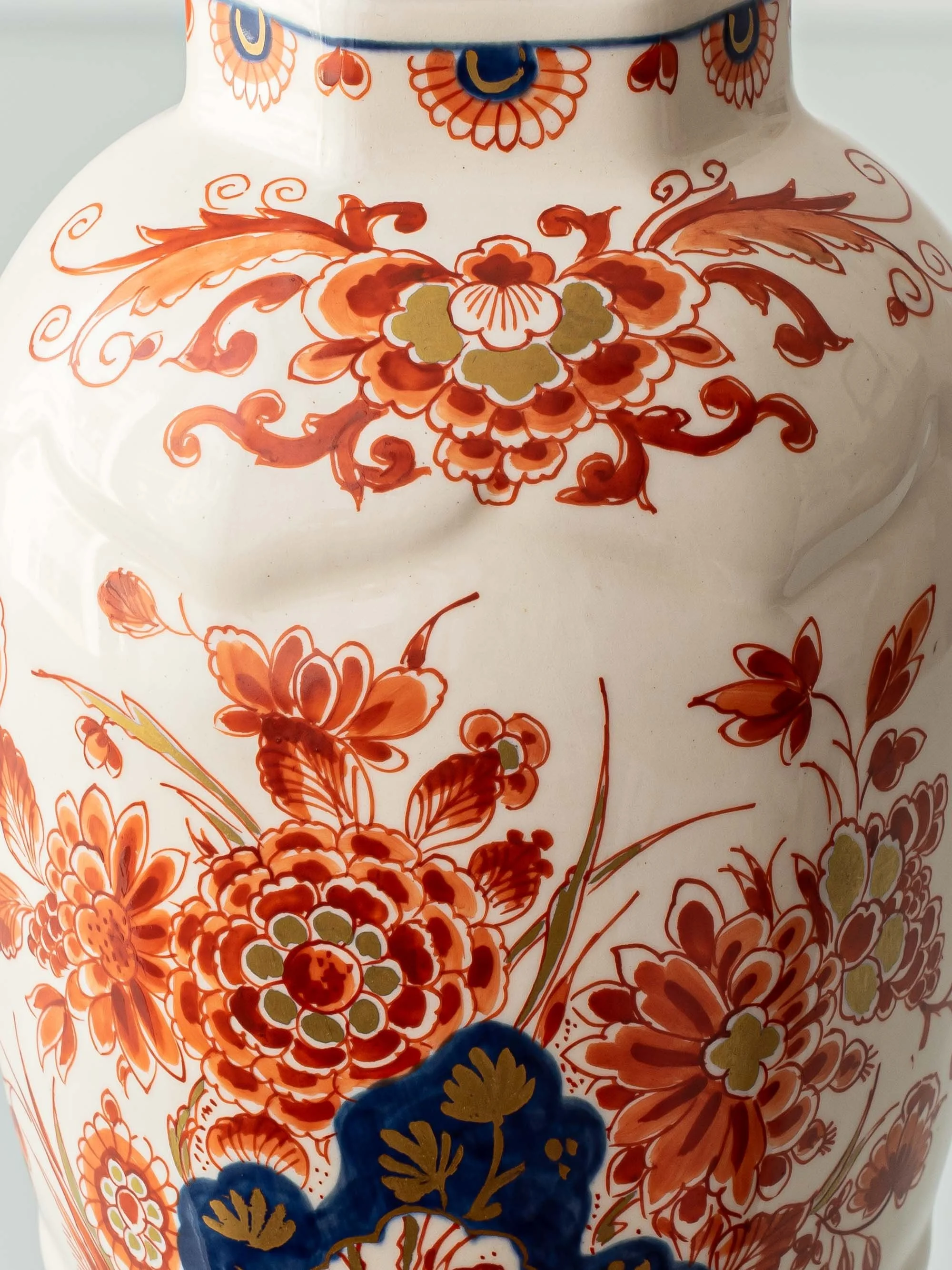 Image 5 of 18
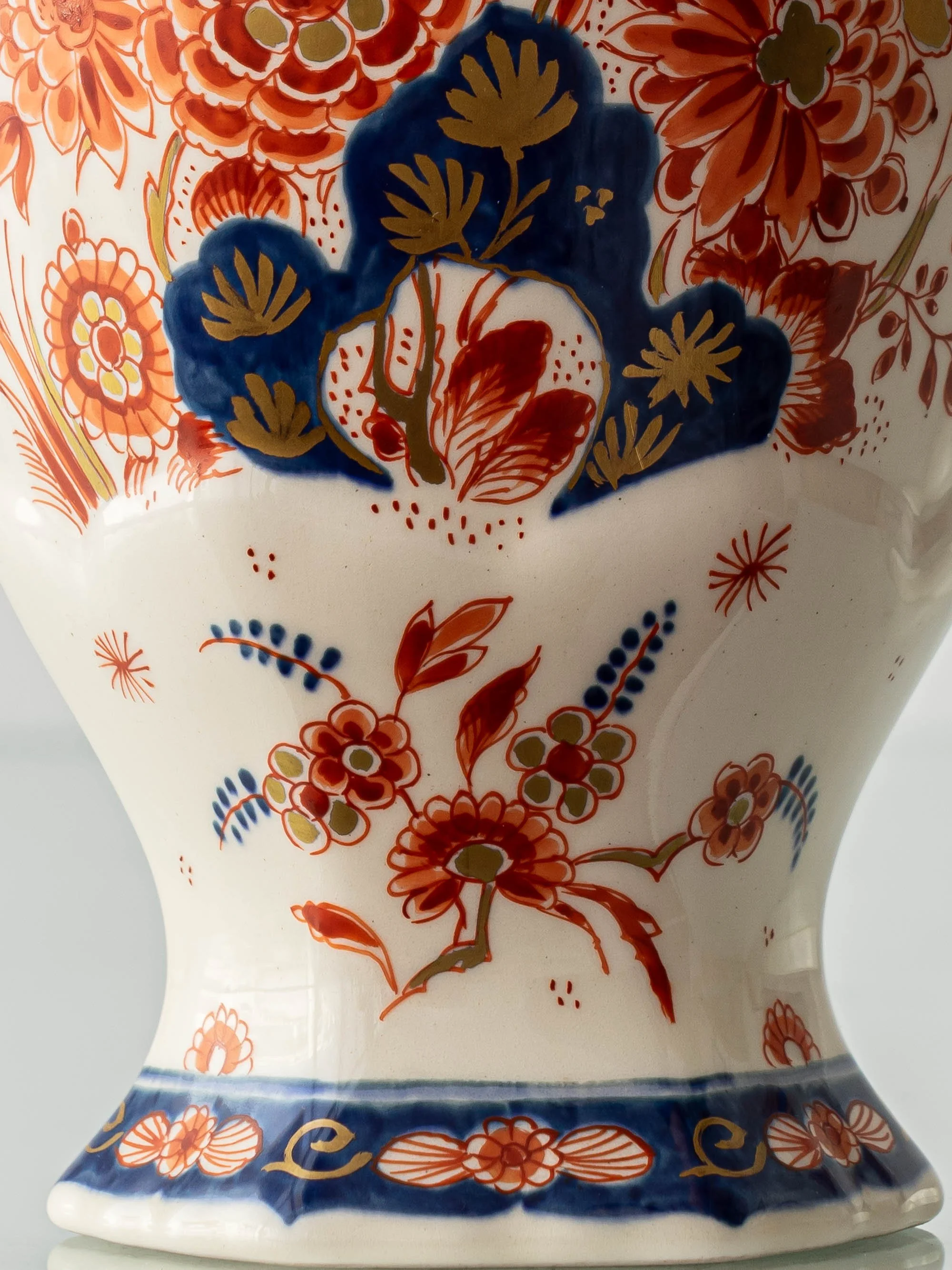 Image 6 of 18
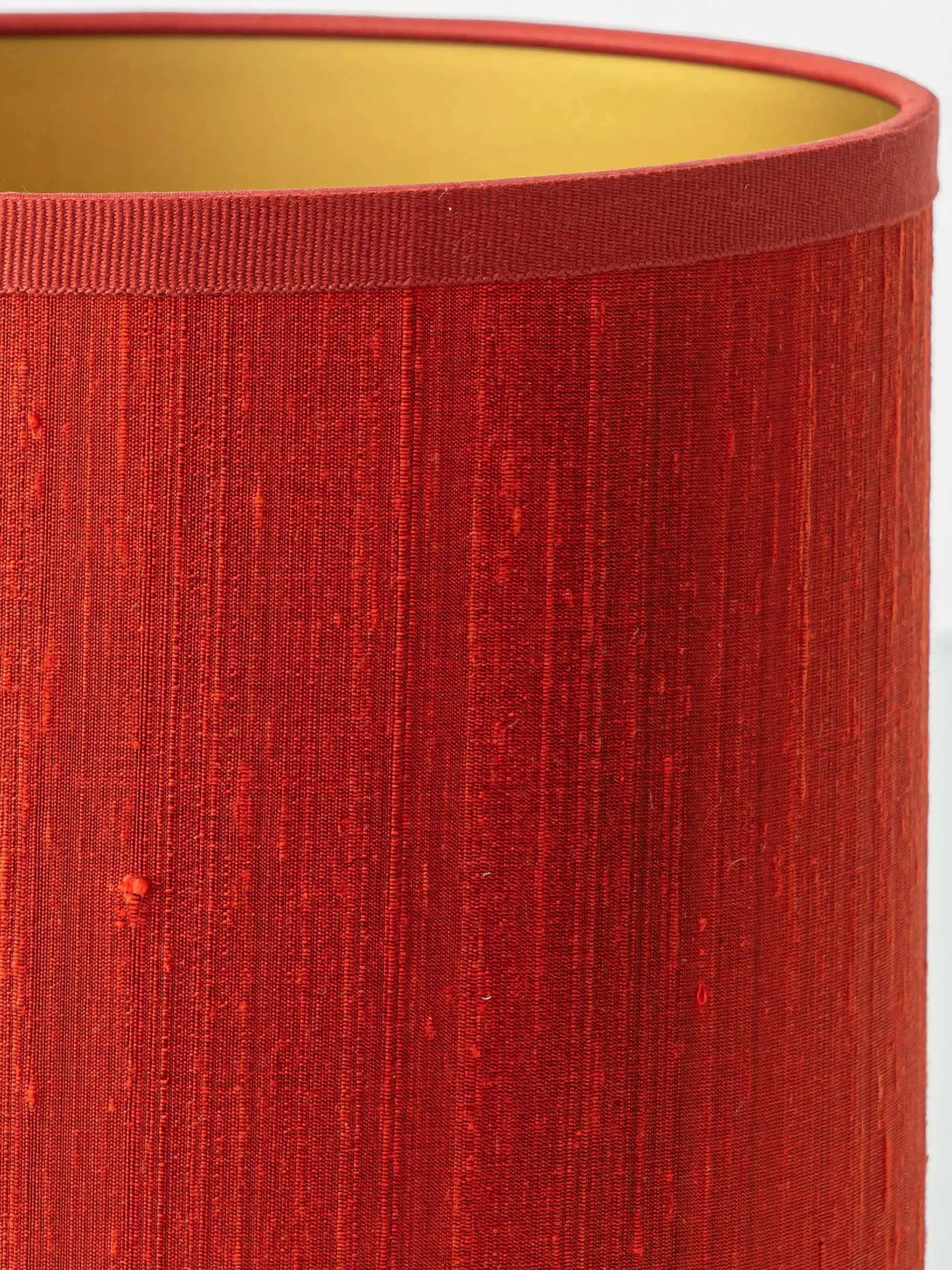 Image 7 of 18
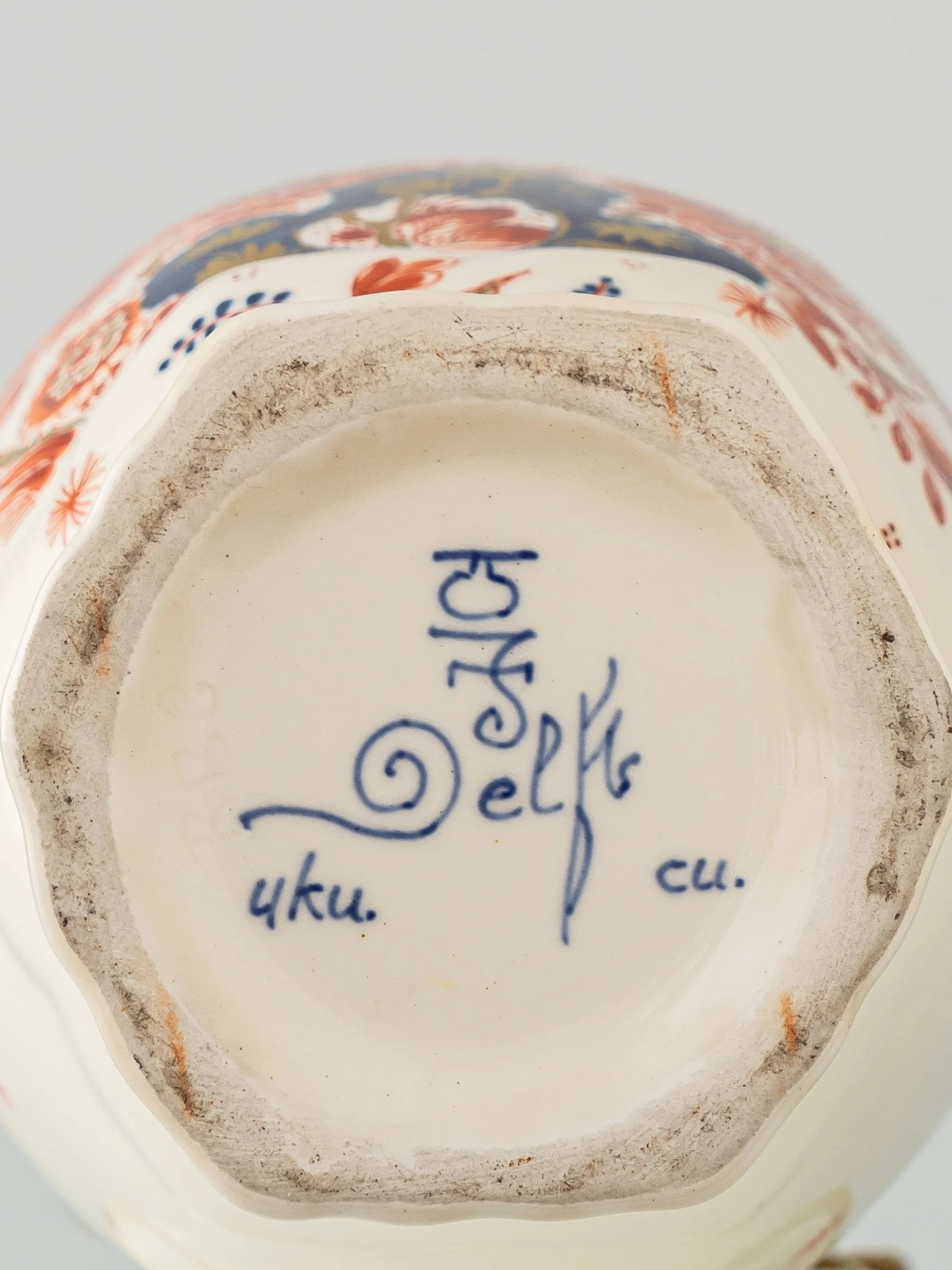 Image 8 of 18
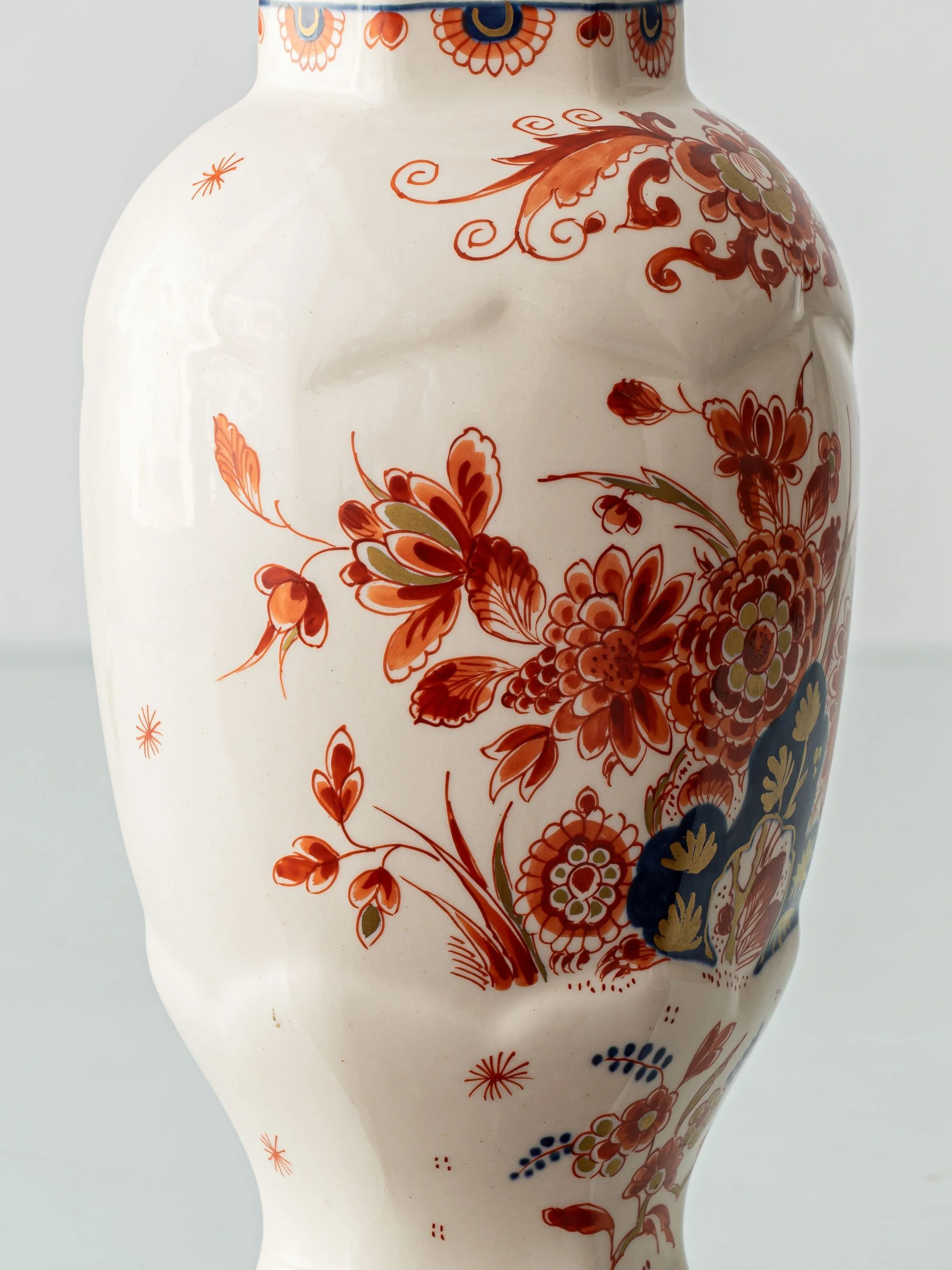 Image 9 of 18
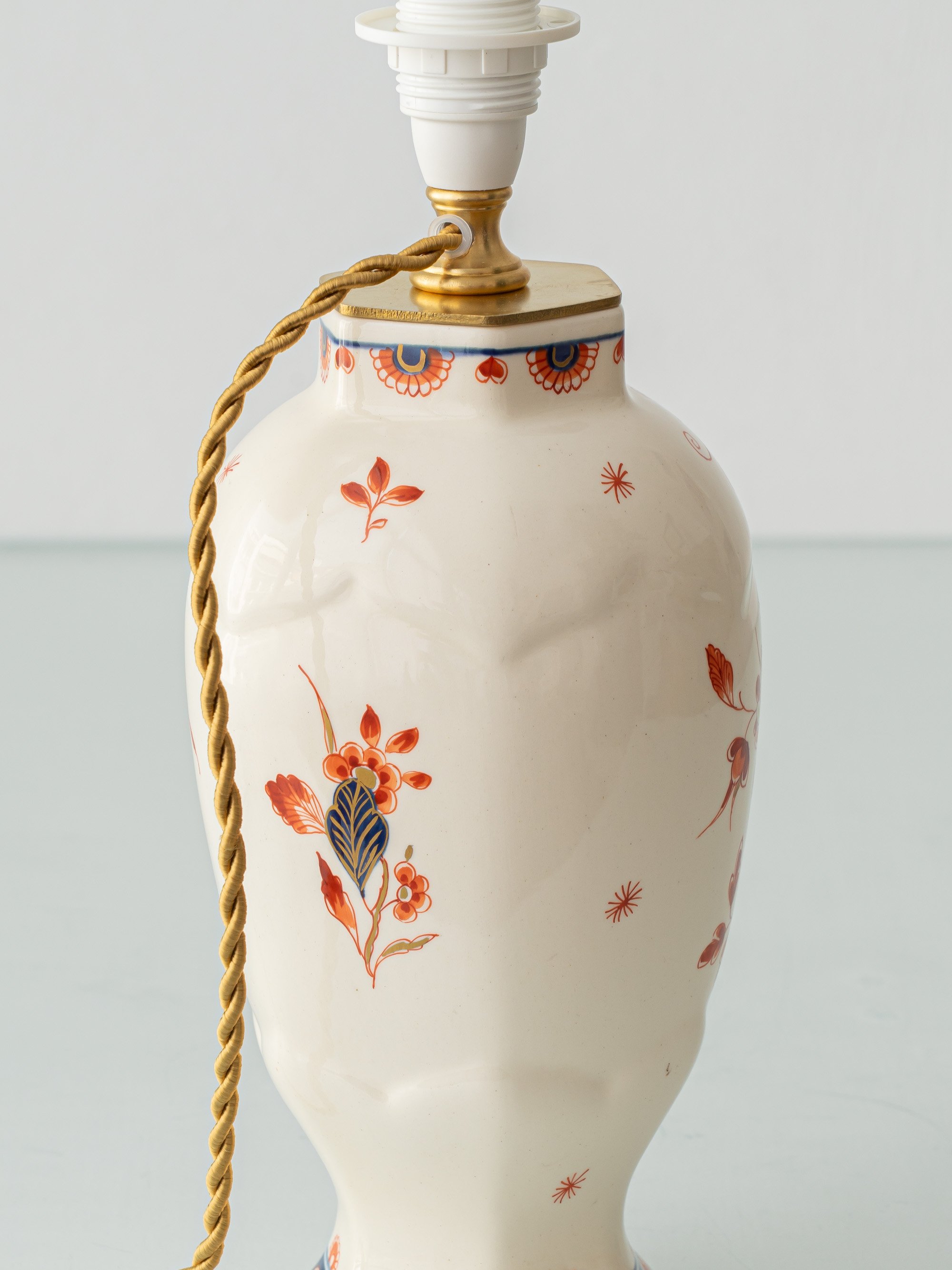 Image 10 of 18
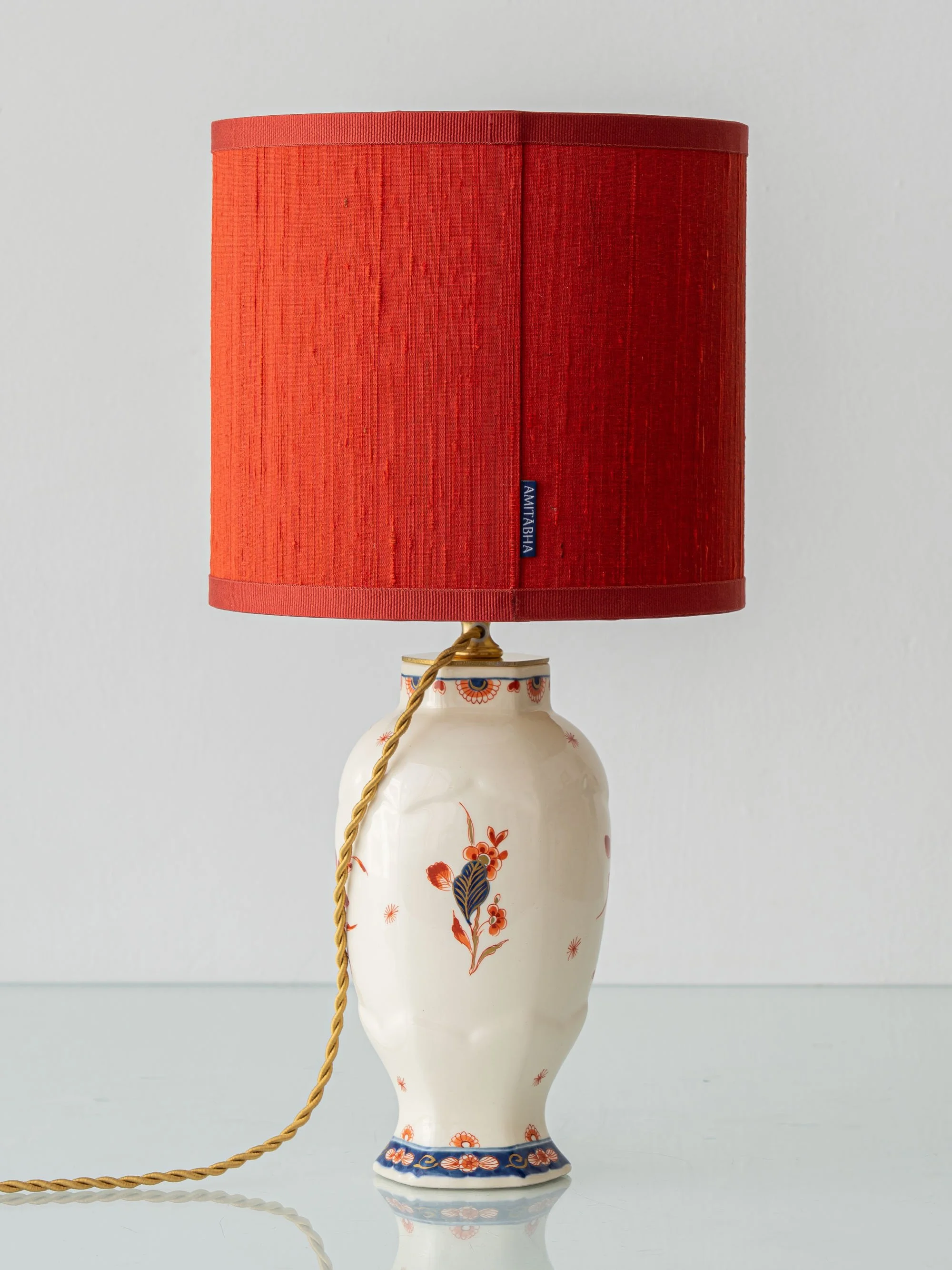 Image 11 of 18
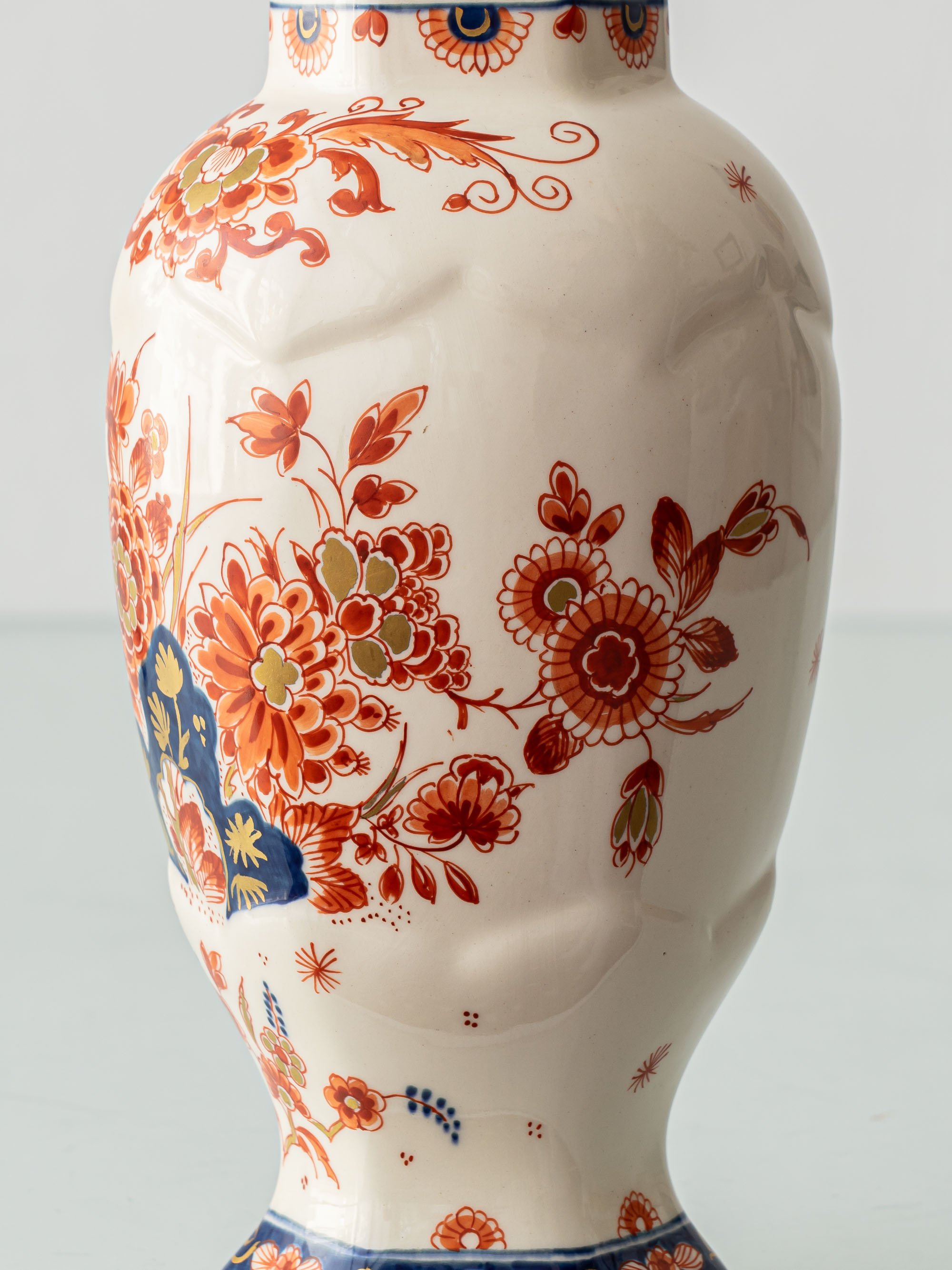 Image 12 of 18
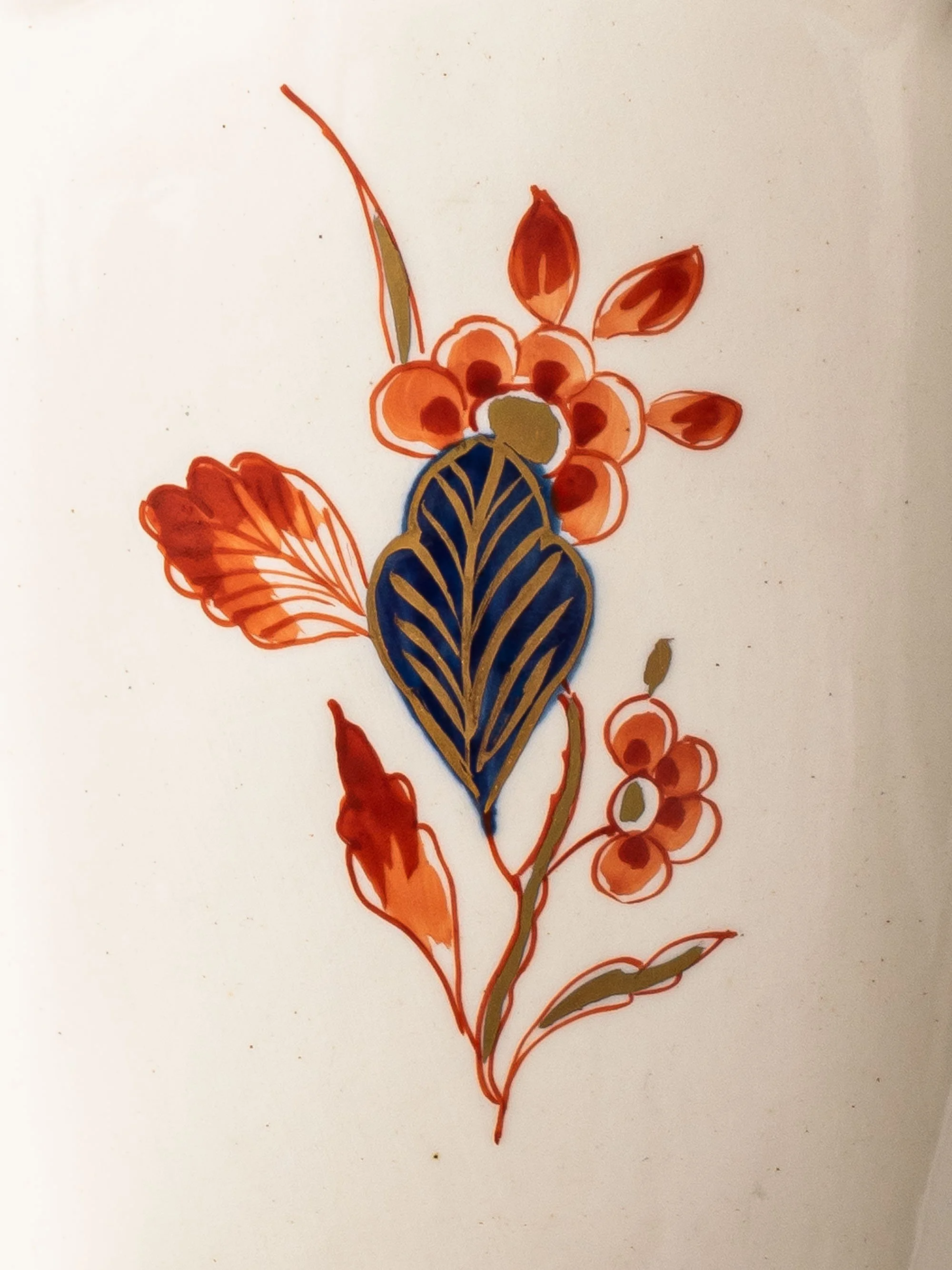 Image 13 of 18
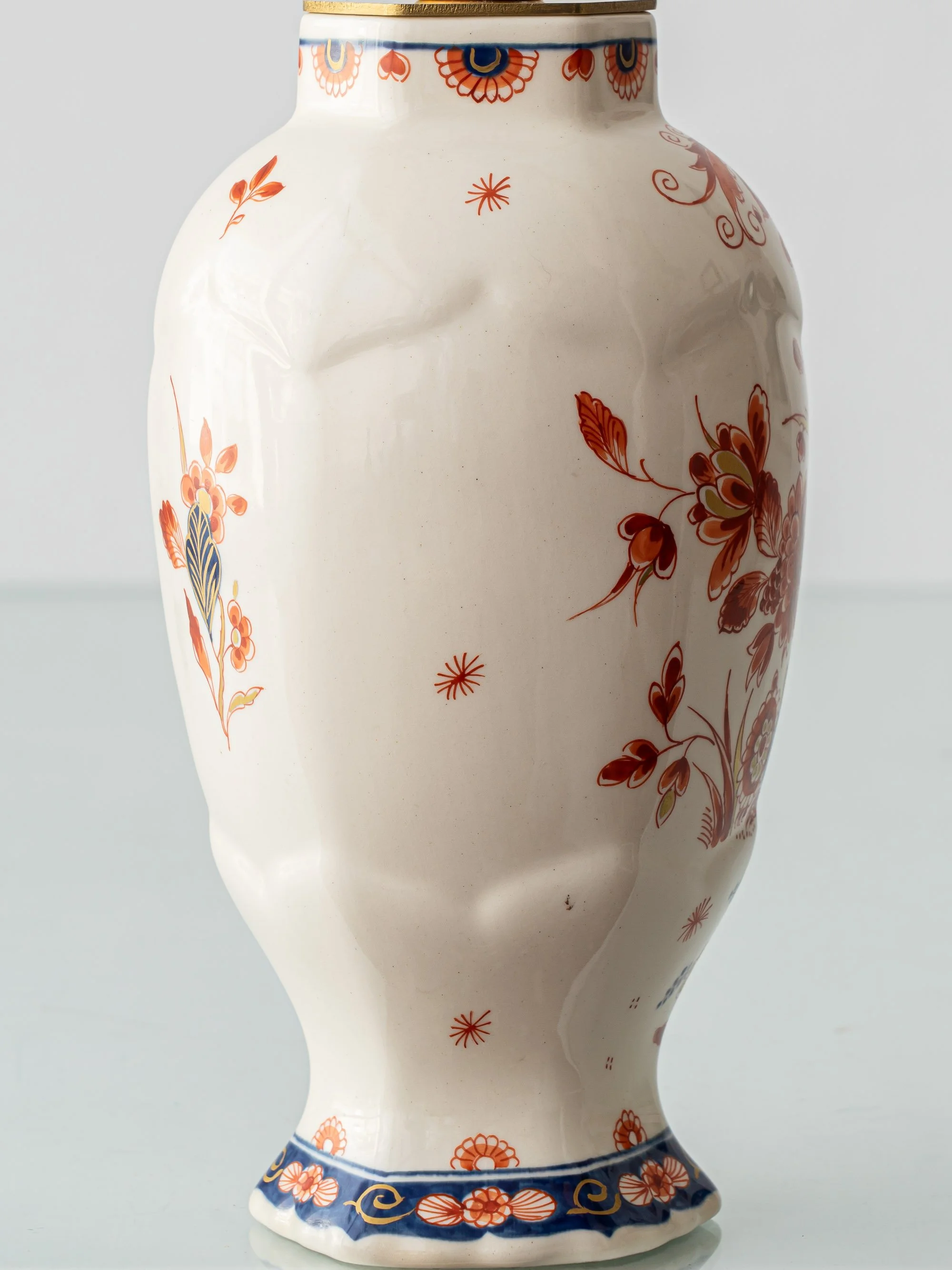 Image 14 of 18
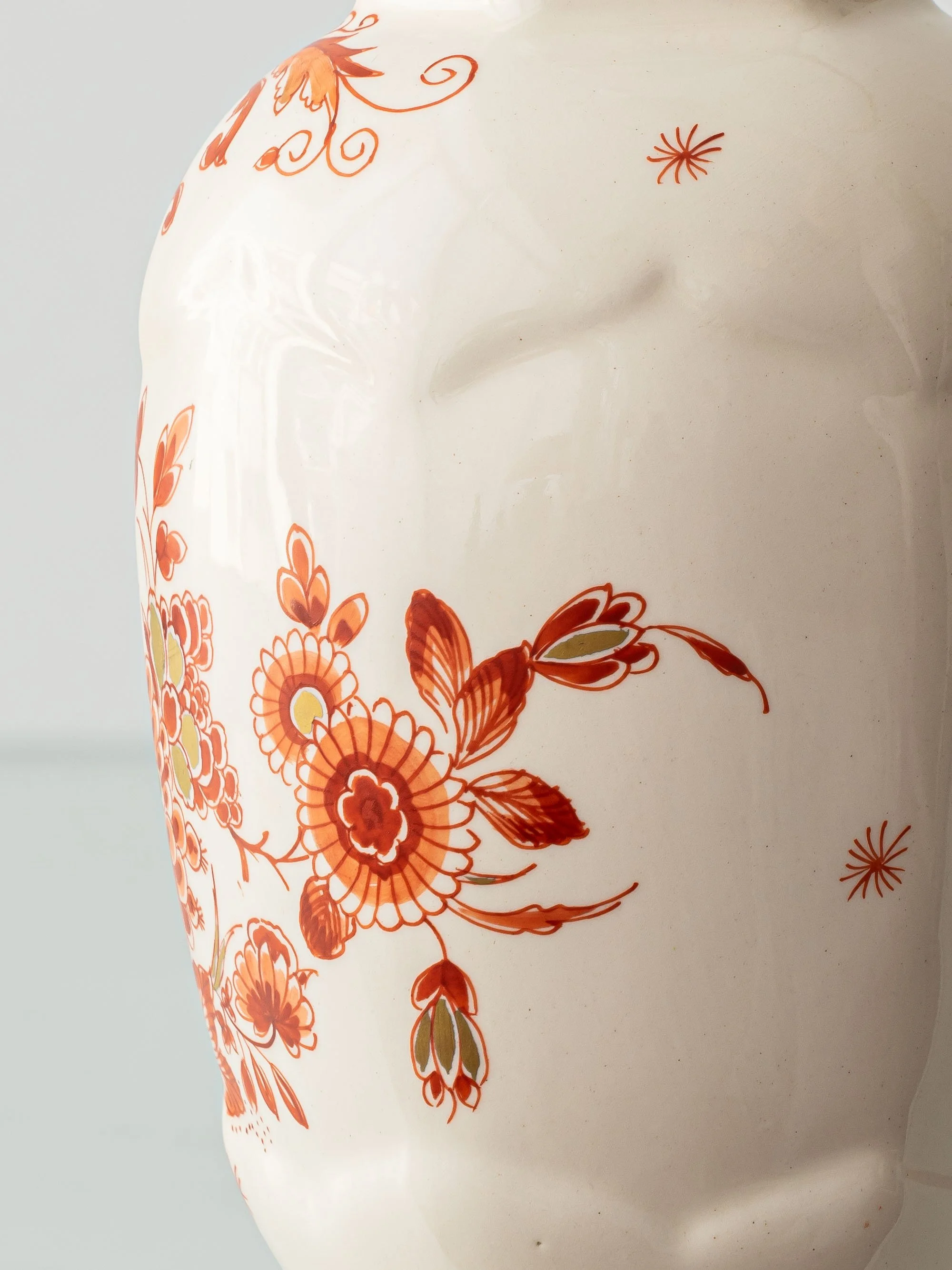 Image 15 of 18
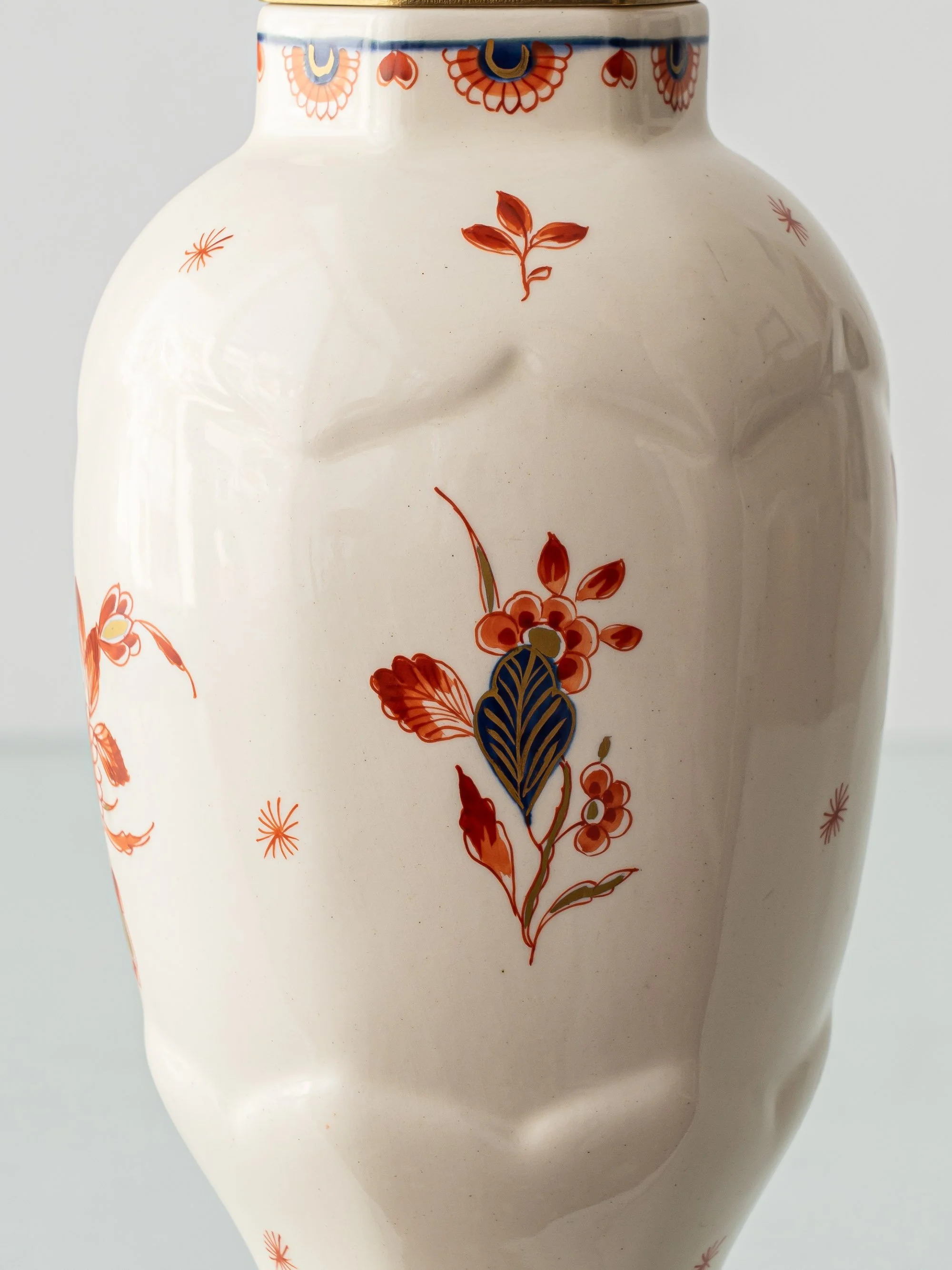 Image 16 of 18
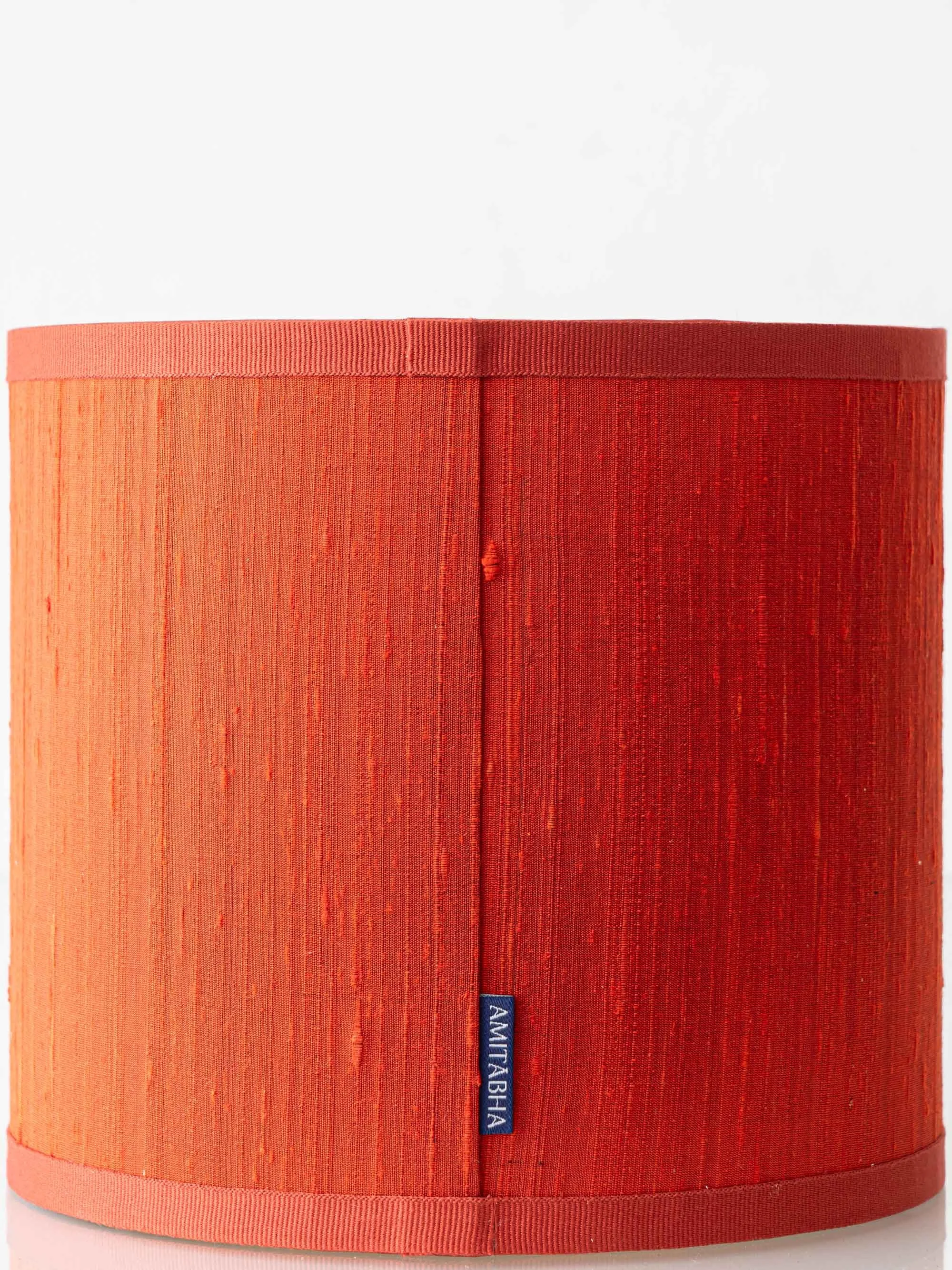 Image 17 of 18
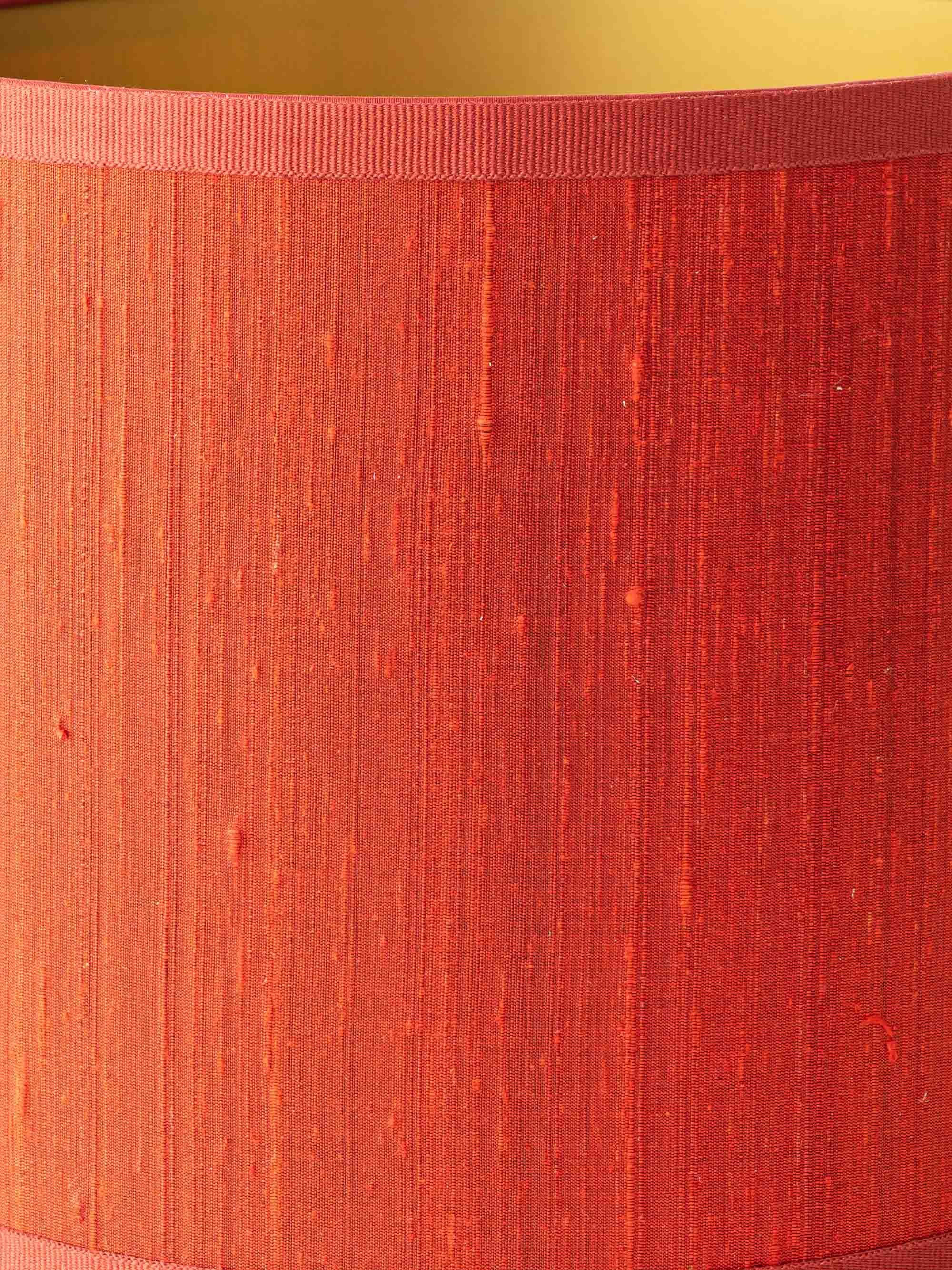 Image 18 of 18
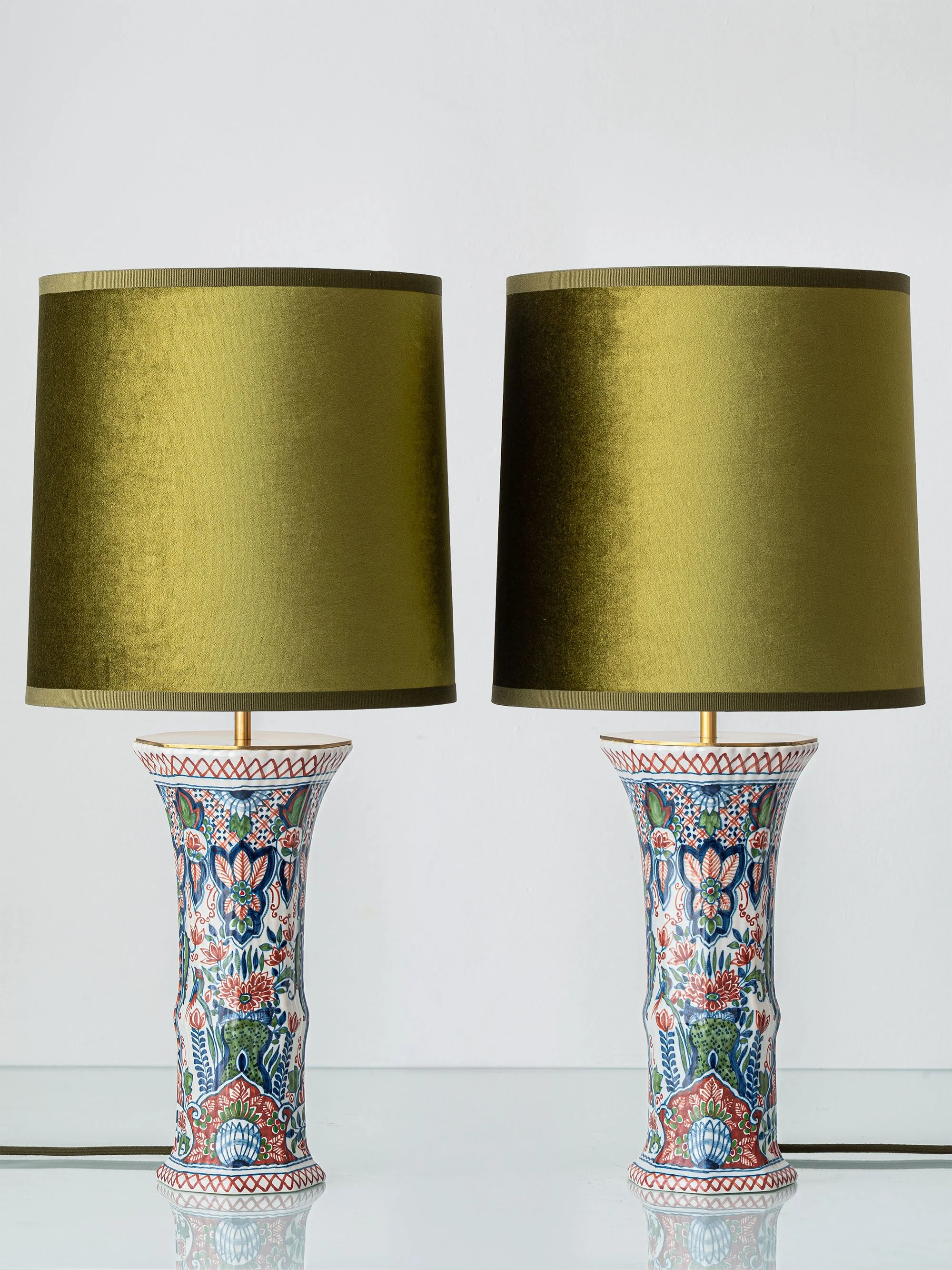
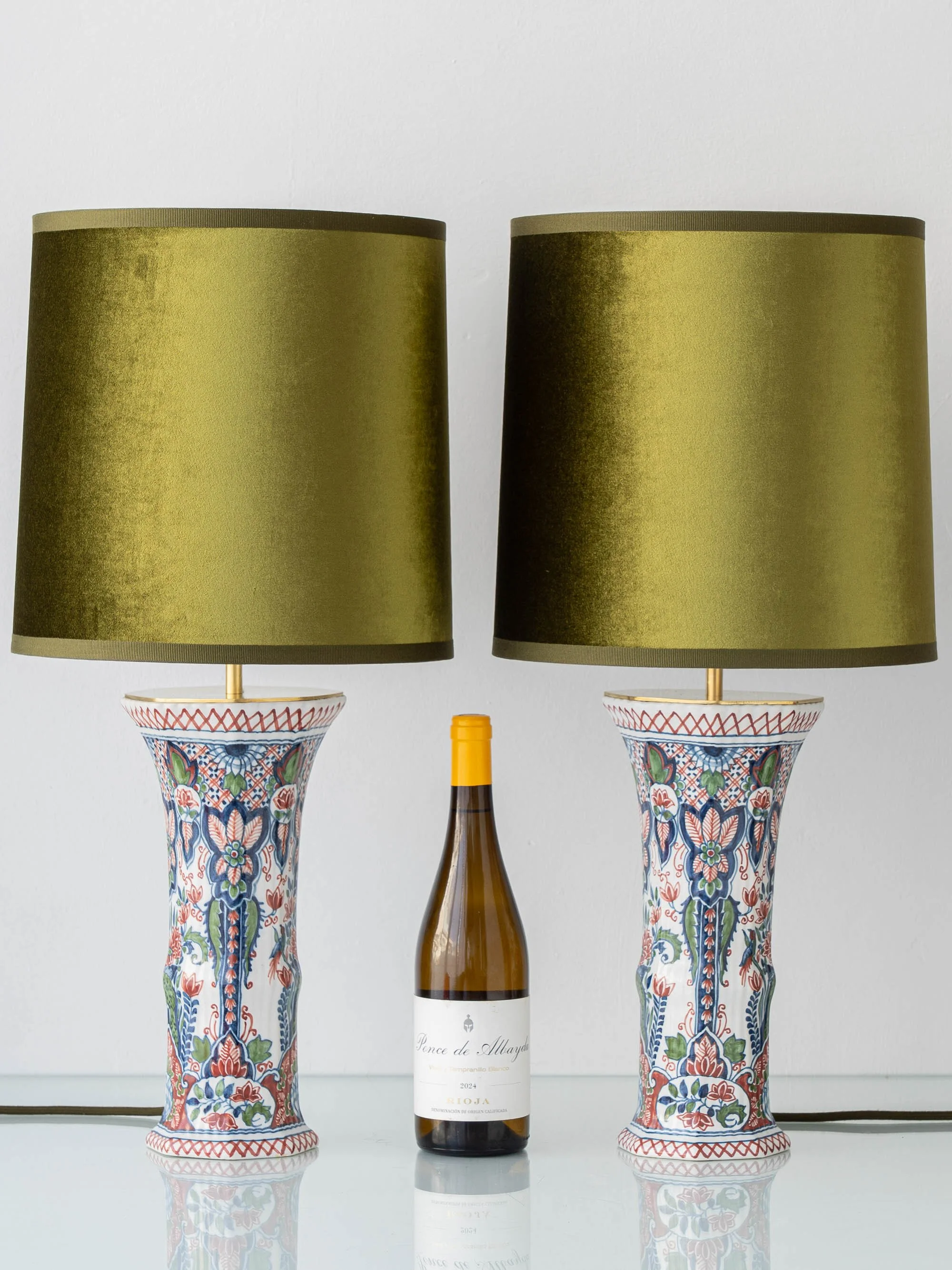
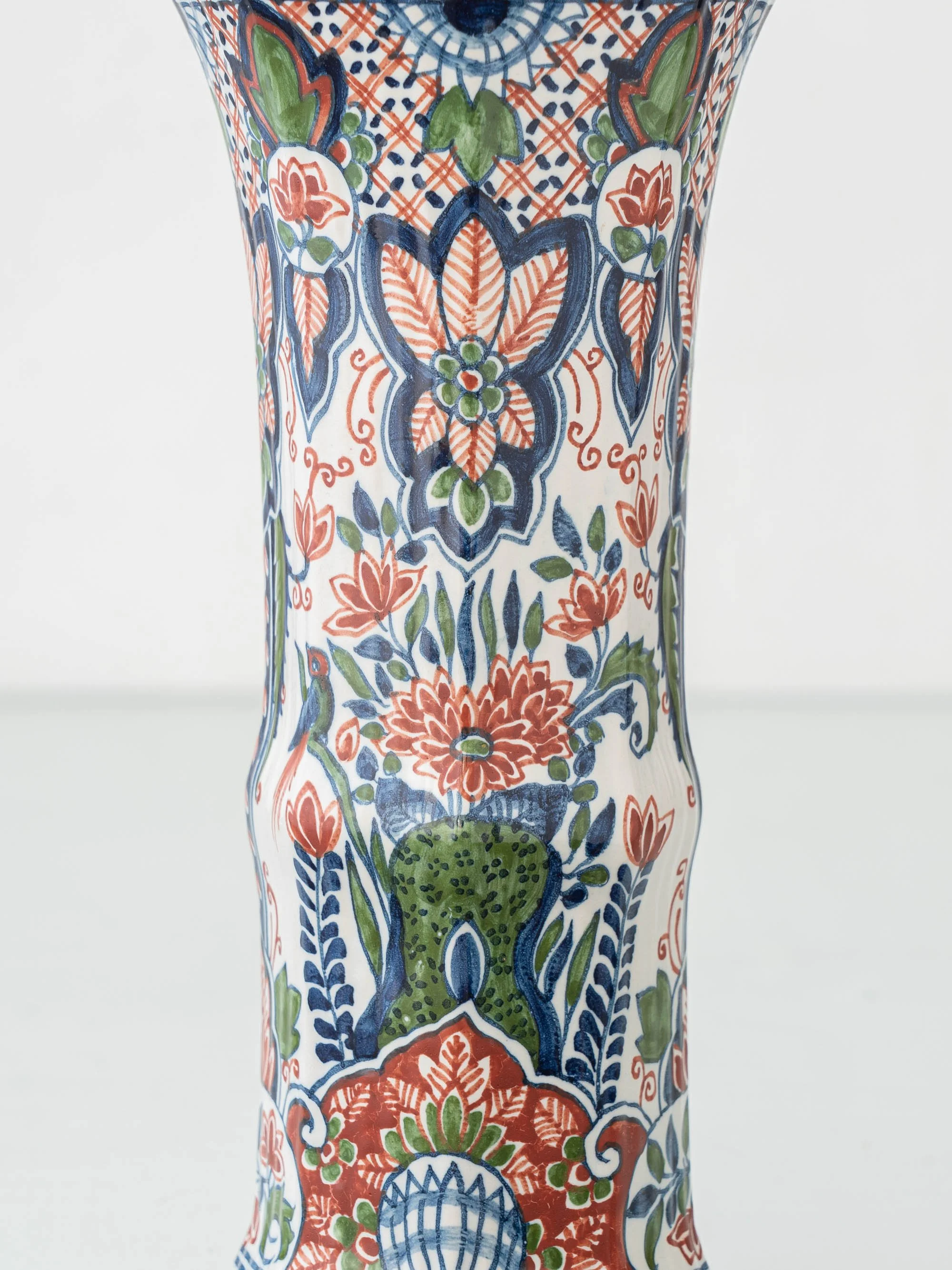
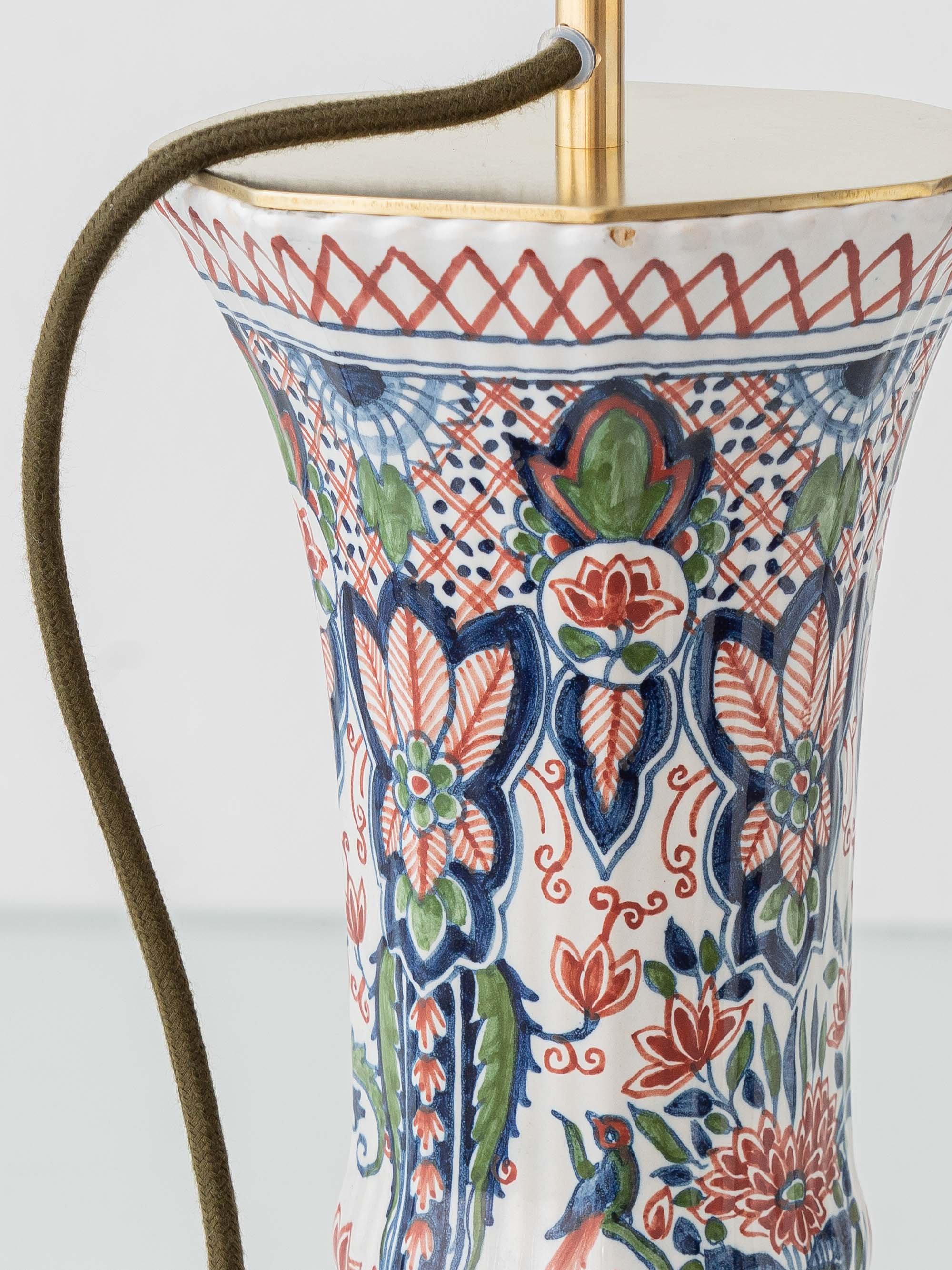
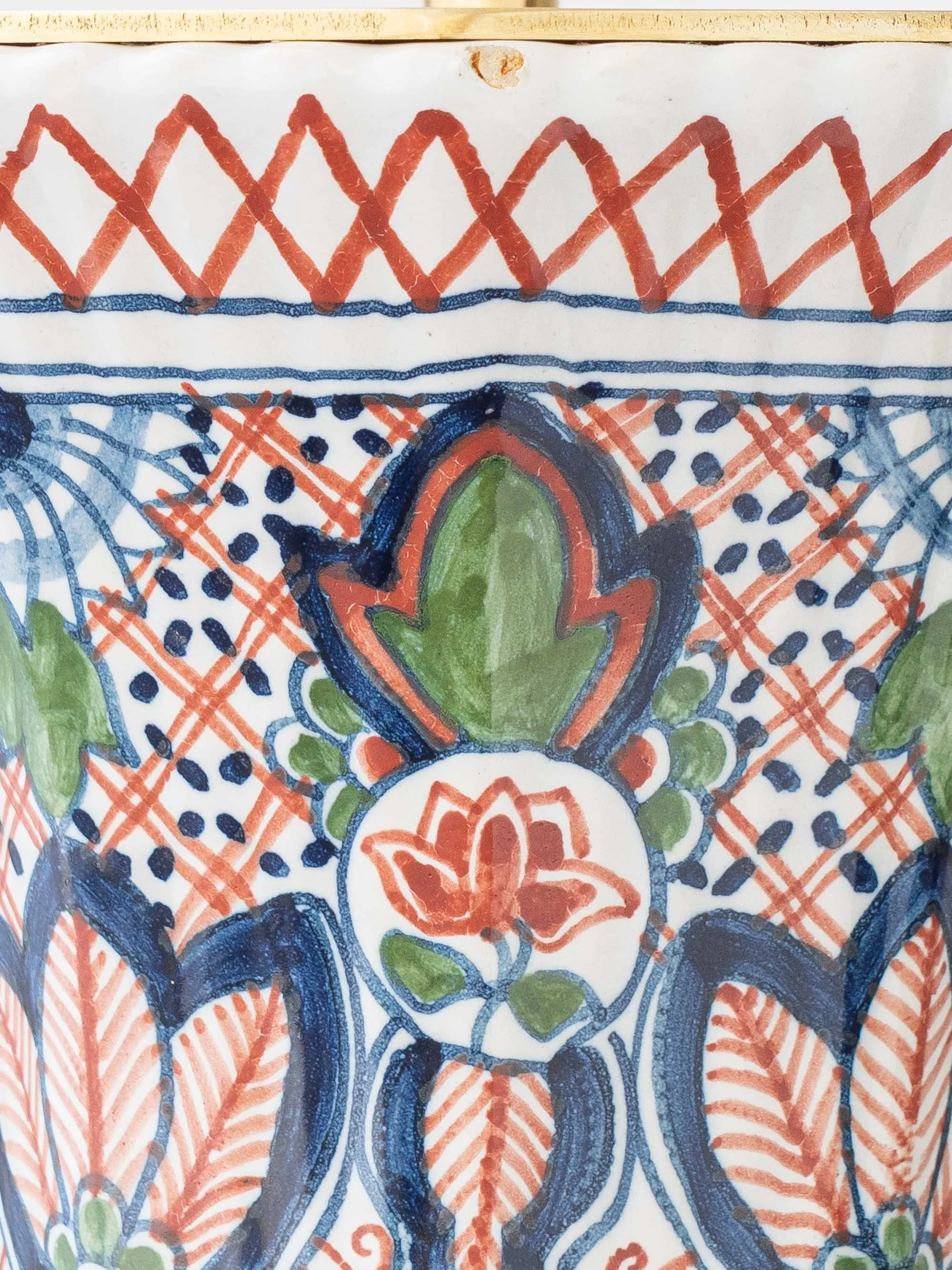
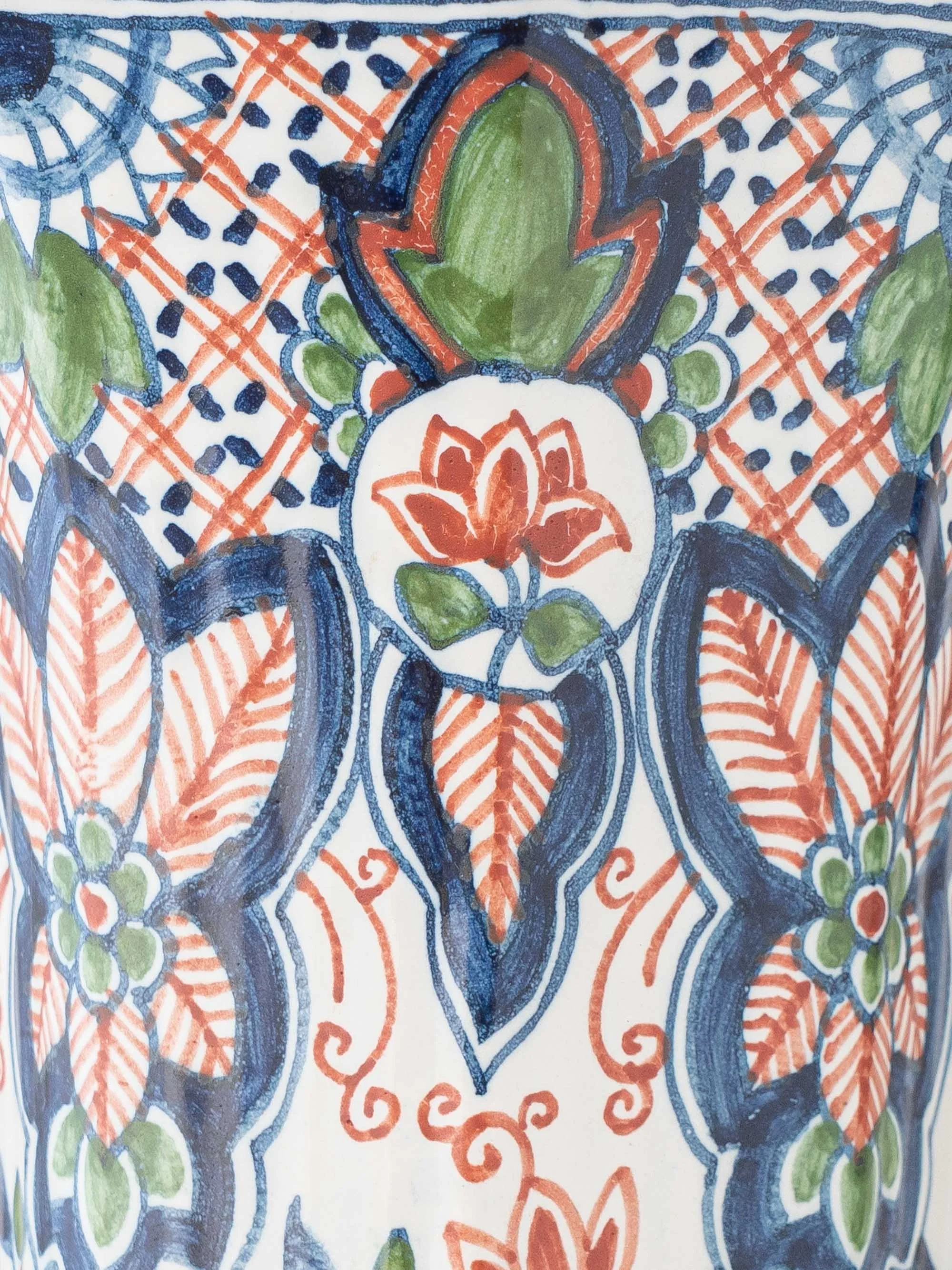
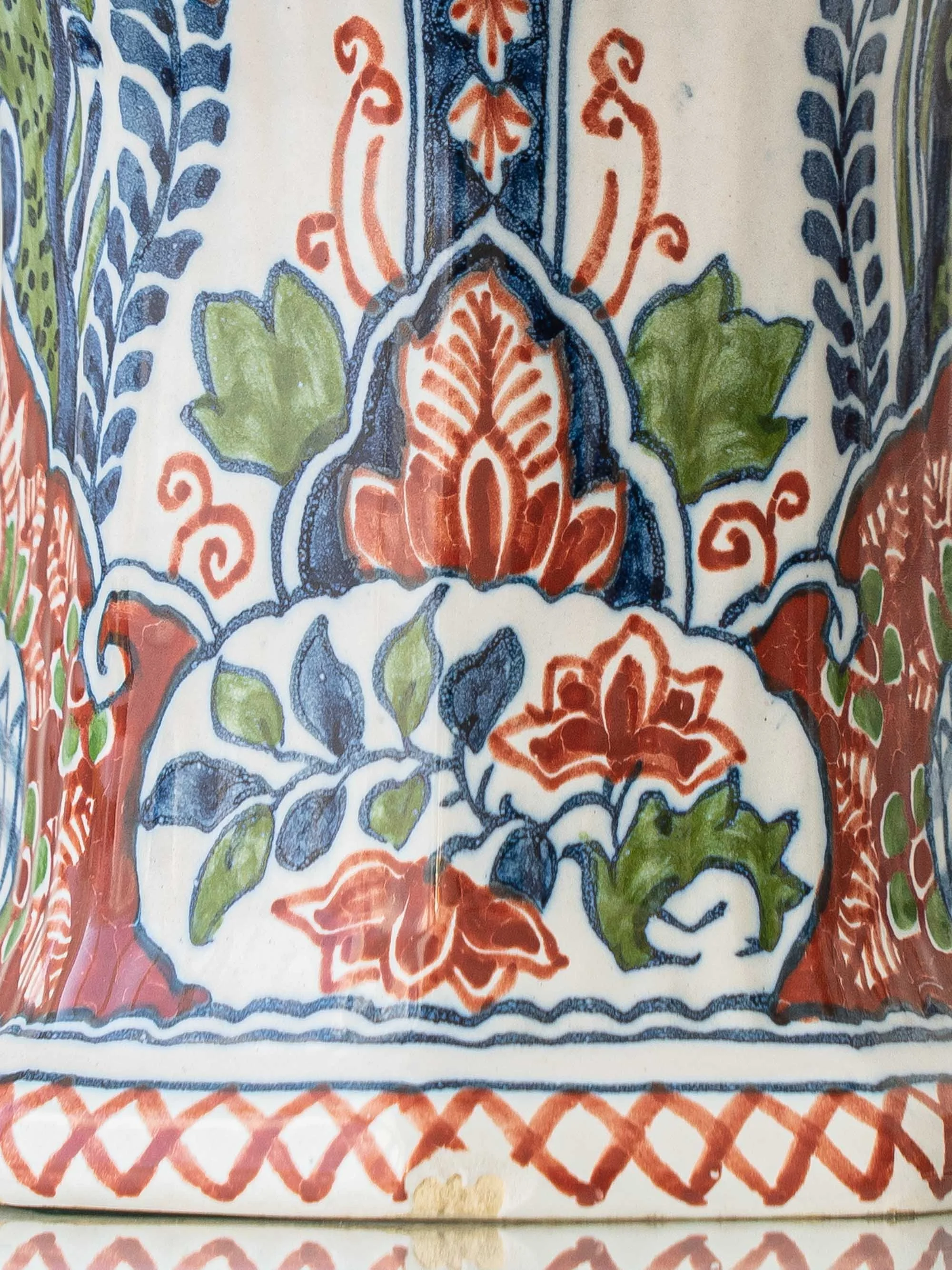
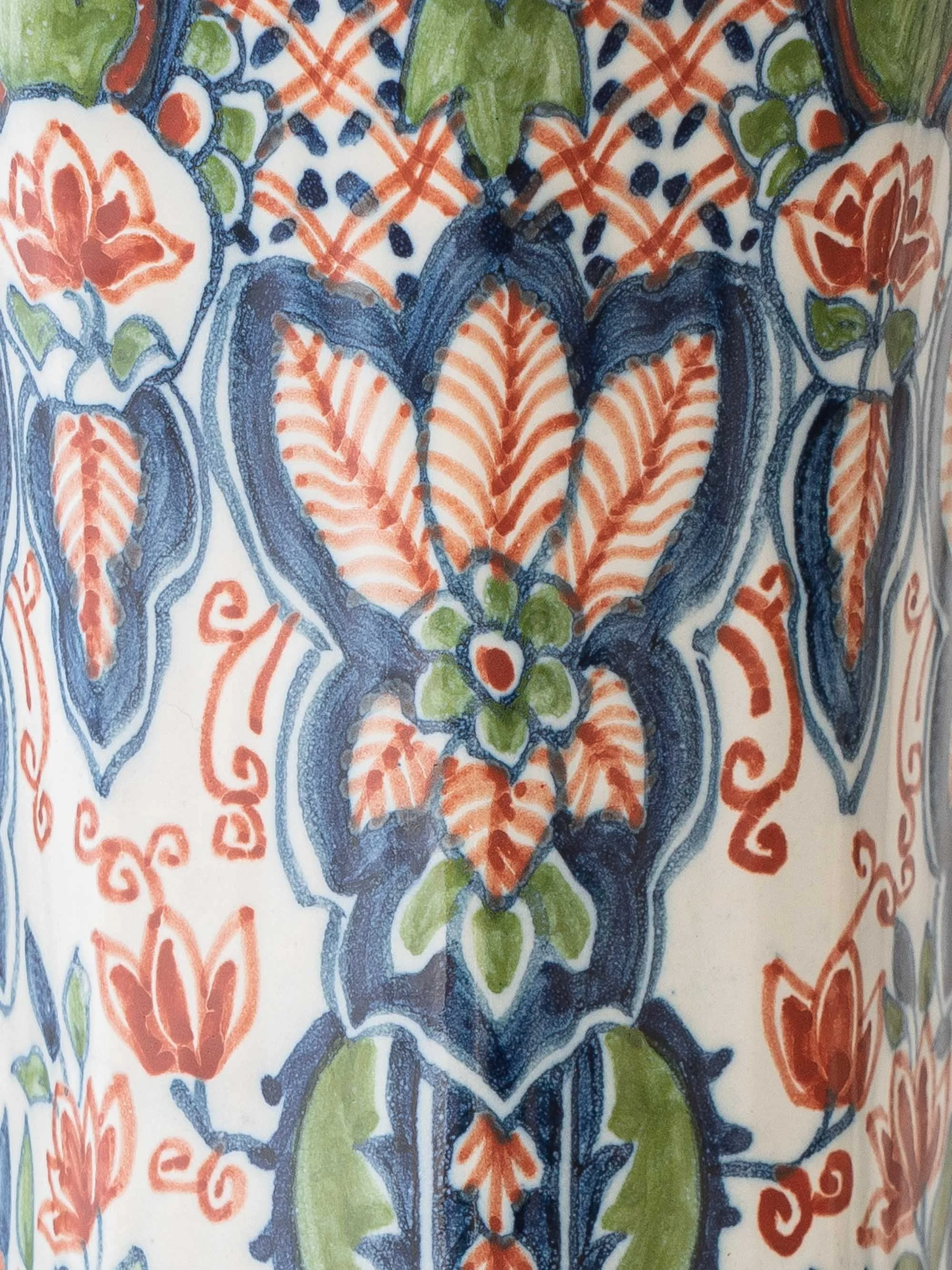
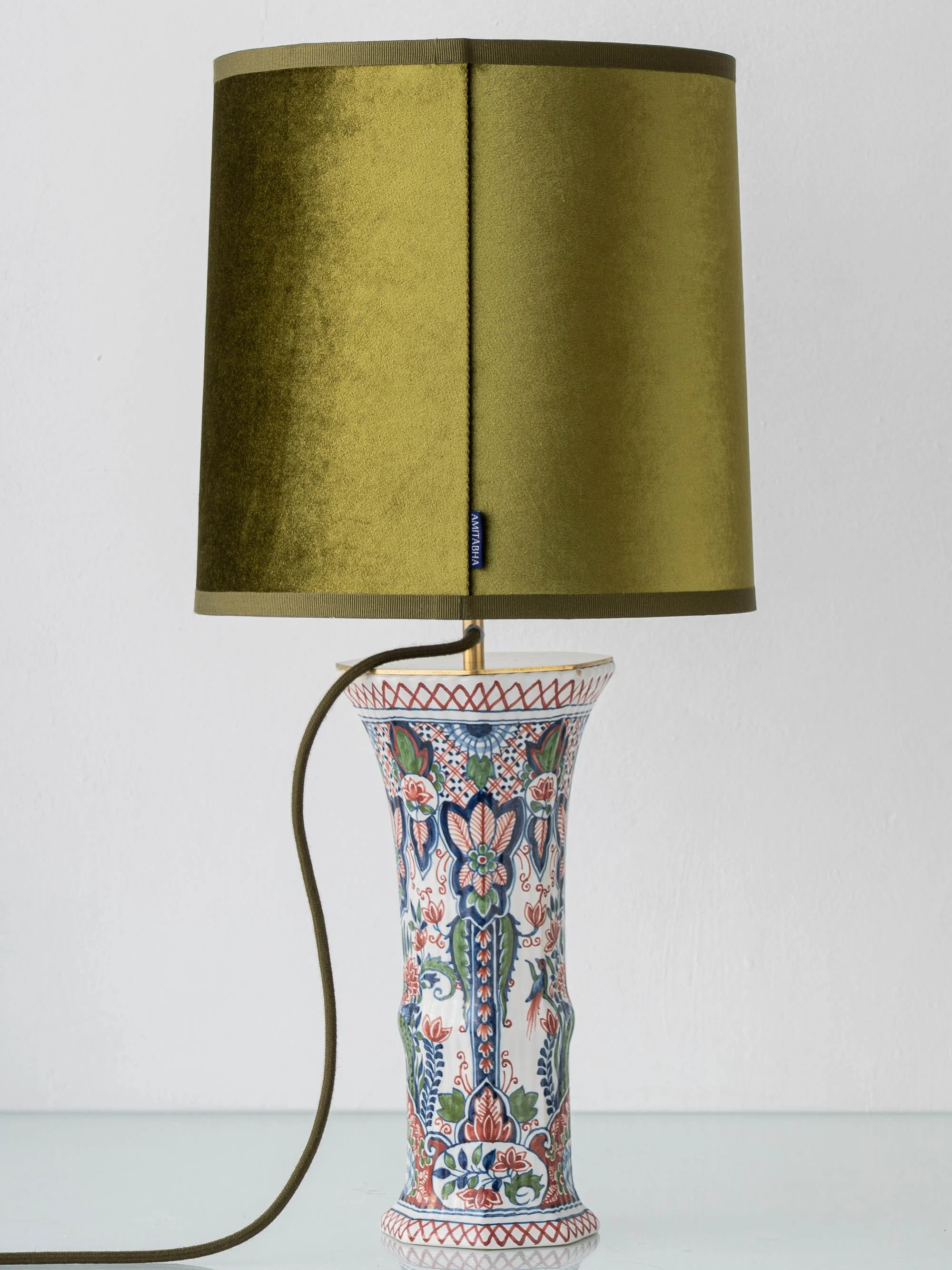
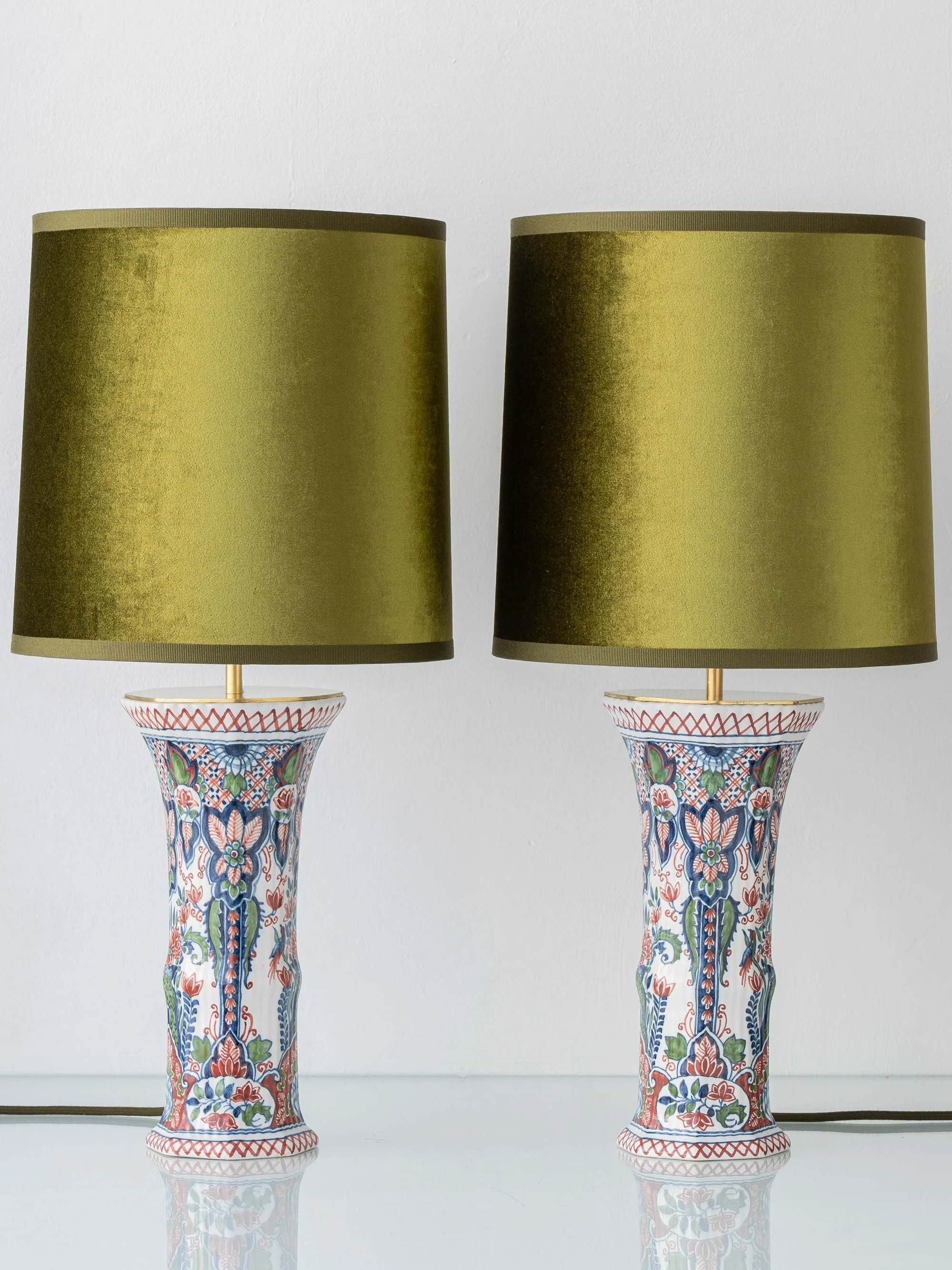
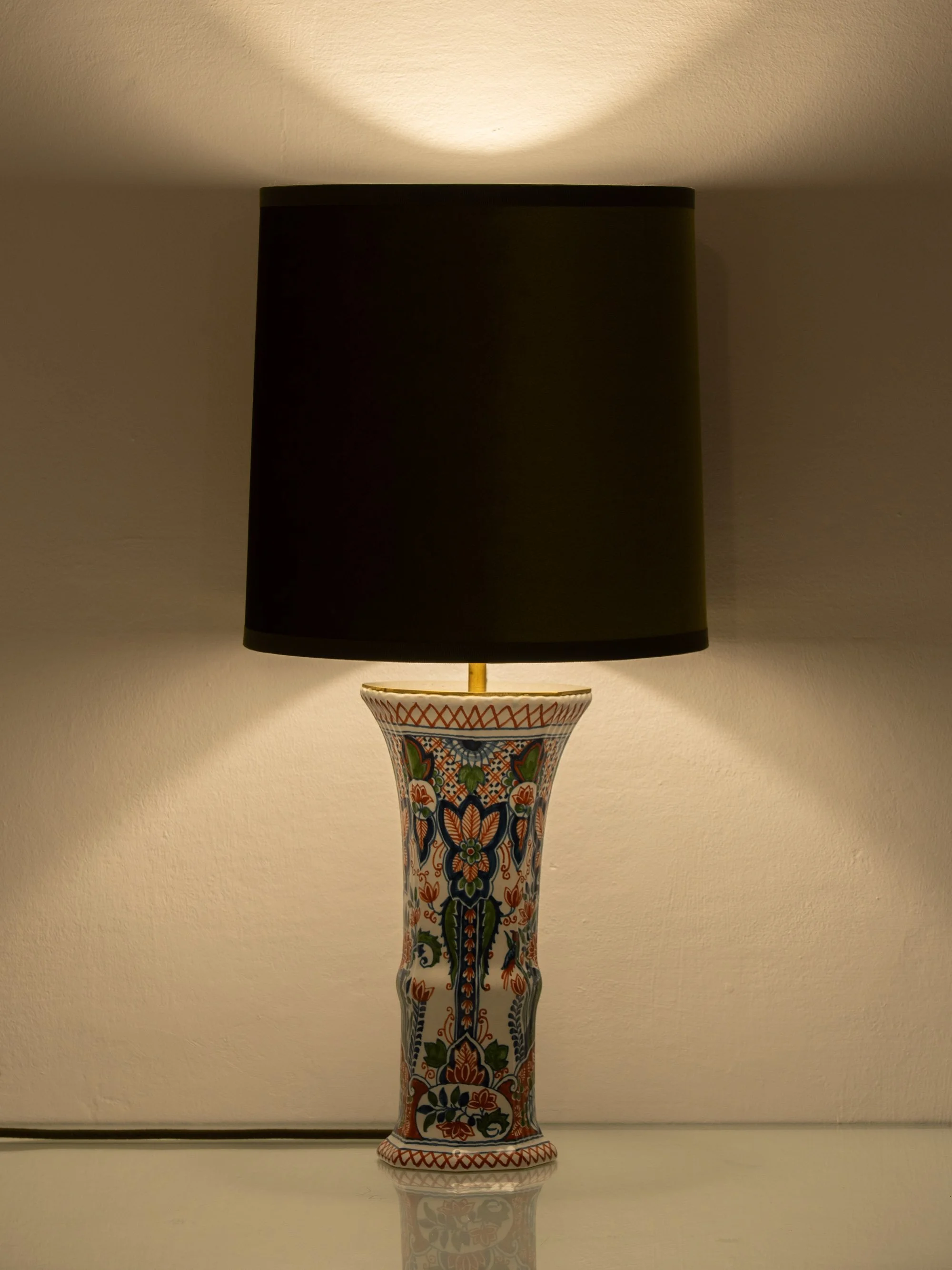
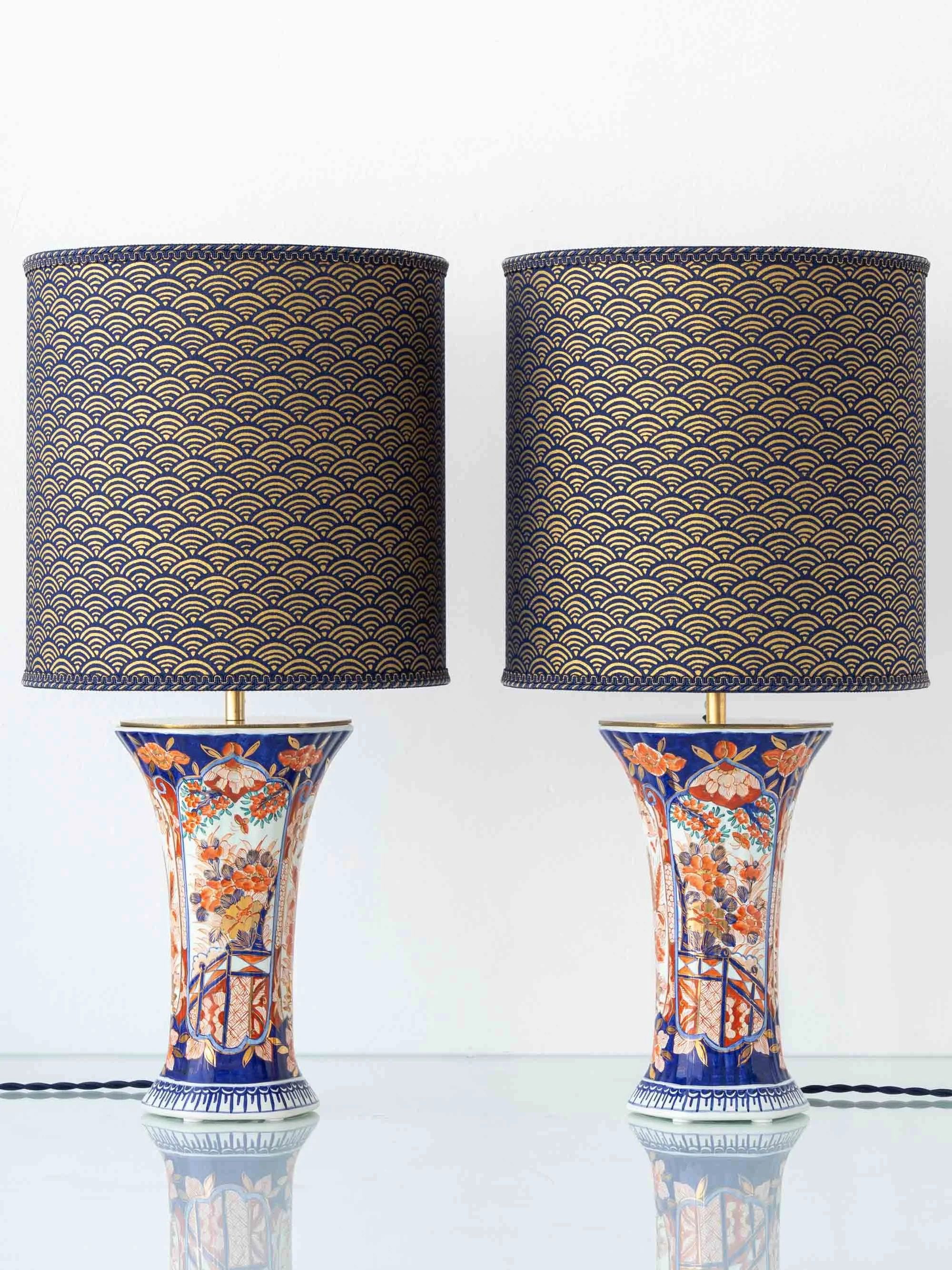
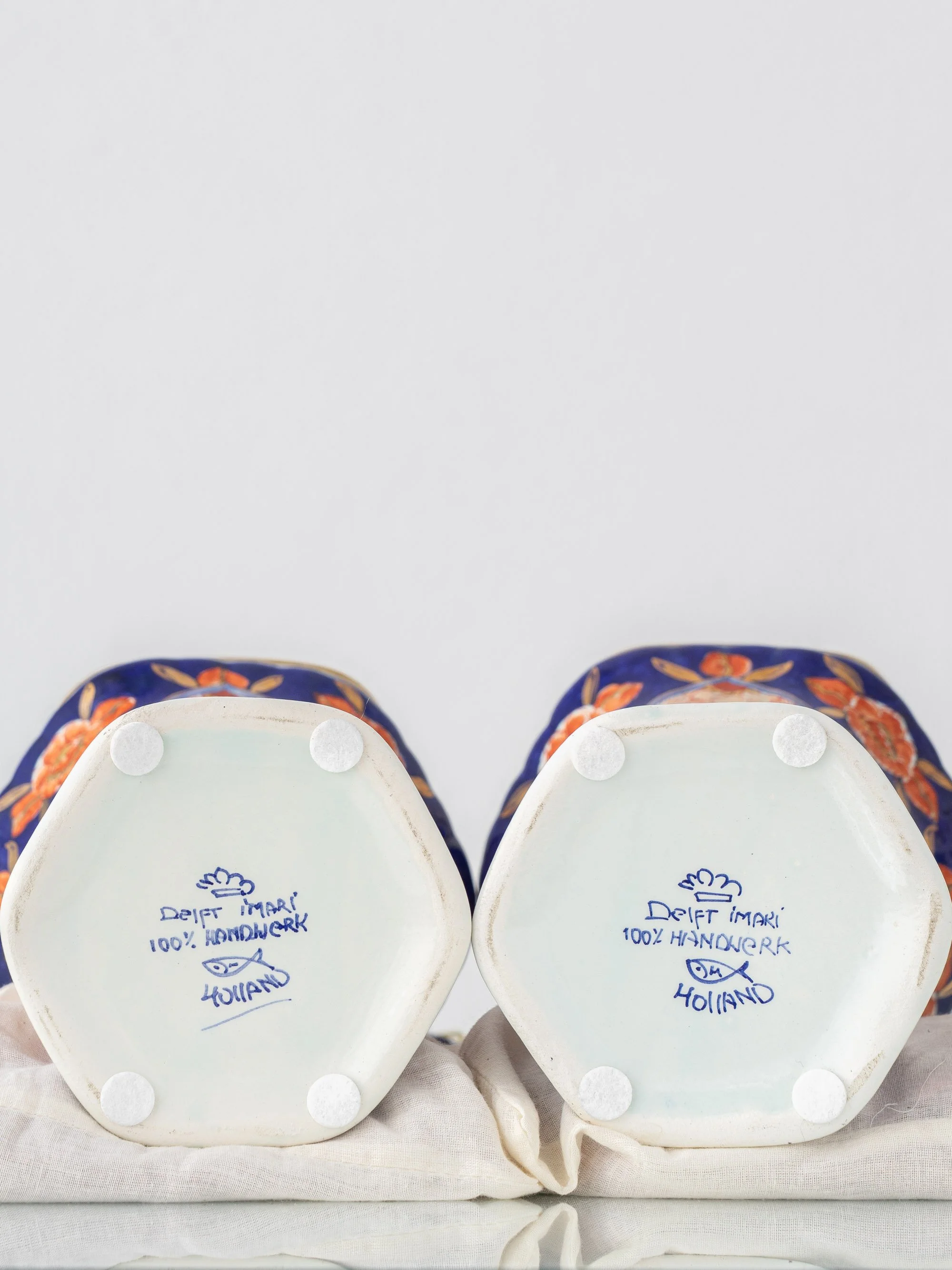
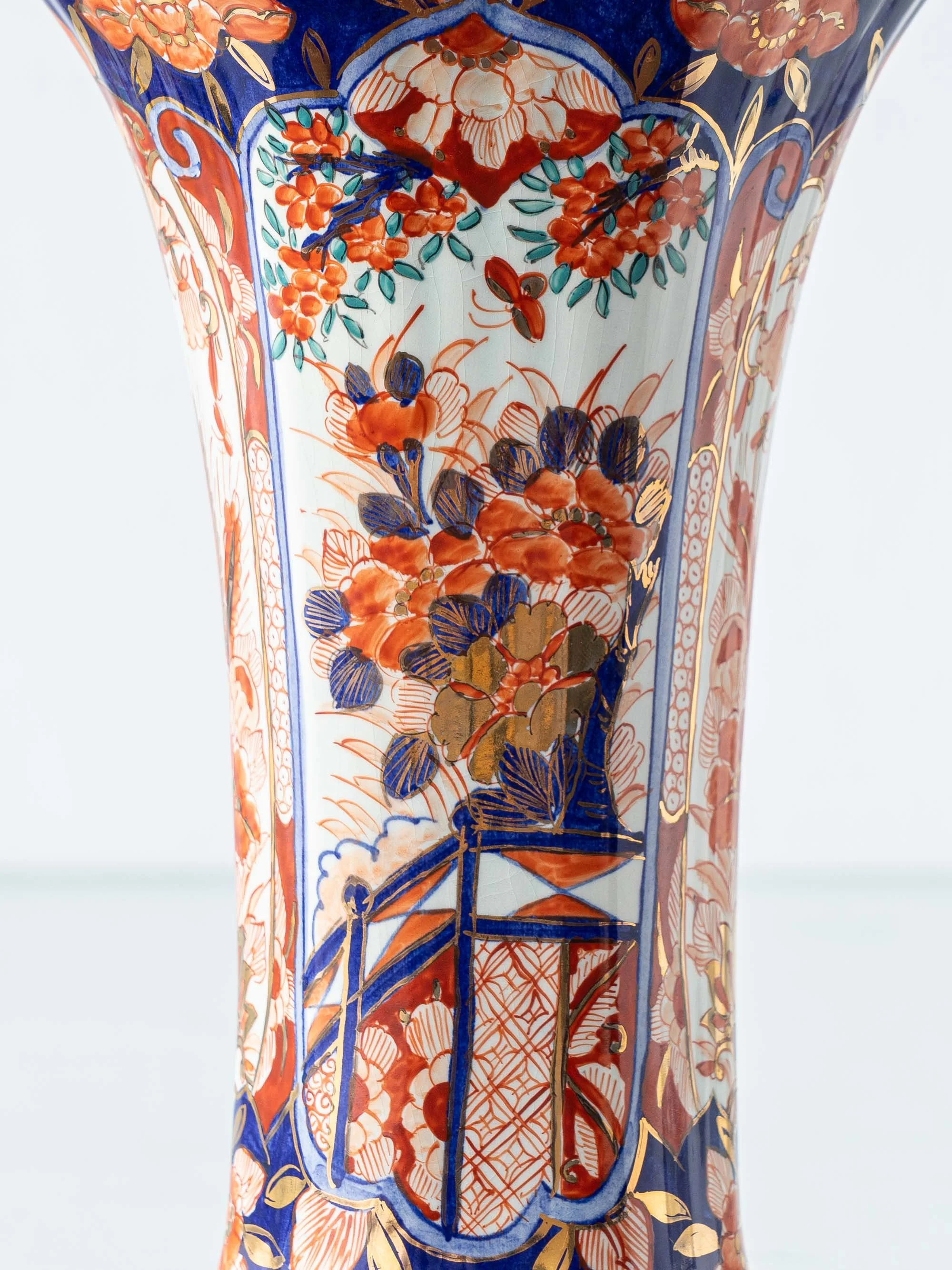
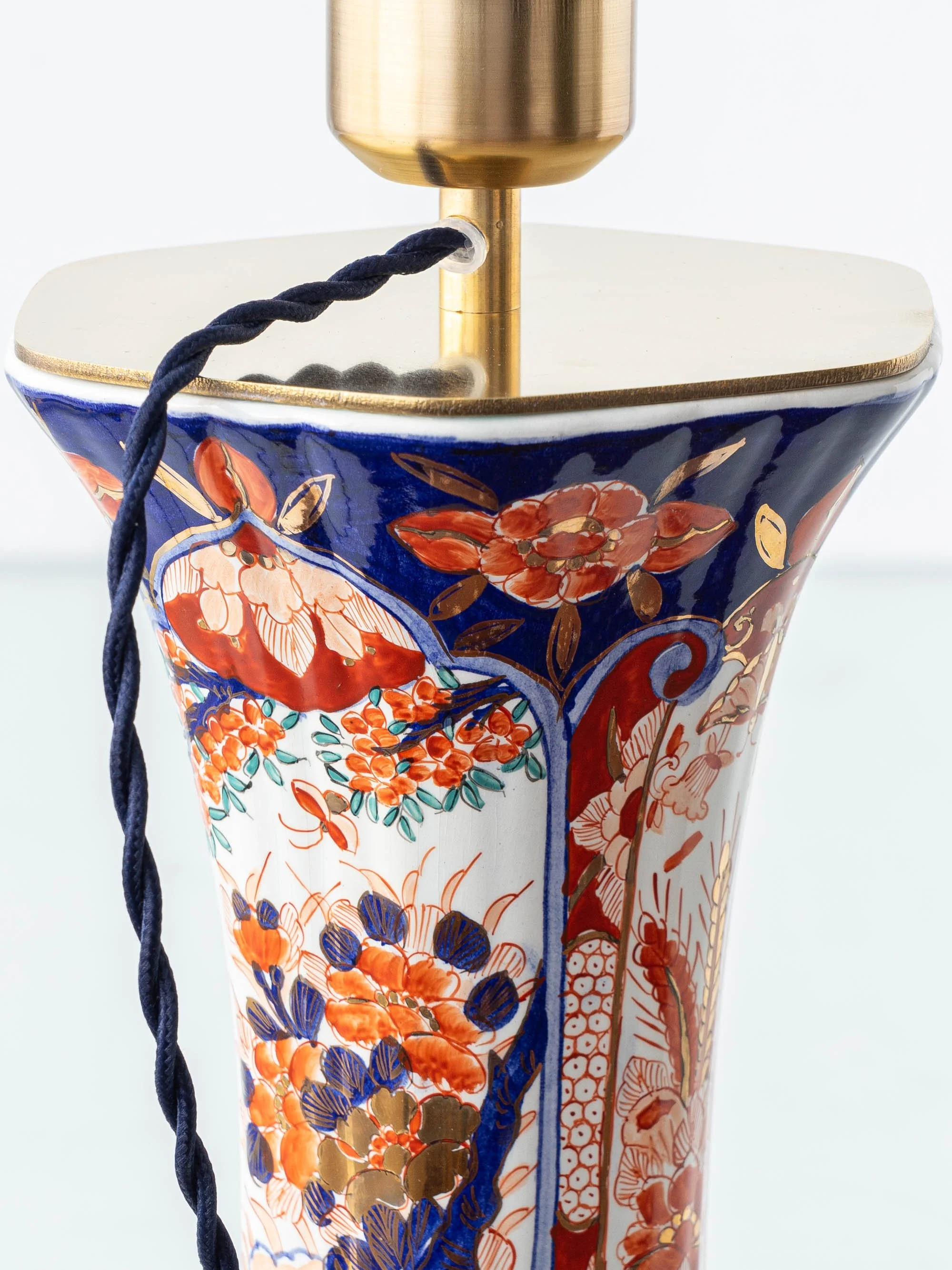
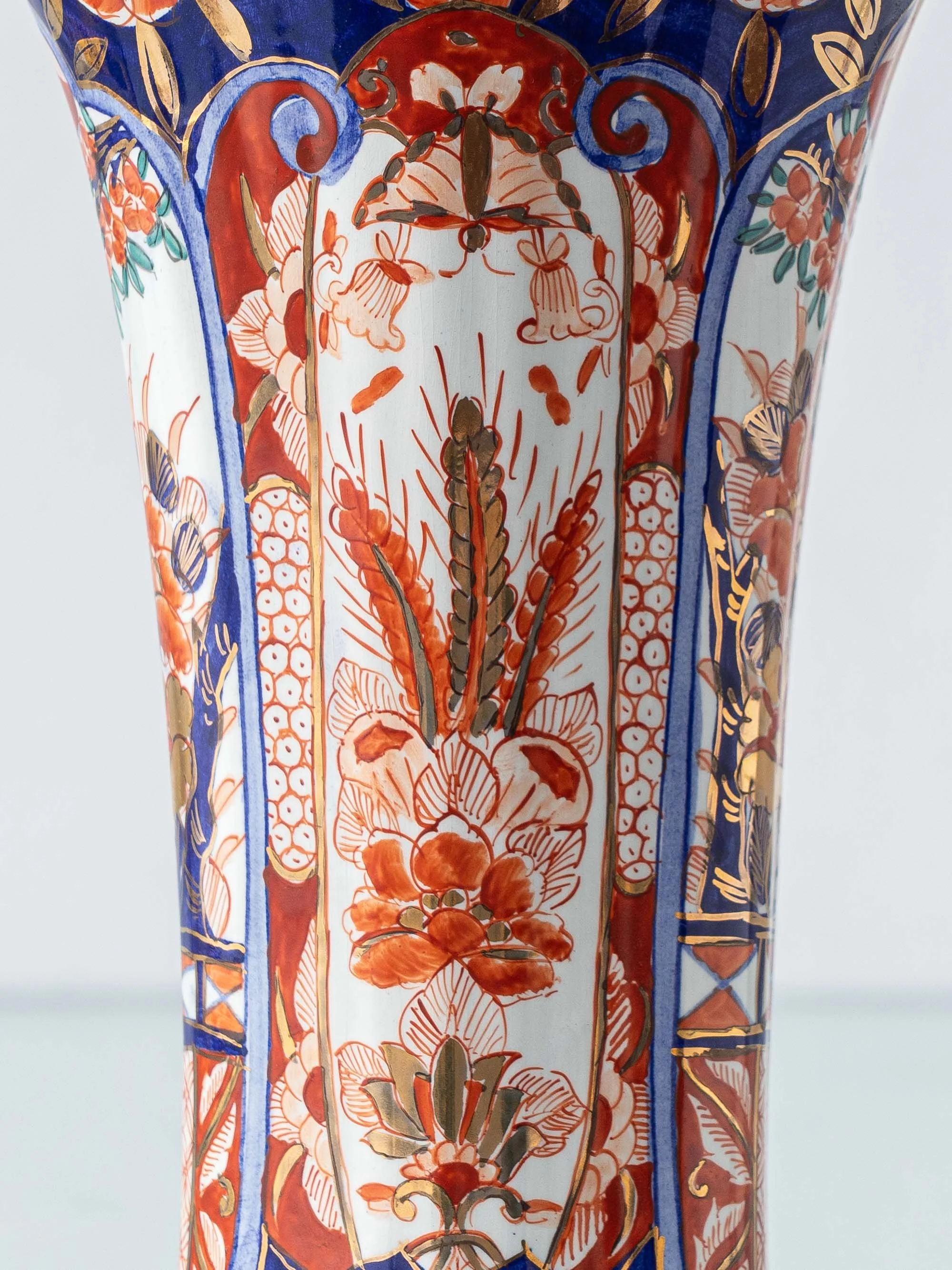
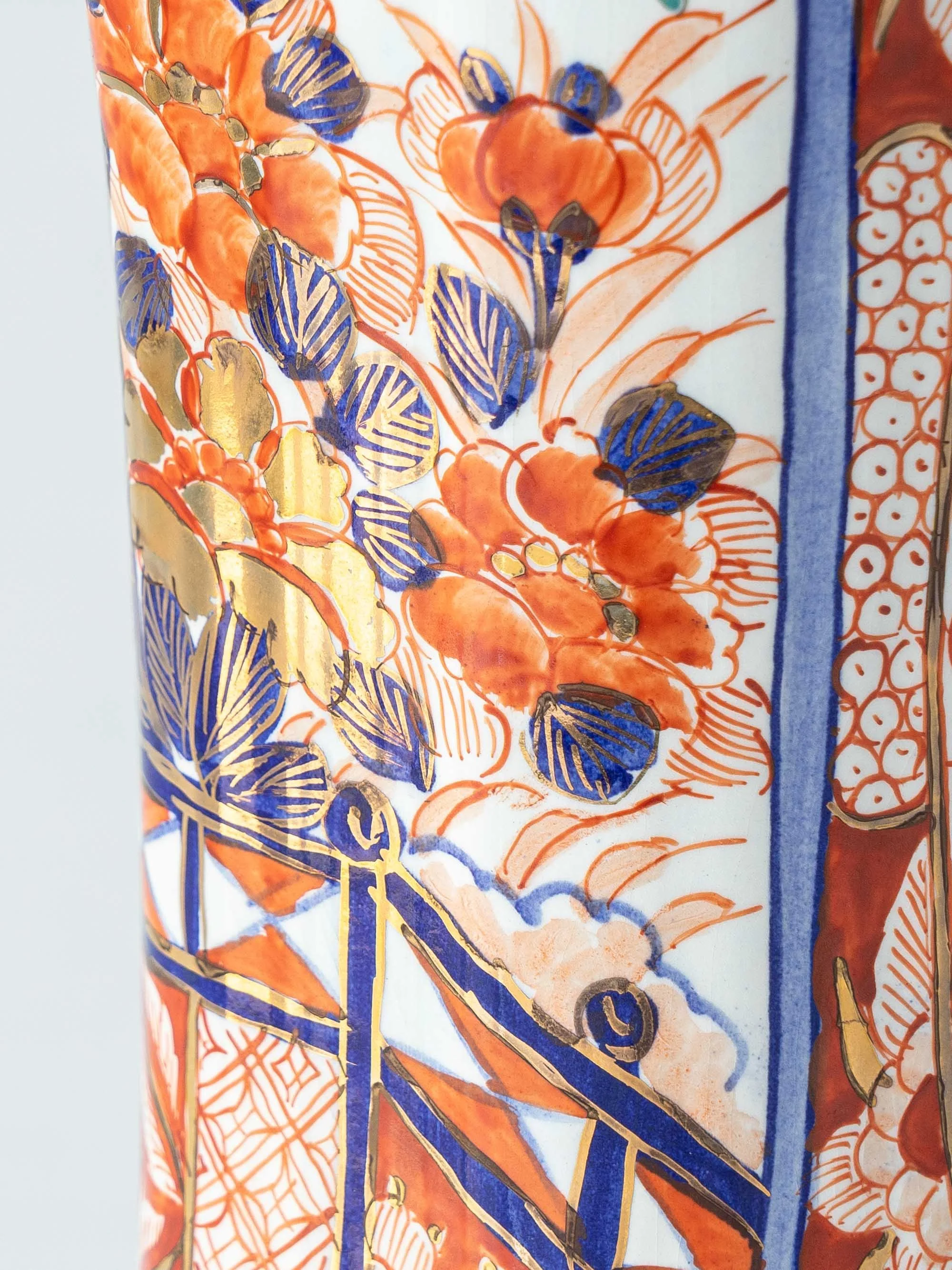
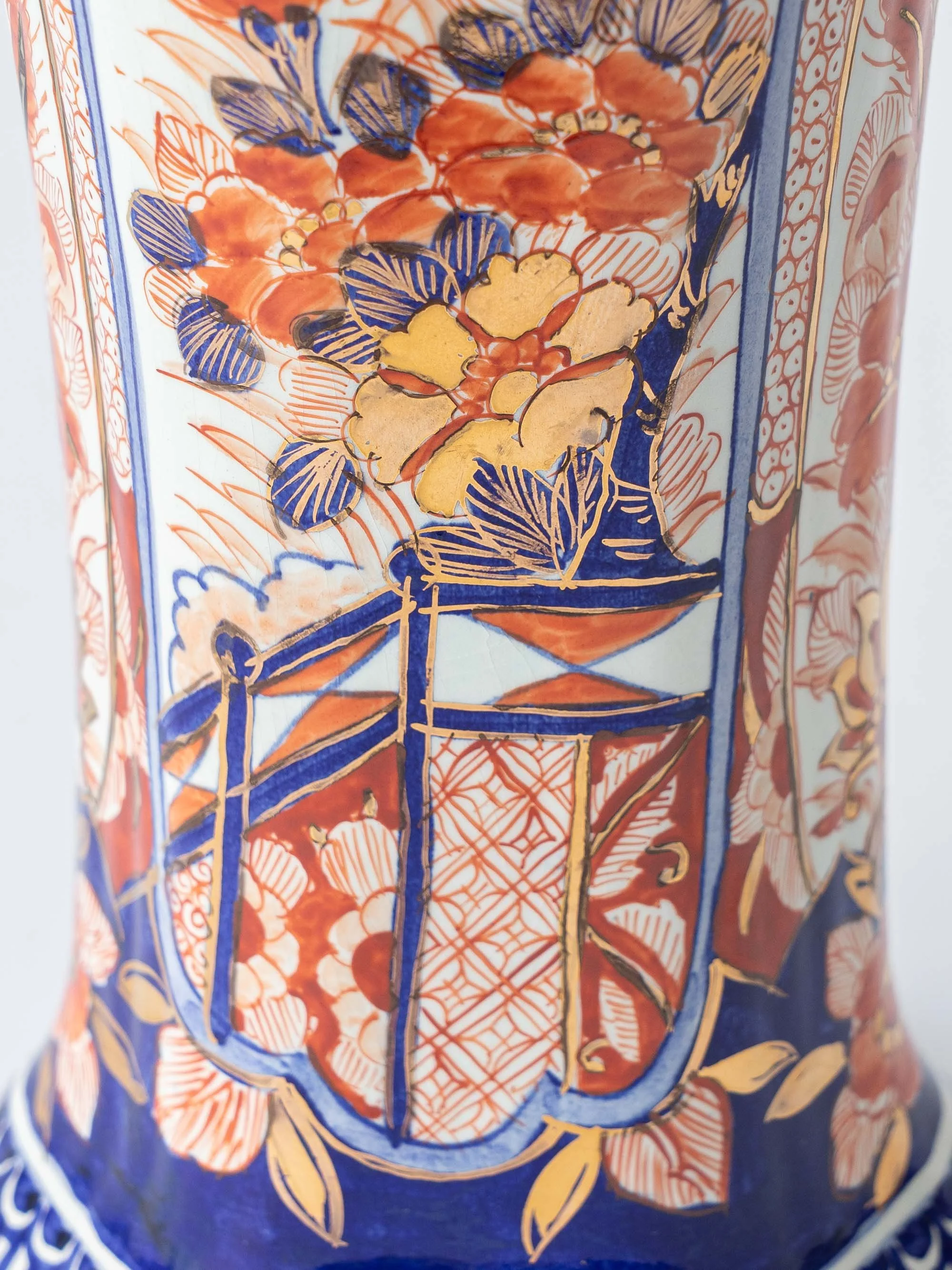
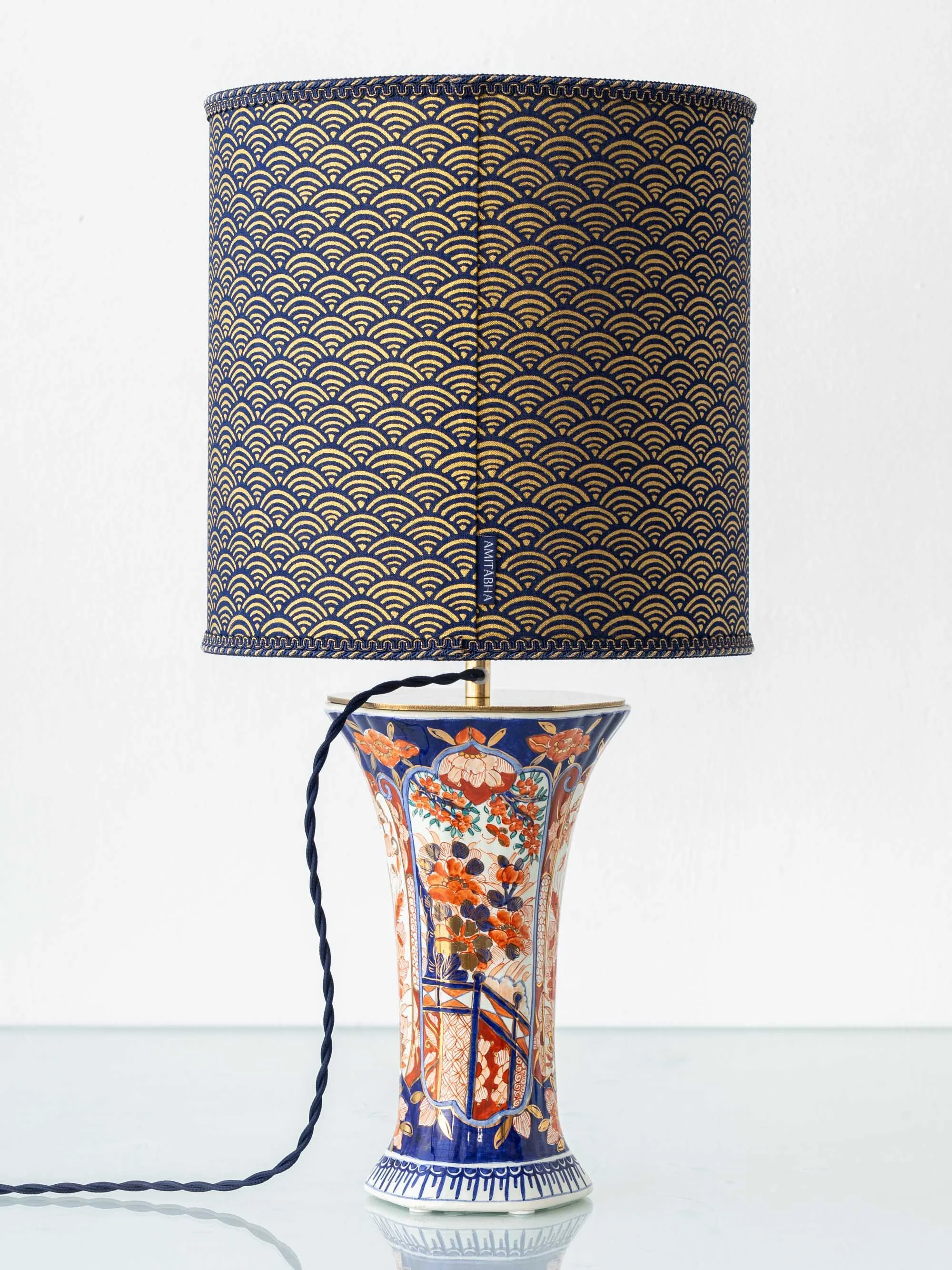
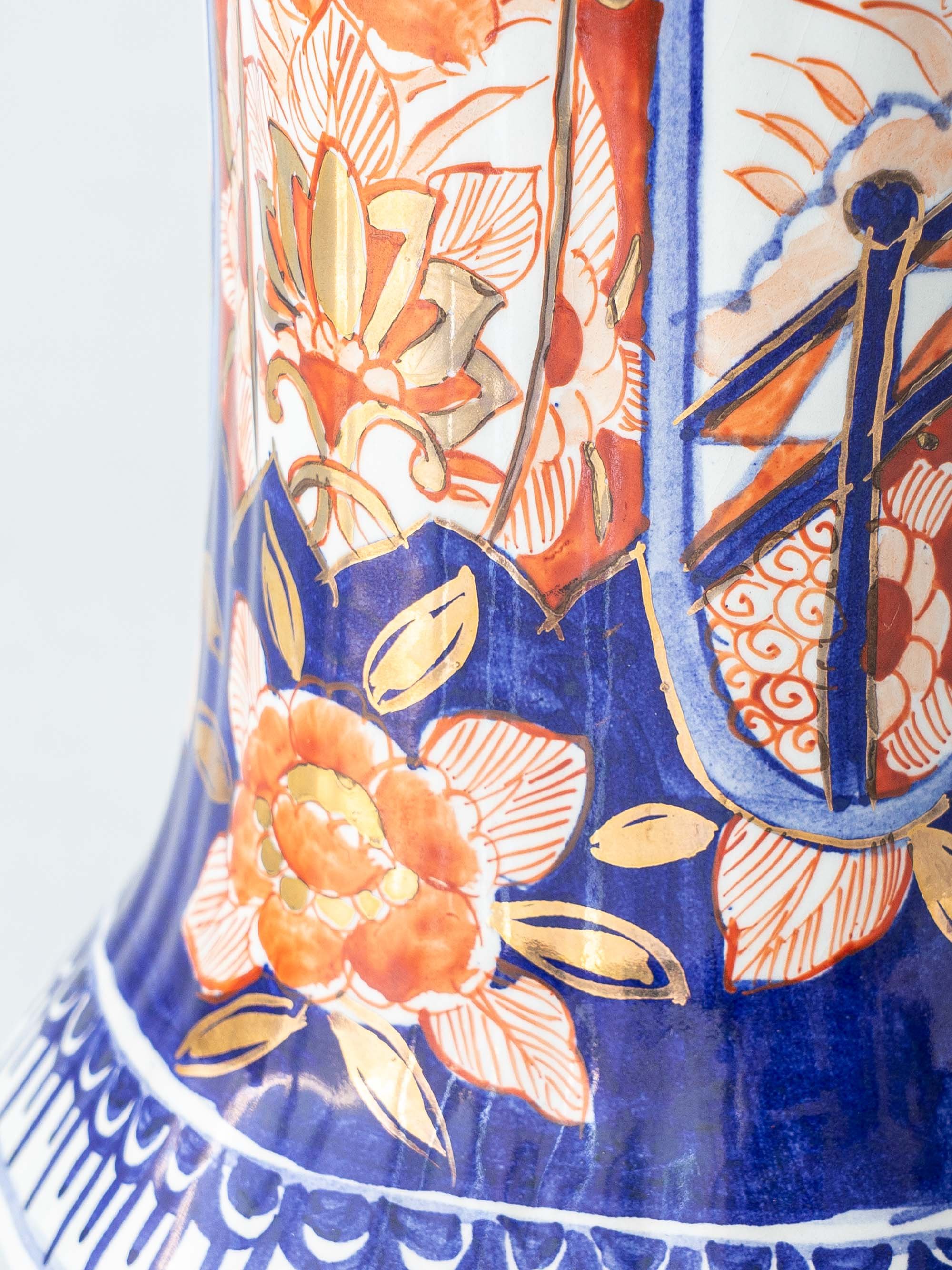
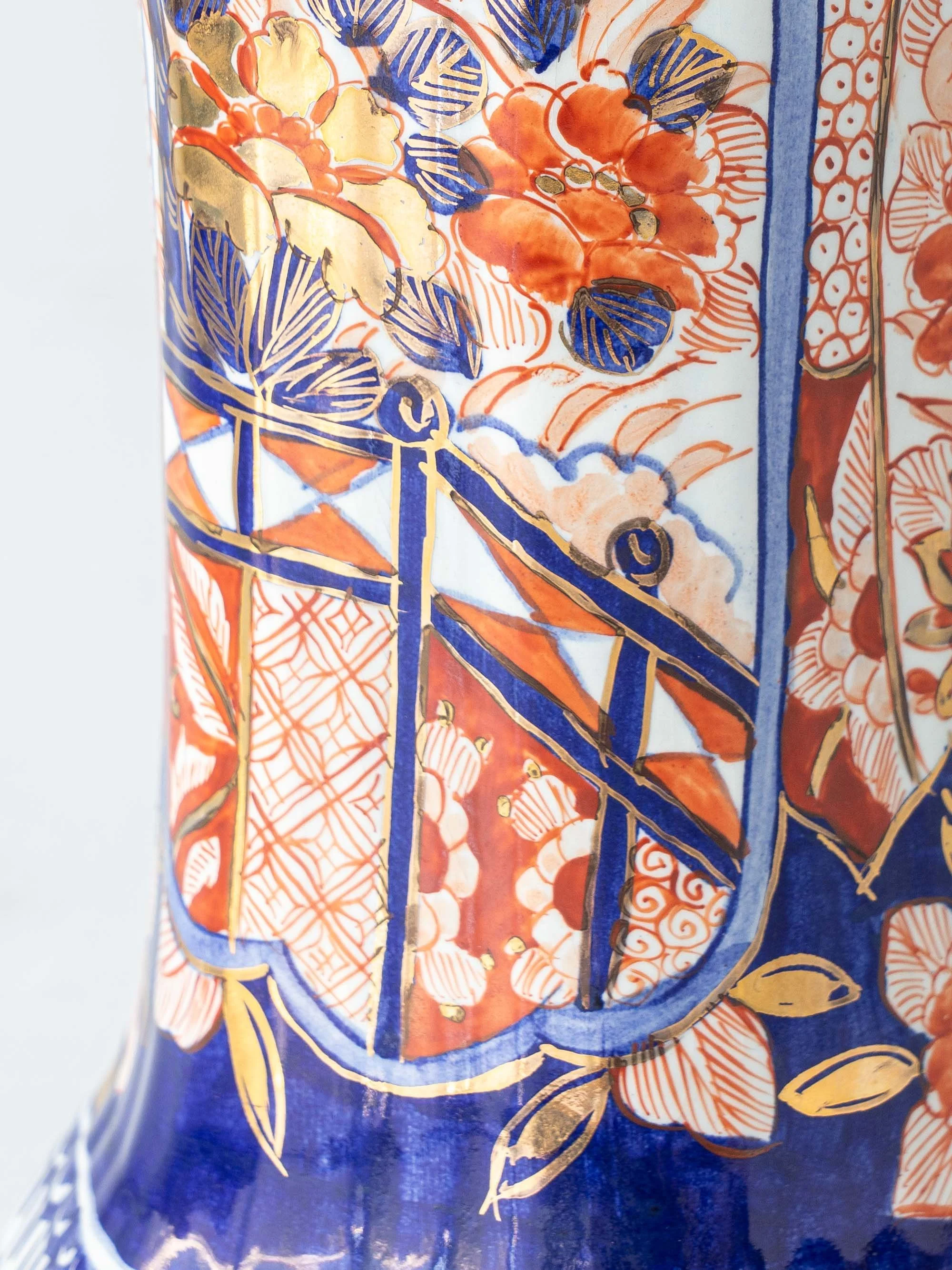
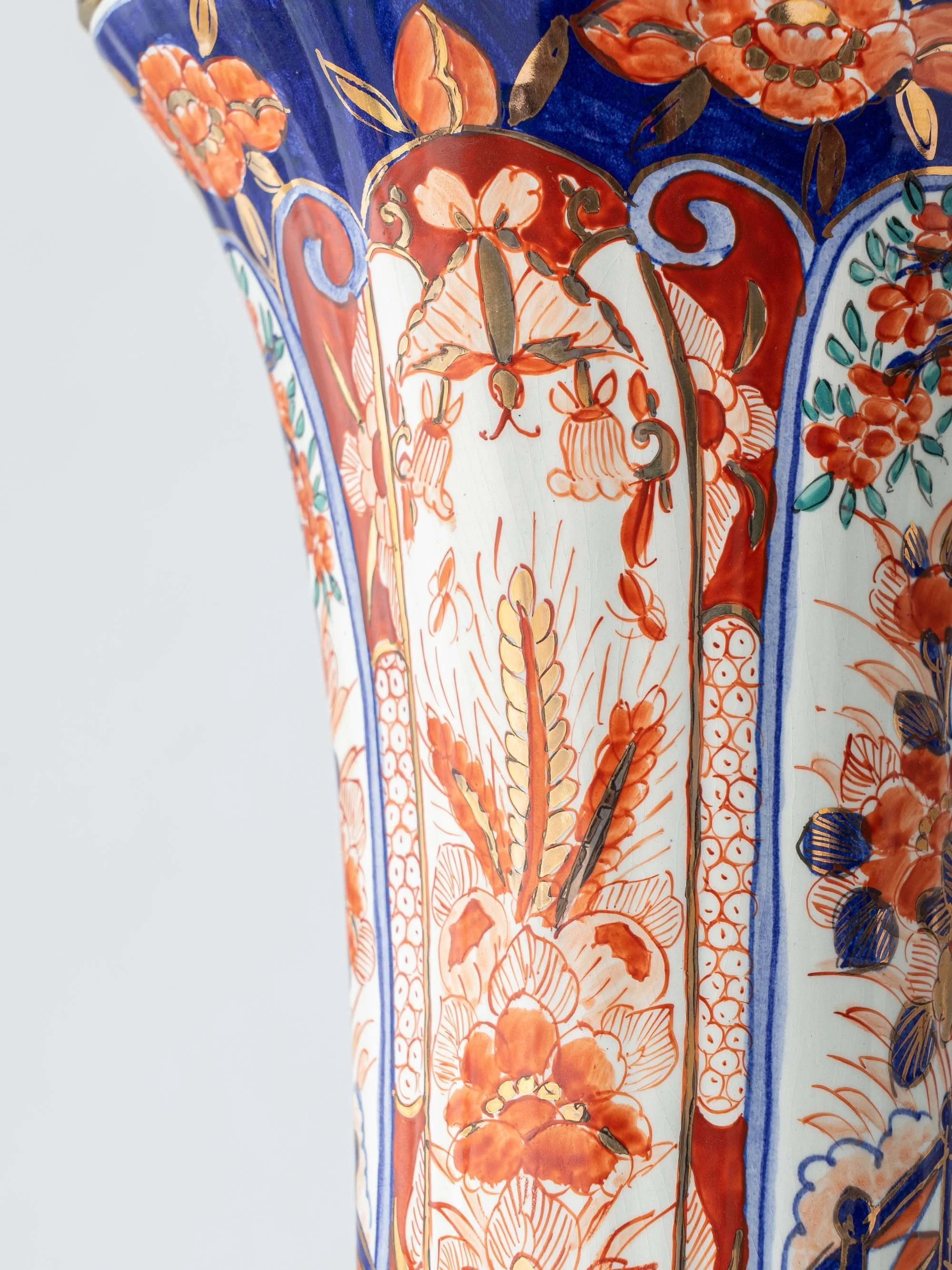
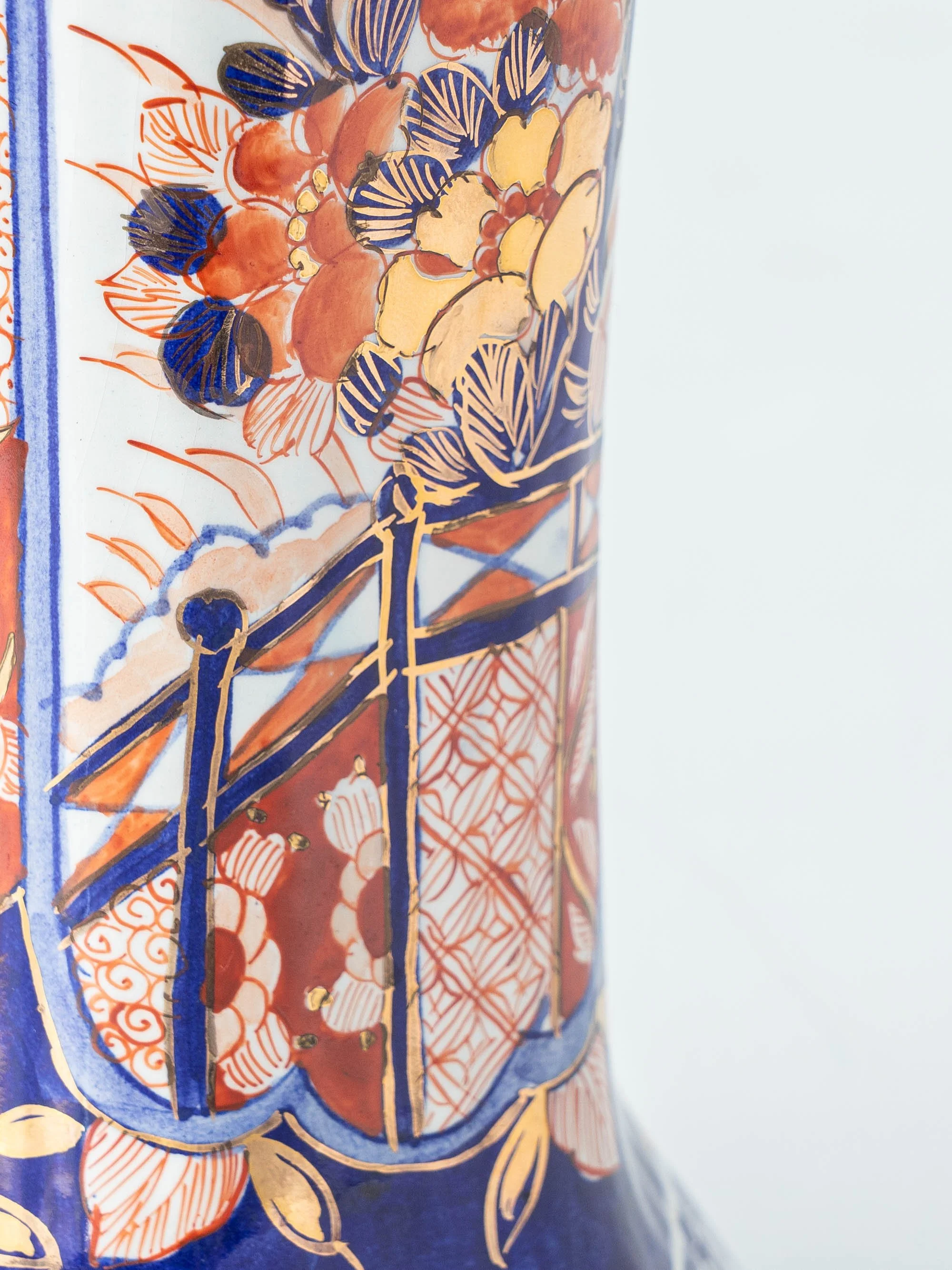
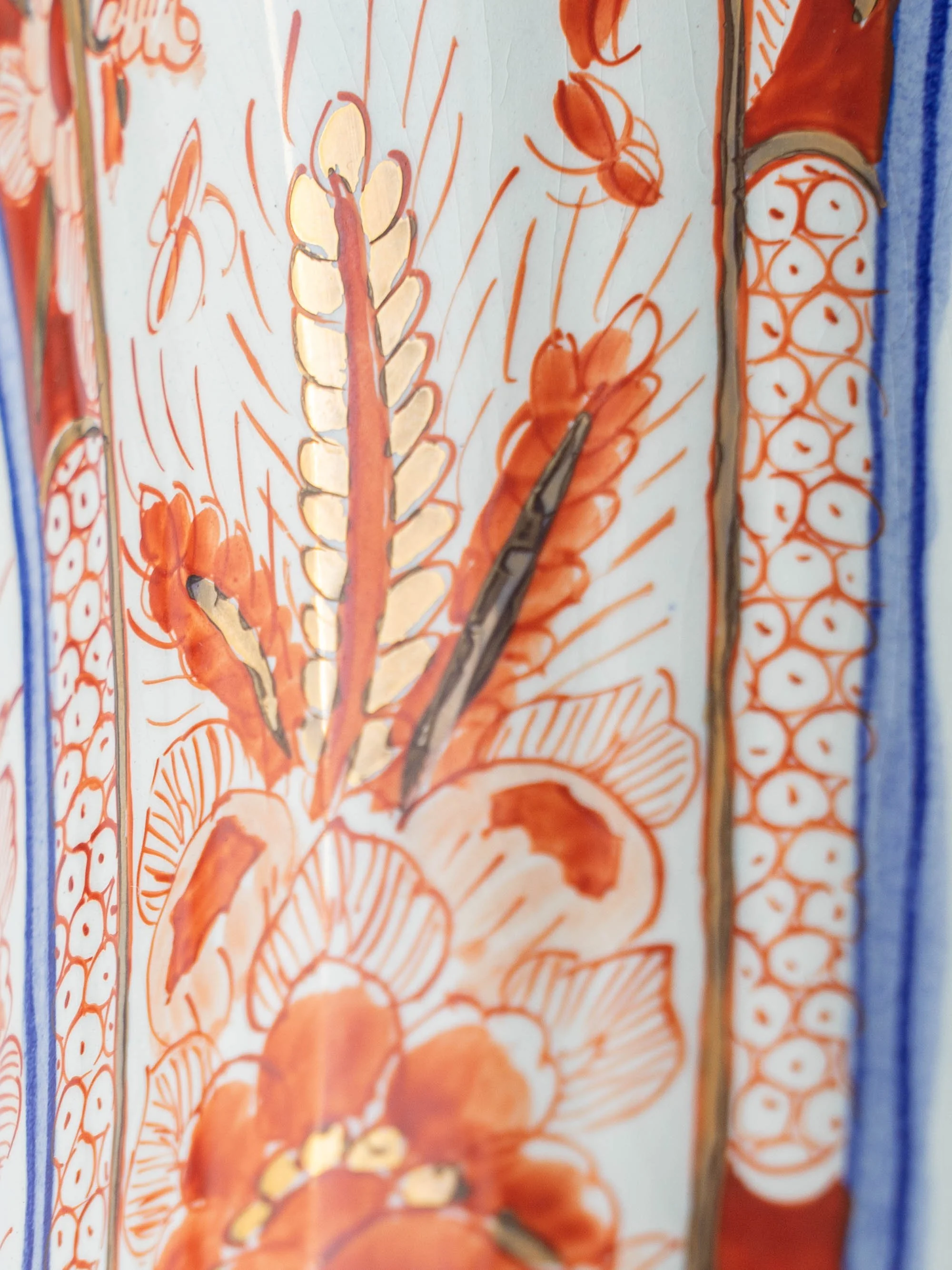
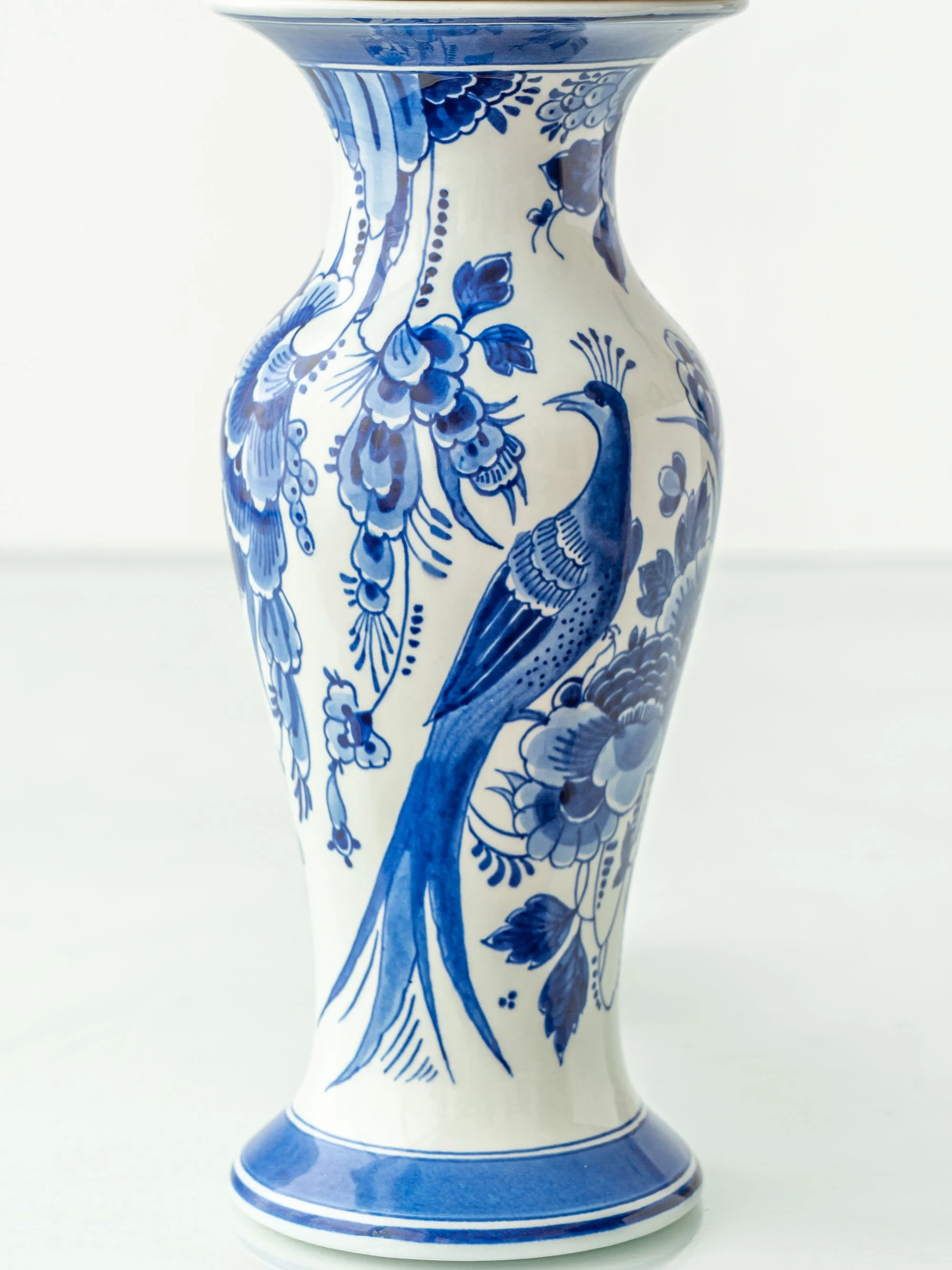
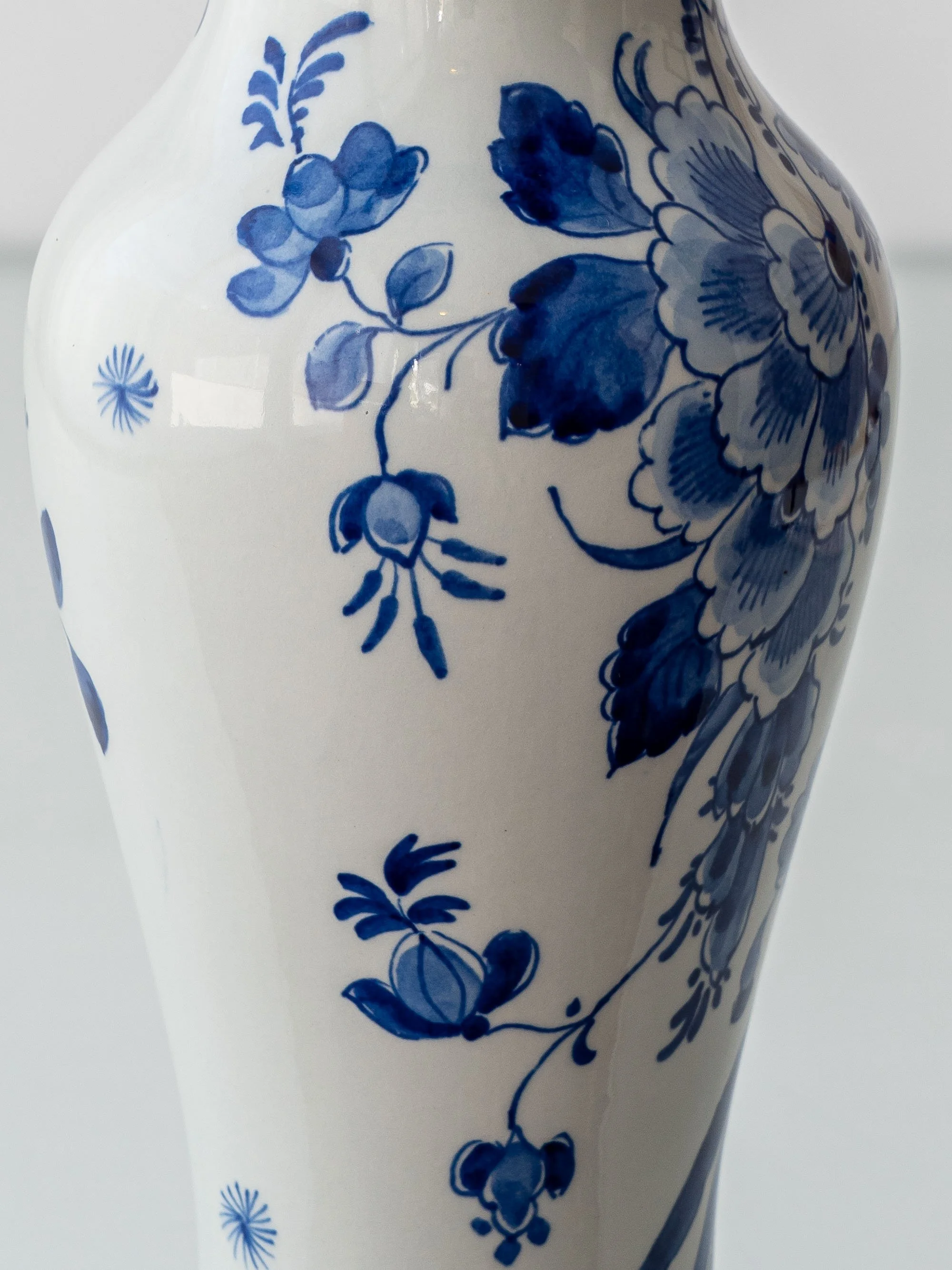
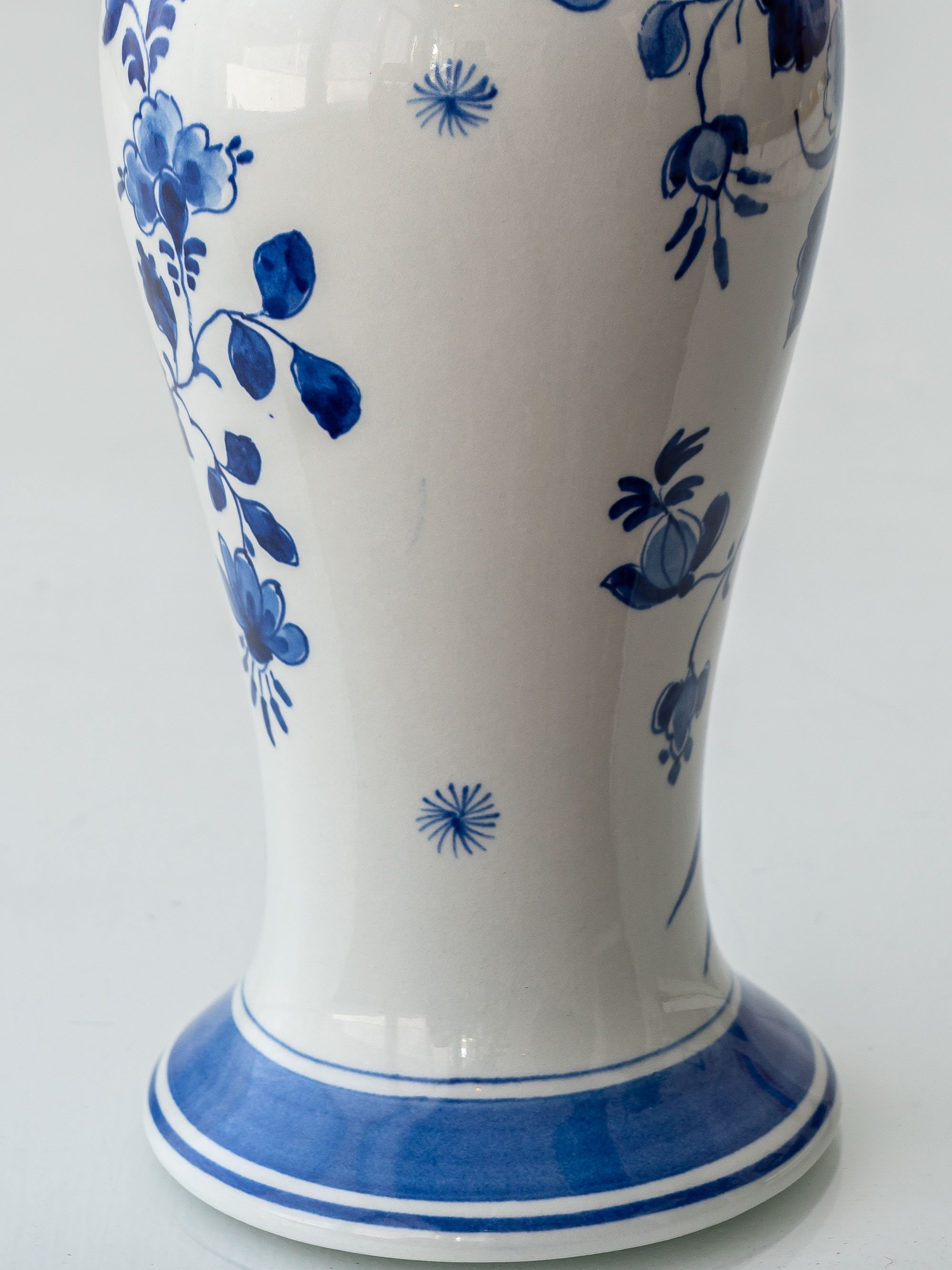
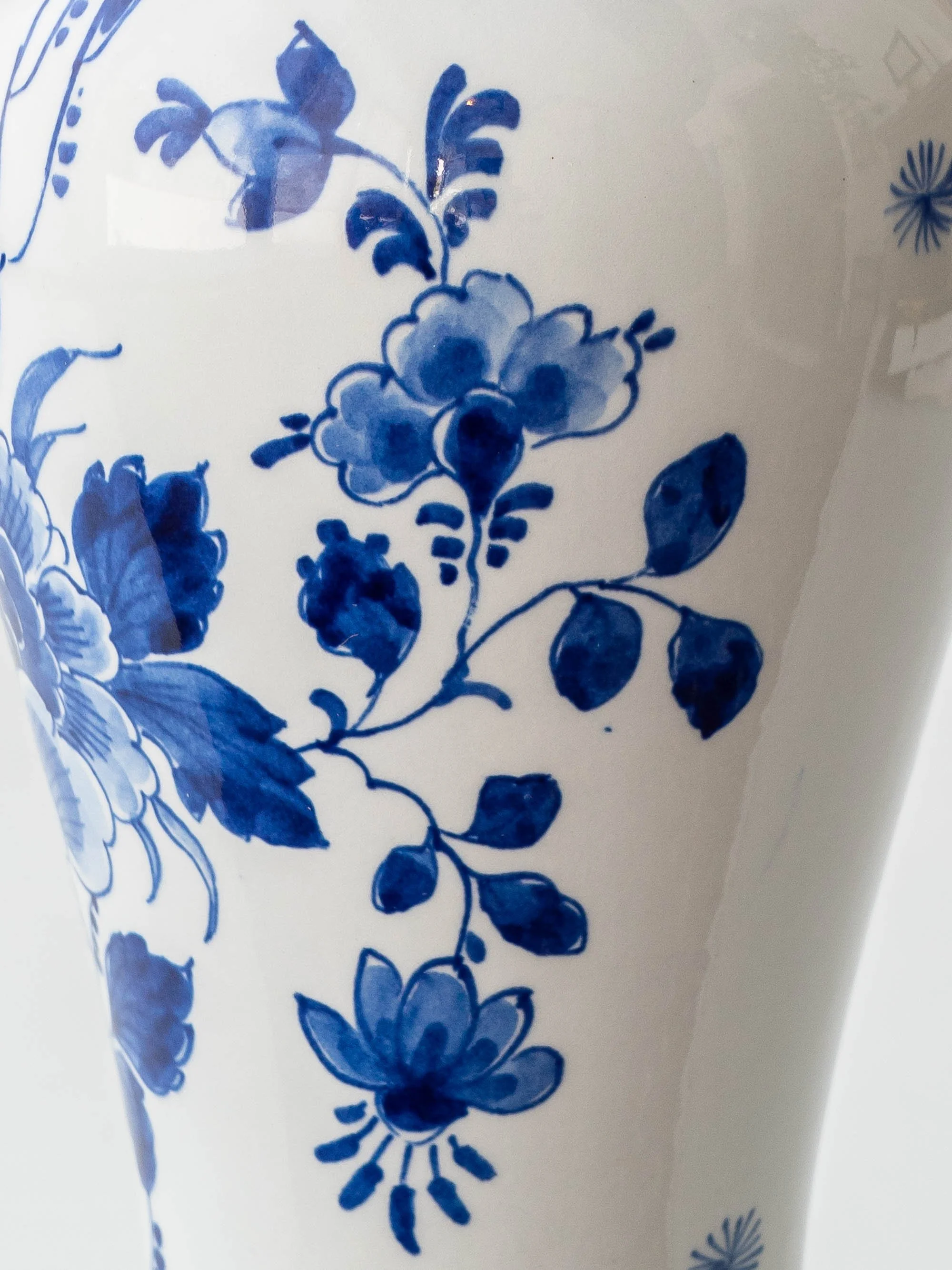
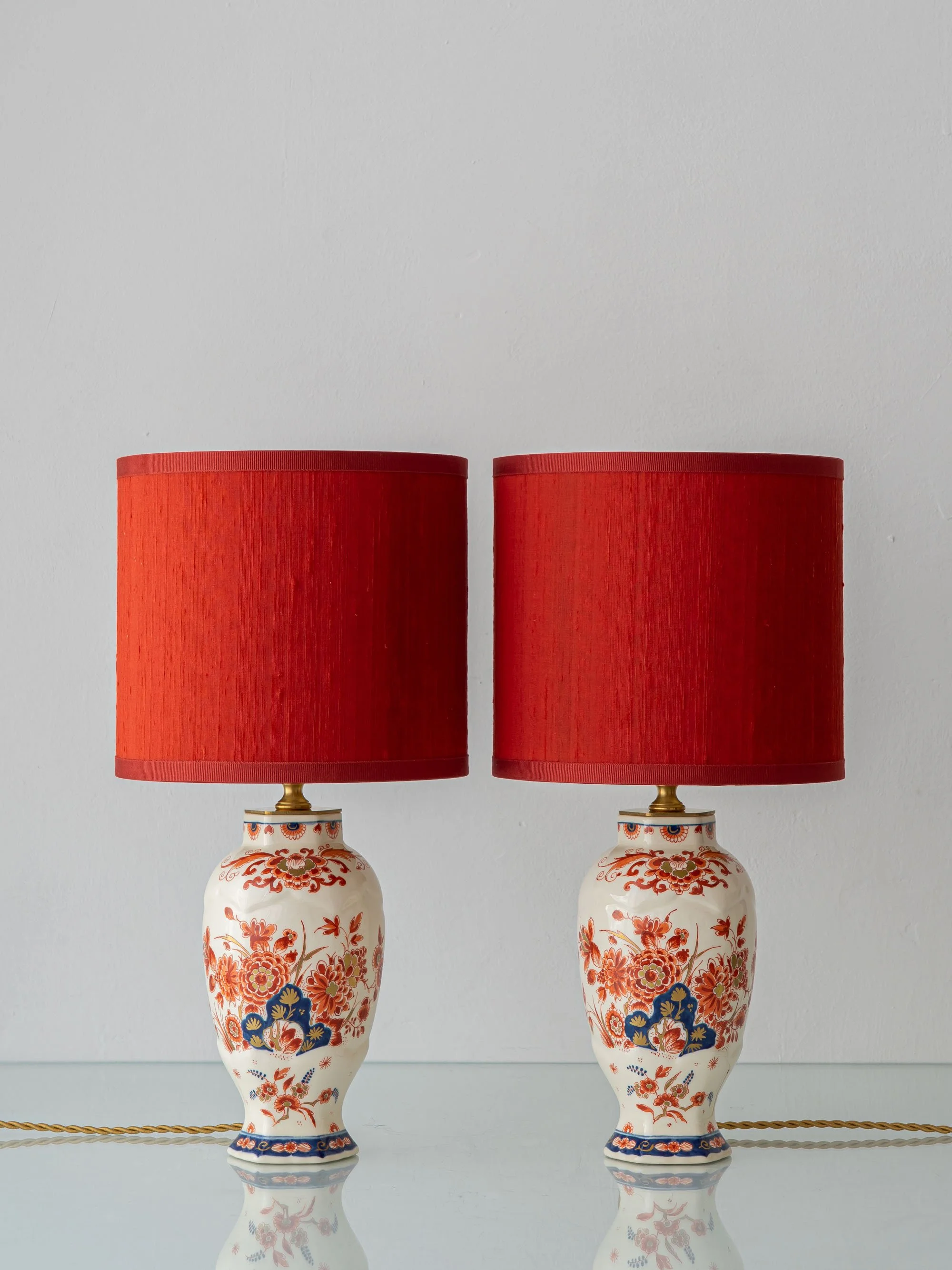
The pair began as two De Porceleyne Fles vases of 1976, hand-painted in iron-red, cobalt blue and gold worked over a cream ground. The palette descends from the Japanese Kakiemon and Imari porcelains that reached the Dutch Republic through the East India trade in the seventeenth century, and which Delft's potteries were replicating by the early eighteenth — the same appetite for East Asian ornament that produced chinoiserie everywhere else in Europe. The name attaches to Adriaan Pijnacker, credited by some historians with the earliest Delftware in Imari colours.
Pijnacker decoration is expensive to make, and always has been. Standard Delft blue is painted under the glaze and fired once at high temperature; the red and gold of an Imari piece must be applied over the glaze and fired a second time at a lower one, and the gold is pure 24-karat. De Porceleyne Fles had produced the style since 1902 and stopped in 2009 because of what it cost. Pieces like these have been getting harder to find ever since.
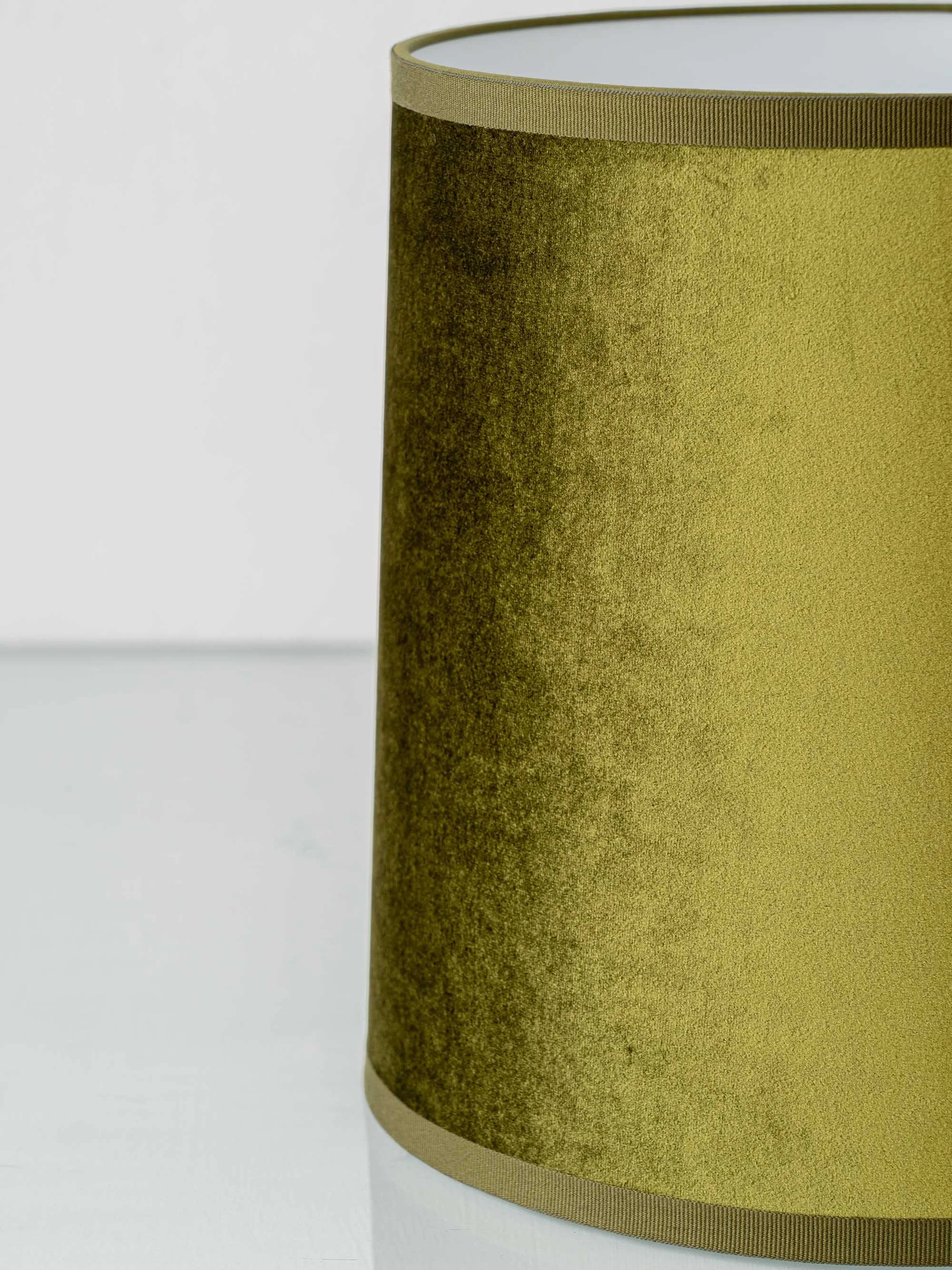
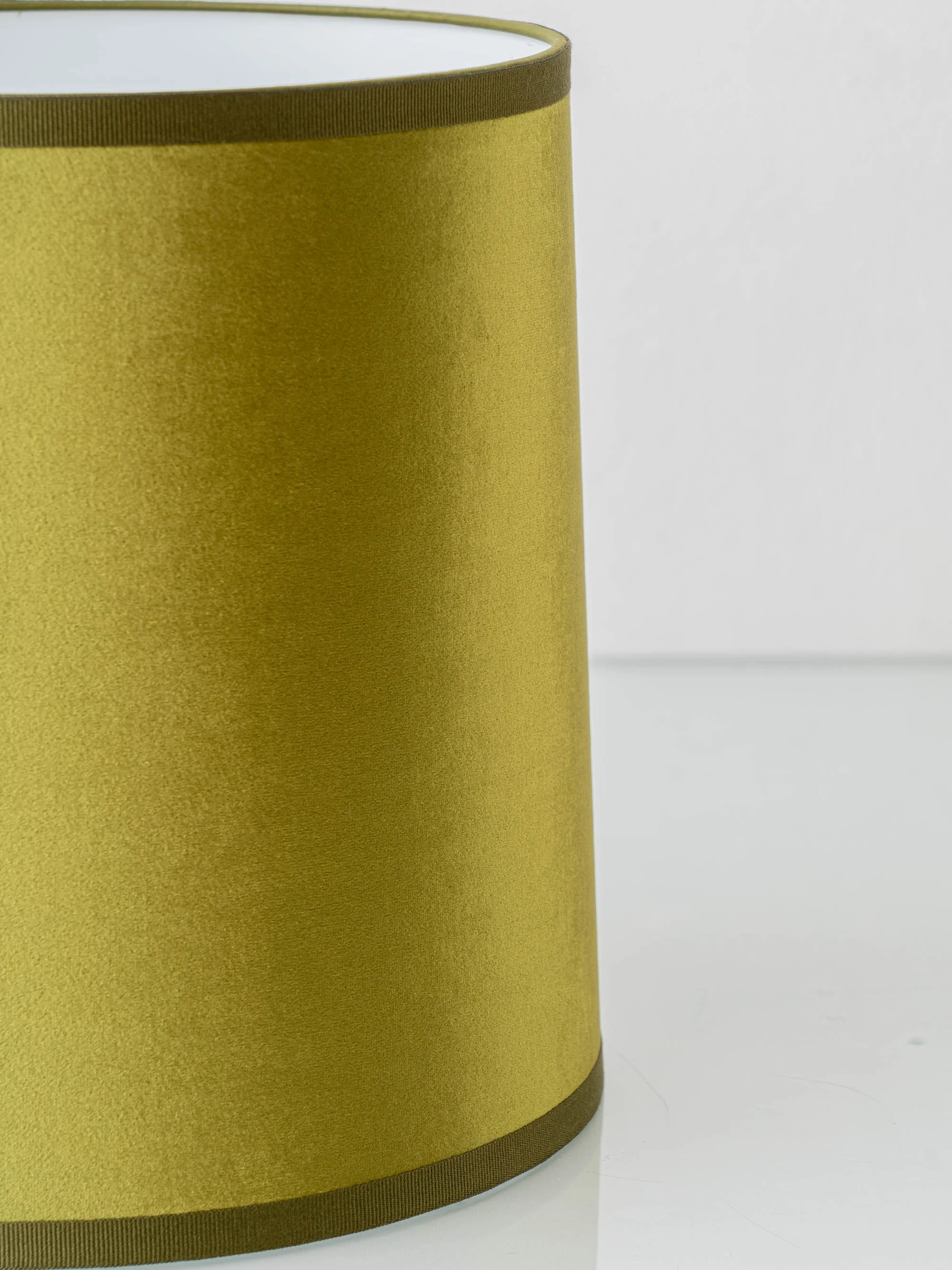
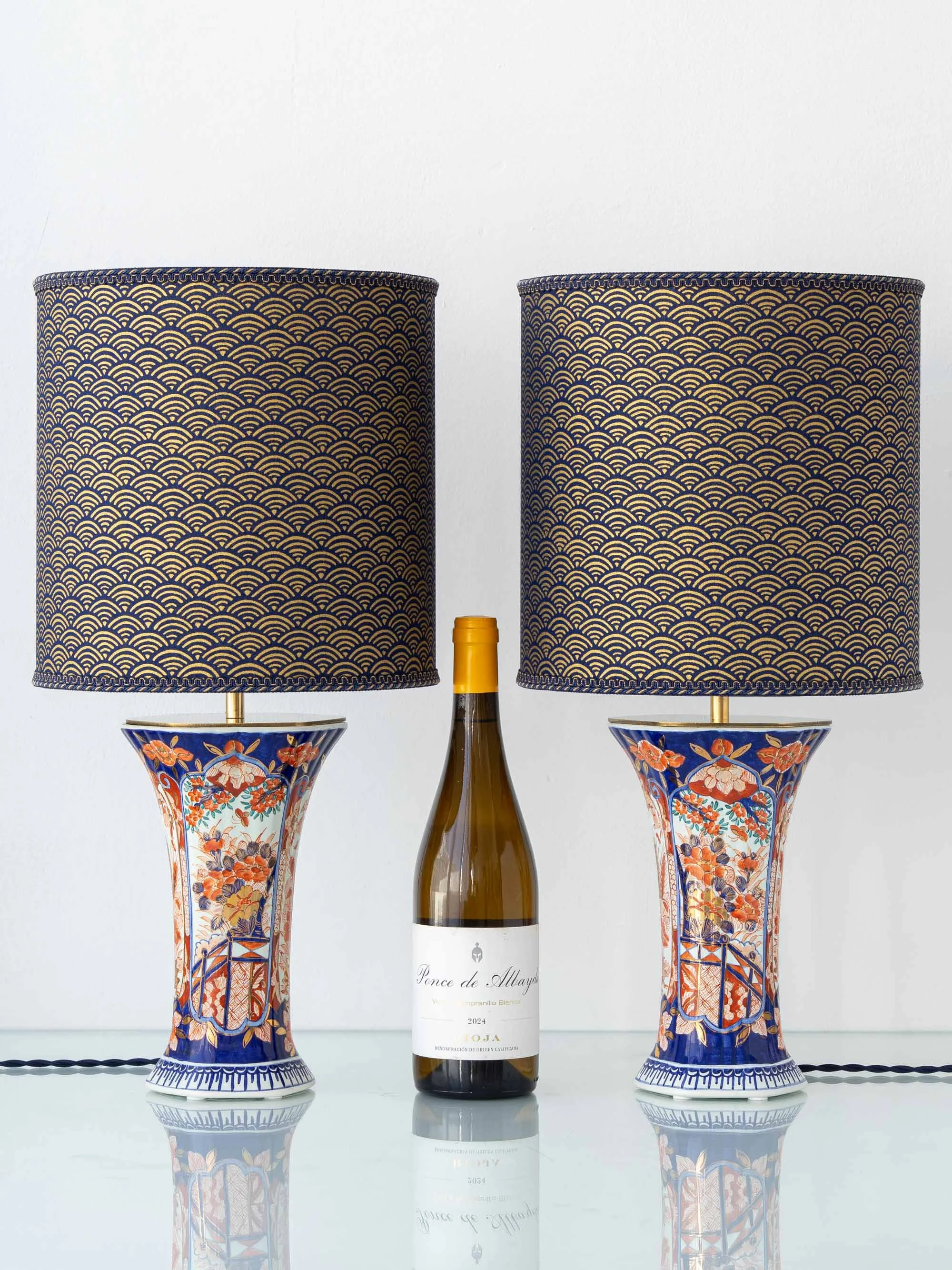
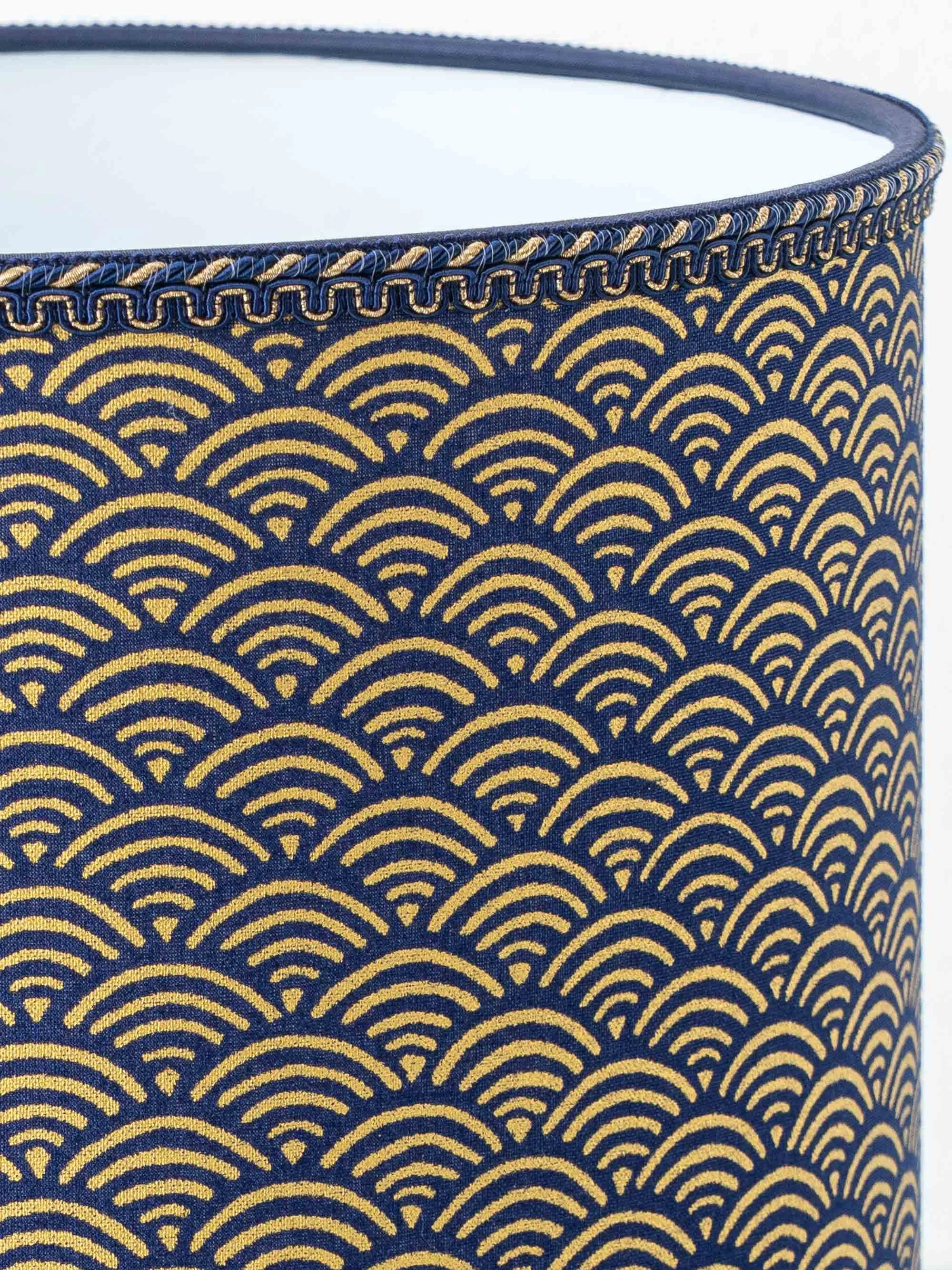
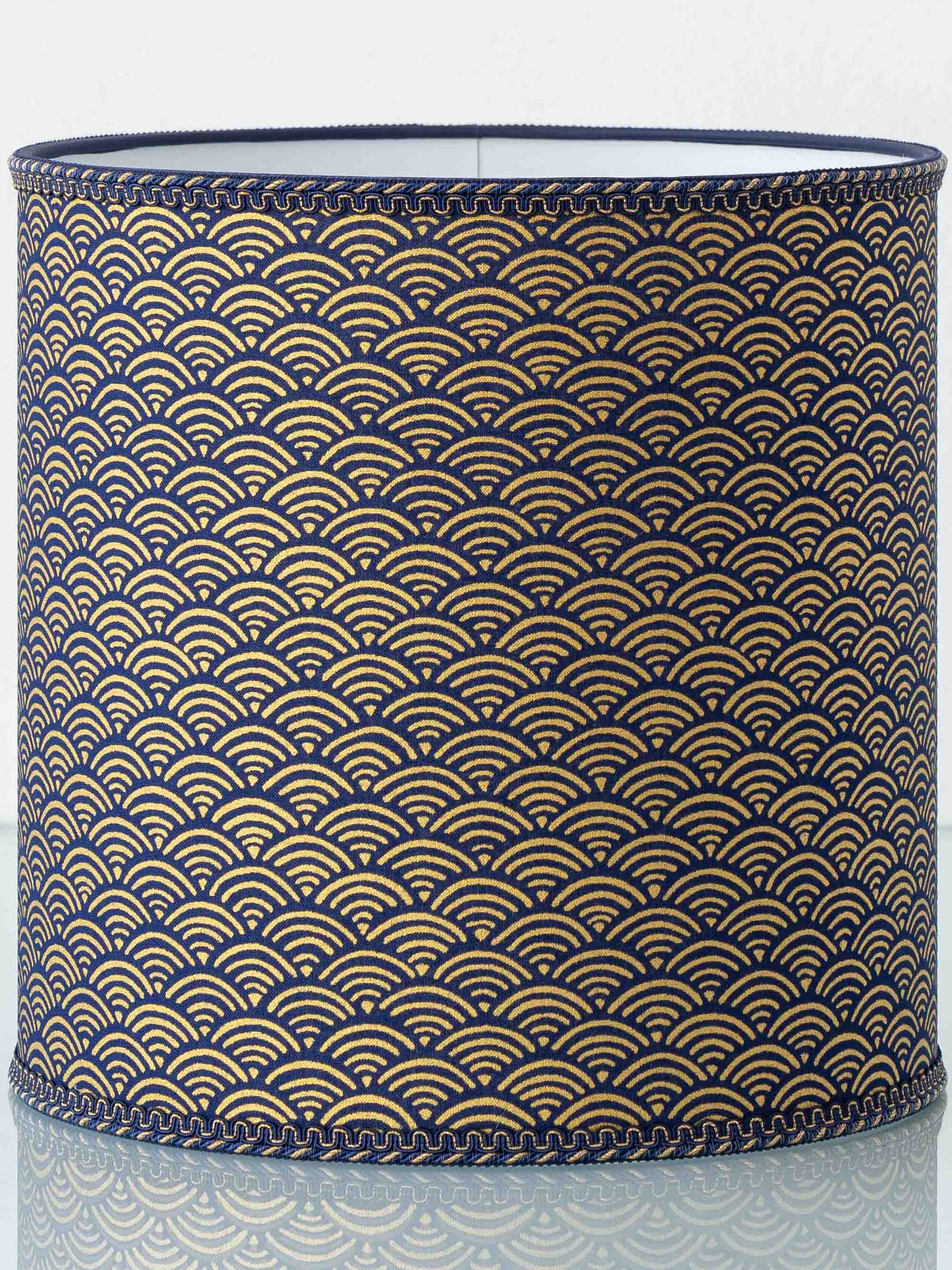
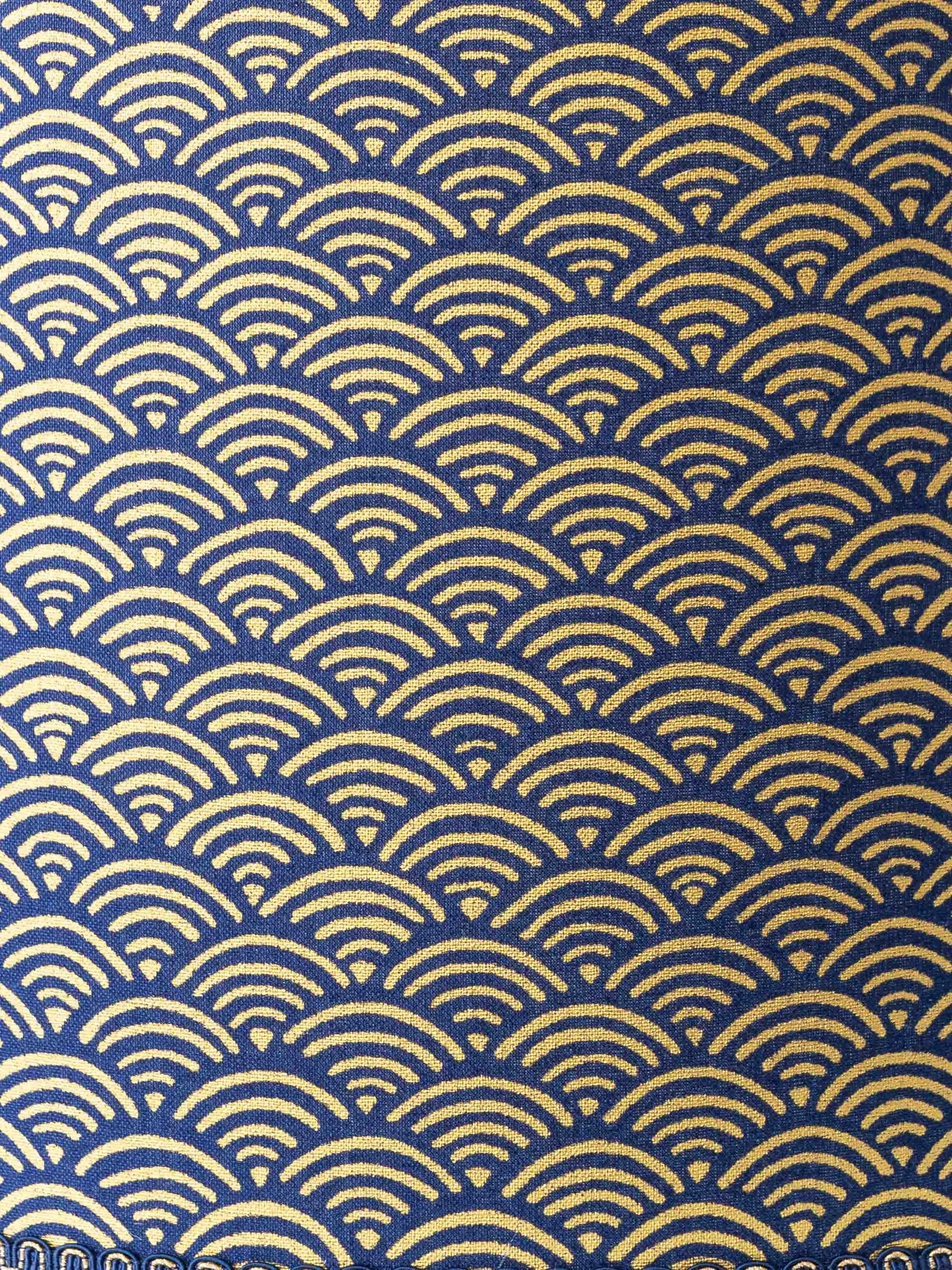
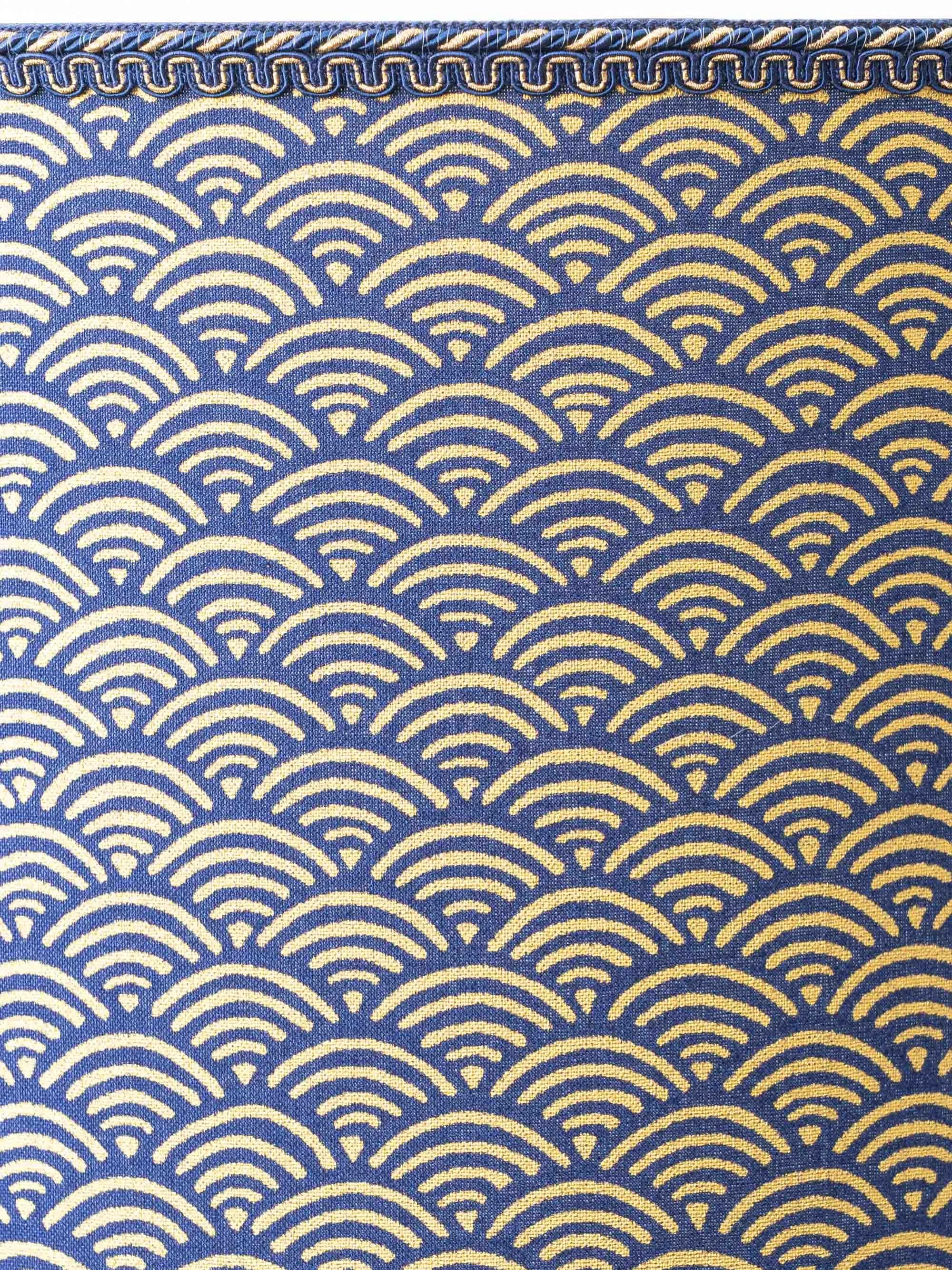
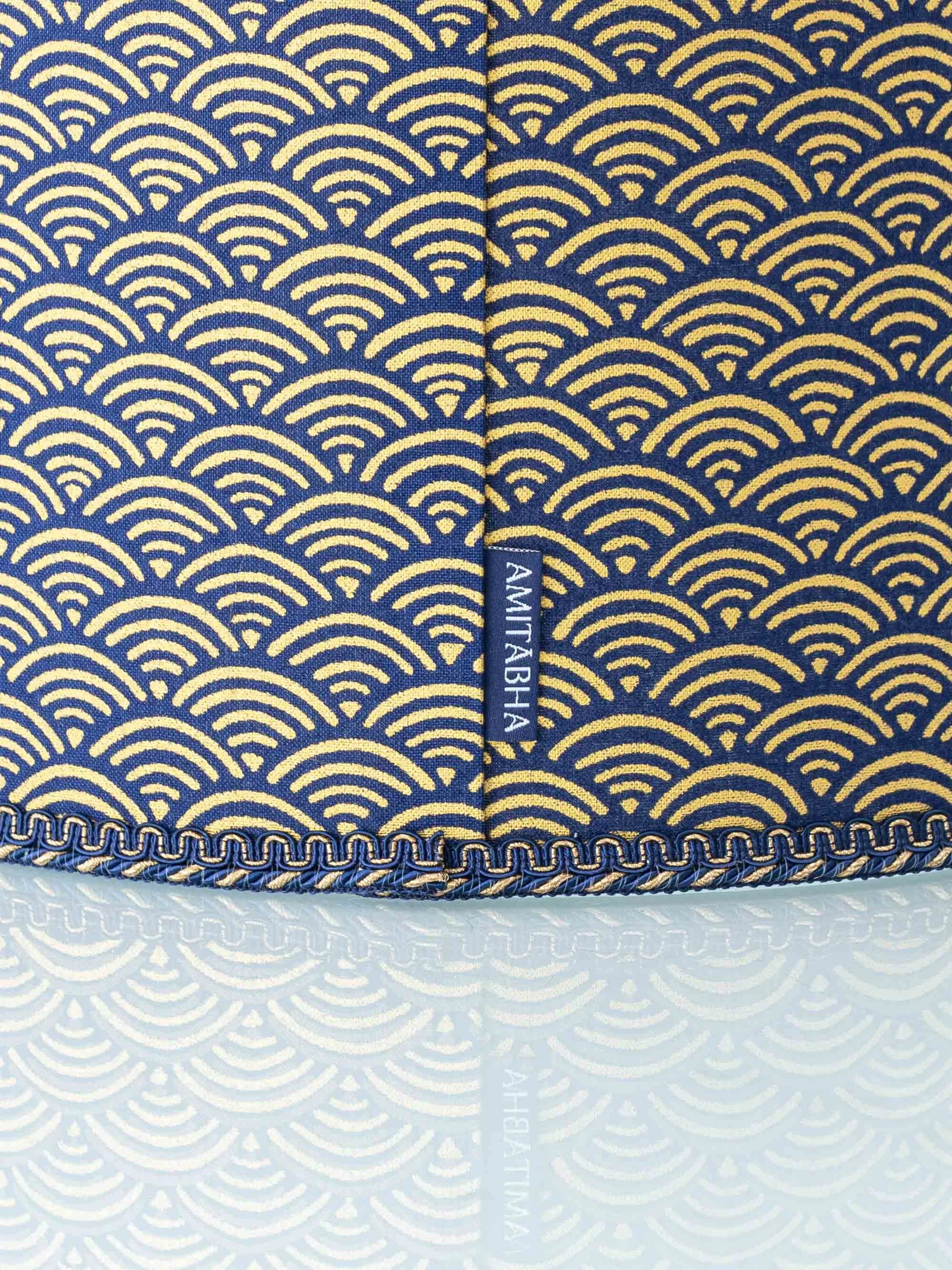
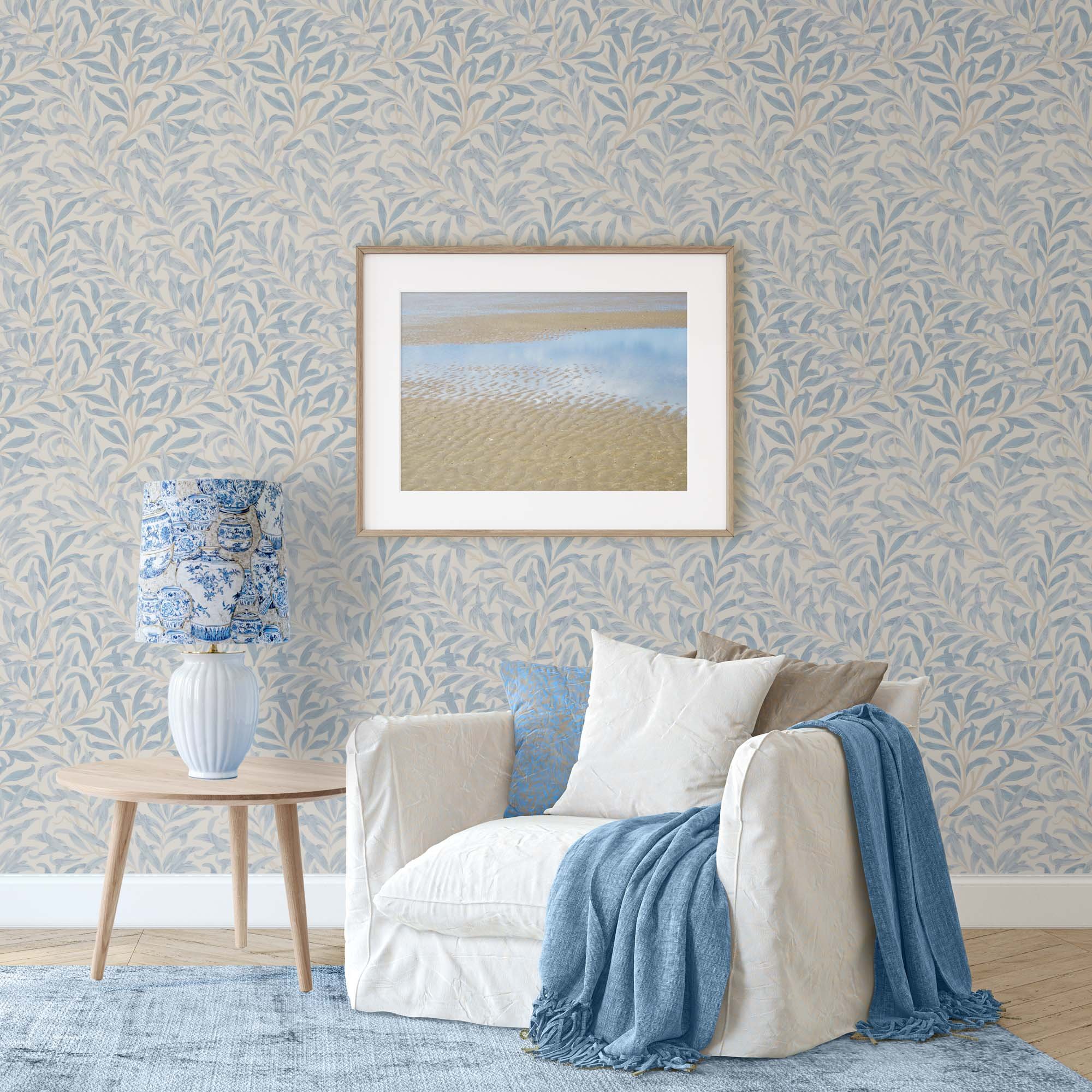
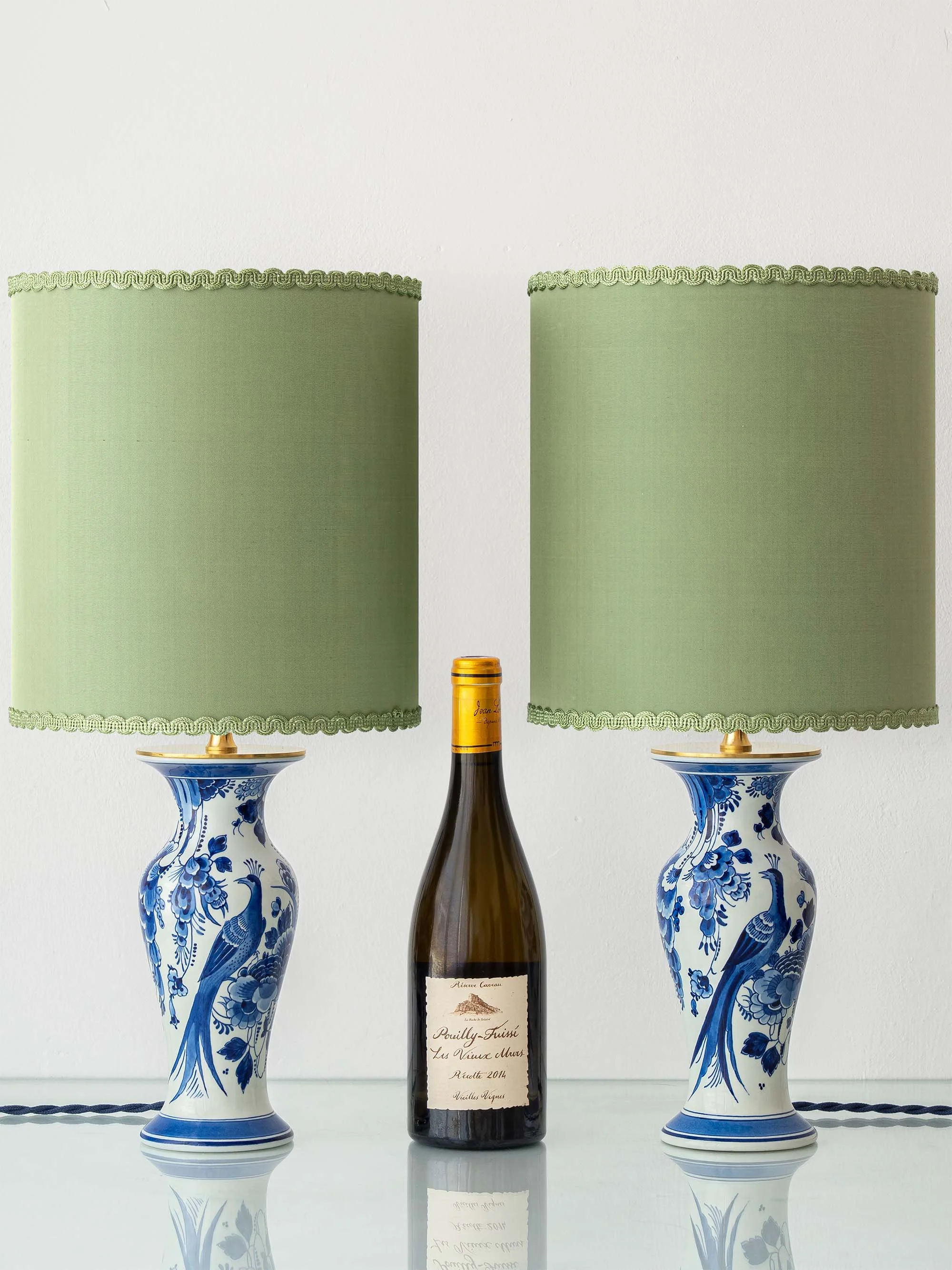
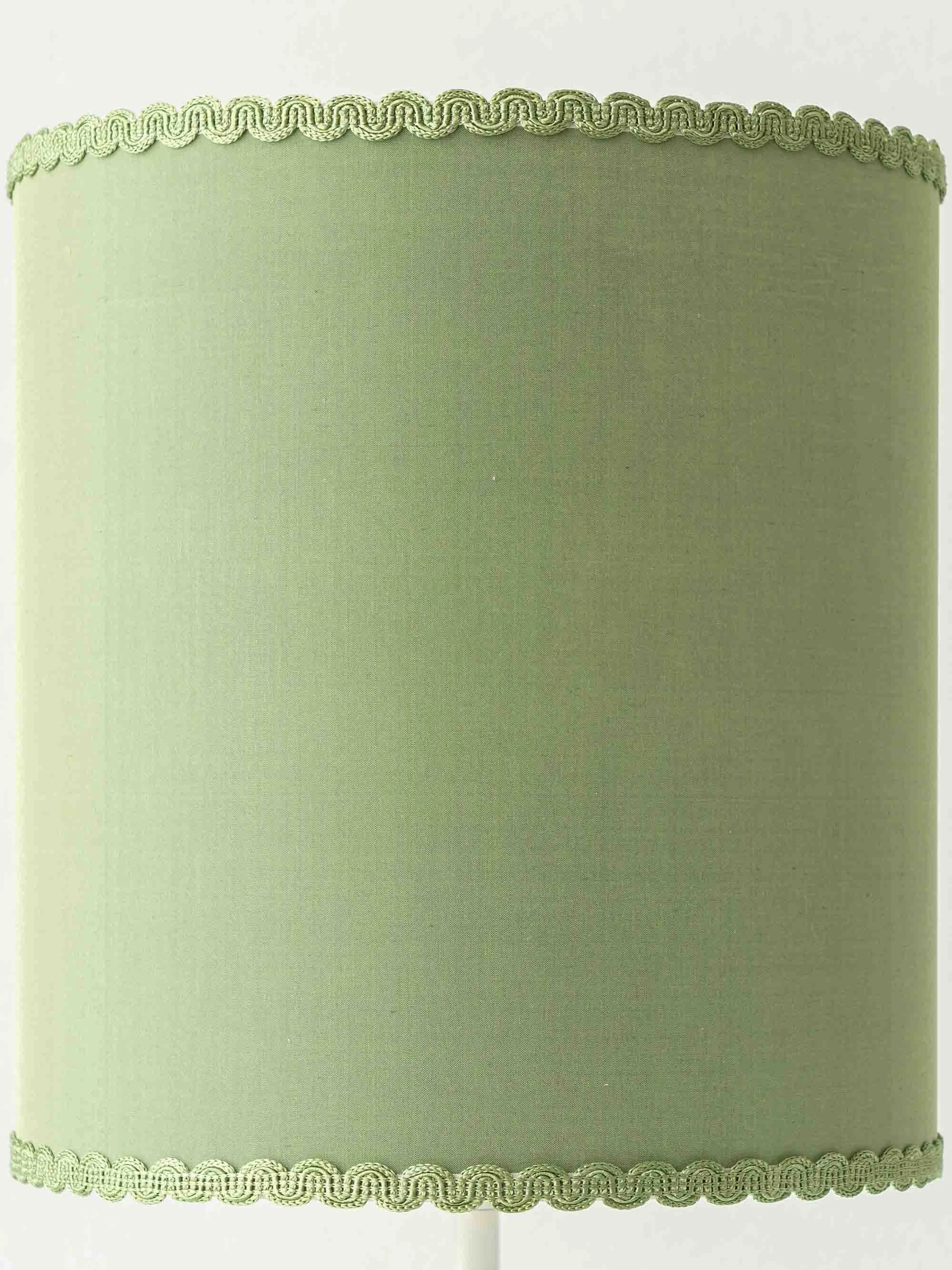
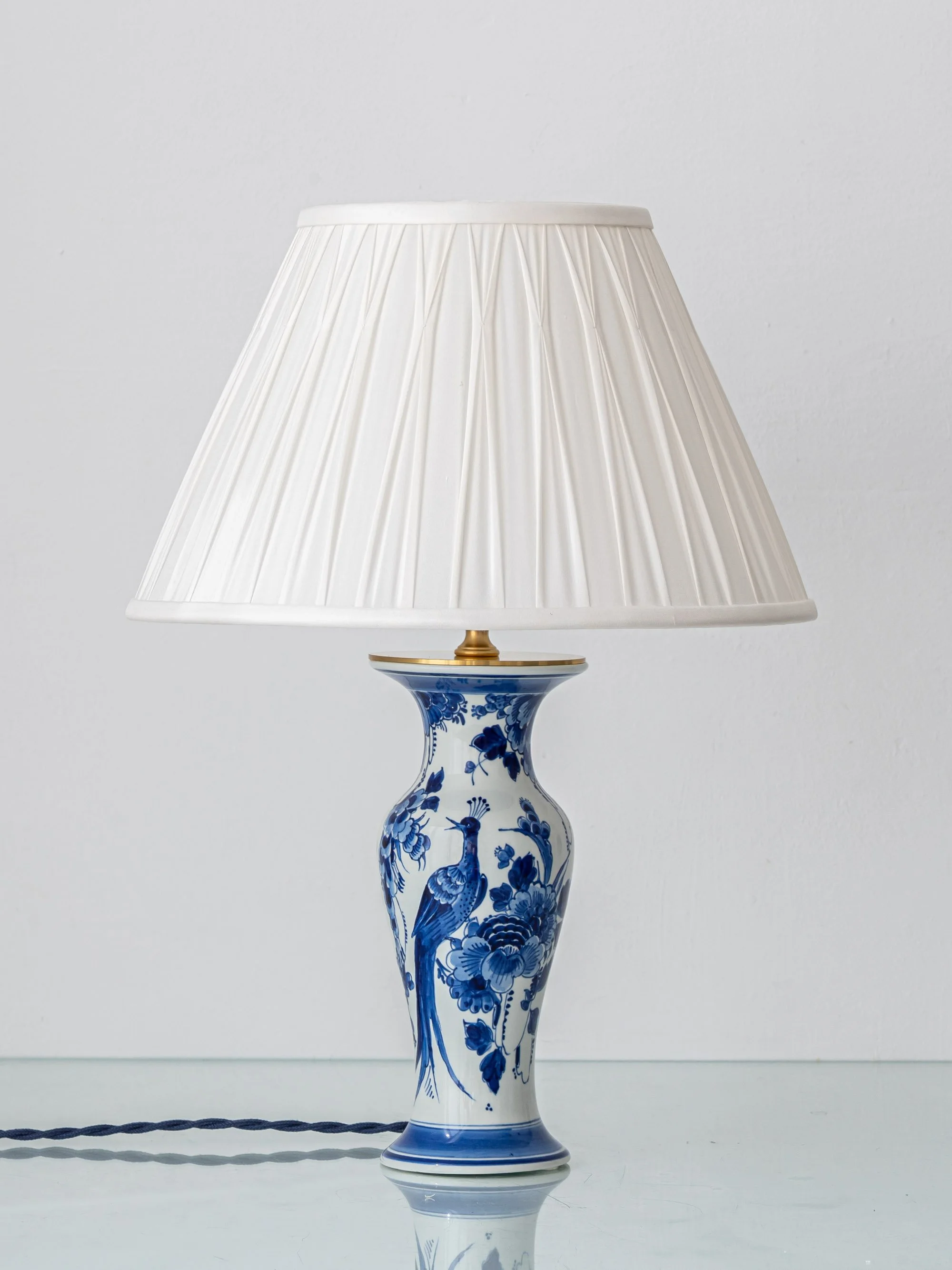
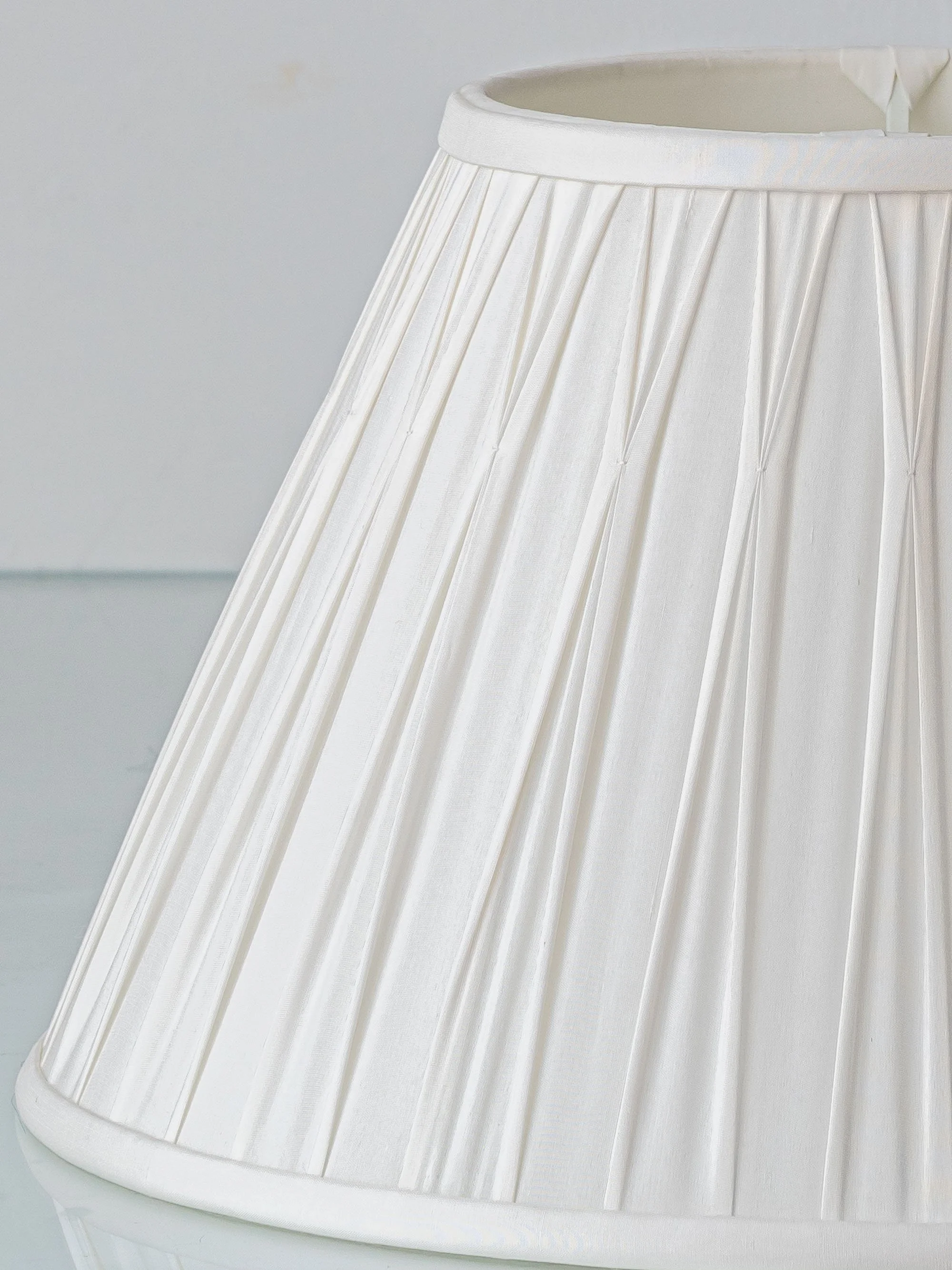
The shades are new: vermilion red dupion silk, cut wide, with twisted gold fabric-wrapped cords below. At 44 cm the pair is compact enough to flank a chimneypiece or a pair of bedside tables, which is not always true of Delft in this palette.
About Royal Delft (De Porceleyne Fles)
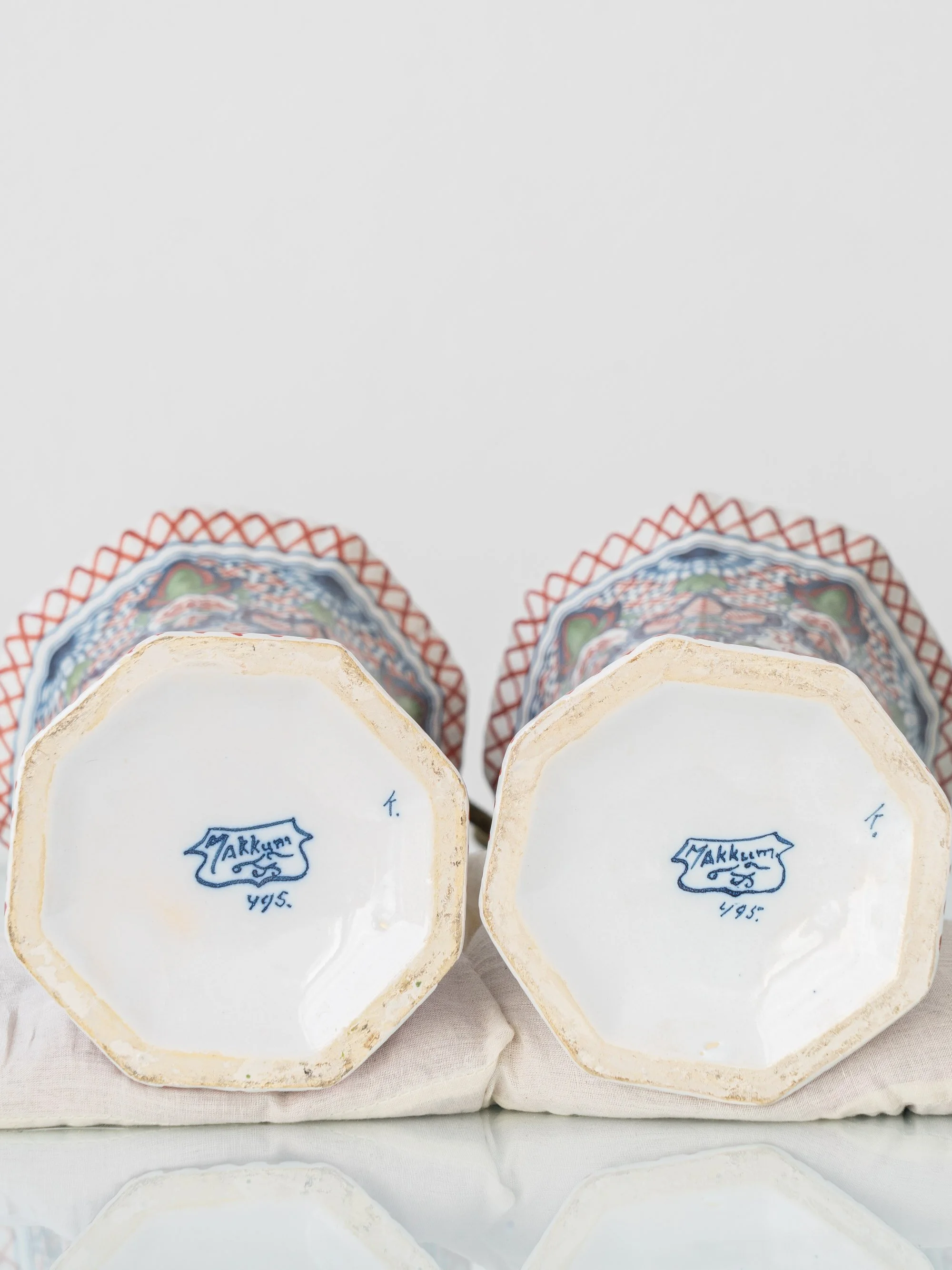
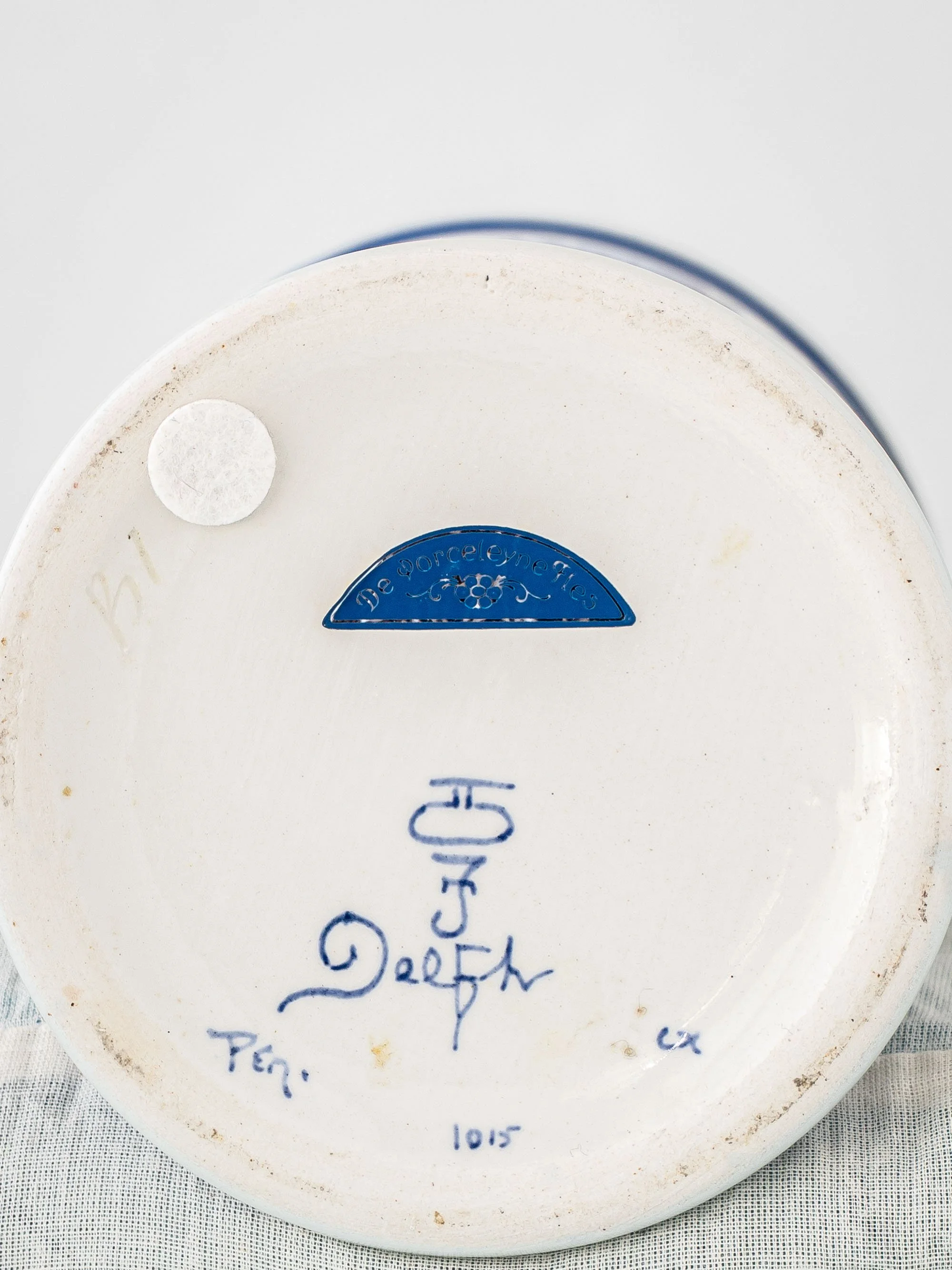
Founded in Delft in 1653, De Porceleyne Fles is the last of the city's original potteries still working, and the only one in continuous production since the Dutch Golden Age. Since 1879 it has marked every hand-painted piece with the house's bottle-and-monogram cipher, the painter's initials and a letter code for the year, which is how a piece like this one is dated precisely rather than approximately. Of everything the factory has produced, the Delftware in the Pijnacker palette is among the most collected.