 Image 1 of 14
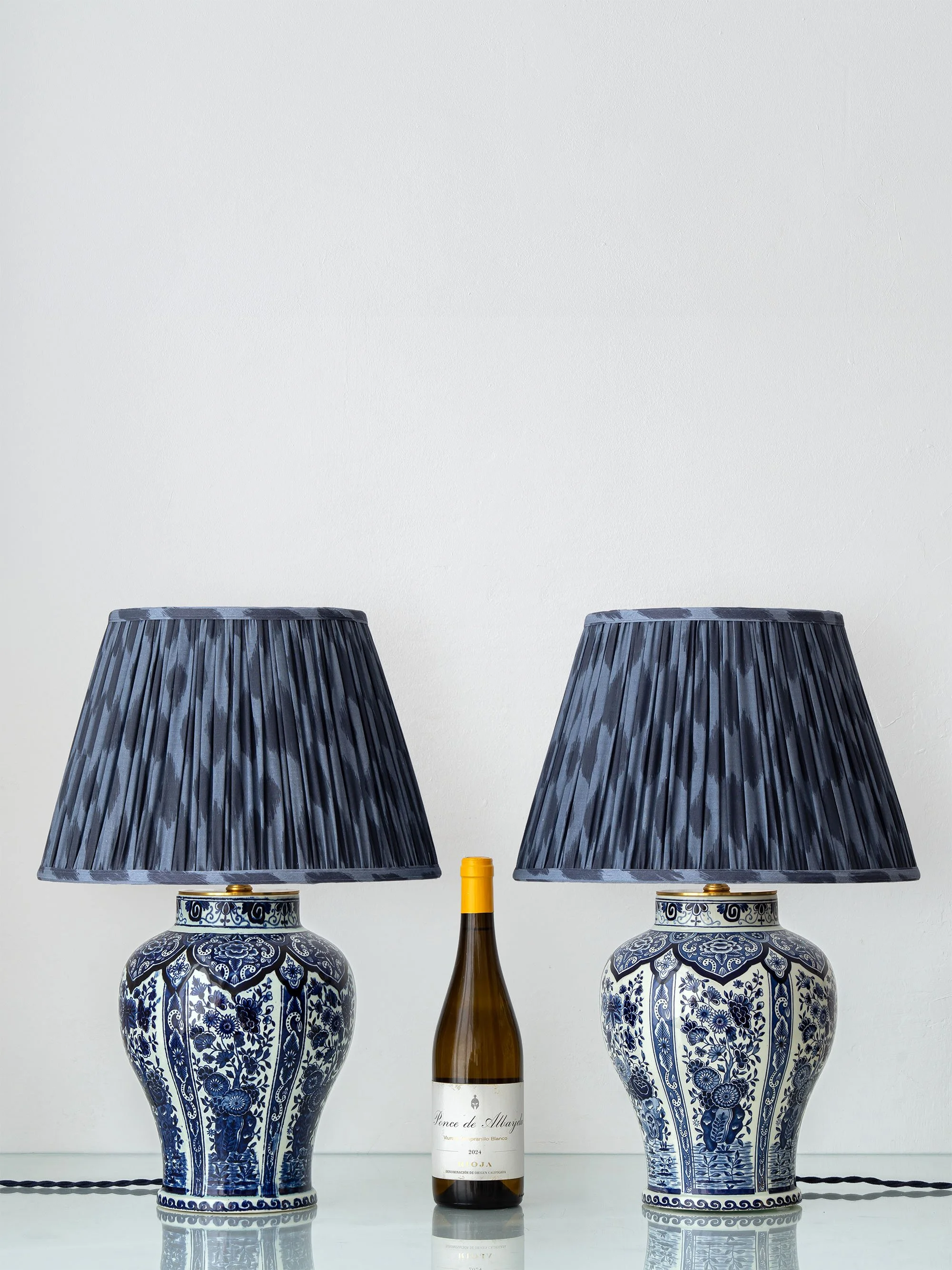 Image 2 of 14
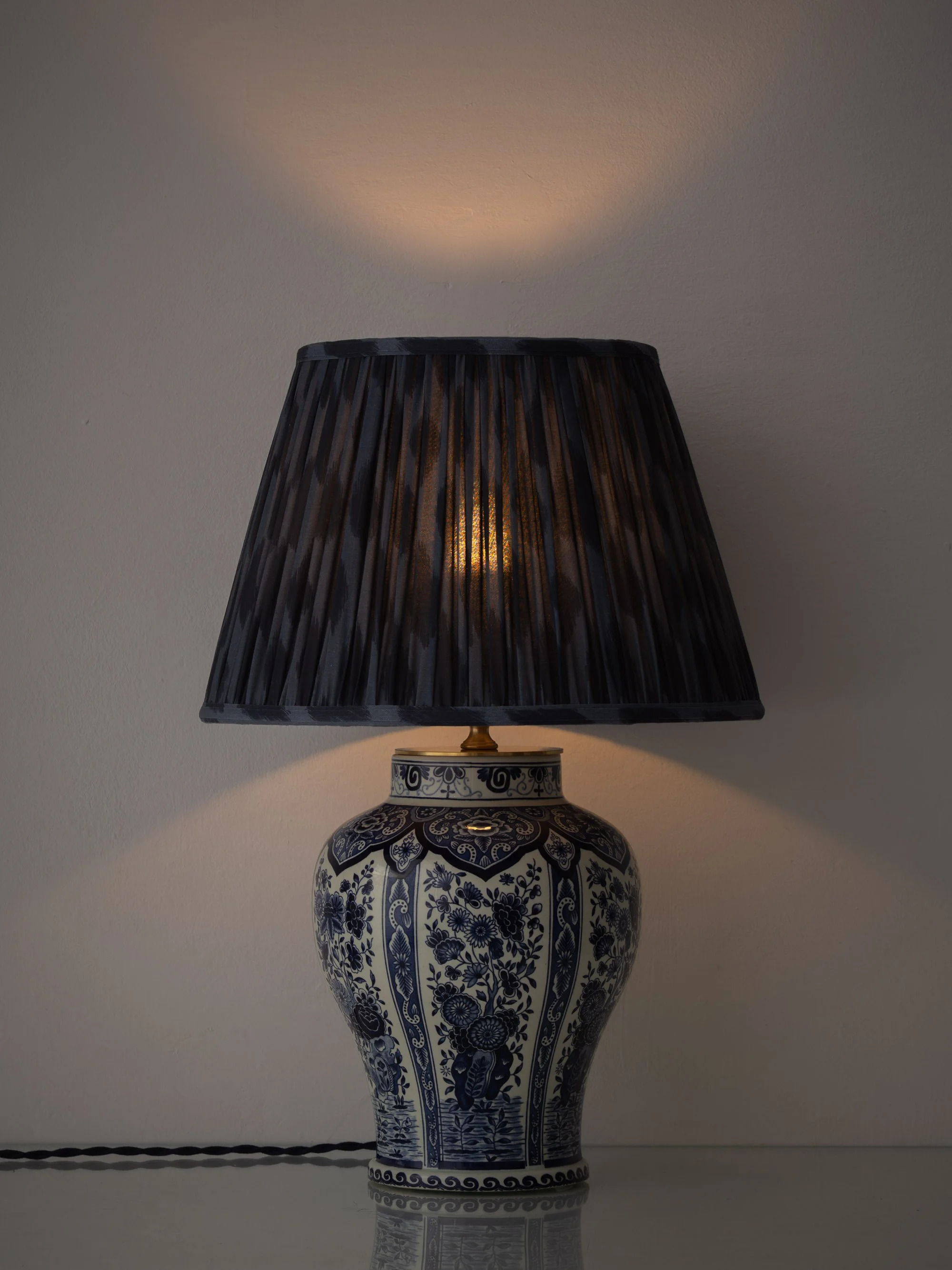 Image 3 of 14
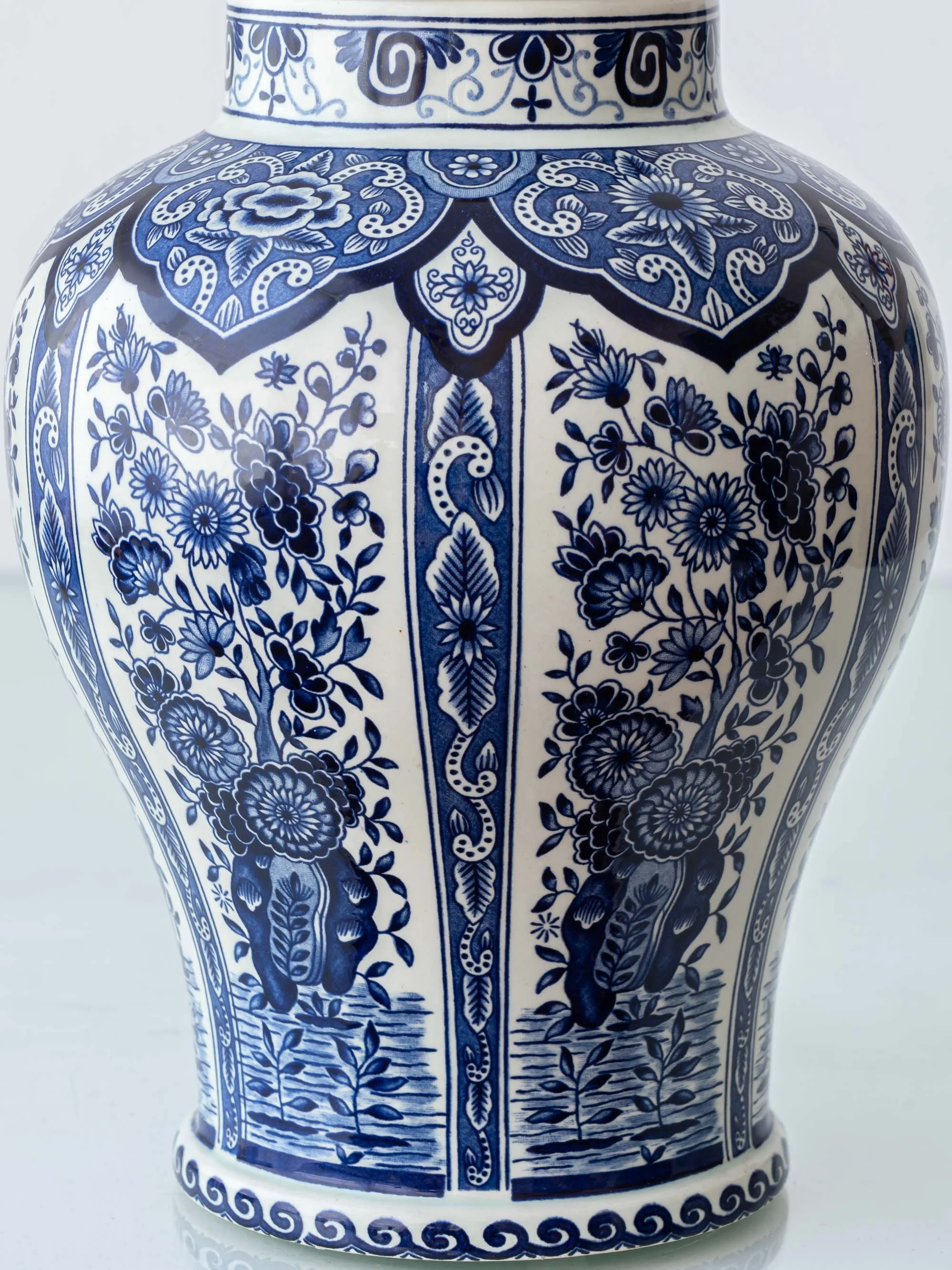 Image 4 of 14
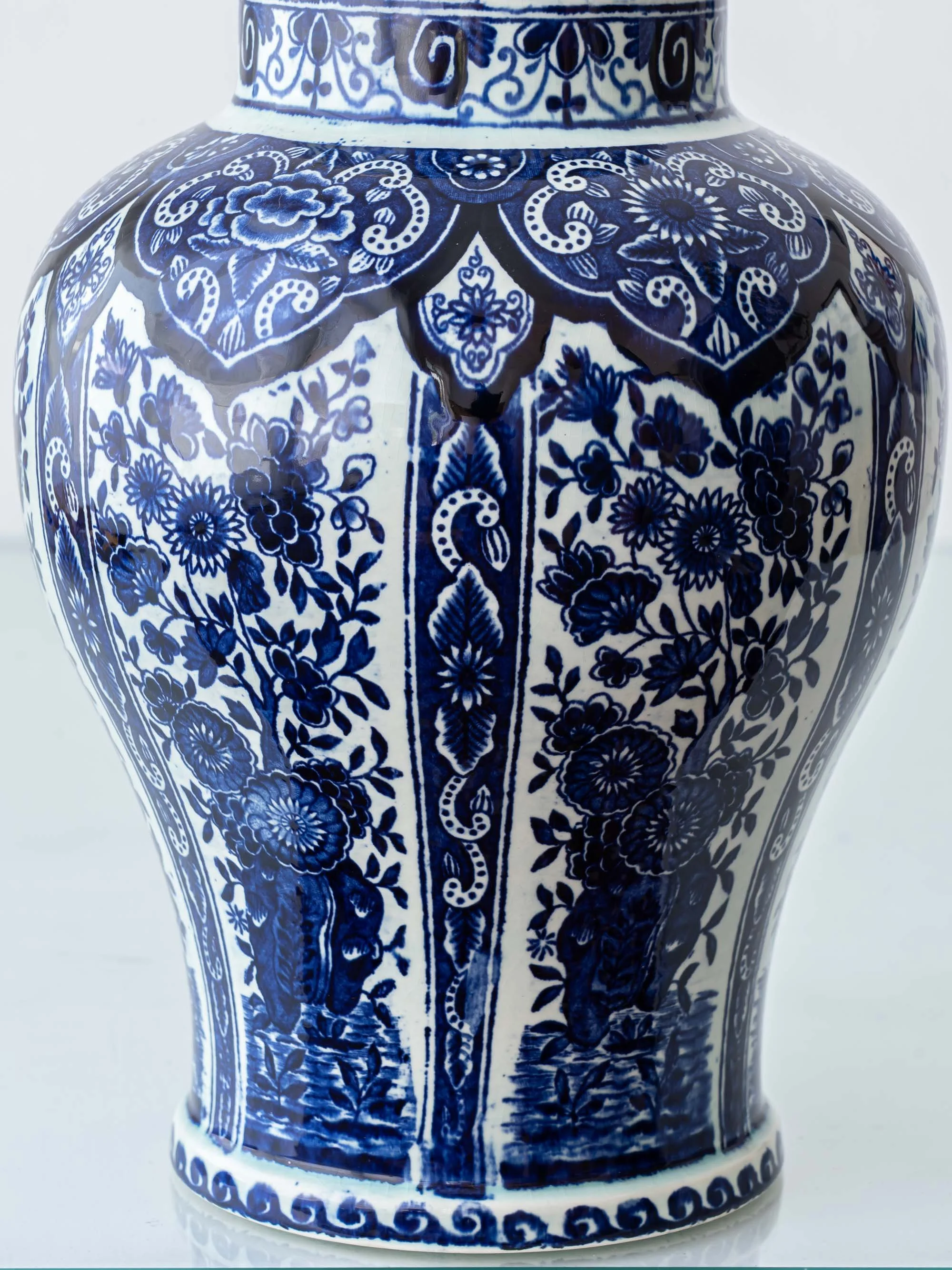 Image 5 of 14
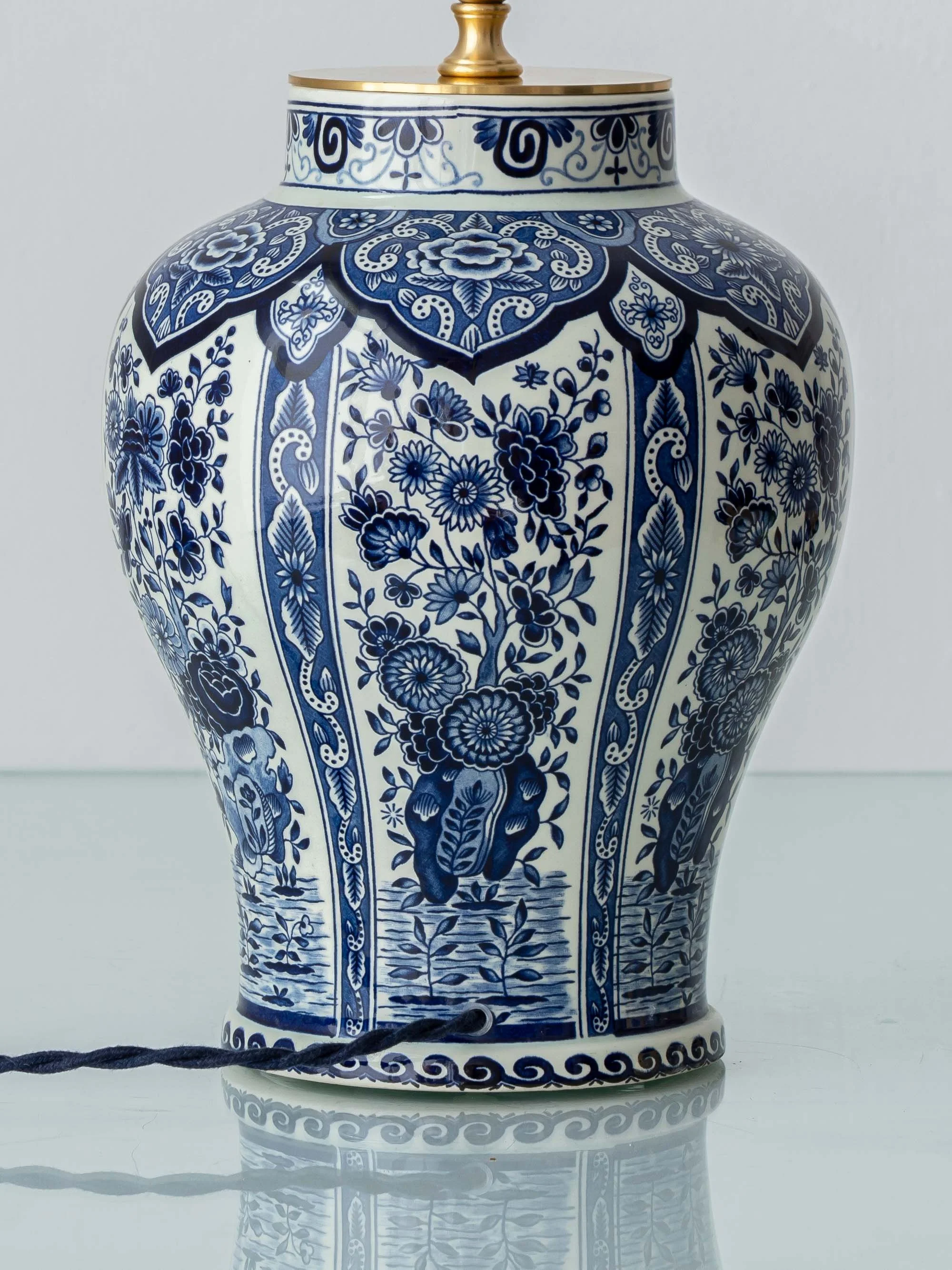 Image 6 of 14
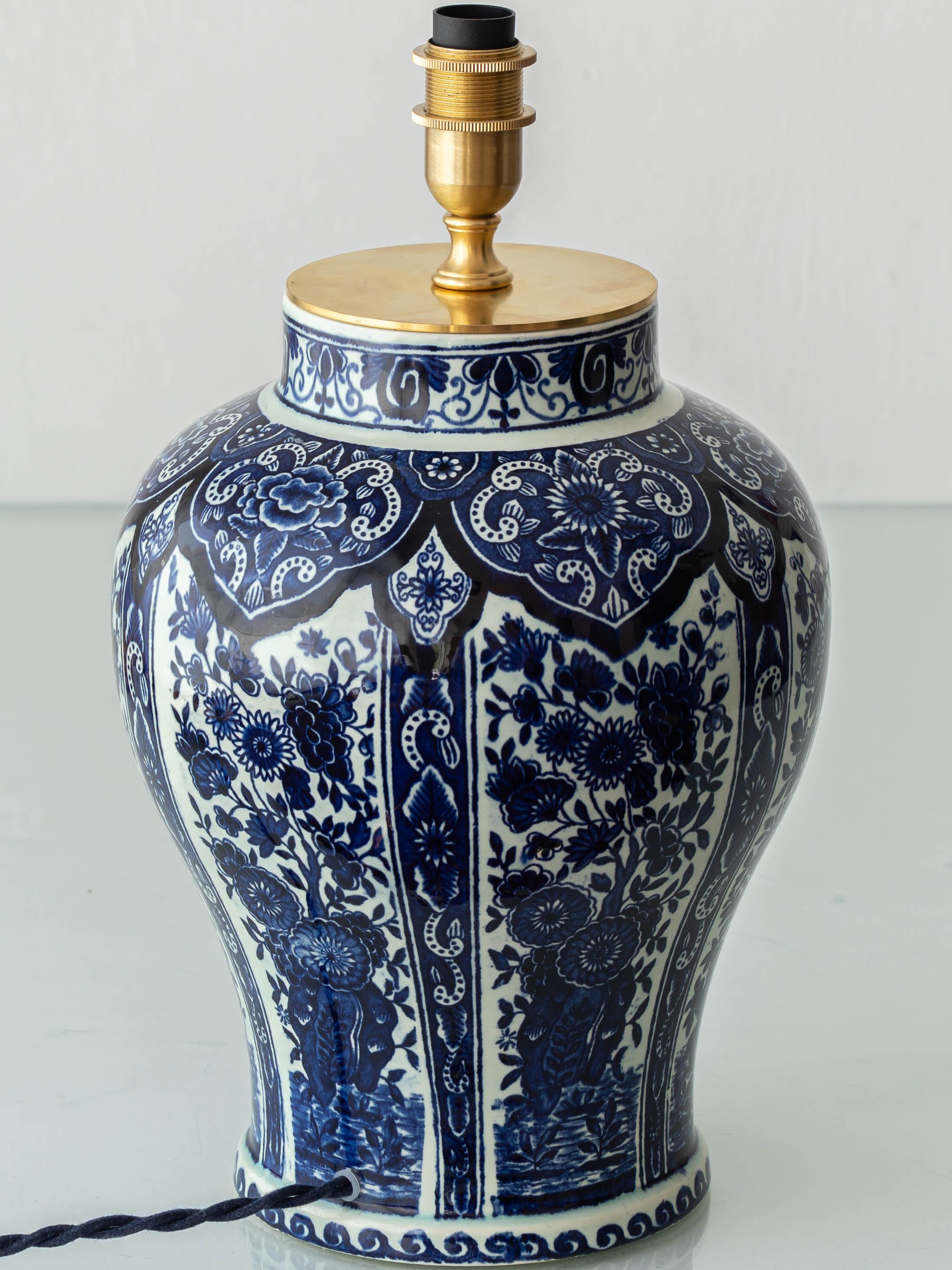 Image 7 of 14
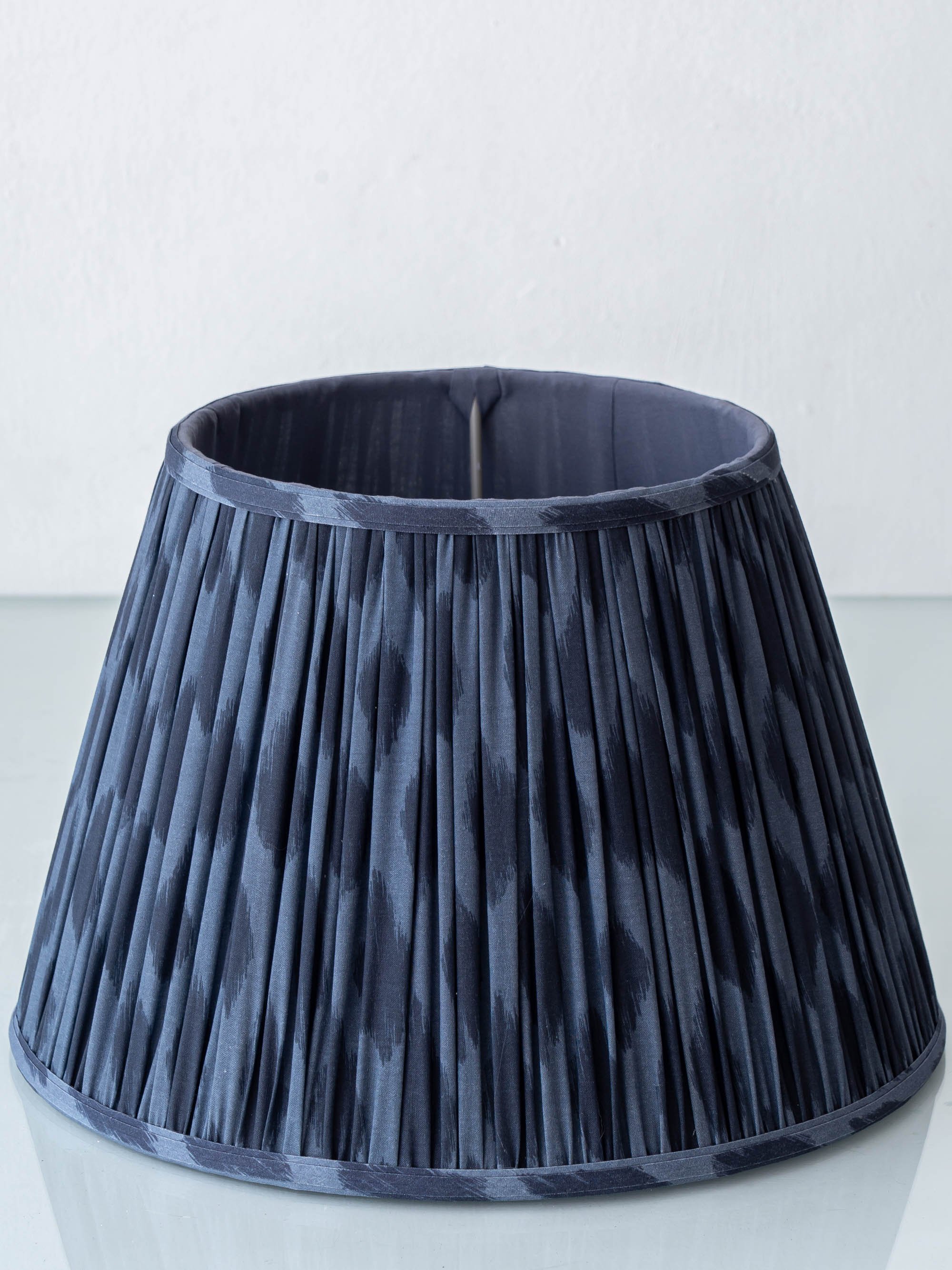 Image 8 of 14
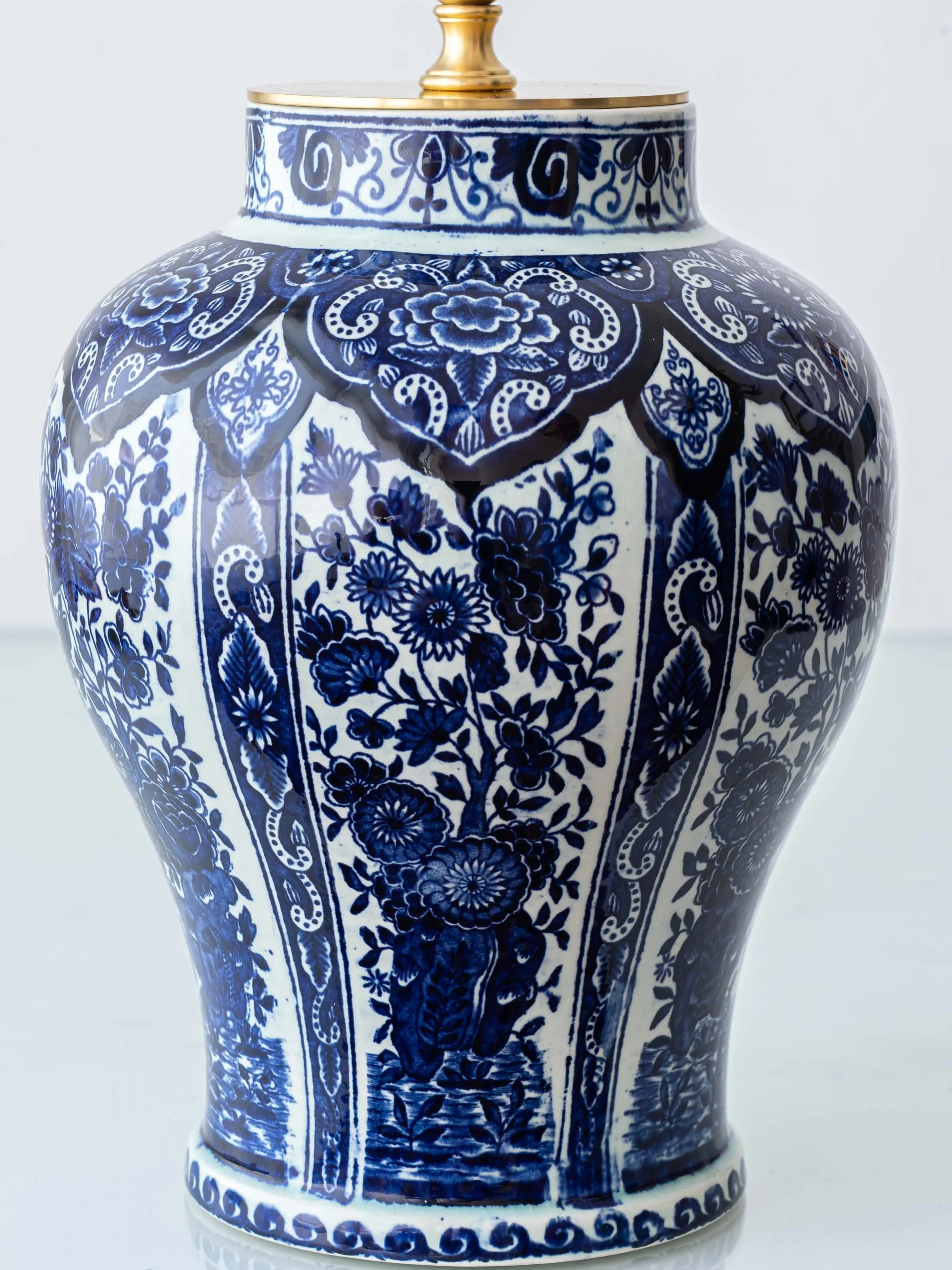 Image 9 of 14
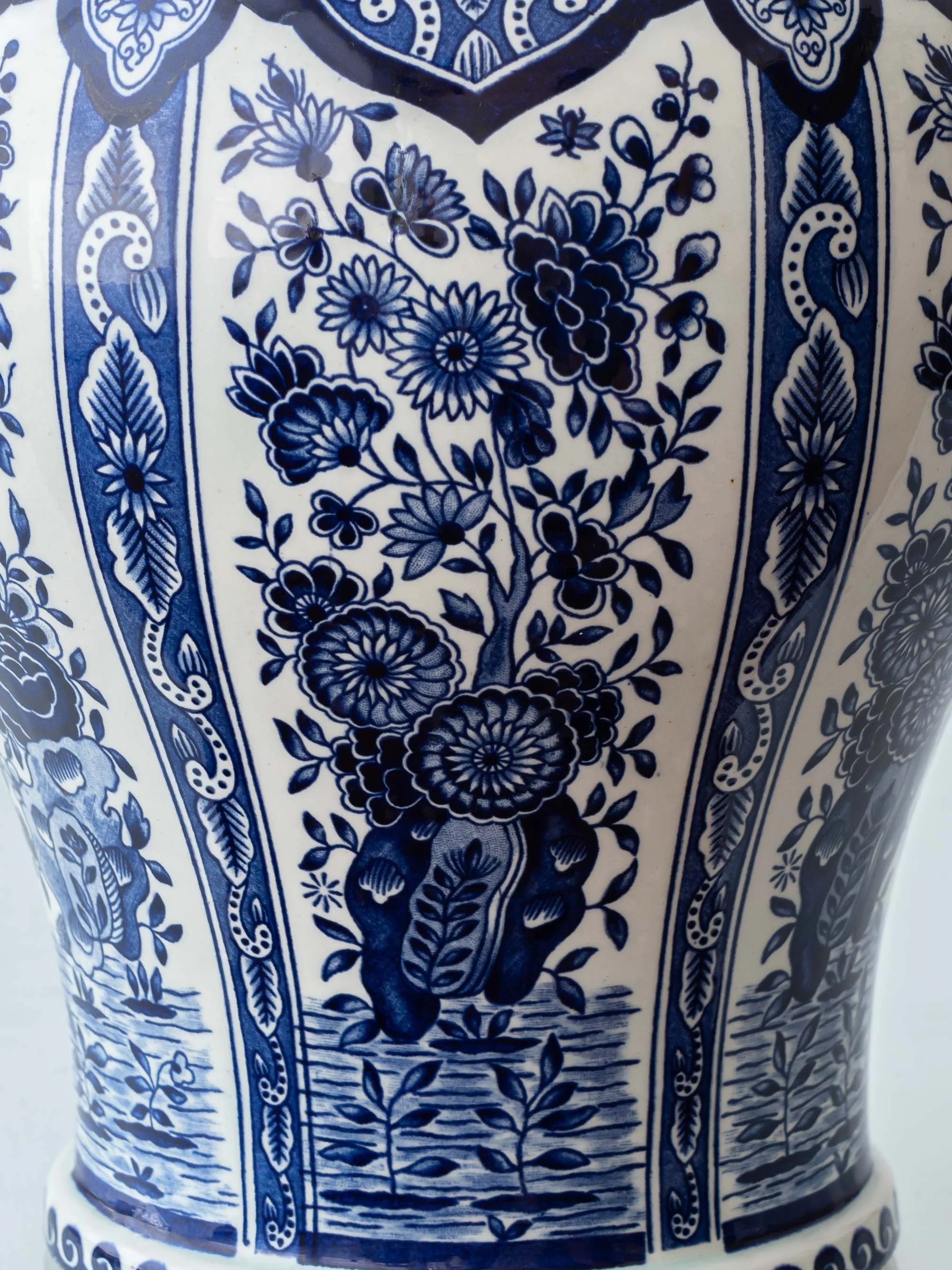 Image 10 of 14
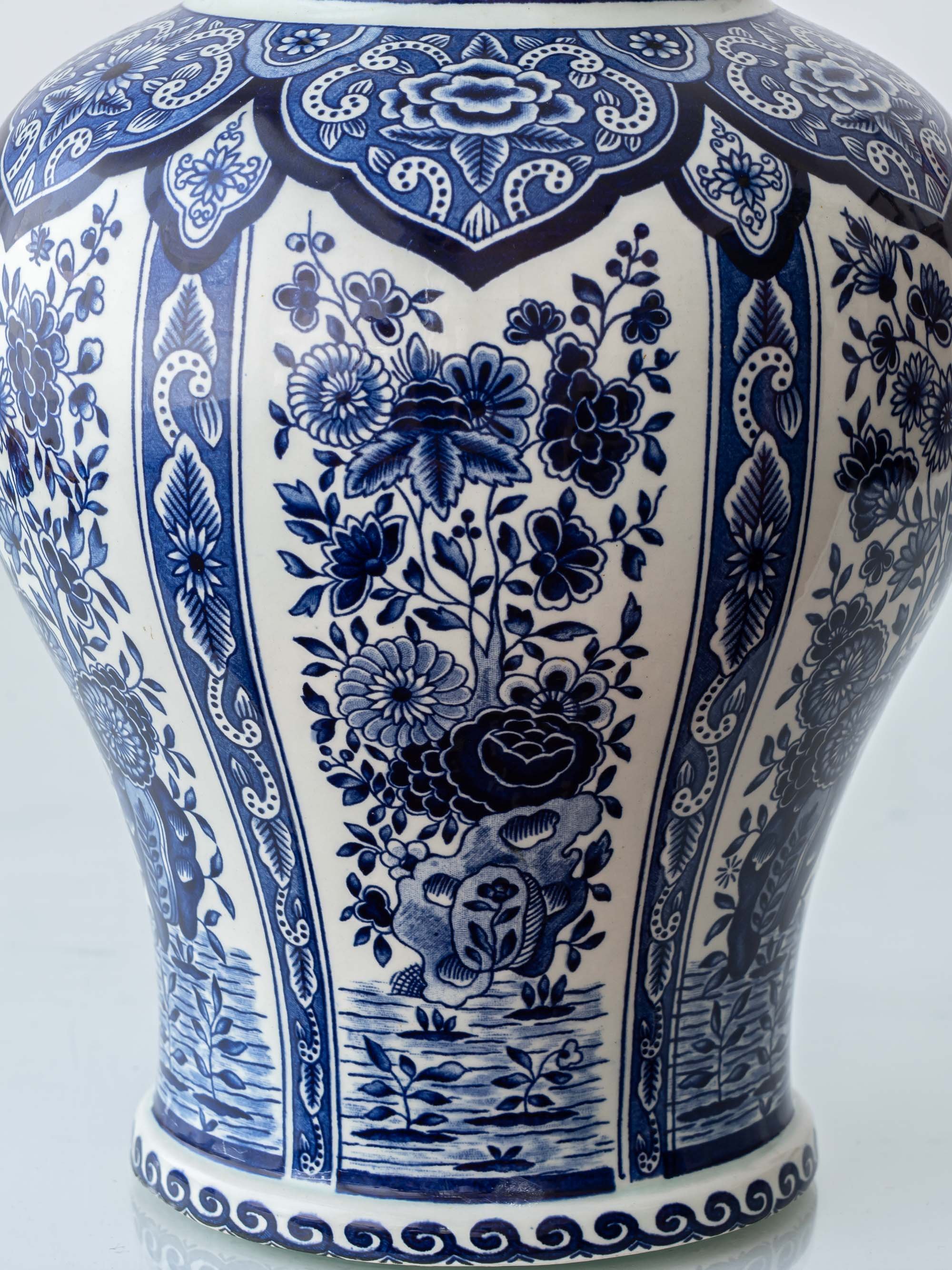 Image 11 of 14
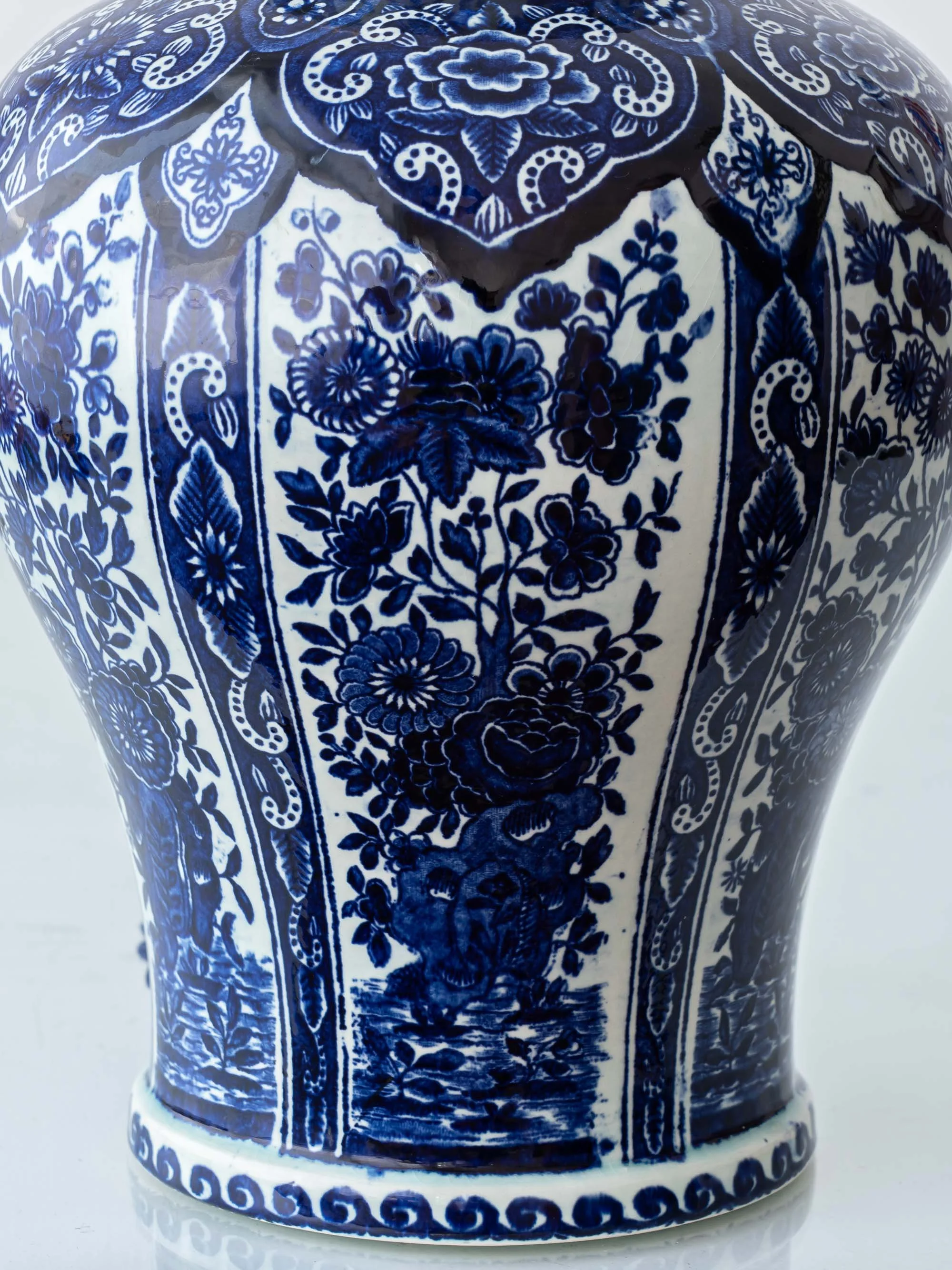 Image 12 of 14
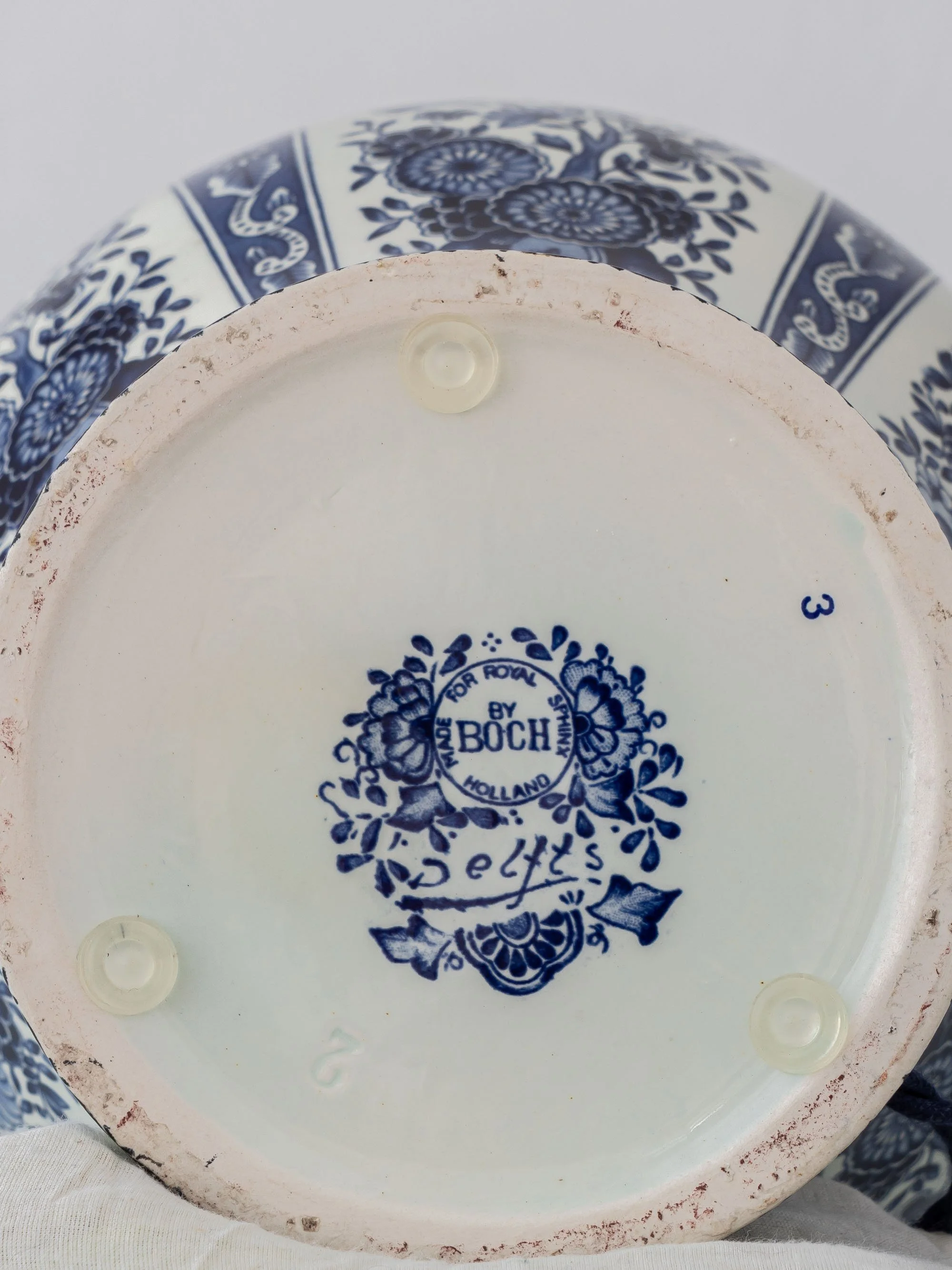 Image 13 of 14
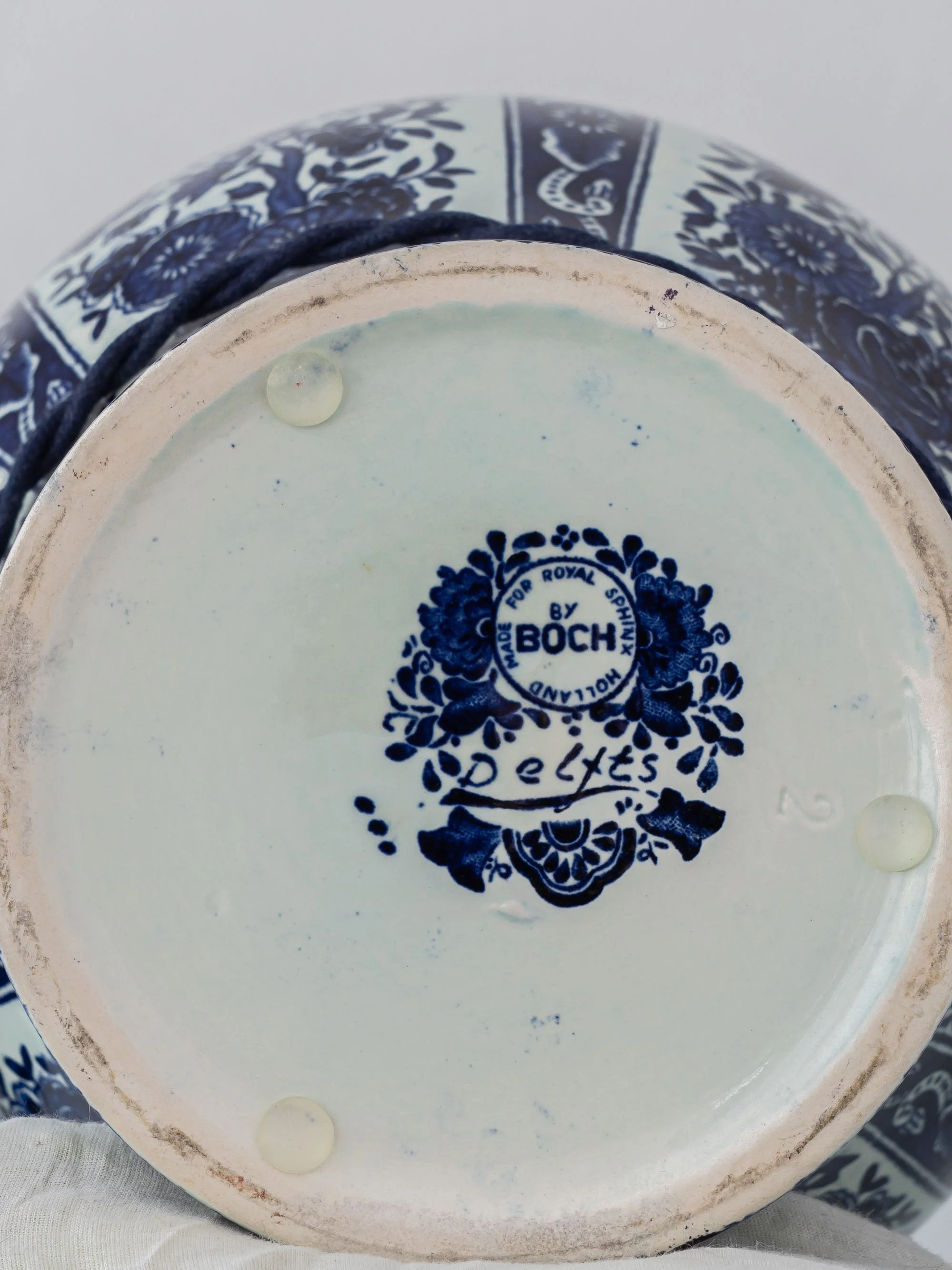 Image 14 of 14
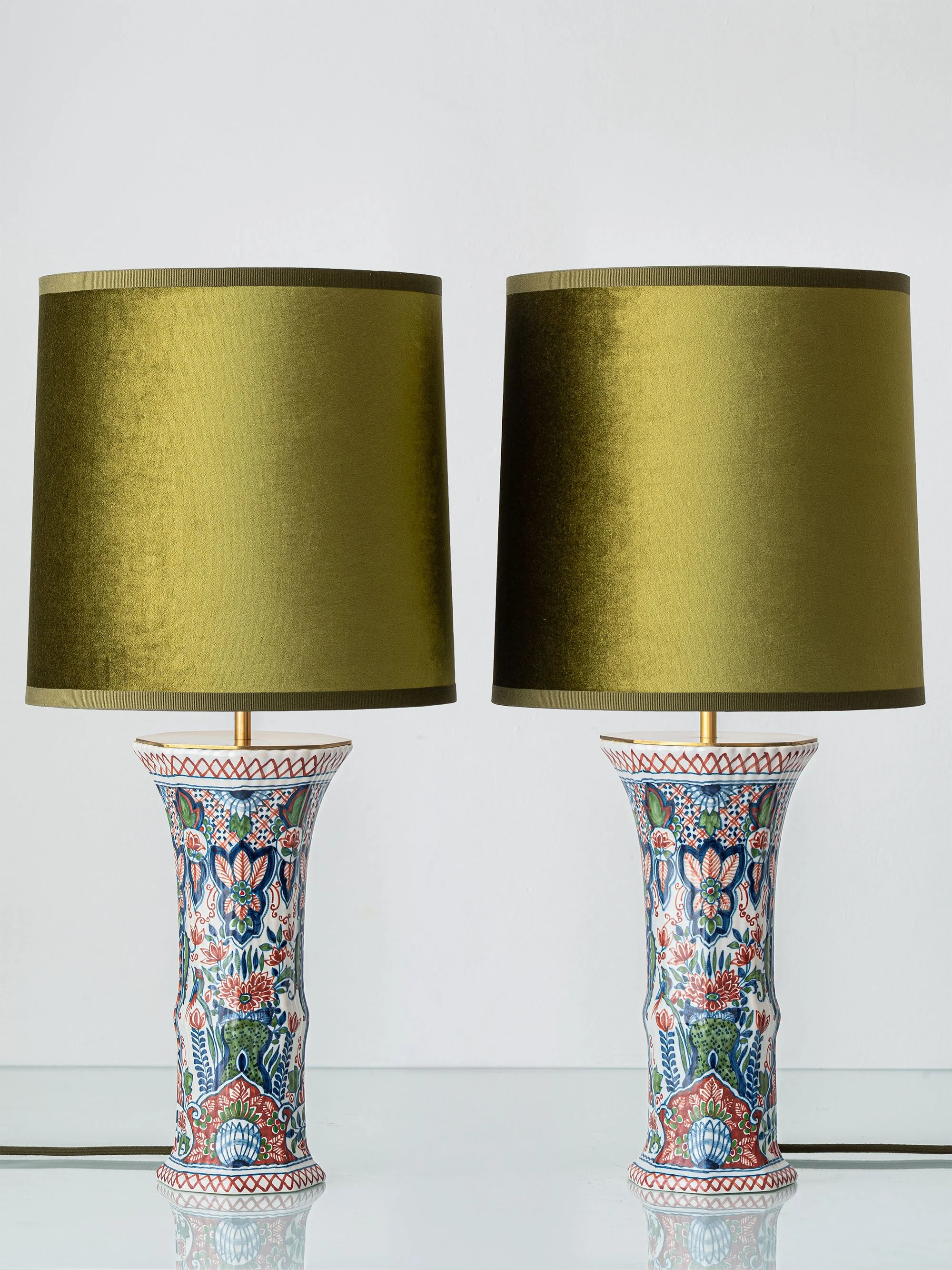
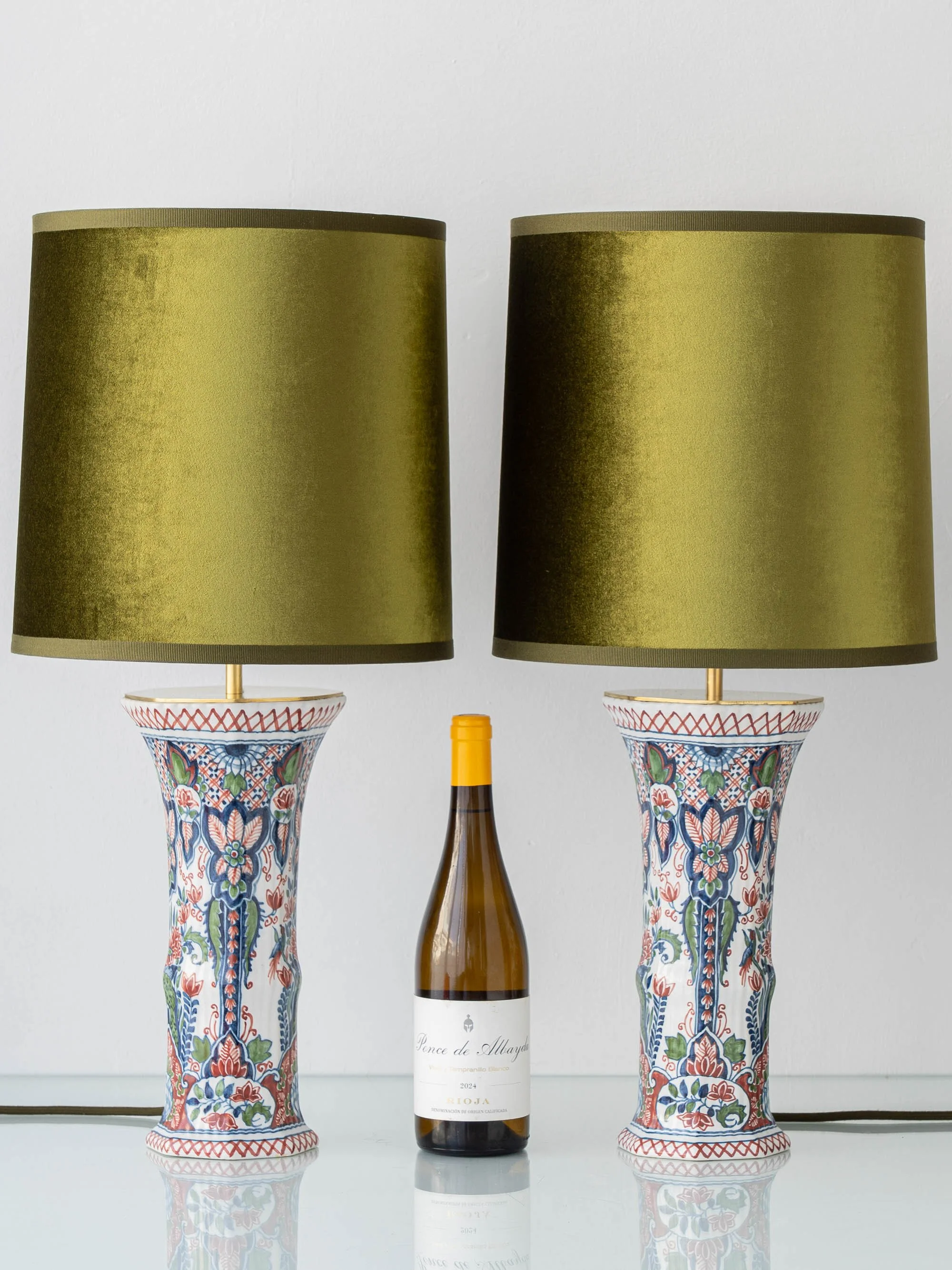
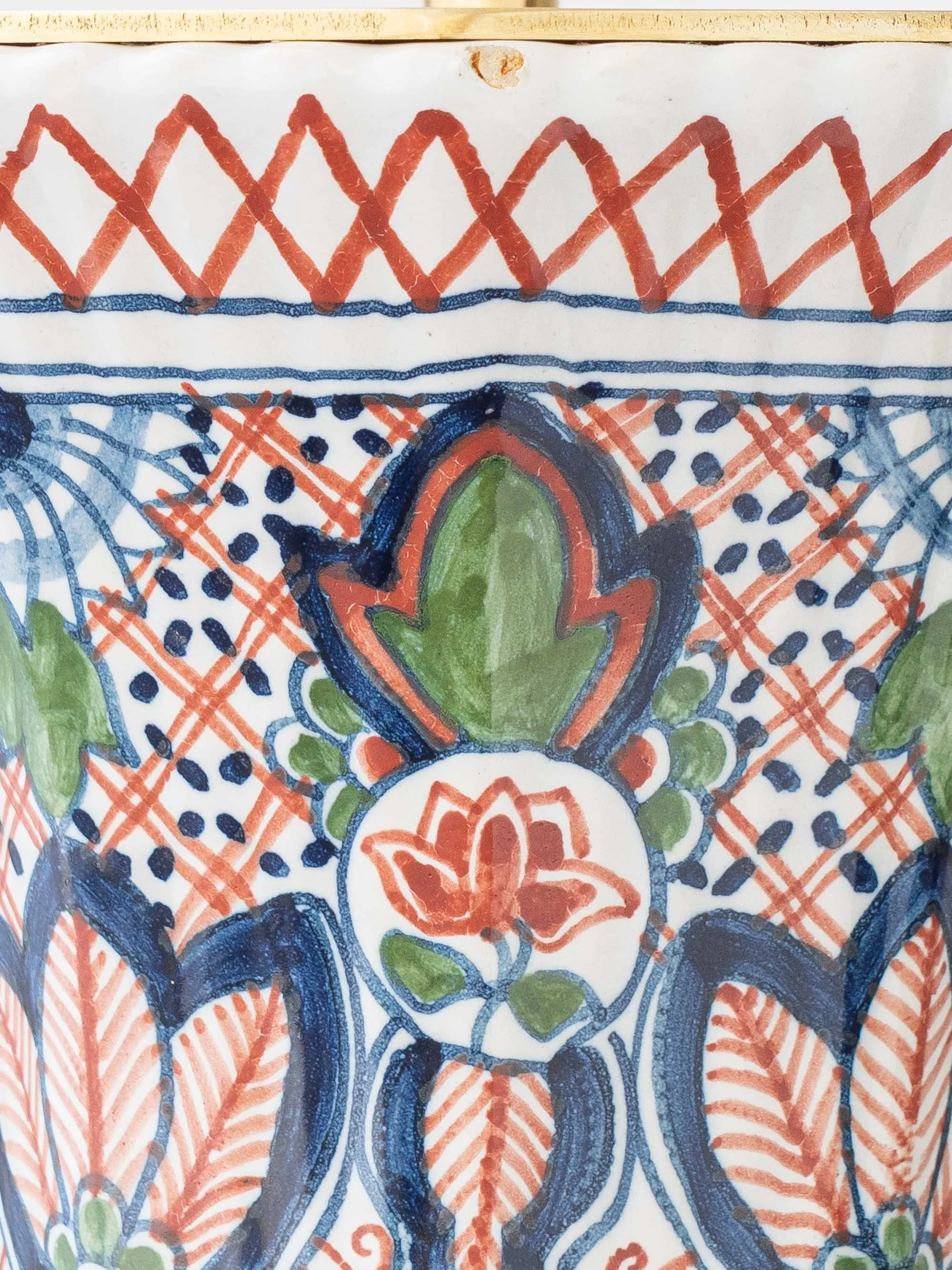
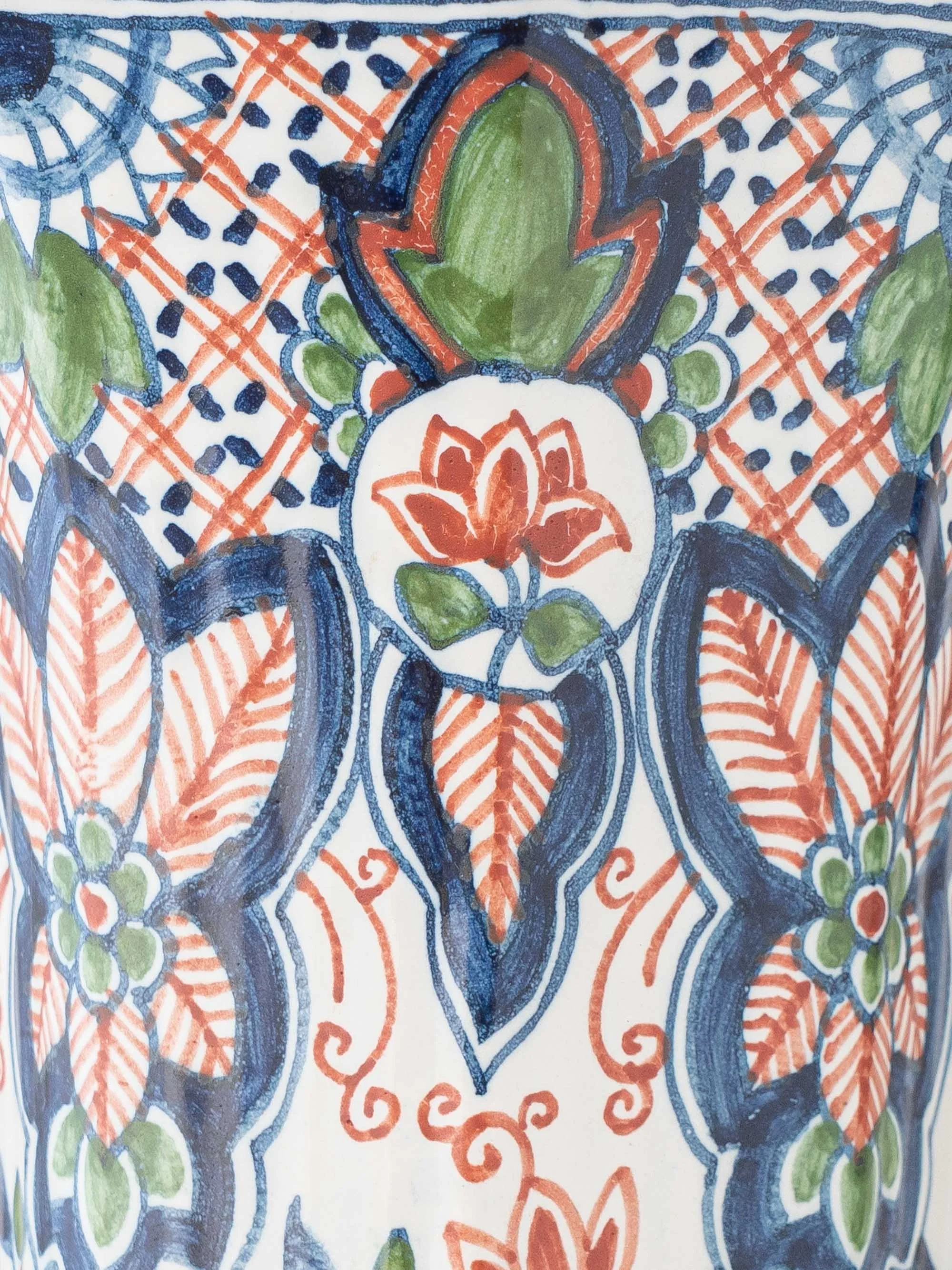
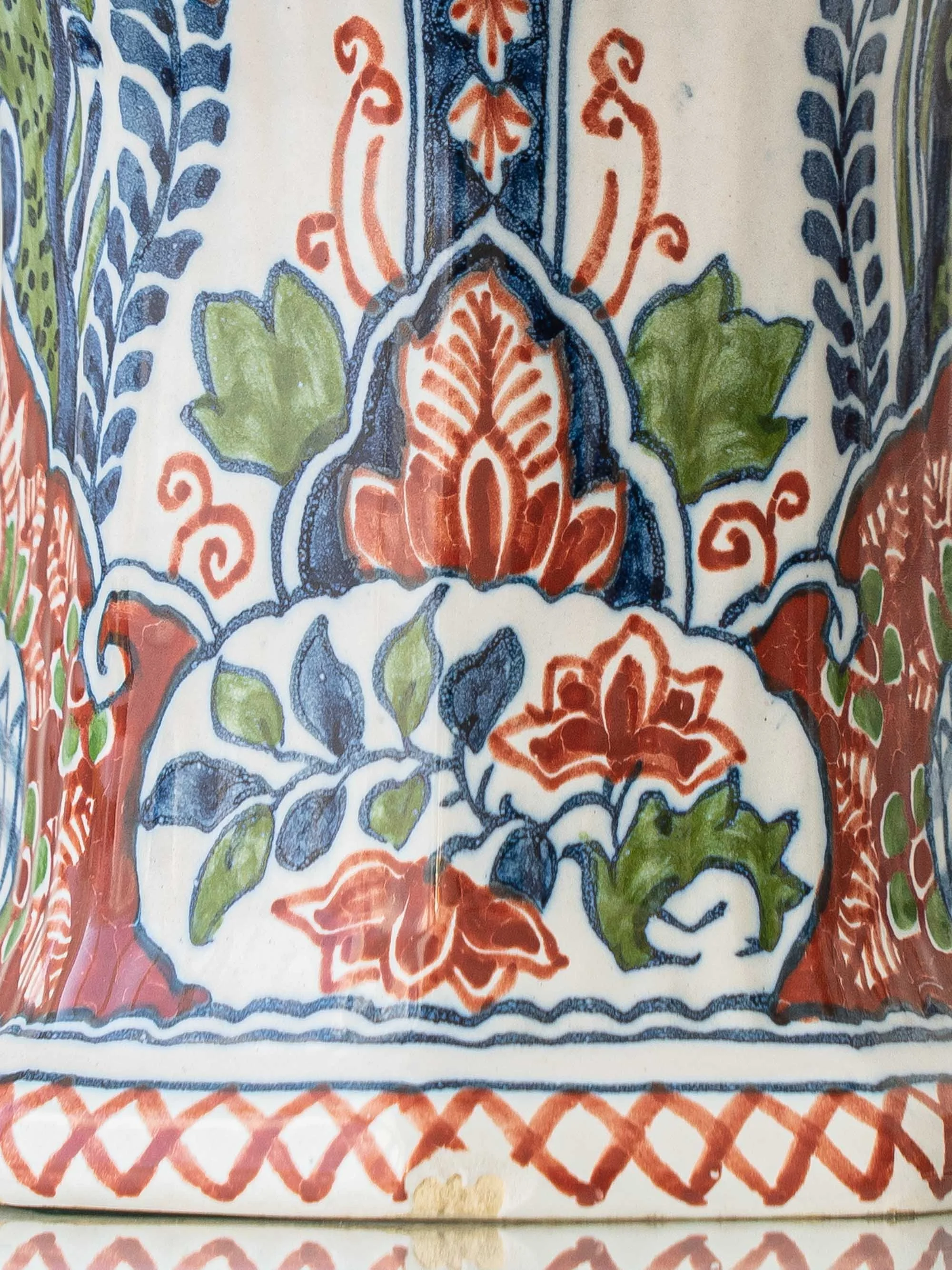
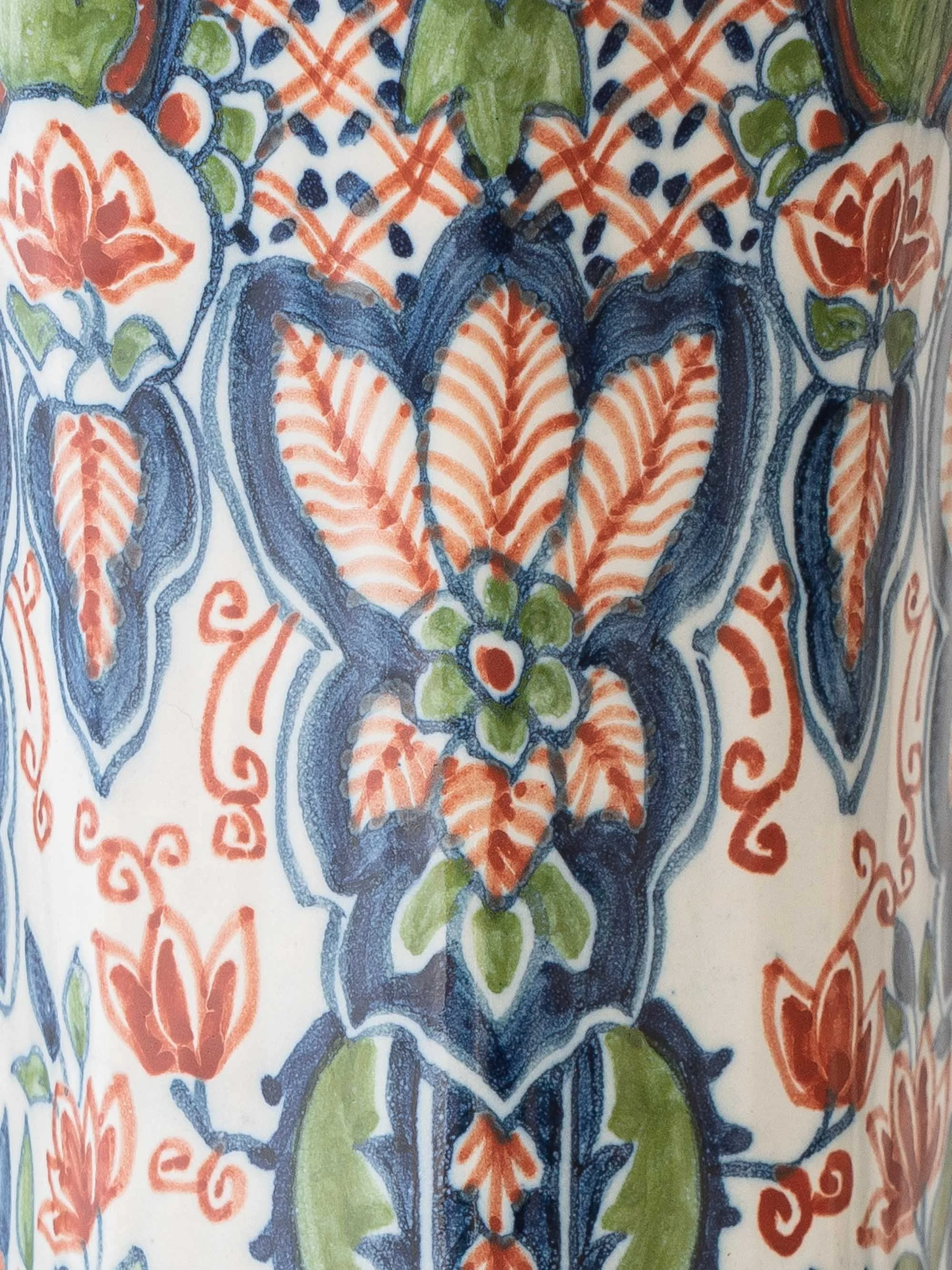
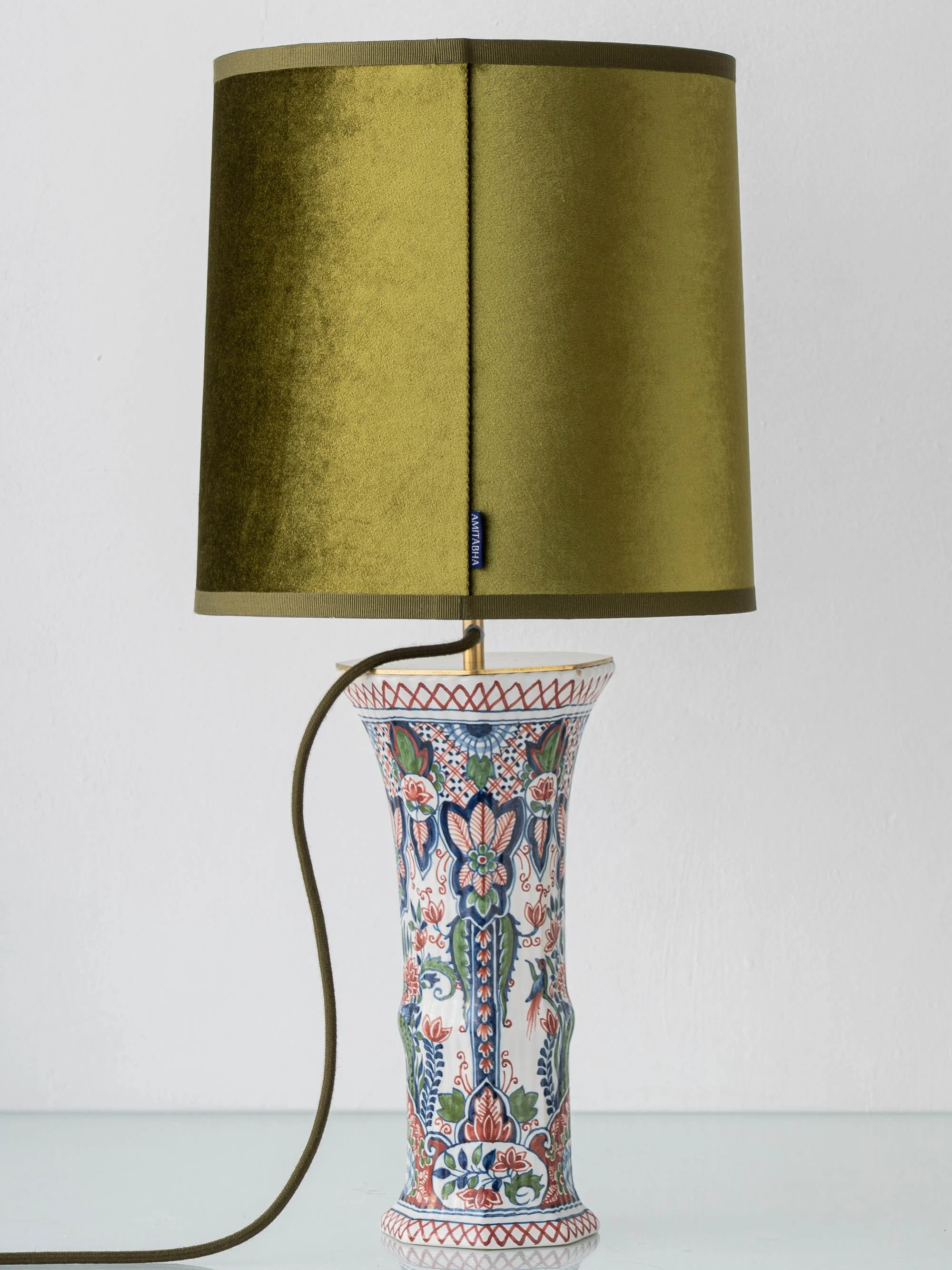
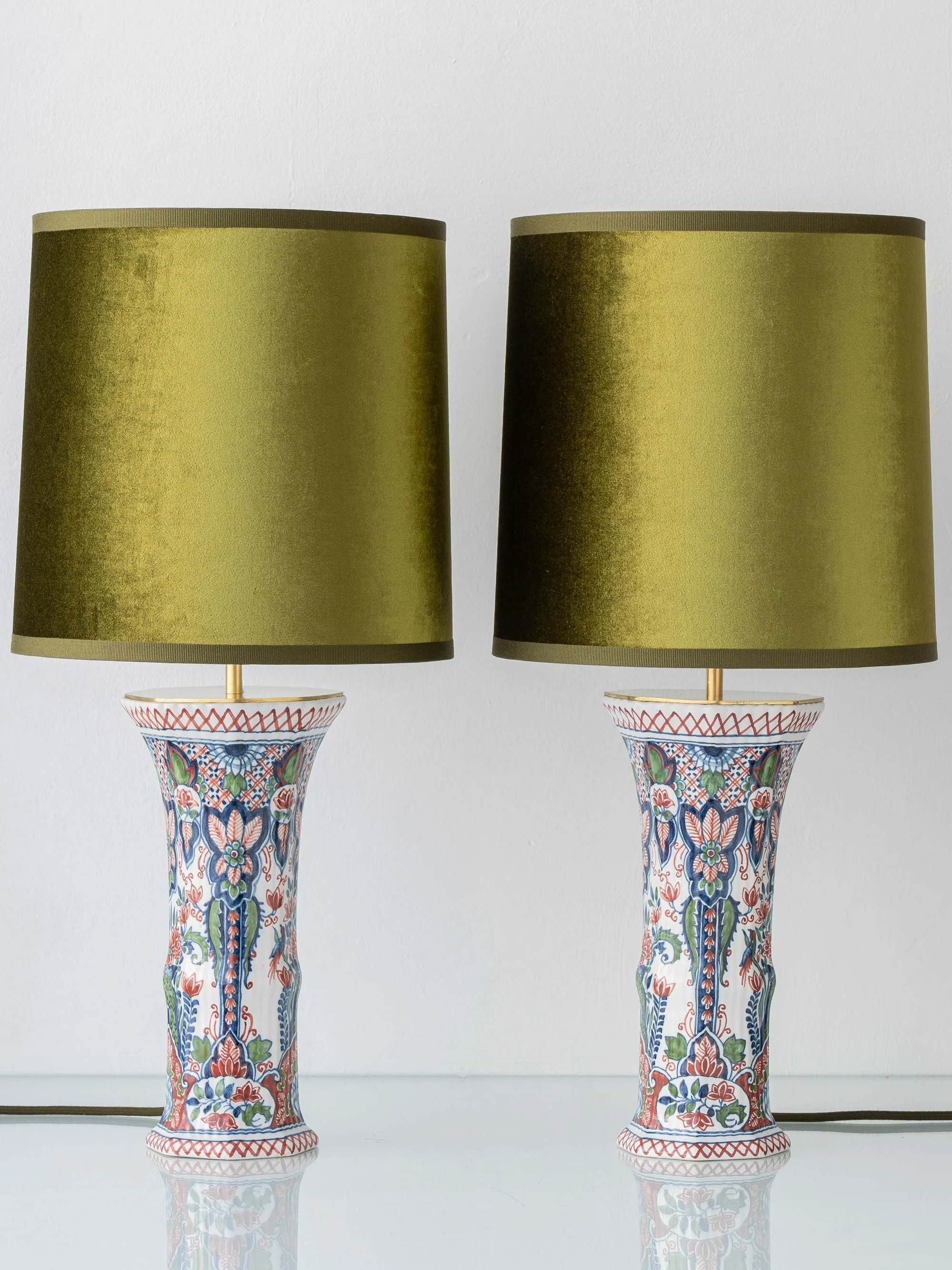
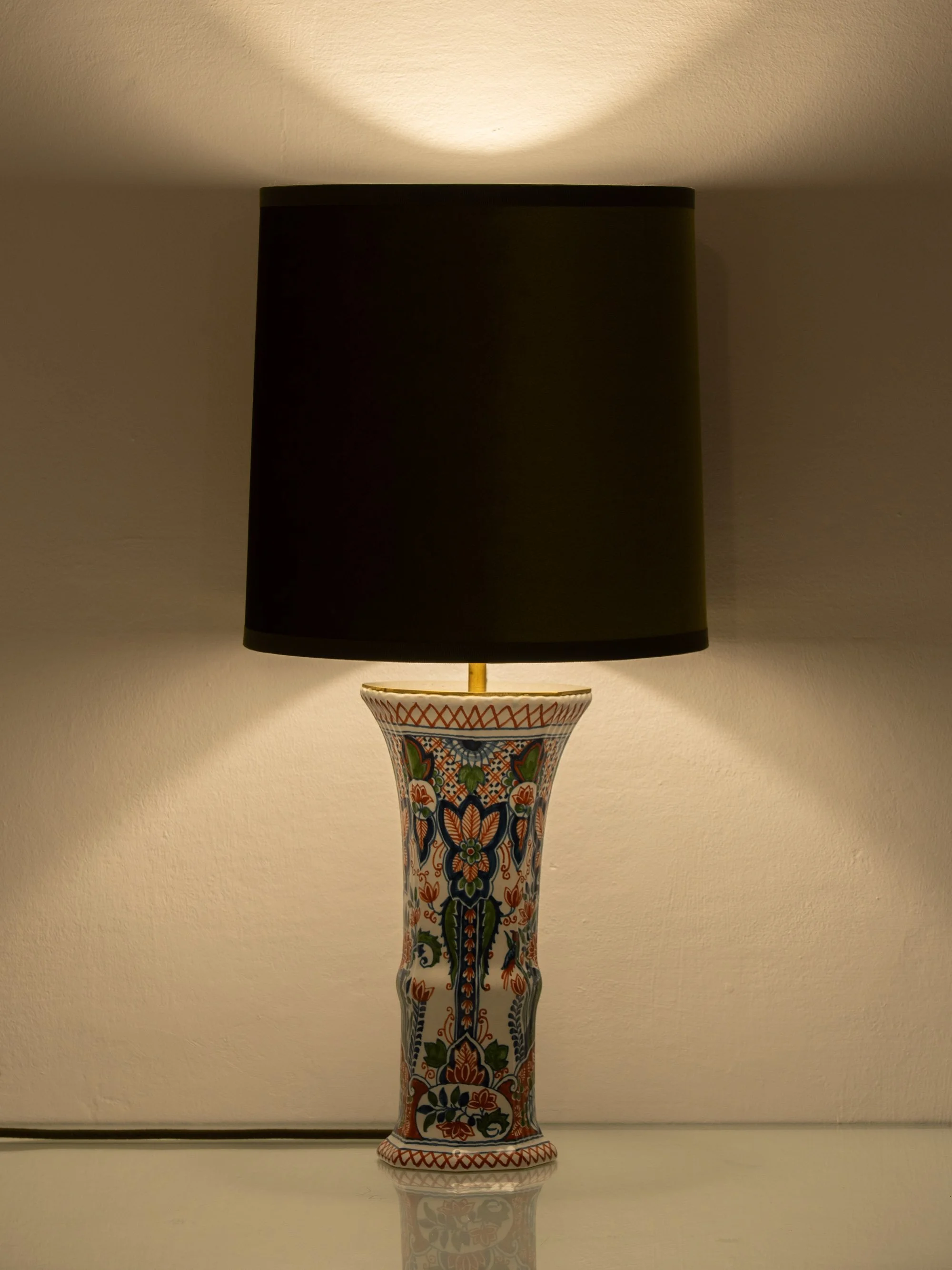
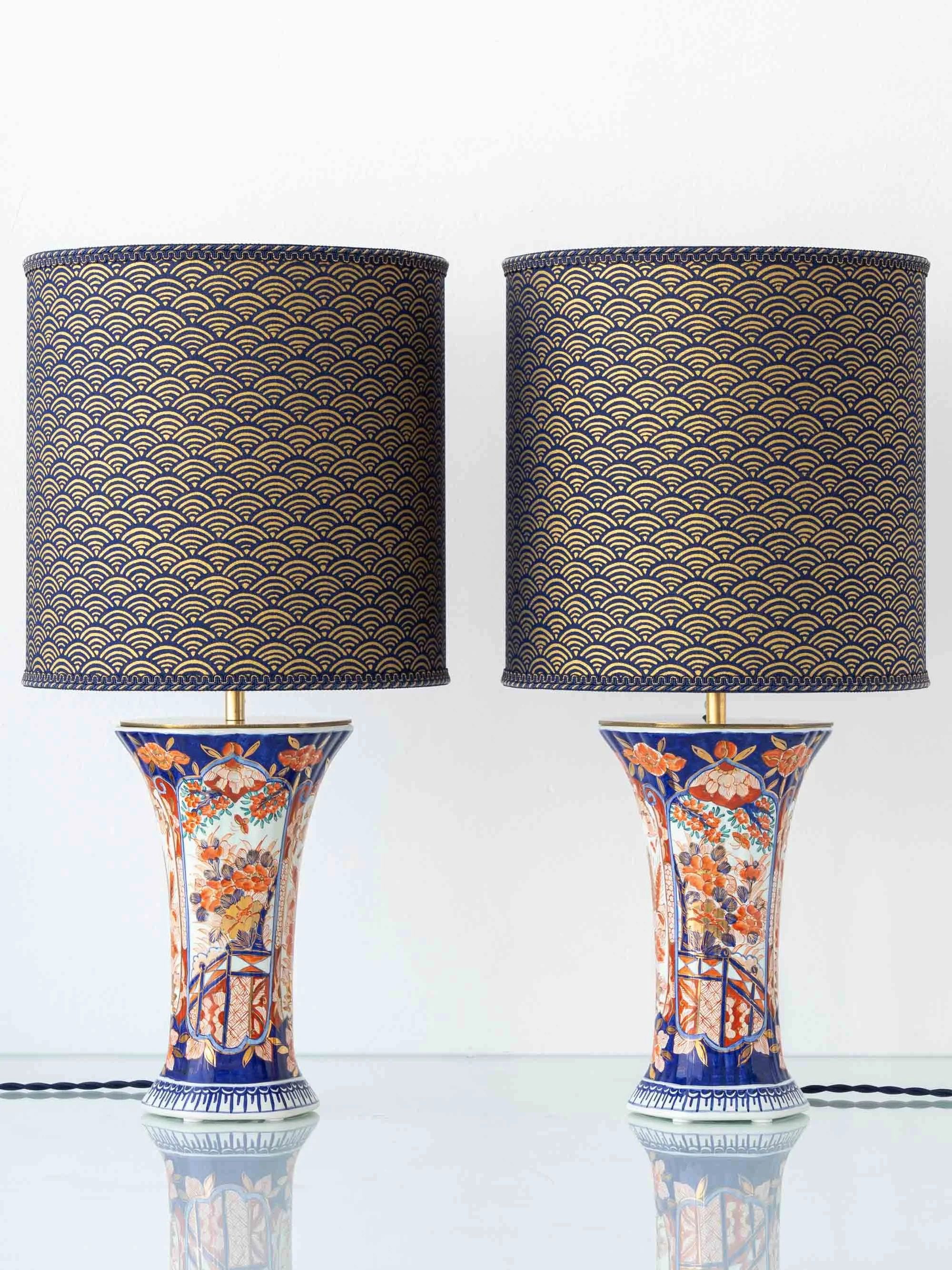
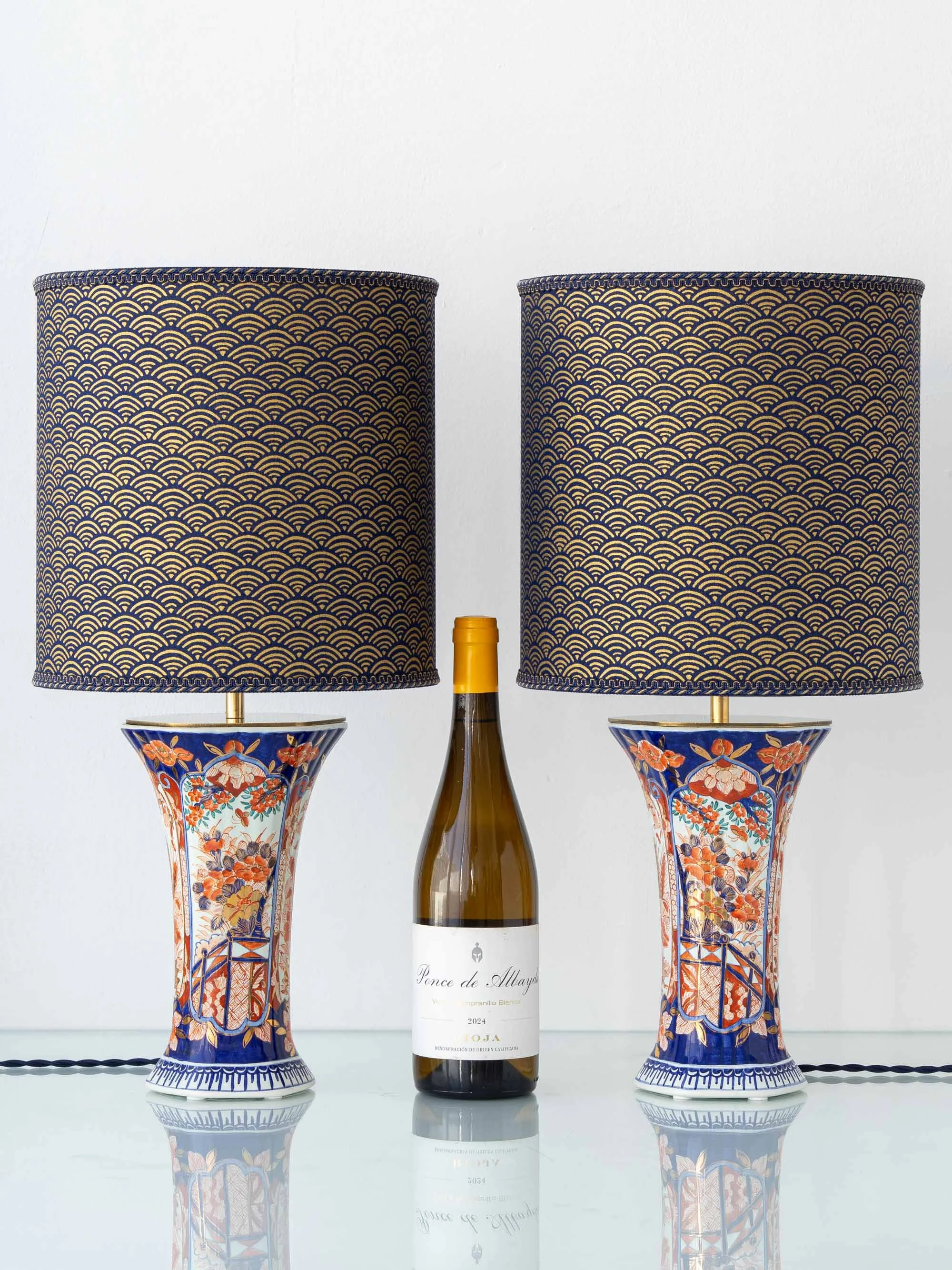
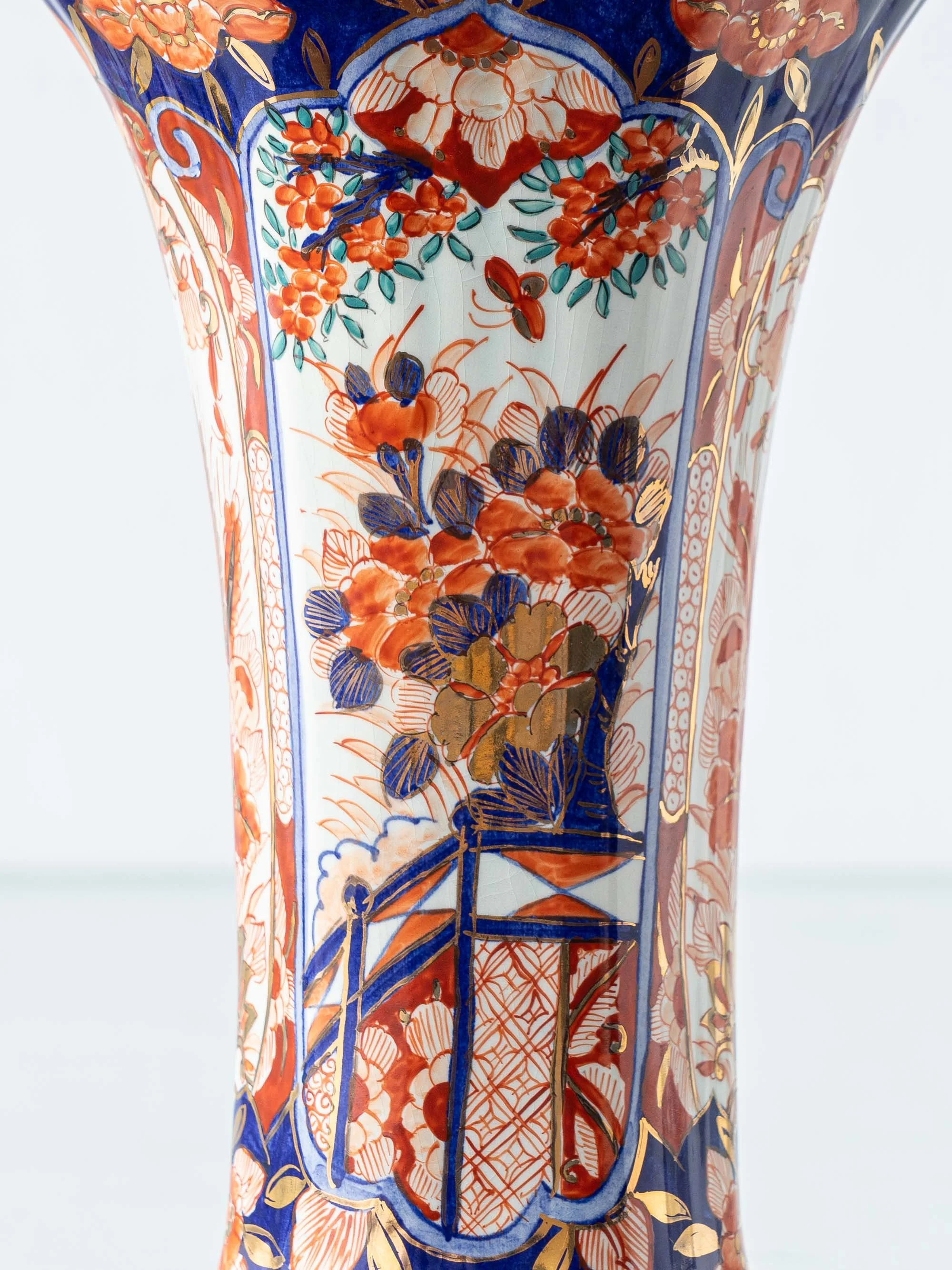
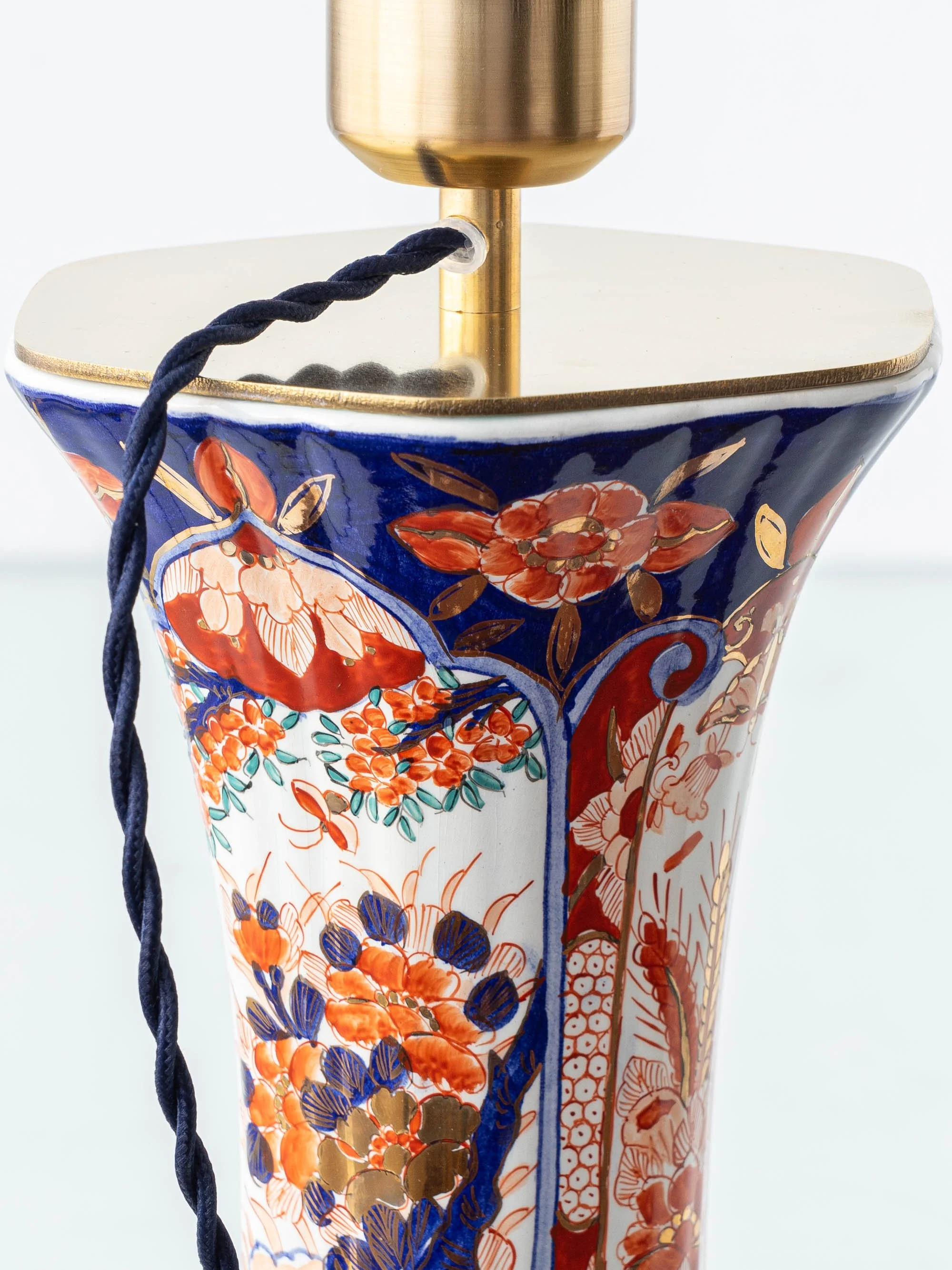
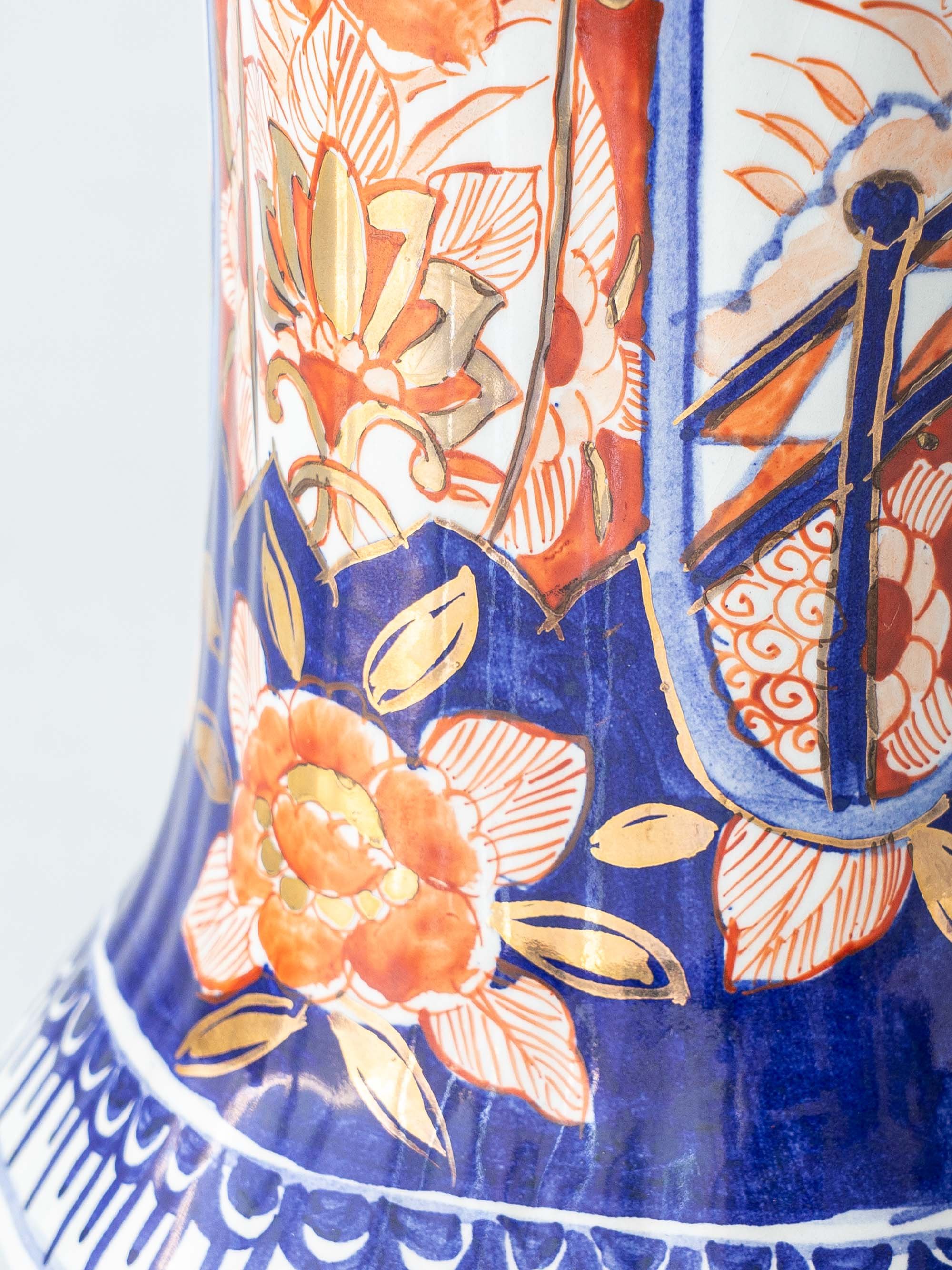
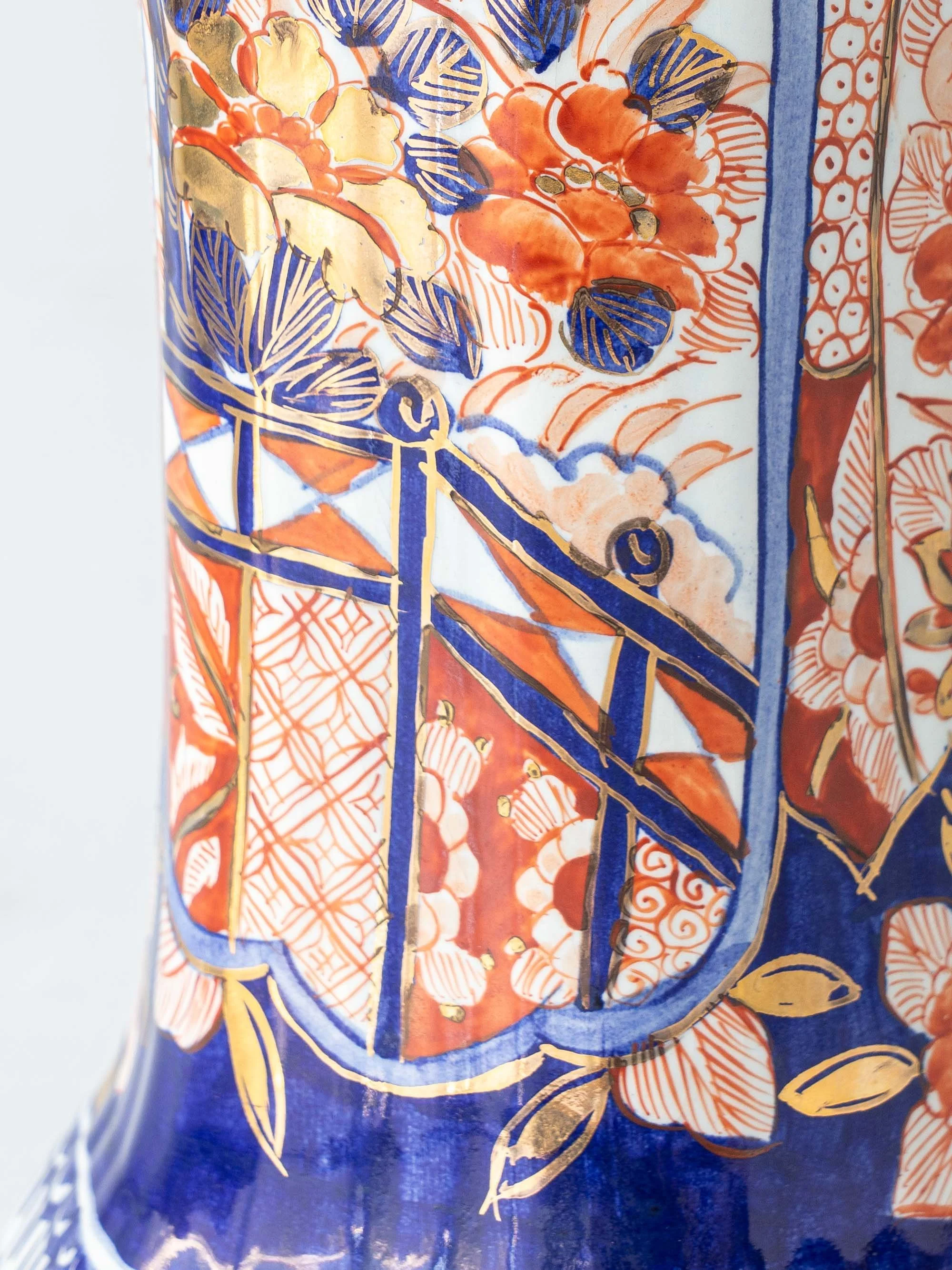
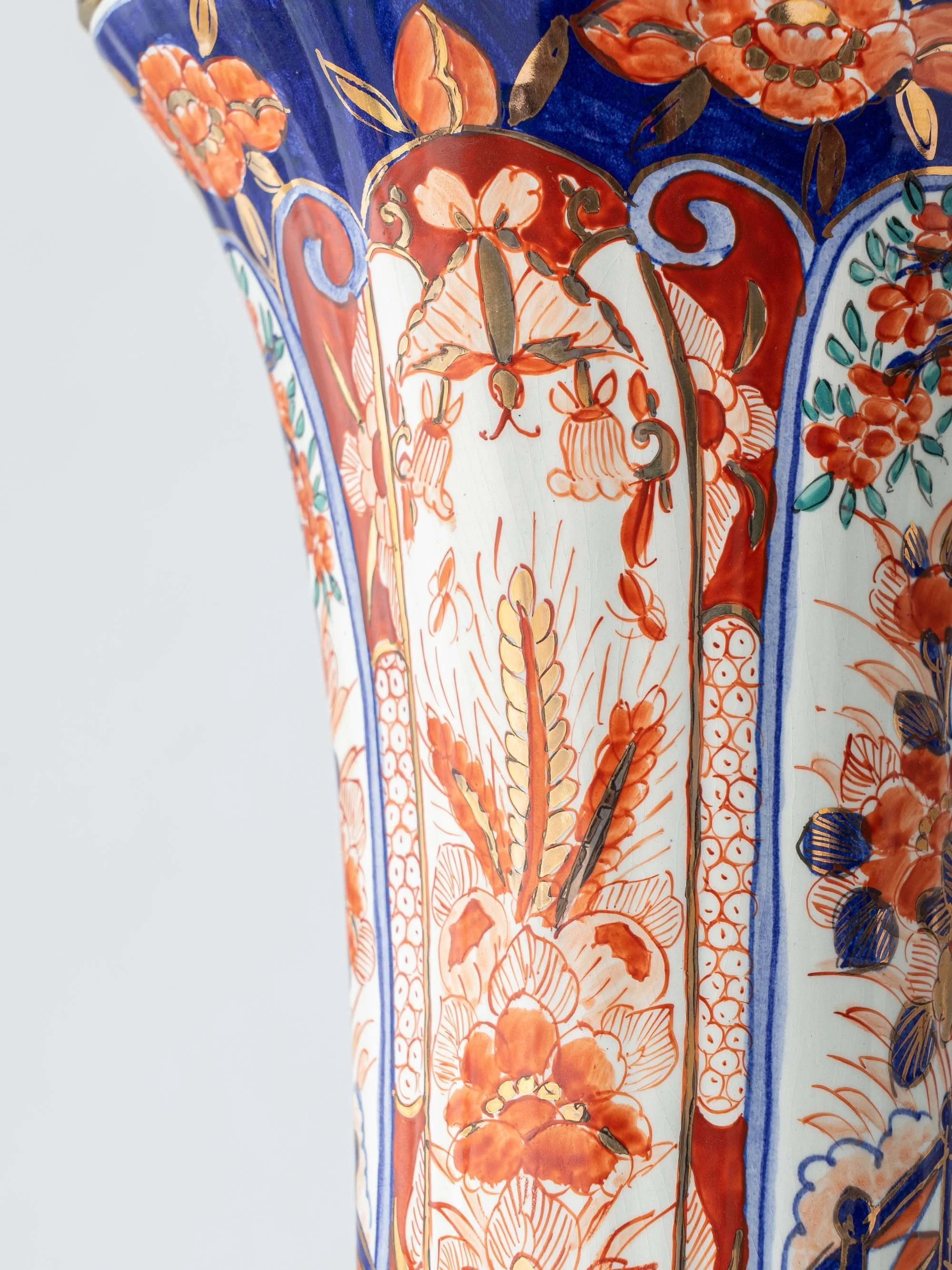
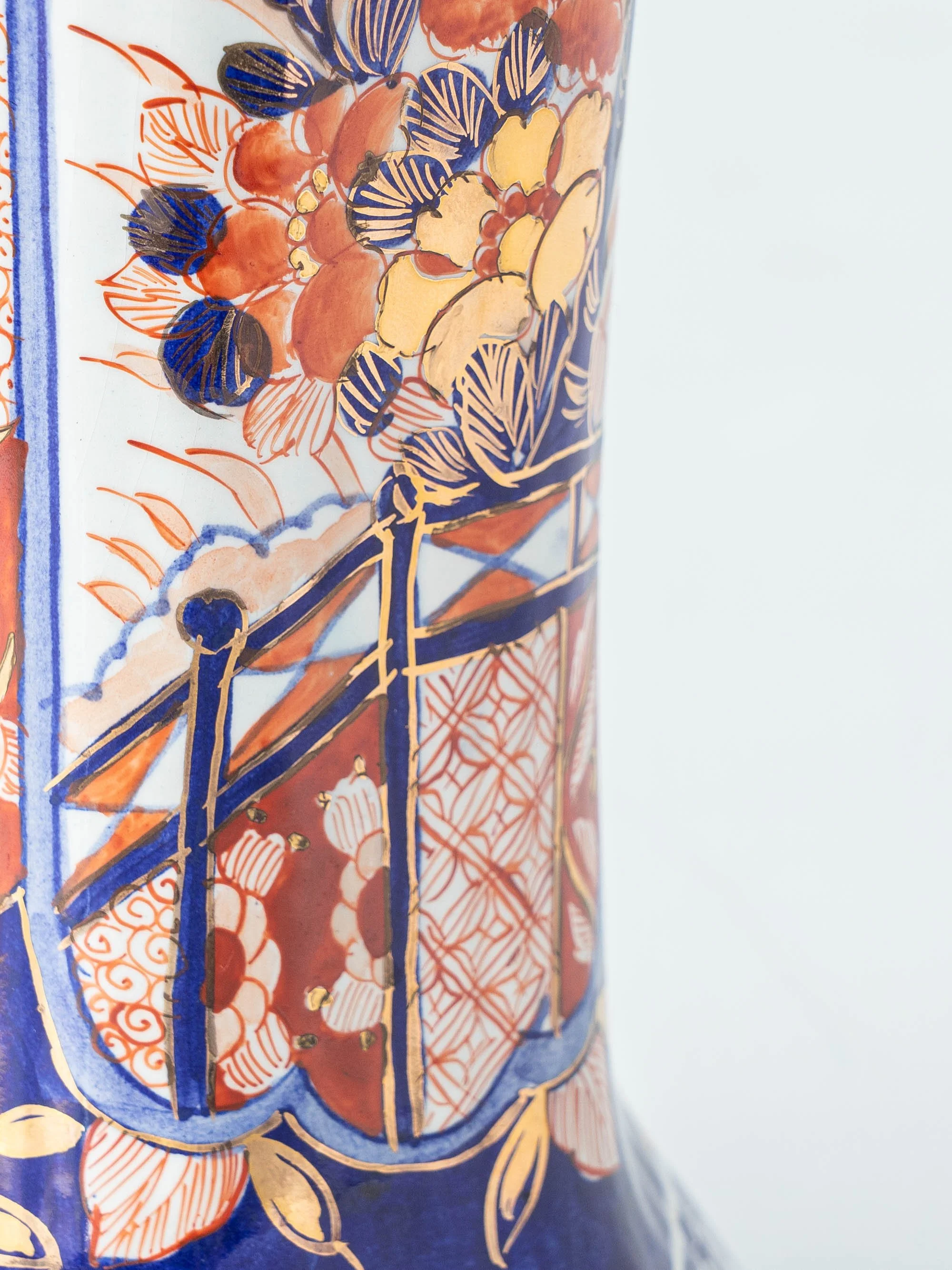
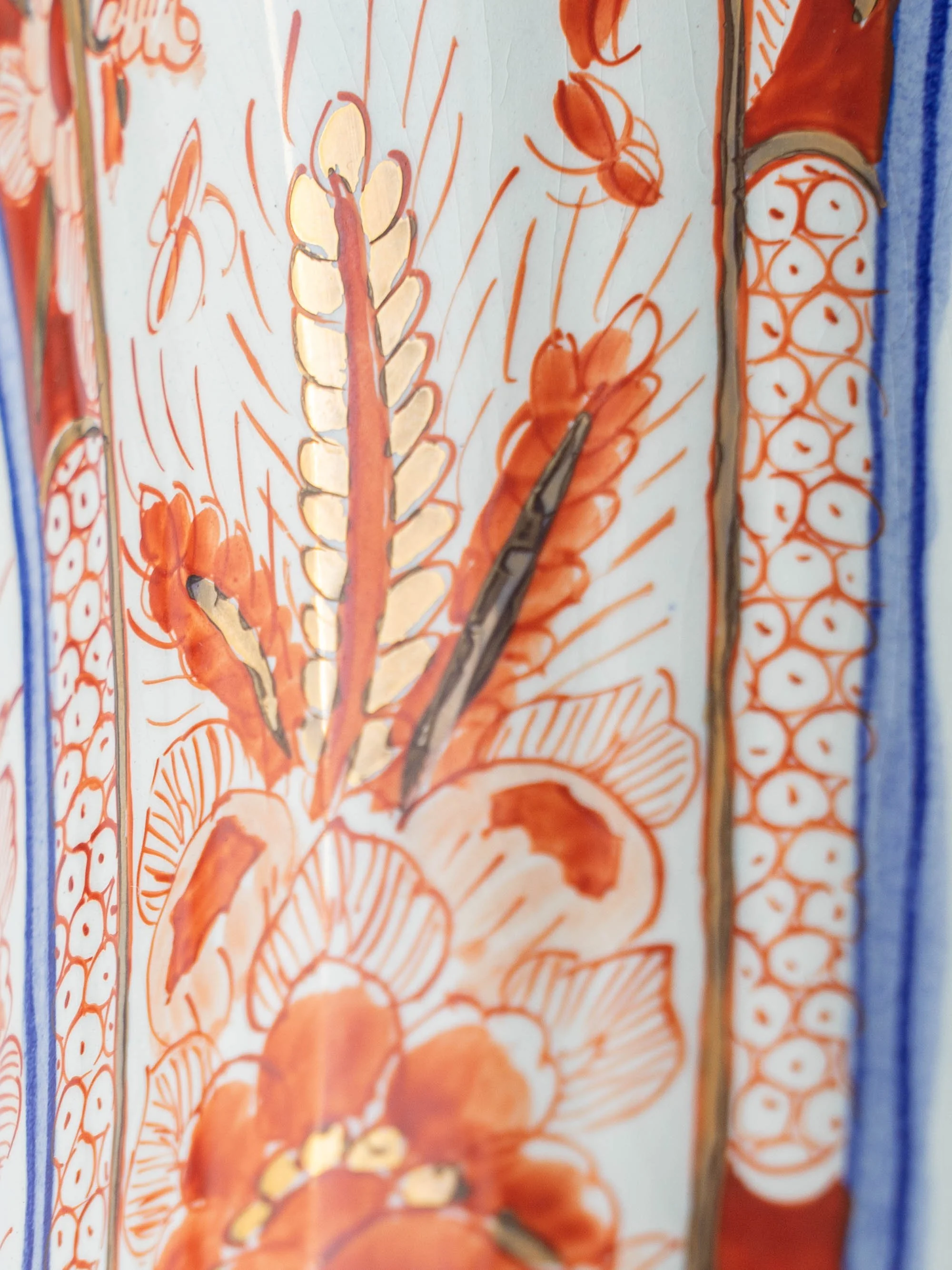
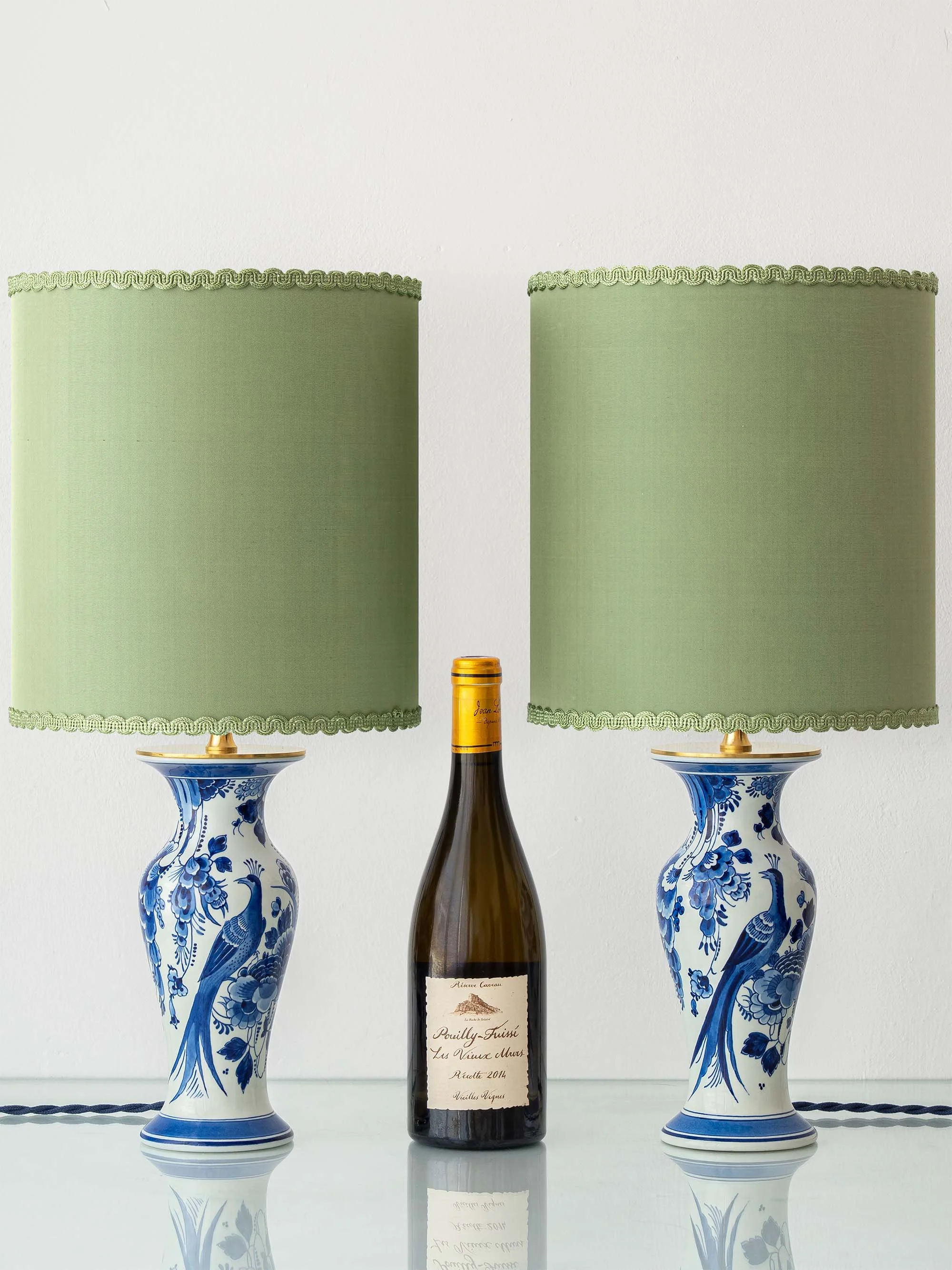
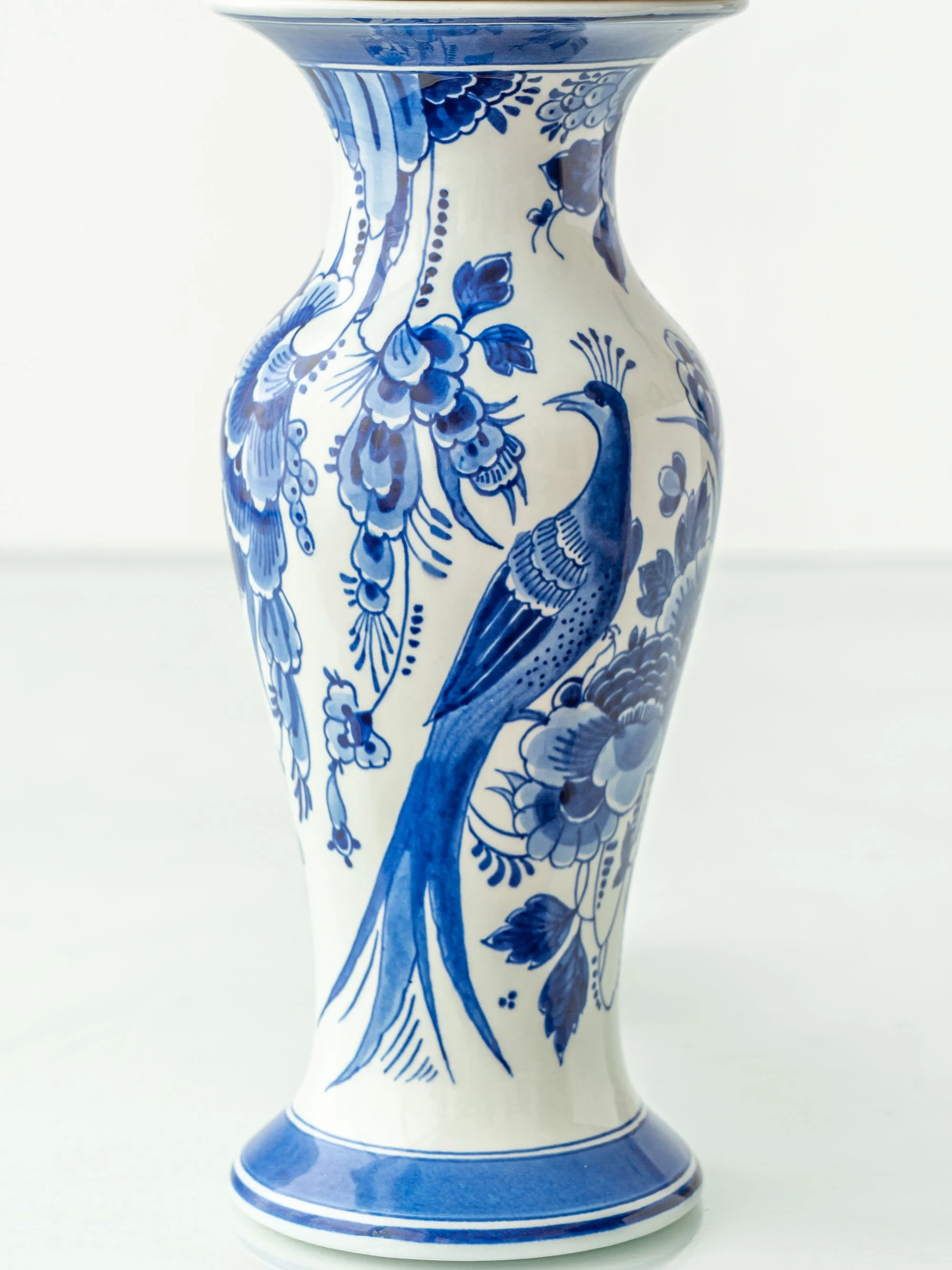
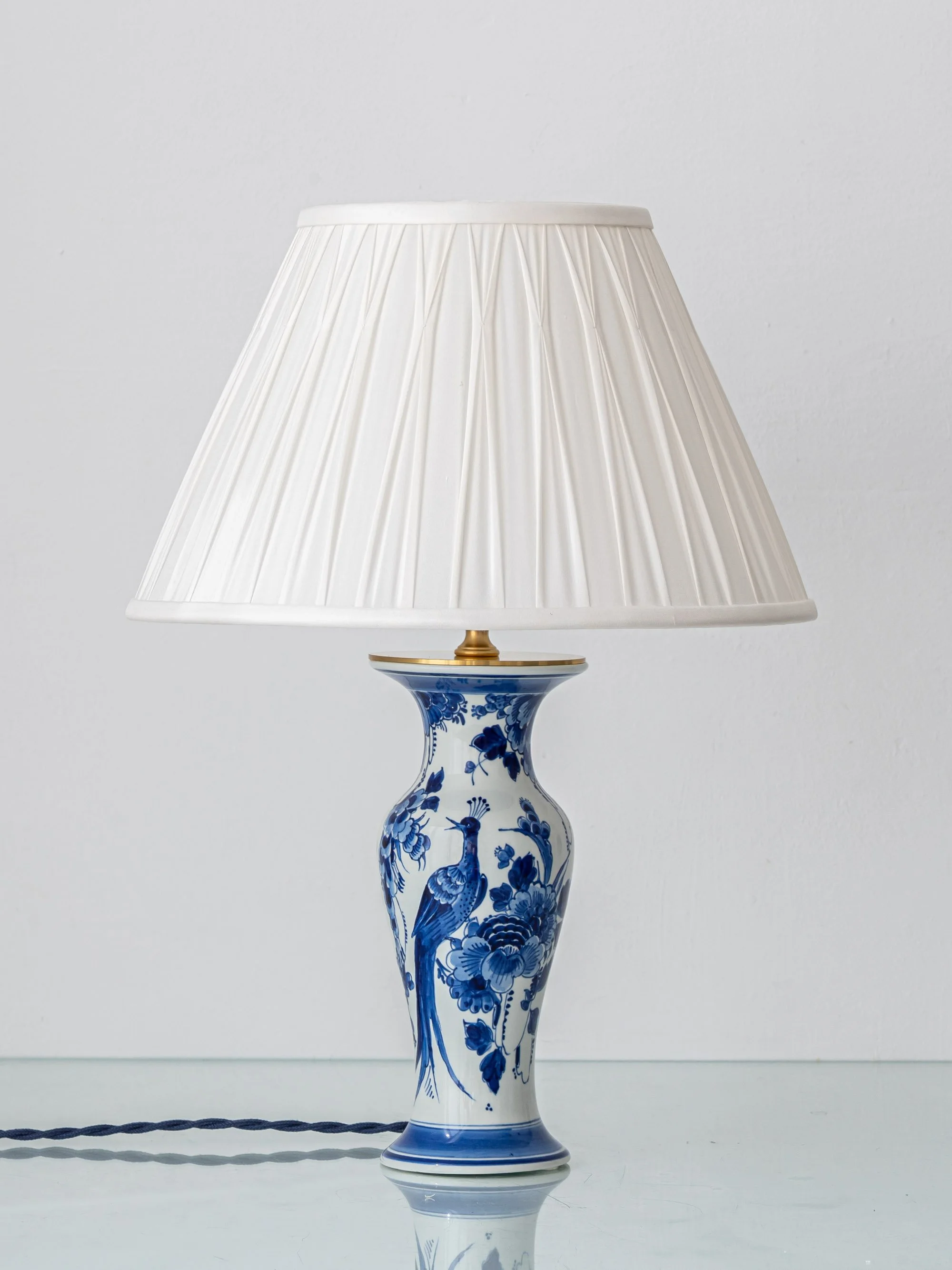
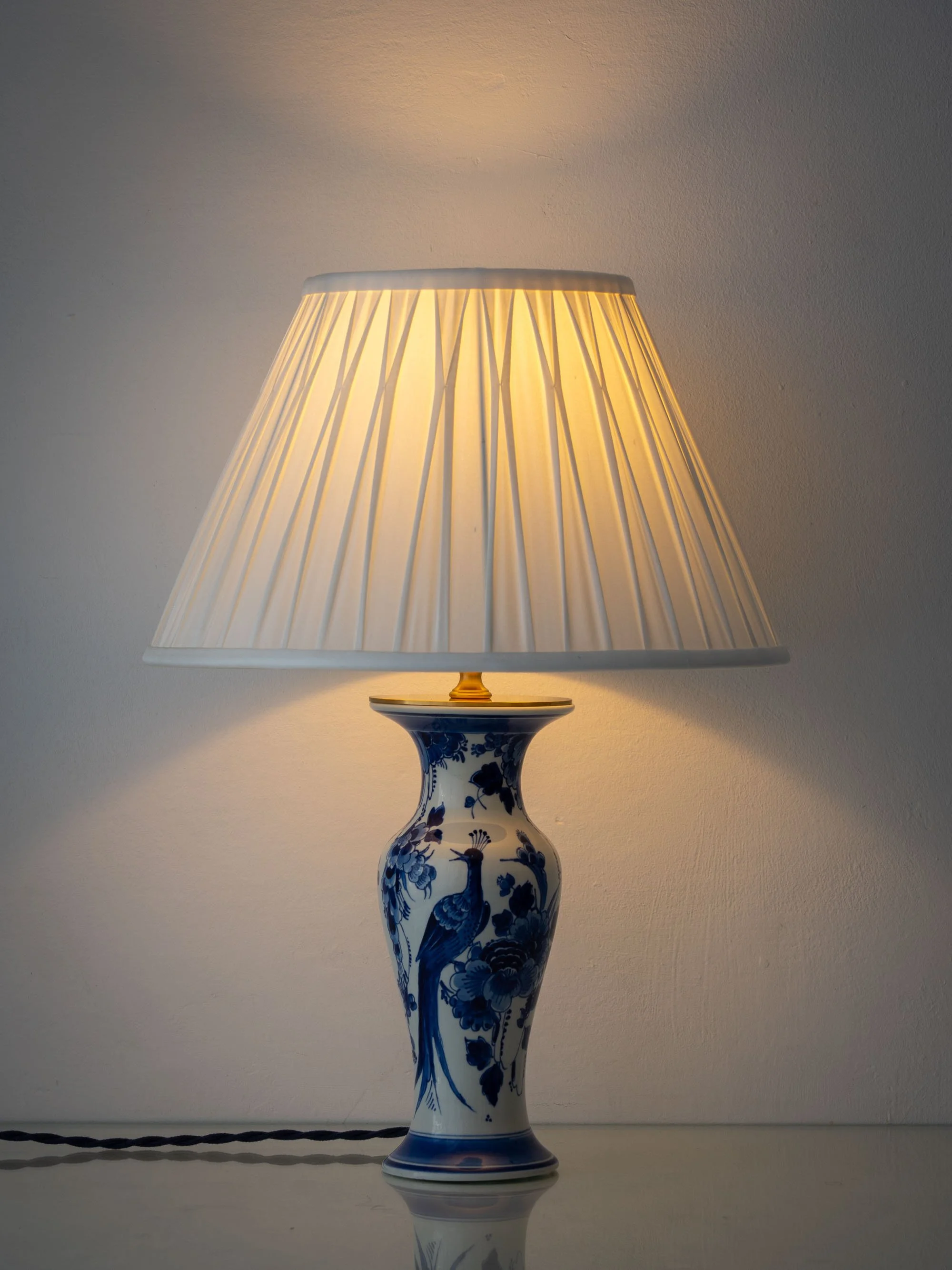
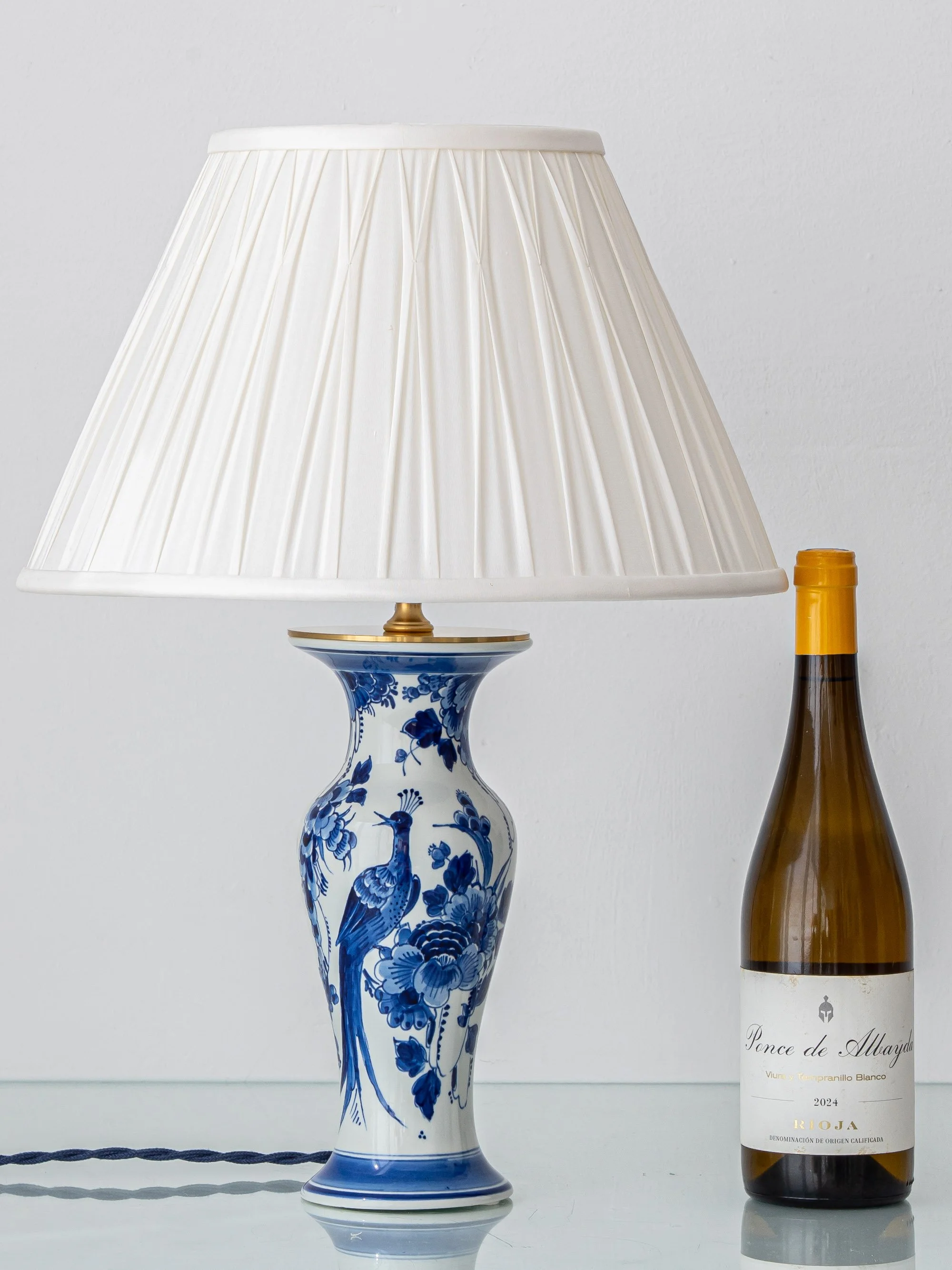
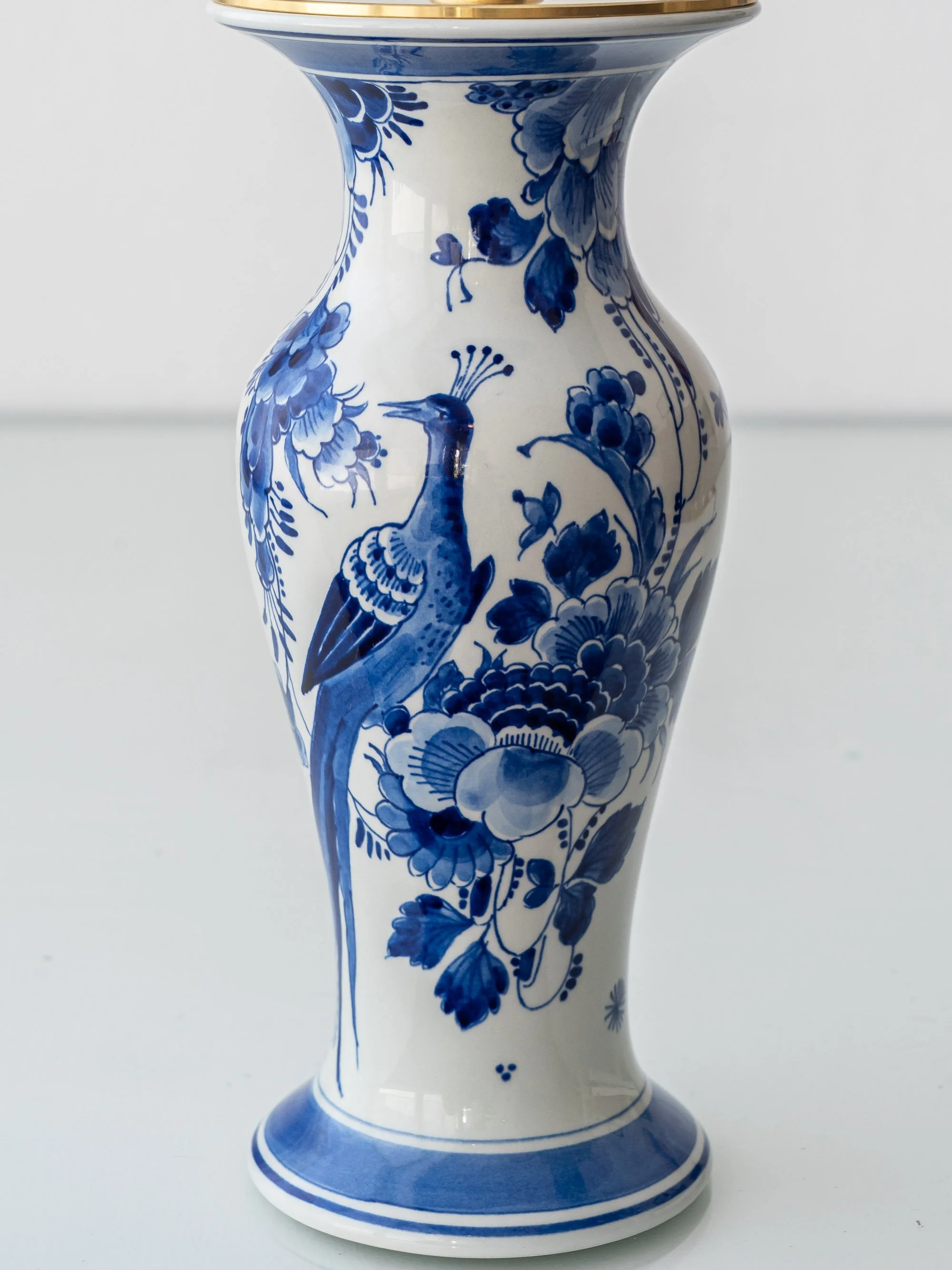
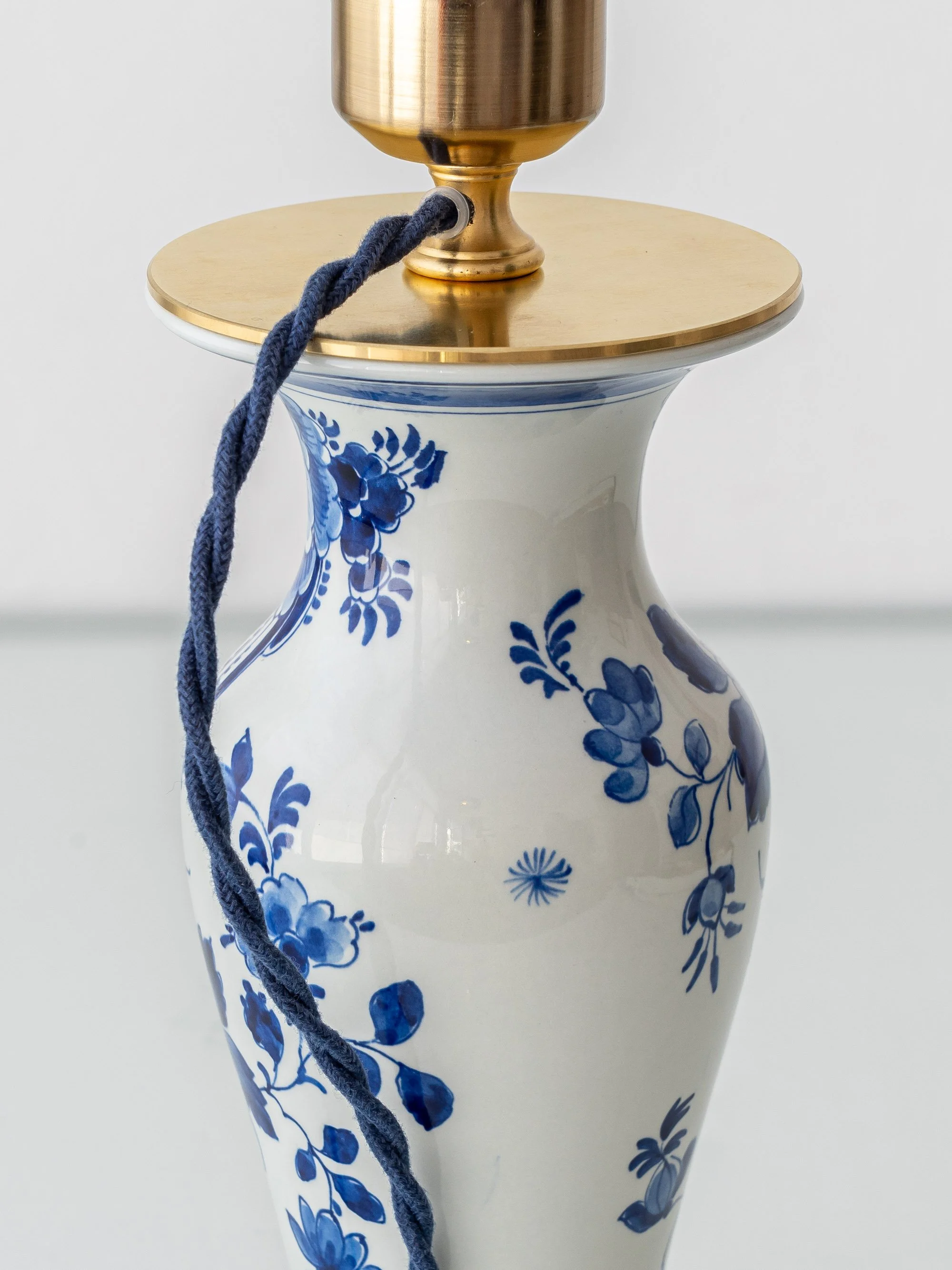
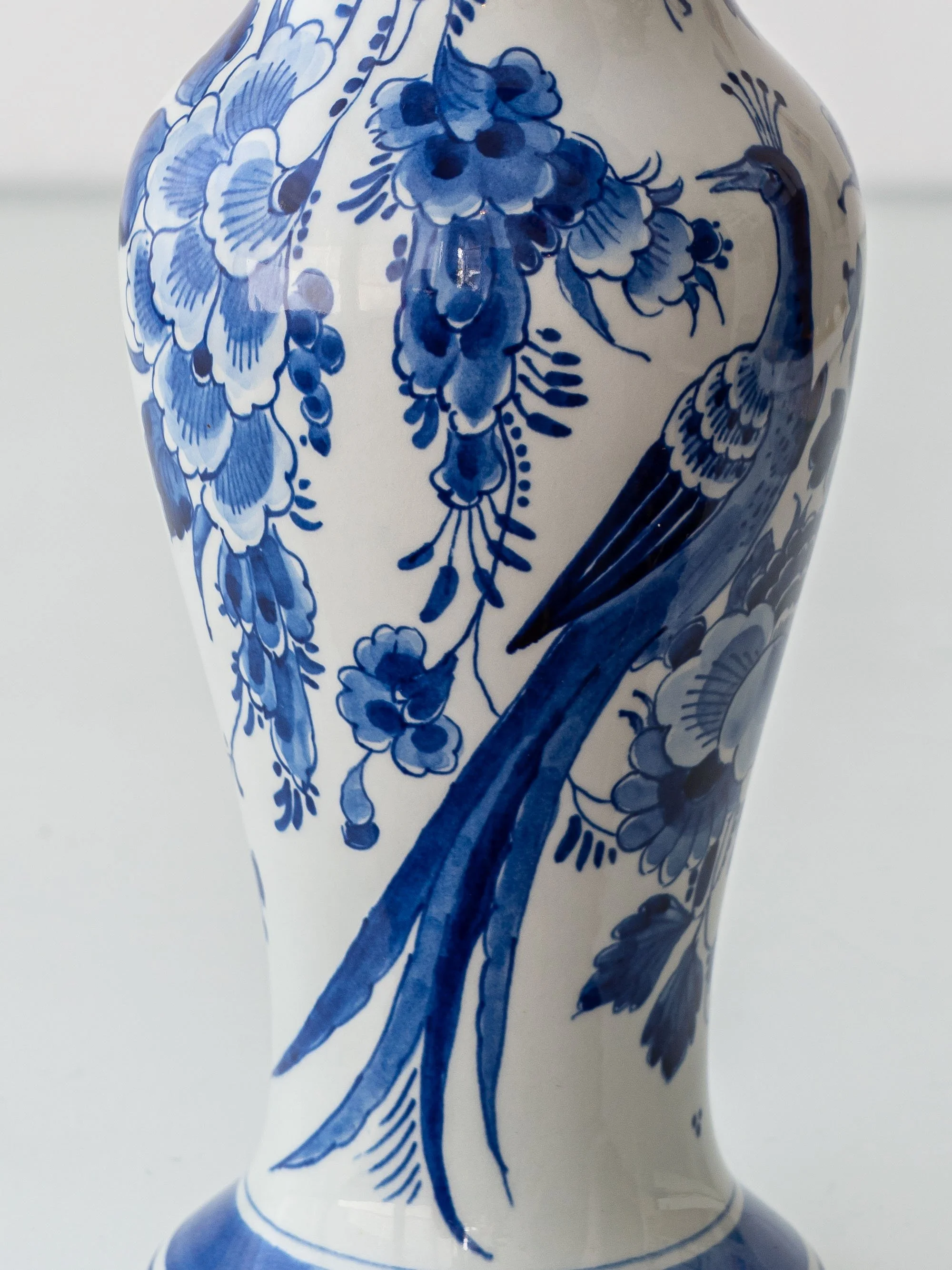
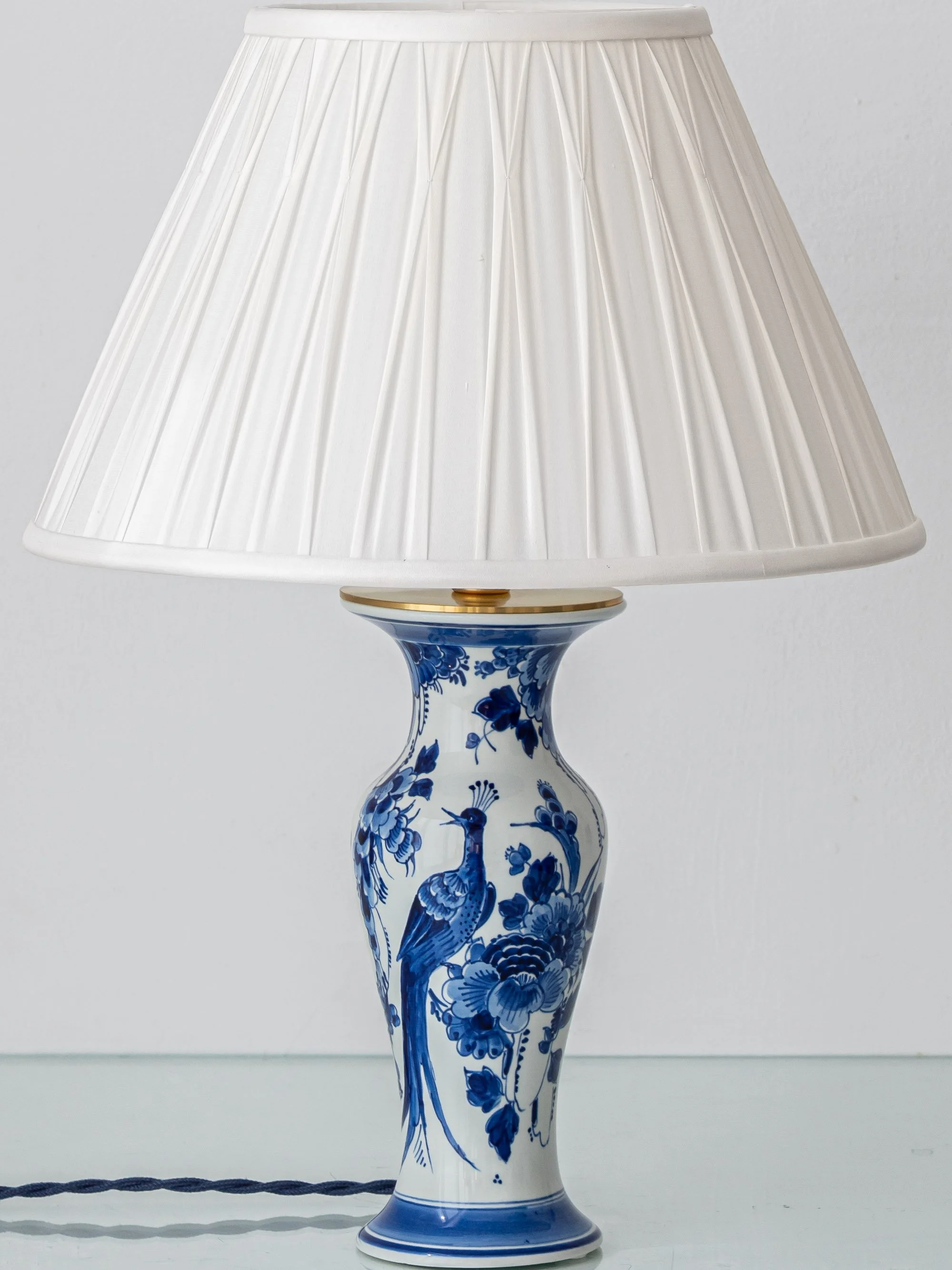
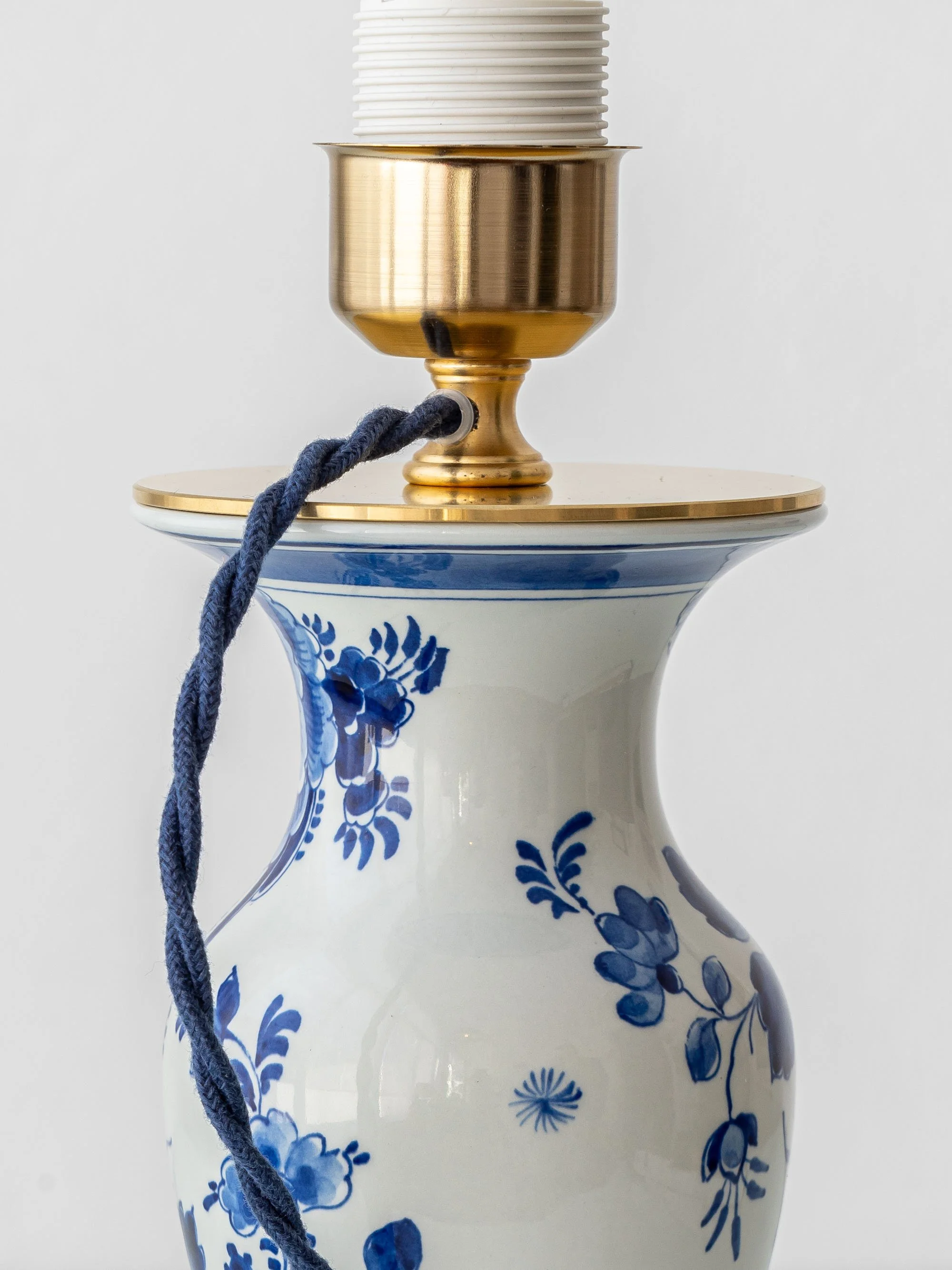
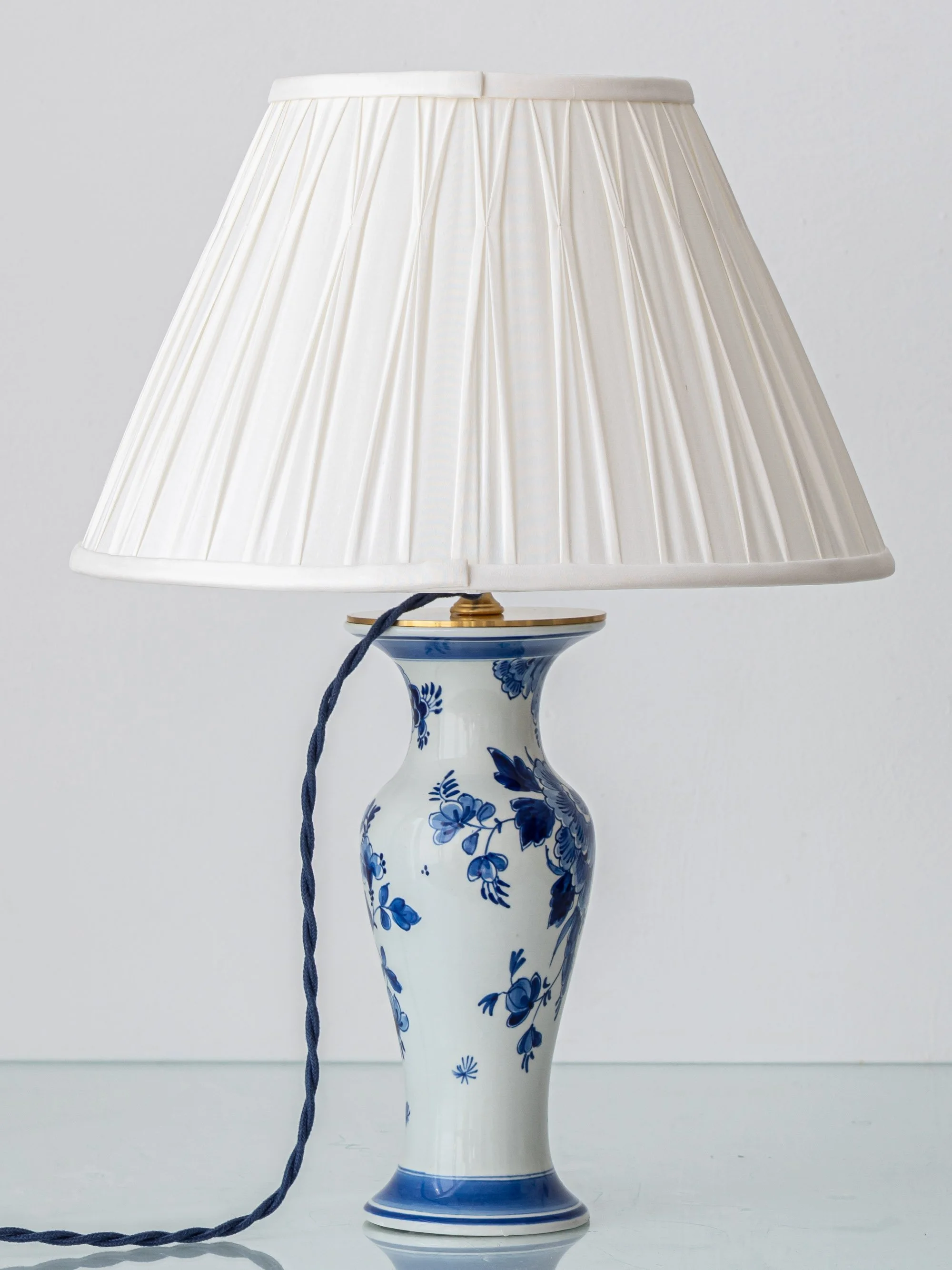
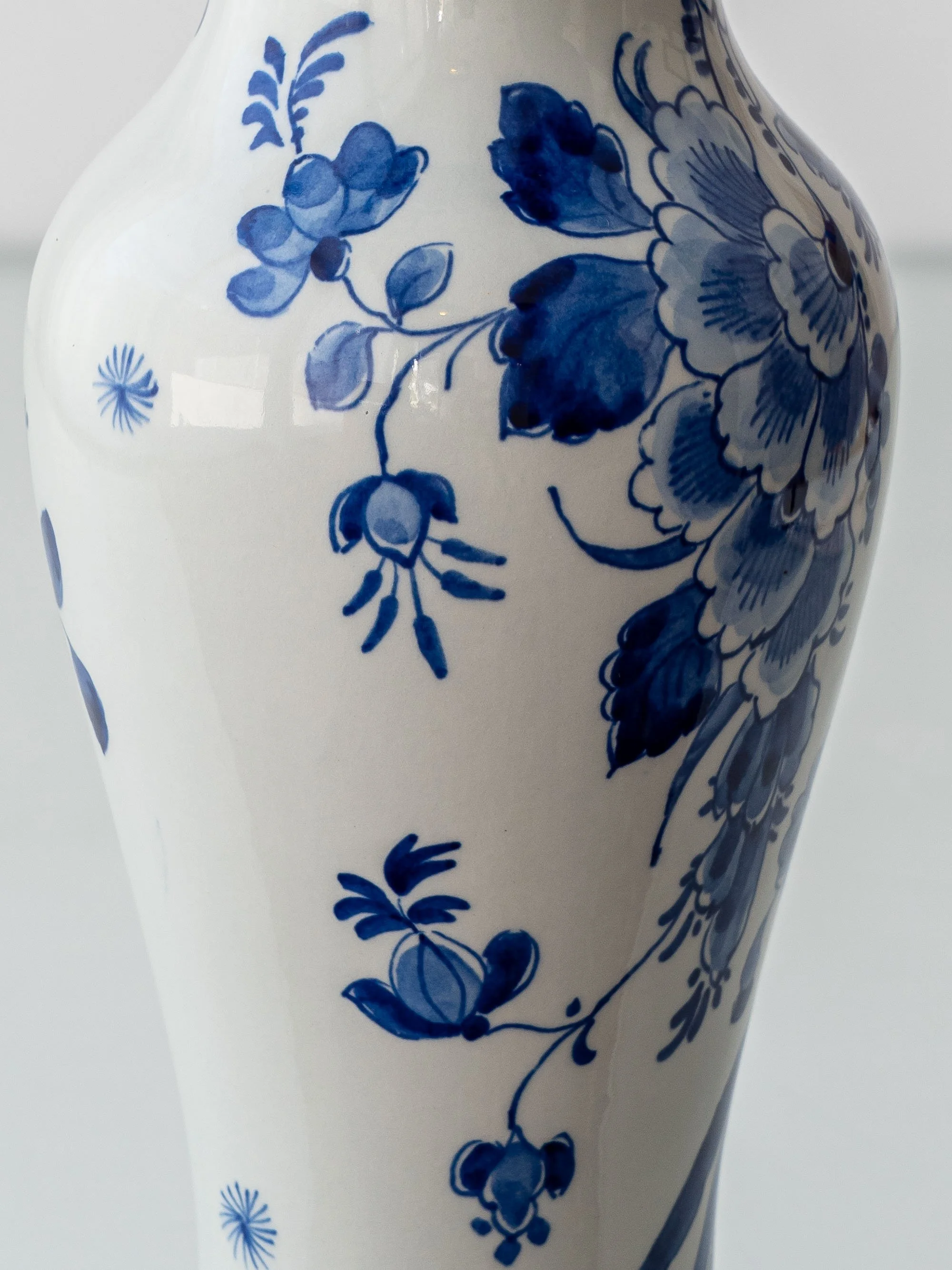
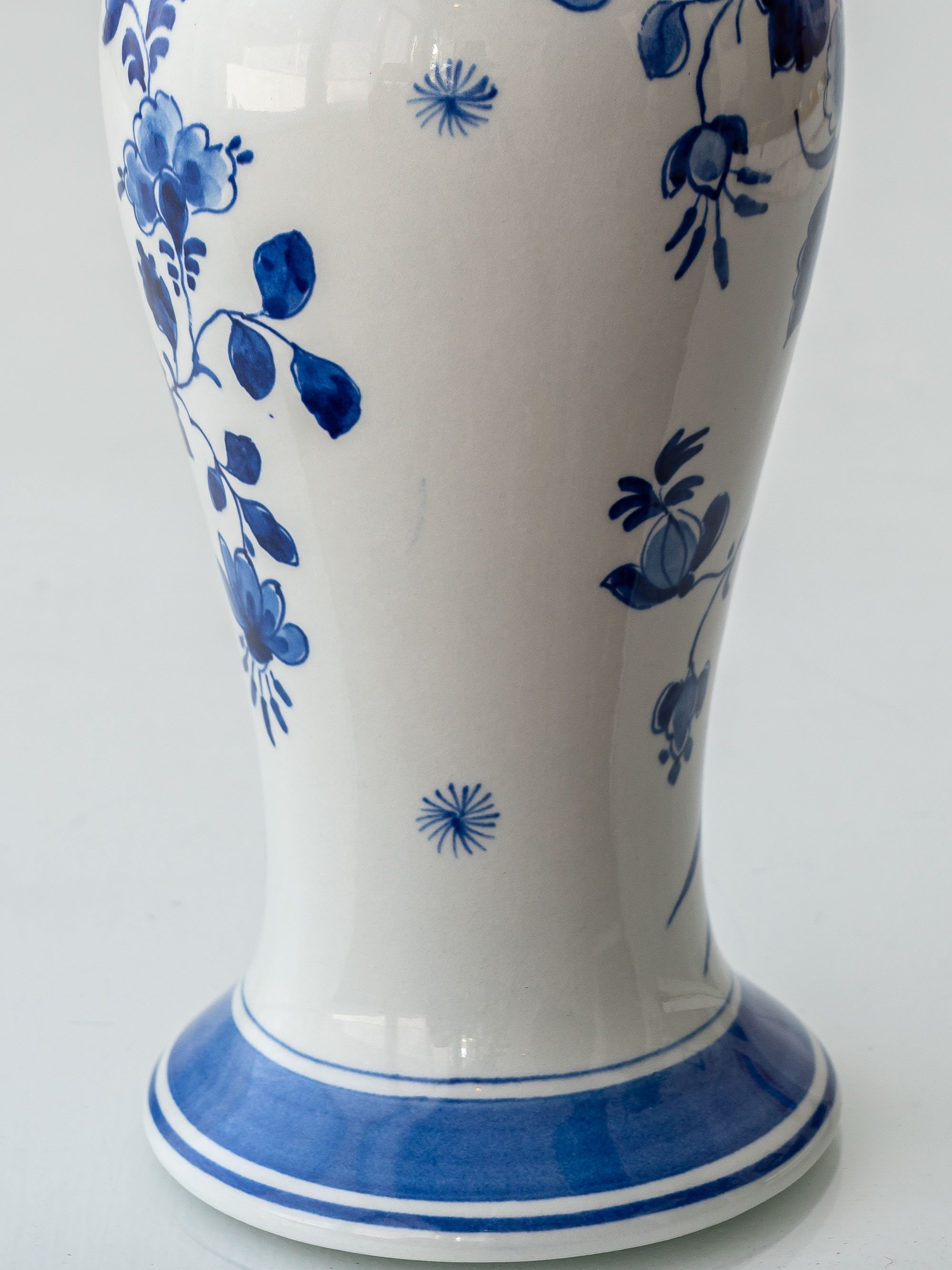
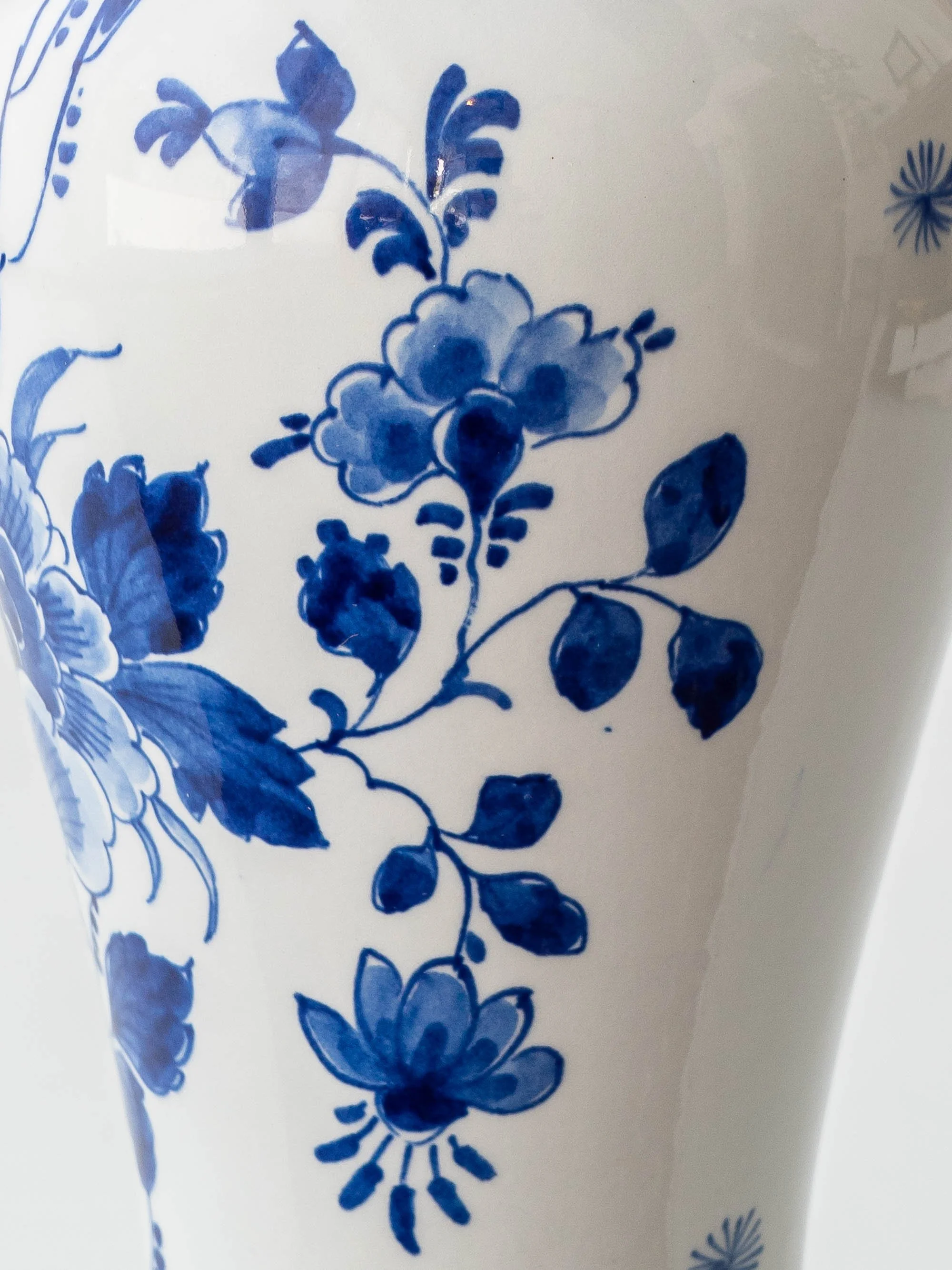
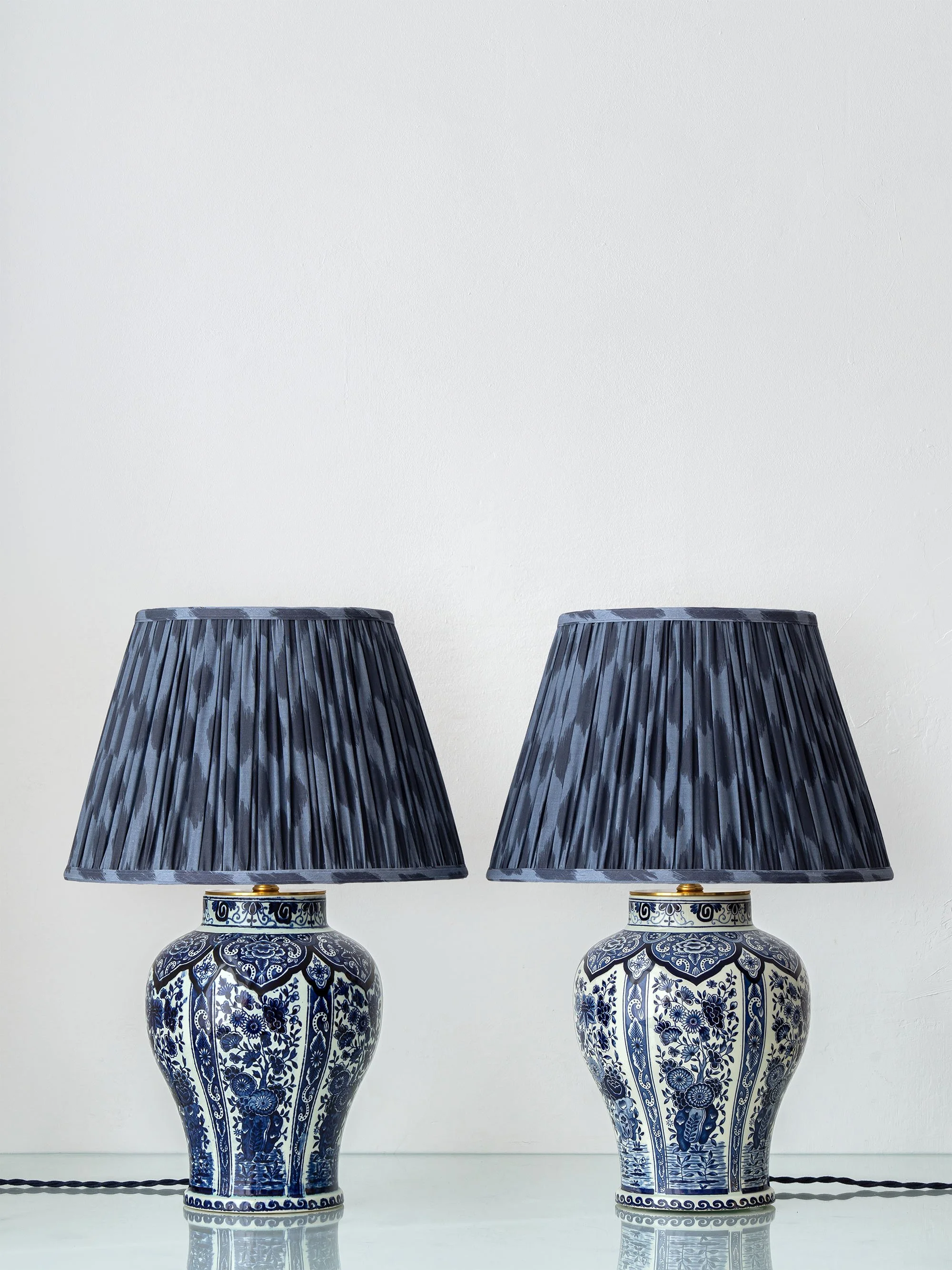
The two vases are baluster-form, in the deep blue that distinguishes Royal Sphinx and Boch, and they are a near-pair rather than a matched one: the blue on one base is denser and darker than on the other. The difference comes from the transfer print, which was applied by hand and takes ink unevenly from piece to piece.
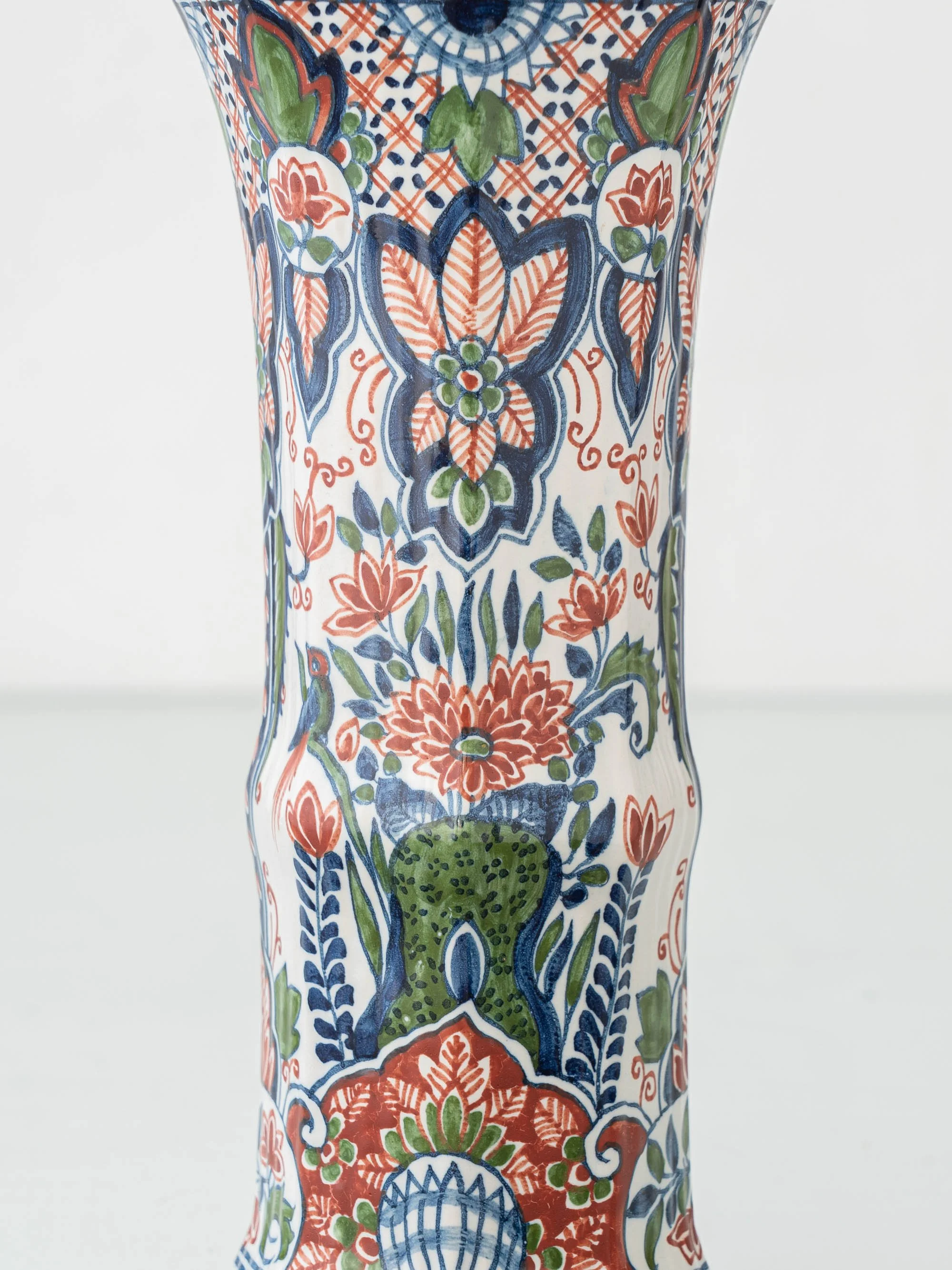
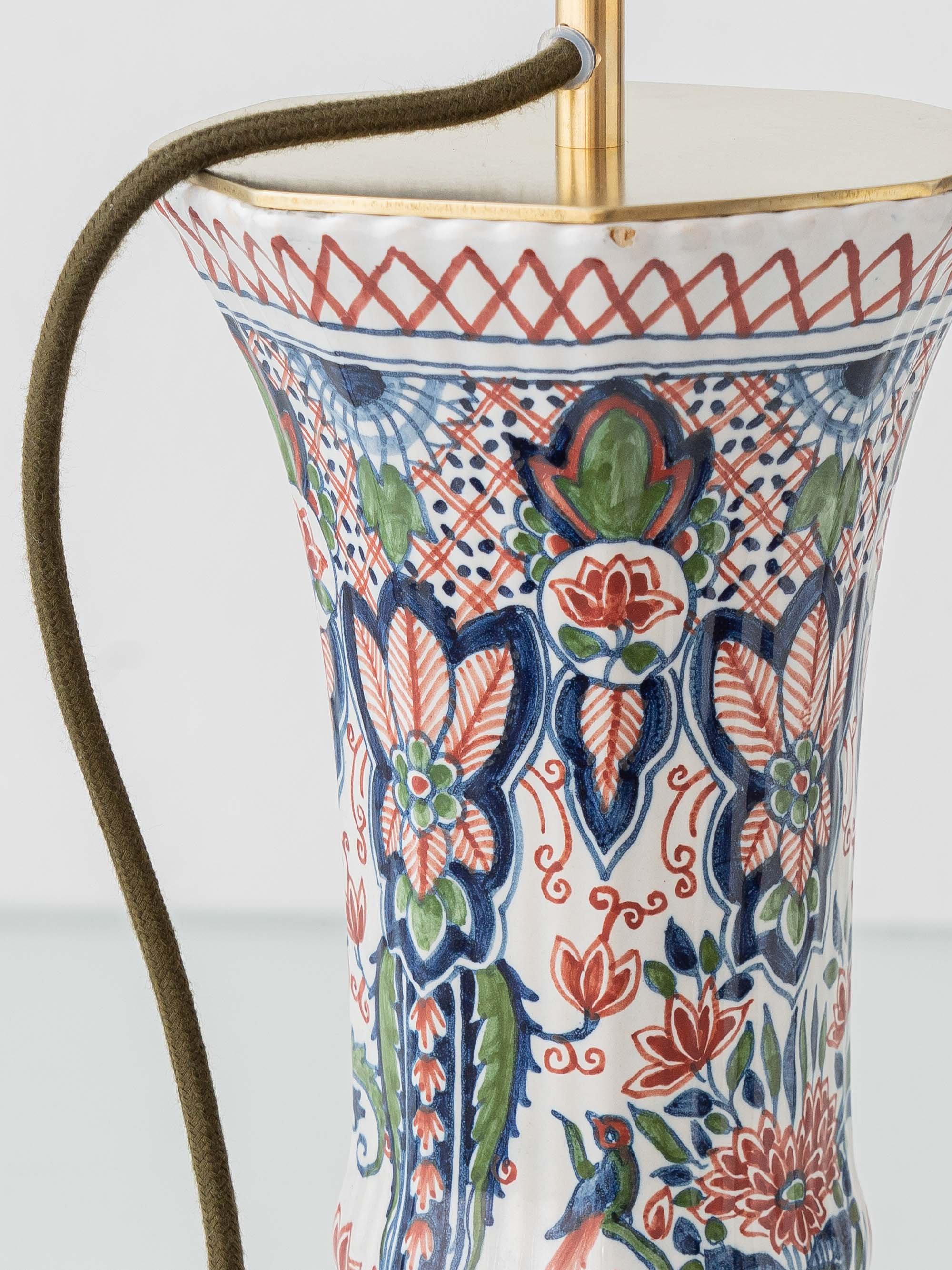
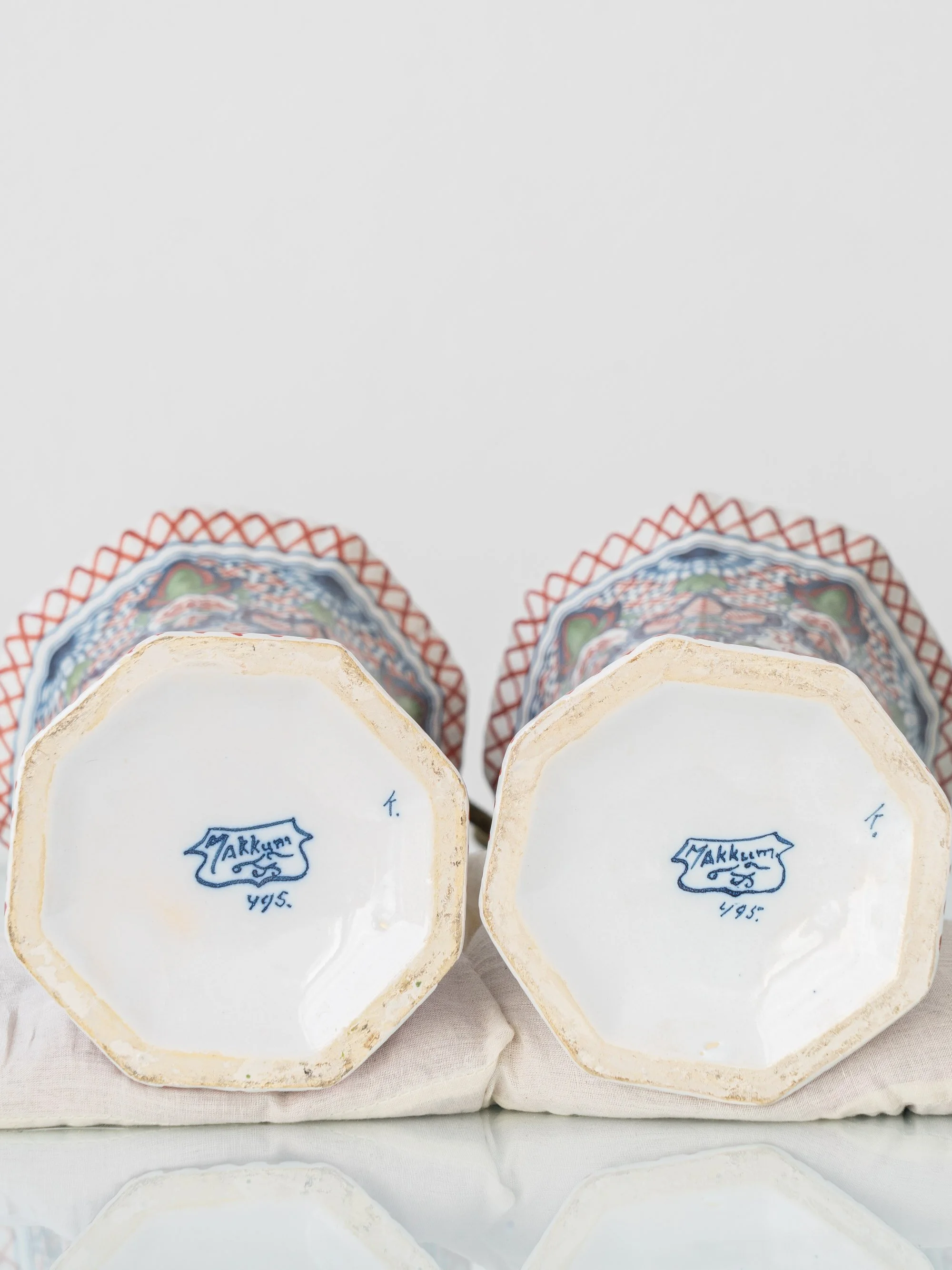
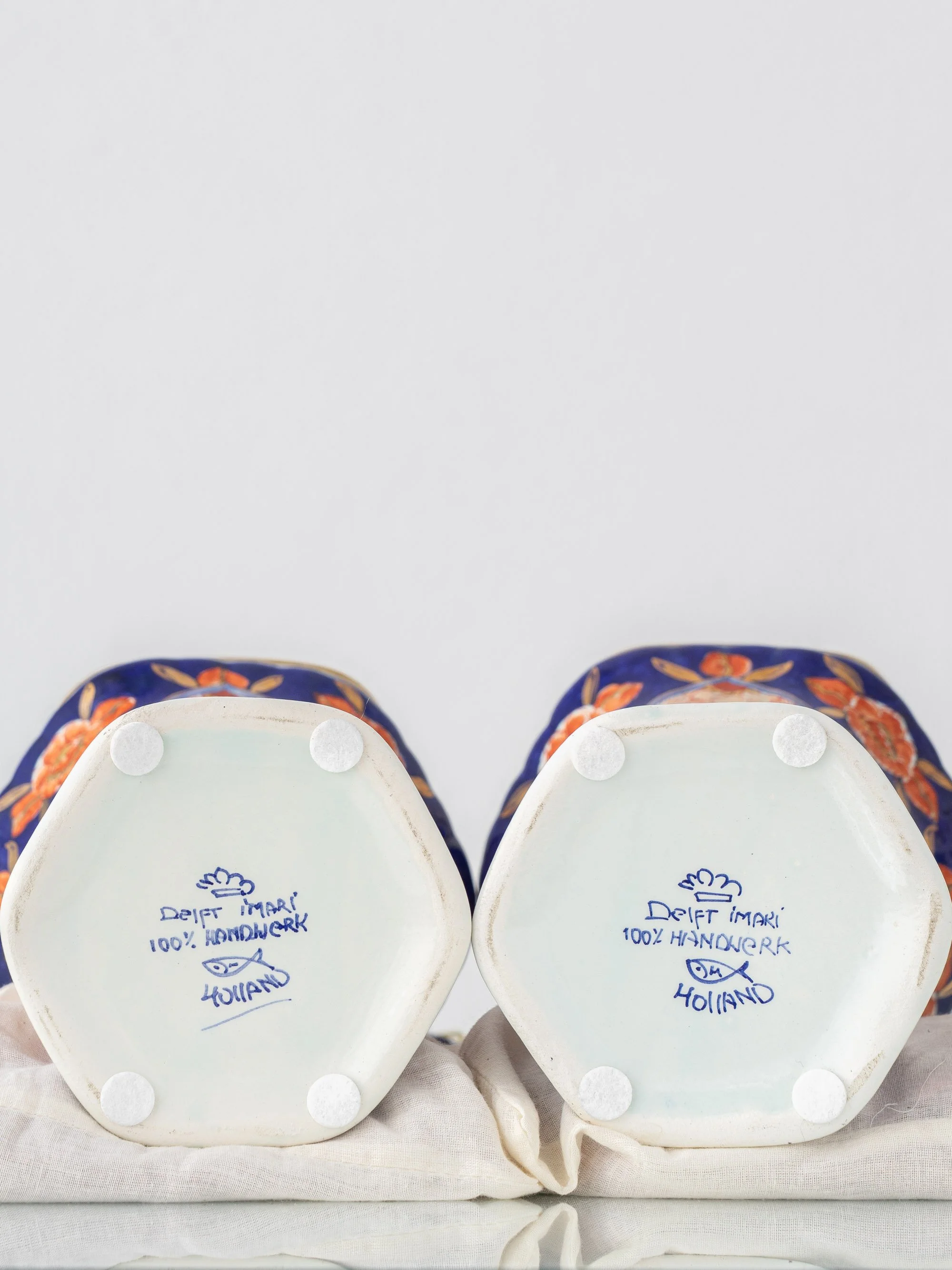
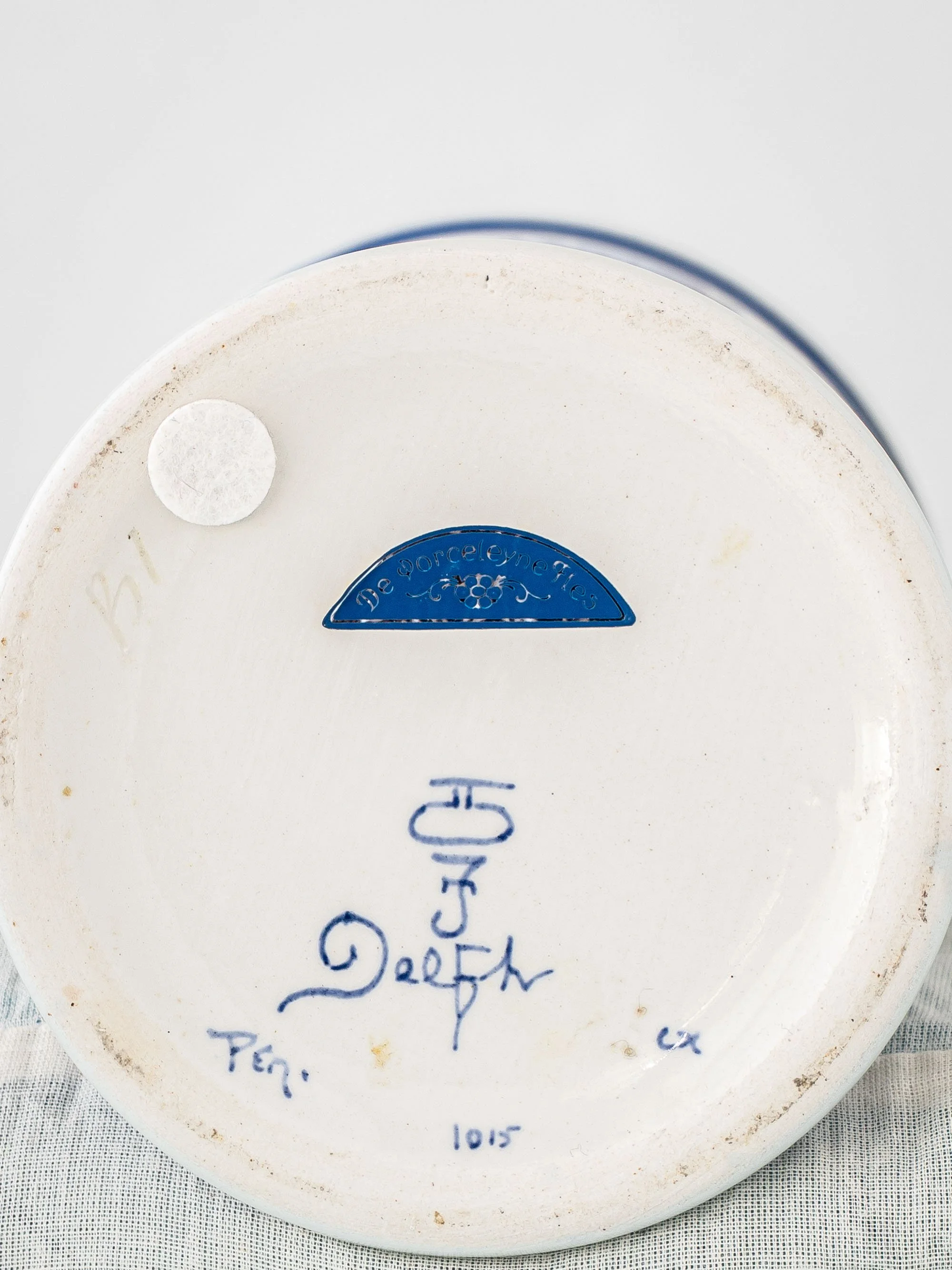
Transfer printing begins with a design engraved on a plate. The inked image is lifted onto paper and pressed onto the ceramic before glazing. It holds fine, repeating detail across an entire surface at a density hand-painting could not reach, and it accounts for the saturated, all-over pattern this line is known for. Both bases are marked underneath with the printed Royal Sphinx roundel and the wording Made for Royal Sphinx by Boch, Holland, Delfts.
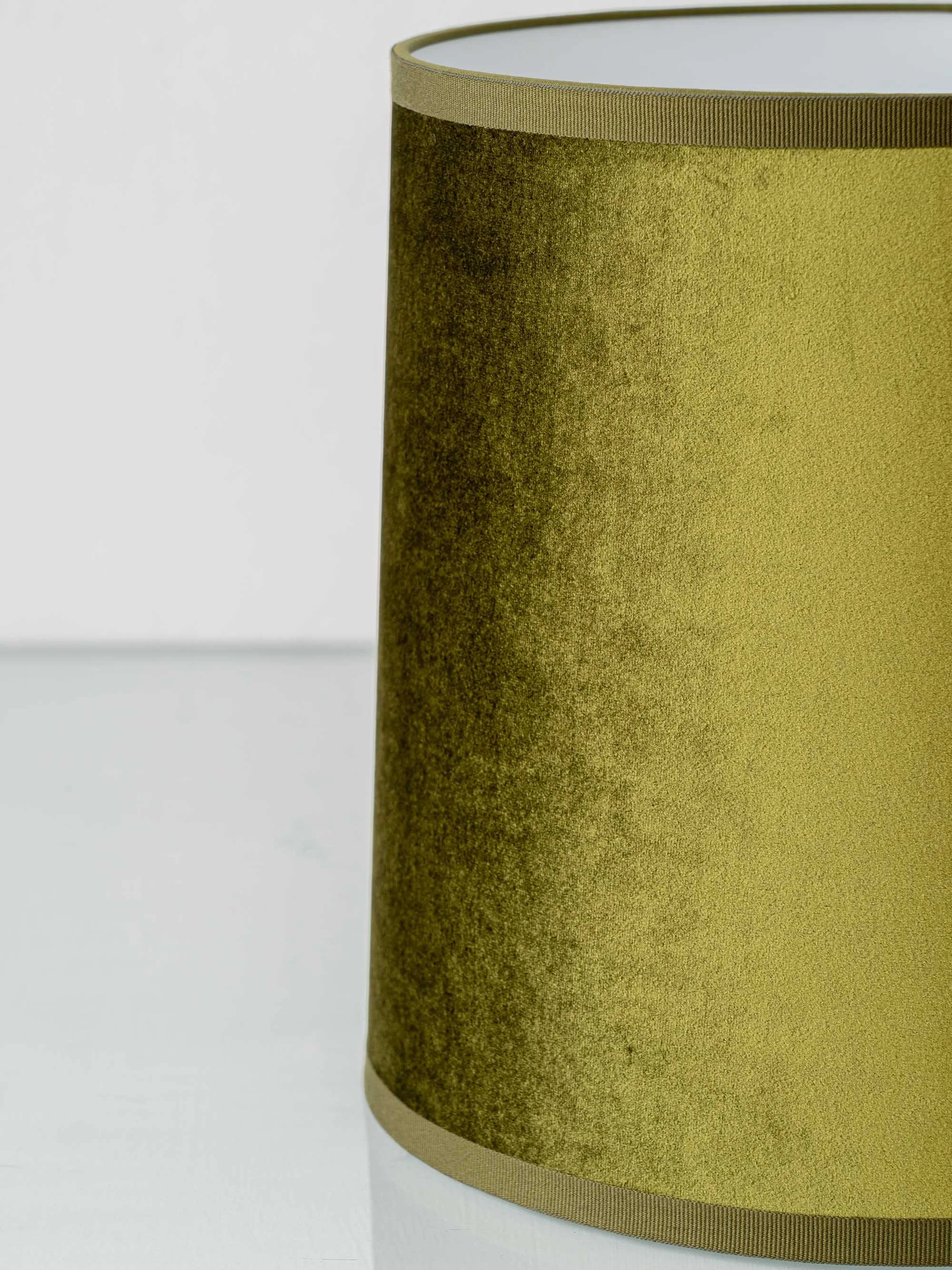
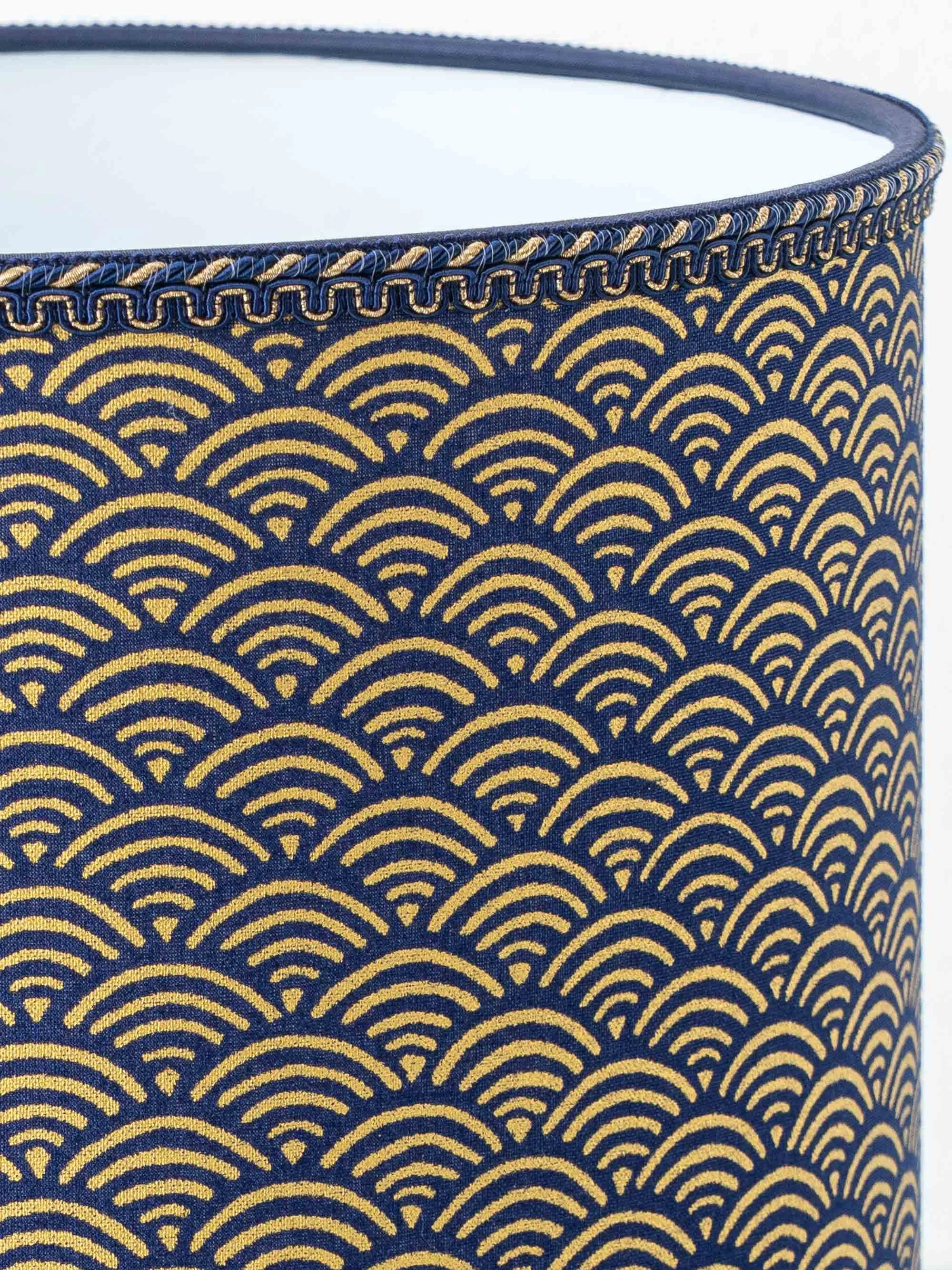
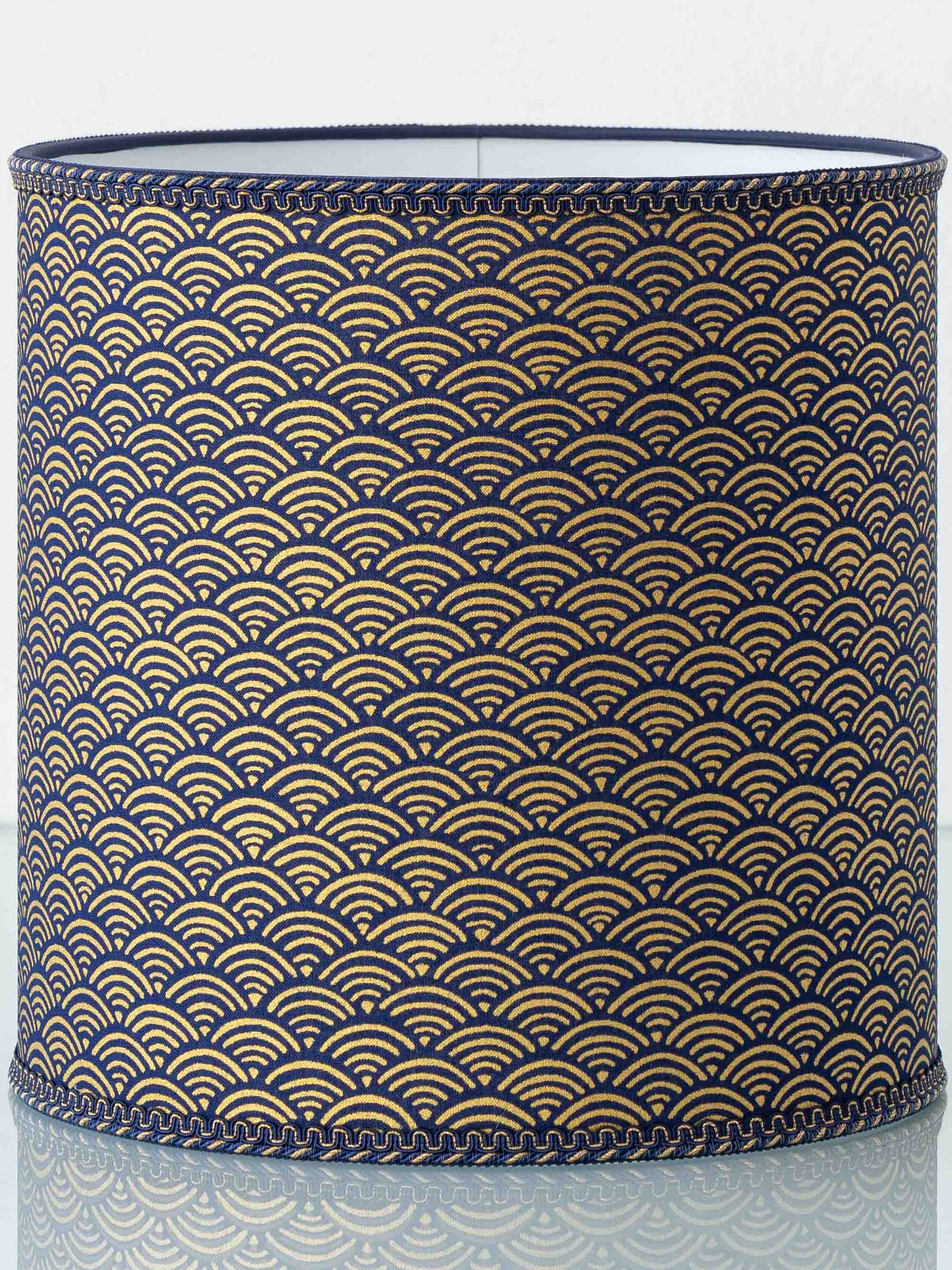
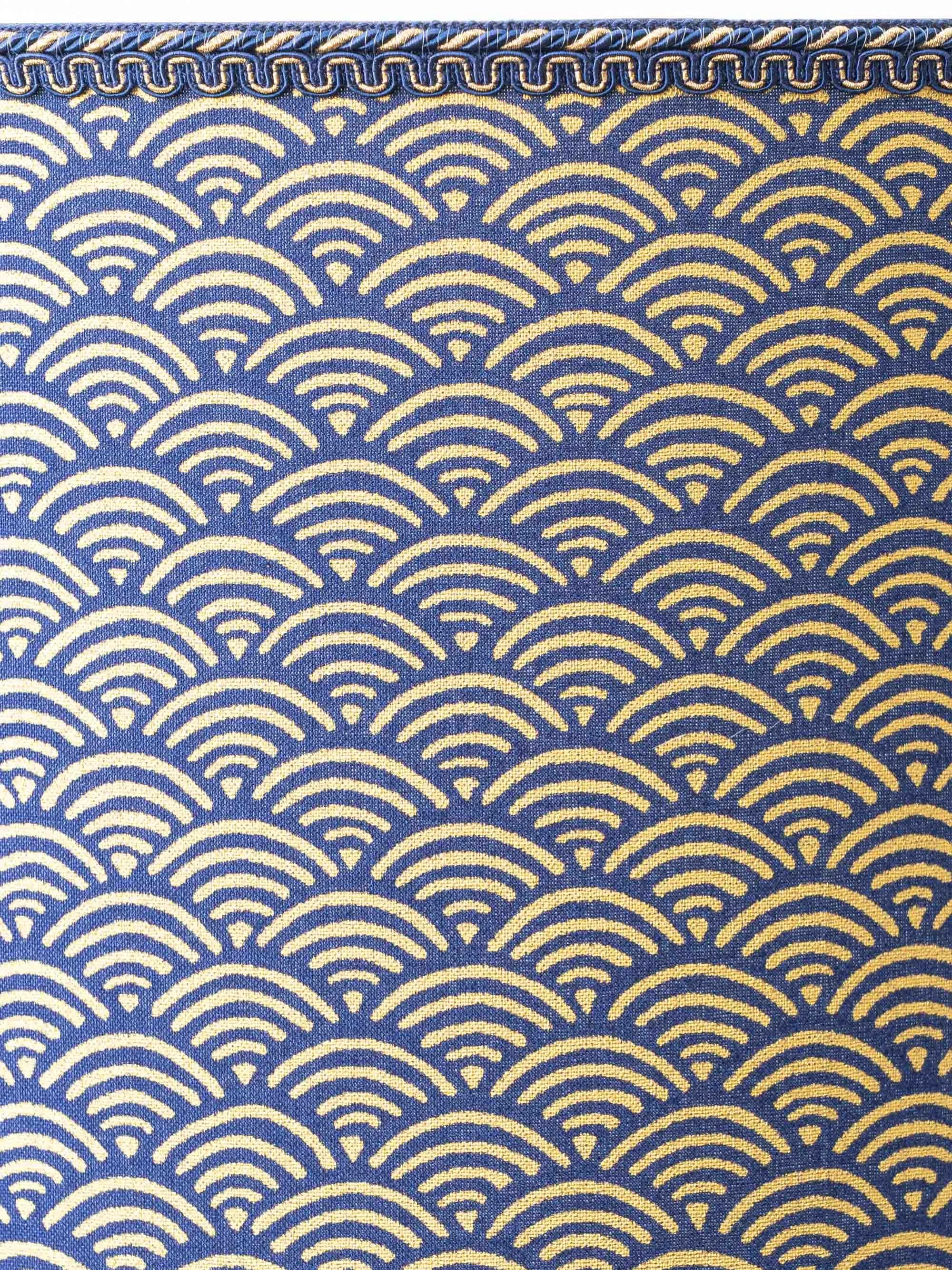
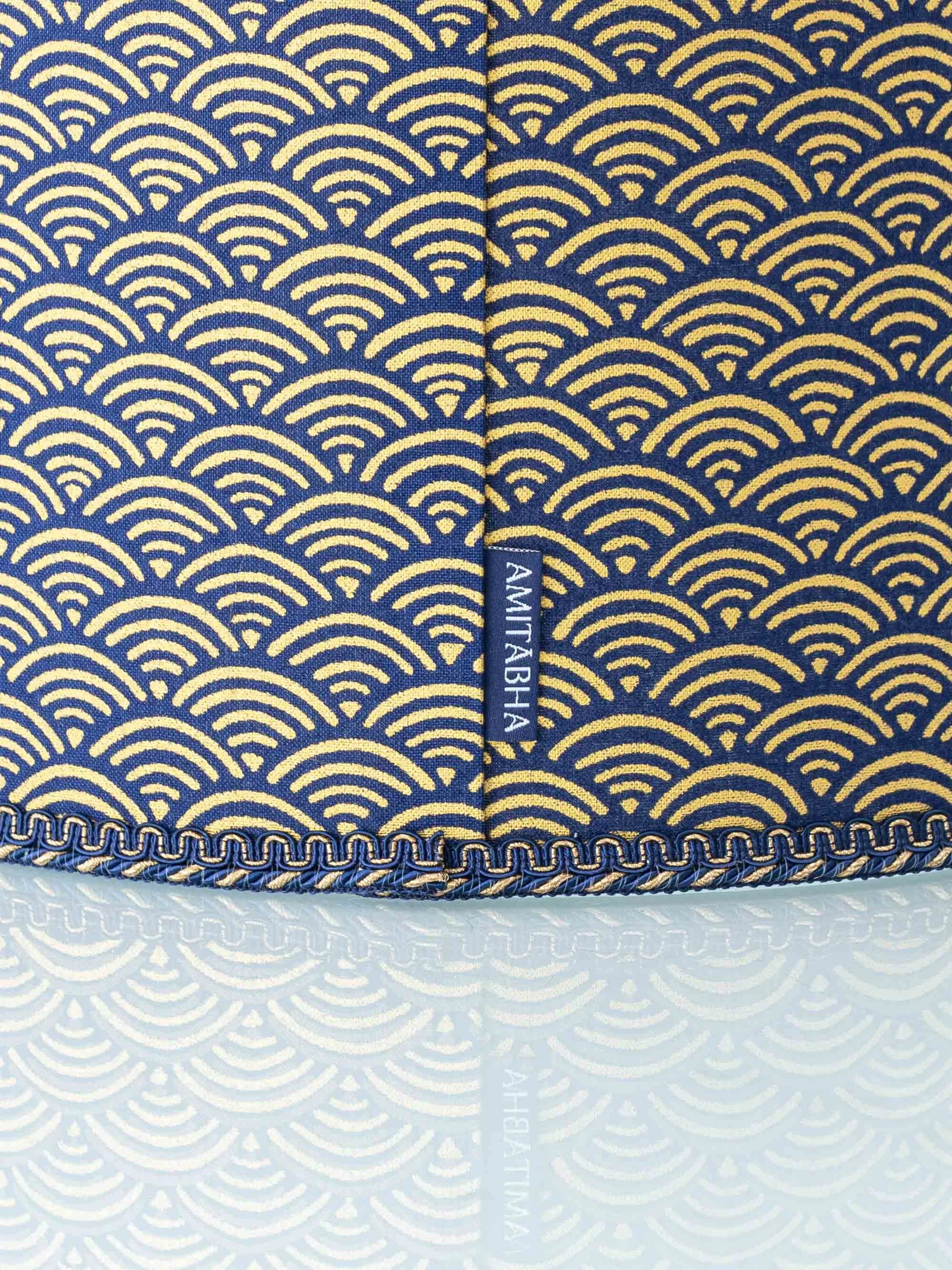
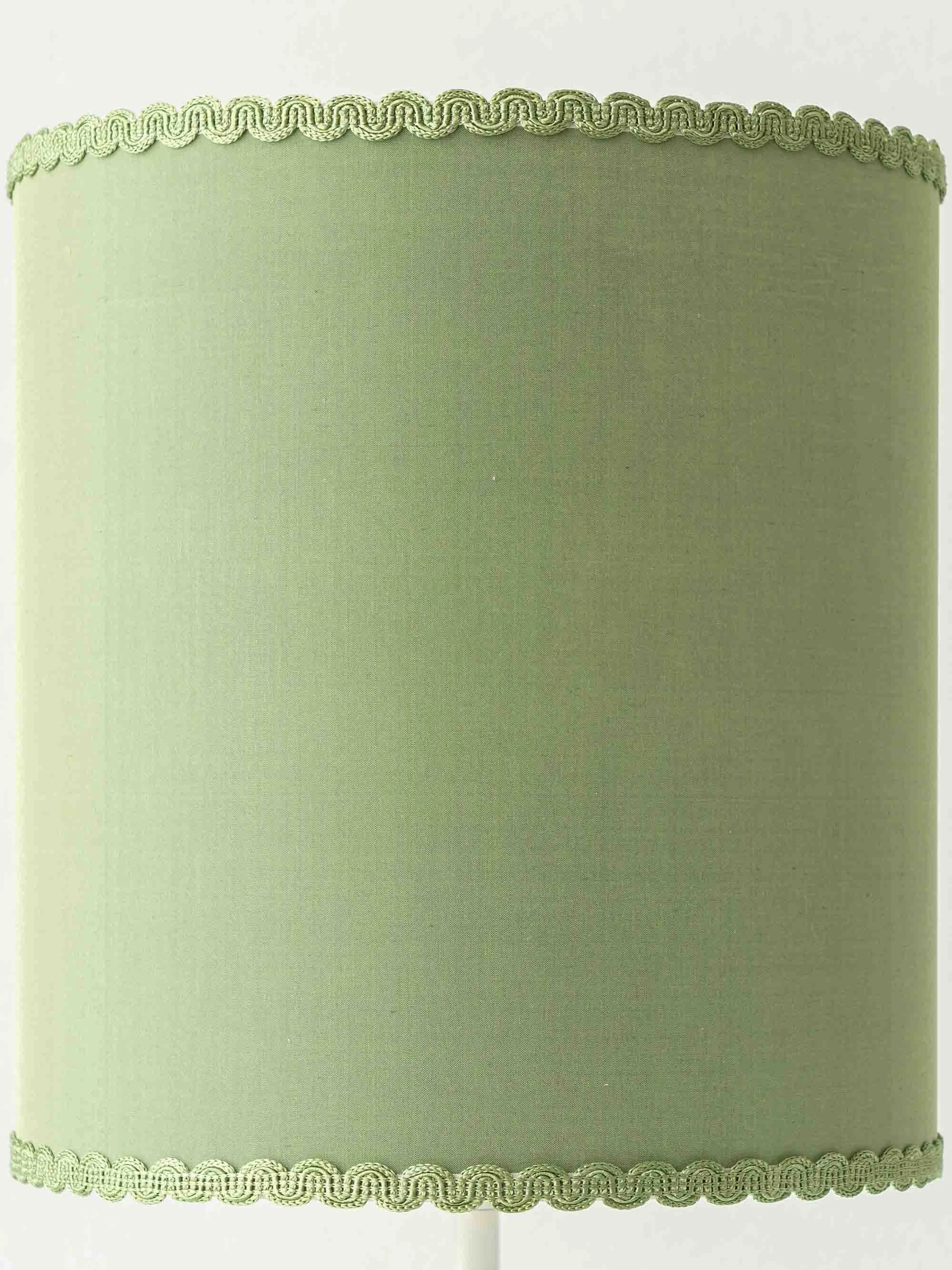
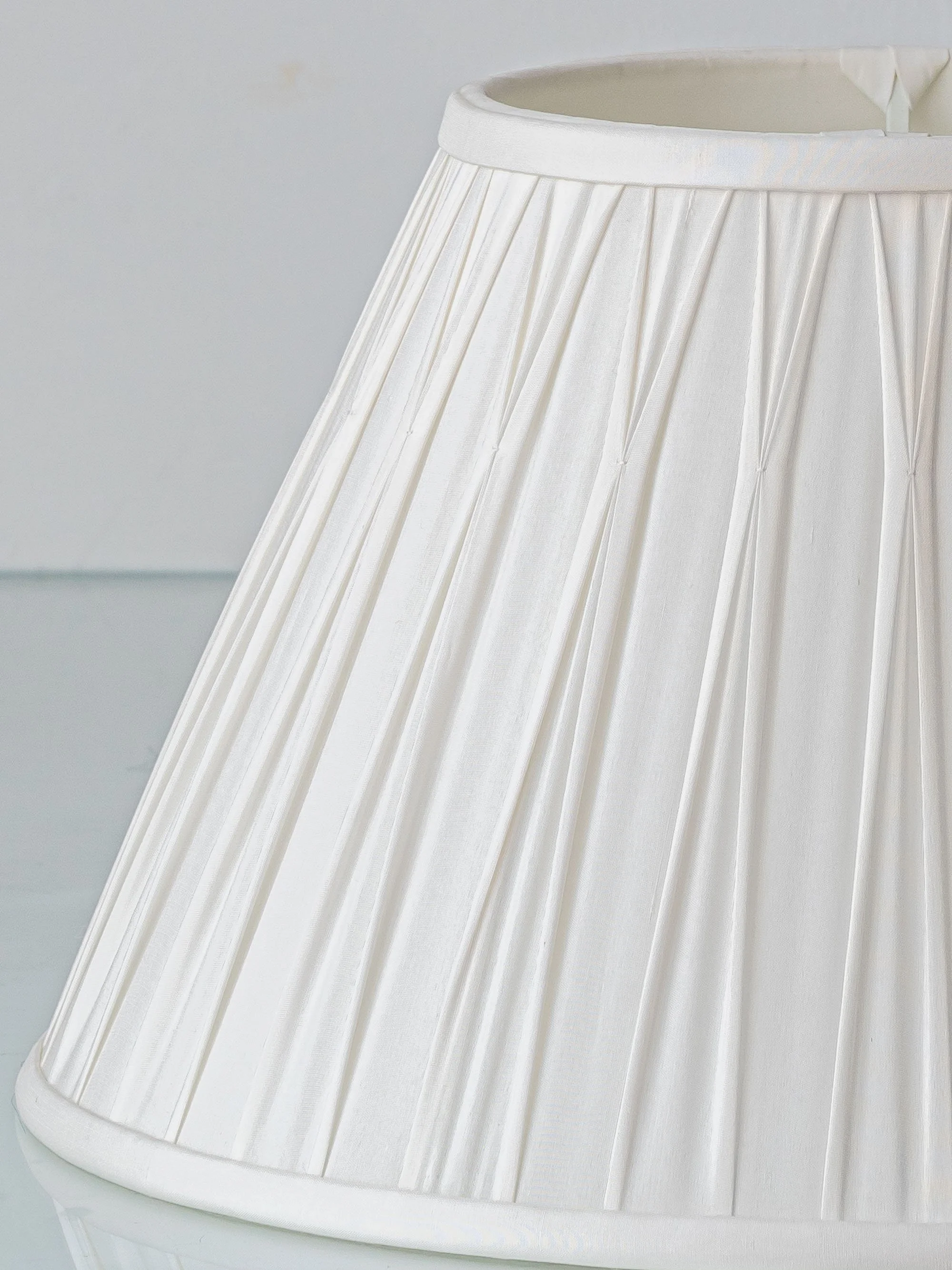
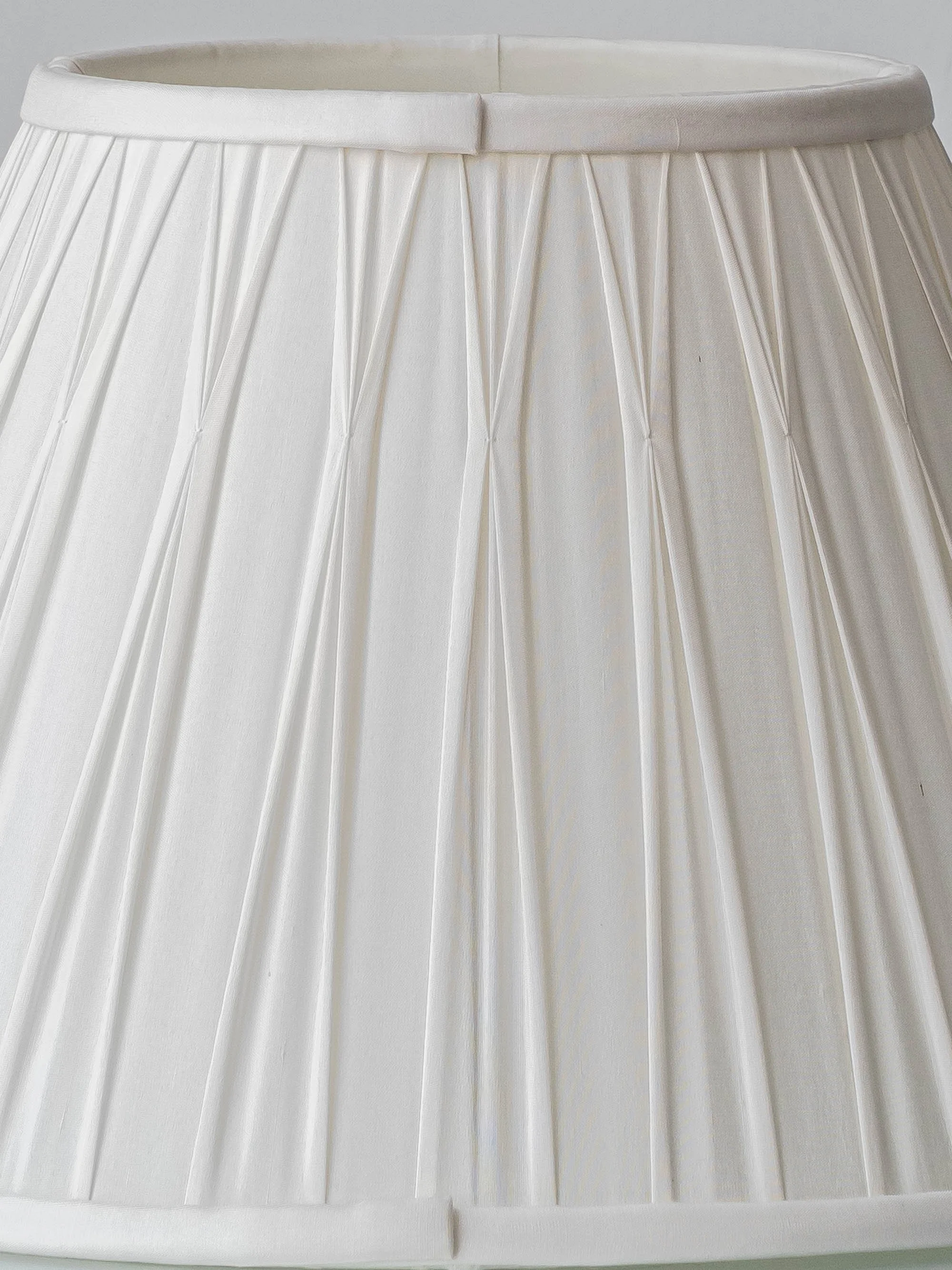
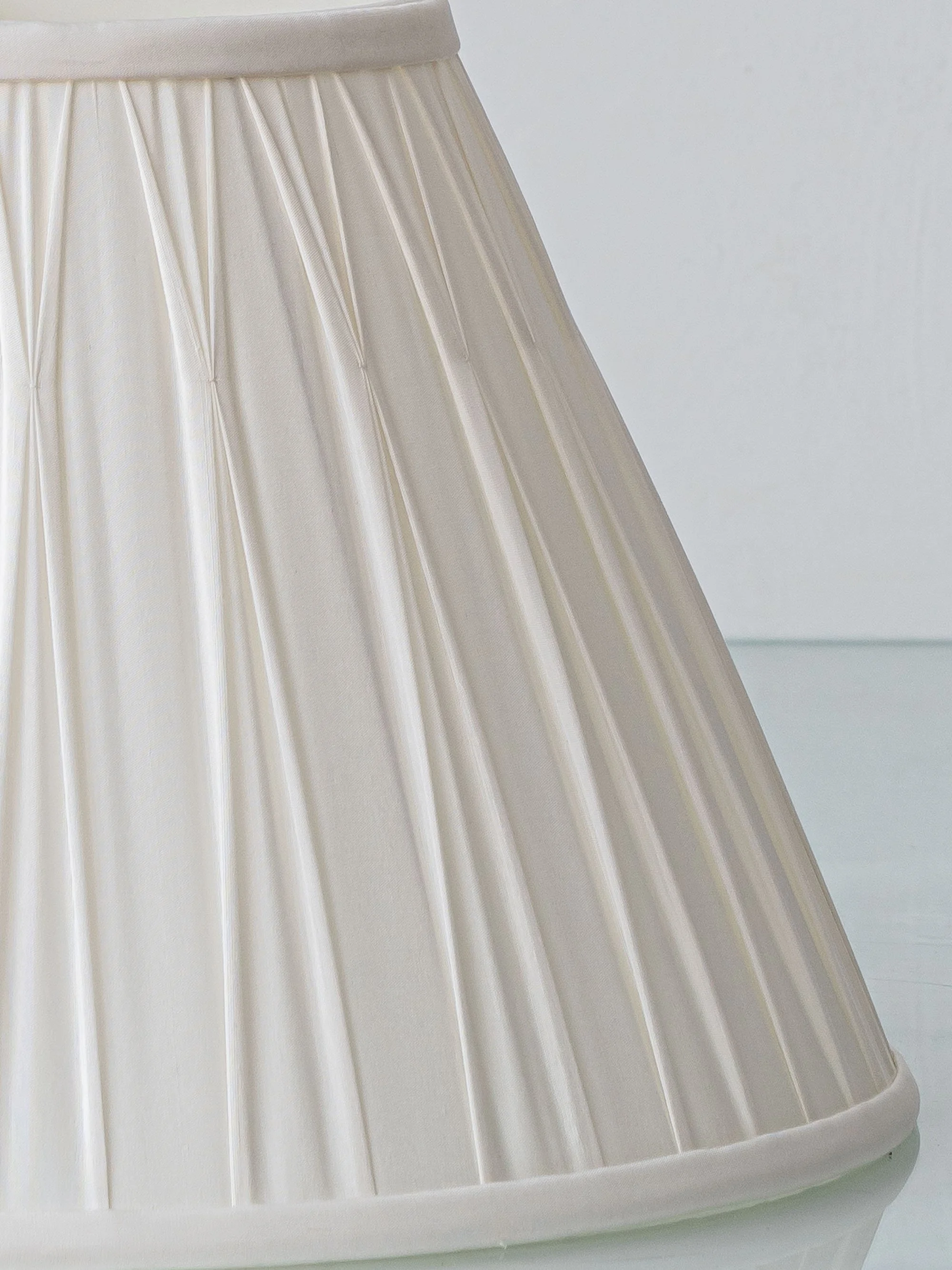
The shades are new, pleated, and patterned in an ikat-style repeat of monochrome blues — blue on blue, with no second colour introduced, so the eye stays on the ceramic.
About Boch for Royal Sphinx
Royal Sphinx of Maastricht descended from the pottery founded by Petrus Regout in 1834, and its blue-and-white Delftware was among the most widely owned ceramics in the Netherlands. Production of the line ended at Maastricht in 1969. Boch Frères Keramis — established at La Louvière in 1841, and one of Belgium's leading ceramic houses — acquired the designs and the moulds, continued the line across the border, and marked each piece Made for Royal Sphinx by Boch until 1979. These lamps belong to that ten-year window: Dutch pattern, Belgian manufacture, and a mark that dates them to the decade.