 Image 1 of 15
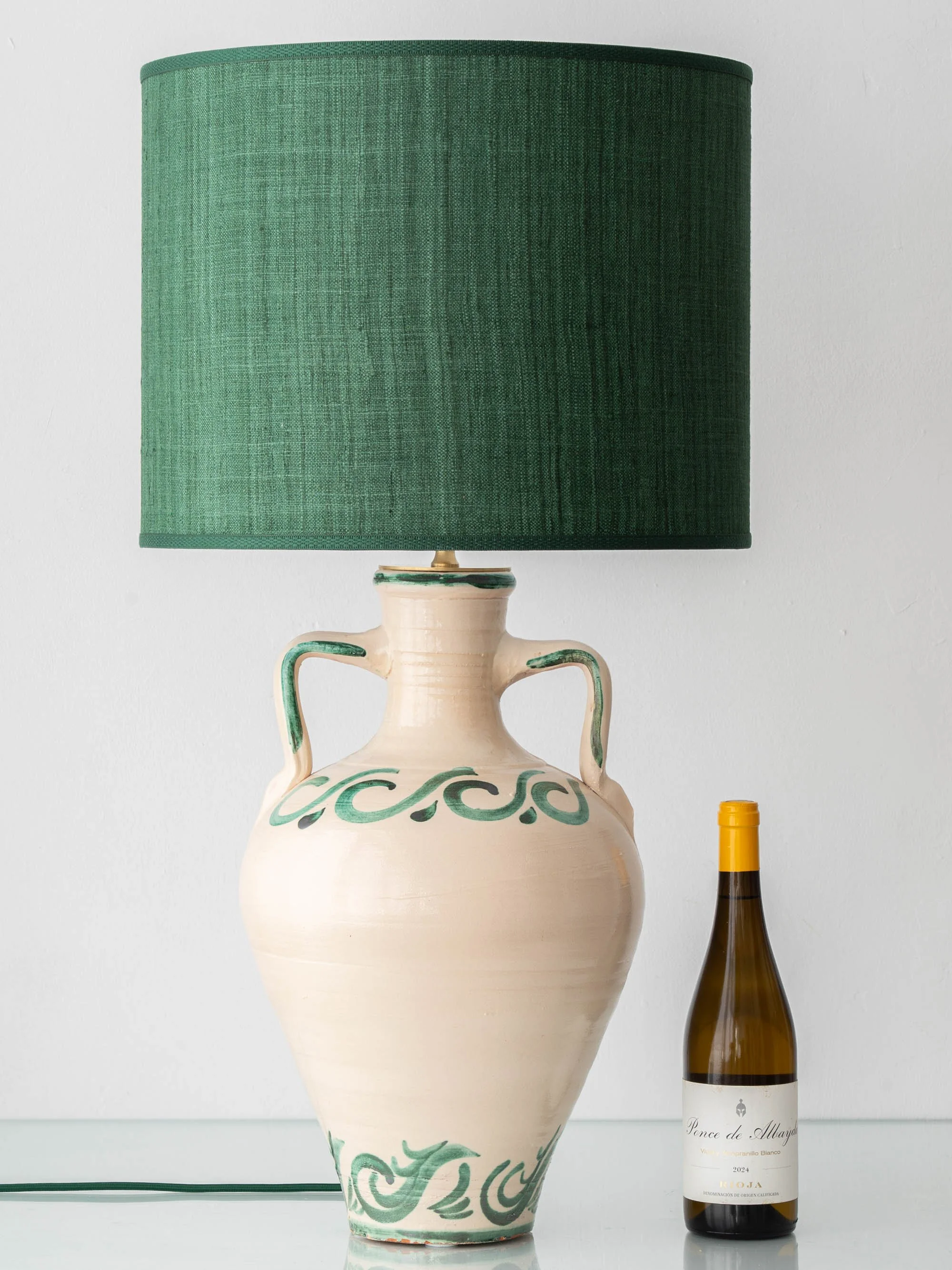 Image 2 of 15
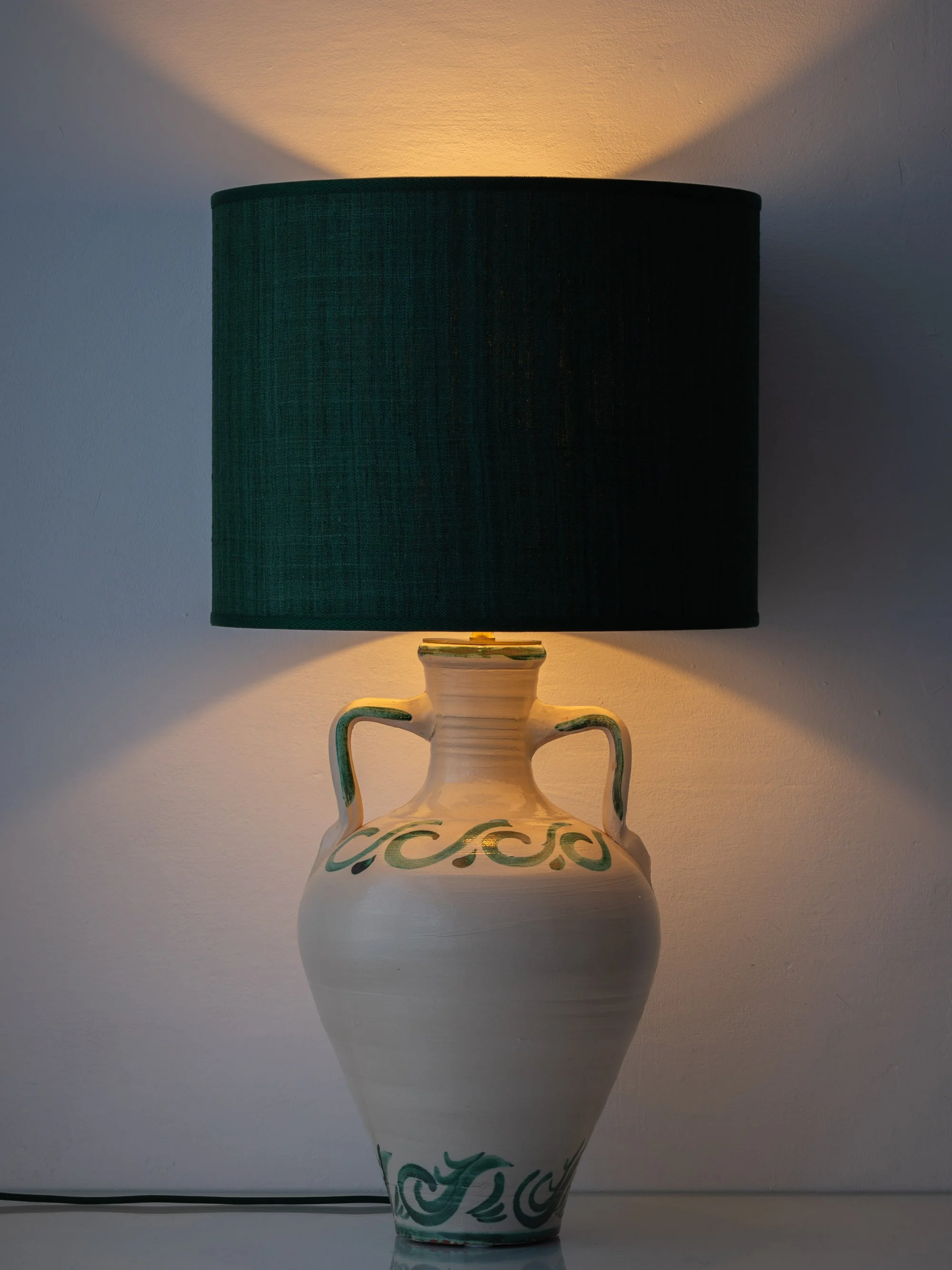 Image 3 of 15
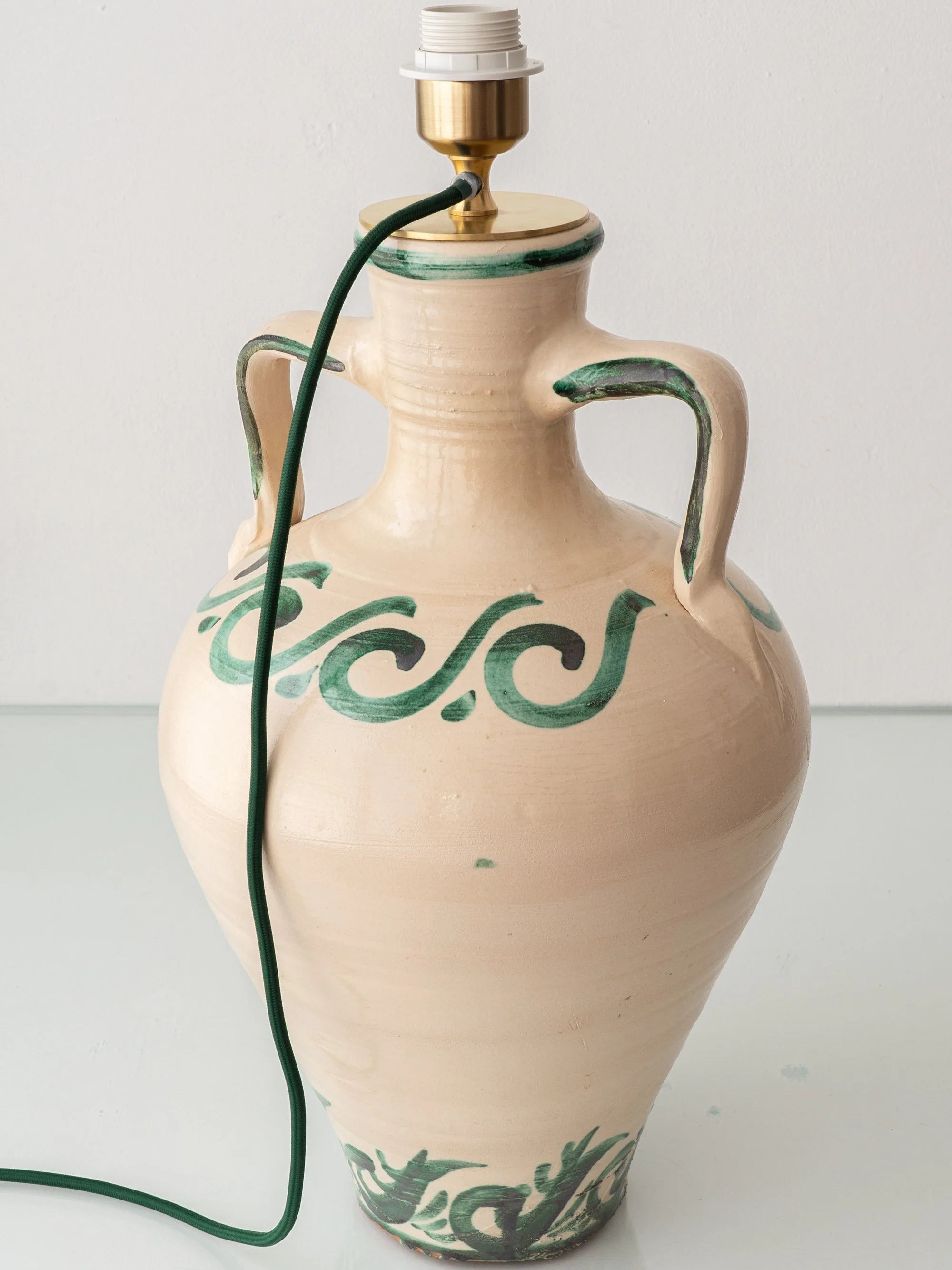 Image 4 of 15
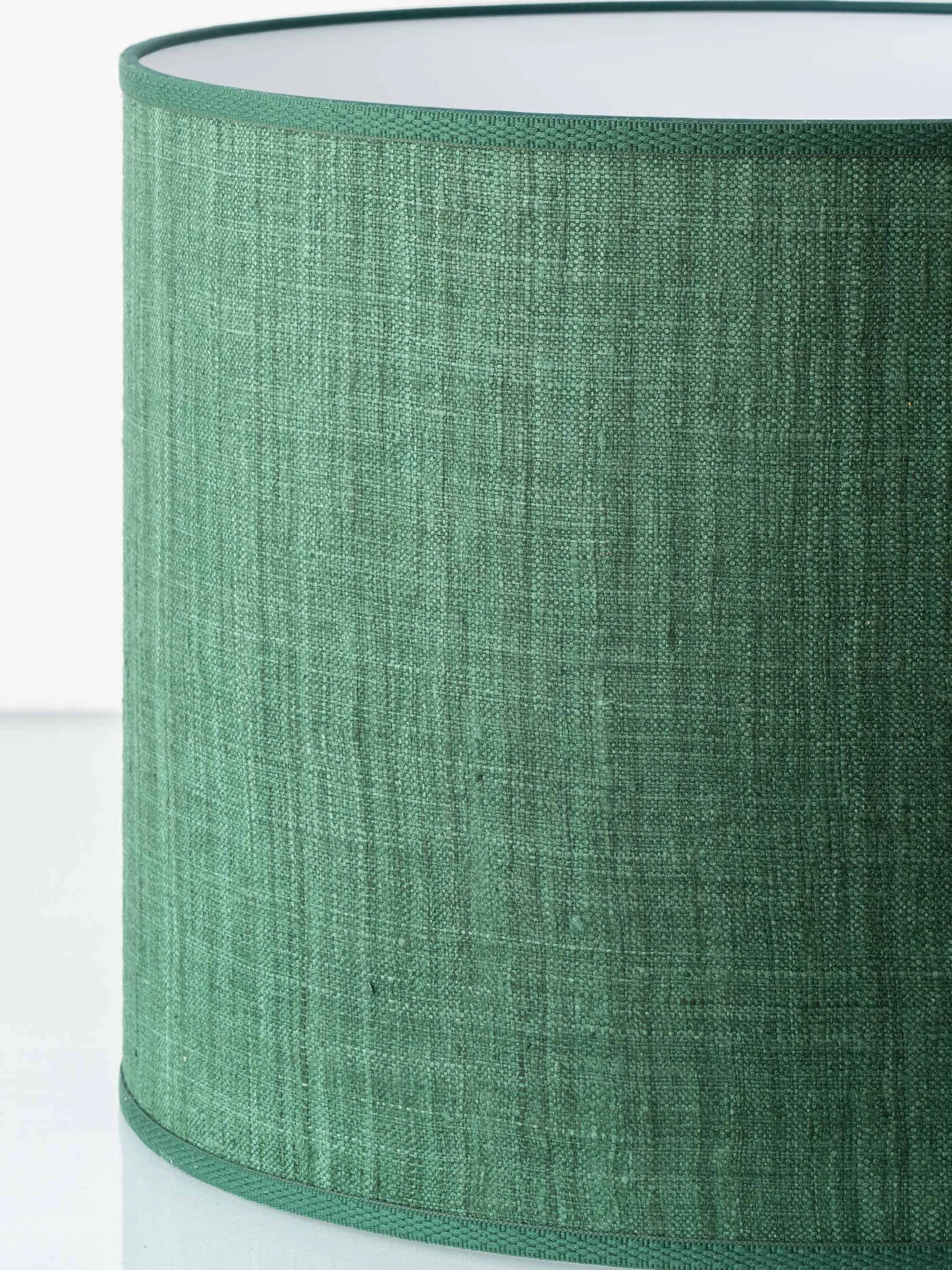 Image 5 of 15
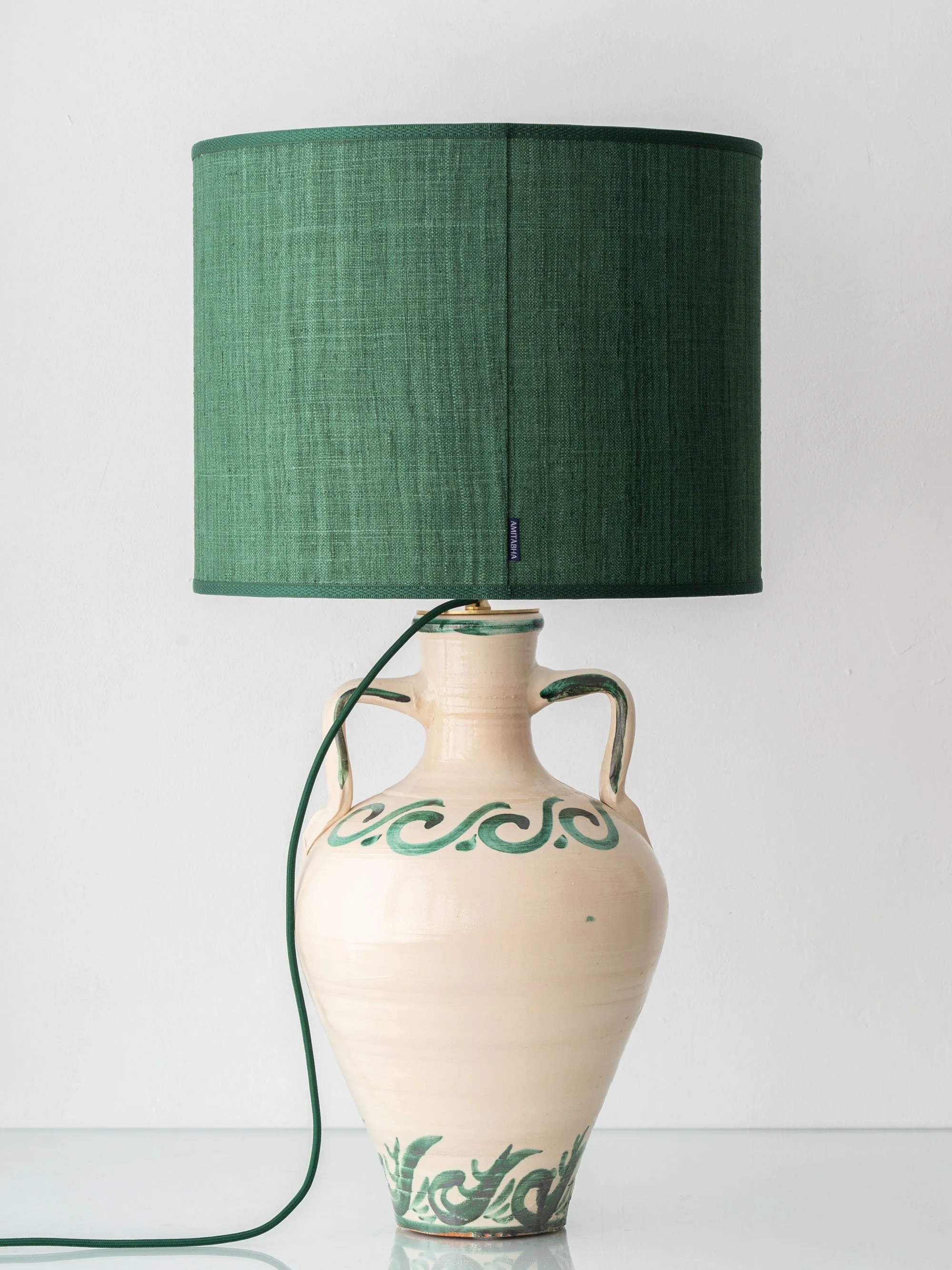 Image 6 of 15
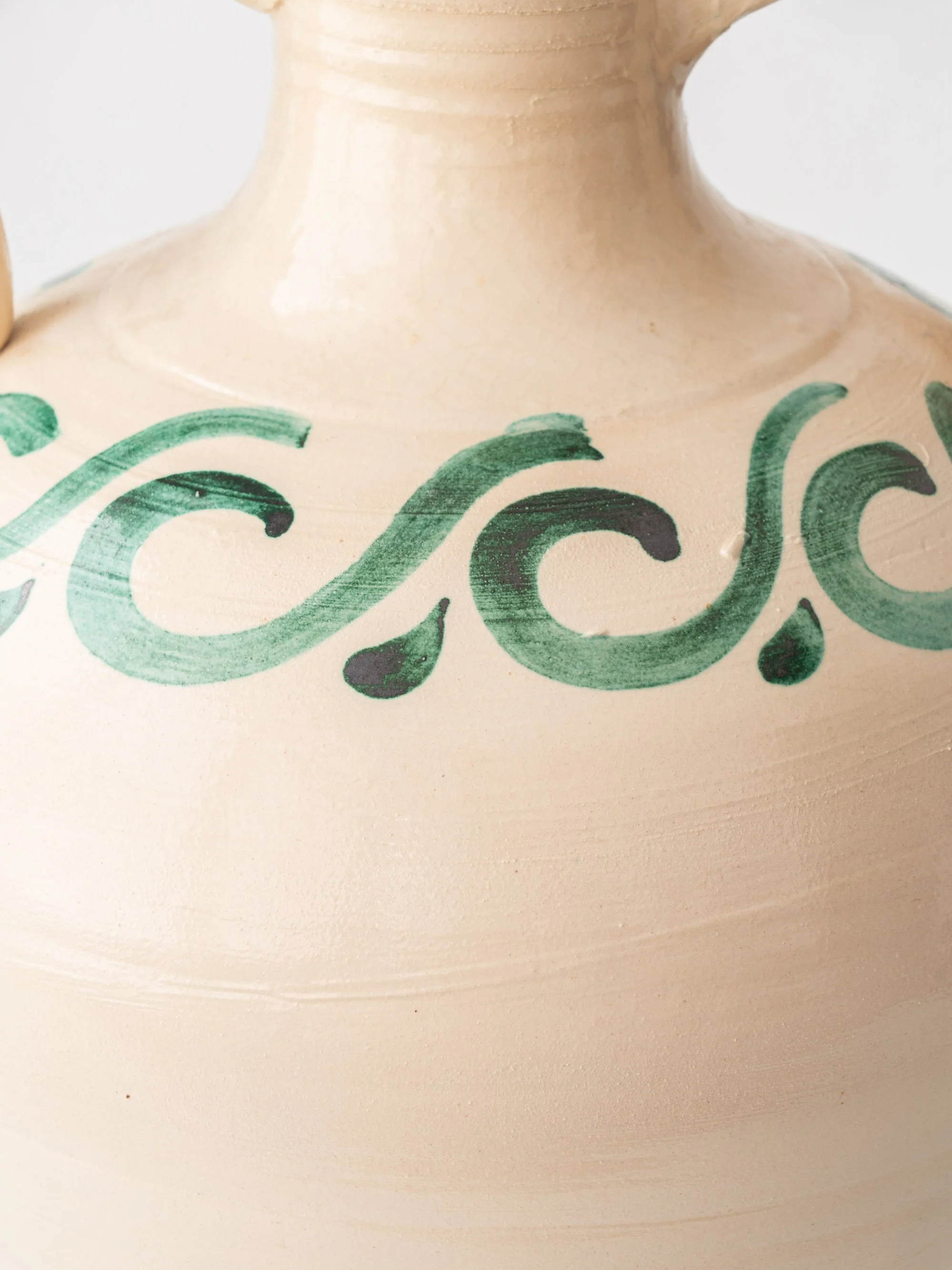 Image 7 of 15
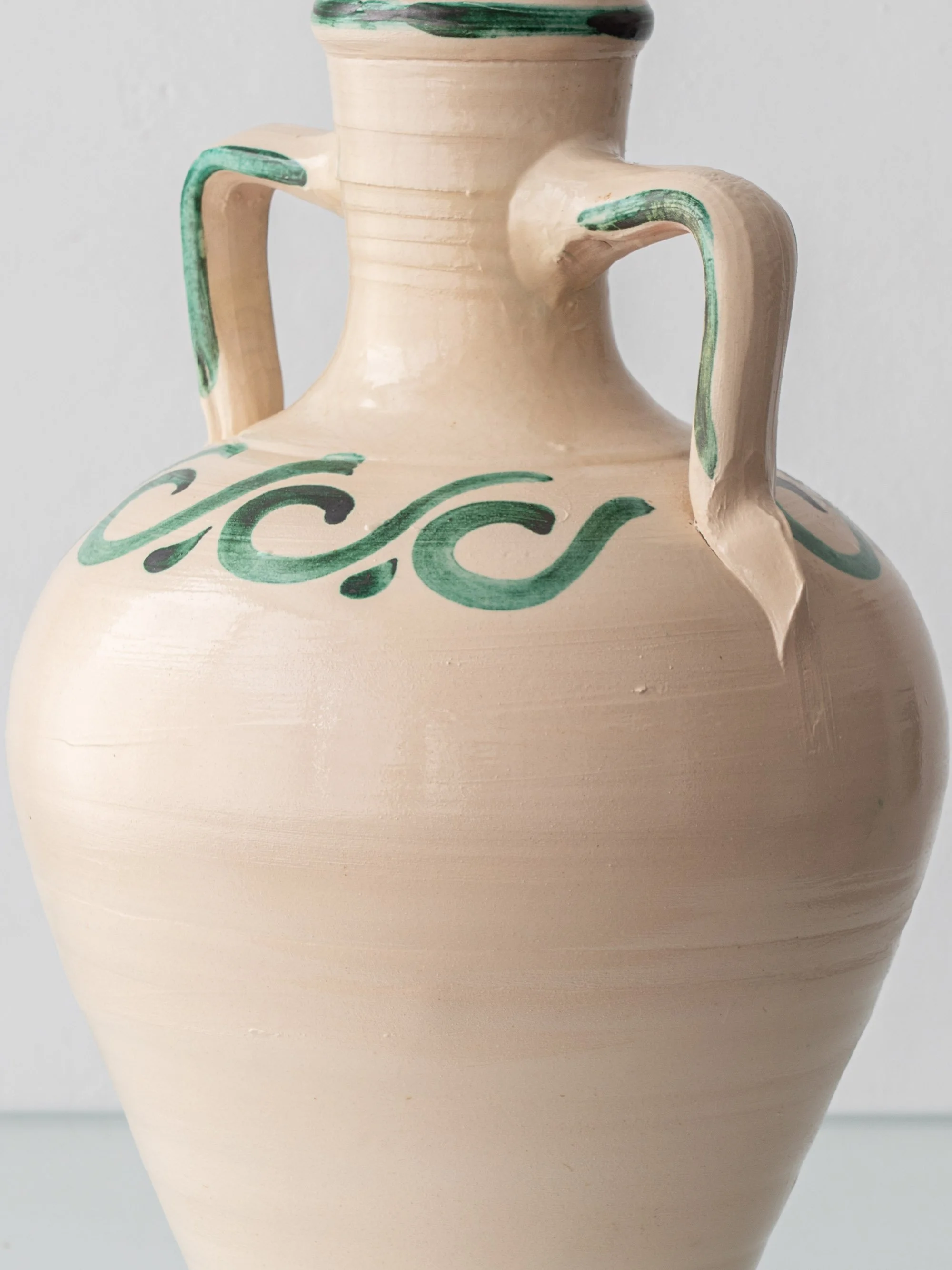 Image 8 of 15
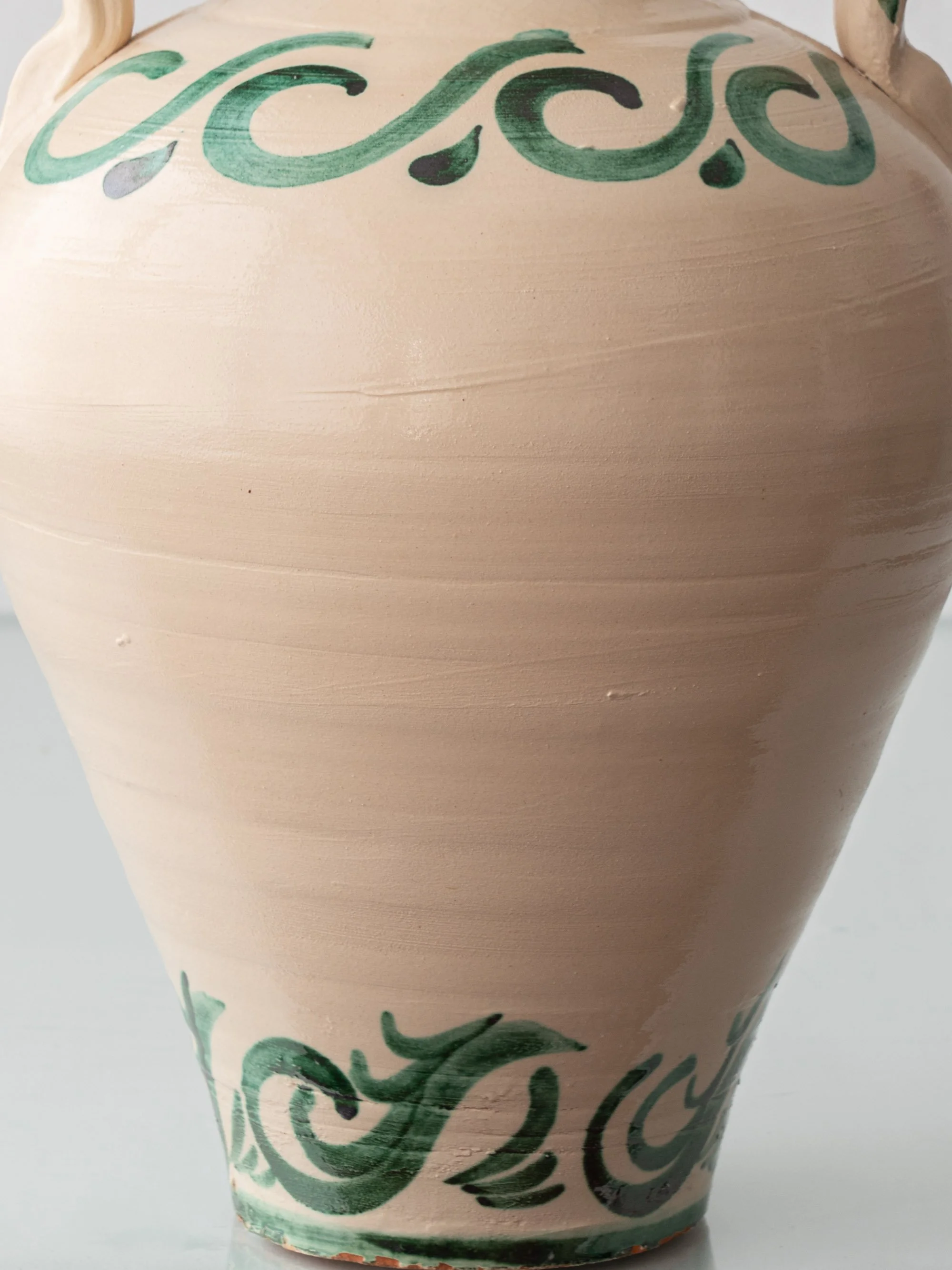 Image 9 of 15
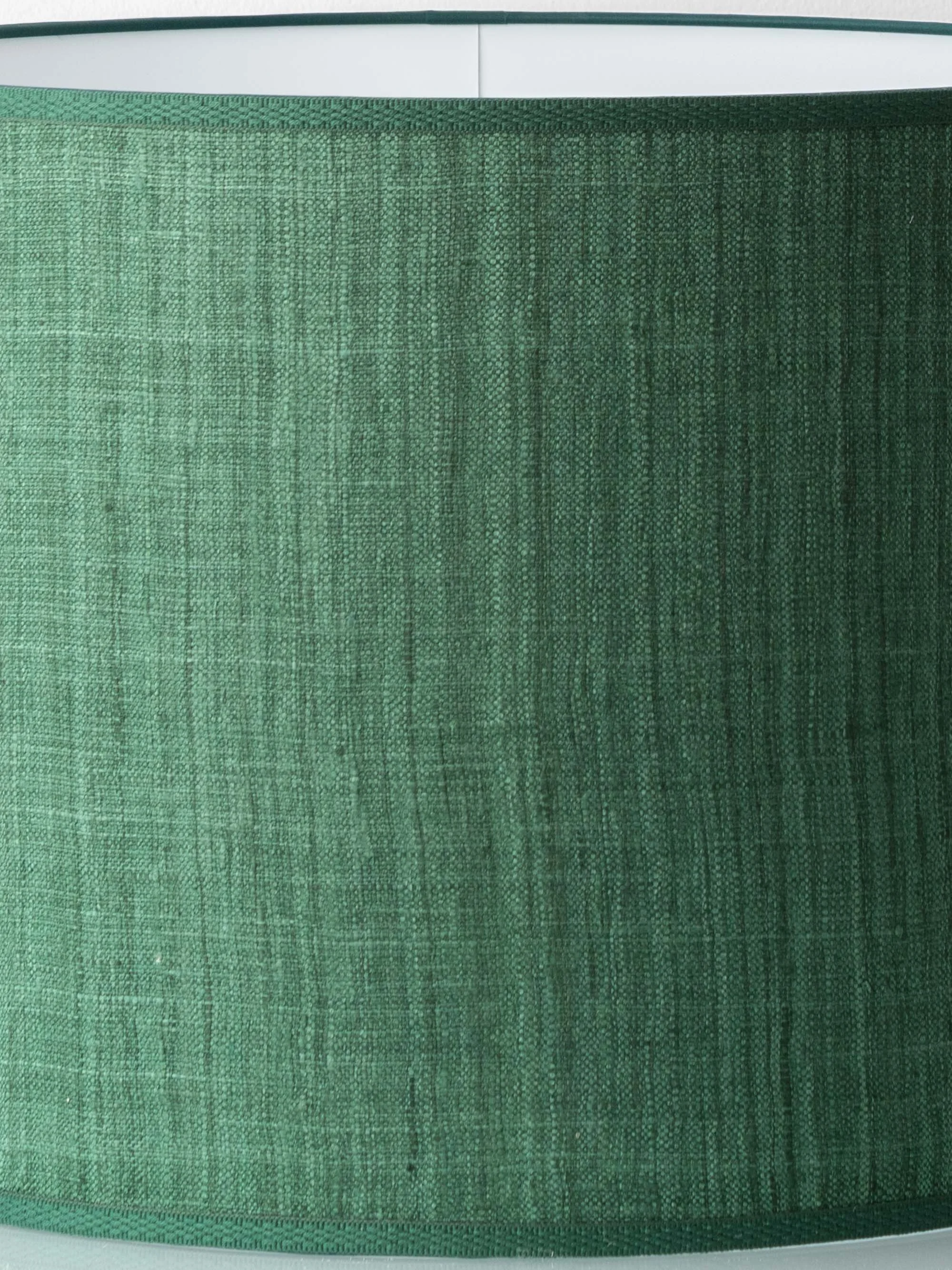 Image 10 of 15
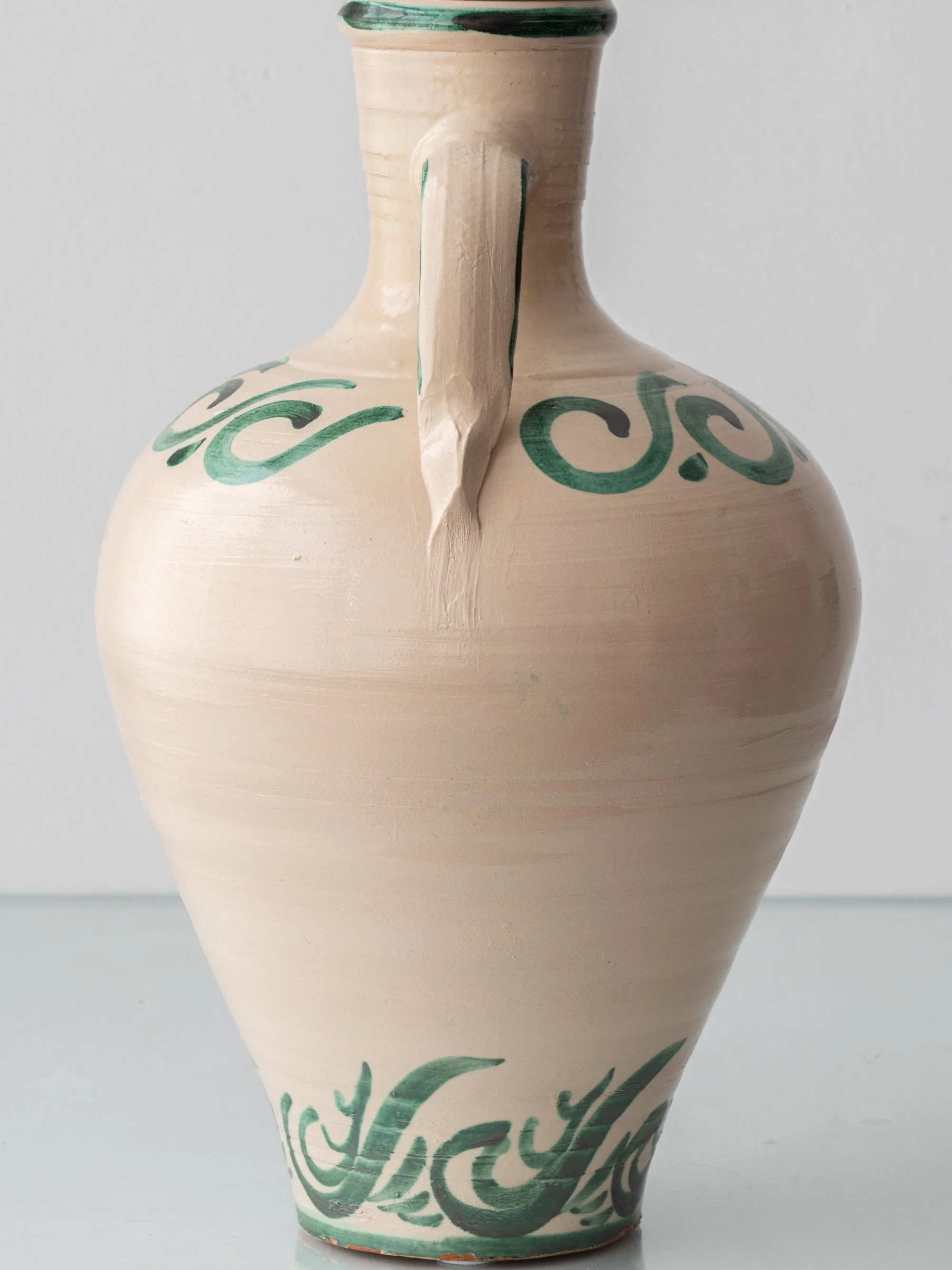 Image 11 of 15
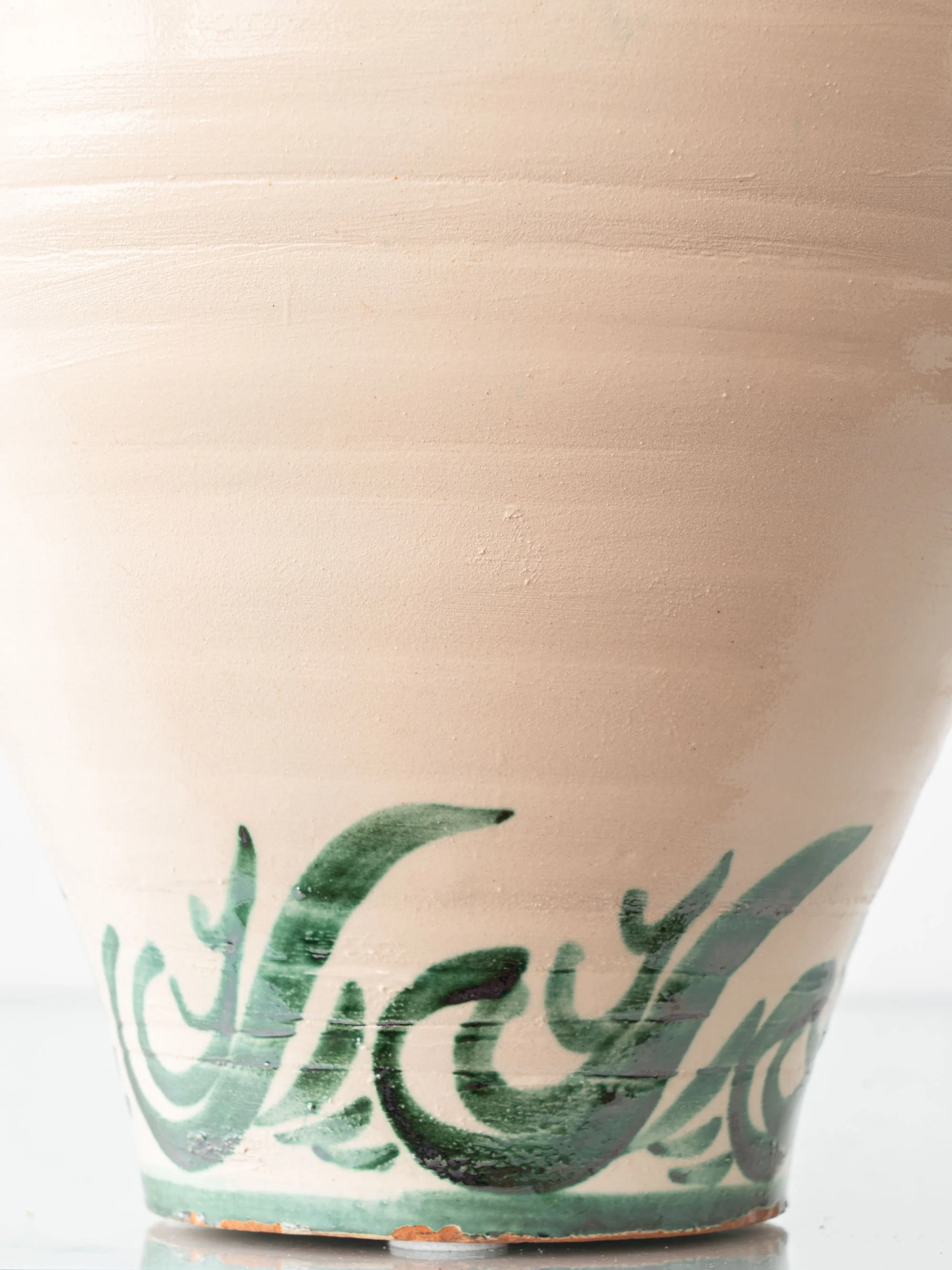 Image 12 of 15
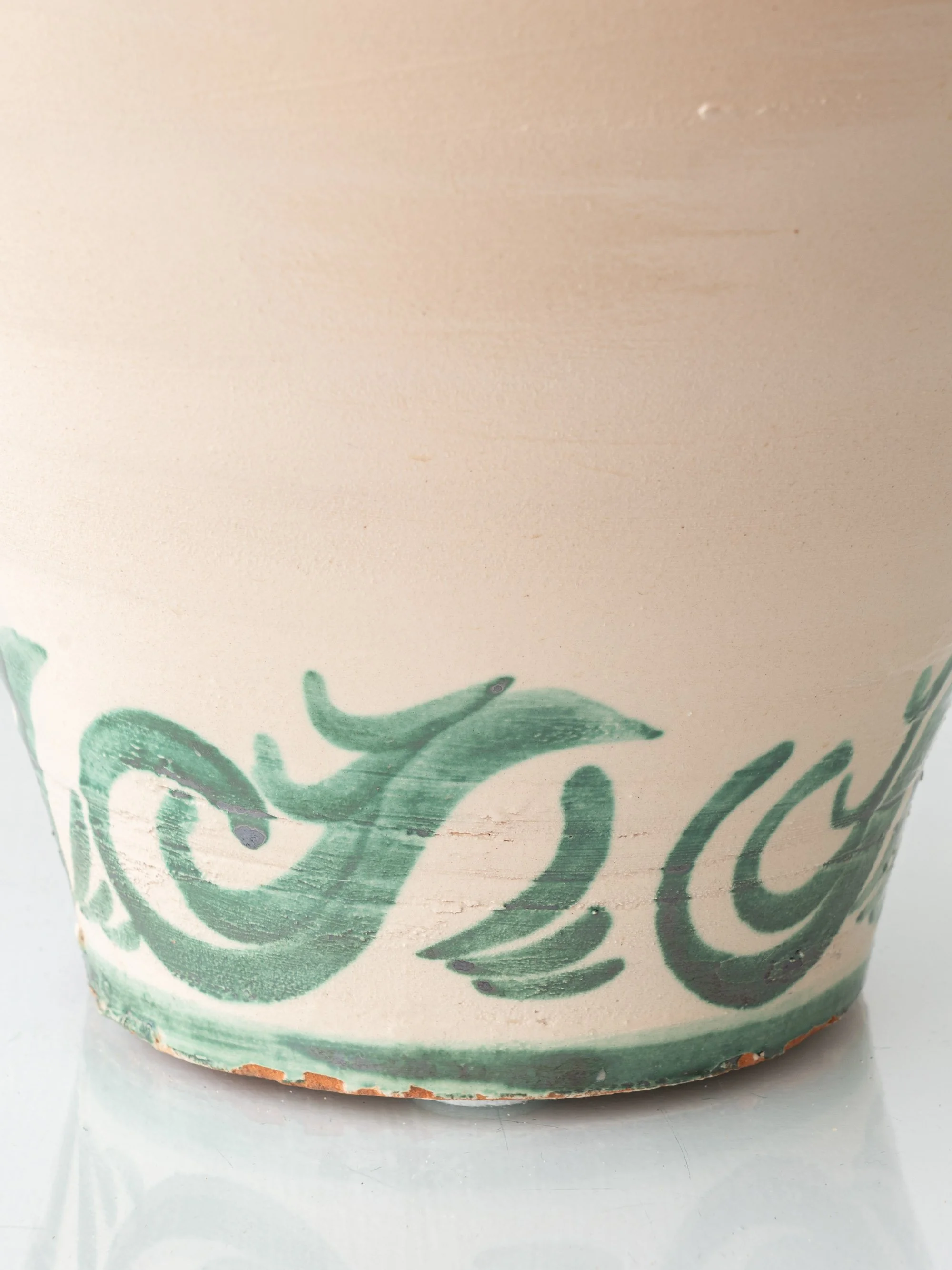 Image 13 of 15
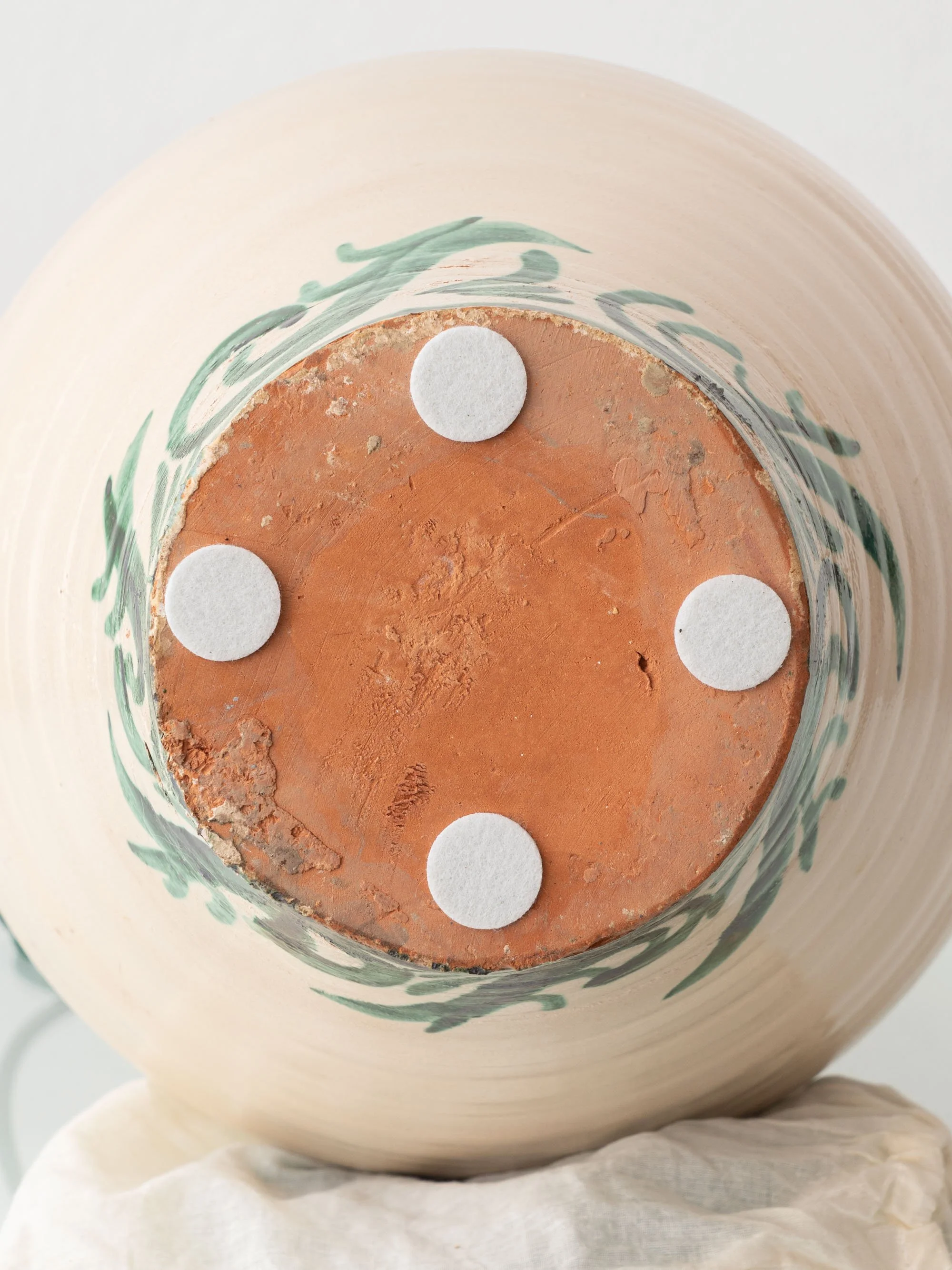 Image 14 of 15
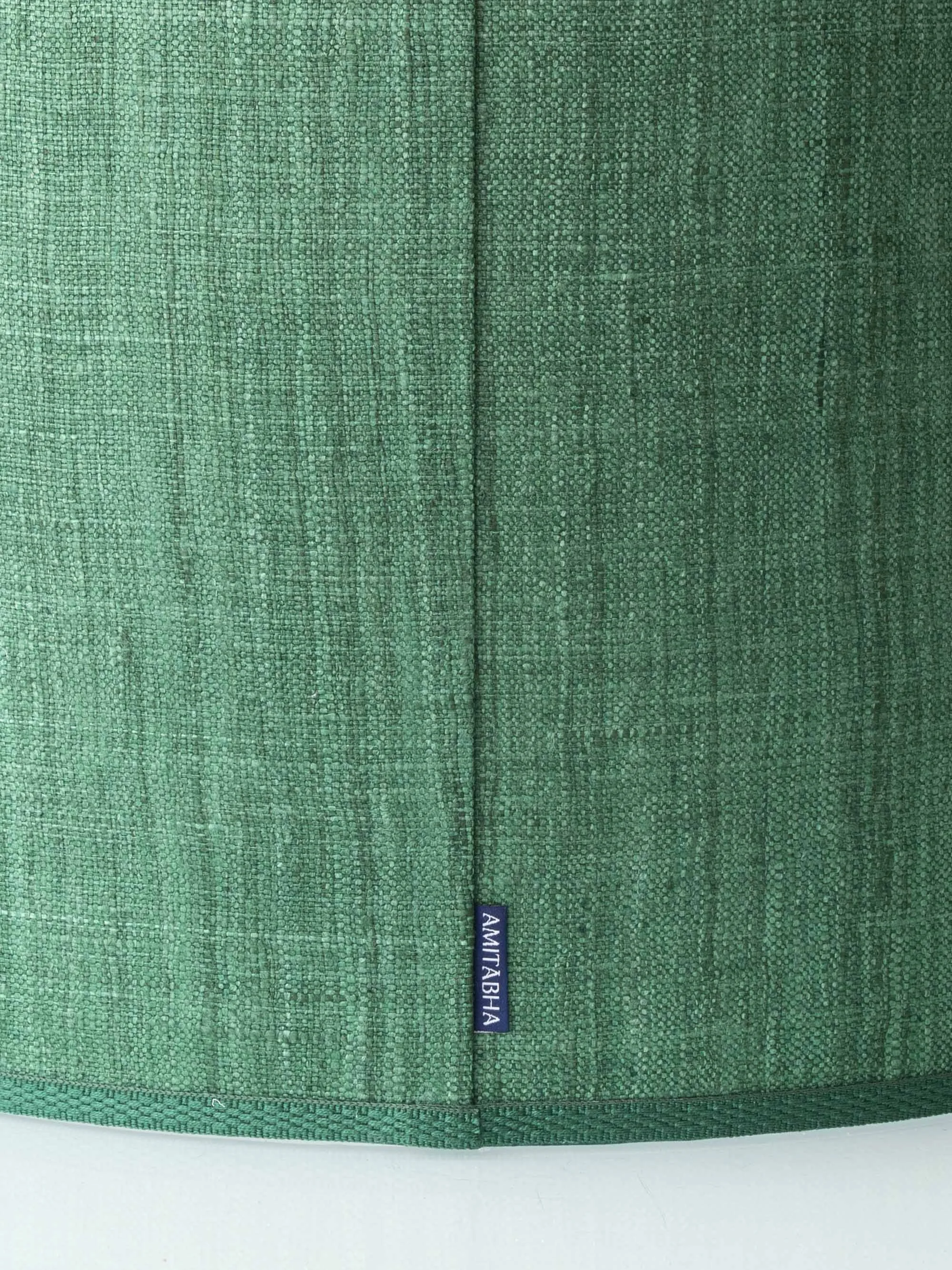 Image 15 of 15
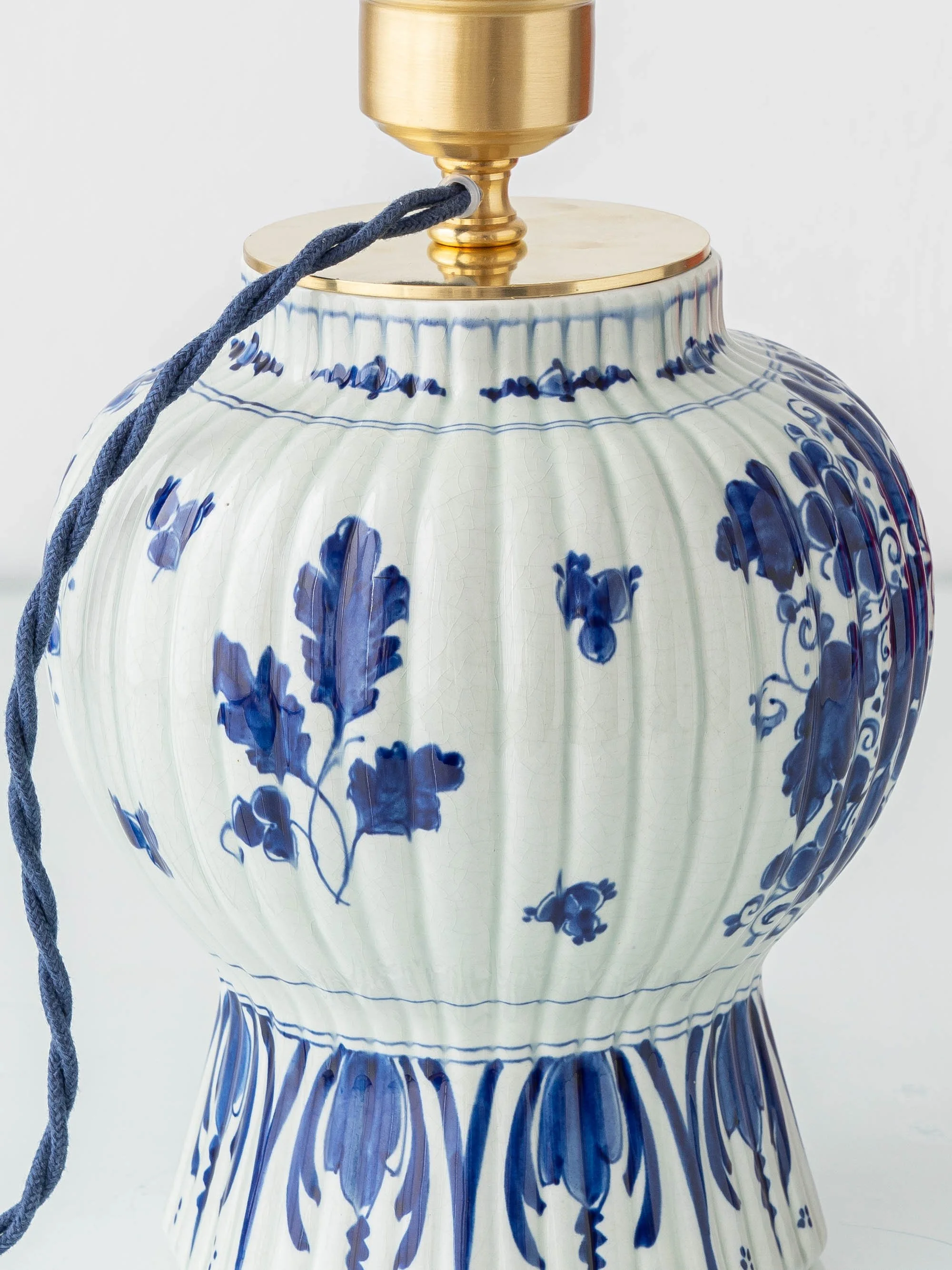
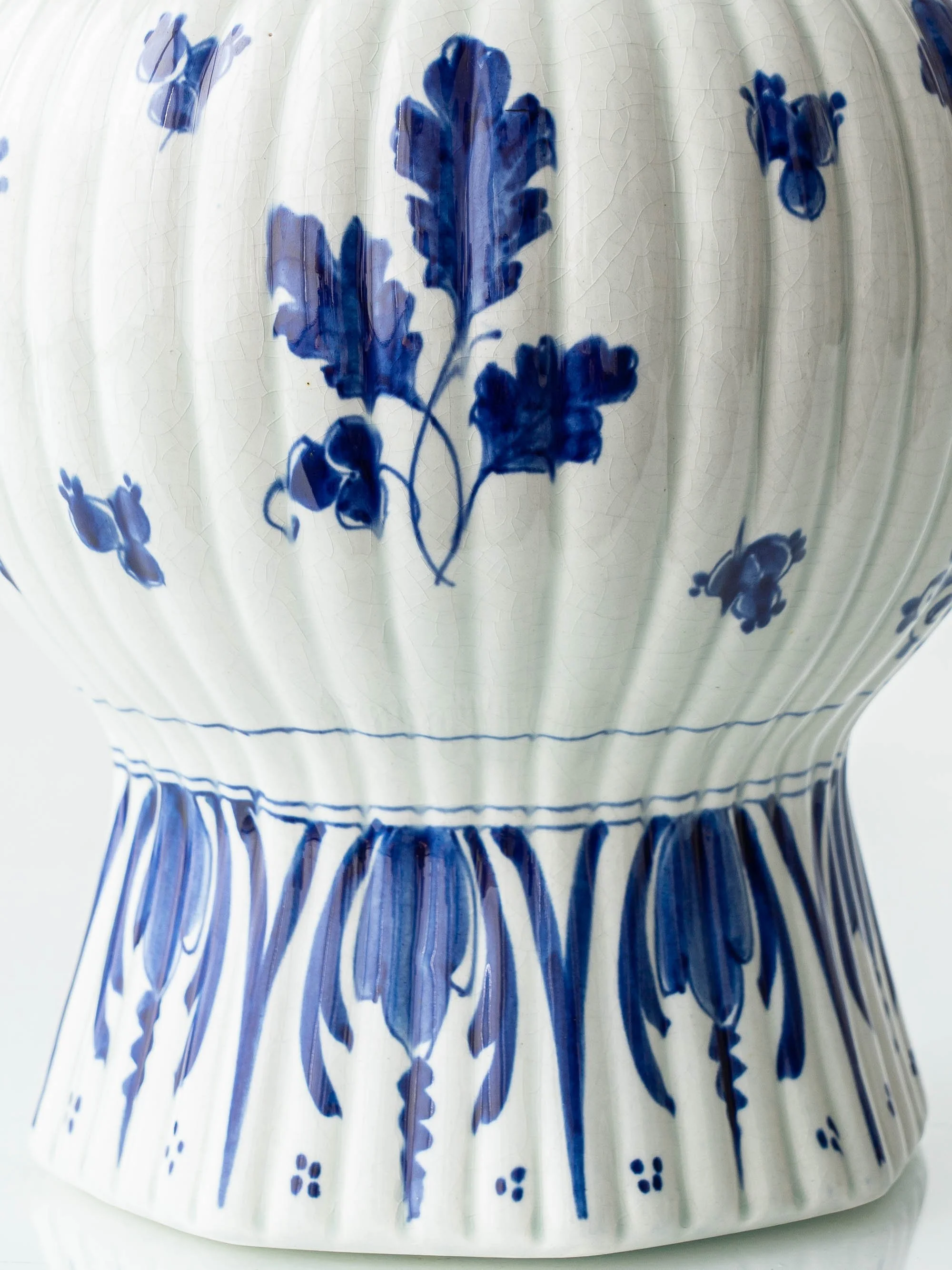
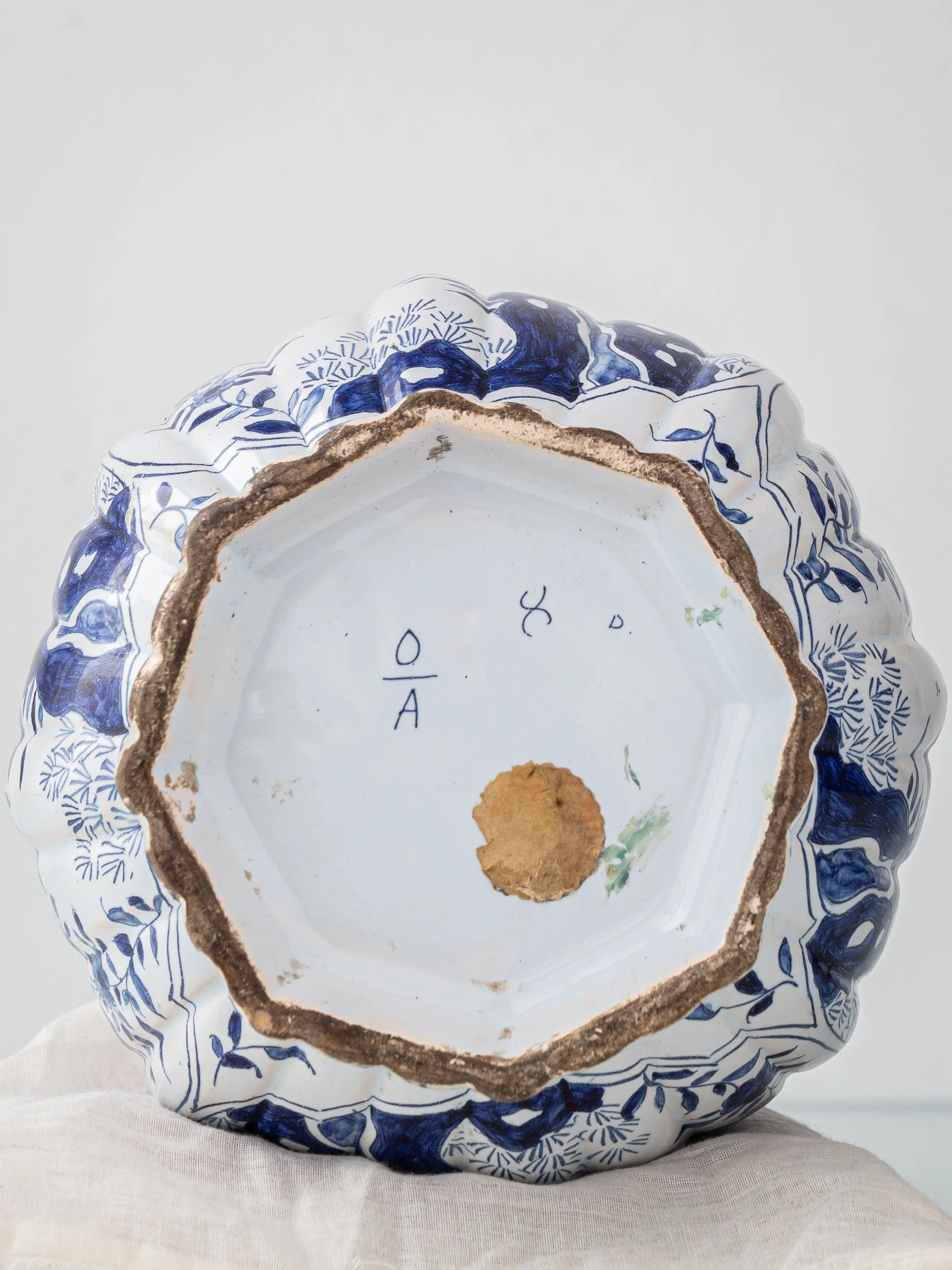
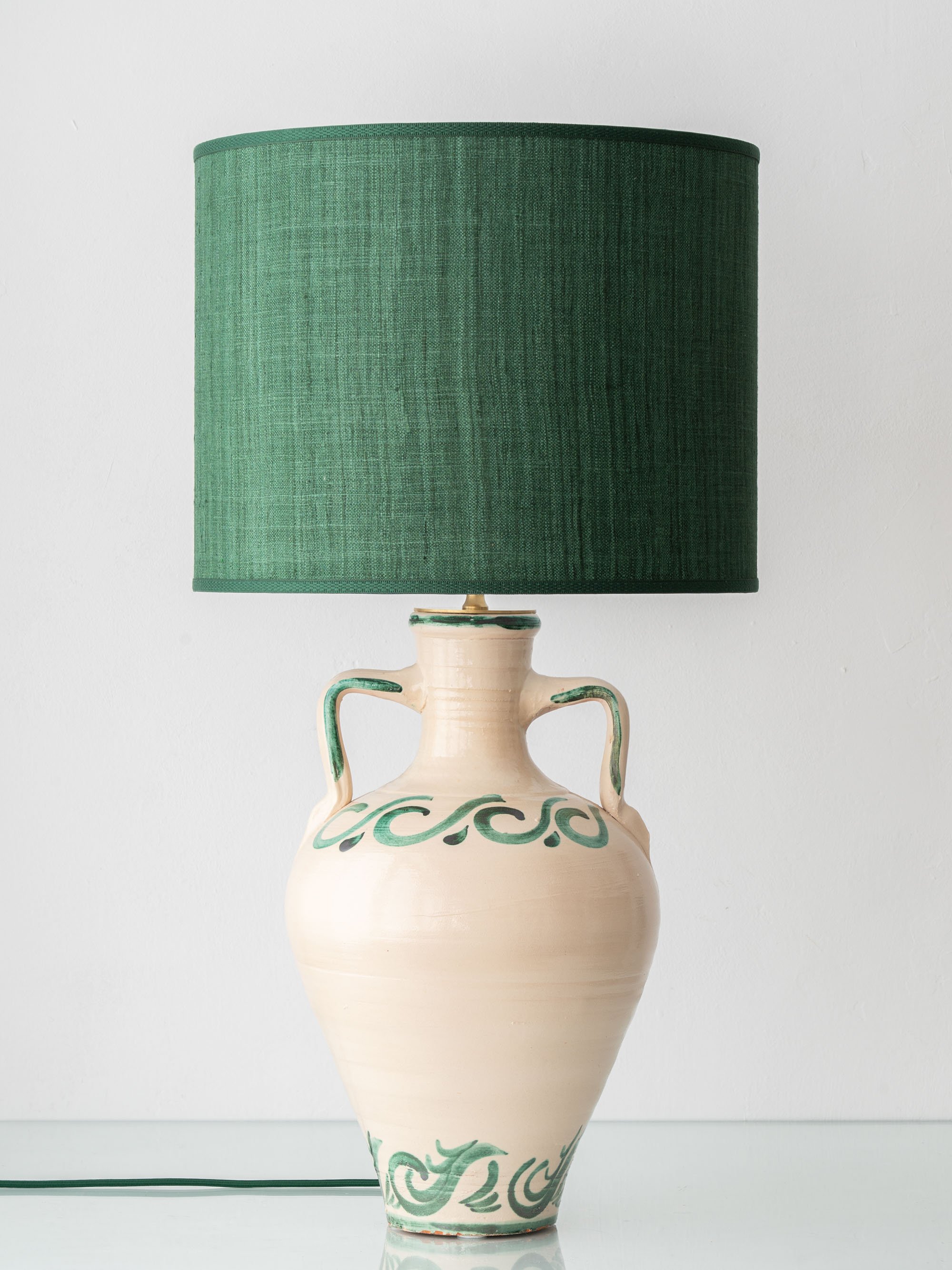
The amphora is one of the oldest vessel forms in the Mediterranean world, and in Andalusia it has never really gone out of production — the shape as instinctive and enduring here as the craft itself. This one is fully glazed in cream from foot to rim, hand-thrown on a wheel, the faint ridges on the neck and the gentle variation in glaze depth across the body evidence of how it was made.
The copper green decoration is applied freehand in the Fajalauza manner — expressive, almost calligraphic. A sweeping scroll band encircles the shoulder; a denser scrolling foliage motif runs along the lower body, anchoring the composition at the base. Brushed green accents mark the rim and follow the handles. Where the pigment pools, the green deepens to a rich forest tone — a natural consequence of copper oxide in the kiln.
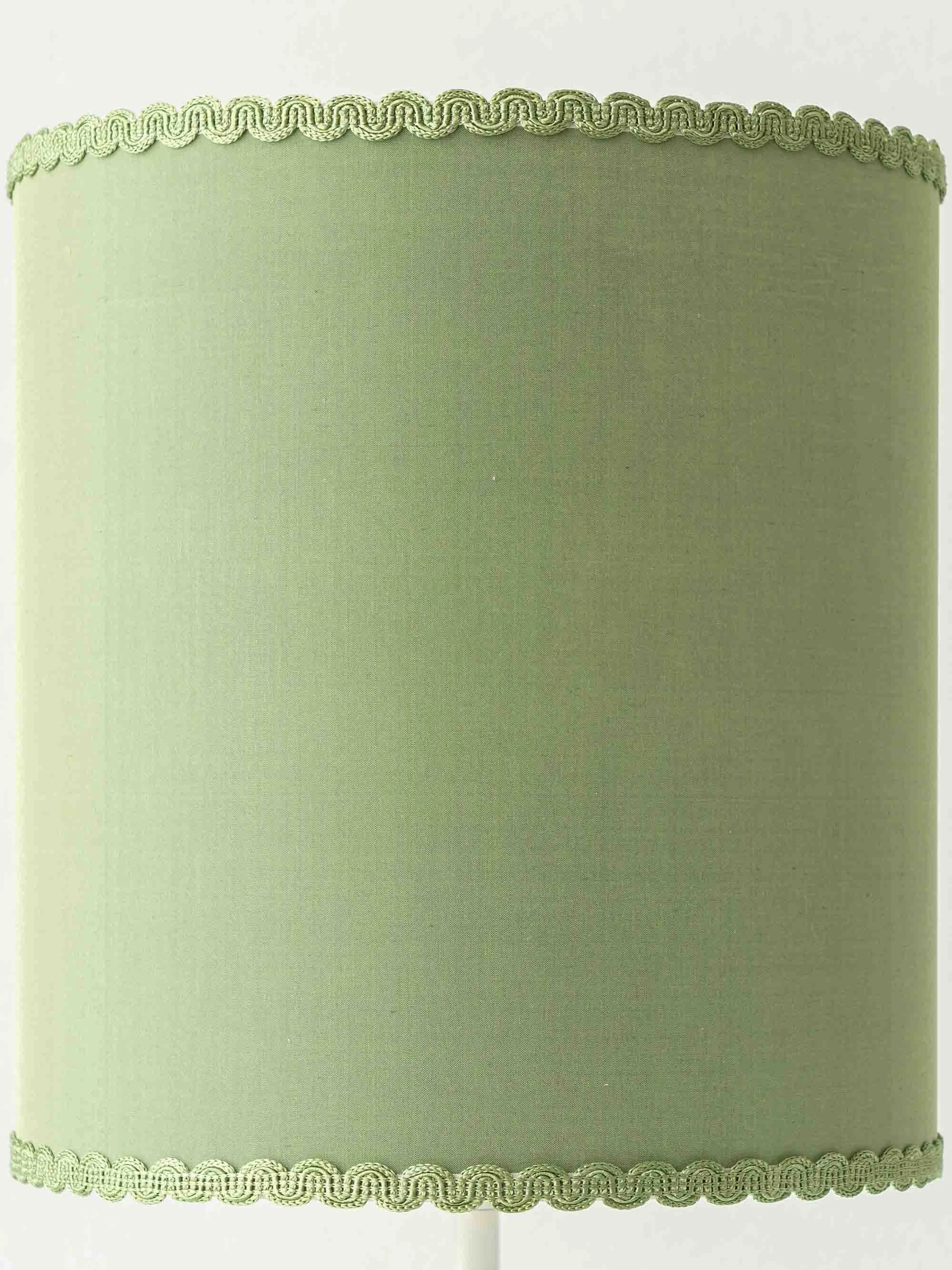
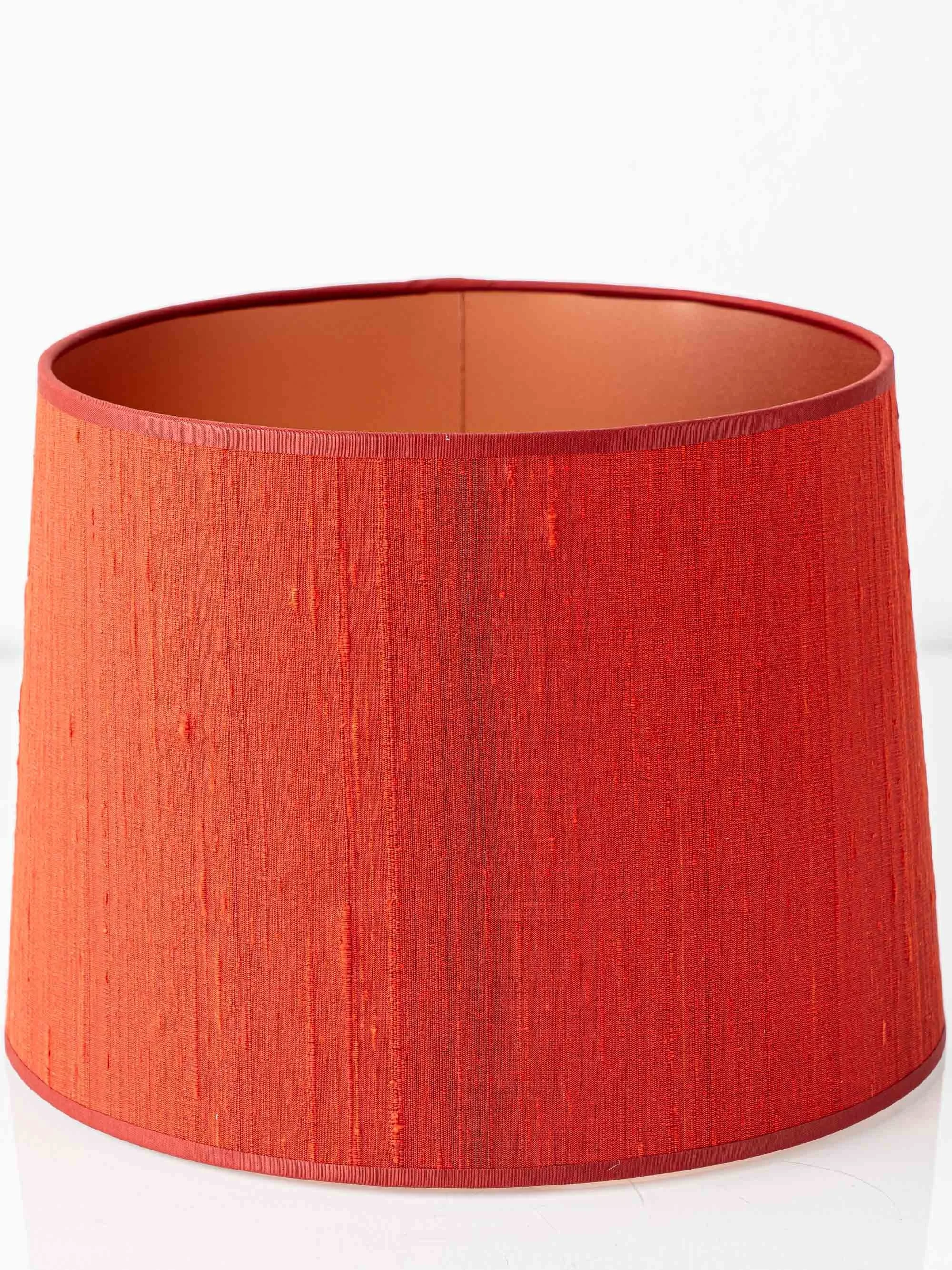
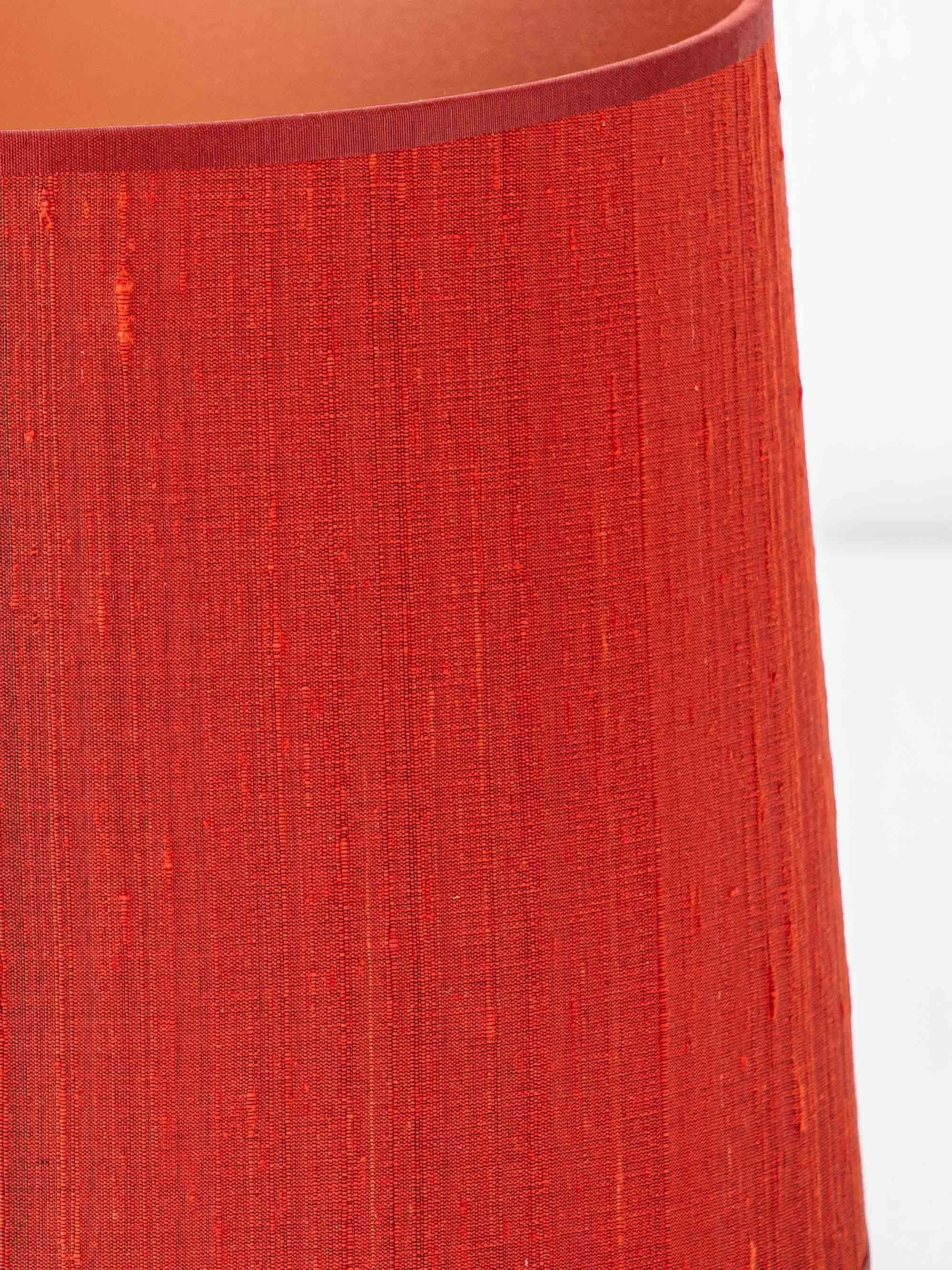
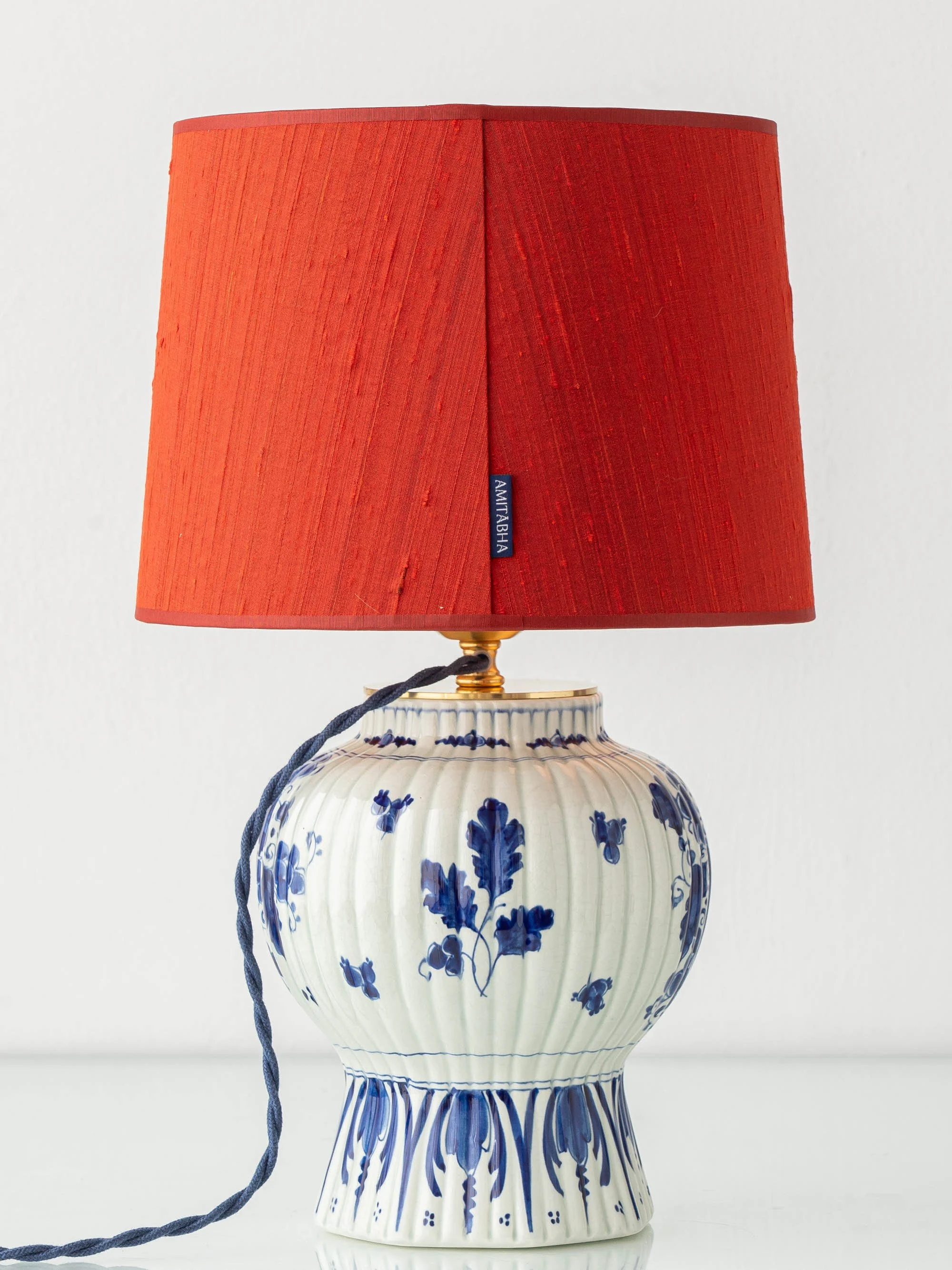
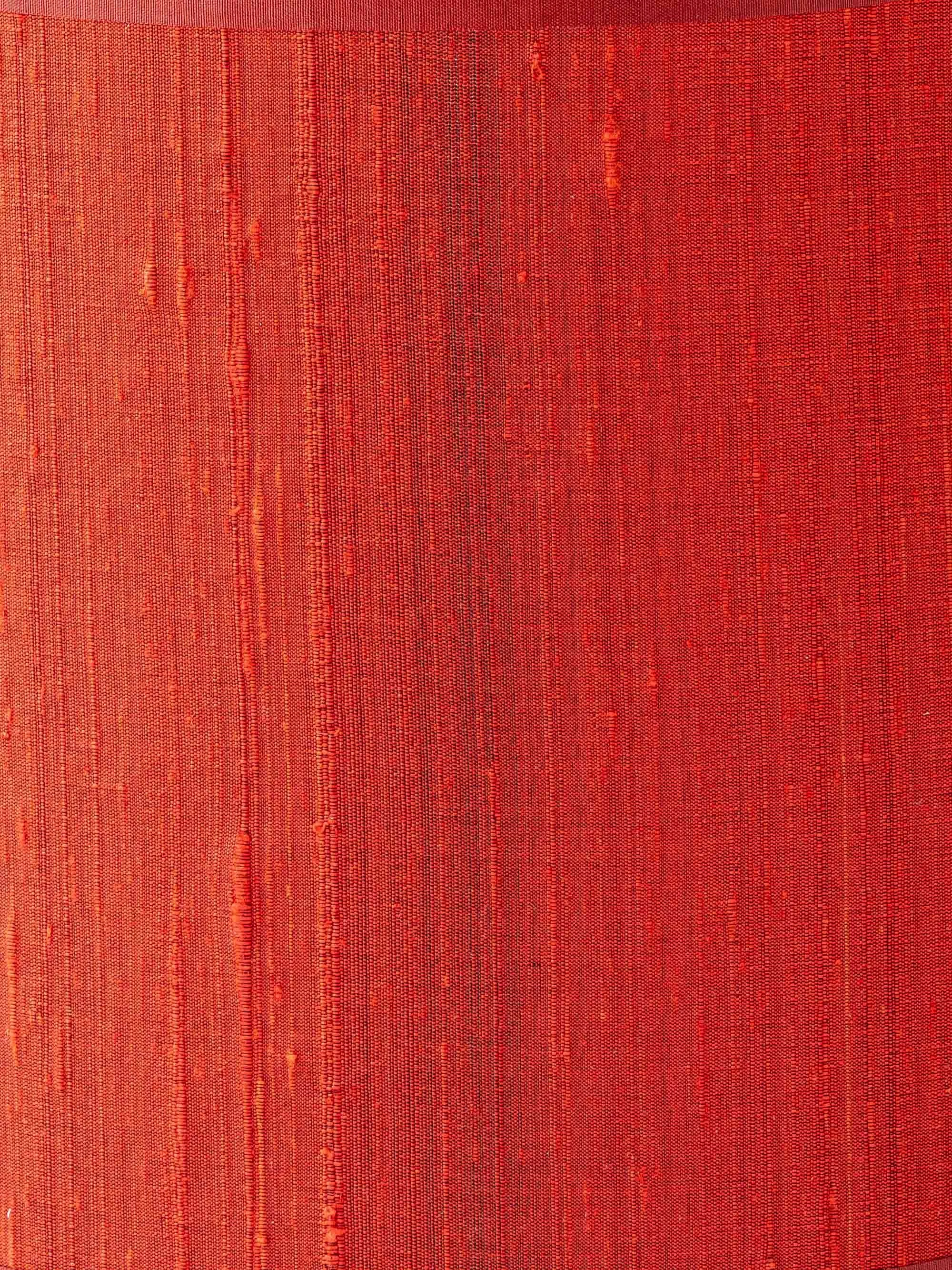
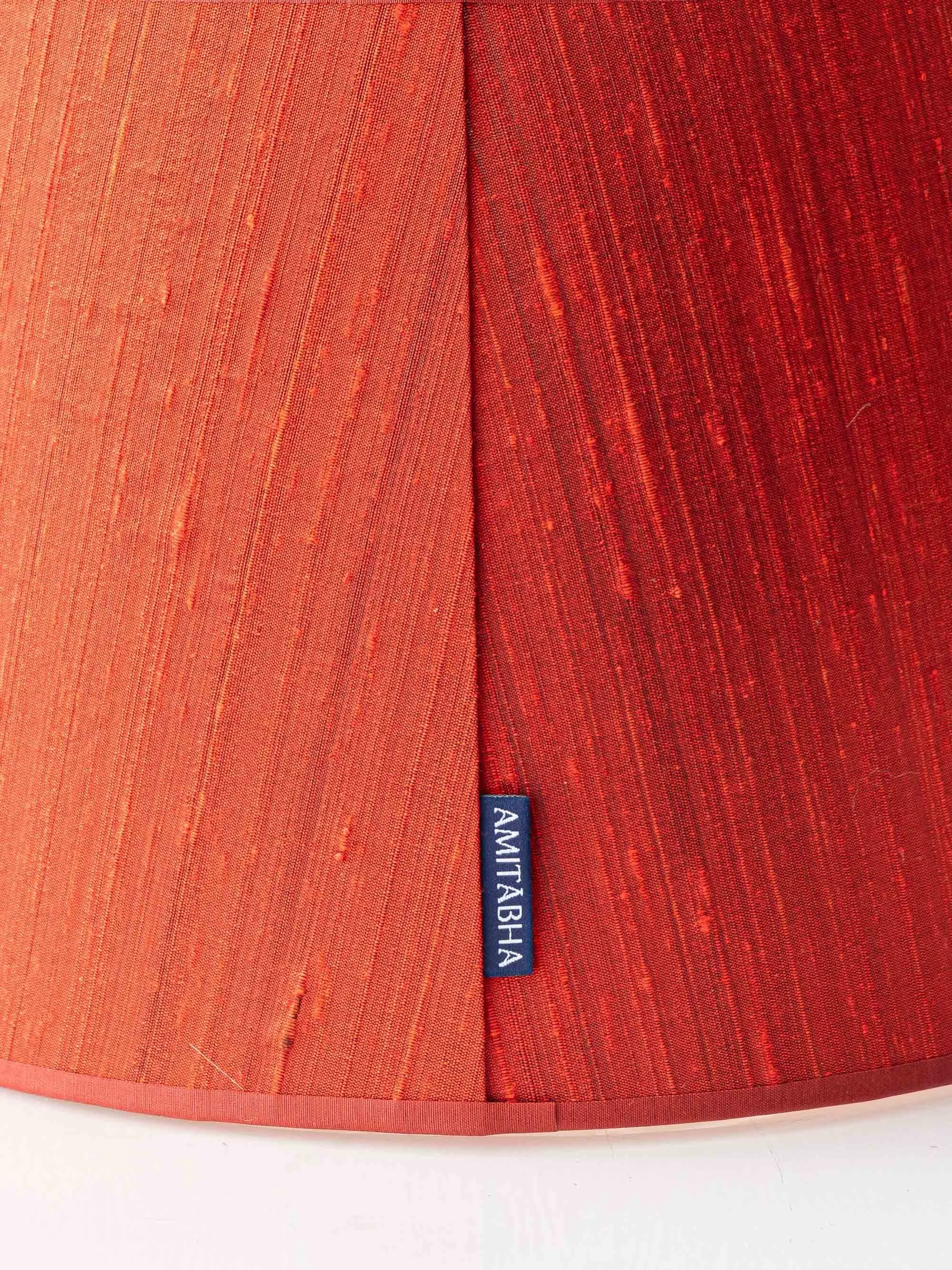
The shade is a deep forest green silk drum in a textured tweed weave, trimmed at top and bottom with Houlès passementerie in the same green — a finishing detail that rewards close attention without announcing itself. The matching green cord runs from base to fitting, holding the composition together from bottom to top.
About the Fajalauza tradition
Fajalauza is Granada's most distinctive ceramic tradition, named after the historic Fajalauza Gate in the Albayzín district where its workshops first gathered. The first written record dates to 1517, when a potter filed a legal complaint in the years following the Christian reconquest of Granada — a moment that shaped the tradition itself, as Moorish and Spanish artistic influences fused into something new. Copper green on a cream tin-glazed ground, scrollwork, pomegranates, stylized foliage — these have remained the visual language of Fajalauza for five centuries, as immediate and recognisable today as they were in the sixteenth century. This base is made in Bailén, in the province of Jaén, one of Andalusia's most established ceramics towns, where multi-generational family workshops continue to produce hand-thrown earthenware in the Fajalauza manner — a living craft, not a revival of one.