 Image 1 of 17
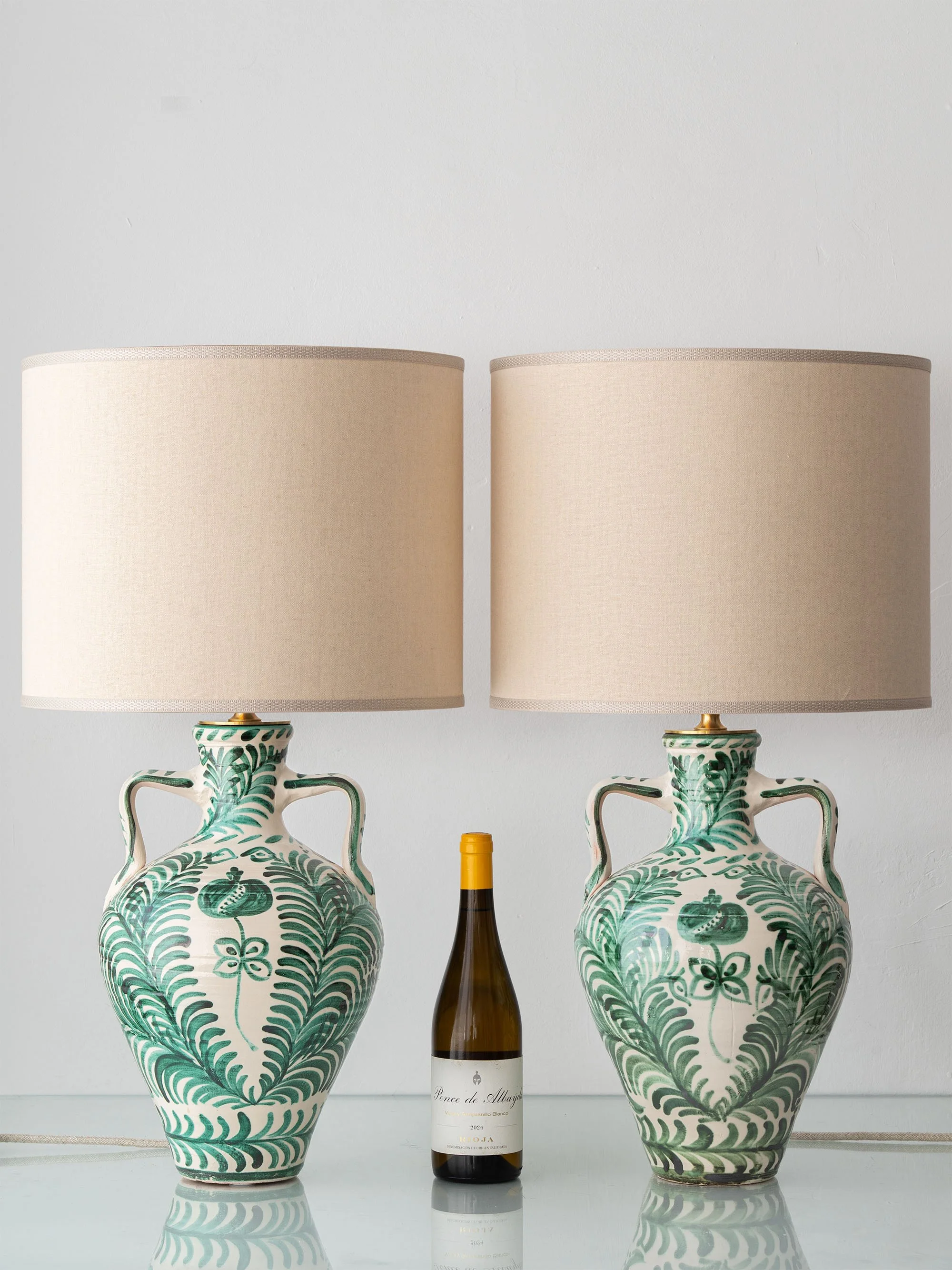 Image 2 of 17
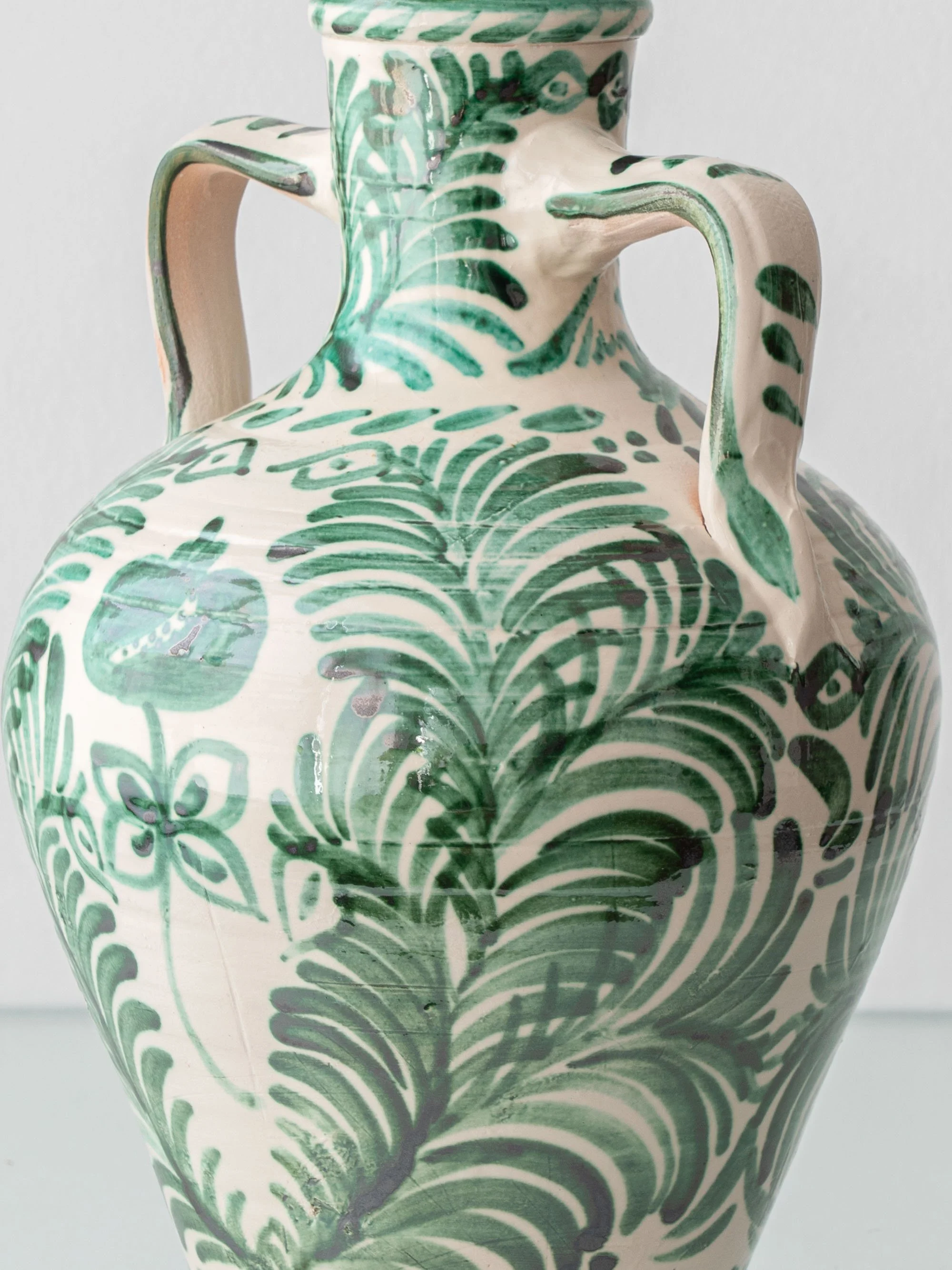 Image 3 of 17
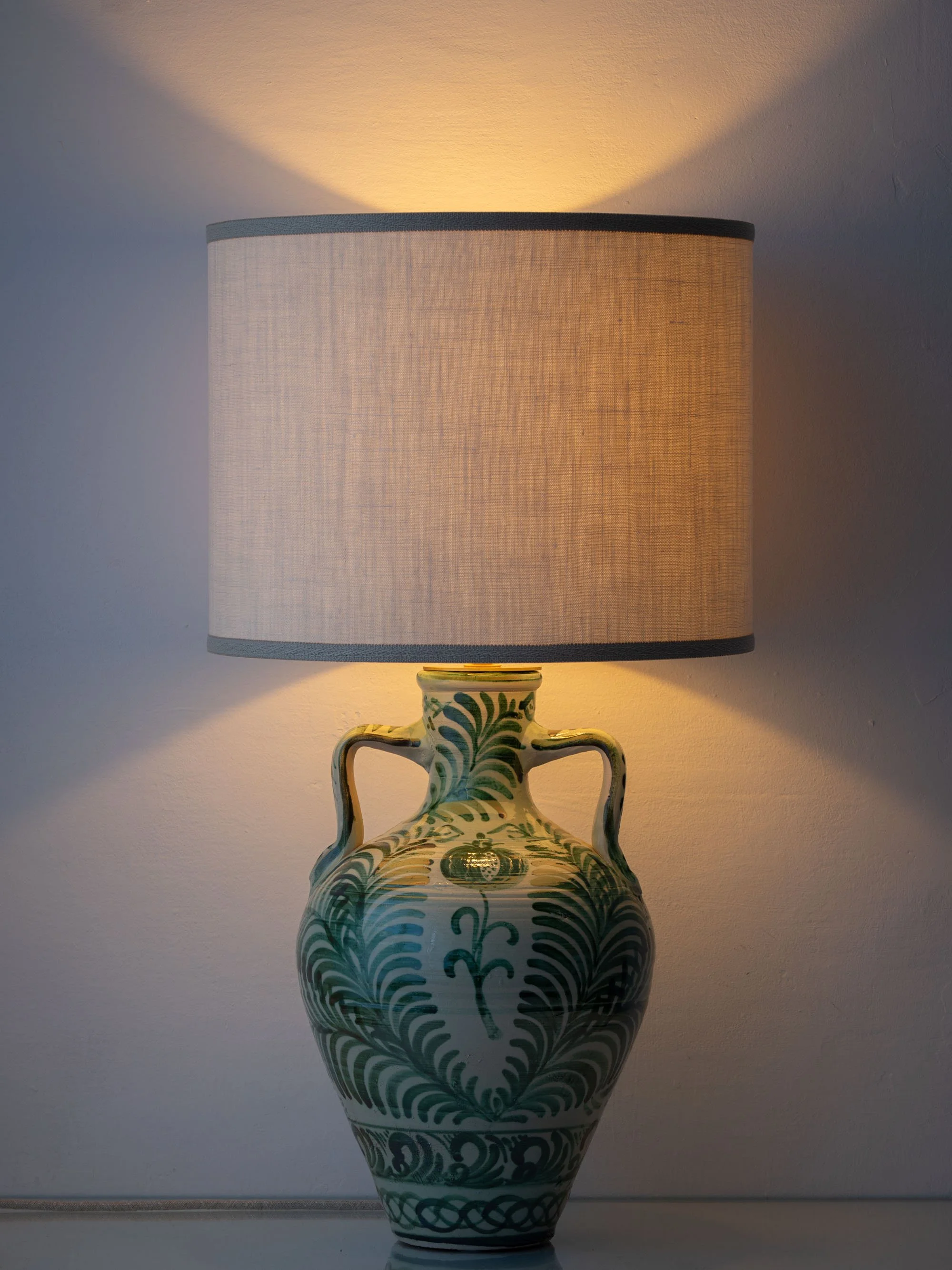 Image 4 of 17
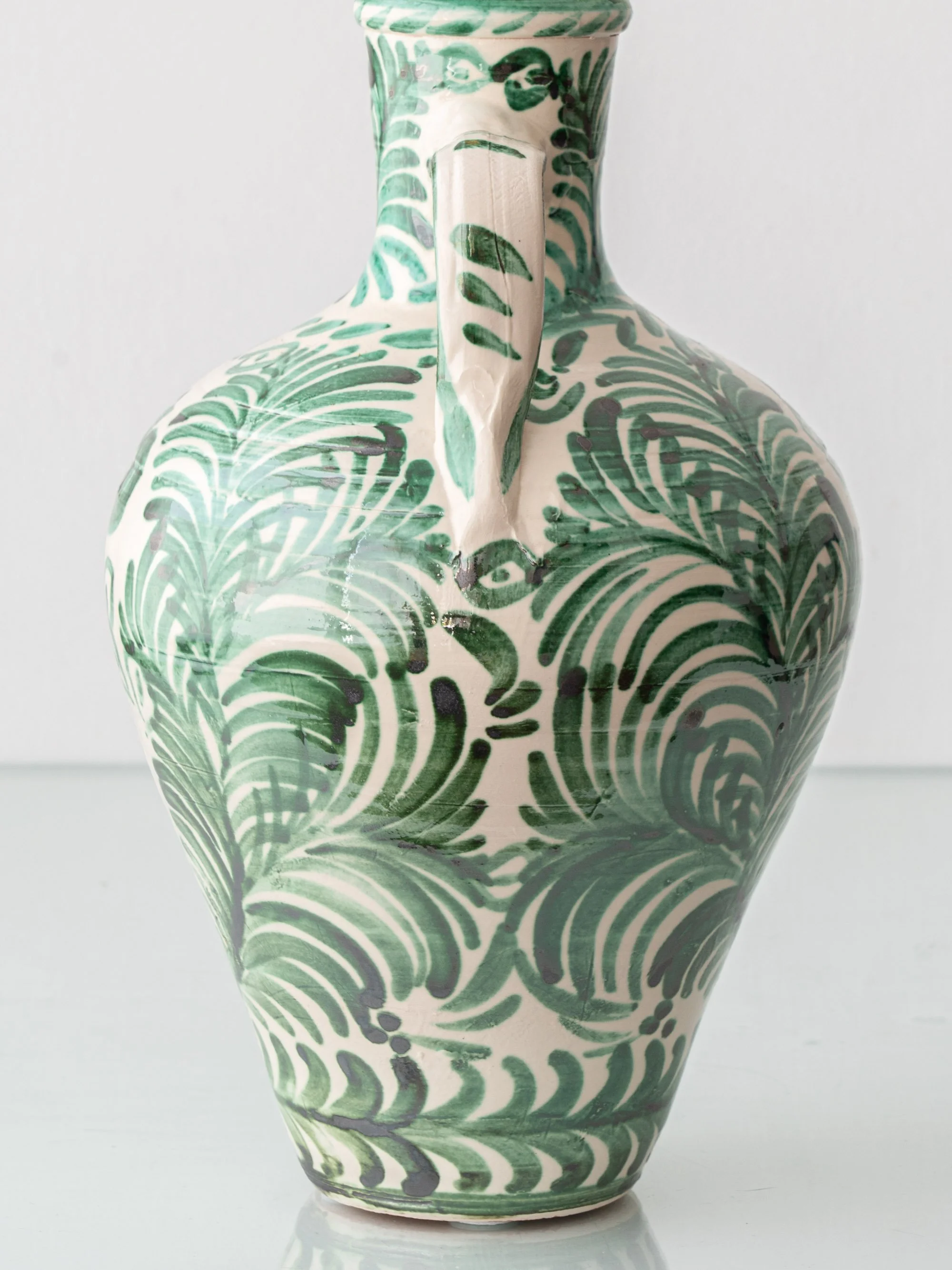 Image 5 of 17
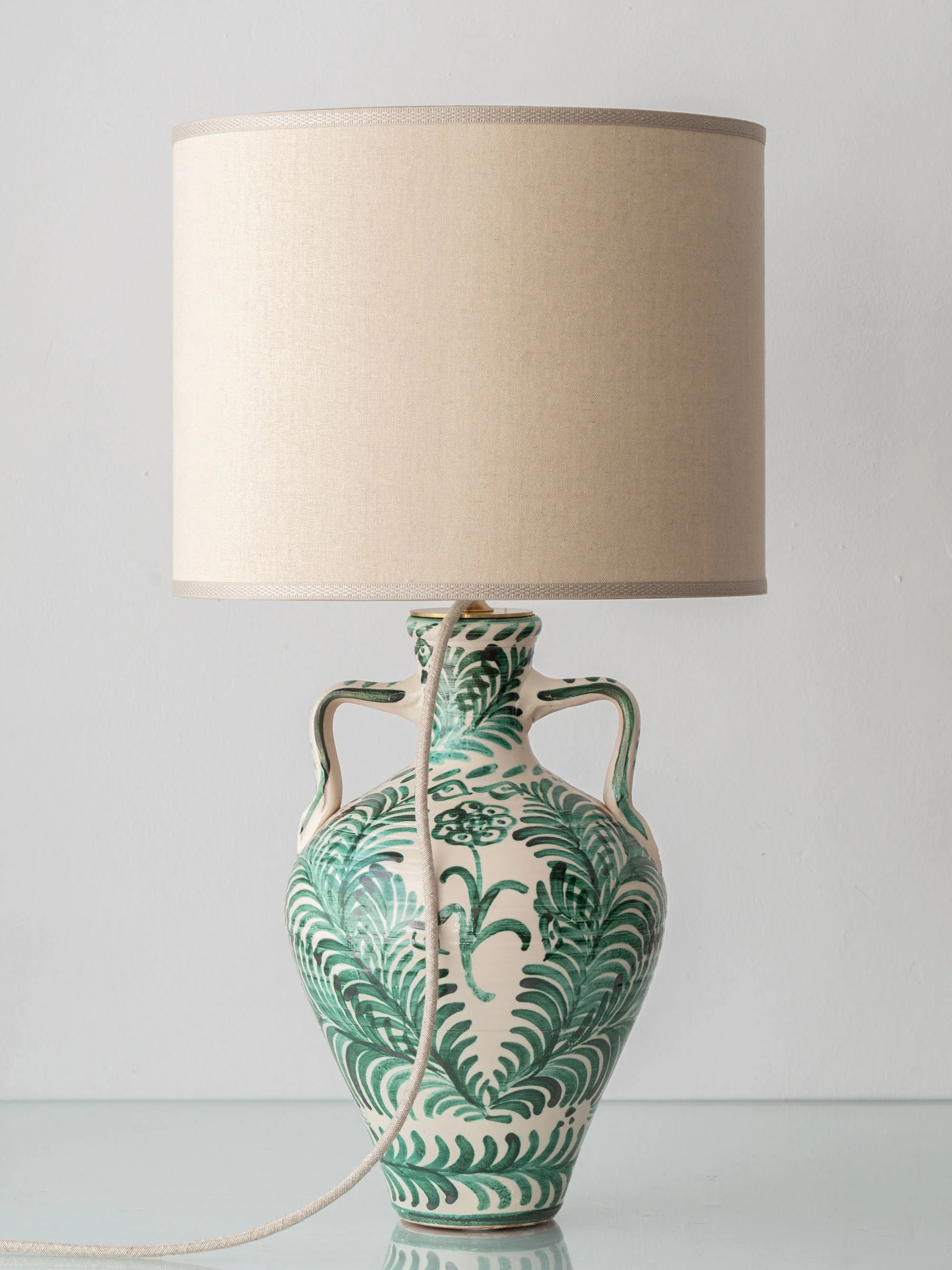 Image 6 of 17
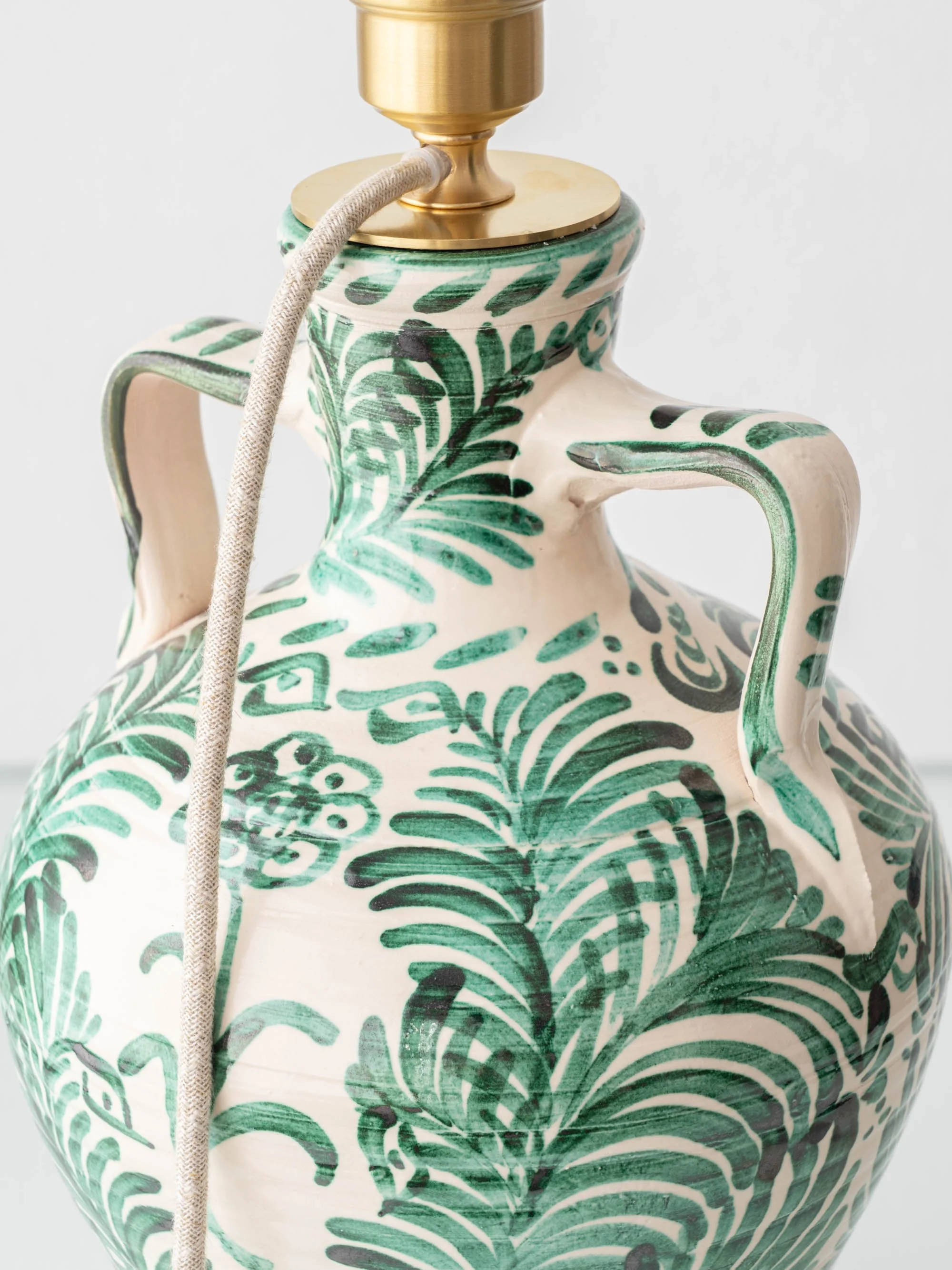 Image 7 of 17
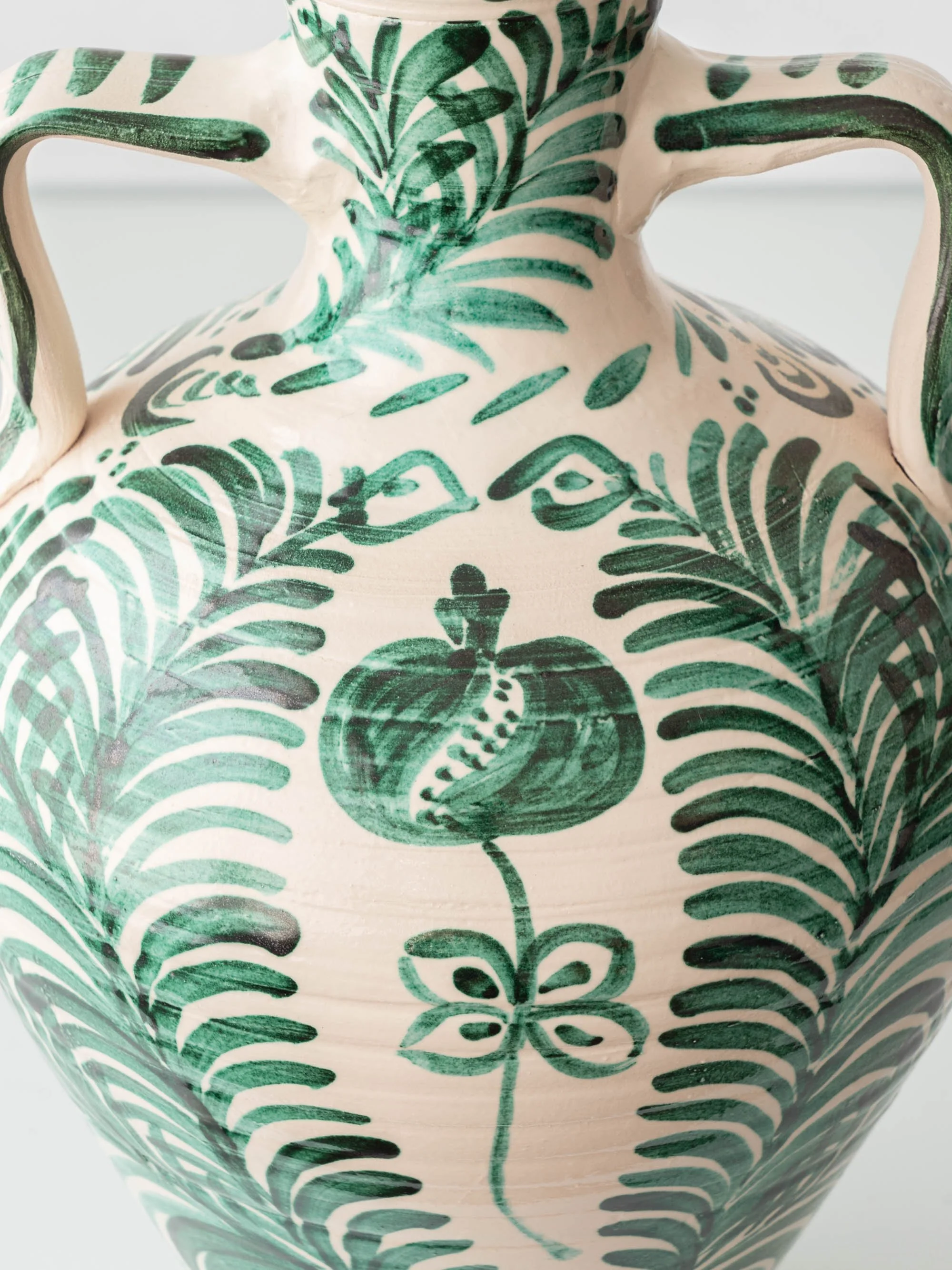 Image 8 of 17
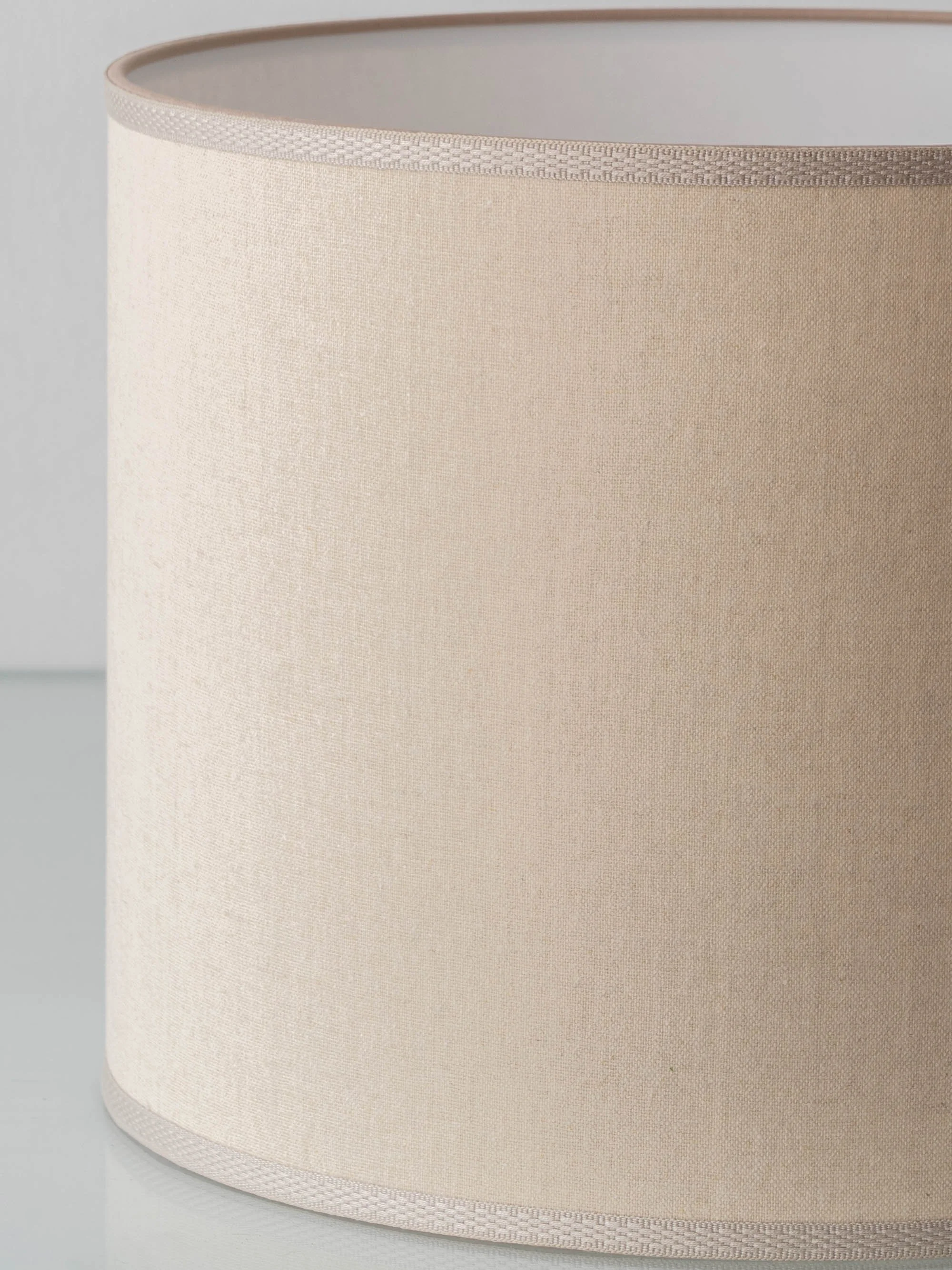 Image 9 of 17
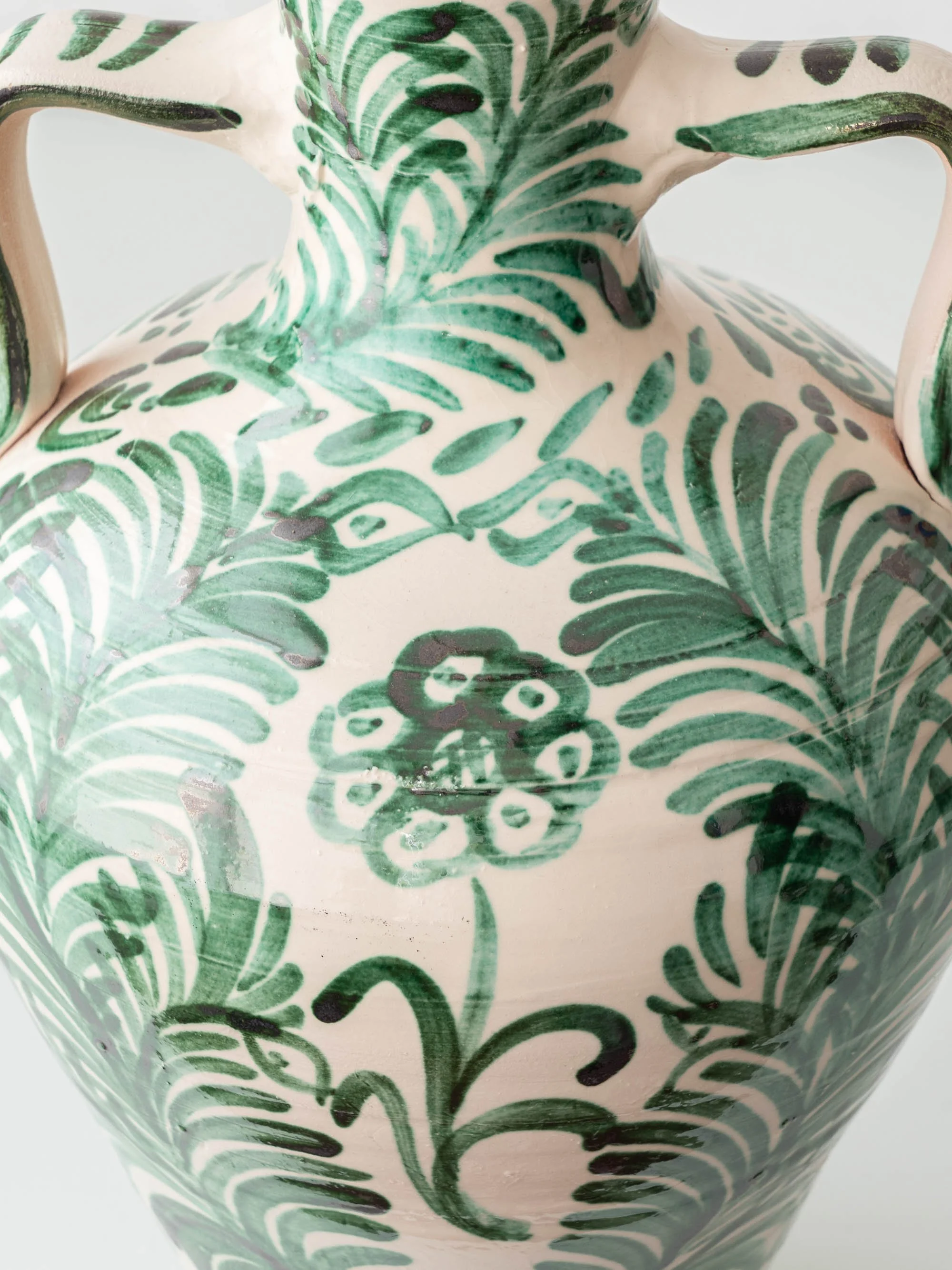 Image 10 of 17
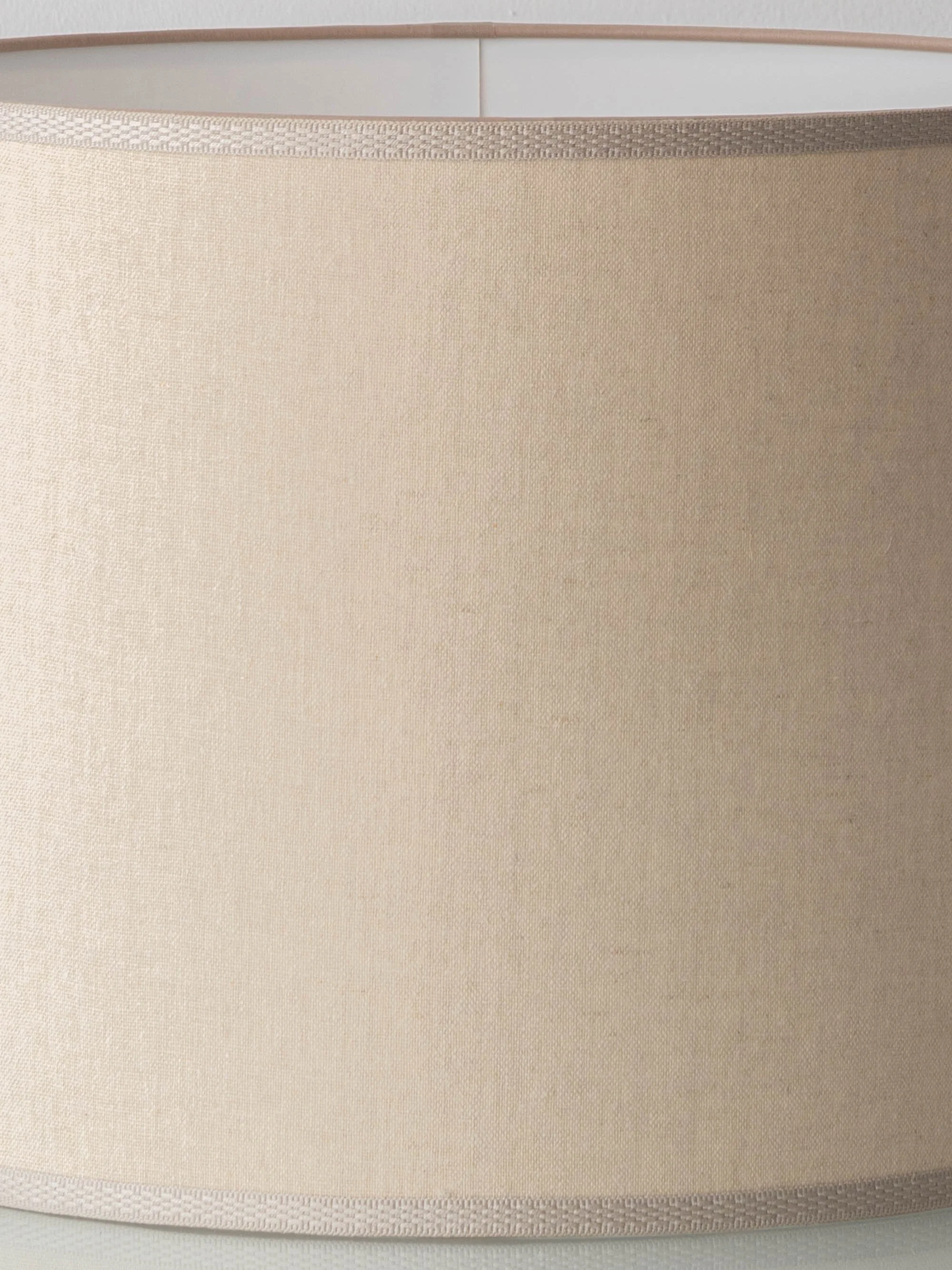 Image 11 of 17
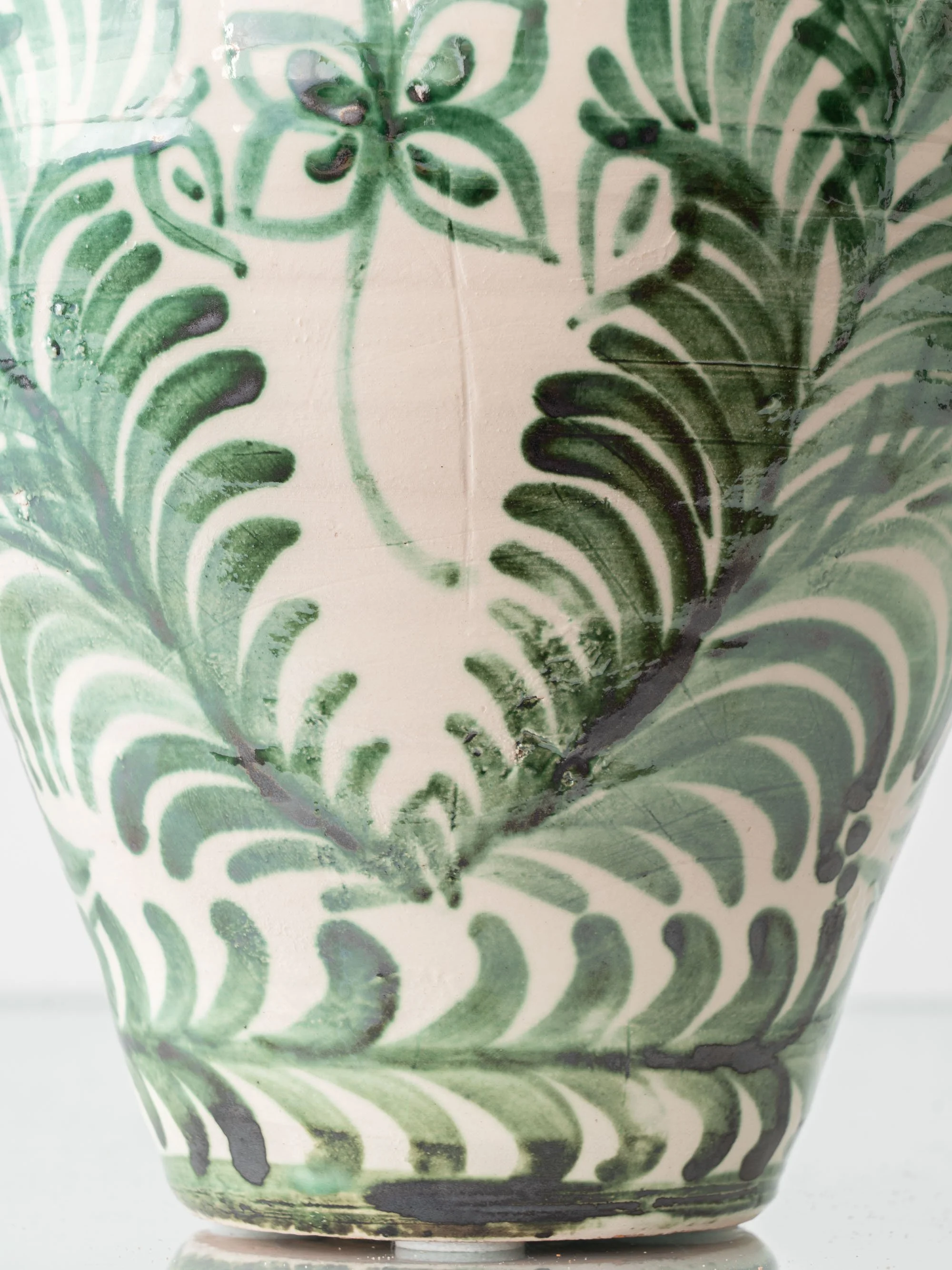 Image 12 of 17
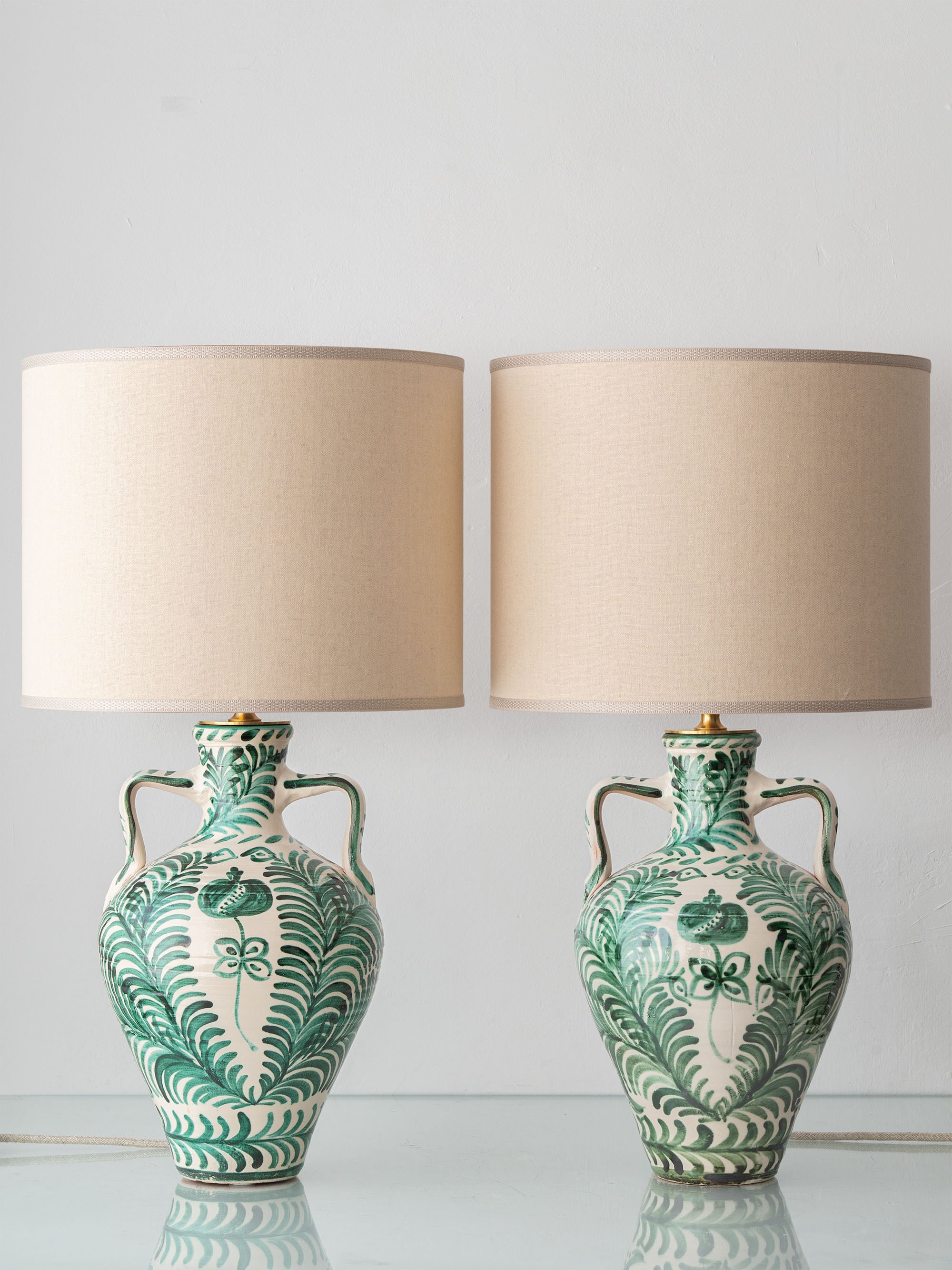 Image 13 of 17
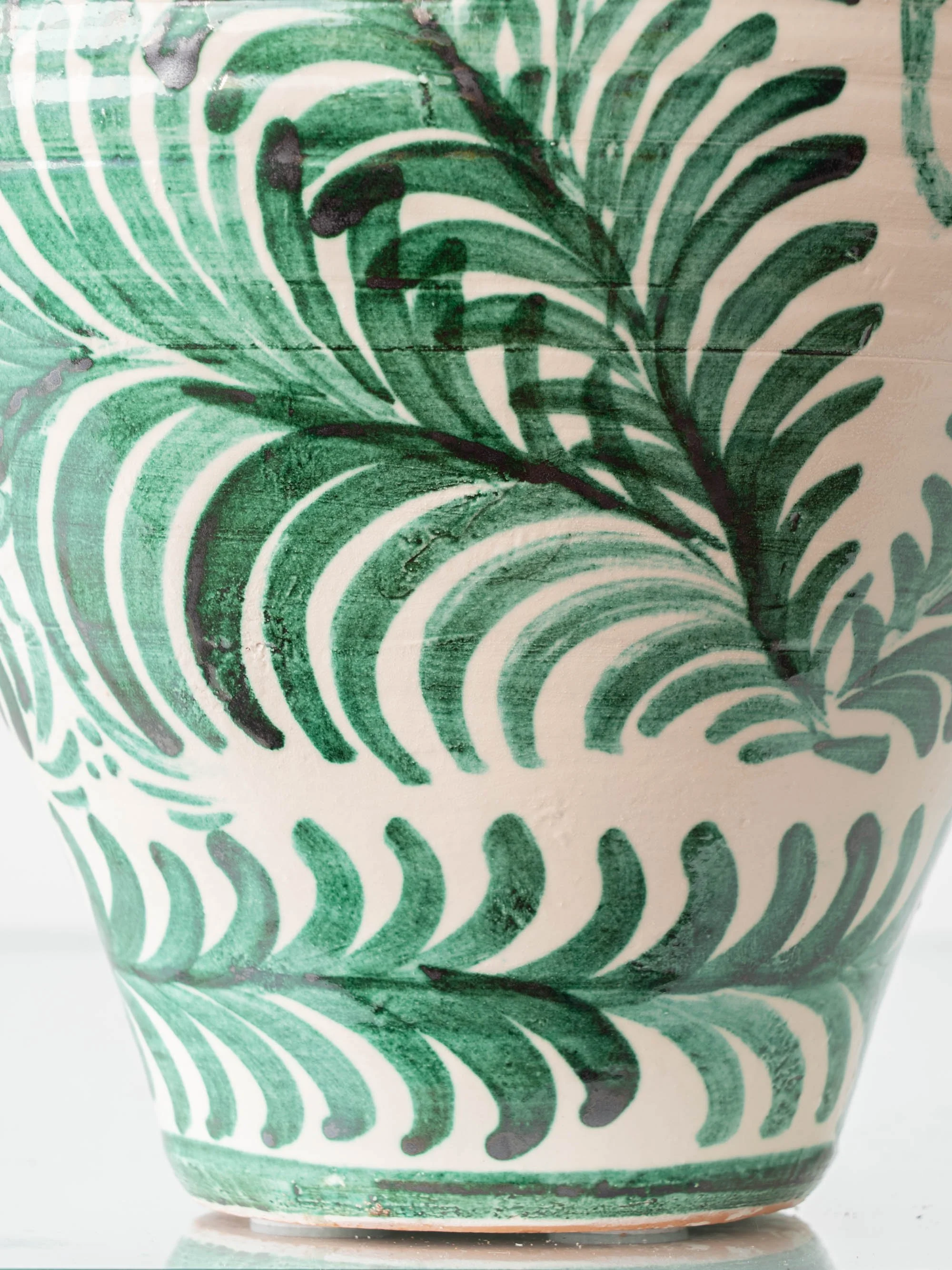 Image 14 of 17
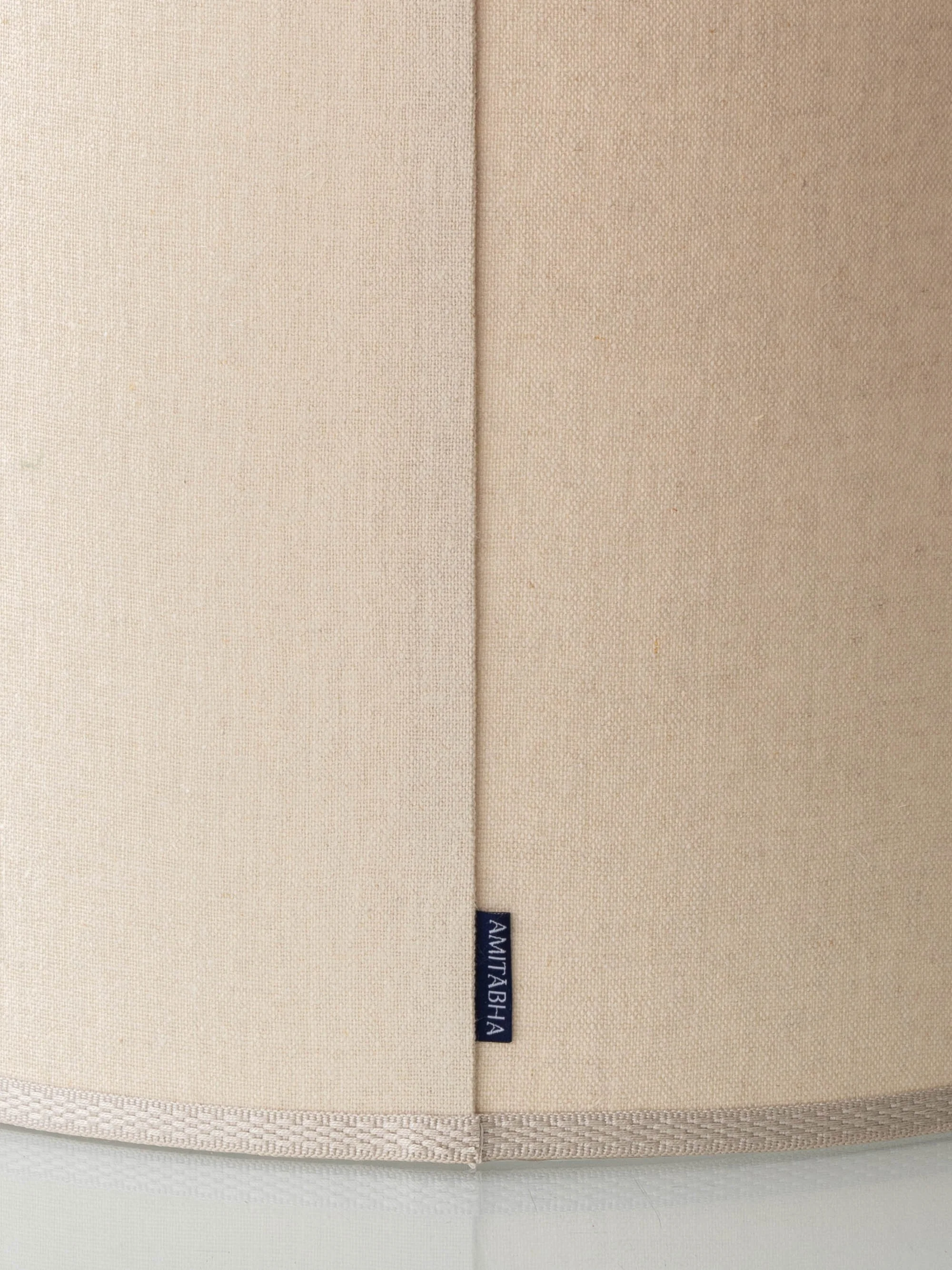 Image 15 of 17
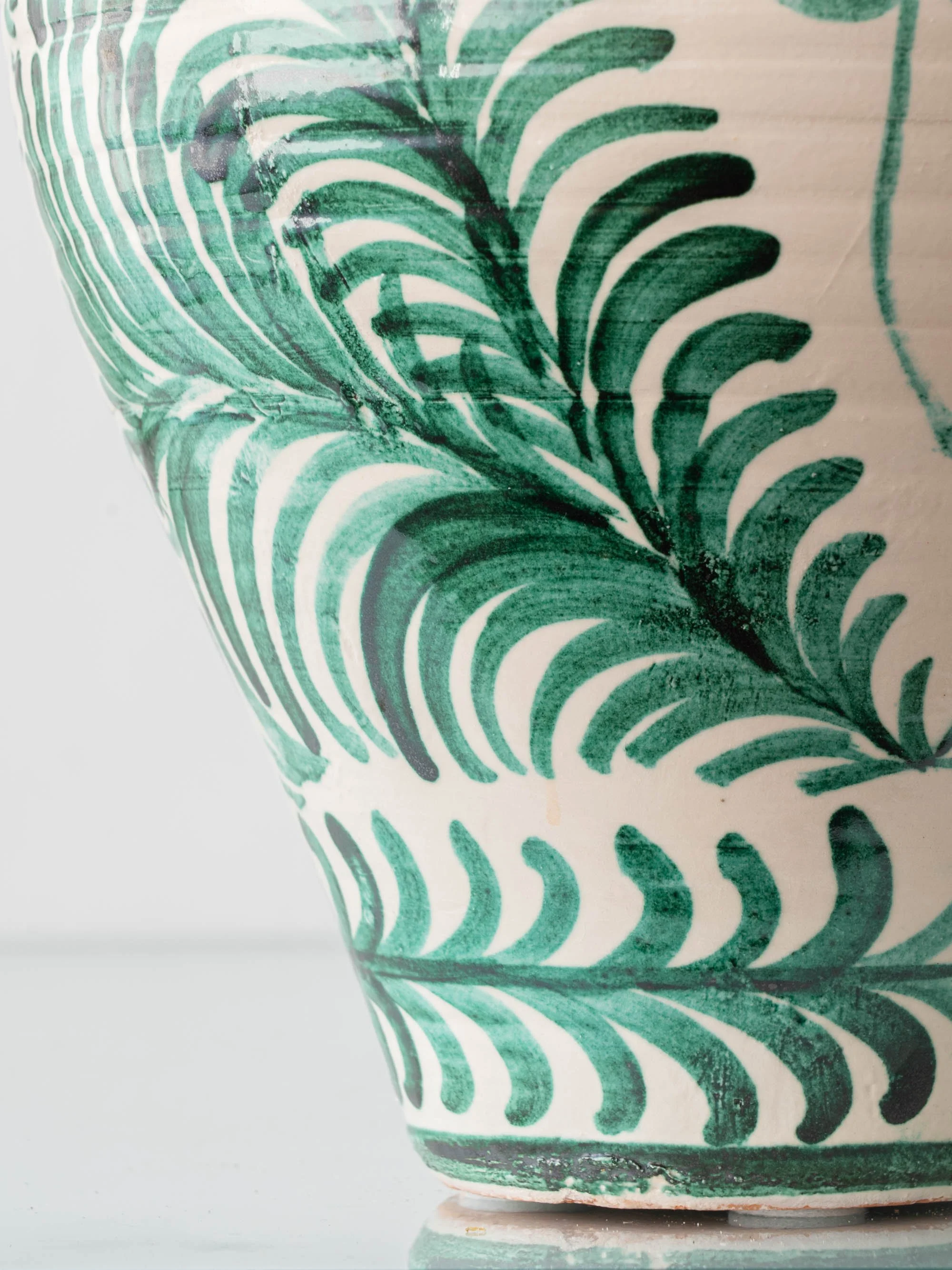 Image 16 of 17
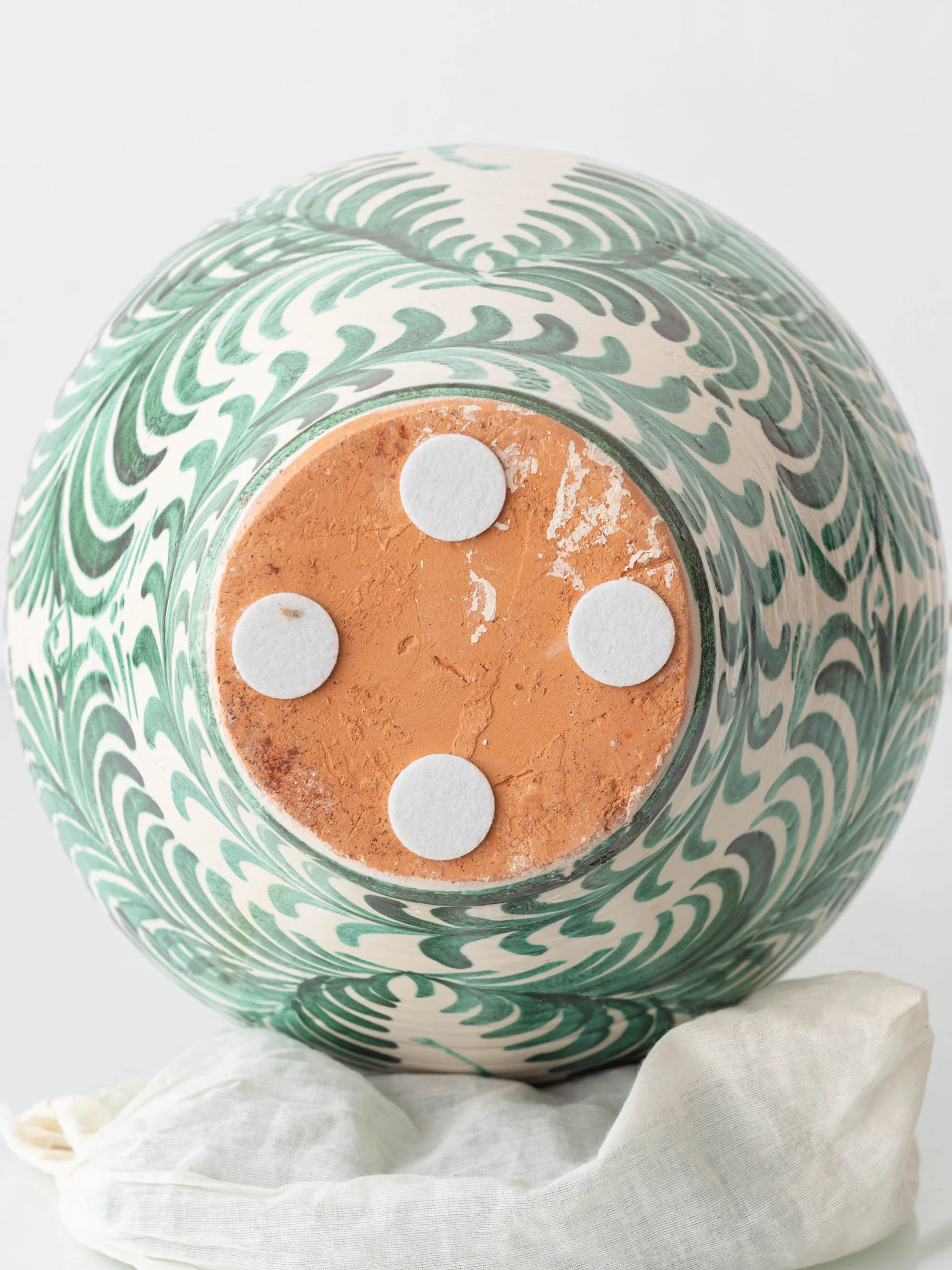 Image 17 of 17
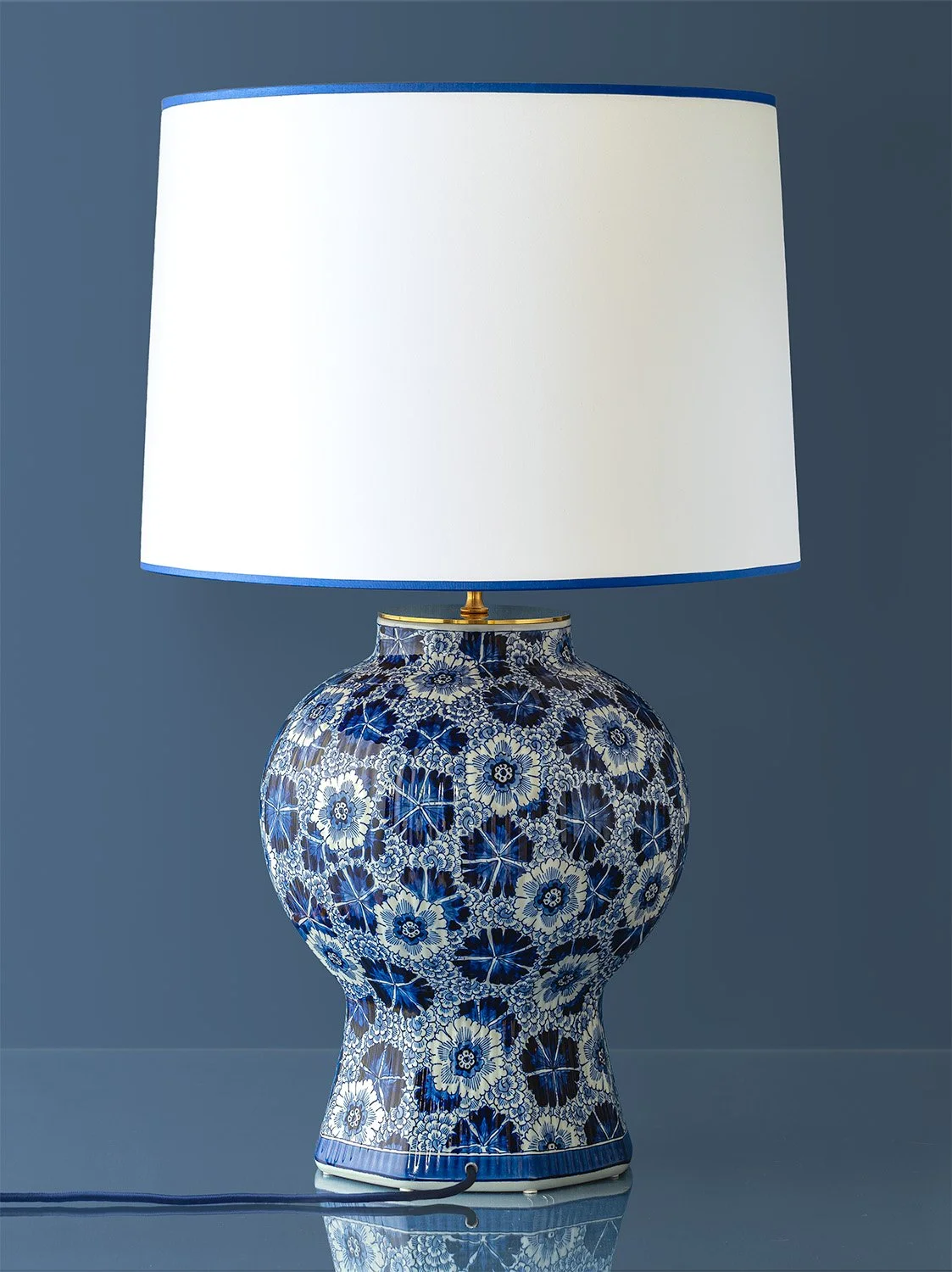
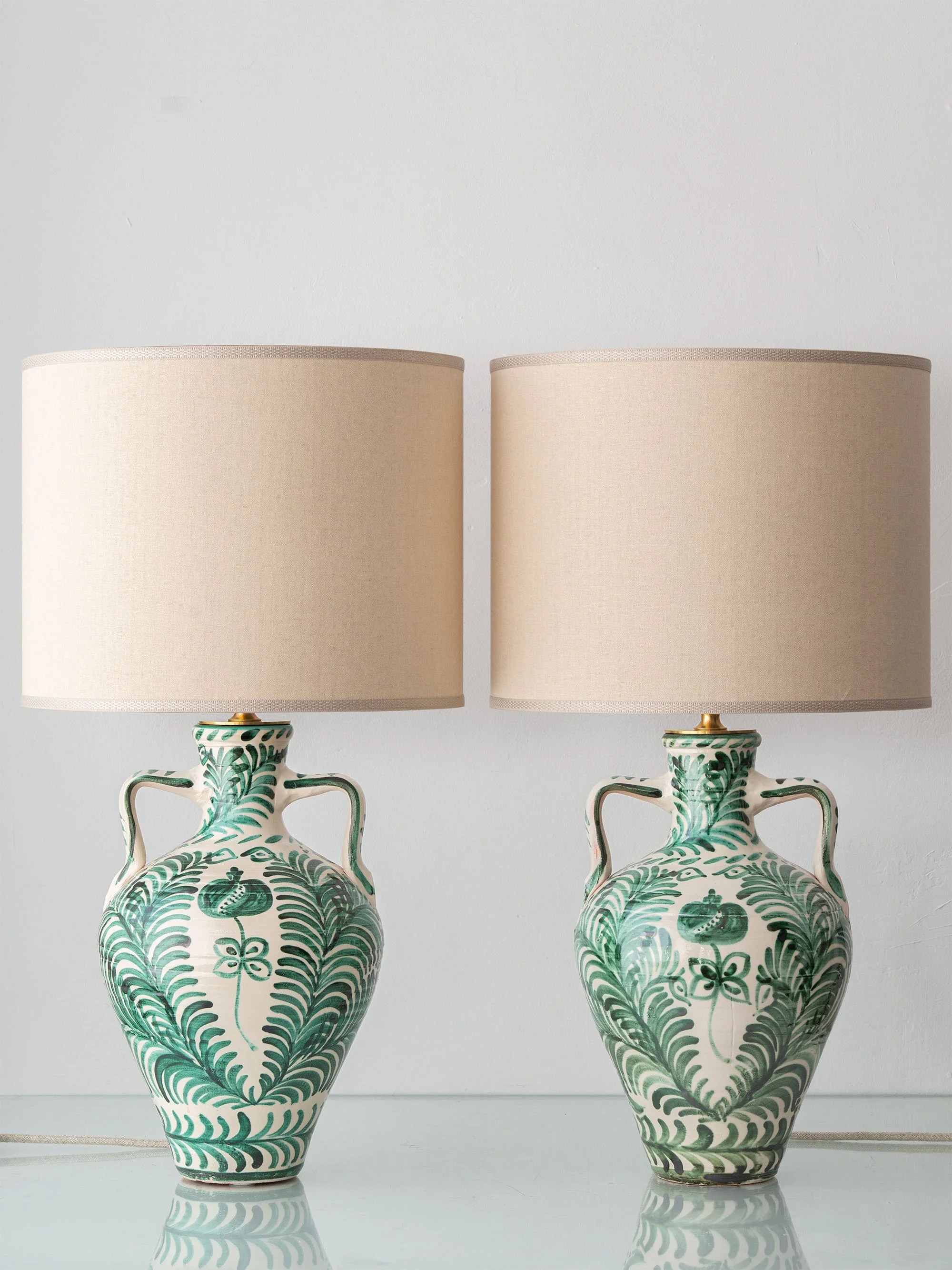
The amphora is one of the oldest vessel forms in the Mediterranean world, and in Andalusia's workshops it has never really gone out of production. Each base is hand-thrown with a full ovoid body, a narrow neck, two looped handles, and a slightly flared foot — a silhouette that reads as both ancient in origin and entirely natural in a contemporary interior.
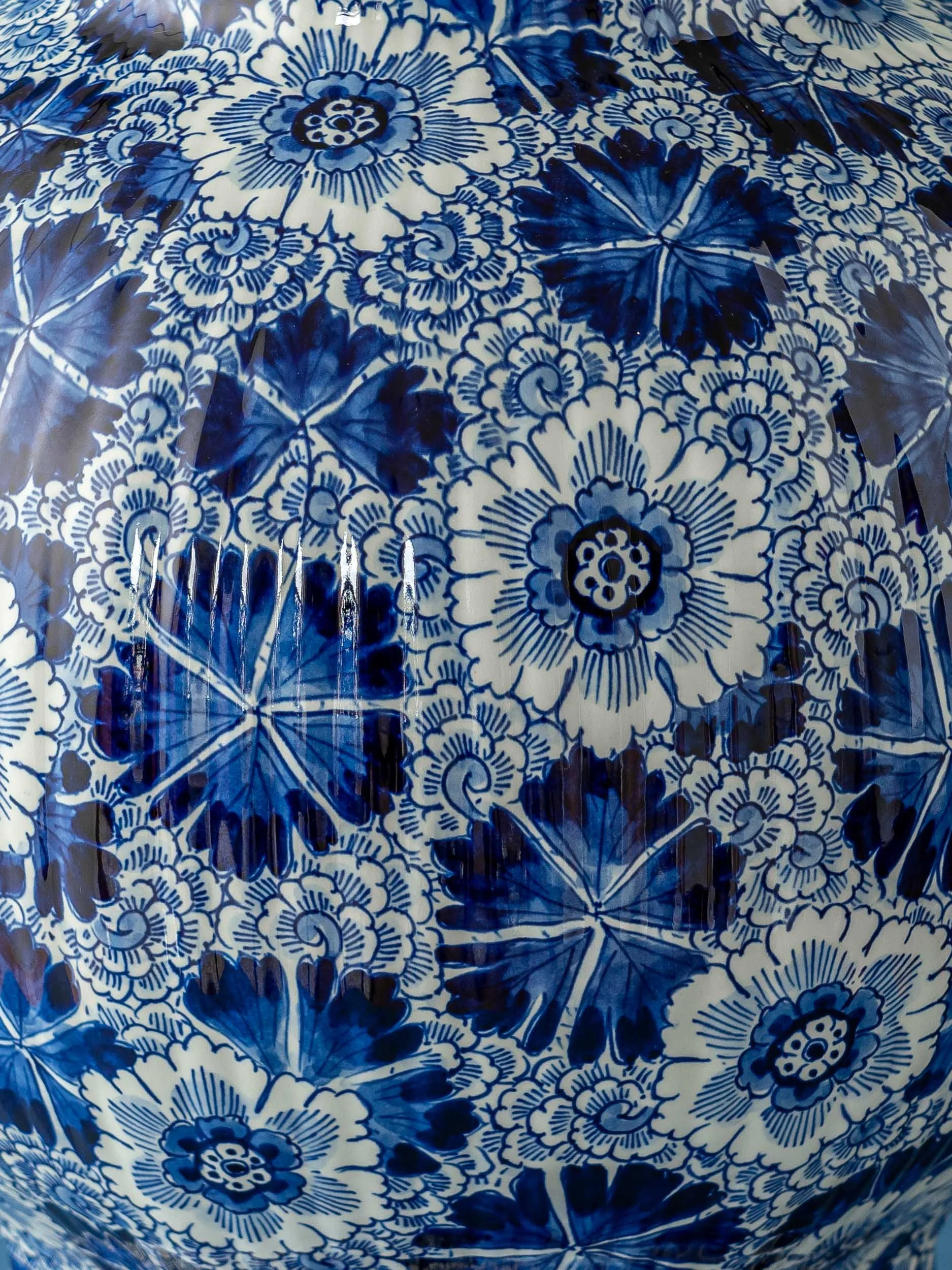
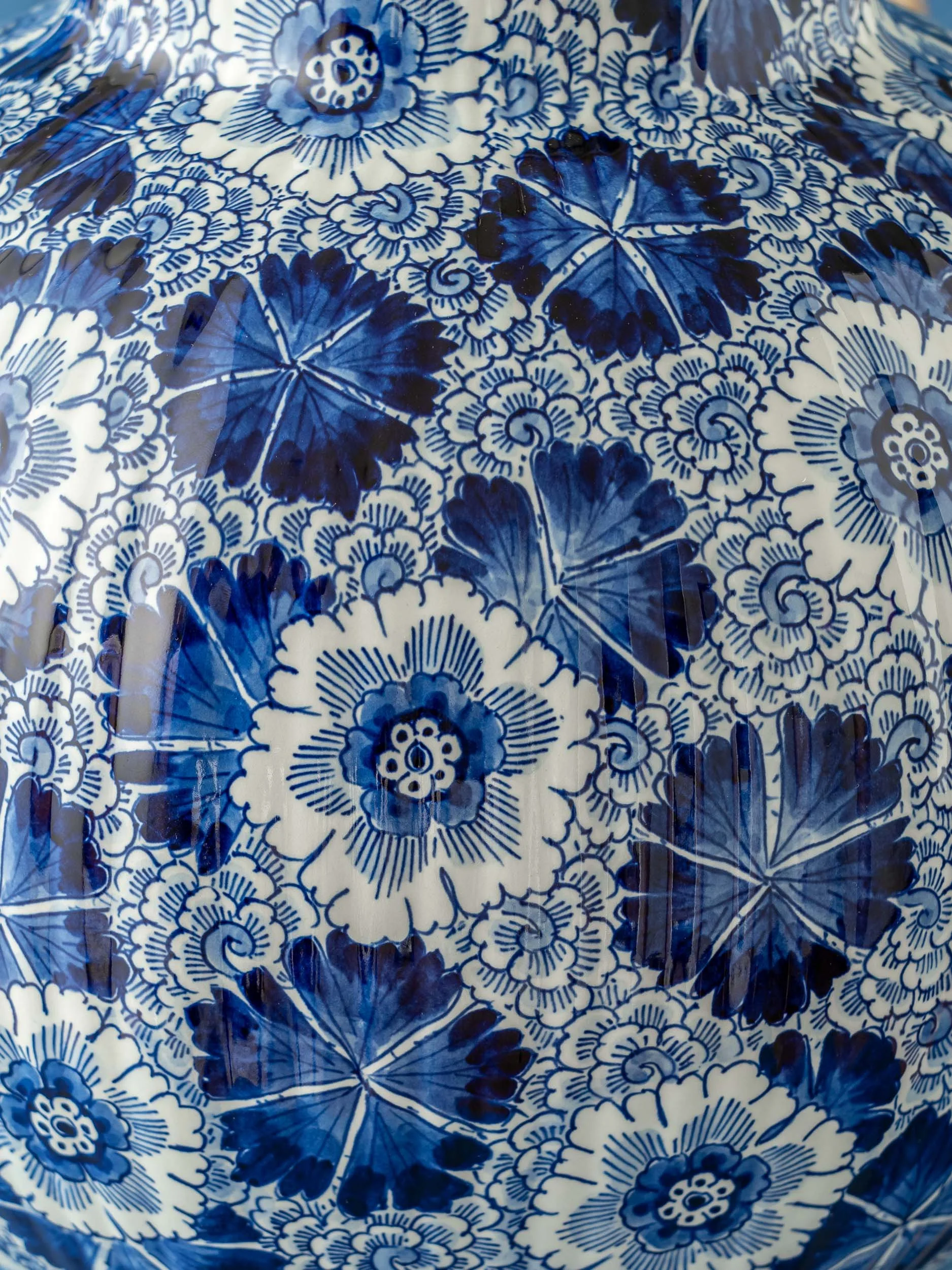
The decoration is copper green on a cream tin-glazed ground, painted freehand in the Fajalauza tradition of southern Spain. Sweeping palm fronds cover the body in confident, gestural strokes, converging at the front on a stylized pomegranate — the enduring emblem of Granada and a motif woven into Andalusian decorative arts since the Moorish period. The painting is loose and assured; each piece differs subtly from the other in the natural way of handwork, with visible brushwork and the occasional deeper accent where the copper glaze has pooled. The pair share a vocabulary without being identical.
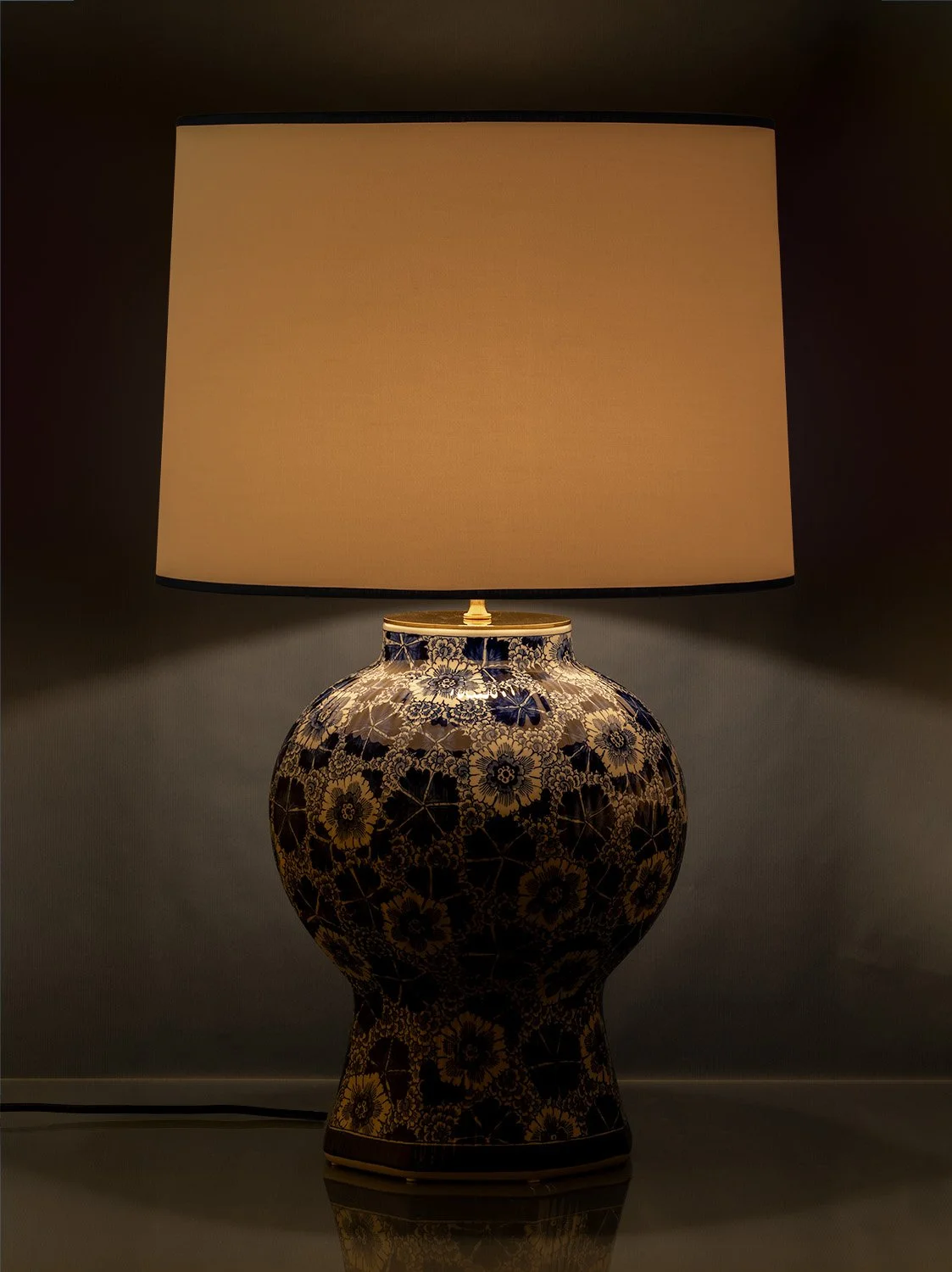
The shades are a considered counterpoint: true drums in natural cream linen, their clean geometry tempering the exuberance of the bases. Houlès passementerie trim at top and bottom adds a quiet finishing note — a detail that rewards close inspection without announcing itself from across the room. The combination sits naturally in a Spanish Revival or Spanish Colonial interior, and works equally well wherever collected, handmade objects set the tone.
About the Fajalauza tradition
Fajalauza is Granada's most distinctive ceramic tradition, named after the historic Fajalauza Gate in the Albayzín district where its workshops first gathered. The first written record dates to 1517, when a potter filed a legal complaint in the years following the Christian reconquest of Granada — a moment that shaped the tradition itself, as Moorish and Spanish artistic influences fused into something new. The characteristic palette — copper green and cobalt blue on a cream tin-glazed ground — and the recurring motifs of pomegranates, palm fronds, and stylized foliage have remained the visual language of Fajalauza for five centuries. These bases are made in Bailén, in the province of Jaén, in a direct continuation of that Granada style: hand-thrown earthenware decorated freehand in the Fajalauza manner, a living craft produced today much as it has been since the sixteenth century.