 Image 1 of 13
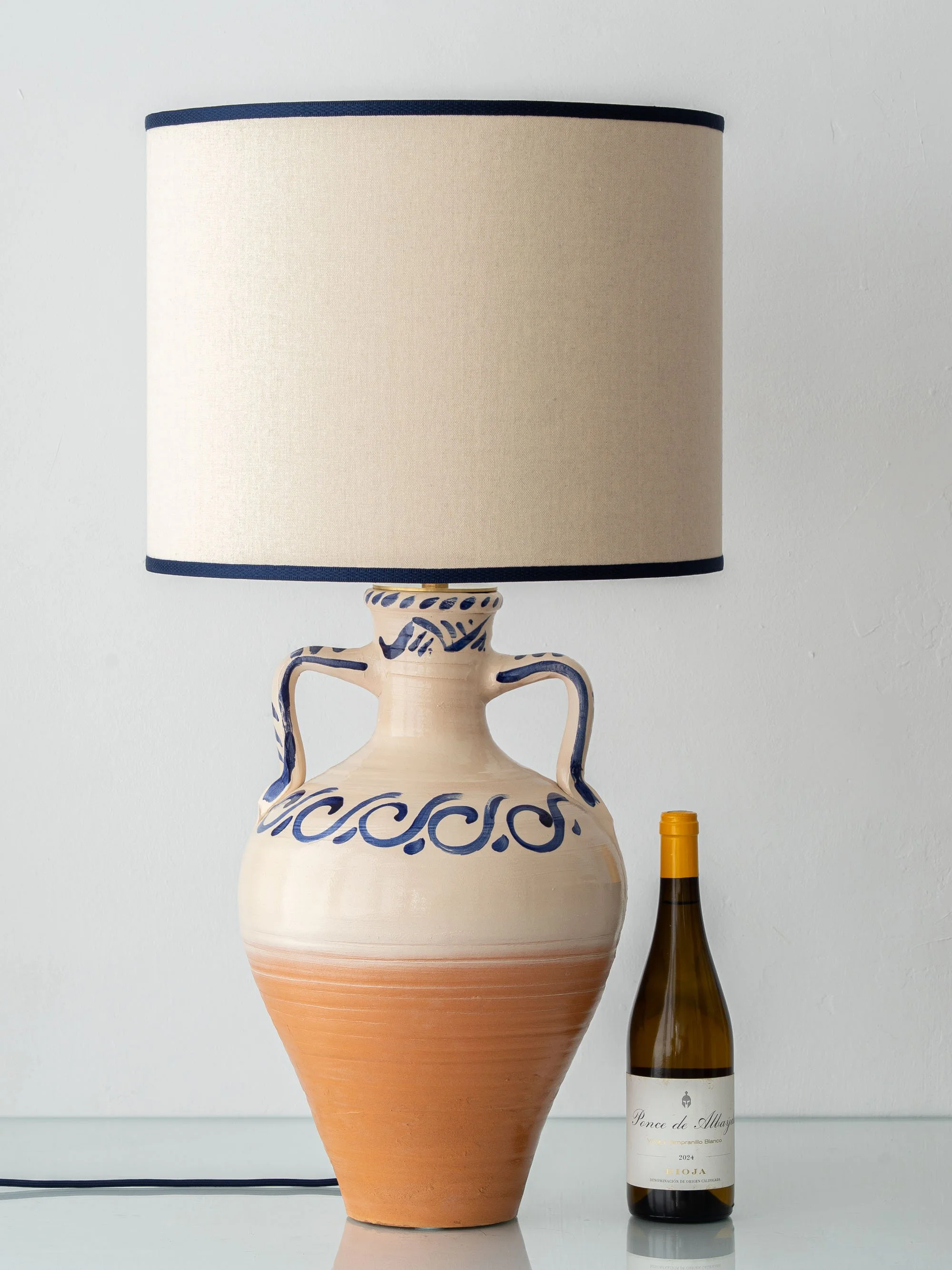 Image 2 of 13
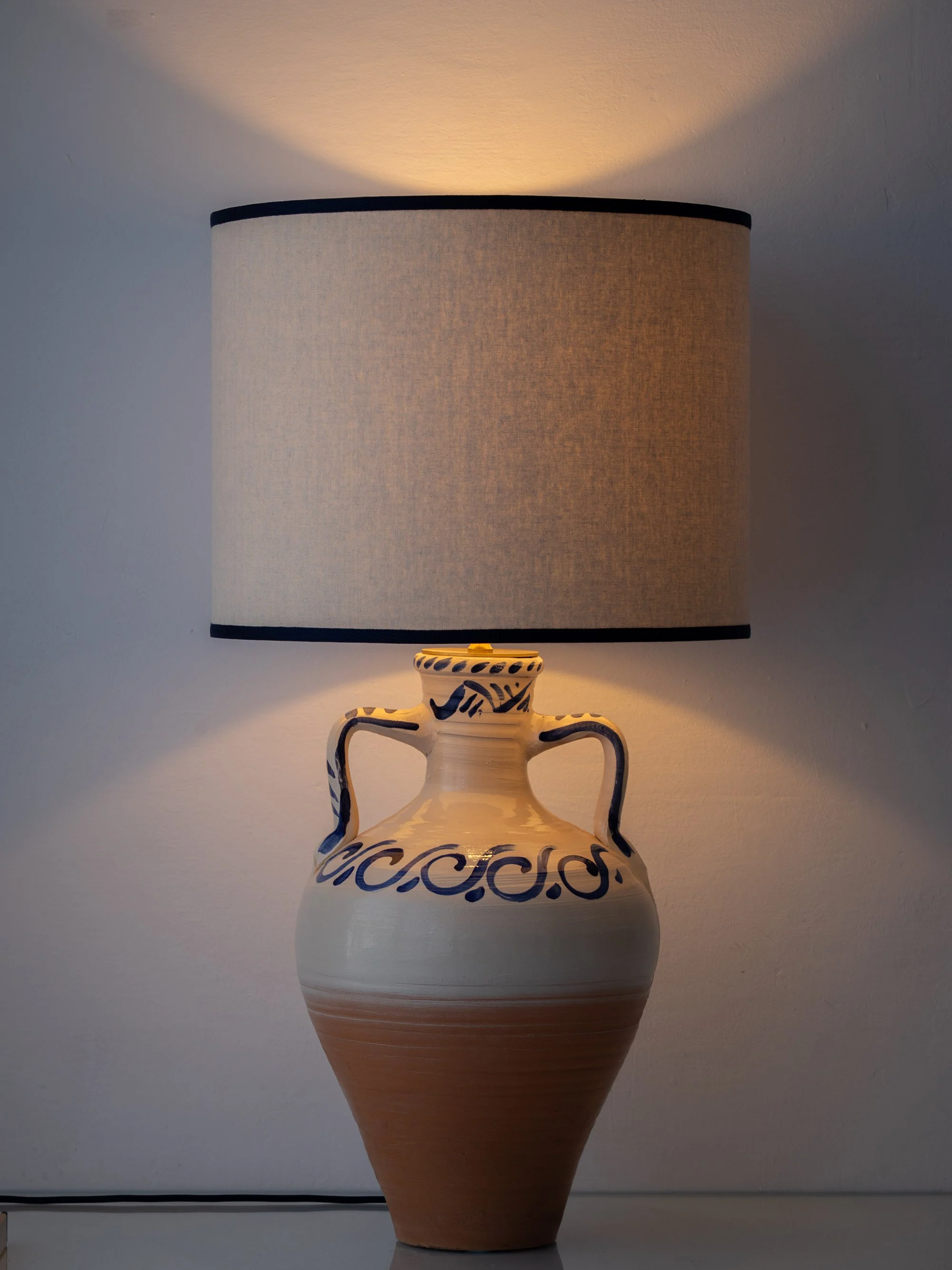 Image 3 of 13
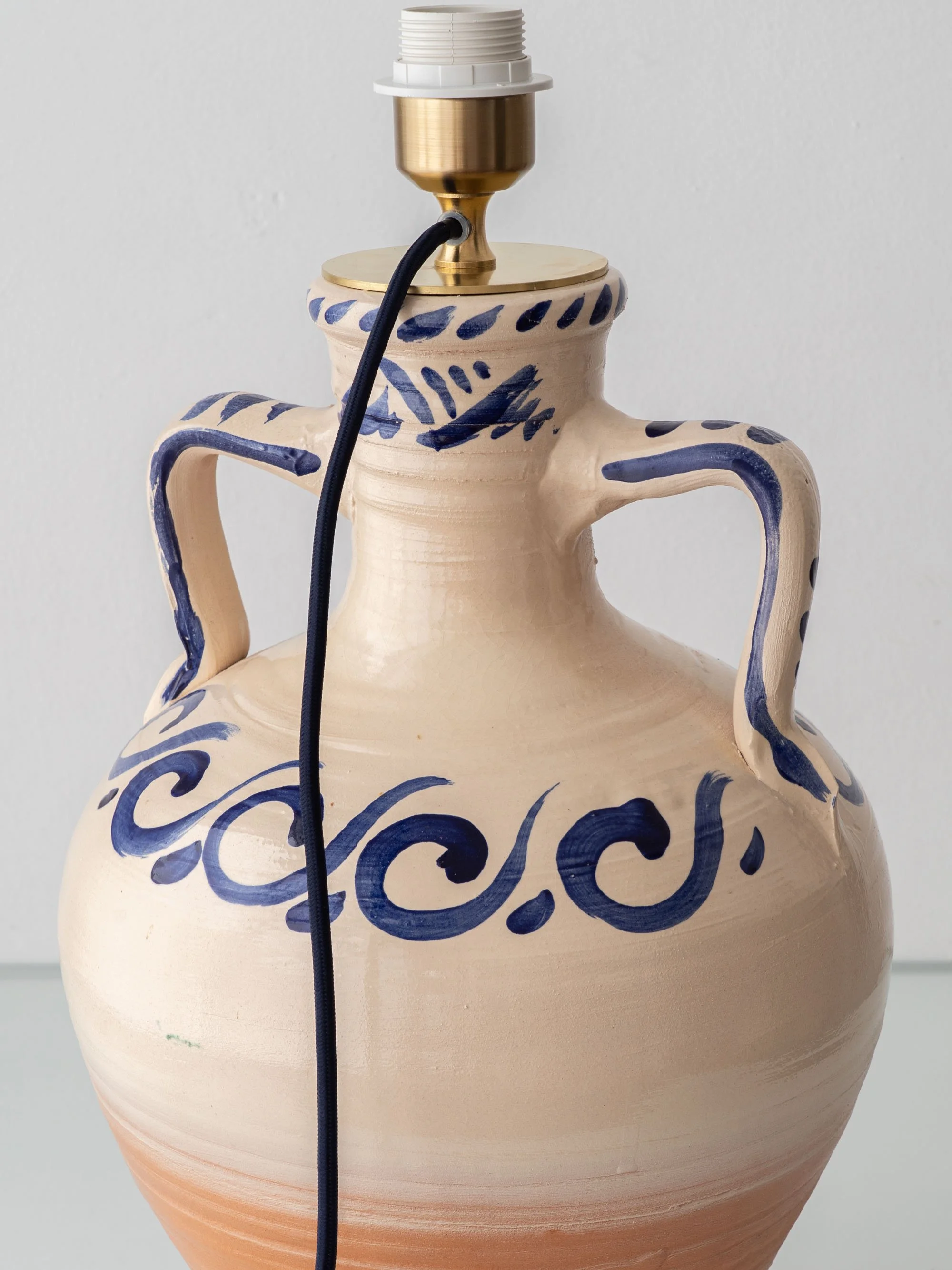 Image 4 of 13
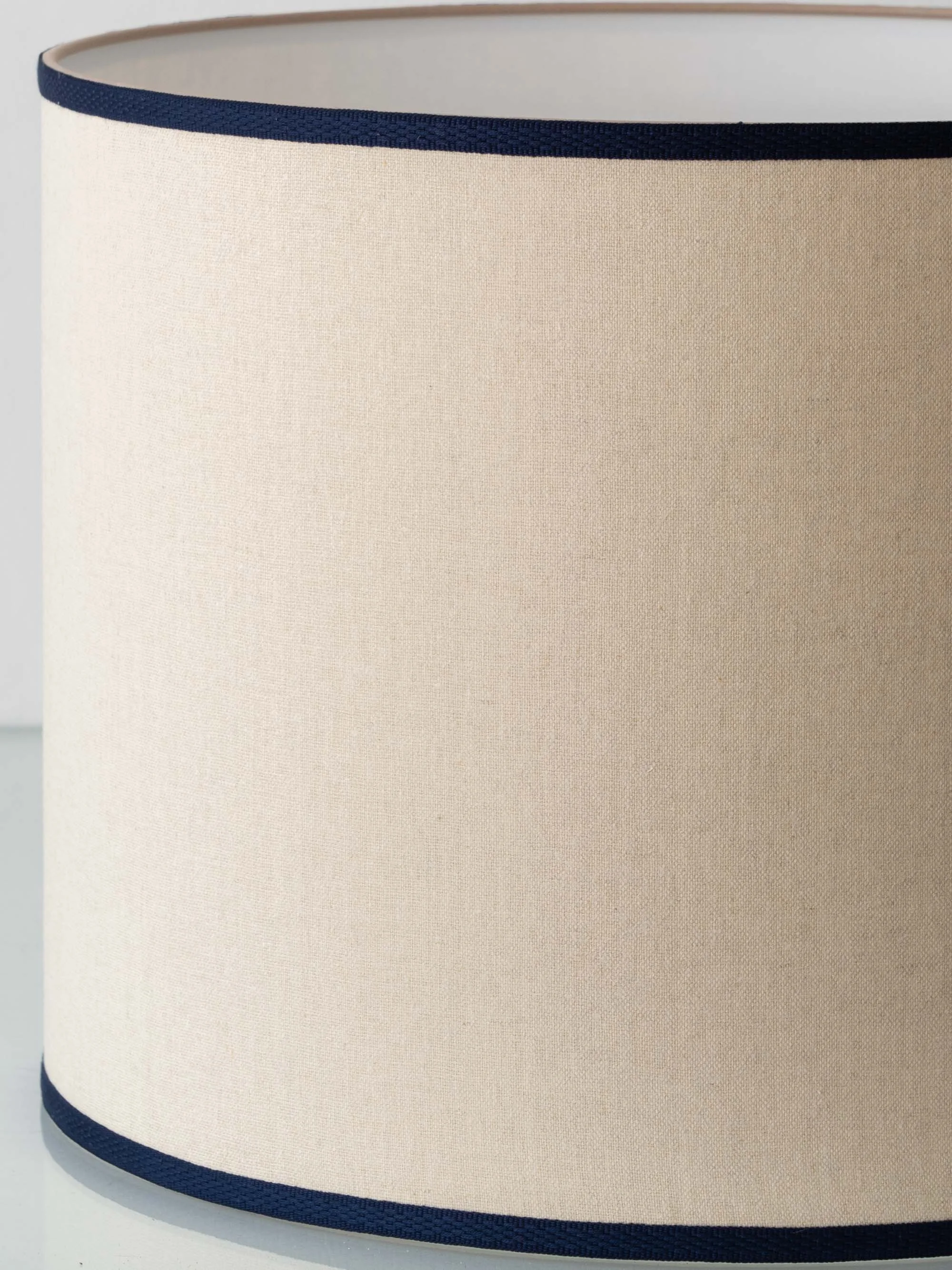 Image 5 of 13
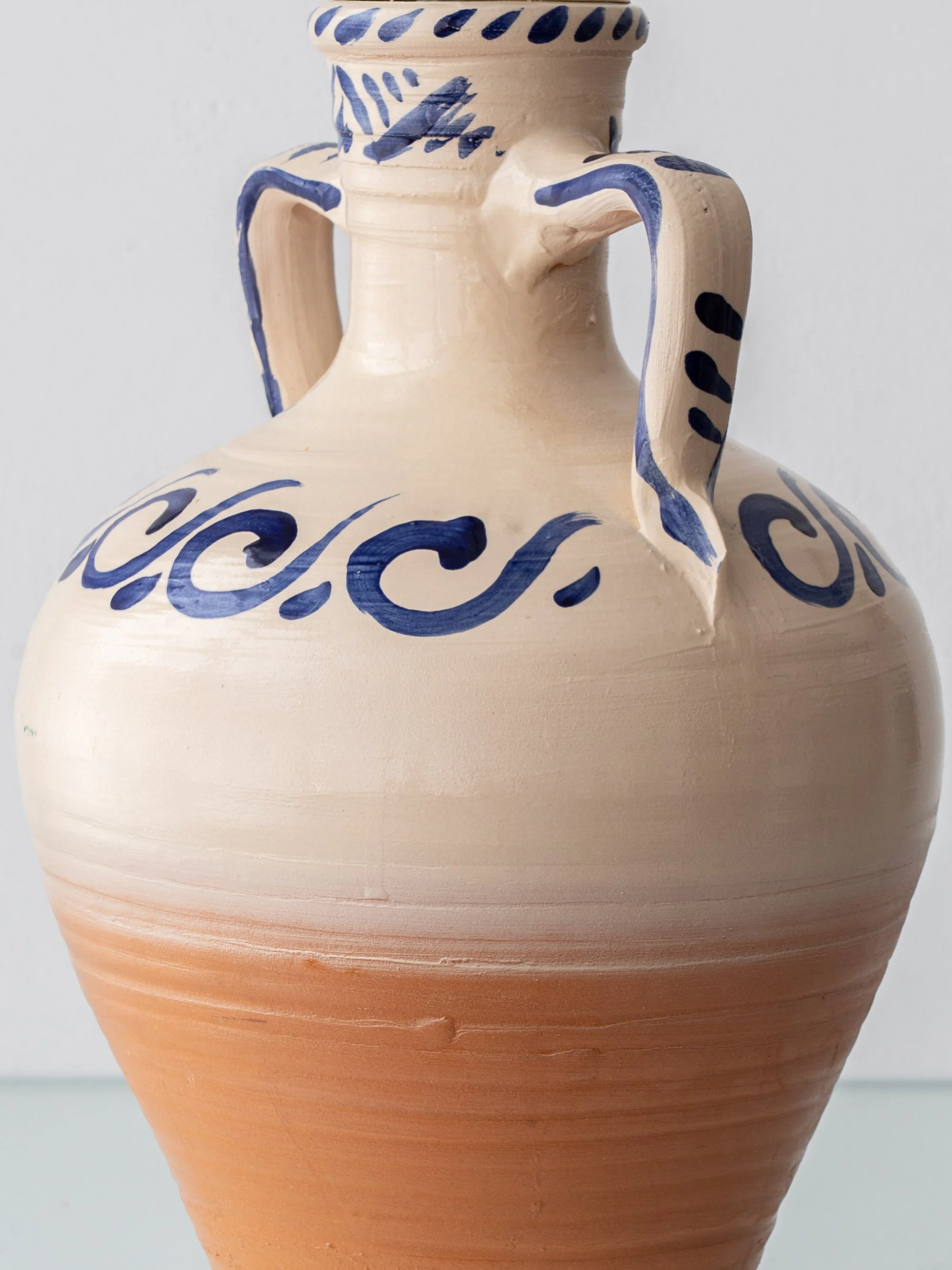 Image 6 of 13
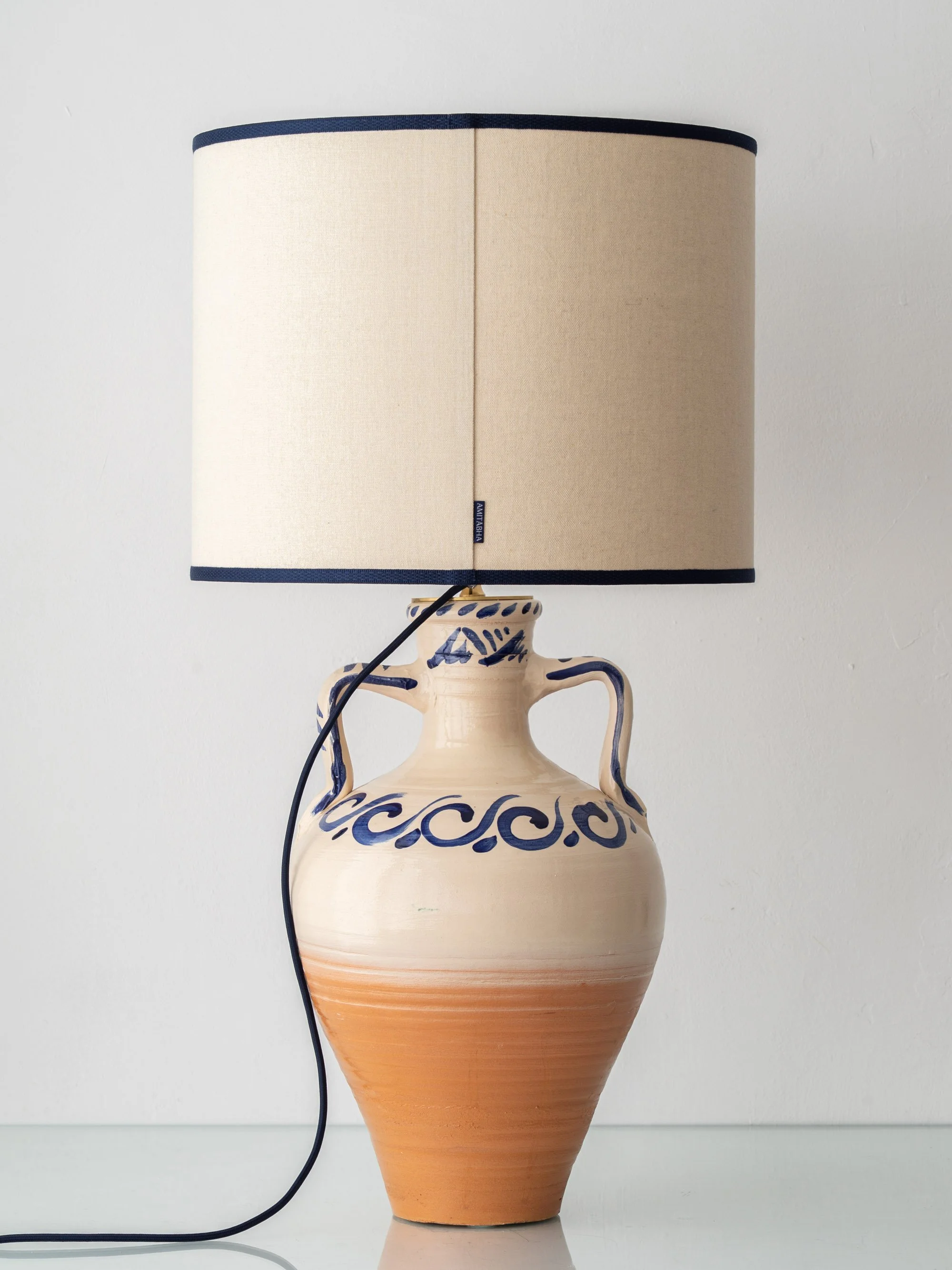 Image 7 of 13
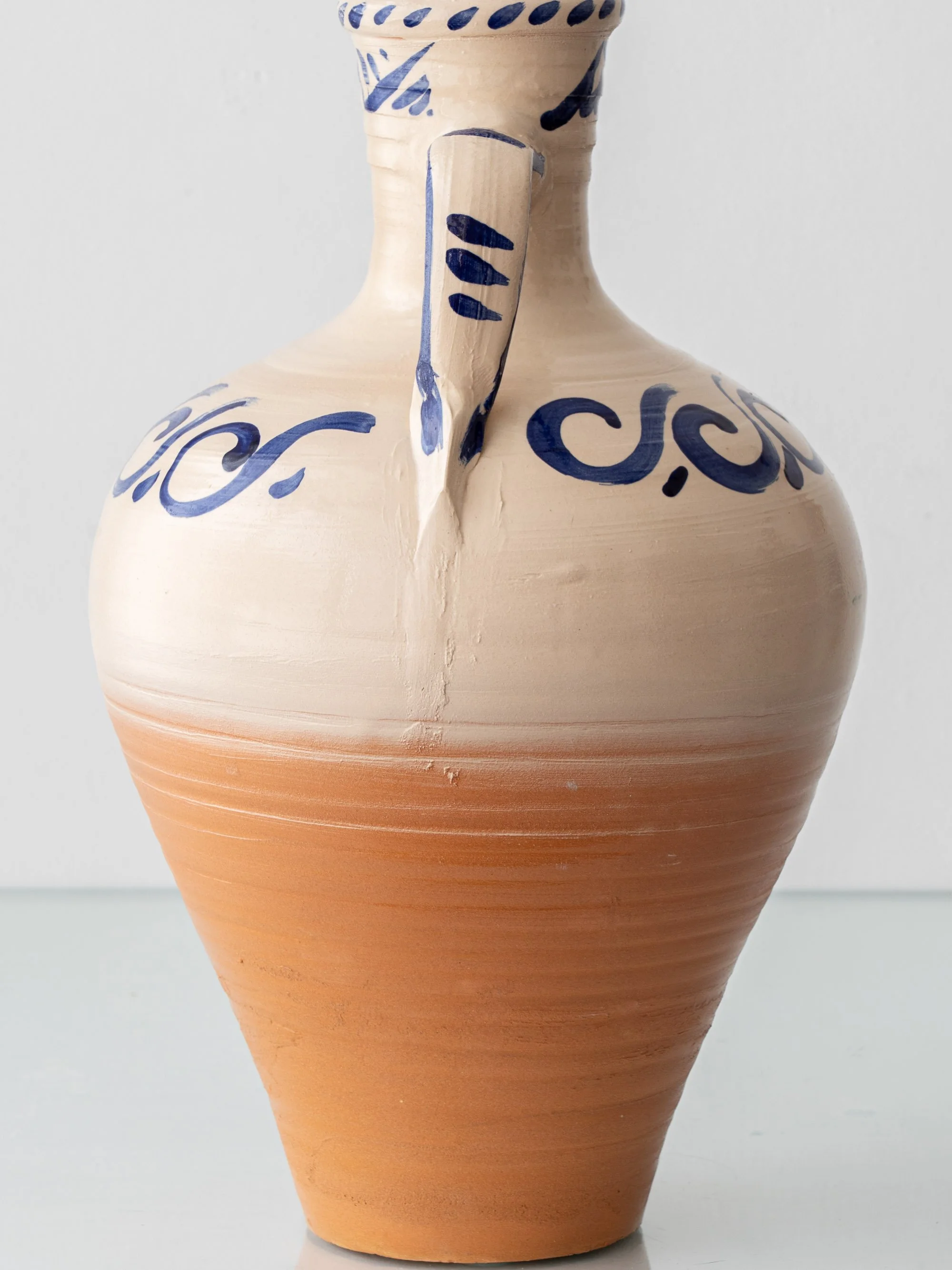 Image 8 of 13
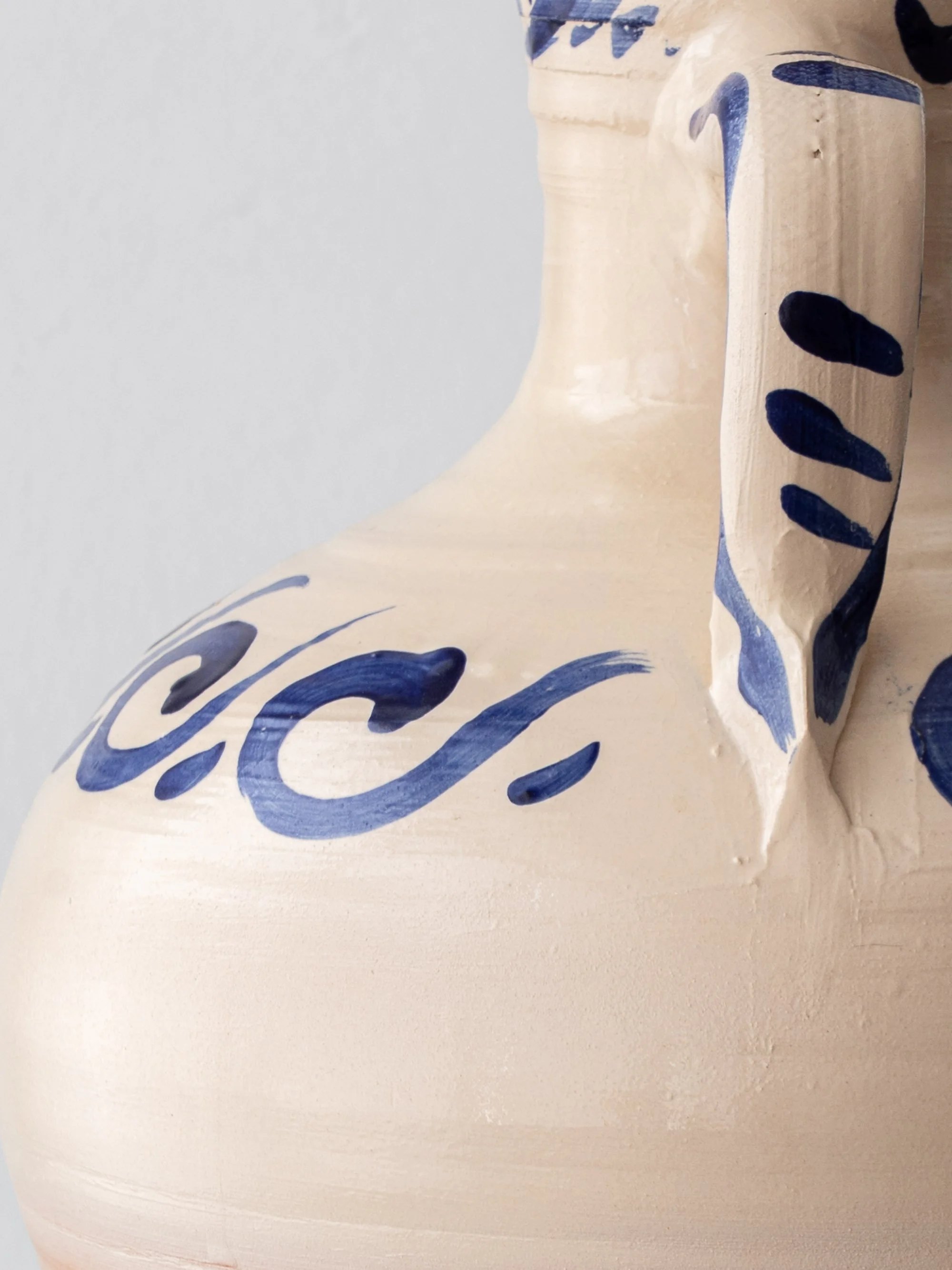 Image 9 of 13
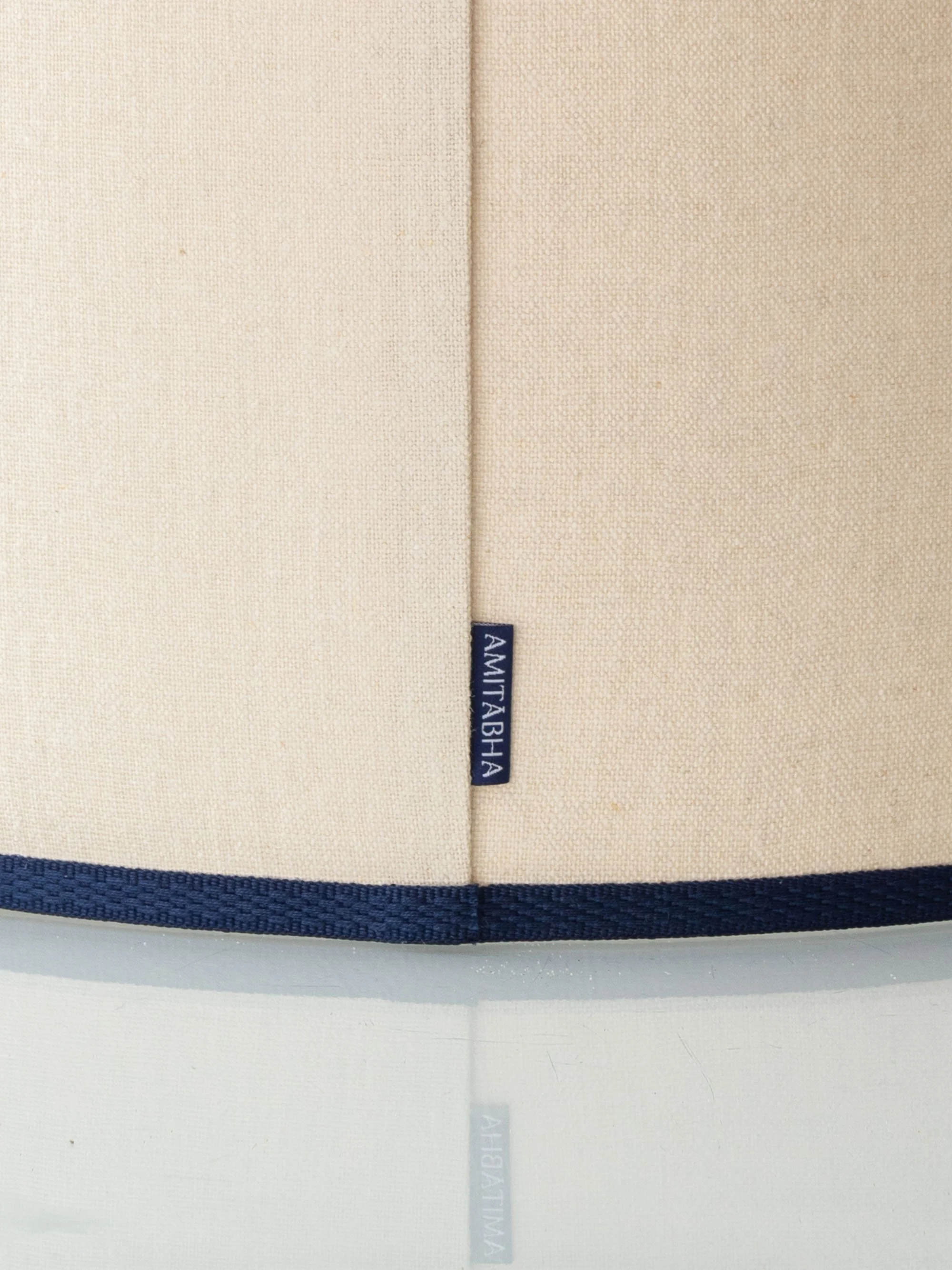 Image 10 of 13
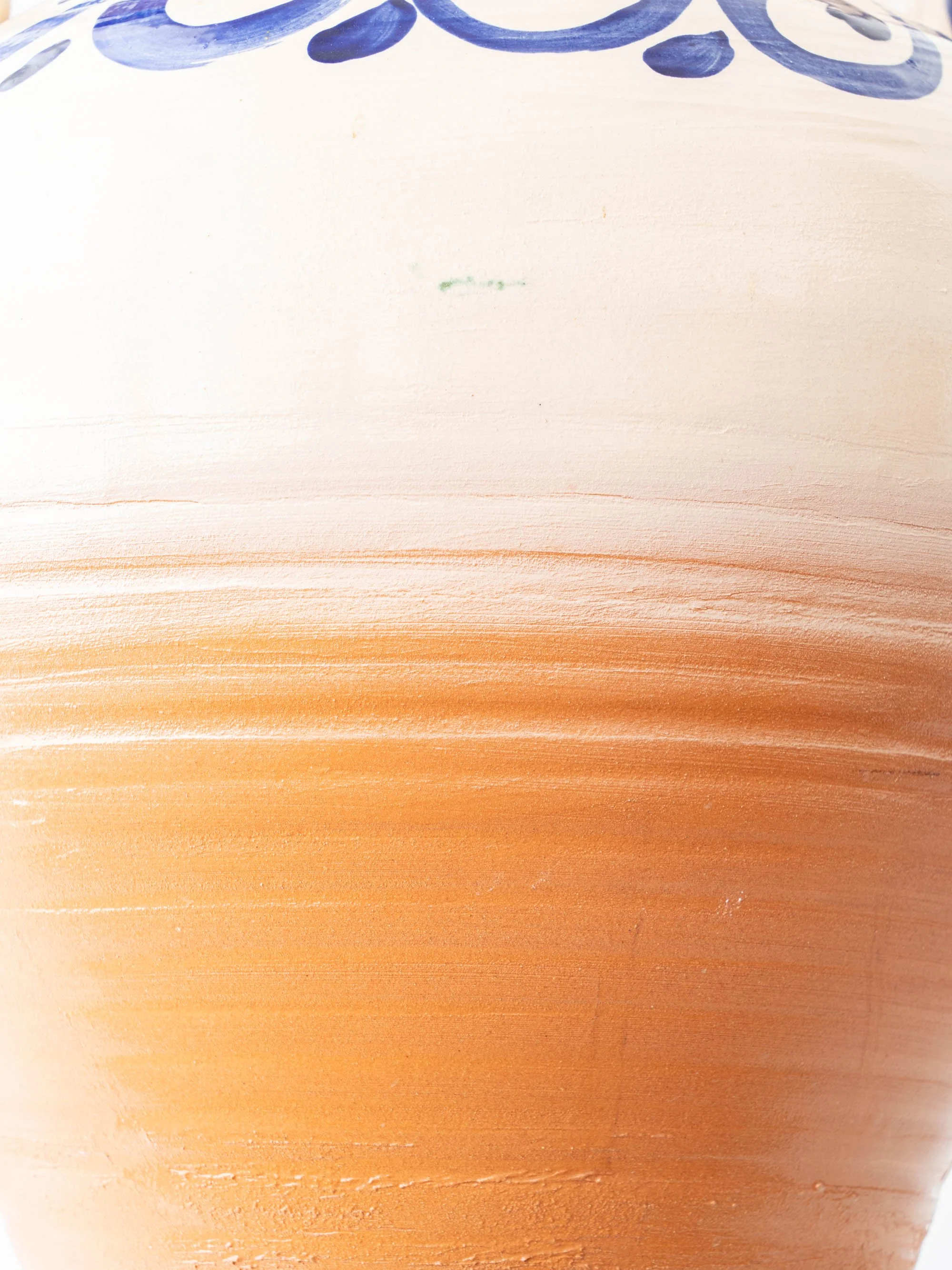 Image 11 of 13
 Image 12 of 13
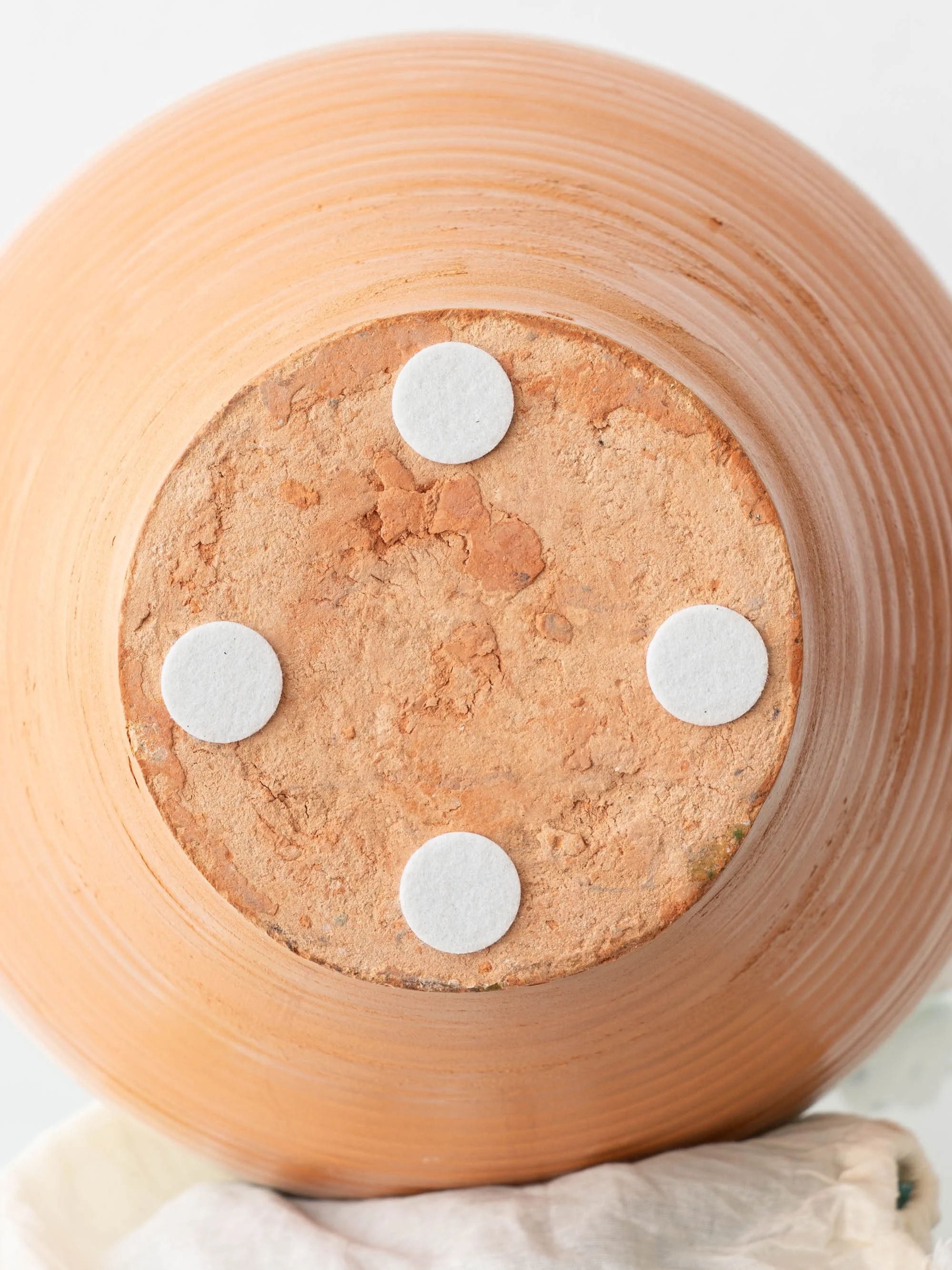 Image 13 of 13
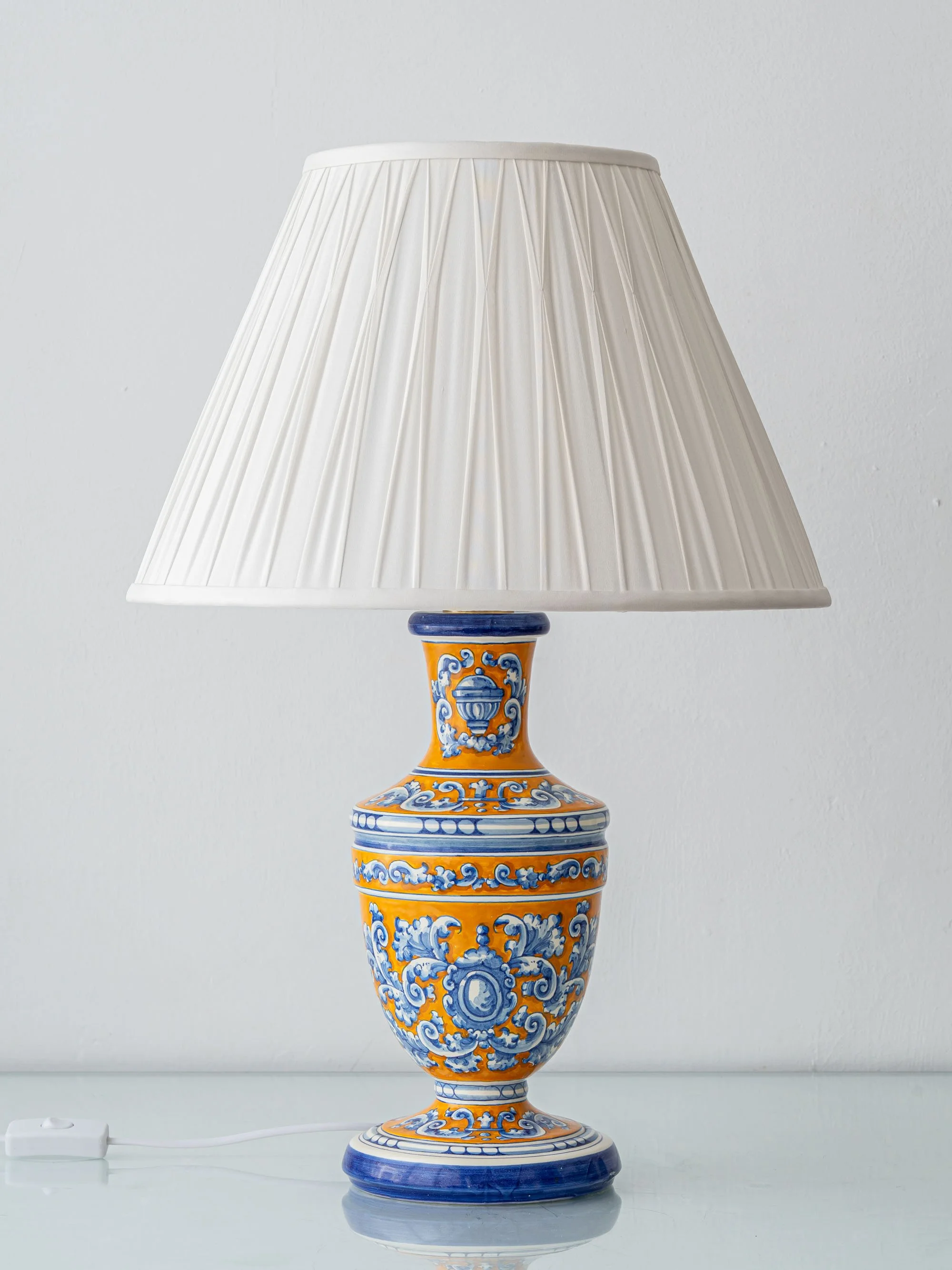
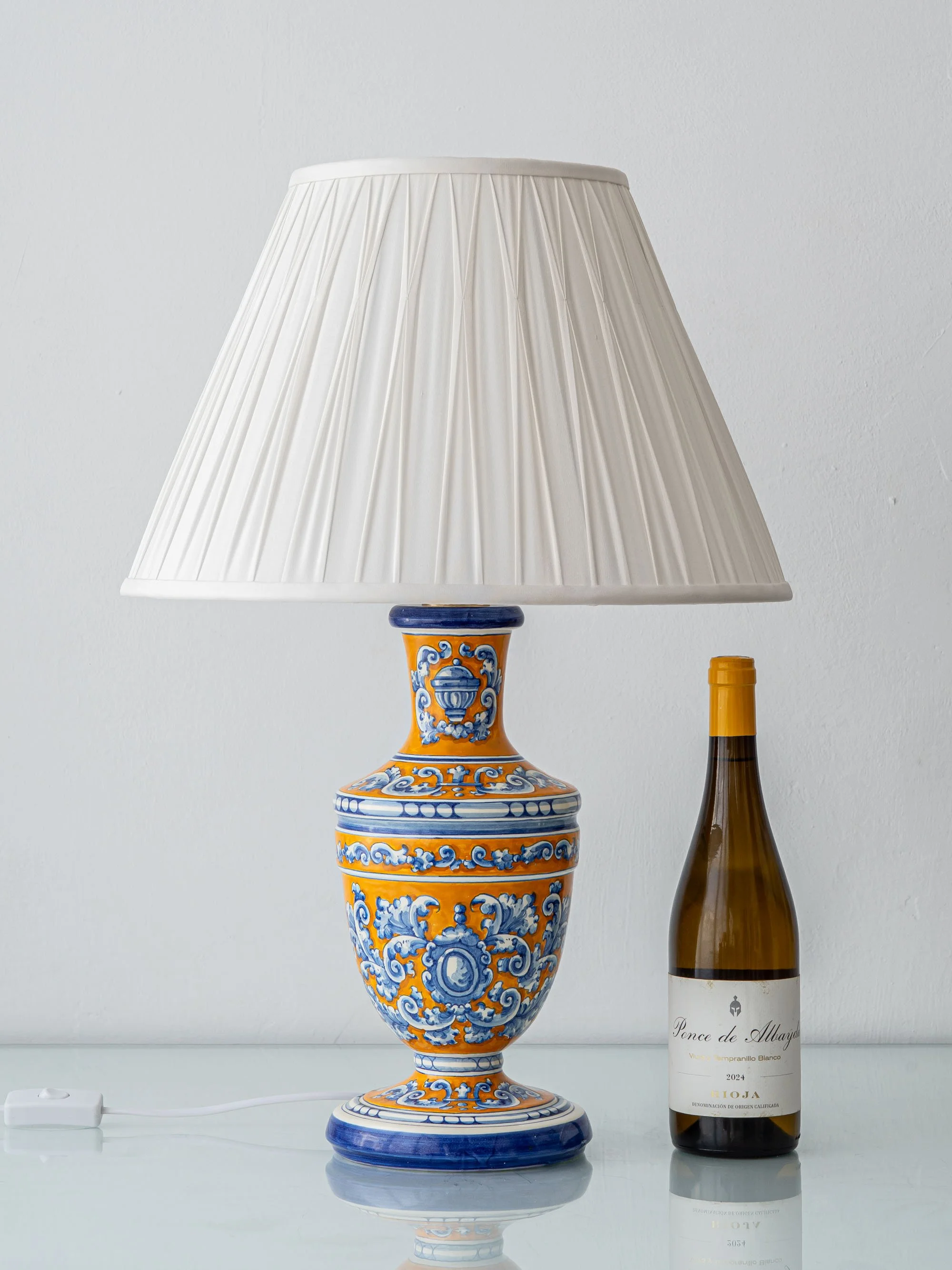
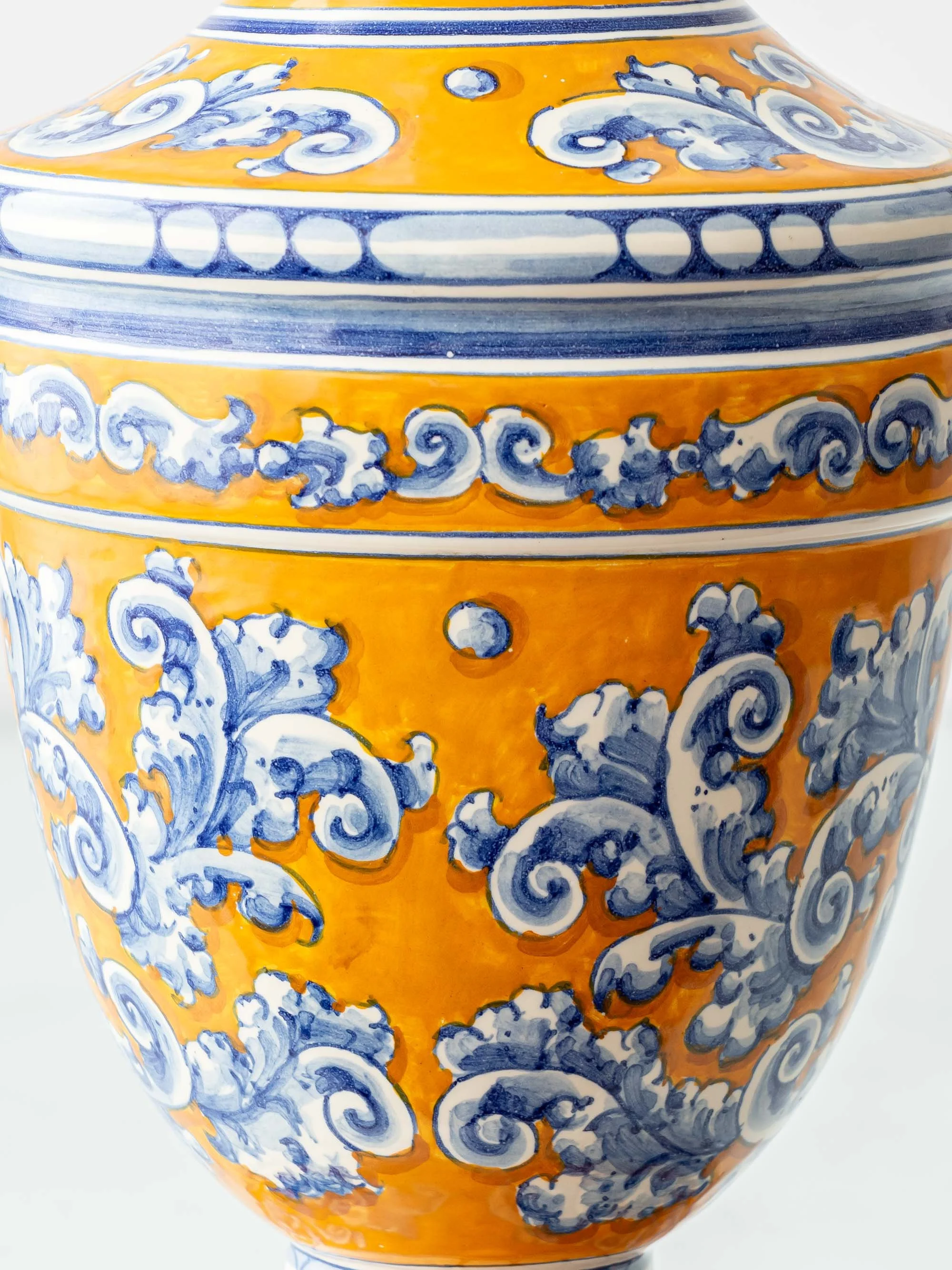
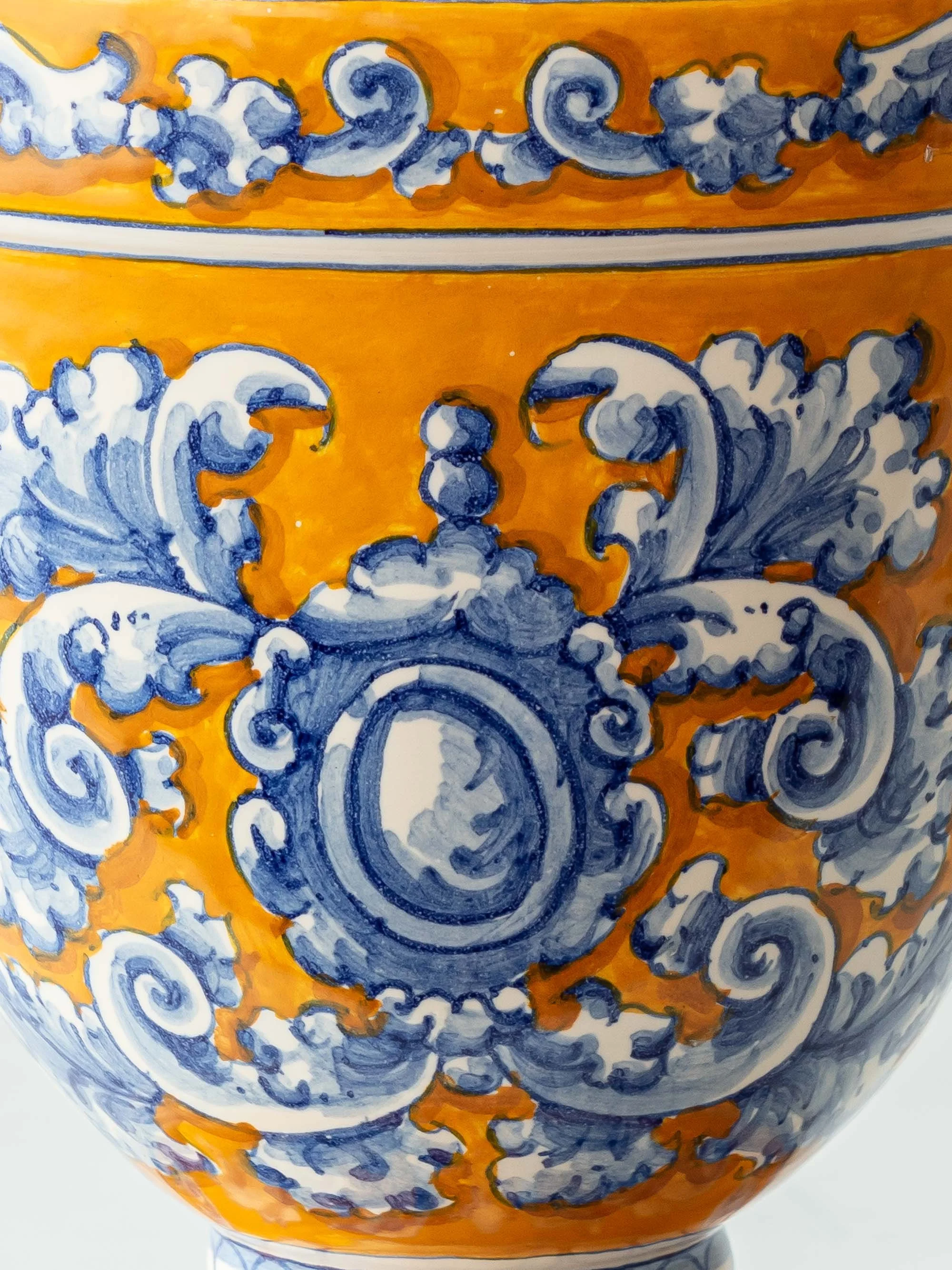
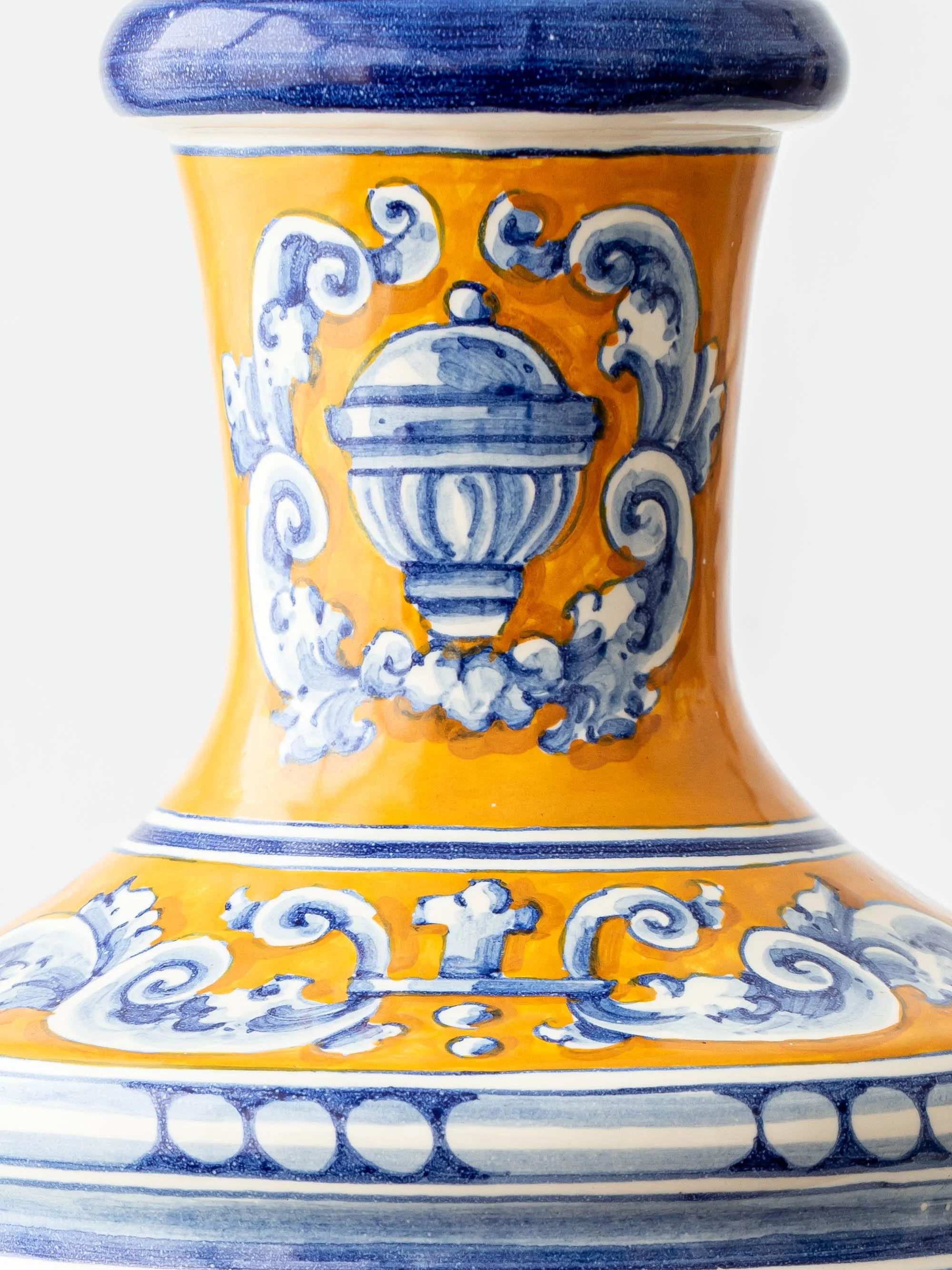
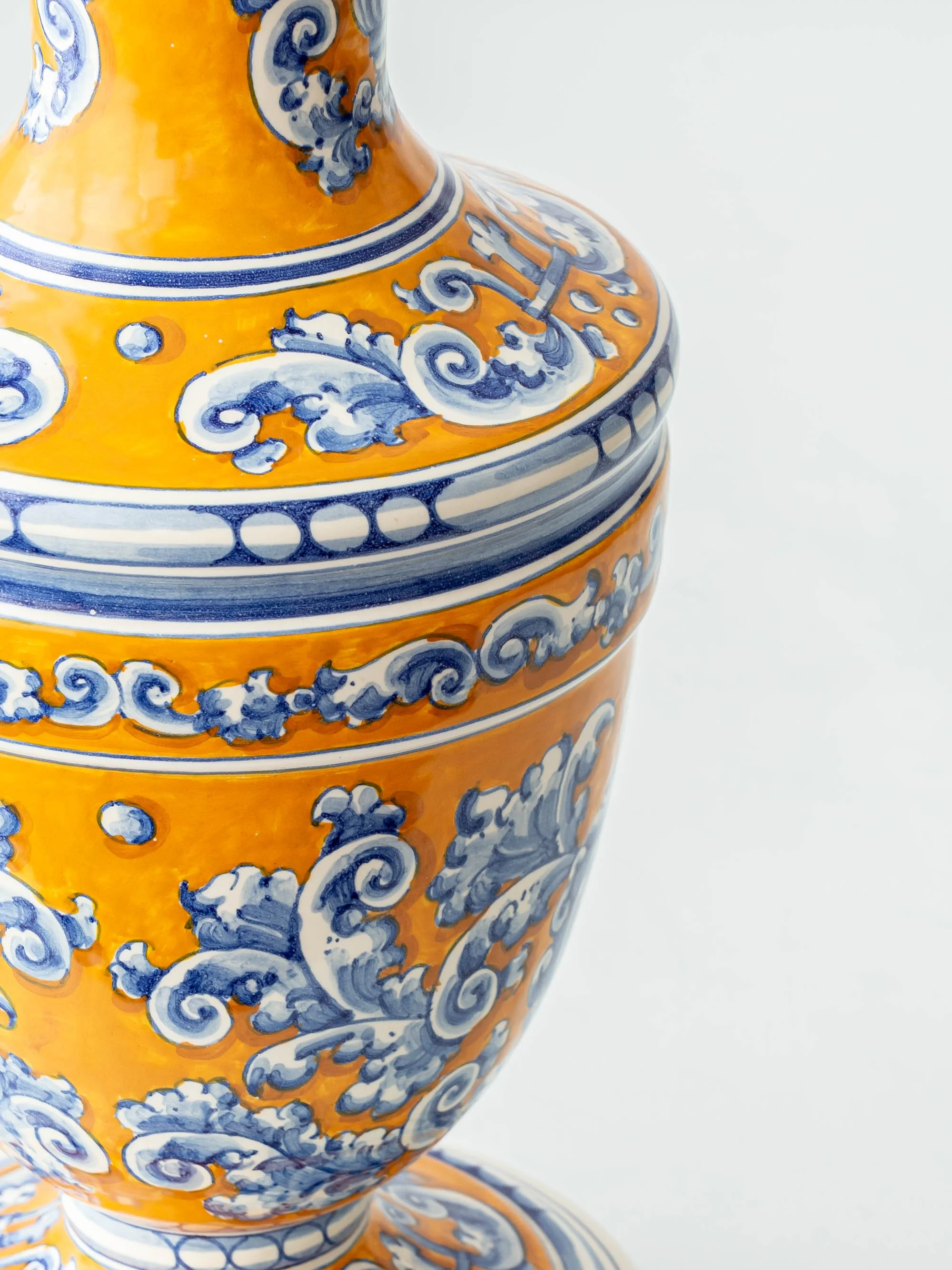
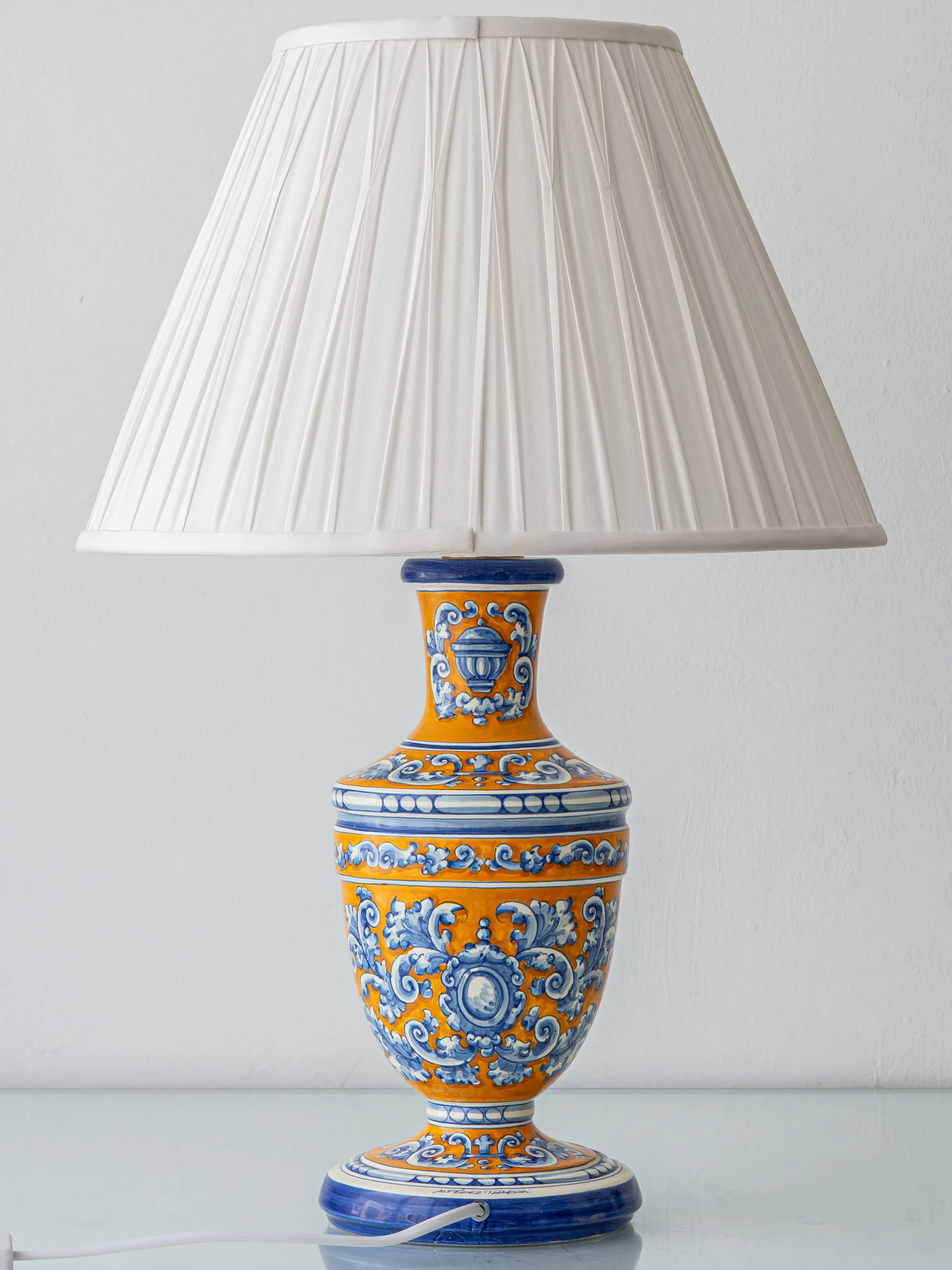
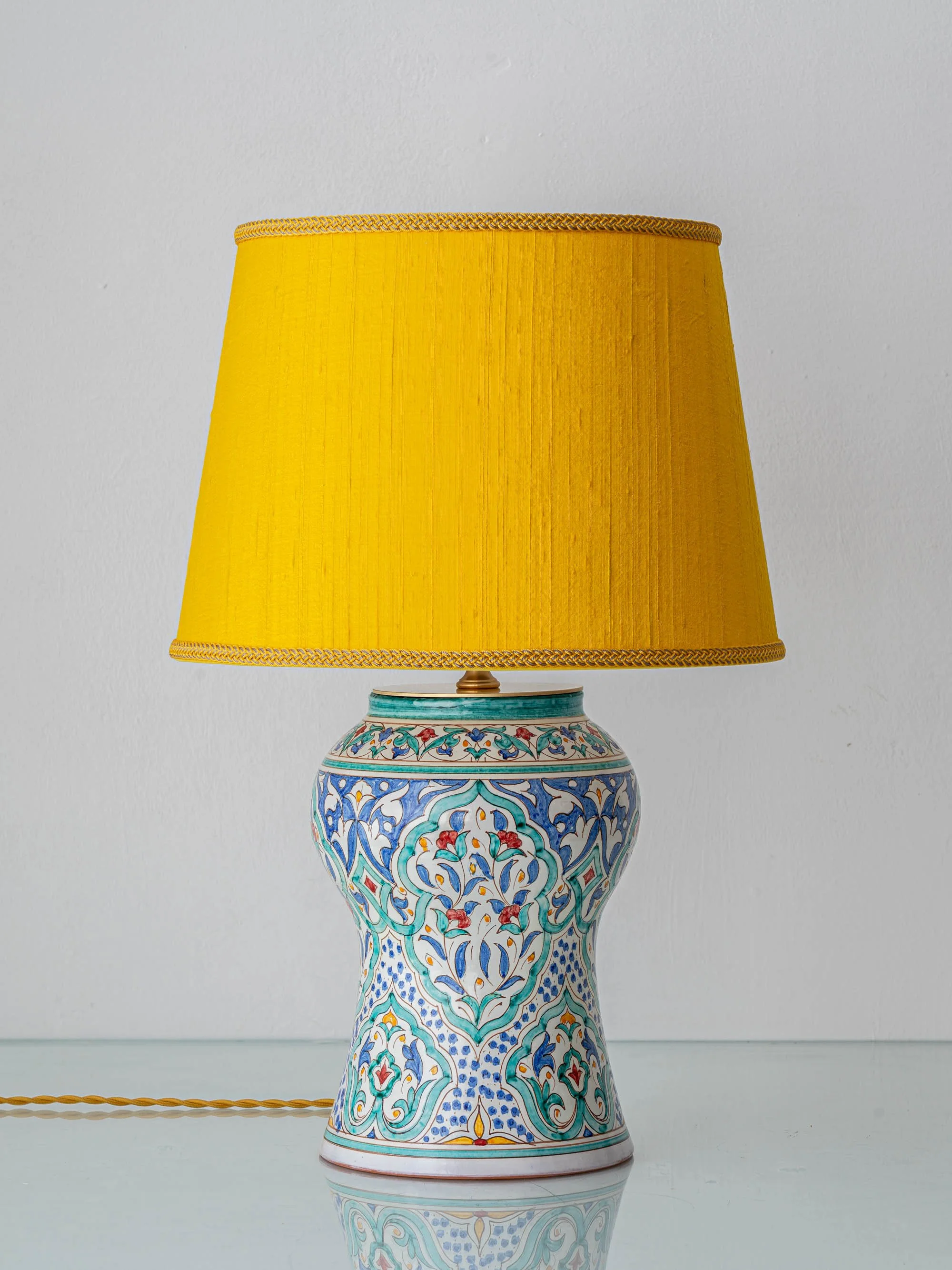
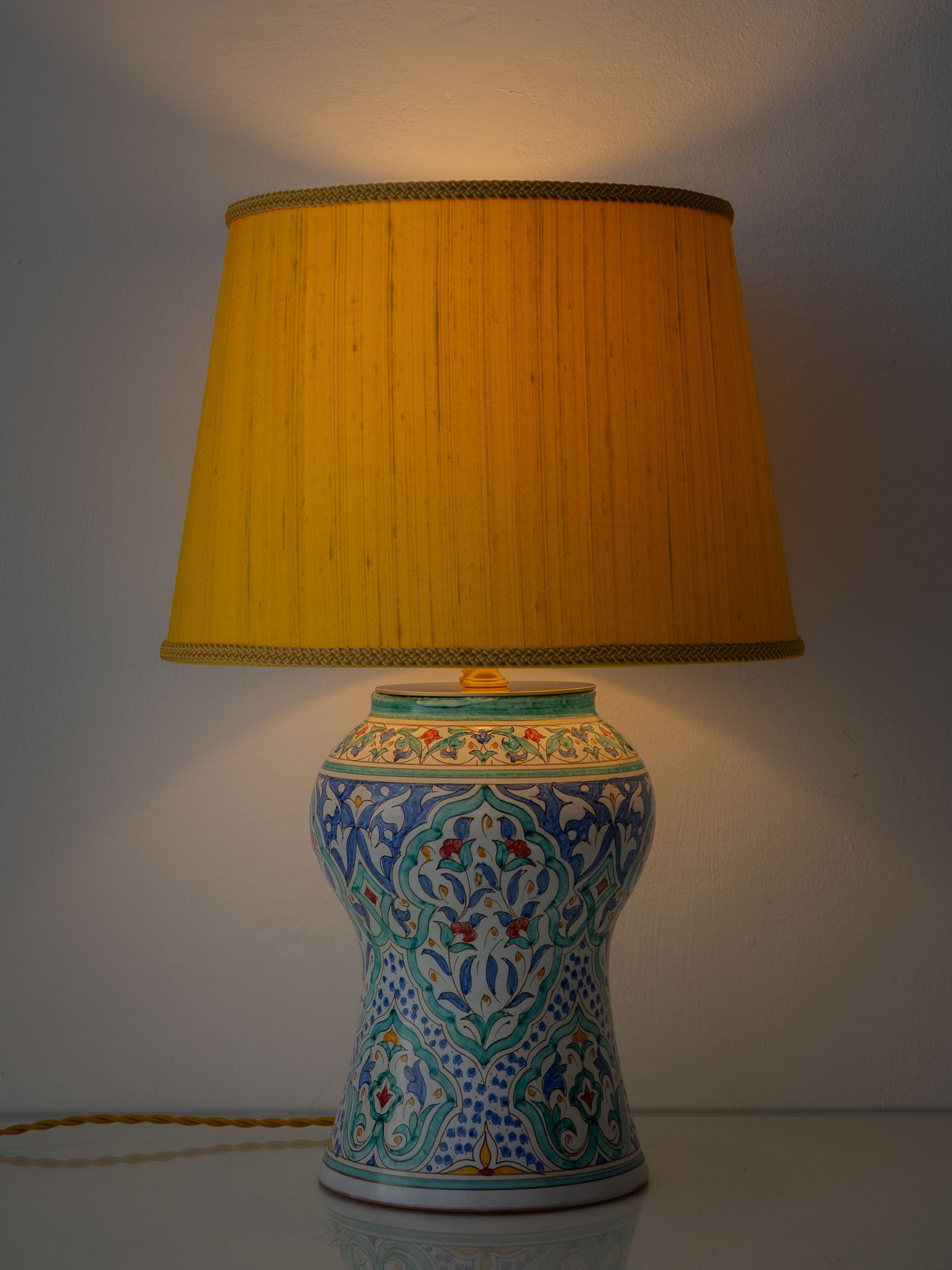
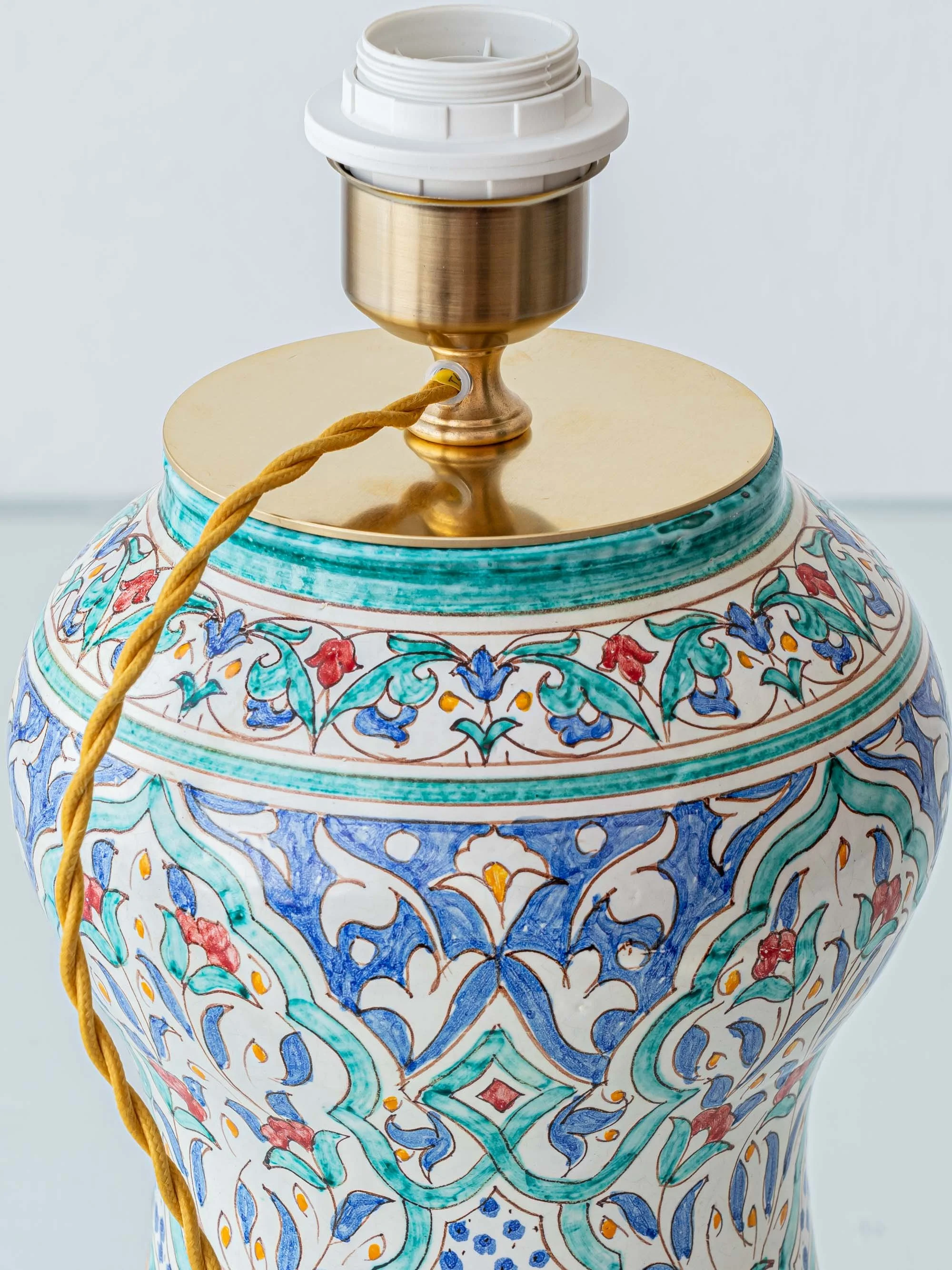
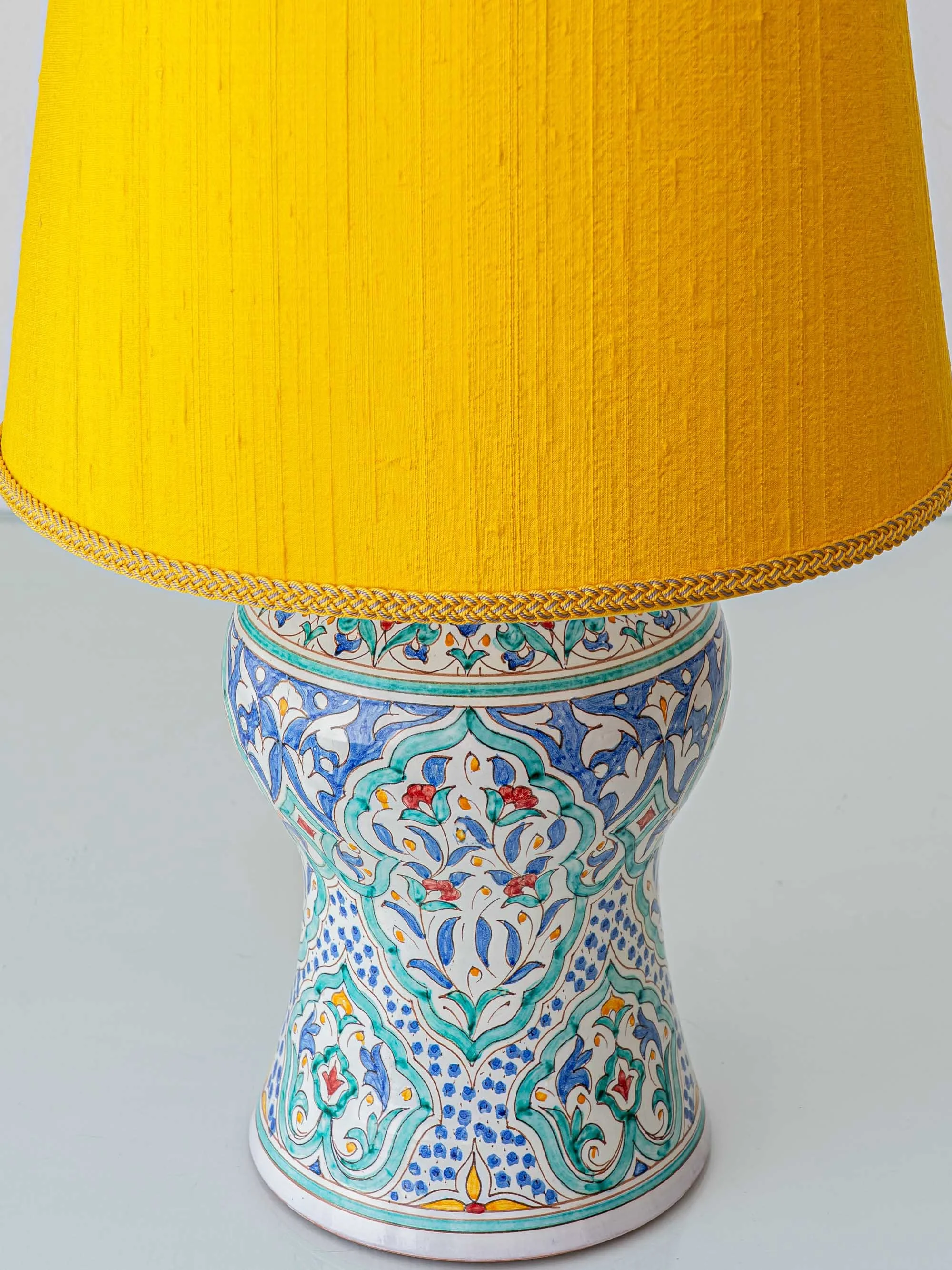
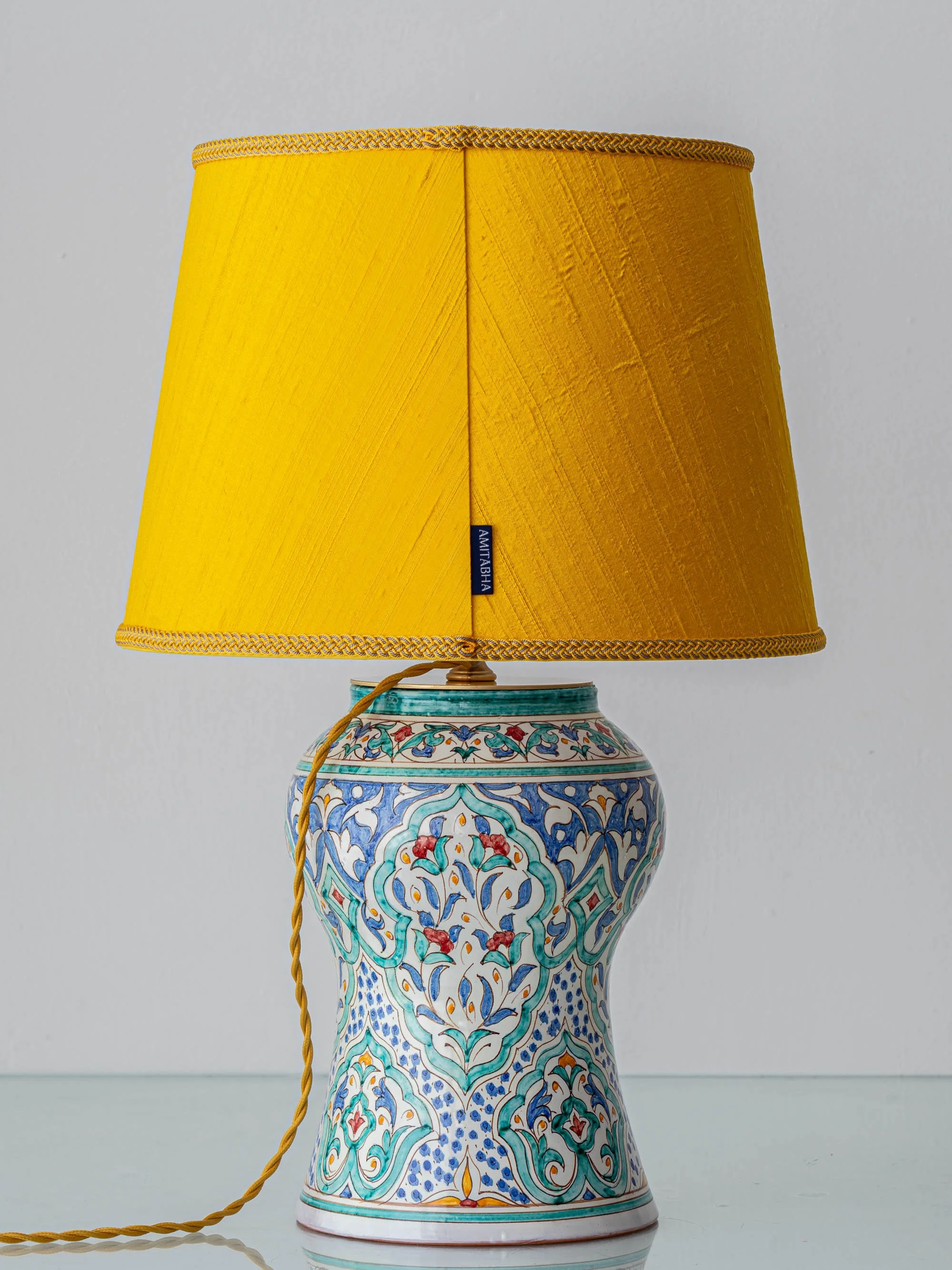
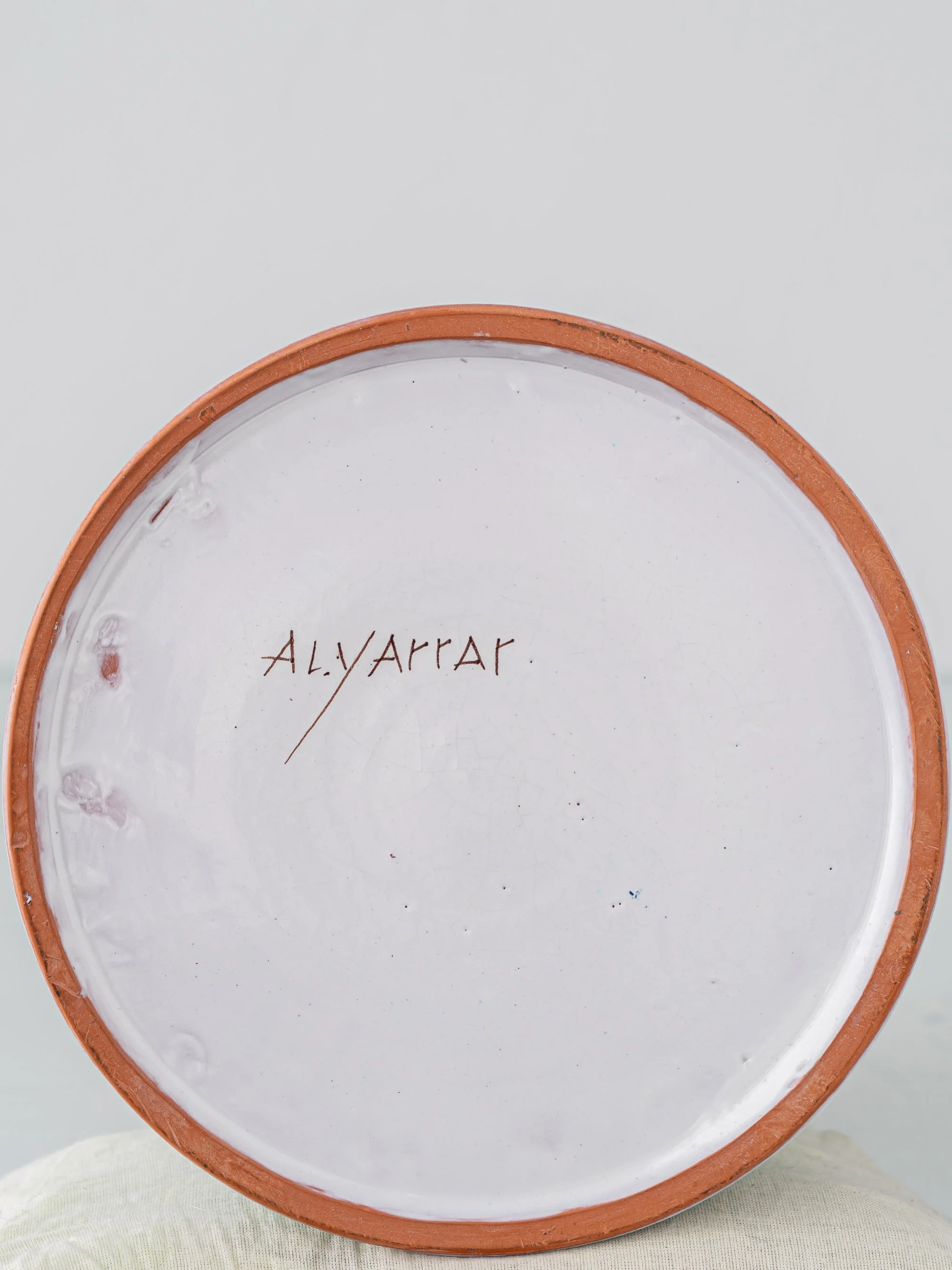
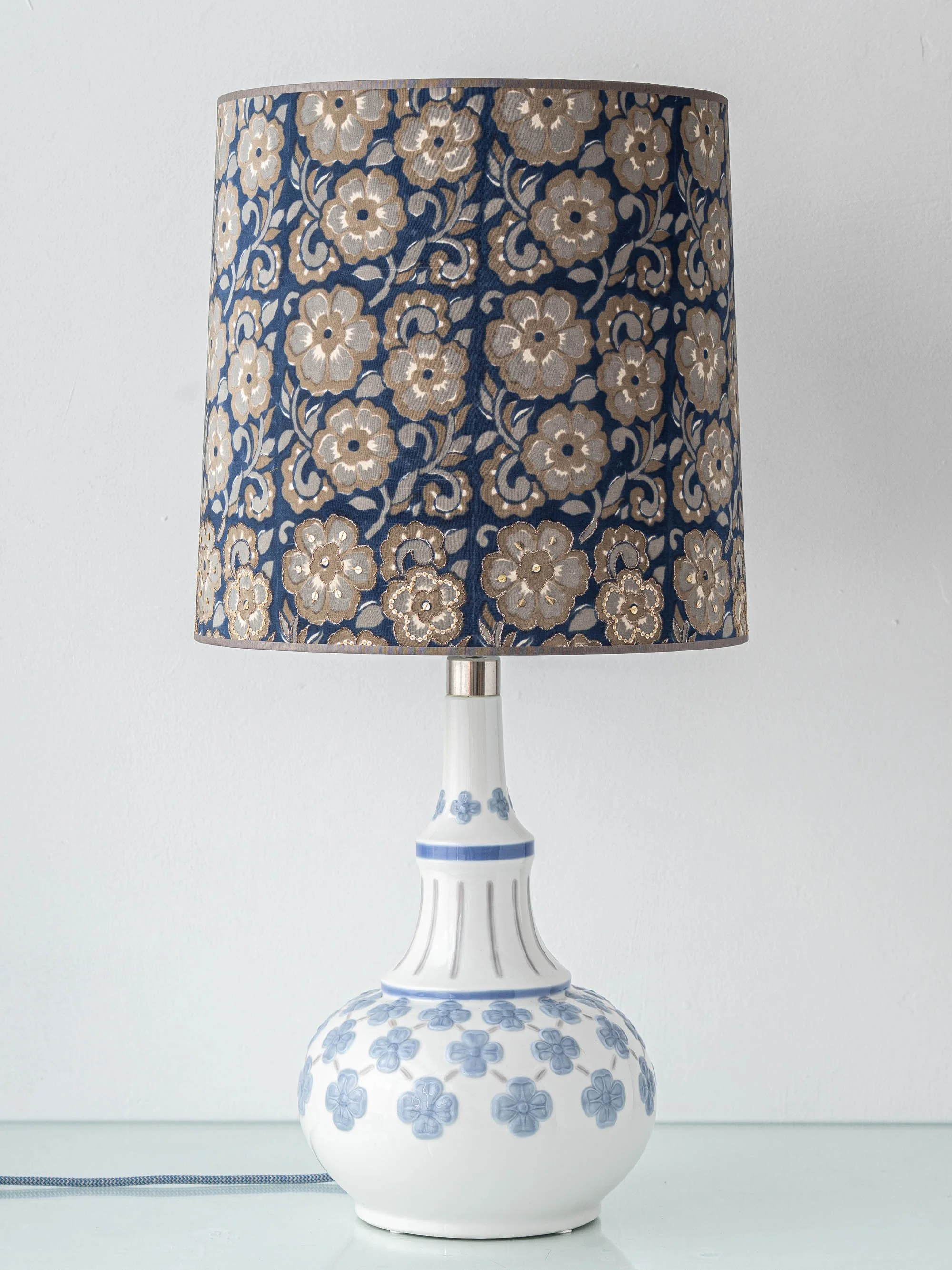
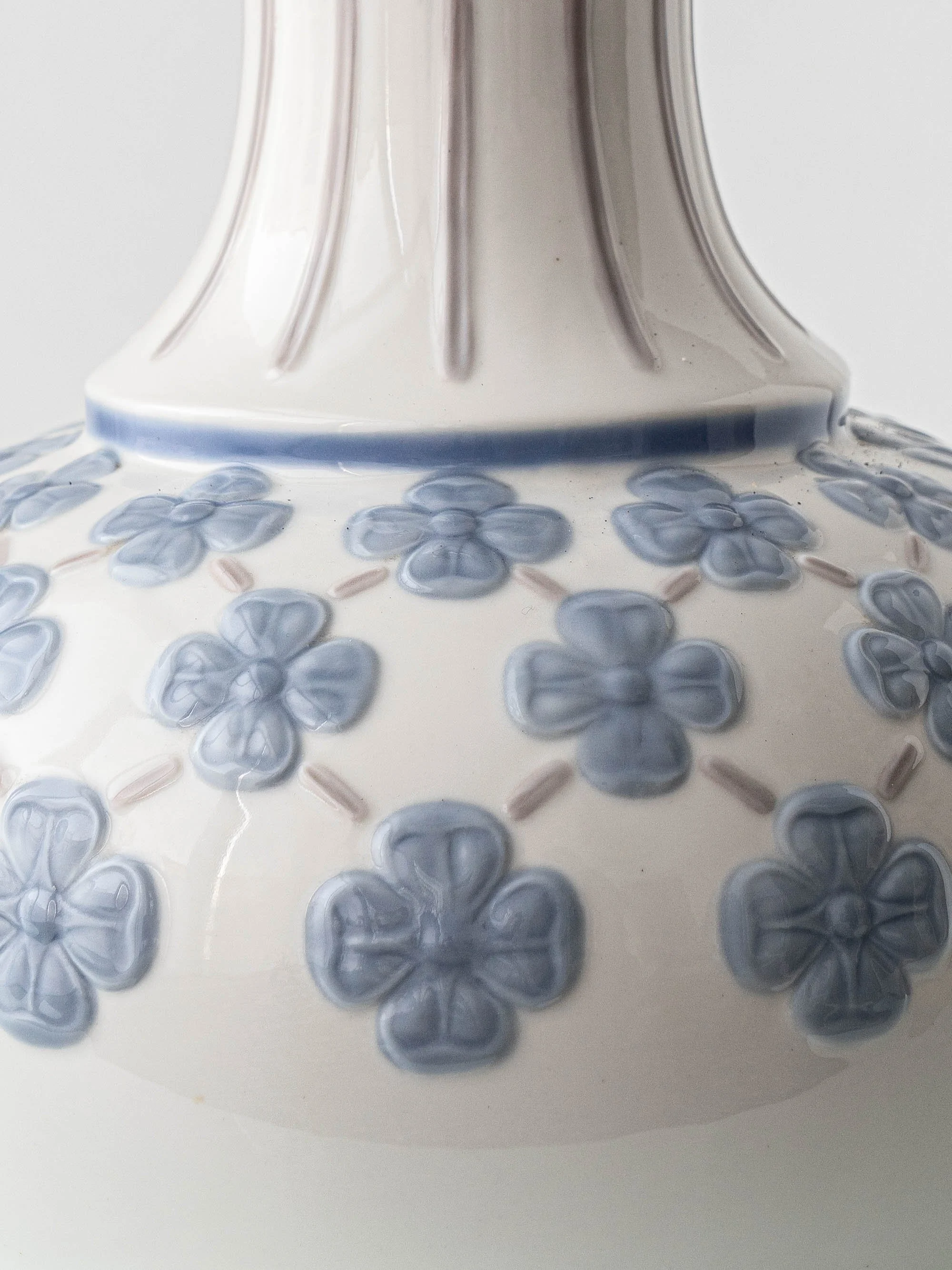
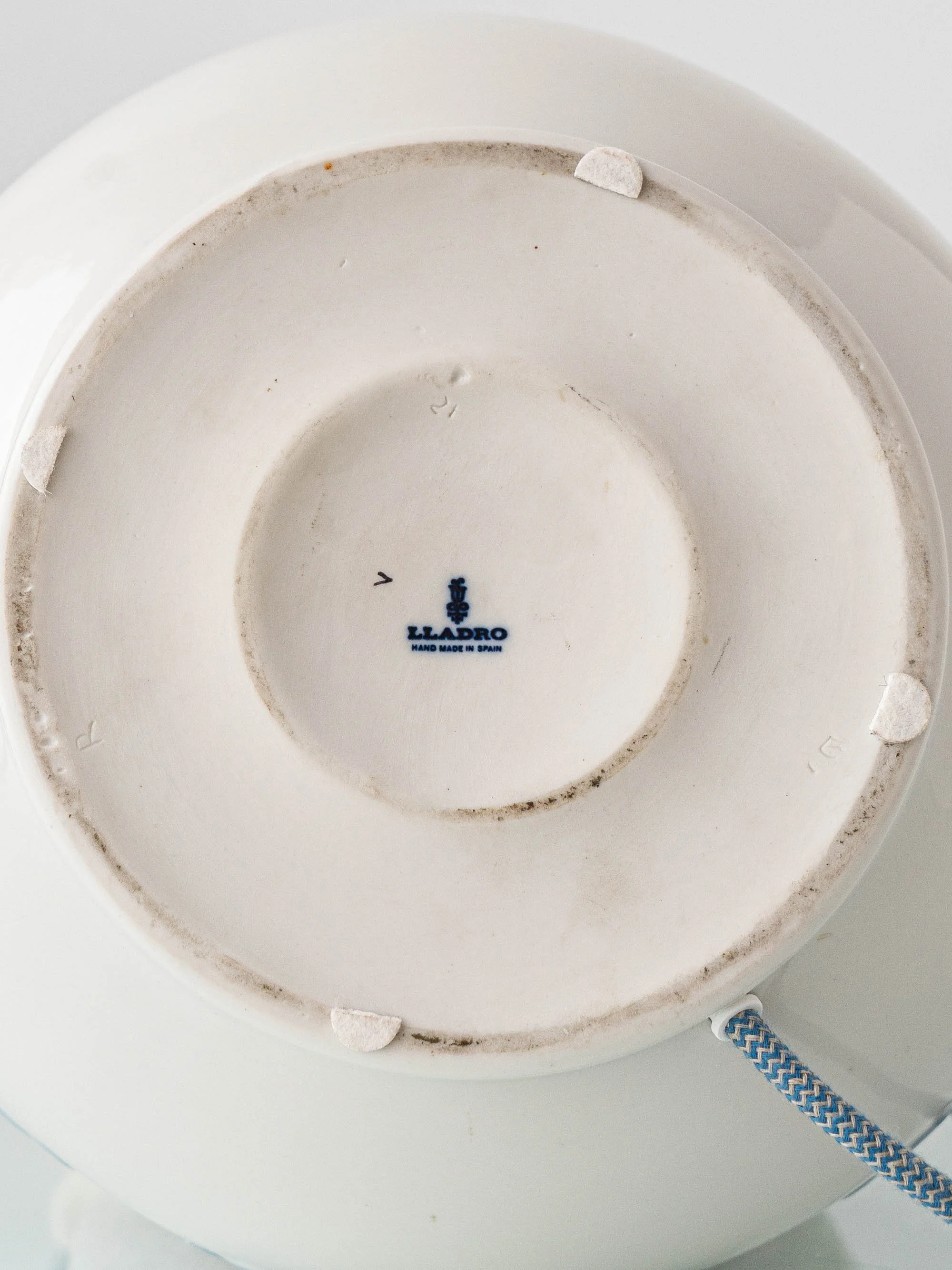
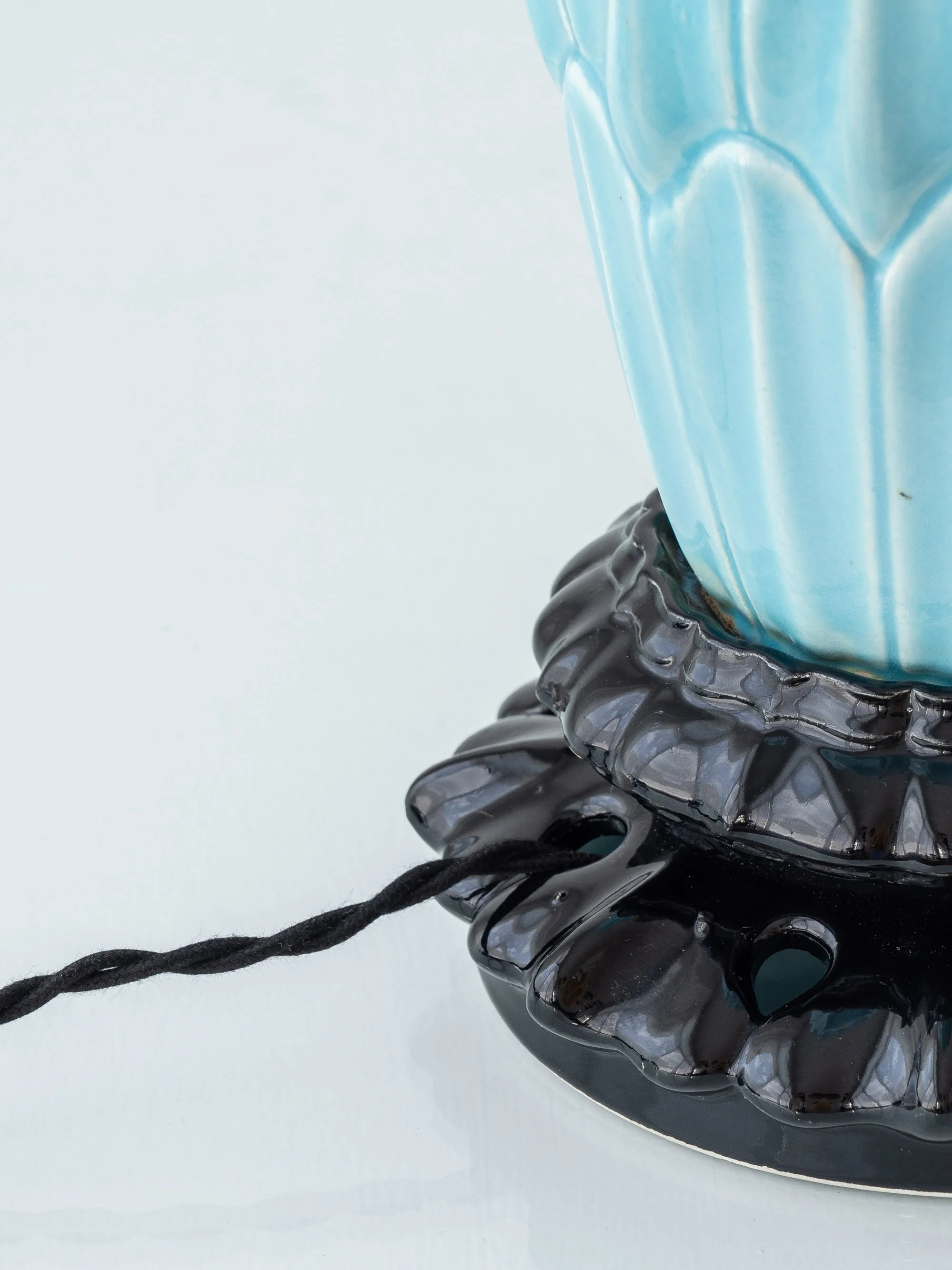
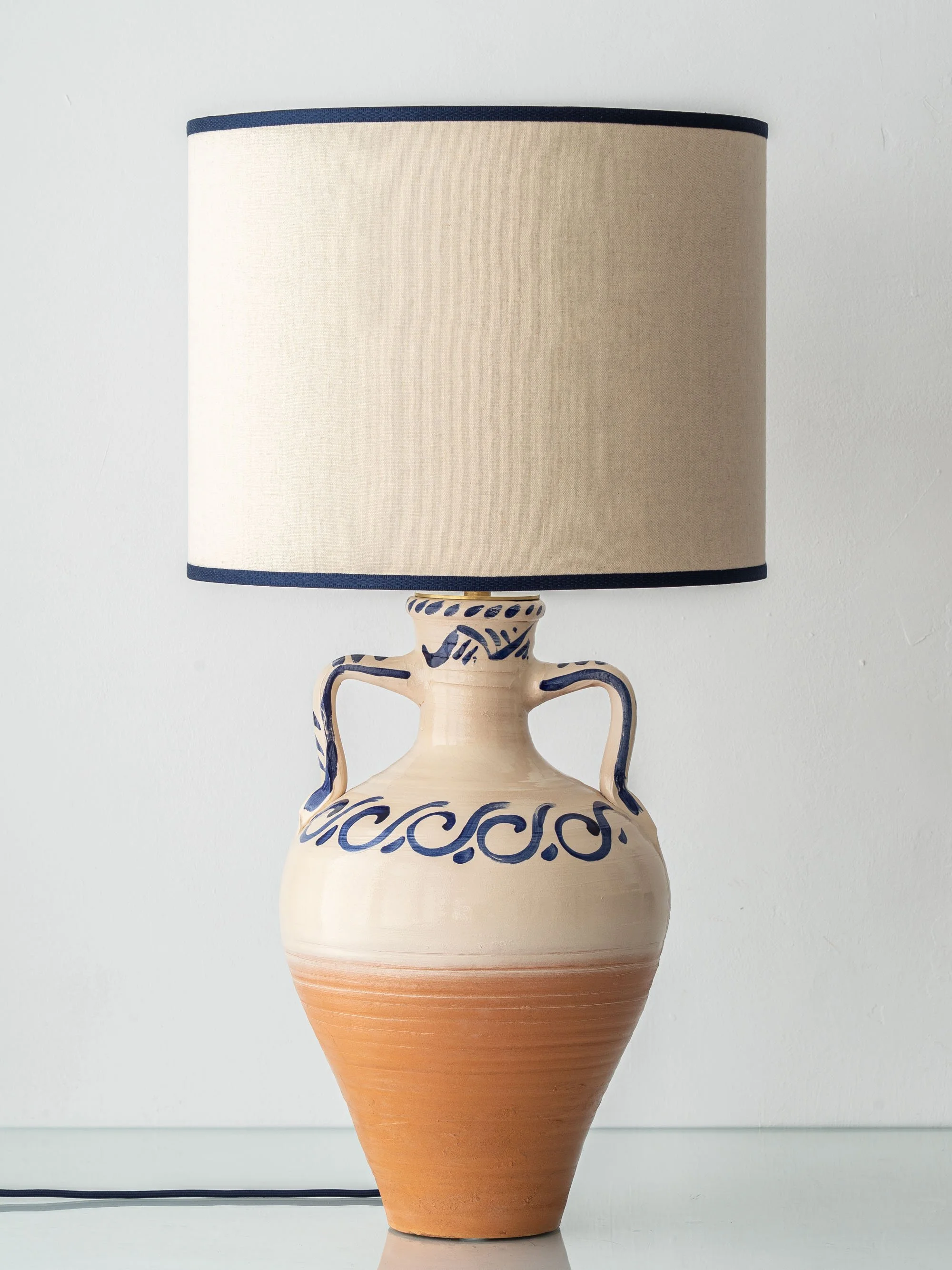
The base is a hand-thrown earthenware amphora with a full, rounded body, a narrow neck, and two squared angular handles. What makes it immediately distinctive is its two-tone finish: cream tin glaze on the upper body, bare terracotta below — the warm ochre clay exposed and wheel-ridged. This is not a decorative choice but one inherited directly from the Andalusian cántaro tradition. The cántaro was the classic water vessel of southern Spain; leaving the lower body unglazed was practical intelligence, the porous clay allowing moisture to weep slowly through the wall and evaporate, naturally cooling the contents. The form carries that history in its surface.
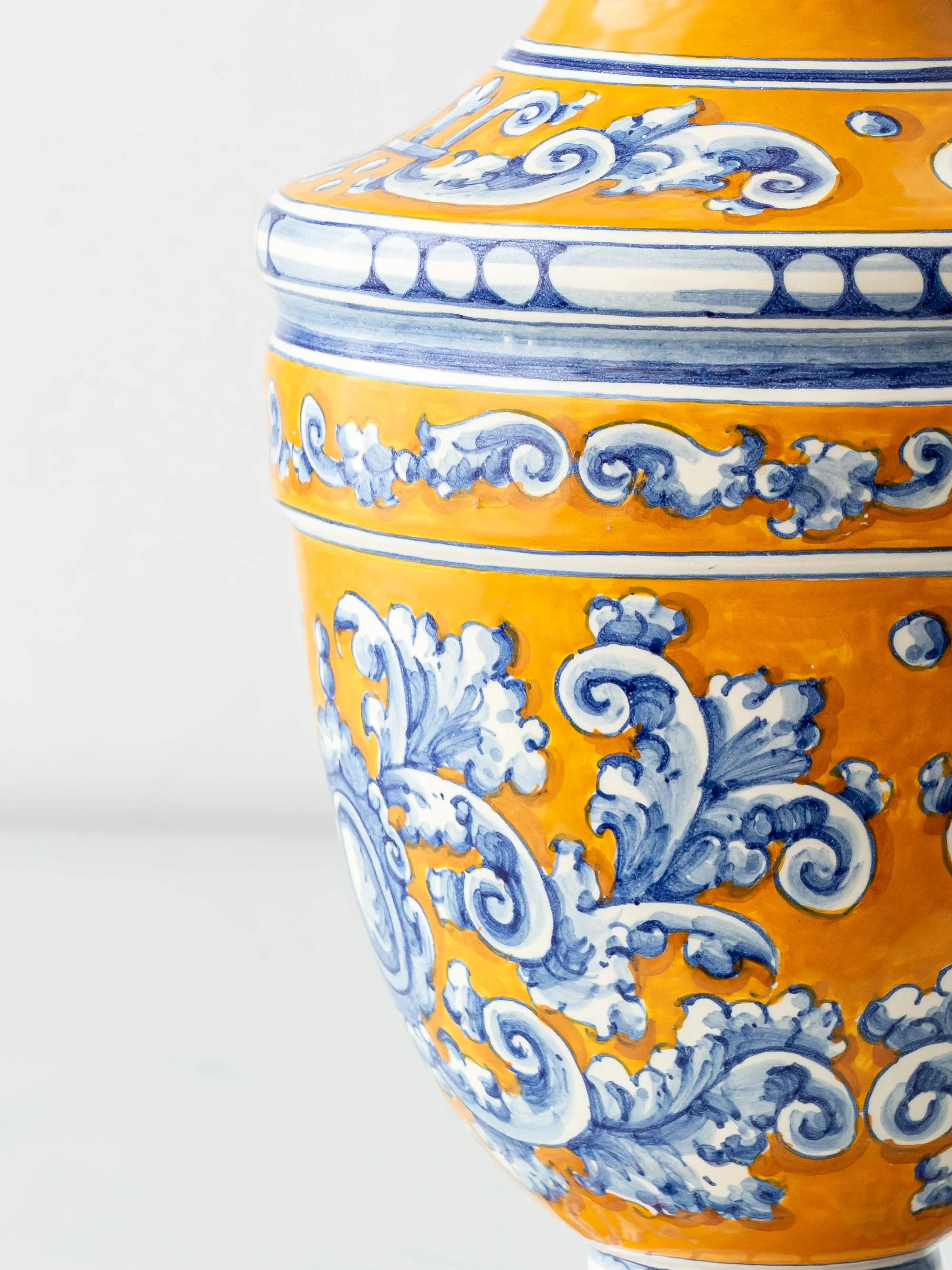
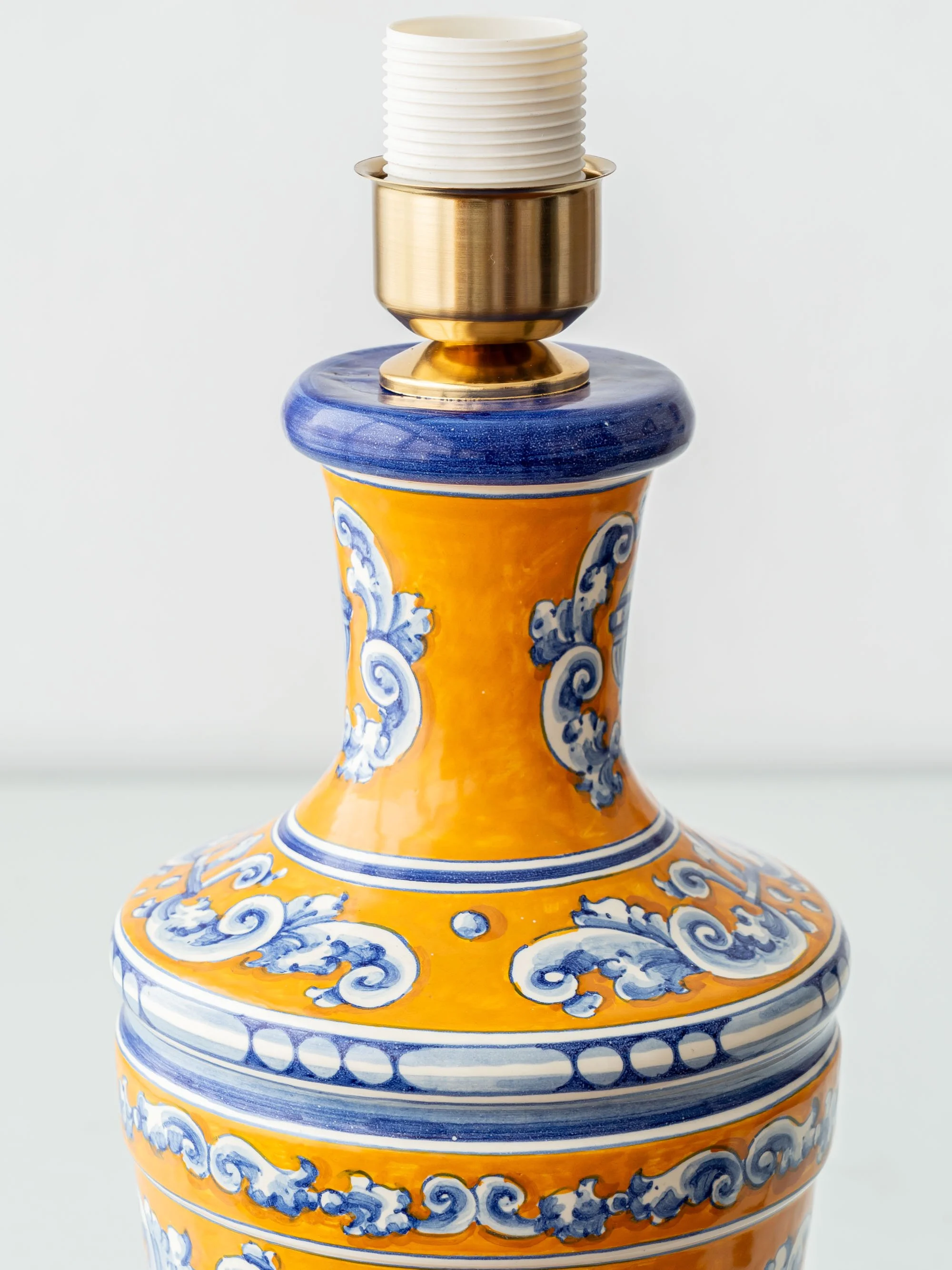
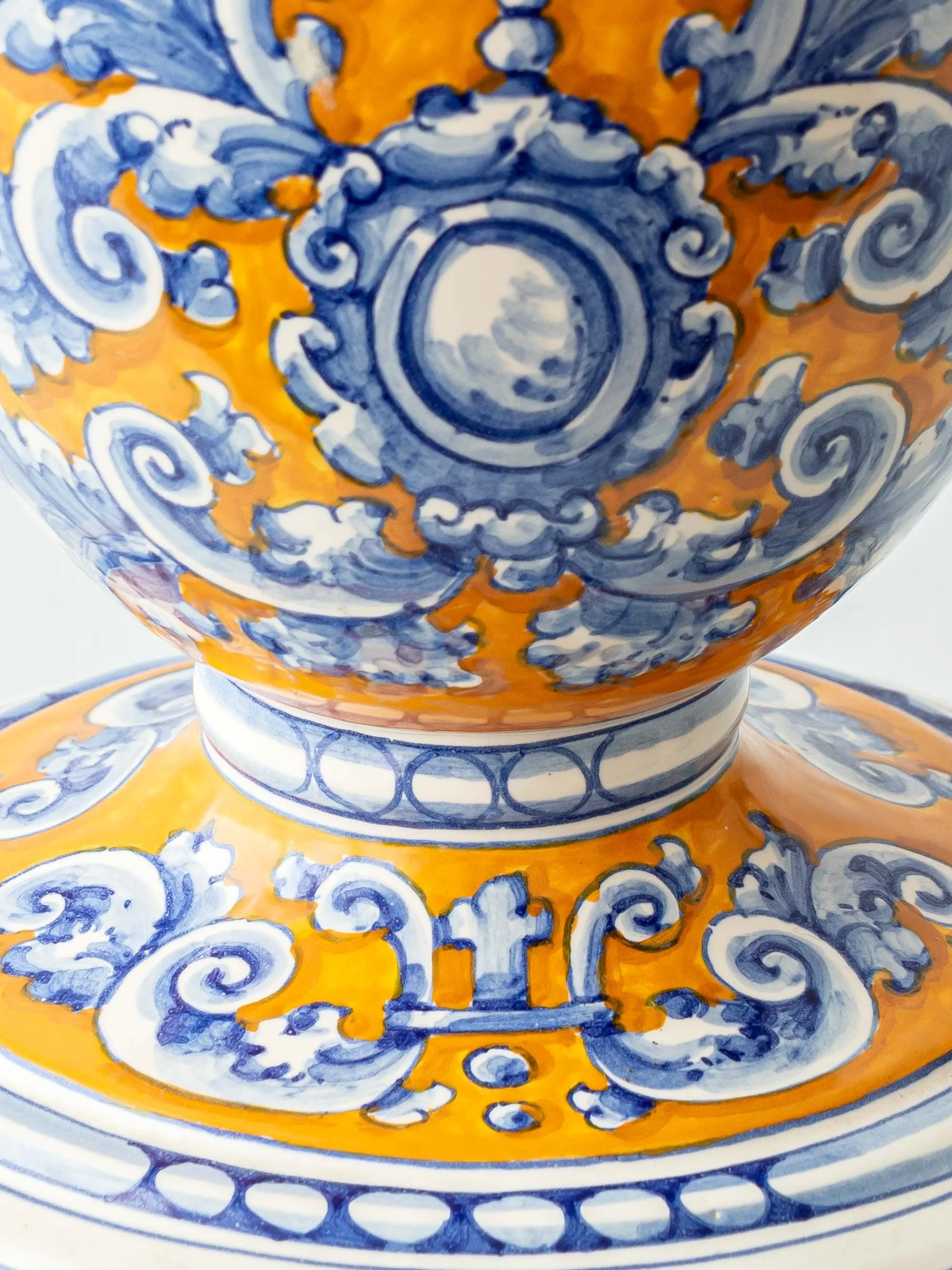
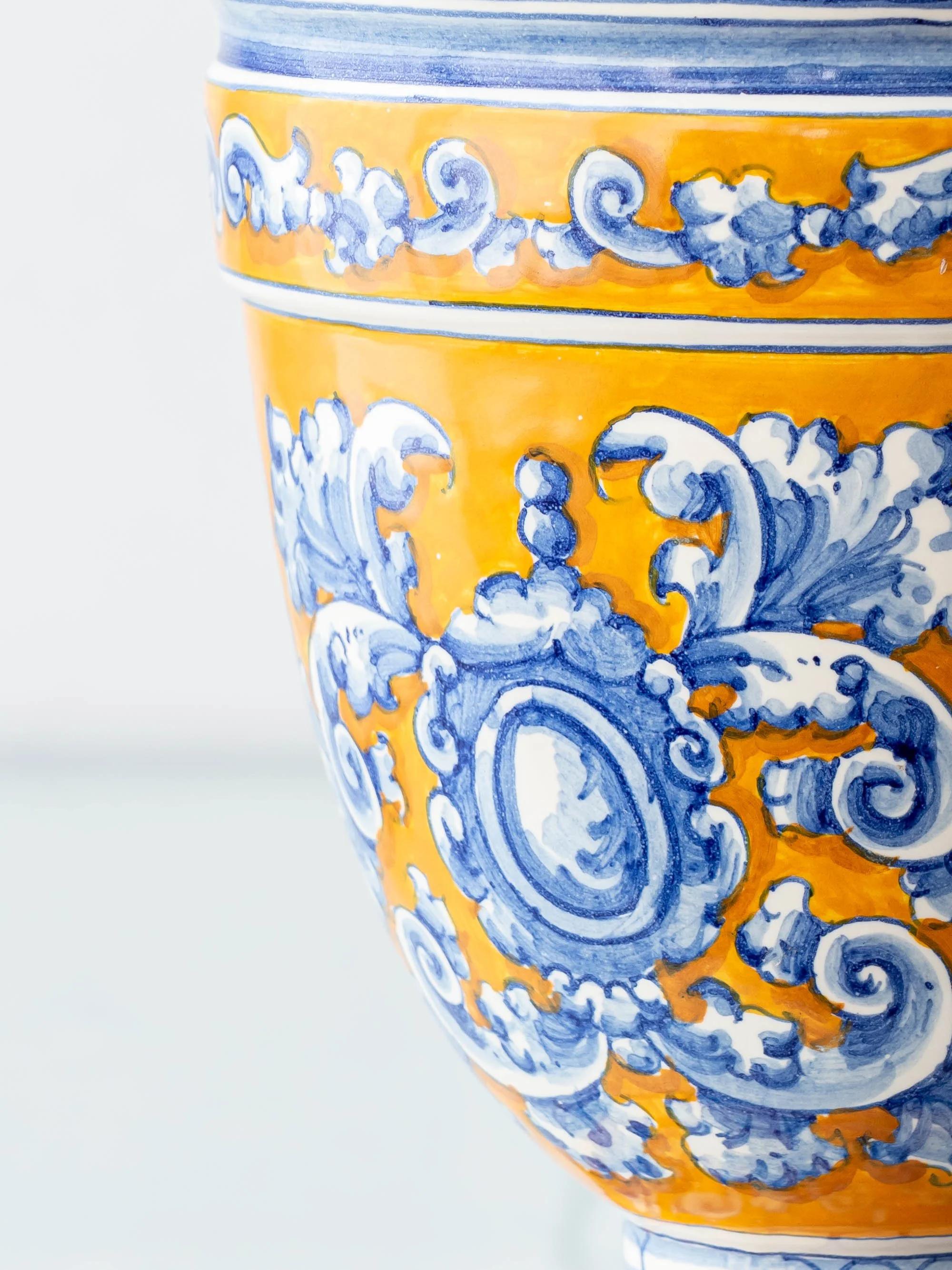
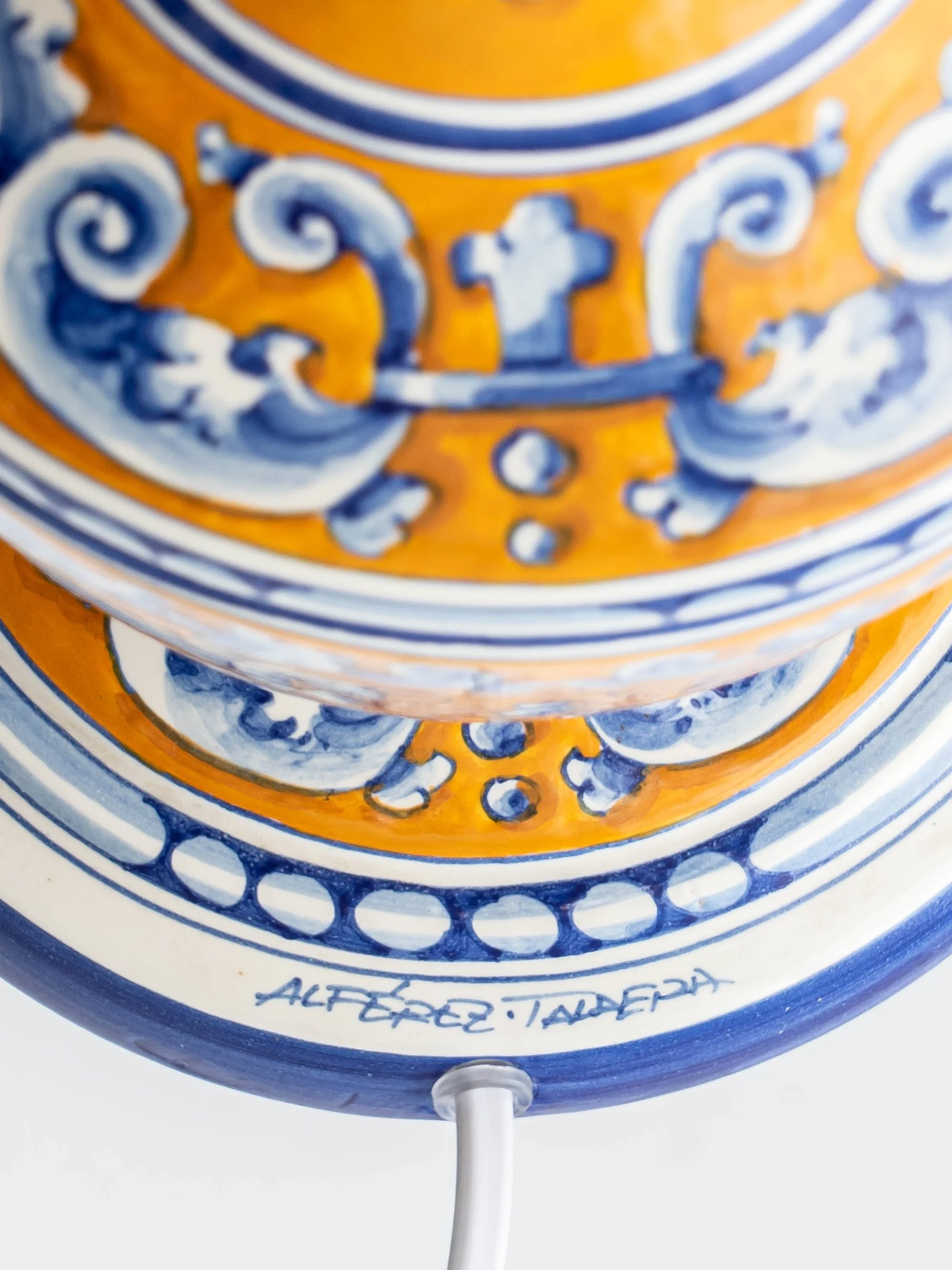
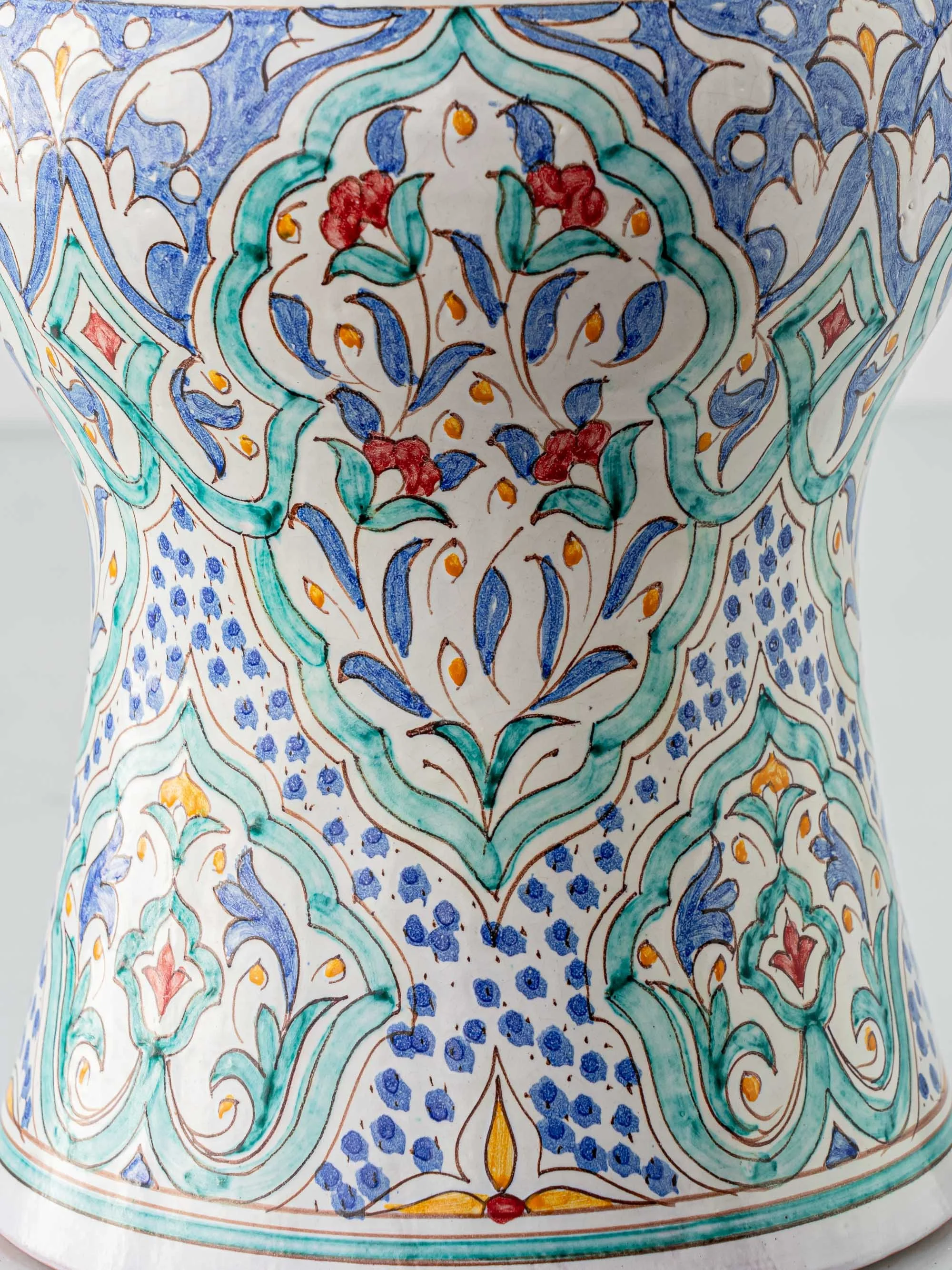
The cobalt blue decoration is applied freehand on the cream glaze in expressive, almost calligraphic brushwork. A running scroll and wave band encircles the shoulder; leaf and dash motifs ornament the neck; small dot accents follow the handles. The strokes are confident and free — the work of a hand that has painted this pattern many times, without it ever becoming mechanical.
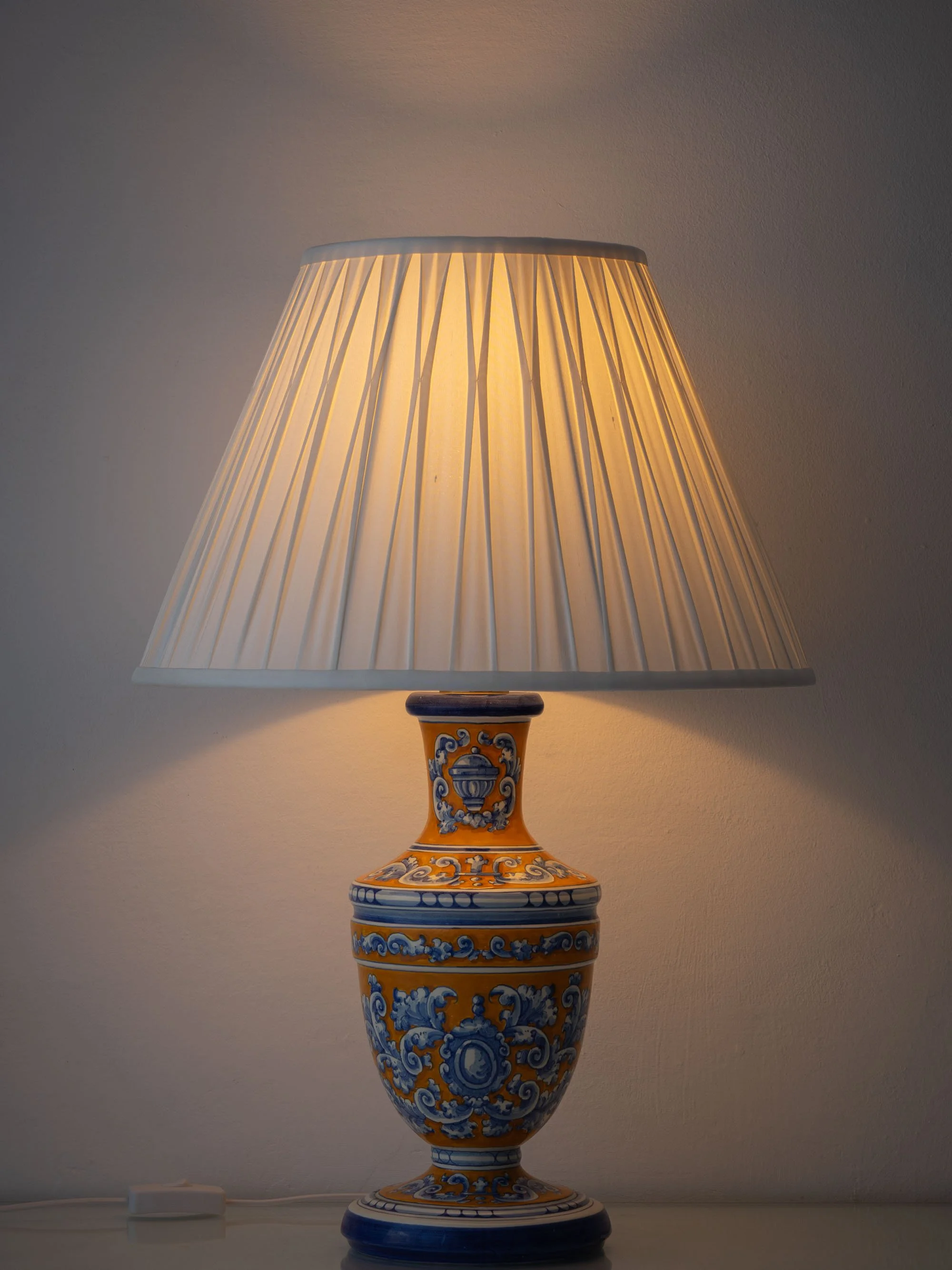
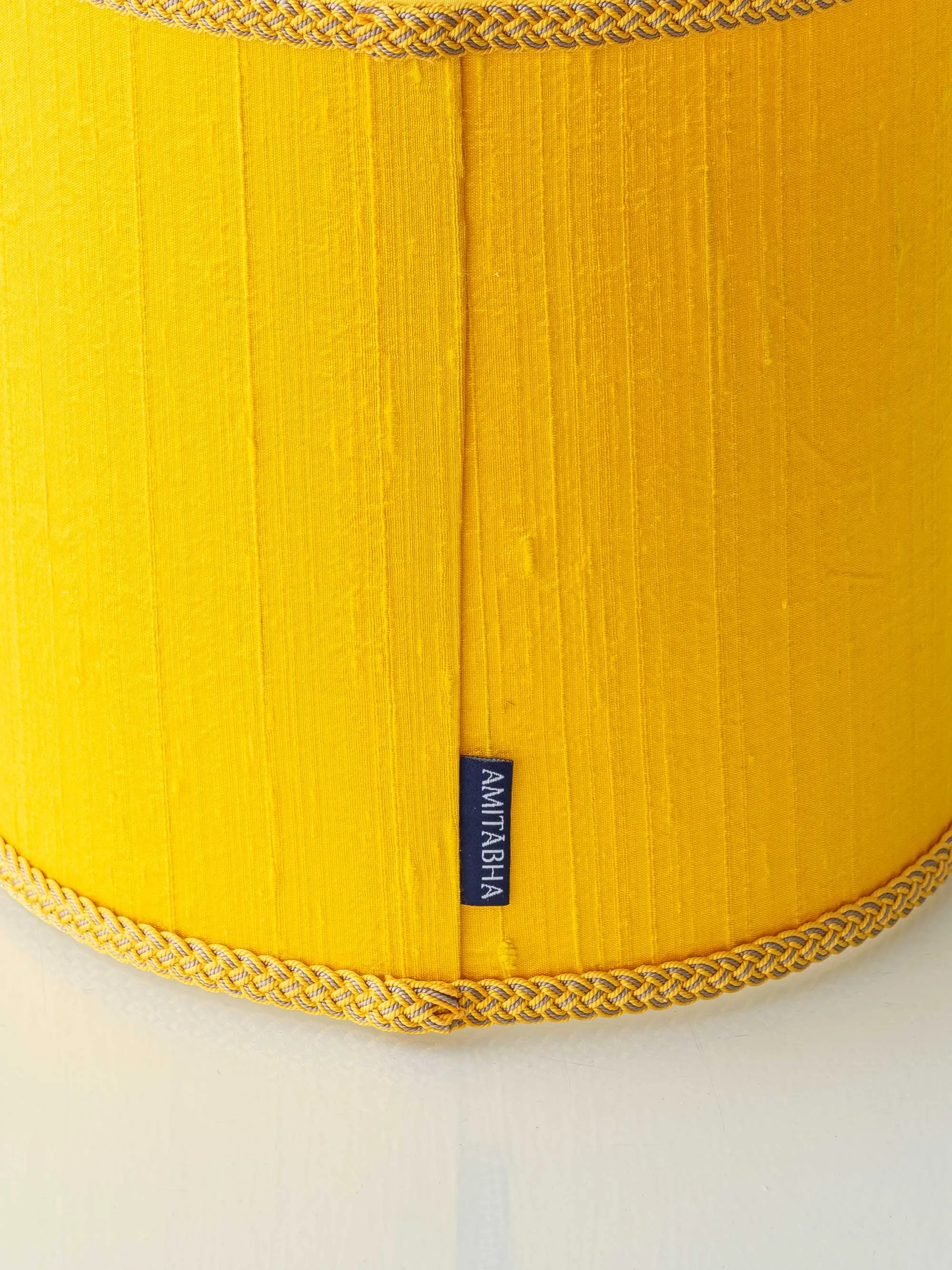
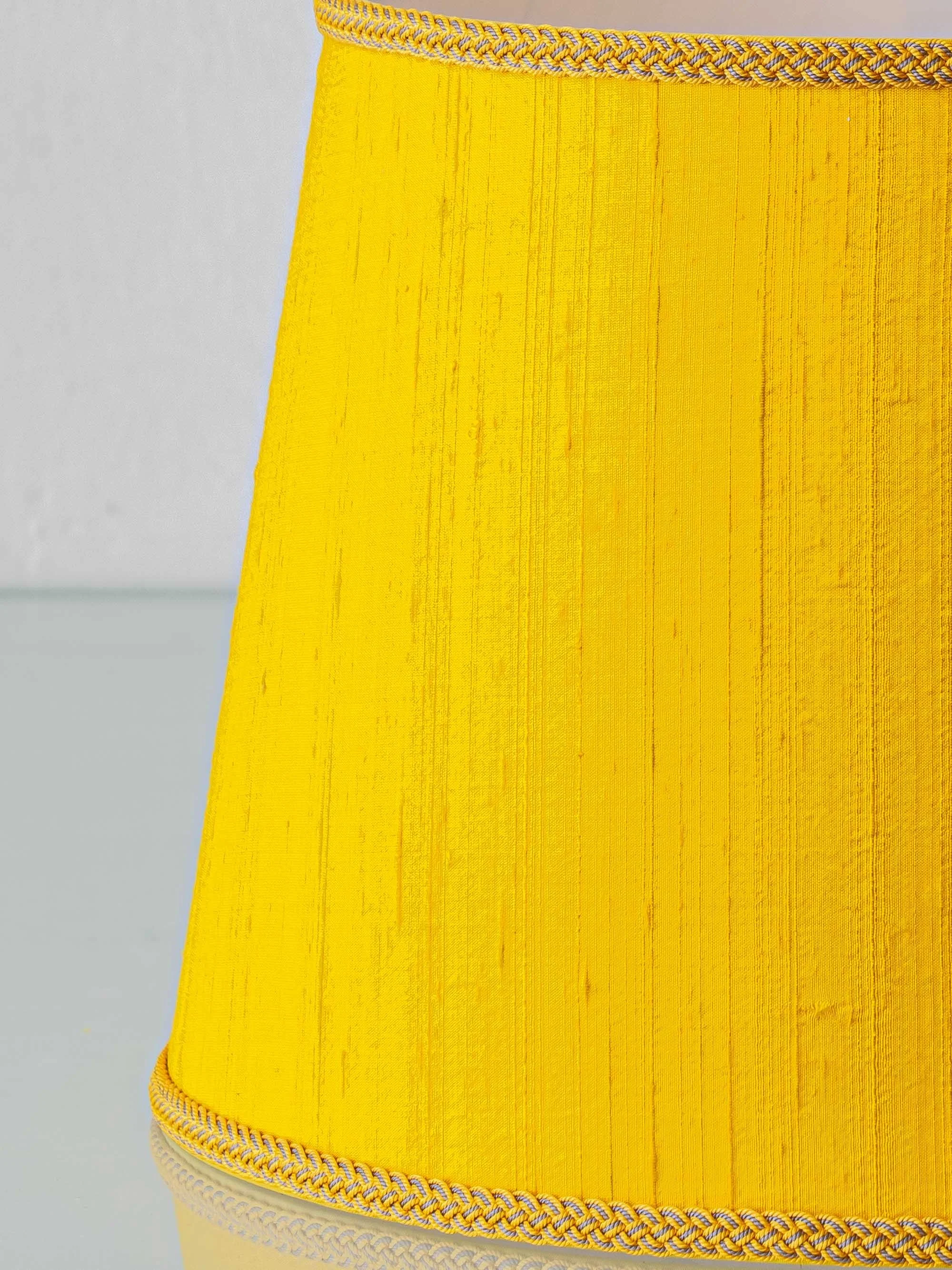
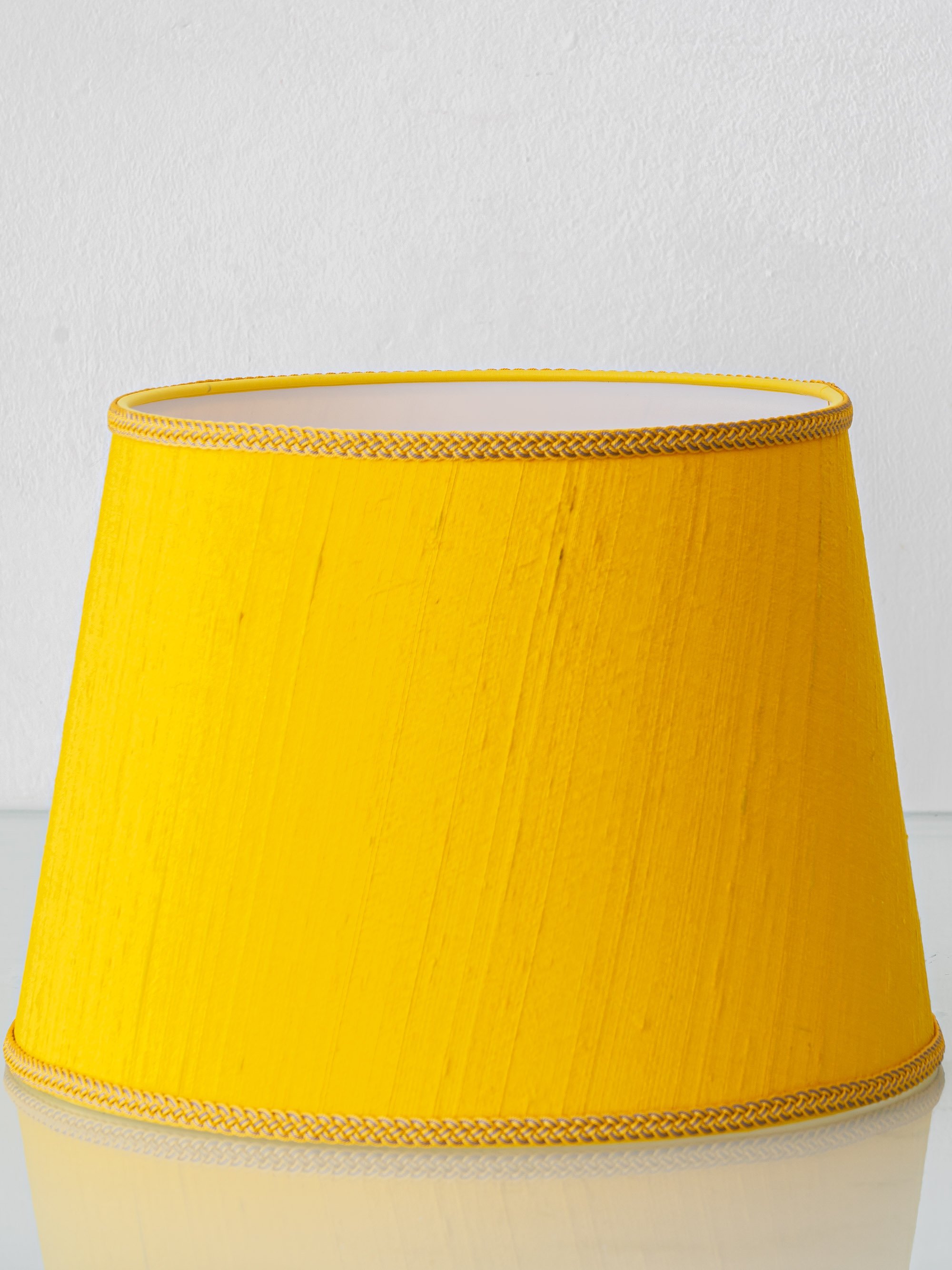
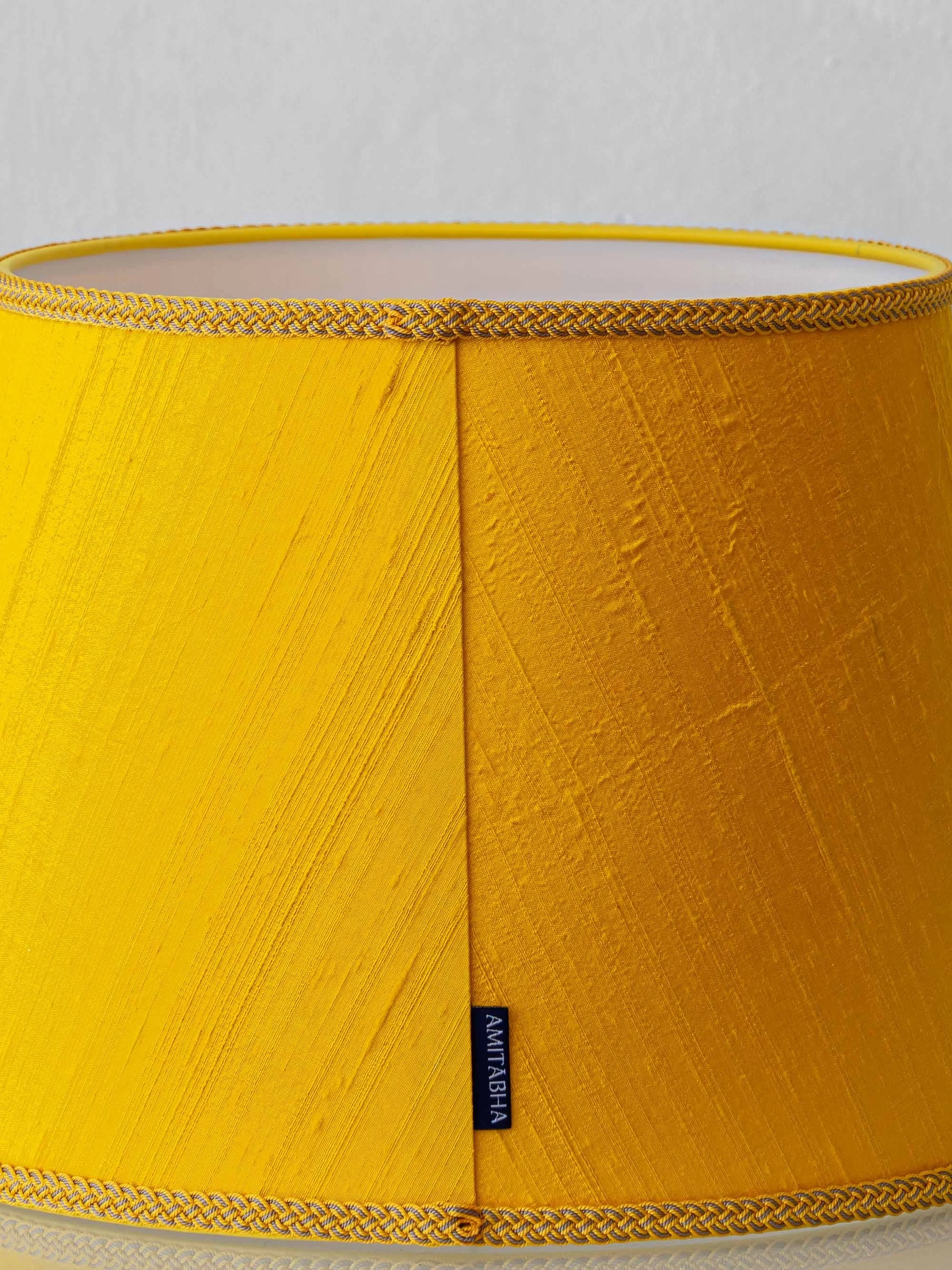
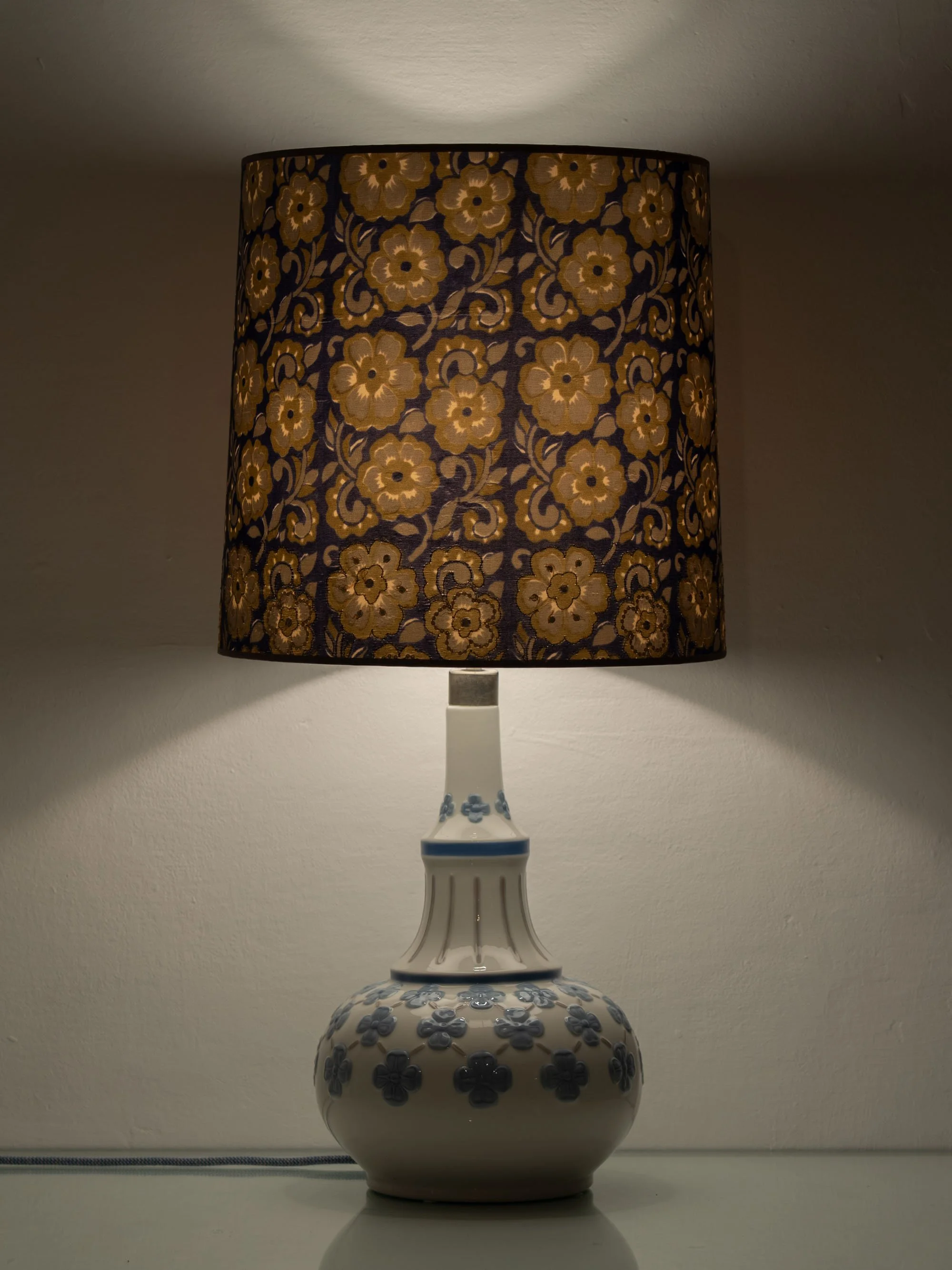
The shade picks up the cobalt directly: a natural linen drum trimmed at both edges with cobalt Houlès passementerie, the matching cord completing the line from base to top. The linen tempers the intensity of the blue without softening the composition.
About the Fajalauza tradition
Fajalauza is Granada's most distinctive ceramic tradition, named after the historic Fajalauza Gate in the Albayzín district where its workshops first gathered. The first written record dates to 1517, when a potter filed a legal complaint in the years following the Christian reconquest of Granada — a moment that shaped the tradition itself, as Moorish and Spanish artistic influences fused into something new. The characteristic palette — cobalt blue and copper green on a cream tin-glazed ground — and the recurring motifs of scrollwork, pomegranates, and stylized foliage have remained the visual language of Fajalauza for five centuries.
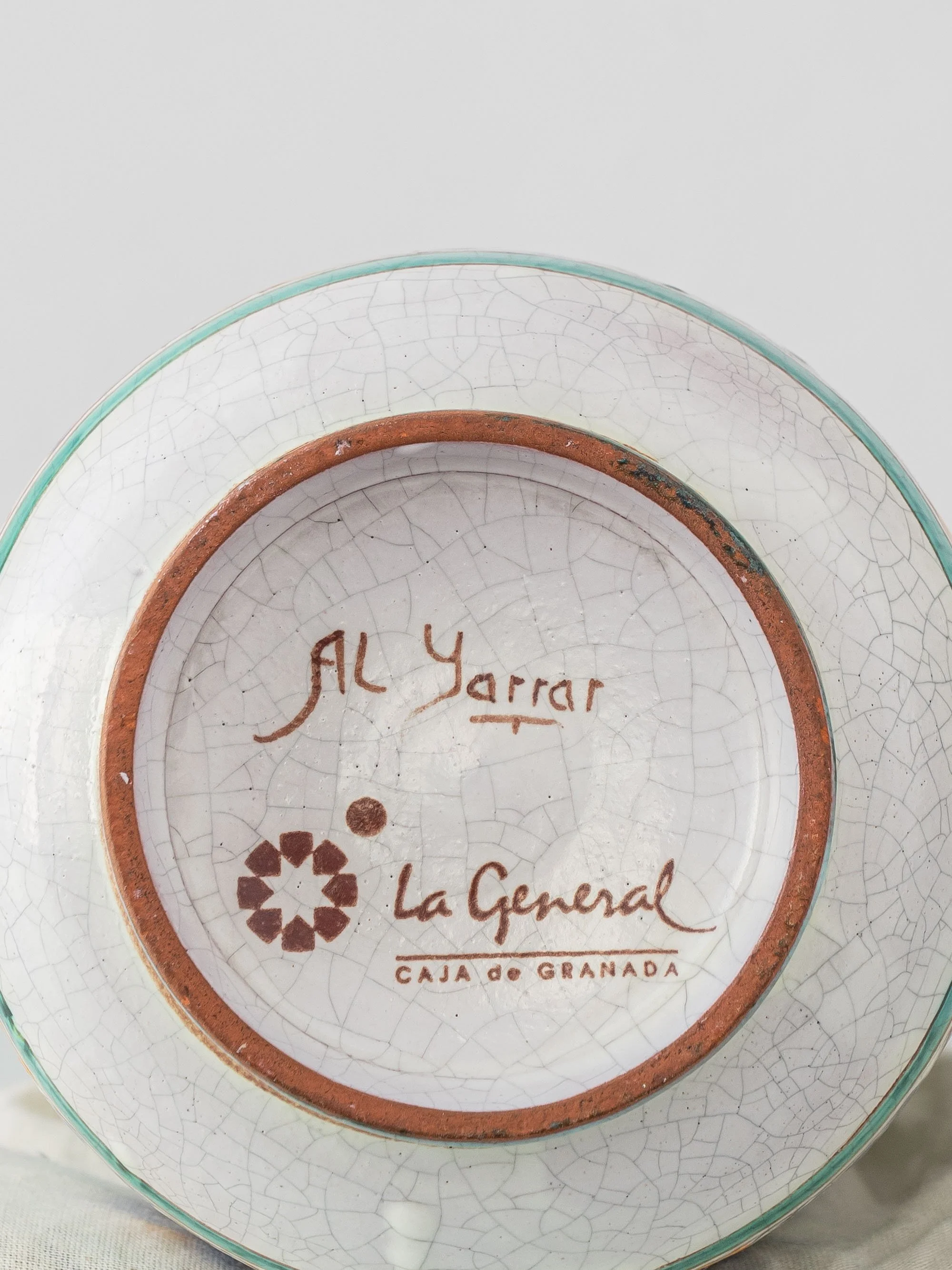
This base is made in Bailén, in the province of Jaén — one of Andalusia's most established ceramics towns, sustained by exceptional local clay deposits and a concentration of multi-generational family workshops that continue to produce hand-thrown earthenware today. Working in the Fajalauza manner, Bailén's ceramicists carry the Granada tradition forward: the same freehand painting, the same vocabulary of form and motif, the same craft logic that has defined Andalusian earthenware since the sixteenth century.